
Why Interior Designers Love Mirror LED TVs for Hotel Projects
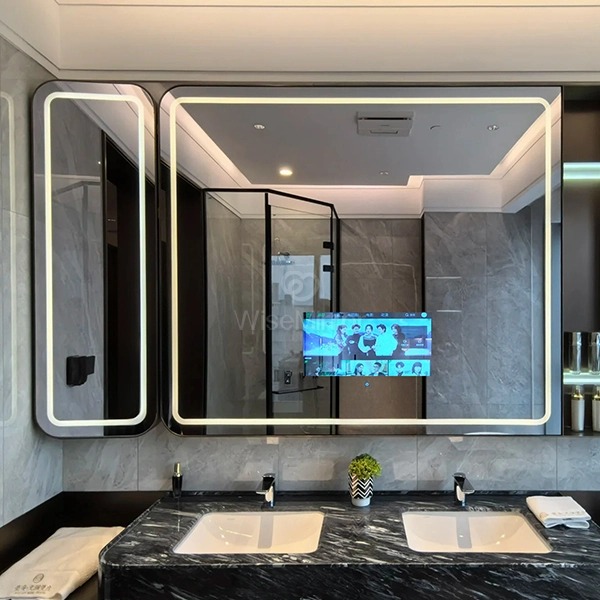
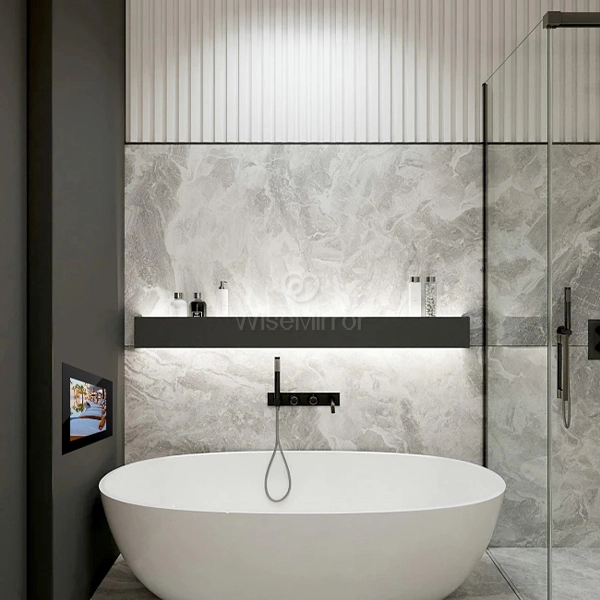
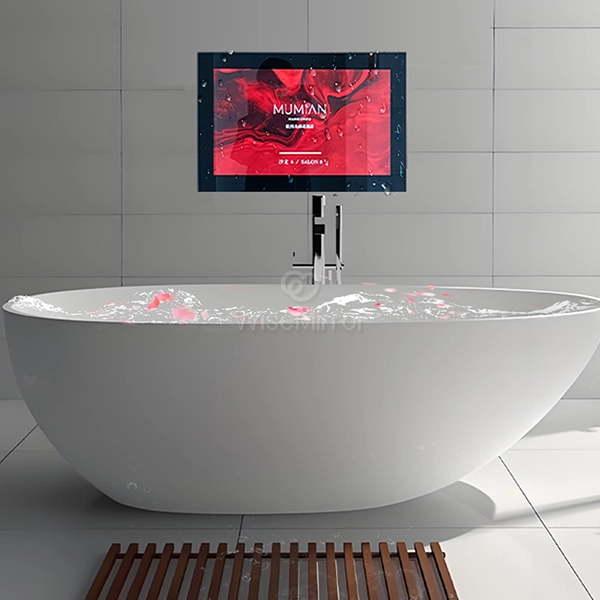
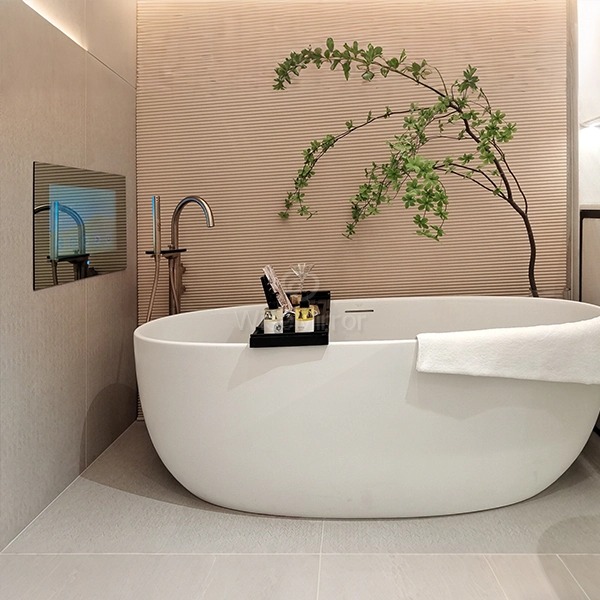
Interior designers always choose mirror LED TVs for high-end hotel projects because they neatly solve an ongoing design problem: getting rid of the "black hole" effect of screens that aren't being used while still providing high-quality entertainment experiences. Traditional TVs take up a lot of wall space with their dark, dead panels when they're not in use. A mirror LED TV, on the other hand, keeps its elegant, reflective look all day, creating the classy atmosphere that is important for high-end hotel rooms. These units are essential for boutique hotels, vacation spas, and luxury suite baths where every design element needs to serve both form and function. They can be used to combine high-performance display technology without affecting the overall look.
What Are Mirror LED TVs and How Do They Enhance Hotel Interiors?
The Technical Foundation of Dual-Function Display Technology
Mirror LED TV technology is a complex mix of optical engineering and display systems made for business use. These gadgets work by using dielectric beam-splitter glass that has carefully set reflection-to-transmission ratios. Usually, they keep the reflectivity between 50 and 70% while letting 30 to 50% of the light through. This specialized optical stack is very different from regular LED screens or consumer-grade smart TVs.
The display panel underneath works at high brightness levels, usually putting out 500 to 1000 nits (cd/m²) to make up for the fact that glass absorbs light and keep the picture quality clear even in well-lit bathrooms. Nano magnetron blasting covering technology is used by WiseMirror Intelligent to make sure that no light gets through and the mirror is clear when the display is off. This advanced coating process makes sure that the mirrored surface keeps true colors without the greenish or bluish tints that are common in cheaper mirrors. This is very important for hotel bathrooms where guests are doing grooming chores that need accurate color perception.
The structure has more than just visual qualities. Professional hospitality-grade units have waterproof ratings of IP66, which means they can be installed in places with a lot of moisture, like shower walls and pool areas. Anti-corrosion treatments keep interior parts safe from the harsh cleaning chemicals used in business dining settings, which means they can be used for longer than ten years. These engineering standards directly address the durability needs that procurement teams put first when choosing parts for properties that will see millions of guest contacts over the course of their service life.
Space Optimization and Visual Continuity in Hotel Design
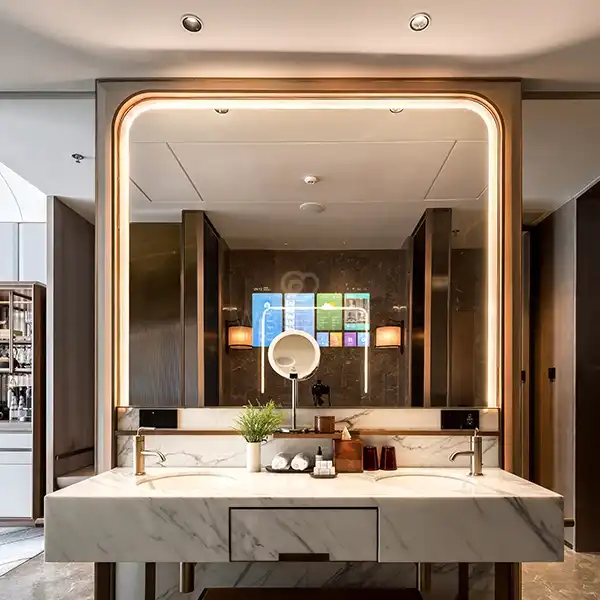
Hotel furniture designers are always under pressure to make rooms look bigger while also adding technology systems that get more complicated. For traditional TV setups, there must be specific wall spaces that can't be seen when the screens aren't being used. This problem can be solved by mirror television technology, which can be used as both a mirror and a video screen, making valuable wall space twice as useful.
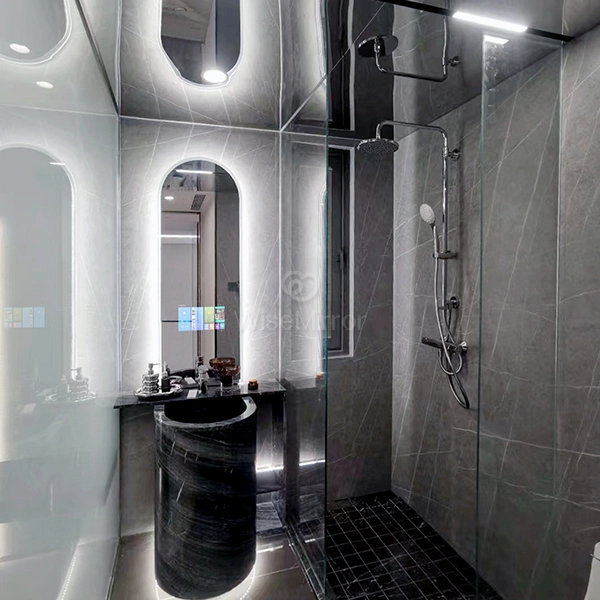
This clever use of space is especially useful in the bathrooms of small hotels, where designers have to get creative with their layouts. If a vanity area has a built-in mirror display, there's no need for a separate TV mount. This means that builders can use the extra space for more storage, better movement, or bigger wet areas. The thin profile design—usually less than 3 inches deep—allows for flat fitting, which keeps the clean architectural lines that are important for modern luxury looks.
In addition to saving space, these devices keep the visual uniformity even when the lighting changes. Hotels are open 24 hours a day, seven days a week, and guests arrive at all different times. During the day, standard dark TV screens are harsh on the eyes. Reflective display technology keeps the same look no matter what state it is in, which supports the cohesive design storylines that set unique hospitality experiences apart from standard accommodations.
Interior Designers' Core Reasons for Choosing Mirror LED TVs in Hotels
Seamless Integration Across Diverse Design Themes
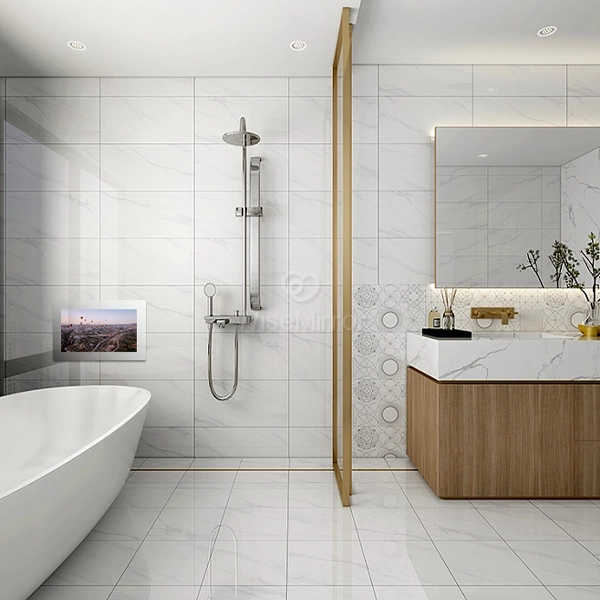
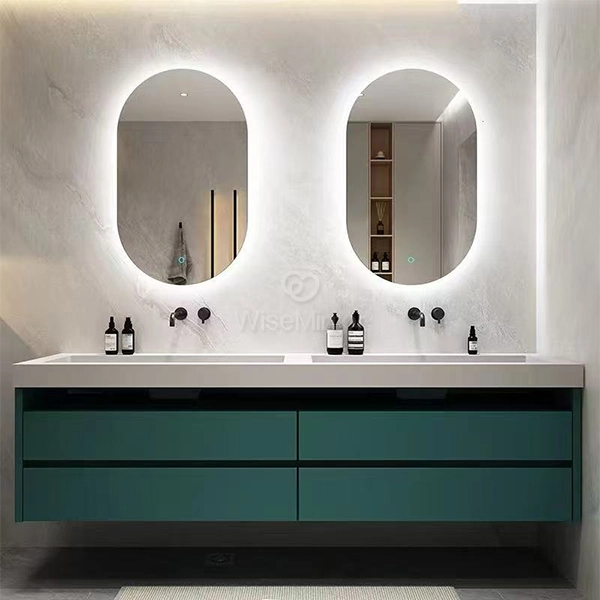
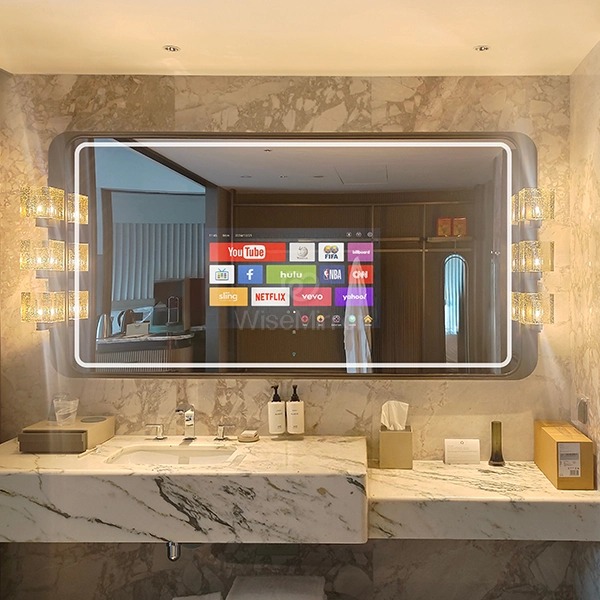
The fact that smart mirror LED TV display technology can be used with different types of architecture is a big plus for designers working on a wide range of hotel projects. The clean, orderly look of frameless mirror installs that blend into white-tiled wet rooms is great for modern minimalist homes. In classic luxury hotels, these devices are put in frames and settings that are very fancy. The reflective surface goes well with classic materials like marble and metal without adding any out-of-date technology.
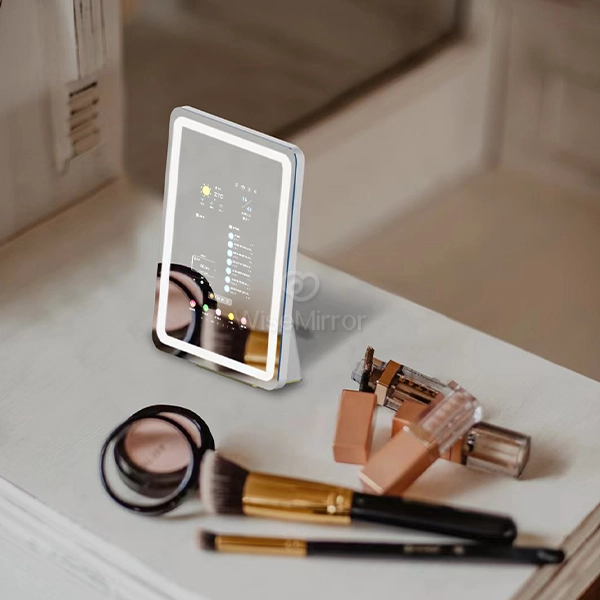
WiseMirror Intelligent gives you a lot of ways to customize it, and it comes in a wide range of sizes, from small 15.6-inch vanity units to large 75-inch show installs. There are matte, metallic, and frameless options for bezel treatments, so they can be matched to existing woodwork, tile choices, and light finishes. This ability to customize speeds up project timelines by getting rid of the design trade-offs that are usually needed when standard technology goods are chosen.
Design merging is even better when hotel logos can be put right into user interfaces. Custom start screens, branding channel guides, and welcome messages that are specific to the property turn simple displays into parts of the general design of the guest experience. Support for multiple languages in the interface meets the needs of foreign sites, making sure that technology improves the guest experience instead of making it harder.
Elevating Guest Experience Through Functional Innovation
Today's hotel guests expect technology that makes their stay easier without them having to know a lot about it. Integrated mirror screens offer fun, information, and usefulness through simple user interfaces that look and feel right at home in bathrooms and dressing rooms. Guests can put on makeup while watching beauty lessons, watch the news in the morning while taking a shower, or listen to music through the built-in Bluetooth connectivity—all without having to figure out complicated remote controls or new operating systems.
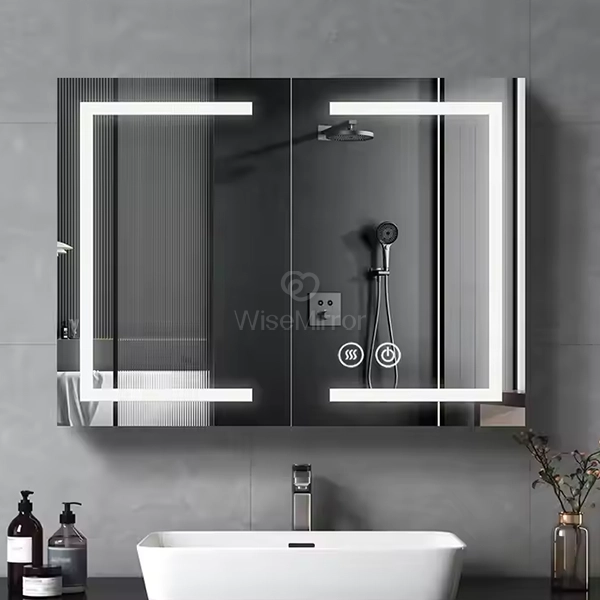
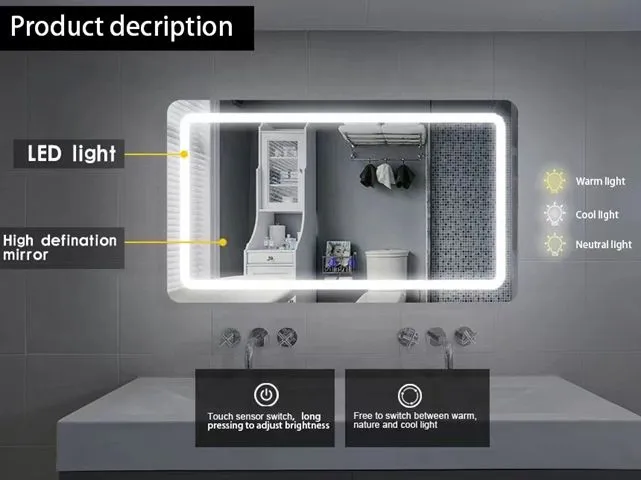
The professional units' flexible fill lighting solves a common problem in the hotel industry: task lighting isn't good enough in vanity areas. Guests can now control the lighting without having to use separate dimming systems or different types of fixtures. The different color temperature sets include cool white (5000K) for putting on makeup, neutral white (4000K) for general cleaning, and warm white (3000K) for relaxing in the bath. This unification makes electrical engineering easier, lowers the cost of installation, and improves usefulness through unified control interfaces.
Smart feature combination makes functions go beyond just pleasure. Guests can download beauty apps to see how to use Products properly, look up hotel services without having to call the front desk, or use touch-enabled mirrors to control room climate systems. With these features, idle watching devices become engaging hospitality tools that set high-end properties apart from regular lodgings.
Resolving Common Hospitality Technology Challenges
When it comes to deploying technology, hotel owners face problems that don't come up in private settings. Devices need to be able to handle constant use by people who aren't familiar with them, not be tampered with or stolen, work reliably in tough environments, and need little to no upkeep. In order to meet these needs, commercial-grade building standards were made just for mirror TV sets to be used in hospitality settings.
Electronics that are sensitive to dampness, steam, and water splash are protected by sealed casings with IP65-IP66 ratings. These are the main ways that bathroom-installed technology fails. Fanless passive thermal management gets rid of moving parts that can get clogged with dust and break down, which cuts down on maintenance calls and makes service times longer. The construction of tempered safety glass meets business building codes and has impact protection that is higher than what is required for homes.
Another important thing to think about for hotel projects that are on a tight budget and tight schedule is how efficient the installation process is. WiseMirror Intelligent offers pre-certified design plans that cut the time it takes for engineers to coordinate projects by 30%. This means that permits can be issued faster and building can start earlier. Standardized mounting systems work with different wall types and keep the end look the same in all room types. This makes it easier to train installers and cuts down on mistakes in the field.
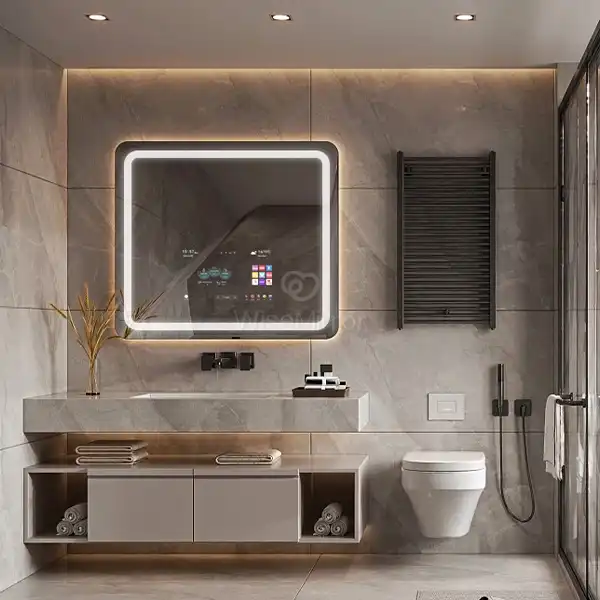
A big real estate company called the Gemdale Group has put WiseMirror mirror LED TV solutions in a number of high-end hotels, saying that the mix of good looks and reliable operation was a big part of their decision. These methods have been shown to work well in demanding commercial settings where gadget failures have a direct effect on how happy guests are and how much it costs to run the business.
Procurement Considerations: Selecting the Right Mirror LED TV for Hotel Projects
Critical Specification Criteria for B2B Buyers
When purchasing teams look at mirror LED TV display technology for use in hotels, they need to look at more than just the specs for consumer TVs. Screen size is only one of many things that affect the long-term success of a project. HD resolution (1920x1080) provides good picture quality for most viewing distances in hotel bathrooms. However, buying teams should check the brightness specs to make sure the screens can be seen in well-lit vanity areas with a lot of ambient light.
Ratings for the environment should be carefully looked over. Make sure that the IP ratings show that the whole unit is protected, not just the front glass. Manufacturers of high-quality products, like WiseMirror Intelligent, define IP66 grades for all electrical parts, cable entry points, and sealing interfaces. This makes sure that the device is completely dry for its entire lifetime. Instead of just adding heating elements that use more energy and make failure points, anti-fog coats should use hydrophilic treatments that stop condensation from building up.
Total cost of ownership estimates are directly affected by the type of warranty coverage and the structure of service after the sale. Unfortunately, standard warranties for personal gadgets don't work well for business hospitality uses that get used a lot. Look for providers that offer business warranties that last at least three years and have clear replacement procedures and reaction times. WiseMirror Intelligent keeps service partnerships that make sure parts are available and technical help is available for as long as a device is in use. This protects infrastructure investments from becoming obsolete too soon.
Energy Efficiency and Lifecycle Cost Analysis
Energy efficiency is becoming more important to hotel owners as a way to cut costs and meet green certification standards like LEED. Mirror TVs should say that their standby power use is less than 0.5 watts and that their active power draw is based on the size of the screen, which is usually between 50 and 150 watts for bathroom-scale setups. Adding LED fill lighting raises the total amount of power used, but removing separate mirror lighting units often lowers net energy use while improving lighting quality.
Maintenance cost estimates should take into account how often the machine needs to be cleaned, the availability of new parts, and how well the expert knows the machine. To keep the coating from getting damaged, mirror surfaces need to be cleaned in a certain way. Manufacturers should include full maintenance instructions that can be used with current cleaning methods and approved cleaning products. Professional units don't have fans, so they don't need to clean the air filter or grease the bearings like ventilated electronics do. This cuts down on upkeep times and the costs of work that goes along with them.
People who run hotel chains with multiple properties or who are building big resorts should pay attention to bulk buying strategies. When negotiating volume prices, you should talk about more than just unit costs. You should also talk about technical support, customization fees, phased delivery plans, and warranty extensions. WiseMirror Intelligent has flexible MOQs that range from prototypes of a single unit to full property deployments. Structured pricing benefits support large-scale implementations while still allowing for pilot testing and design validation steps.
Supplier Evaluation and Quality Assurance
To find trusted manufacturing partners, you need to look at more than just the product specifications of the company. Companies with specialized UI design and software development teams, like WiseMirror Intelligent's own engineering team, can create unique interfaces and keep the code up to date to meet the changing needs of hotels' operations. For properties that use integrated building control systems that need specific contact methods, this feature is especially useful.
Manufacturing experience in hospitality projects for smart mirror LED TV is very helpful for understanding the difficulties of application in real life. WiseMirror Intelligent has been in business for 15 years and has built relationships with developers such as China Resources Land and China Merchants Property Development. This shows that they can meet the needs of commercial projects by coordinating delivery schedules, providing installation support, and providing service after the project is finished. International clients and design companies add trustworthiness by showing that they can communicate across cultures and are familiar with a wide range of building codes and rules.
When quality control is done, the unique failure modes that apply to mirror display technology should be looked at. Ask for proof of the steps used to test optical uniformity and make sure that the display screens and mirror glass are properly aligned to avoid ghosting or parallax mistakes. Thermal aging tests show that protected shelters keep safe working temperatures for long periods of time. Testing the uniformity of the dielectric mirror layer makes sure that the colors are shown accurately and that there are no skin tone distortions that would make guests unhappy in grooming settings.
Installation, Maintenance, and Troubleshooting Best Practices for Hotel Procurement Teams
Professional Installation Standards for Hospitality Environments
The right way to put a mirror LED TV has a direct effect on how well it works, how safe it is, and how reliable it is in the long run. Wall mounting methods need to take into account both the weight of the device (which can be anywhere from 30 to 80 pounds, based on size) and how well it can handle vibrations in busy hotel rooms. For structural connection, you should use wall studs or commercial-rated anchor systems that can hold three times the weight of the device, which is what the building codes for public places say.
To keep the waterproof structure, electrical coupling needs to be carefully planned. Connection boxes should be put above areas where water could get in, but they should still be easy to get to for service without tearing down walls. GFCI protection on dedicated circuits keeps devices from tripping when they're supposed to work normally and provides the necessary safety protection. If you're moving cables, you should avoid making sharp turns that could damage waterproof glands and lower their IP ratings.
WiseMirror Intelligent gives contractors detailed installation instructions that can be used in a variety of room layouts. Templates list rough-in measurements, wiring needs, and clearance zones so that results are the same for all installation teams, which is usual on big hotel projects. This uniformity cuts down on field calls, speeds up the finishing of punch lists, and makes sure that all rooms have the same level of comfort for guests.
Protocols for Preventive Maintenance
Setting up regular maintenance processes saves the investments made in devices and keeps them running at their best for as long as they are used. Every day, you should clean your home gently with cotton cloths and approved glass cleaners that don't contain ammonia or other rough chemicals that could damage mirror finishes. Don't use too much water around the edges of the gadget, where it could get into the sealing contacts.
Technical checks for mirror LED TV should be done every three months to make sure the device is securely mounted, to look for corrosion or loose electrical connections, and to try all operating functions, such as the quality of the display, the speed of the touch screen (if equipped), and the audio output. These preventative checks find problems before they affect guests. This way, planned repair can happen when the hotel isn't filled, instead of having to deal with emergency service calls while guests are there.
Engineering teams should keep records of each device's past, including when it was installed, when service was called, and any problems that guests mentioned. This information lets you plan repairs ahead of time and helps you decide what to replace devices that are getting close to the end of their useful life. WiseMirror Intelligent backs up these programs with guarantees that parts will be available and expert advice that helps properties make the best use of their upkeep resources.
Effective Troubleshooting and Technical Support Access
Problems with connectivity, user interfaces, or displays that don't work right are common in hospitality settings. These problems are usually caused by wrong choices rather than system breakdowns. The engineering staff should be taught simple repair steps, such as how to power cycle, check the input source, and navigate the settings menu. Clear paperwork cuts down on service calls that aren't needed and gadget downtime.
Setting up clear escalation procedures makes sure that problems are quickly fixed when initial fixing fails. Find approved repair shops that are close to the properties and make sure they know how to use mirror display technology and meet the operational needs of the hospitality industry. WiseMirror Intelligent offers technical help at info@wisemirror-int.com, with reaction times that meet the amount of urgency of a business project.
Spare parts stocking plans weigh the costs of keeping parts on hand against the chance of downtime. For properties that get a lot of use, it may be worth keeping popular replacement parts like power supplies or control boards on hand so that fixes can be done quickly in-house. Smaller sites usually use advance-exchange programs from manufacturers to keep inventory costs low and repair times reasonable. These choices should be made official during the buying process so that everyone understands the support systems before they are sent out.
Conclusion
When working on hotel projects, interior designers like mirror LED TV technology because it solves basic design problems that come up when trying to combine beautiful aesthetics with useful technology. Quality mirror displays have two uses, which removes visual disturbance, makes the best use of space, and provides exceptional guest experiences that are in line with the luxury hospitality setting. It's helpful for procurement teams to know the technical specs, installation needs, and operating factors that set professional hospitality-grade systems apart from consumer goods. As the industry moves toward smart buildings that work together and unique experiences for each guest, mirror display technology will become an even more important way to set one business apart from others. When properties buy tried-and-true solutions from makers with a lot of experience, they set themselves up for long-term operating success and give guests the memorable experiences that set great hospitality apart from simple accommodation.
FAQ
What makes hotel-grade mirror LED TVs different from regular home TVs?
Professional hotel mirror LED TV screens are built to industrial standards, with waterproof ratings of IP65 to IP66, materials that won't rust, and fanless thermal management that lets them work 24 hours a day, seven days a week in harsh bathroom settings. Unlike market goods that use tinted mirror films, these units use optical-grade dielectric glass that keeps the true colors of reflection. Commercial guarantees, bulk prices, and the ability to customize meet the needs of project-scale operations that aren't met by consumer goods sold in stores.
In a business hotel setting, how long do mirror LED TVs usually last?
When placed and taken care of properly, high-quality mirror TV sets from companies like WiseMirror Intelligent can work for more than ten years. Commercial-grade parts, sealed construction, and anti-corrosion treatments can handle the high usage rates and weather stresses that come with hotel uses. The actual service life depends on how often it is used, how well it is maintained, and the surroundings. This means that choosing the right source and making sure the right specifications are met are very important for minimizing lifecycle costs.
Can mirror LED screens work with hotel management tools that are already in place?
Modern mirror display technology can connect to popular building management systems using common connection methods like RS232, IP control, and API interfaces. WiseMirror Intelligent offers technical documents and engineering support that makes it easy to connect to property management systems. This allows for centralized control, tracking of usage, and automated personalization for each guest. Checking for compatibility during procurement makes sure that the new system will work with the current hardware and operational processes.
Partner with WiseMirror Intelligent for Your Next Hotel Project
Your hotel should have show technology that fits its dedication to providing great experiences for guests and running its business perfectly. WiseMirror Intelligent has fifteen years of experience making waterproof TVs and smart mirror systems that are designed to work in high-end hotels. Our in-house UI design and software development teams create custom solutions that fit the needs of your project perfectly. Additionally, our long-term partnerships with top developers such as Gemdale Group and China Resources Land show that we can handle tough business projects.
Email our expert team at info@wisemirror-int.com to talk about your particular needs. We offer reasonable pricing, flexible MOQs, and full support from the initial meeting to ongoing technical service, no matter if you're looking for displays for a small shop makeover or a large resort development. Find out why smart procurement managers and interior designers around the world choose WiseMirror Intelligent as their go-to mirror LED TV source for projects that need to be reliable, of high quality, and look great.
References
Anderson, K. Also, Martinez, R. (2022). Current Practices and Future Directions for Using Smart Technology in the Design of High-End Hotels. Publishing for Hospitality Design.
Chen, L. (2021). "Optical Engineering Principles in Commercial Mirror Display Systems," that was published in the Journal of Architectural Technology (15.3), pages 112-128.
Association for the Global Hospitality Procurement. (2023). A guide to the best ways to specify technology in hotels and choose suppliers. GHPA Standards for the Industry.
Reynolds, D. J. Thompson & Co. (2022). Modern hotels need sustainable building systems that save energy and make the guest experience better. Business Design Press.
Wilson, S. (2023). "From TV to interactive display systems: The History of In-Room Entertainment," International Journal of Hospitality Management, 42(2), 67–84.
Zhang, M. & Roberts, P. How mirror displays work, what they can be used for, and a look at the market. Institute for Industrial Electronics Research.