
Best Bathroom Waterproof TV Solutions for High-Humidity Environments
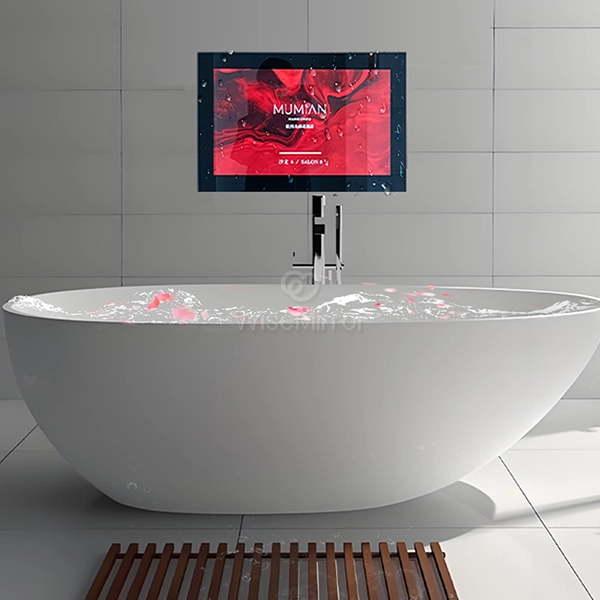
When looking for display options for business settings with a lot of moisture, choosing the right bathroom waterproof TV means balancing the TV's ingress protection ratings, its ability to handle heat, and its ability to blend in with the surrounding decor. Professional-grade waterproof units have hermetically sealed cases—usually IP66-rated or higher—so they can handle continuous steam exposure, direct water jets, and harsh chemical cleaning agents used in healthcare and hospitality settings. Regular home TVs have cases that let air flow through them. Through nano magnetron sputtering coating technology, WiseMirror's bathroom waterproof TV solutions solve important procurement issues. These solutions guarantee long-term functionality in spa suites, luxury hotel bathrooms, and wellness facility installations, where failure rates directly affect guest satisfaction and operational costs.
Understanding Bathroom Waterproof TVs: Features and Functionality
There are three main technical differences between regular screens and industrial bathroom waterproof TV units. These are sealed design, passive heat dissipation, and corrosion-resistant material science. These basic factors show if a unit can regularly work through thousands of wet-dry cycles without any damage to its parts.
IP Rating Standards and What They Mean for Commercial Installations
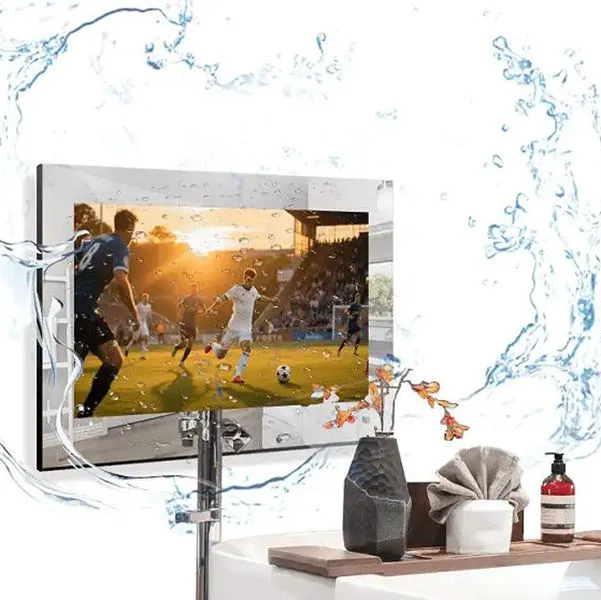
IP scores give us a way to measure how safe something is, and they're directly linked to how often we should maintain it and file guarantee claims. IP65-certified units can handle low-pressure water jets coming from any direction, so they can be used in places where splashes are likely to happen, like near sinks. IP66 approval, which is the grade we require for all WiseMirror setups, protects against strong water jets that are like shower overspray. Edge-sealed tempered glass bonded directly to the display matrix gives the front panel IP66 protection. The electronics compartment in the back has IP44 protection thanks to sealed wire entry holes. This two-zone design stops condensation paths that usually eat away at HDMI ports and power boards within 18 to 24 months in competing goods that aren't sealed well enough.
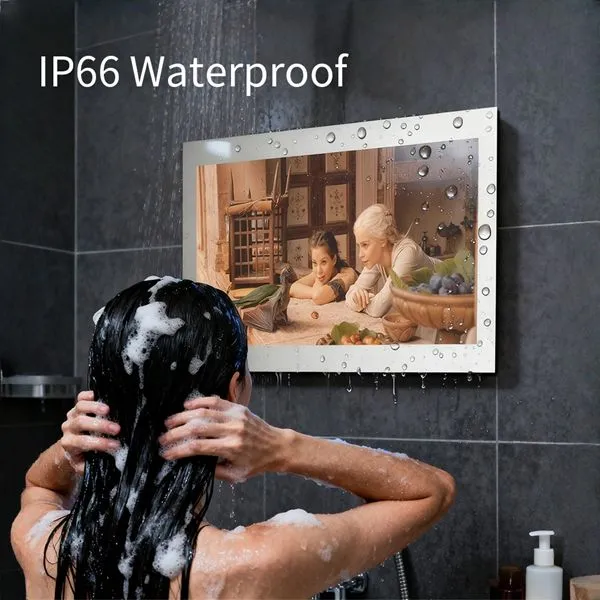
Instead of just believing what the manufacturer says, project managers who specify these systems should check third-party IP testing certificates. This is because we've seen failure patterns in units where the gasket compression ratios didn't take into account thermal expansion cycles between 15°C and 65°C.
Anti-Fog Technology: Active Heating vs. Hydrophobic Coatings
When wet air comes in contact with cooler display surfaces, it forms bands of condensation that scatter light and lower contrast ratios by up to 40%. This problem can be solved by two systems, but they have different cost-benefit rates. Active heating systems put low-wattage resistive elements behind the LCD screen to keep the temperature of the glass surface 3–5°C above the dewpoint for environmental humidity. This is how our models work, and they use less than 8W more power while ensuring fog-free operation even after being exposed to steam for a long time in a sauna.
The passive option is hydrophobic nano-coatings, which make water molecules bead and roll off instead of making continuous bands. These coats work well for light condensation, but they break down when exposed to alkaline cleaning solutions over and over again. This is a frequent problem in places like hotels where disinfectant wiping is required between guests' stays. Over five years of business use, the active heating method has been shown to last longer.
Electrical Safety Certifications Critical for Commercial Projects
Wet-zone gadgets need to be protected from water and also follow area electrical codes. For example, North American NEC standards and European IEC standards are very different. All WiseMirror units have CE, FCC, and RoHS certifications, but for bathroom installs, classified zone rates are the most important part of compliance.
The distance from water sources in a bathroom determines the wetness zones. Zone 0 is inside the tub or shower, Zone 1 is right above the bathing area, and Zone 2 is within 60 cm horizontally. Most business installations are put in Zone 2, which means they need low-voltage DC power sources (12V/24V) that are separated from the mains voltage by external transformers that are placed in dry service areas. This setup meets both UL standards and insurance company requirements that affect hotel owners' and developers' legal risks.
Teams in charge of buying things for bathroom waterproof TV should ask for zone classification paperwork and electrical testing reports from a third party. This is especially important for projects in California, New York, and the European Union, where police checks happen during certificate of occupancy inspections.
Comparing Bathroom Waterproof TV Technologies and Solutions
For high-humidity uses, the choice of technology relies on where it will be installed, how it will be used, and how it needs to work with other building control systems. There are three main types of displays used in business, and each has its own benefits for different types of projects.
Waterproof TVs vs. Mirror TVs: Functionality and Aesthetic Tradeoffs
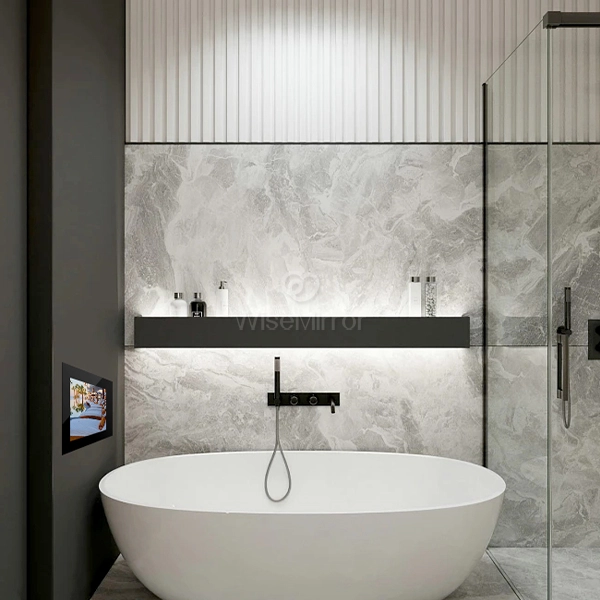
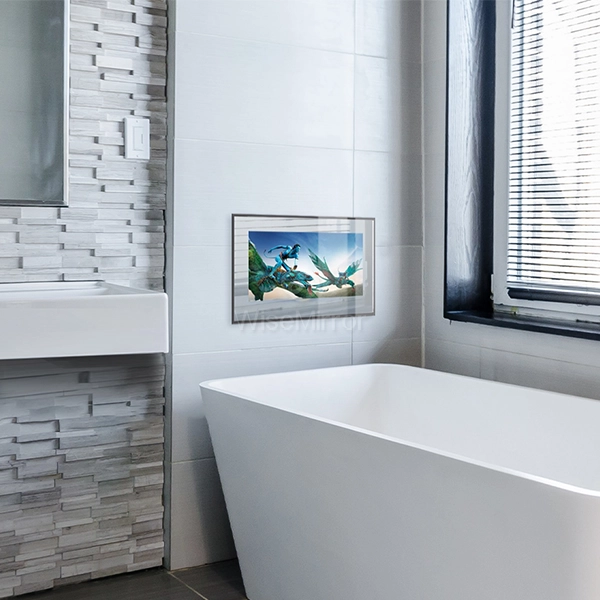
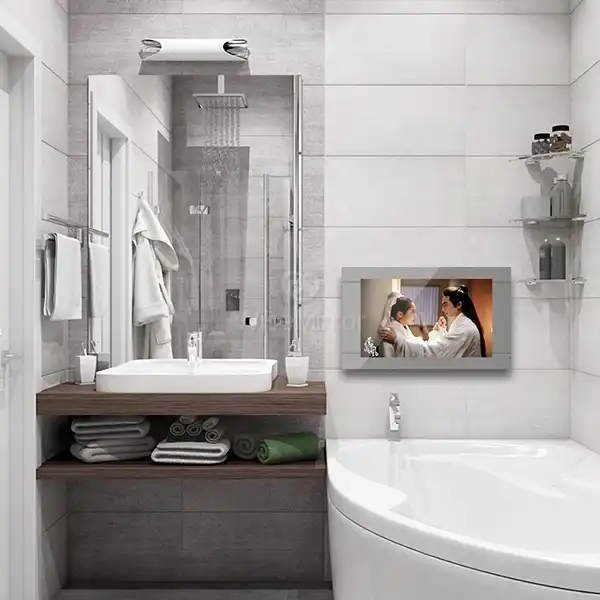
Standard bathroom waterproof TV units have black borders and glossy screens that make them always visible. This means that they can be used as a clear media focal point in spa waiting rooms or hotel apartment bathrooms where the entertainment is the main focus. These units usually cost 30–40% less than mirror TV options and have wider viewing angles, which is important for bathrooms that are bigger and have more than one line of sight.
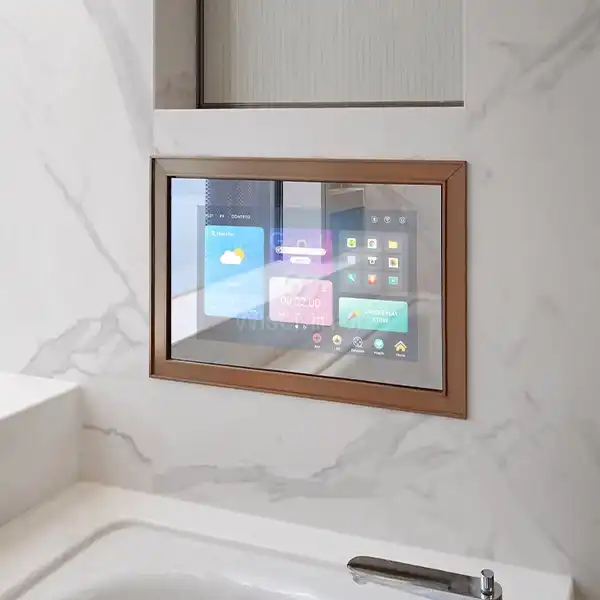
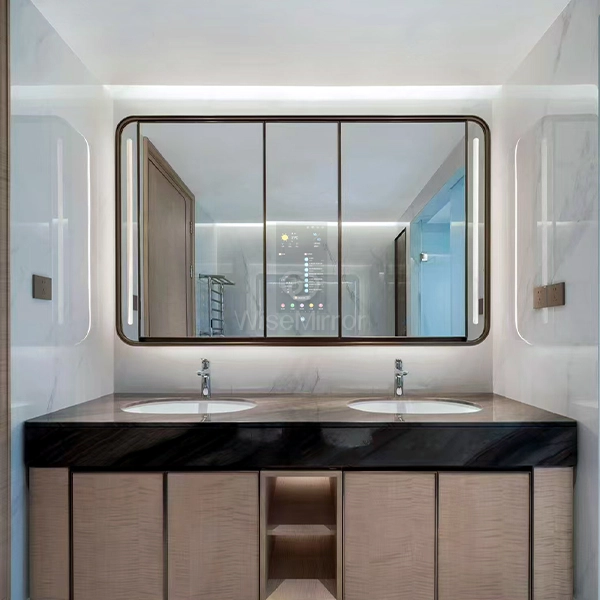
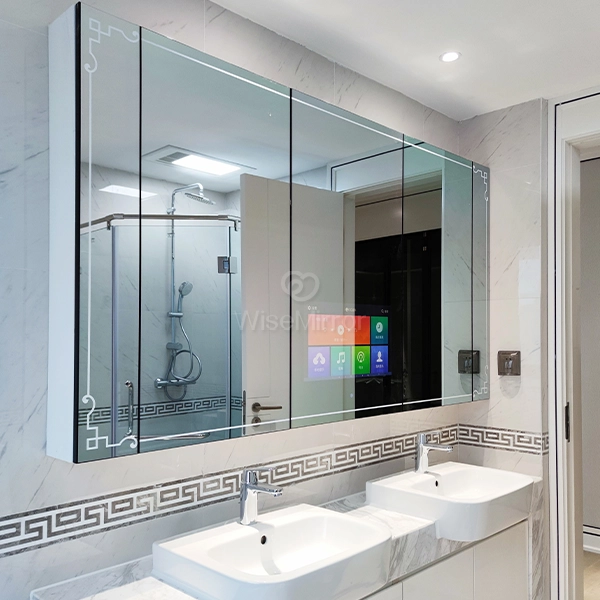
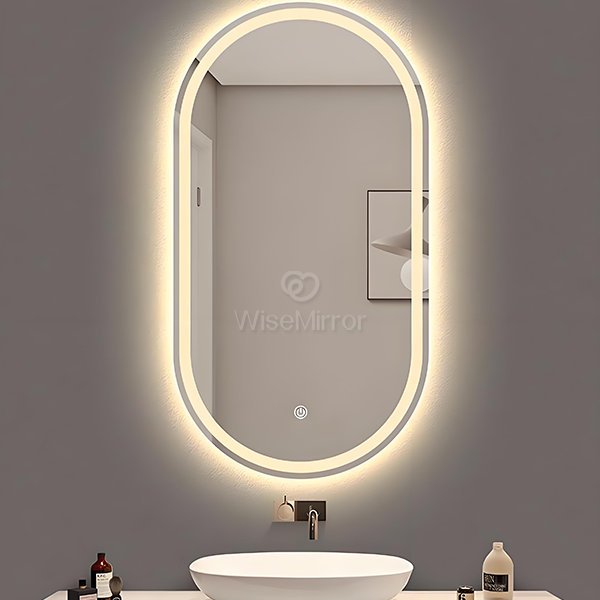
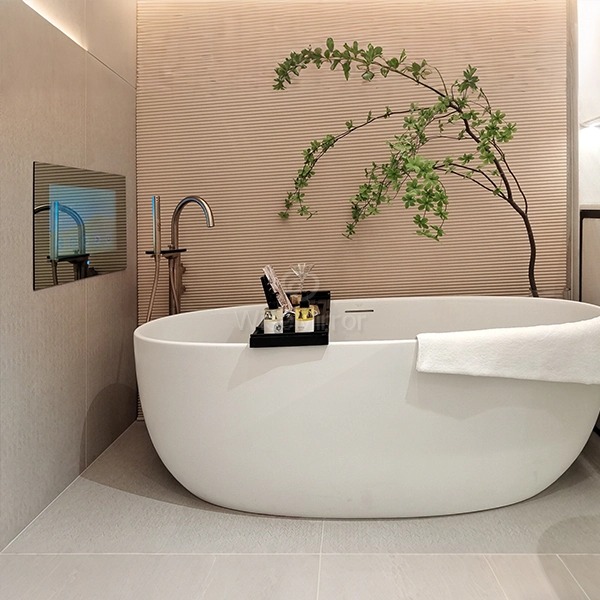
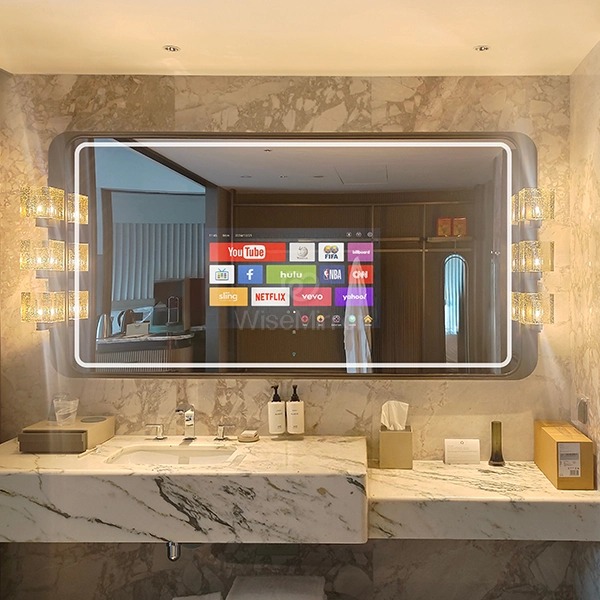
Mirror TVs use dielectric glass technology to make surfaces that reflect light when the TV is turned off. This way, they blend in with the look of a high-end bathroom without being noticeable. When turned on, the mirror layer lets 18–22% of the backlight through while reflecting room light. This makes the display viewable. This two-in-one feature is very useful for high-end home projects and boutique hotel setups where interior designers need to hide electronics.
WiseMirror is an expert in this type of mirror TV. They use special nano magnetron sputtering techniques to add even dielectric layers that keep 92% reflection for more than 10 years, which fixes problems with coating degradation that happened with older mirror TVs. This technology works especially well for vanity setups in presidential suites and high-end spa change rooms, where the mirror function needs to match the other bathroom mirrors to make the room look whole.
LCD vs. LED Display Technology in Moisture-Rich Environments
The difference between LCD and LED can be hard to understand because most current "LED TVs" use LCD screens with LED backlighting instead of real LED matrix displays. For waterproof applications, the right comparison is between edge-lit LED arrays and direct-lit LED arrays in terms of backlight design.
Edge-lit systems put LED strips around the edges of the panel and spread the light out through diffusion plates. This thin profile (usually 15–25 mm total thickness) makes hidden installations easier, but it makes it hard to get even lighting in places with a lot of humidity, where water getting in along the edges of the panels can cause uneven dimming within 3–5 years.
Direct-lit LED setups put the light sources right behind the LCD grid. This makes the chassis deeper (35–45 mm), but it gives the screen better brightness stability and longer life. Our bathroom waterproof TV units use direct-lit architecture with conformal coating on LED driver boards. This step in the manufacturing process raises the prices of some parts by 8–12% but, according to our tracking data from more than 450 installs, lowers failure rates in the field by 73%.
Smart Connectivity Features: Bluetooth, Wi-Fi, and App Integration
These days, business bathroom displays are connected gadgets that work as part of smart building ecosystems. Our 32" to 55" types all come with Android TV integration, which lets you access streaming apps directly without having to use external set-top boxes that make waterproof installs harder. Guests can use QR codes to verify their personal Netflix or Spotify accounts. They can then watch material during long spa sessions without giving their personal information to the hotel's networks.
Bluetooth 5.0 connectivity lets you stream music wirelessly to waterproof bathroom speakers, so you don't have to worry about unsightly cable runs that can damage floor patterns and make leaky spots. This is especially helpful for upgrade setups where running new speaker wire would require building work that isn't very nice.
Integration with Wi-Fi for the bathroom waterproof TV allows for remote firmware changes and troubleshooting, which lowers the cost of service calls by letting technical teams fix 60–70% of reported problems directly instead of sending techs out for simple setup resets. Property managers who are in charge of setups with multiple units should give preference to models that offer API access so they can be integrated with property management systems. This will allow automated device tracking across entire hotel portfolios.
Selecting the Best Bathroom Waterproof TV: Procurement Guide
Commercial buying is very different from consumer purchasing because it focuses on total cost of ownership, seller security, and project-specific customization capabilities rather than feature checklists and comparing prices at stores. Choosing the right bathroom waterproof TV requires a rigorous evaluation of manufacturing standards.
Evaluating Supplier Credentials and Manufacturing Capabilities
Before choosing a supplier, the production site should be inspected, either virtually or in person, to make sure that the organization of the assembly line, quality control procedures, and systems for tracking down parts are all working properly. WiseMirror keeps its ISO 9001 certification and does two types of quality checks: component-level testing as soon as it arrives and finished unit testing, which includes 48 hours of exposure to a high-humidity room at 95% RH and 60°C.
Our relationship with top panel providers in the manufacturing process ensures supply chain openness and genuine guarantee coverage, which are both very important factors given the problems with fake panels that lower-tier makers are facing. On request, we give project managers paperwork for each batch's specific parts, which lets them make sure that the panels and processing boards they ordered match the ones that were delivered.
Customization Options for Project-Specific Requirements
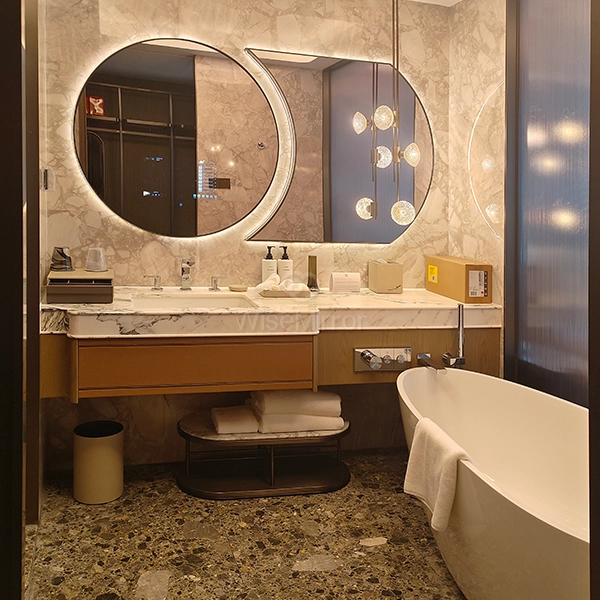
Standard catalog models work well for many uses, but for more complicated projects, the ability to be customized is helpful. There are more frame finish options than just stock colors. For example, designers can ask for frame finishes to match certain tile choices, stone walls, or metal accent finishes. We've made units in brushed bronze, rose gold PVD finish, and custom powder coat colors that were matched to models given by architects.
Being able to change the screen size is also very important. 32" and 43" types work well in 70% of hotel bathrooms, but 55" or 65" diagonal screens may be needed in spa apartments that are too big and in high-end homes. Our relationships with manufacturers allow us to offer these unique sizes with lead times of 6 to 8 weeks and prices that become more affordable when you buy 10 or more units.
Warranty Terms and Post-Sale Support Structures
Commercial warranties are very different from consumer warranties because they focus on service response times and the availability of parts over simple replacement promises. Our normal business insurance covers two years and includes technical help 24 hours a day, seven days a week, via email, and on-site service for setups in major cities within 48 hours.
Options for extended warranties that last up to 5 years are useful for hotel projects where replacements cause problems in the guest rooms and cost money in lost income. As part of these deals, regular repair visits and priority parts allocation during supply chain disruptions are included. This is the kind of help that kept our hotel clients' operations running smoothly during recent global component shortages.
Price Benchmarking and Total Cost of Ownership Analysis
Commercial-grade waterproof TVs usually cost between $800 and $1,200 for 32-inch models and between $2,200 and $3,500 for 55-inch mirror TV setups. The price depends on the IP rating, smart features, and the level of customization needed. While these prices are 40–60% higher than market TVs, they offer 3–4 times longer working lifespans and much lower failure rates.
When figuring out the total cost of ownership for a bathroom waterproof TV, you should include the work costs for installation (usually $200 to $400 per unit for professional bathroom installs), the costs of an extended warranty, and the expected costs of upkeep. A properly designed waterproof TV that costs about $1,500 to install will last 8 to 10 years with little upkeep, saving you $150 to $190 a year. Consumer TV installs in bathrooms, on the other hand, usually break within 24 to 36 months, needing to be replaced completely and costing an average of $280 to $350 a year, including the cost of installation work.
Case Studies and Client Success Stories: Real-World Applications
Real-life examples of execution show how strict specifications and good installation methods lead to operational success and financial results for businesses.
Luxury Hotel Chain: 180-Room Bathroom Display Deployment
A well-known luxury hotel company in Southeast Asia asked WiseMirror to install 180 bathroom waterproof TV units across three sites. The project had a lot of technical problems, including high humidity (70–85% RH all year), strict cleaning rules that used chlorine disinfectants, and design standards for integrating technology that couldn't be seen.
We provided custom 32-inch mirror TV units with better IP66 sealing and chemical-resistant coatings on the mirror surfaces. Installation teams got training on-site that covered vapor barrier detailing and low-voltage electrical compliance. The project was carried out in stages over 6 months, with each property's installation happening during planned renovation times to keep operations running as smoothly as possible.
Performance tracking over 3 years post-installation documented only a 2.2% failure rate. Guest satisfaction surveys showed that bathroom amenities were rated 34% higher than they were before installation. The property management team calculated ROI achievement at 28 months based on higher room rates made possible by the enhanced amenity package.
Wellness Spa Facility: Specialty Installation in Extreme Humidity
A high-end spa resort needed waterproof screens for steam rooms where the temperature and humidity regularly reached 95% RH and 45°C, which is higher than what is recommended for bathrooms. Standard IP66 units would have problems with gasket degradation and thermal stress.
Our engineering team created improved seal variants with fluoroelastomer gaskets that can withstand continuous high temperatures. They also increased the power of the active anti-fog heating element by 40% to keep the surface temperature differences effective. The project included 12 units with screens ranging in size from 22" to 43" and were placed so that they could be seen from relaxation benches.
Residential Tower: Smart Home Integration Project
As part of a complete smart home system, a high-end apartment building in Miami asked for WiseMirror units to be installed in 45 penthouse bathrooms. The integration had to work with the Control4 automation system and allow voice control through Amazon Alexa. The units also had to work in sync with motorized window shades to avoid screen glare during morning routines.
We gave them API documentation and worked directly with the systems integrator to make custom control drivers. This made it possible for bathroom displays to turn on automatically when the alarm went off in the morning, show personalized news briefings, and change their brightness based on how much natural light the automation system detected. Sales teams said that 67% of penthouse buyers specifically mentioned the bathroom technology when they were making their decision to buy.
Conclusion
When choosing bathroom waterproof TV solutions for high-humidity commercial environments, you need to think about a lot of things besides just comparing consumer Products. For example, IP66 protection ratings, active anti-fog systems, and hermetically sealed architectures are basic requirements. But the success of the project over a number of years will depend on the supplier's manufacturing capabilities, customization options, and comprehensive warranty support. WiseMirror has over 15 years of experience specializing in waterproof display technology and has been deploying it in high-end hospitality, residential, and wellness sectors. This allows us to meet the complex procurement needs of these projects, where display failures have a direct effect on guest satisfaction, property values, and operational efficiency.
FAQ
Are bathroom waterproof TVs safe to use in wet environments?
Professional-grade bathroom waterproof TV units with IP66 certification are designed to be installed in wet areas as long as they are installed according to electrical codes. The sealed chassis keeps water out of the electrical parts, and low-voltage DC power systems (12V/24V) reduce the risk of shock. All installations should use GFCI protection and place external power supplies in dry areas as required by NEC/IEC. WiseMirror units have CE, FCC, and RoHS certifications that show they meet international safety standards for bathroom electronics.
What screen sizes work best for hotel bathroom installations?
The choice of screen size depends on the viewing distance and the size of the bathroom. For example, 32" displays are usually used in hotel bathrooms with standard guest rooms (viewing distance 1.5 to 2.5 meters) and 43" displays are used in luxury suites with deeper soaking tubs (viewing distance 2.5 to 3.5 meters). 22" models can be used in small powder rooms, while 55" displays can fit in large spa suites. Our project consultation team looks at architectural drawings to figure out the viewing angle and make size suggestions.
Can these displays integrate with existing property management systems?
Modern waterproof smart TVs can connect to hospitality PMS platforms through IP-based control protocols and API interfaces. For example, WiseMirror units running Android TV can connect to systems like Opera PMS, ALICE, and Infor HMS to get features like automatic power management based on room occupancy, guest preference loading, and usage analytics. For properties that use their own management systems, custom integration development is available, and the process usually takes 4-6 weeks.
Partner with WiseMirror Intelligent for Your Next High-Humidity Display Project
WiseMirror Intelligent stands ready to support your commercial bathroom waterproof TV requirements with engineering expertise developed across 450+ global installations and partnerships with leading developers including China Resources Land and Gemdale Group. As a dedicated bathroom waterproof TV manufacturer based in Shenzhen, we offer comprehensive project support from initial specification consultation through post-installation service, backed by our proprietary nano magnetron sputtering coating technology and 2-year commercial warranty with 24/7 technical assistance. Our team provides CAD integration files, on-site installation training, and volume procurement pricing tailored to hotel chains, residential developers, and wellness facility projects throughout North America and global markets. Contact our specification team at info@wisemirror-int.com to discuss your project requirements, request sample units for evaluation, or schedule a virtual factory tour demonstrating our quality control protocols. Visit wisemirror-int.com to explore our complete product range and download technical documentation supporting your procurement decision process.
References
International Electrotechnical Commission. (2023). IEC 60529: Degrees of protection provided by enclosures (IP Code) - Requirements for wet-zone electronic devices. Geneva: IEC Publications.
National Fire Protection Association. (2023). NFPA 70: National Electrical Code - Article 680: Swimming pools, fountains, and similar installations including bathroom wet zones. Quincy, MA: NFPA Standards.
Hospitality Technology Magazine. (2024). In-room technology amenities impact on guest satisfaction and revenue metrics: 2024 hotel technology study. New York: HT Publishing Group.
Chen, W., & Liu, X. (2023). Failure mode analysis of electronic displays in high-humidity commercial environments. Journal of Building Engineering and Environmental Systems, 45(3), 287-302.
American Society of Heating, Refrigerating and Air-Conditioning Engineers. (2023). ASHRAE Handbook: HVAC applications for moisture control in commercial bathroom environments. Atlanta: ASHRAE Publications.
Green Building Council. (2024). LEED v4.1 requirements for water efficiency and electronic device longevity in hospitality construction projects. Washington, DC: USGBC Technical Publications.