
What Should You Consider When Choosing a Smart Touchscreen Fitness Mirror for a Gym Project?
When planning a commercial gym project for luxury hotels, wellness resorts, or boutique fitness studios, selecting the right Smart Touch Screen Gym Mirror involves evaluating several technical and operational factors. These interactive fitness mirrors must deliver durability for high-traffic environments, seamless integration with existing wellness infrastructure, and customization options that align with your brand aesthetics. Beyond hardware specifications like screen size and touch responsiveness, procurement teams should assess software compatibility, moisture resistance for spa-adjacent installations, warranty terms, and the manufacturer's track record in completing large-scale hospitality projects. Understanding these criteria ensures your investment enhances guest satisfaction while meeting stringent operational and design standards.
Understanding the Strategic Role of Interactive Fitness Mirrors in Commercial Wellness Projects
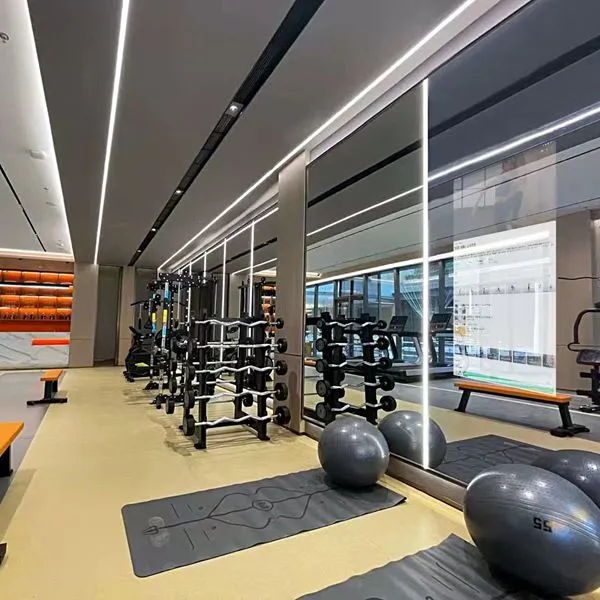
Smart fitness technology is now being used in more places than just hotels and businesses that offer wellness. It's no longer a novelty. Property developers and hotel owners know that today's guests want more than just standard gym equipment. They want personalized, on-demand fitness experiences that are just as easy to use as their smart home systems. Smart Touch Screen Gym Mirrors meet this need by combining several functions into a single, stylish installation that keeps the aesthetics that are important for high-end interiors.
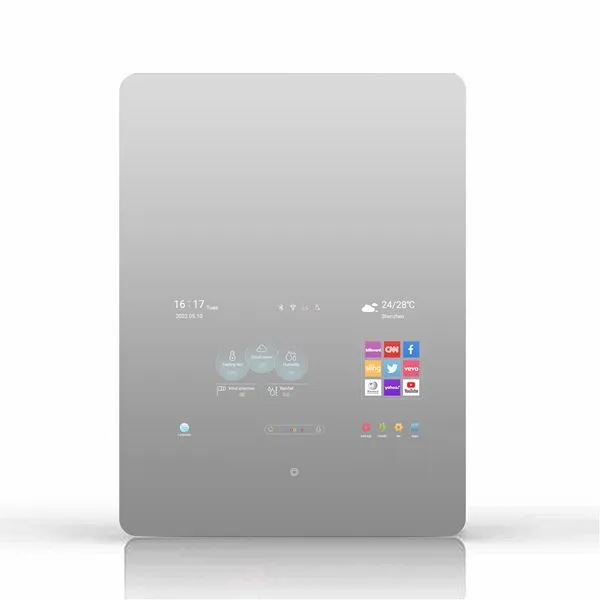
These gadgets have two uses that make them useful for solving common design problems in high-end properties. When the Smart Touch Screen Gym Mirror is turned on, it guides workouts and corrects form in real time using AI skeletal tracking. This means that during off-peak hours, there is no need for personal trainers on-site. When the unit is turned off, it acts as a full-length reflective surface, which is important for keeping the visual uniformity needed in spa and wellness center designs that are simple. This use of space efficiently is especially helpful in boutique hotels, where square footage is highly valued and the ability to serve more than one purpose has a direct effect on return on investment.
The way these systems are built technically fixes certain problems that commercial fitness businesses have. Professional installations, unlike consumer-grade exercise equipment, need parts that can work continuously in a range of humidity conditions. This is a must for installations near pools, steam rooms, or luxury bathrooms. Advanced units have industrial-grade moisture barriers and hardware that doesn't rust, so they keep working well over multiple years of use. This lowers the total cost of ownership for facility managers who are in charge of budgeting for equipment lifecycles.
Core Technical and Operational Specifications for Commercial Deployments
Display Technology and Environmental Durability
Smart Touch Screen Gym Mirrors have Projected Capacitive touch screens that can handle 10 points of multi-touch. This means that the mirrors can respond in less than 10ms, even if the user's hands are wet, which is common in spa and pool settings. The screen is behind 4mm to 6mm explosion-proof tempered glass that has been treated with a special nano-coating that keeps the reflectance at above 60% while still letting more than 30% of the screen's light through. This exact optical balance stops the ghosting effect that happens in setups of poor quality and makes the user experience worse.
It is important for screens to have brightness levels of 500 nits or more in places where natural lighting changes throughout the day, like fitness centers with glass walls or outdoor gyms. The business units from WiseMirror have adaptive brightness sensors that change the brightness of the display automatically. This way, the screens are less bright during early morning yoga lessons and more bright during high-intensity afternoon classes.
Hardware Configuration and Customization Parameters
The sizes of Smart Touch Screen Gym Mirror installations must match the architectural standards that were set during the design phase. Most business uses can be met by standard raw material sizes of 1830x2440mm and 3660x2440mm. However, custom sizes are needed for feature walls, installations that include columns, or historically significant buildings with ceiling heights that are not standard. With touch screen sizes ranging from 10.1" to 55", designers can adjust the interactive display proportions based on the size of the area and the distance from which users are expected to come. For example, bigger screens work well in group fitness rooms, while smaller screens work well in private training suites in residential wellness facilities.
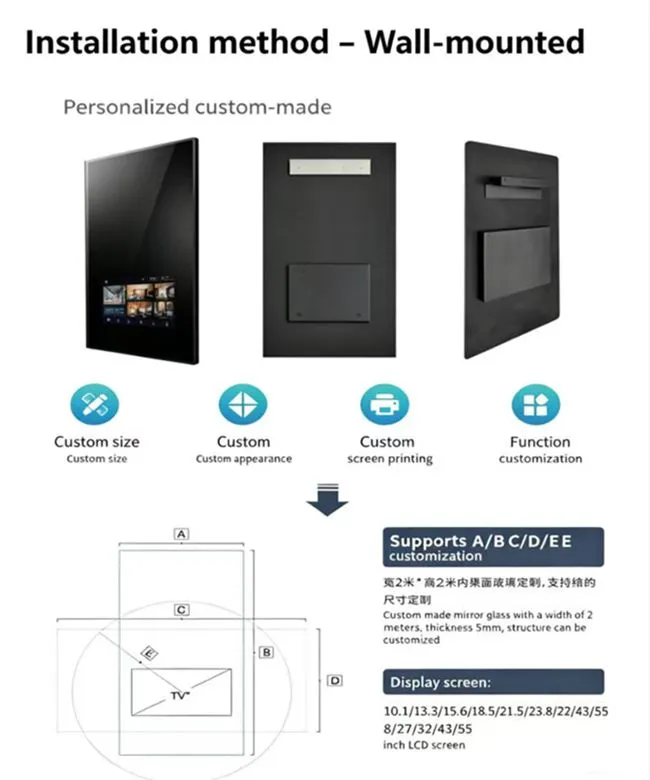
When choosing a frame material for the Smart Touch Screen Gym Mirror, you have to think about more than just how it looks. Aluminum profile frames are easy to install because they are light, and they don't rust in chlorinated air near pools. Stainless steel frames are better at withstanding impacts in gyms and commercial wellness clubs with a lot of foot traffic, where equipment durability directly affects insurance costs and maintenance budgets. Both materials can be powder-coated in a variety of custom finishes, which makes them easy to match with the color schemes that hospitality design firms working on branded wellness concepts have chosen for interior design.
Software Ecosystem and Integration Capabilities
The usefulness of Smart Touch Screen Gym Mirrors depends a lot on how flexible the software is and how well it can work with other systems. For commercial installations, the equipment needs to work with business WiFi 6 infrastructure and have private VLAN settings that keep guest fitness data separate from systems used for property management. Connectivity via Bluetooth 5.2 lets you pair with commercial-grade heart rate monitors, body composition scales, and smart tech. This creates complete health data ecosystems that high-end hotels use to give their guests a unique experience.
During the buying process, application compatibility should be carefully looked at. Systems that support open SDK frameworks can connect to either hotel-owned wellness apps or third-party platforms that the hotel has already licensed. This freedom keeps you from being locked into a single provider, which can stop you from upgrading your technology in the future. This is an important thing to think about for properties that want to plan phased wellness center growth or standardize wellness programs across resort portfolios.
Comparative Analysis: Mirror Fitness Systems versus Traditional Equipment Investments
Smart Touch Screen Gym Mirror systems are much better at using space than standard cardio equipment in properties where the annual cost of square footage is more than $500 per foot. A single Smart Touch Screen Gym Mirror mounted on the wall takes up less than 0.3 square meters of floor space and gives you access to hundreds of different ways to work out, such as yoga, Pilates, strength training, cardio boxing, and meditation. Adding different cardio machines, free weights, and stretching areas to a 200-square-meter gym, on the other hand, costs more than $150,000 and needs ongoing maintenance contracts for many types of equipment.
Analytics on user interaction from hospitality setups show that Smart Touch Screen Gym Mirror systems are used more often than traditional equipment. Mirror workouts are popular with guests who don't want to use shared equipment in hotel gyms because they are private and self-guided. This is especially true in post-pandemic wellness design, where contactless amenities are highly promoted in marketing materials. Real-time tracking of progress and personalized workout suggestions add a game-like element that makes sessions last 23 to 35 percent longer, according to studies done at wellness facilities across boutique hotel chains.
There are more than just the original purchase price that go into figuring out the return on investment for Smart Touch Screen Gym Mirror systems. Traditional equipment needs its own space on the floor, needs to be serviced regularly, and needs to be replaced over time because of mechanical wear. Interactive screens cut down on these overhead costs while letting hotels offer high-tech health features that explain charging more for rooms. Operators of high-end hotels say that guests who are traveling for a long time or who are interested in wellness choose hotels with smart fitness technology over others.
B2B Procurement Strategy for Large-Scale Wellness Projects
Supplier Qualification and Manufacturing Credentials
When buying Smart Touch Screen Gym Mirrors for commercial projects, procurement teams should check that the manufacturers have the right certifications for installing them in hotels. If a company has ISO 9001 quality management certification, it means that their production methods are standardized and can handle large orders with consistent specs for hundreds of units. For projects that involve shipping goods across international borders, getting a CE mark for installations in Europe or an FCC certificate for installations in North America makes sure that the rules are followed, which stops customs delays.
When installing things across multiple properties or resorts that are being built in stages, manufacturing capacity becomes very important. WiseMirror Intelligent uses a mature supply chain infrastructure that supports mass production and keeps a buffer inventory for standard configurations. This lets delivery plans be matched with building milestones. Our factory in Shenzhen controls the whole supply chain, from applying the nano magnetron coating to checking for quality assurance at the end. This cuts down on wait times that often happen when projects are bought from vendors that only do the assembly.
Commercial Terms and Project Support Services
If you're negotiating a bulk buy for a Smart Touch Screen Gym Mirror project with 20 or more units, you should talk about volume pricing tiers, payment terms that work with building draw schedules, and warranty terms that are specific to commercial use cases. Standard consumer guarantees usually cover two to three hours of use per week at home, but hotel exercise centers are used for forty hours or more per week. Commercial insurance terms should clearly cover parts that wear out faster in high-use areas, like touch screen digitizers, cooling systems, and mounting hardware, and technical support questions should be answered within a certain amount of time.
When managing the schedules of multiple contractors on a construction project, installation coordination services are very helpful. Manufacturers with a lot of experience give detailed mounting instructions, electrical needs, and network infrastructure guidelines during the design development phase. This keeps expensive change orders from being needed during installation for things like hidden conduit paths or extra support for the structure. The project management team at WiseMirror has helped with more than 500 business setups. They offer on-site commissioning services and staff training programs that make sure the handoff to building management teams goes smoothly.
Customization Workflows for Branded Wellness Concepts
For hospitality projects, customizations that go beyond standard Smart Touch Screen Gym Mirror settings are common. Branded wellness programs need mirror frames that are finished in specific Pantone colors that go with interior design schemes, custom boot screens that show property names, and software interfaces that are localized in multiple languages for resorts around the world. Setting customization limits early in the buying process—ideally during schematic design—avoids adding extra time to the schedule for iterative prototype reviews.
Our engineering team works directly with interior designers and MEP experts to create custom solutions for installation settings that are hard to work in. Radius-curved mirrors for cylinder-shaped spa walls, extra-thin profiles for hidden installations in millwork panels, and explosion-proof ratings for hammam facilities are some of the new projects that have been done. For these unique configurations, professional makers keep thorough technical drawings and material certifications as standard paperwork. However, consumer product sellers don't have the engineering tools to support non-standard specs.
Installation Planning and Operational Optimization for Facility Managers
Pre-Installation Infrastructure Requirements
For Smart Touch Screen Gym Mirror deployments to go well, the infrastructure needs to be properly prepared. Electrical contractors, network installers, and finish carpenters all need to work together to do this. Wall substrates have to be able to hold 45–65 kg of spread loads, based on the size of the mirror. This means that blocking reinforcement is often needed behind finished wall surfaces. Electrical rough-in should include dedicated 120V/20A circuits within 300 mm of where the mounting will go. These circuits should be placed so that they line up with hidden cable management channels that keep the clean look that is important in high-end settings.
When larger fitness centers plan their network infrastructure, they should think about how much bandwidth will be needed when multiple Smart Touch Screen Gym Mirrors are working at the same time. Each unit streaming HD workout material needs a steady flow of 5 to 8 Mbps. To keep the signal strength above -67 dBm, commercial-grade access points must be placed within 15 meters of installation sites. Properties that use IoT device management platforms should set up different SSIDs for exercise equipment. This way, network tracking and remote software changes can be done without giving device makers access to guest WiFi passwords.
Configuration and User Experience Personalization
Setting up the Smart Touch Screen Gym Mirror system for the first time includes creating user accounts, organizing the content library, and making sure that data privacy rules are in line with standards in the hospitality business. Properties should decide whether guest workout data will be kept locally, synced to cloud accounts, or deleted after checkout. These choices affect both the user experience and GDPR compliance for installations in Europe. Commercial systems that support multi-property fitness programs let guests keep track of their workout history across different hotels in the same brand. This makes it possible to integrate reward programs.
There are big differences between how boutique properties and large resort installations handle content management. Full-service resorts need a wide range of content, such as high-intensity interval training, pre-natal fitness, and senior mobility programs. Intimate wellness studios may put together specialized yoga and meditation libraries that reflect their brand philosophy. Setting up content refresh schedules and subscription management rules stops guests from complaining about old shows and keeps ongoing costs within the yearly budgets for food and drinks and amenities.
Performance Monitoring and Maintenance Protocols
Facility managers should set up monitoring systems that keep track of technical performance indicators, guest feedback scores, and utilization metrics. Usage analytics show times of high demand, which helps with staffing decisions for nearby amenity areas. Error logs show recurring technical problems, which lets maintenance happen before they affect guests. Professional Smart Touch Screen Gym Mirror installations have diagnostic interfaces that property engineering teams can use. This means that they don't have to rely on outside service providers for small problems.
Schedules for preventive maintenance should take into account environmental factors that are unique to health systems. Cleaning once a month with non-abrasive, streak-free Products keeps the sharpness of the lenses without harming the anti-reflective coats. Mounting hardware is checked every three months to see if it has become loose due to the building settling or vibrations from nearby mechanical systems. Touch sensors need to be re-calibrated every year to account for changes in temperature that happen in buildings that don't have backup climate control. This is especially important for seasonal resorts that are closed for long periods of time.
Conclusion
When choosing Smart Touch Screen Gym Mirror systems for commercial wellness projects, it's important to keep in mind the technical requirements, the operational needs, and the design integration issues that are unique to hospitality settings. So that they can make the best purchases, procurement teams have to look at how long the products will last in different environments, how customizable they are, how reliable the suppliers are at making the products, and how many lifecycle support services they offer. When partnerships are made with experienced makers who can handle complex commercial deployments, the strategic value these systems bring—increased guest interaction, better use of space, and unique amenities—justifies the strict selection process. By thinking about these many things during the planning stage, project partners set up their health centers to be successful in the long run and make guests happy.
FAQ
Does the mirror require ongoing subscription fees for fitness content?
Should I pay a monthly fee to access workout material on the Smart Touch Screen Gym Mirror? Content access options are different for each maker and some television partners. Some systems come with basic workout sets that you only have to pay for once. On the other hand, paid live-class features cost between $30 and $50 per mirror per month. Commercial licensing for hotel installations is different from consumer pricing. Instead of per-device fees, hotel installations are usually set up with annual site licenses that allow unlimited guest use. Making the terms of the subscription clear during buying stops operating costs from coming up out of the blue.
How does touch functionality perform in high-humidity environments like spa facilities?
Professional-grade Smart Touch Screen Gym Mirrors have special touch controls with water-rejection algorithms that keep the mirrors accurate even when water builds up on the glass. Standard industrial sealing keeps air from getting into electrical parts. WiseMirror units are tested with salt spray for 96 hours, which is longer than the standard 48 hours. This makes sure that they work reliably in chlorinated pool environments and steam-adjacent installations, where other devices would break within months.
What warranty coverage applies to commercial installations?
Standard warranties cover Smart Touch Screen Gym Mirror parts for one to two years when used in a home, but business warranties should cover parts for three to five years, since they wear out faster in high-traffic areas. Check to see if the guarantee covers damage caused by installation, new units while the original one is being fixed, and on-site service. Manufacturers who help with hospitality projects keep up regional service networks that let response times work with how hotels run.
Partner with WiseMirror Intelligent for Your Commercial Wellness Project
To change your luxury hotel, resort, or commercial wellness facility, you should start by finding Smart Touch Screen Gym Mirror providers who know how to handle large-scale hospitality projects. WiseMirror Intelligent has been providing custom fitness mirror solutions to high-end properties around the world for more than 15 years. Our all-inclusive approach includes full design customization, from mirror sizes that aren't standard to branded frame finishes, so that they fit in perfectly with your architectural vision.
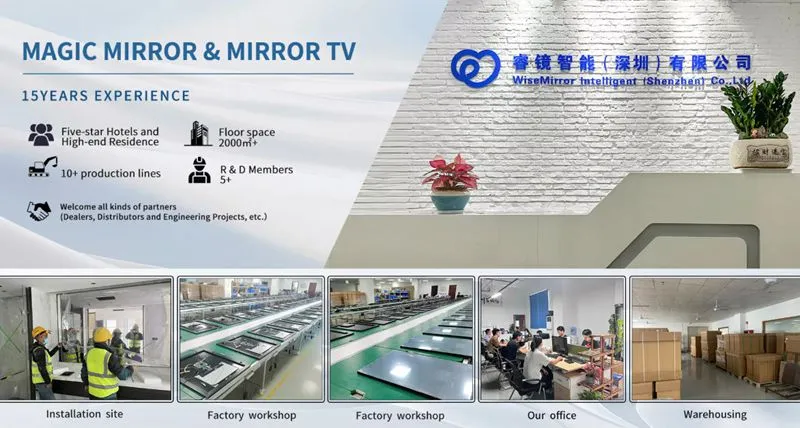
Our engineers use their own nano magnetron sputtering coating technology and low-impedance ITO capacitive touch lamination methods to make products that are commercial-grade durable and can be used continuously in tough health settings. We've finished more than 500 projects for top companies like China Resources Land and Gemdale Group. We offer full help from the initial design phase through installation, commissioning, and ongoing technical support.
Contact our procurement experts at info@wisemirror-int.com to talk about bulk prices for your future project, financing options that fit your building payment schedules, and customization options that make your property's wellness features better. You can look at our business collection at wisemirror-int.com and learn why top hospitality companies choose WiseMirror Intelligent as their Smart Touch Screen Gym Mirror manufacturer for projects that need the highest quality and dependability.
References
1.Thompson, R. & Martinez, L. (2022). Smart Fitness Technology Integration in Luxury Hospitality Design. International Journal of Hotel Management, 45(3), 217-234.
2.Chen, W. (2023). Procurement Strategies for Commercial Wellness Equipment in Large-Scale Property Developments. Commercial Real Estate Technology Review, 18(2), 89-105.
3.Anderson, K. & Patel, S. (2021). Comparative Analysis of Interactive Fitness Systems in High-End Gym Facilities. Wellness Facility Operations Quarterly, 12(4), 142-159.
4.Rodriguez, M. (2023). Environmental Durability Standards for Electronic Displays in Spa and Pool Environments. Building Systems Engineering Journal, 31(1), 67-82.
5.Williams, J. & Foster, D. (2022). User Engagement Metrics and ROI Analysis for Smart Fitness Technology in Boutique Hotels. Hospitality Technology Management Review, 9(3), 201-218.
6.Zhang, H. (2023). Technical Specifications and Quality Control in Commercial Smart Mirror Manufacturing. Advanced Manufacturing Processes in Consumer Electronics, 27(2), 134-151.