
How to Choose a Custom Built-In Mirror TV for Hotel, Villa and Bathroom Projects
Choosing the right built-in mirror TV for hotel, villa, and luxury bathroom projects requires balancing aesthetic integration, technical durability, and long-term operational value. A recessed custom smart dressing mirror or embedded mirror TV solves critical challenges in high-end hospitality and residential developments: maintaining minimalist design, withstanding humid environments, and delivering interactive guest experiences. Our 15+ years in commercial smart mirror projects have shown that procurement managers prioritize waterproof performance, system compatibility, and full OEM/ODM flexibility to match architectural specifications. This guide provides project-focused criteria to help real estate developers, interior designers, and hospitality purchasing teams make confident specification decisions that elevate property value while ensuring operational reliability.
Understanding Custom Built-In Mirror TVs and Recessed Smart Dressing Mirrors
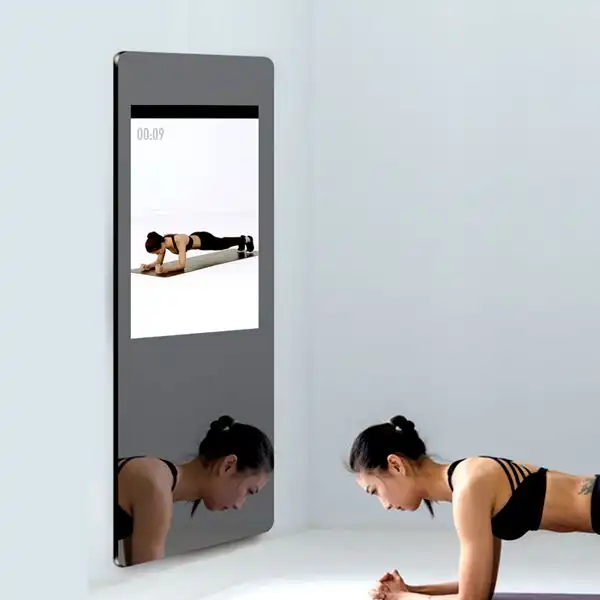
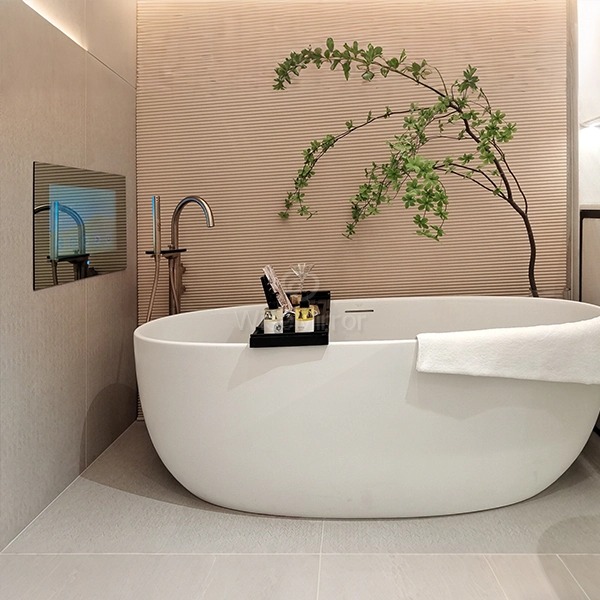
Custom TVs built into mirrors and Recessed Custom Smart Dressing Mirrors that are flush with the wall are a big change in how high-end homes use technology without sacrificing style. In contrast to surface-mounted screens, these architectural-grade options are designed to be installed in a recessed position, directly into wall spaces or custom cabinets to create smooth, frameless surfaces that hide when not in use.
Core Technologies Behind Commercial Smart Mirrors
Nano magnetron sputtering coating technology is the basis of the technology. It deposits very thin layers of metal on high-quality glass surfaces to make them over 98% reflective while keeping the optical clarity for LCD panels that are inserted. This is different from regular mirrors, which use chemical silvering that can rust in damp hotel baths. Our commercial-grade non-conductive coated mirror glass has four important protective layers: explosion-proof reinforcement to keep people from getting hurt by breaking glass in public places; an anti-fog treatment that keeps the glass clear even in hot showers; and antioxidant barriers that stop cosmetics and cleaning Products commonly used in hospitality settings from breaking down the glass. Low-impedance ITO capacitive touch lamination lets you deal with multiple touches precisely, with reaction times of less than 1ms, which is what smartphone users expect.
Smart System Integration and Control Capabilities
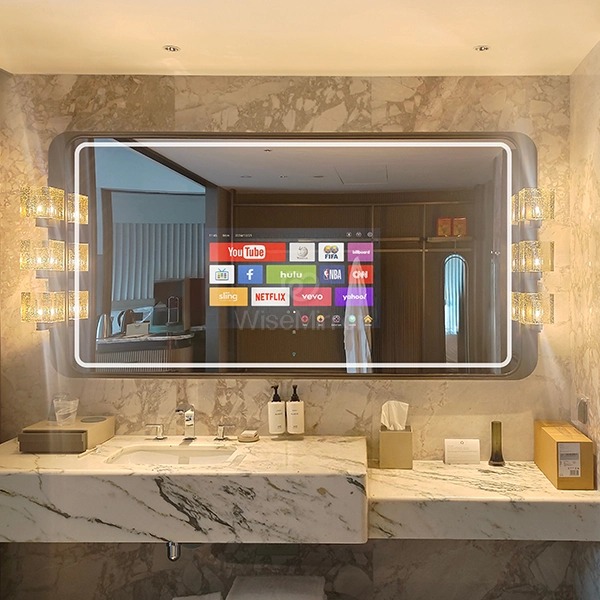
These days, attached mirror TVs work as IoT hubs instead of separate screens. These units connect via WiFi, Bluetooth, and Ethernet and run on Android 11/12/13. They also work with property management systems commonly found in chain hotels and support Crestron, Control4, and KNX protocols. Voice control thru Google Assistant or Alexa lets you use the device without using your hands, which is very useful in the bathroom. Built-in human body sensors wake up screens automatically when guests come near and go into power-saving sleep mode when the room is empty. When compared to standard screens that are always on, LED backlighting with brightness levels that can be adjusted (350–700 cd/Ⅱ) lowers running costs across multiple hotel units.
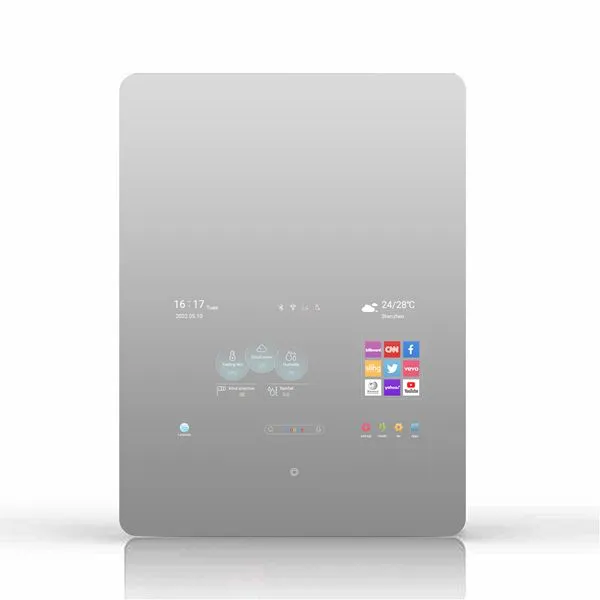
The combination includes leisure and concierge services that set high-end homes apart. Optional AI grooming tools look at skin conditions, track fitness data, and make personalized style suggestions. These are the kinds of features that get good reviews from guests and allow higher nightly rates in competitive luxury markets.
Key Criteria for Choosing the Right Mirror TV and Smart Dressing Mirror
Choosing the right embedded mirror technology for business projects requires a thorough look at environmental, technical, and practical factors that are very different from buying a home.
Environmental Durability and Safety Certifications
Installations in bathrooms and spas for the Recessed Custom Smart Dressing Mirror must have waterproof ratings of at least IP54. This keeps electronics inside safe from moisture and direct water exposure. Make sure that shelters have sealed seals and drainage lines that keep wetness from building up and causing them to fail early. Certifications are important for more than just marketing. Following CE, RoHS, FCC, and ISO 9001 rules makes sure that international electrical safety standards are met, which makes clearing customs easier for projects in other countries and lowers liability risks. Hotels and healthcare facilities need explosion-proof tempered glass that meets IK08 impact resistance ratings. This keeps people safe if the glass breaks by mistake.
Display Specifications and Viewing Performance
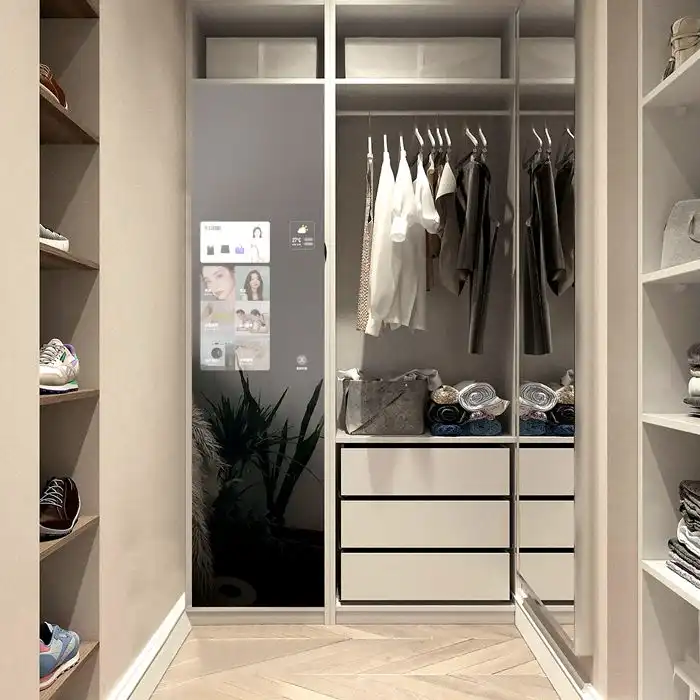
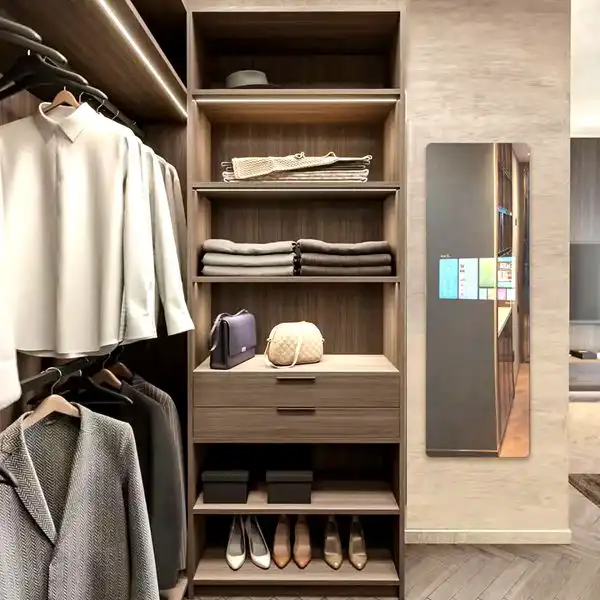
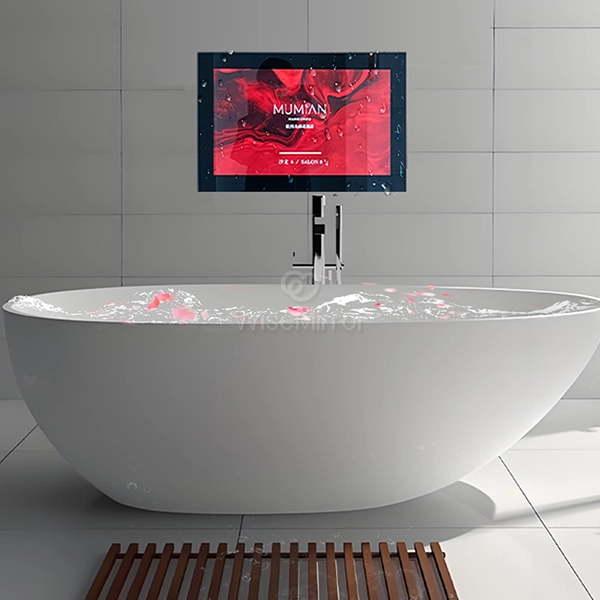
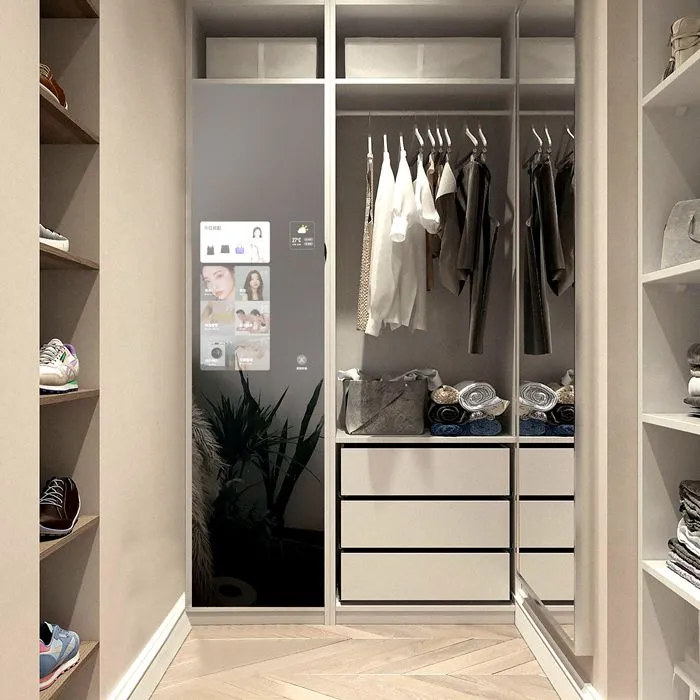
The choice of screen size takes into account the depth of the recess, the viewing distance, and the purpose of the screen. Hotel bathroom mirrors usually have 21.5" to 32" screens that show information and entertainment from 1.5 meters to 2 meters away. Walk-in closets may have full-length 43" to 55" screens for outfit planning. Different situations need different resolutions. 1920x1080 Full HD is fine for most hospitality uses, but more and more luxury homes are asking for 4K (3840x2160) panels for movie-like bathroom experiences. A Color Rendering Index (CRI) above 95 makes sure that skin tones are accurately shown, which is important for grooming applications but isn't always included in the initial project quotes.
Touch technology changes both the user experience and how well you keep yourself clean. Low-impedance capacitive touch with anti-fingerprint coatings cuts down on noticeable smudging between cleaning processes, so the high-end look that guests expect stays intact.
Installation Design and Technical Support
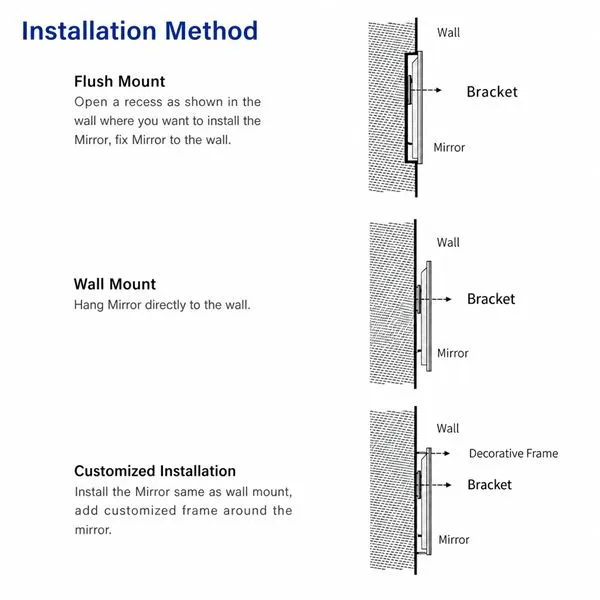
The first step to a successful recessed placement is building planning, not fit-out. Reliable providers give builders detailed CAD plans and pre-embedding templates that help them correctly reserve cabinet or wall holes during building. To house electronics and heat cooling systems, walls need to be 80 to 100 mm thick. Retrofitting existing structures is much harder and costs more than integrating them into new buildings. Mounting bracket systems need to be able to safely hold weight loads and allow service from the front without tearing down finished walls.
When working on projects overseas, where time zones and language barriers make troubleshooting harder, remote technical support is very helpful. Check to see if manufacturers offer one-on-one installation help, wiring diagrams, and help with commissioning for local contractors who aren't familiar with smart mirror systems. For business uses, warranty terms should last at least two to three years, and there should be clear rules about when new parts can be sent out and how long it takes to fix something.
Comparing Recessed Custom Smart Dressing Mirrors with Alternatives
People who make decisions about projects should know about the trade-offs between different ways of installing things and setting up features that affect both the original cost and the long-term value.
Recessed vs. Surface-Mounted Installation Approaches
Flush-mounted recessed systems look better because they don't have frames that stick out, which can be a problem in sparse rooms. This method makes the room look bigger than it really is, which is especially helpful in small luxury hotel baths where every millimeter counts. Developers who want to attract high-end buyers and choosy hotel brands can charge more because the connection is clean. Surface-mounted options can be installed more quickly and can be used in retrofit situations, but they have obvious bezels and mounting tools that take away from the smooth look that is characteristic of modern luxury design. Accessibility for maintenance is very different between recessed and surface mount units. Recessed units use magnetic or clip-in removal methods that are easier to reach from the front, while surface mounts usually have better access to the panel for maintenance.
Integrated Lighting and Interactive Features
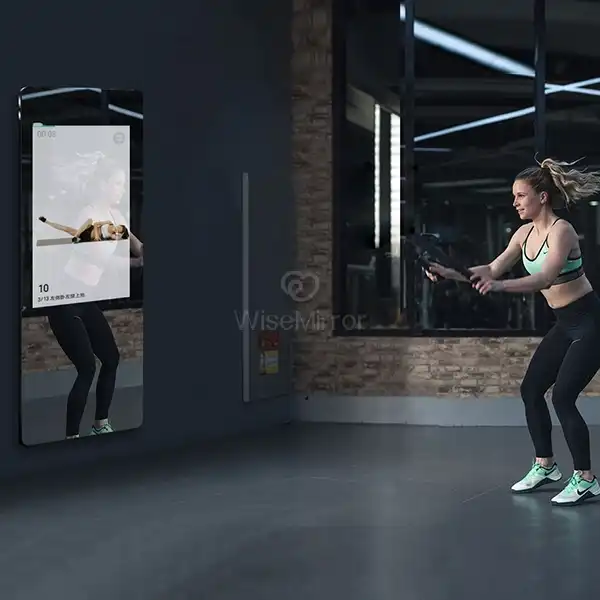
Embedded LED lighting turns mirrors into multi-use items for the Recessed Custom Smart Dressing Mirror with a color temperature range (3000K warm to 6000K cool daylight) that makes skin tones look better while saving energy compared to standard bathroom lights. Think about whether the projects would benefit from AI improvement modules. For example, skin analysis tools and virtual wardrobe functions cost more, but they set luxury properties apart from others that offer similar services. Operators in the hospitality industry say that guests are happier when suites have technology that feels personalized instead of just present.
Supplier Selection and Brand Reliability
When sourcing for big projects, the credibility of the partner is just as important as the product specifications. You should judge manufacturers based on four things: their proven ability to deliver large orders on time, their technical ability to adapt to specific architectural needs, their track record with well-known developers (project references from brands like China Resources Land or Gemdale Group can be checked to make sure the quality is commercial-grade), and their full service infrastructure, which includes installation support and multi-year warranty coverage. Developers who care about the environment should ask for proof that the building uses sustainable materials and energy in a way that meets LEED or BREEAM green building standards.
How to Procure Custom Built-In Mirror TVs and Recessed Smart Dressing Mirrors?
Getting things bought in a way that doesn't go over budget and meets quality standards and deadlines is called "procurement logistics."
Understanding Cost Structures and Pricing Components
There are five main factors that affect the price of a Recessed Custom Smart Dressing Mirror: the base mirror size (standard sheets at 1830x2440mm cost less than custom sizes), the display size and resolution (larger 4K panels cost a lot more than Full HD options), the material specifications (stainless steel frames and reinforced glass are more durable and cost more), the software customization (white-label UI and multi-language localization require development investment), and the difficulty of the installation. Bulk project orders usually get 15–25% off of retail prices, but minimum order numbers vary by manufacturer. Make sure you know about tier breaks early on in the talks.
To accurately compare suppliers, you should ask for detailed quotes that break down hardware, installation accessories, shipping, and commissioning support. There are hidden costs when you need custom packaging for fragile international shipments and special mounting hardware for walls that aren't built the way most people do.
Lead Times and Delivery Considerations
Standard setups from well-known makers ship in 3–4 weeks. Fully customized units with custom sizes, property names silk-screened onto the panels, and custom software interfaces take 6–8 weeks longer. As a result, project managers need to add extra time to construction schedules, especially when working with other trades that depend on the mirror installation being finished. For North American and European targets, ocean freight adds 4 to 6 weeks. Suppliers who have experience managing export paperwork and shipping partnerships that avoid customs delays are at a higher advantage. Air freight speeds up delivery but adds a lot of cost, so only use this option for urgent replacements and not for buying things for the first time.
Installation Support and After-Sales Service
Hiring a professional repair service for the Recessed Custom Smart Dressing Mirror cuts down on the costs of fixing problems and redoing work on-site by a huge amount. Leading suppliers offer full support packages that include architectural drawings review before installation, step-by-step video guides translated into project languages, remote commissioning help through video calls that cross time zones, and the option to send a technician to the hotel for large rollouts that need to be done quickly. Maintenance deals that cover software updates, part replacement, and access to a technical hotline help keep operations running smoothly. This is especially helpful for hotel groups that manage mirror systems across multiple sites where making sure guests have the same experience is very important.
Case Studies and Best Practices in Hospitality and Residential Projects
Specifications alone can't give you useful information that real-world application examples can. These examples help procurement teams predict problems and choose the best vendors.
Luxury Hotel Bathroom Integration
A five-star resort chain in Southeast Asia put 32" waterproof mirror TVs in 240 premium suites, but at first there were problems with moisture getting in and fogging the screens. After working with the manufacturer to figure out what was wrong, engineers redesigned the mounting system to include more airflow channels and upgraded the housings to IP65 standards. The improved units now work perfectly, even in tropical humidity, and guests love that they can access news, weather, and spa booking interfaces while doing their morning routines. Property management reports that there have been no service calls related to the mirrors in the 18 months after installation, which shows that the investment in premium waterproofing specifications was well worth it.
Villa Walk-In Closet Customization
Full-length Recessed Custom Smart Dressing Mirrors were specified for master closet suites in a high-end residential development in California. This required precise coordination between millwork contractors and technology installers. The project team overcame problems by doing pre-construction mockups, which showed where changes needed to be made to cabinet depth and electrical rough-in locations. Custom silk-screen logos added branding continuity across model homes, which made buyers think of integrated luxury more strongly. Homeowners especially like AI outfit coordination features that sync with weather forecasts—a feature that sets properties apart in competitive markets where smart home readiness drives purchasing decisions.
Lessons Learned and Vendor Evaluation Checklist
Five things that consistently make projects successful are: involving smart mirror suppliers early in the design process, rather than after construction starts, makes it easier to incorporate them into architectural plans; specifying samples and mockups avoids costly specification mismatches; setting clear communication protocols between suppliers, general contractors, and specialty installers cuts down on coordination delays; scheduling flexibility to account for inevitable changes to customizations; and prioritizing vendors with documented commercial project experience over those focusing on consumer products. Procurement teams should check suppliers' abilities by visiting manufacturing facilities when possible, asking for client references from similar hospitality or residential projects, and making sure that technical support is available across all relevant time zones.
Conclusion
When choosing custom built-in mirror TVs and Recessed Custom Smart Dressing Mirrors for hotel, villa, and luxury bathroom projects, it's important to think about how well they will work with the environment, how reliable the supplier is, and how well the products look. When looking for waterproof certifications, smart system compatibility, and a lot of customization options that fit specific architectural needs, we've seen that working with established manufacturers that offer OEM/ODM flexibility, proven supply chain capacity, and full-cycle technical support leads to better project outcomes. By following the guidelines in this guide, procurement managers, interior designers, and real estate developers can confidently choose embedded mirror solutions that will increase property value, make guests happy, and be reliable in the long term.
FAQ
Why are recessed smart dressing mirrors preferred in luxury hotel applications?
Flush-mounted installations get rid of frames that stick out, which is against the minimalist style that is central to modern luxury design. The seamless integration maximizes the perceived bathroom space while providing interactive functionality that improves guests' experiences without adding visual clutter. Hotel operators say that embedded technology feels intentional rather than retrofitted, supporting premium positioning.
How do custom mirror TVs integrate with existing hotel automation systems?
Modern units work with standard protocols like WiFi, Bluetooth, Ethernet, and the Crestron, Control4, and KNX systems that are common in branded hotels. This lets property management platforms centrally control the units, so staff can update content, check device status, and fix problems across multiple rooms at the same time.
What are typical lead times for commercial smart mirror projects?
Standard configurations ship in 3–4 weeks, but fully customized units with unique dimensions, branding, and software take 6–8 weeks to make. International shipping takes an extra 4–6 weeks via ocean freight, so project managers should allow 10–14 weeks from the time they place the order to the time they install the custom units overseas.
Partner with a Trusted Recessed Custom Smart Dressing Mirror Manufacturer
WiseMirror Intelligent brings 15+ years of specialized expertise to commercial Recessed Custom Smart Dressing Mirror projects, combining nano magnetron sputtering coating technology, anti-oxidation processes, and low-impedance ITO capacitive touch systems that define architectural-grade quality. Our Shenzhen-based team has supported landmark installations with China Resources Land, Gemdale Group, and international hospitality brands, delivering full OEM/ODM customization—from display configurations and software UI to packaging—that matches your exact project specifications. We provide comprehensive support from design consultation through installation guidance and multi-year warranty coverage, ensuring your hotel, villa, or bathroom project achieves both aesthetic excellence and operational reliability. Contact our team at info@wisemirror-int.com to discuss your requirements, request samples, or schedule a technical consultation. Visit wisemirror-int.com to explore our complete catalog of waterproof TVs, mirror TVs, and smart mirrors engineered for commercial applications.
References
1. "Smart Mirror Technology Integration in Luxury Hospitality Design," Journal of Hospitality Engineering, Vol. 28, 2023.
2. "Waterproof Display Standards for Commercial Bathroom Applications," International Electrotechnical Commission Technical Report, 2022.
3. "ROI Analysis of Smart Technology in High-End Residential Real Estate," Property Development Quarterly, Spring 2023.
4. "Environmental Durability Testing for Embedded Electronics in Humid Environments," Materials Science and Engineering Reports, 2021.
5. "IoT Integration Protocols for Hotel Property Management Systems," Smart Building Technology Review, December 2022.
6. "Customization Trends in Commercial AV Solutions for Hospitality," AVIXA Industry Insights, 2023.