
How to Select a Waterproof Aluminum Bathroom Mirror Cabinet for Hotel Renovation?
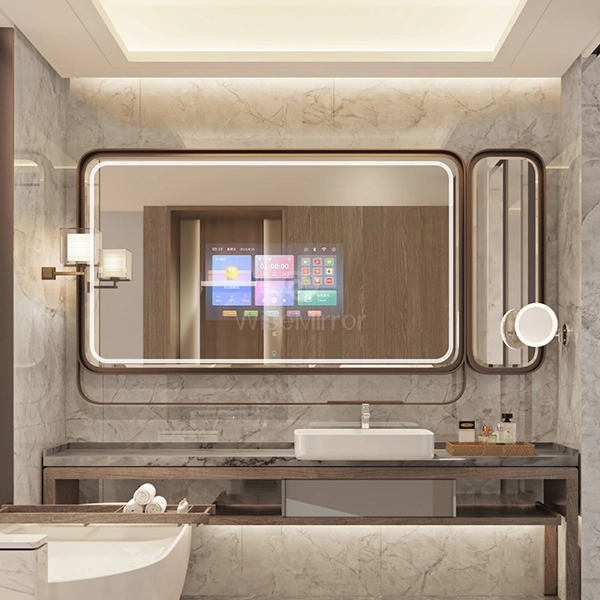
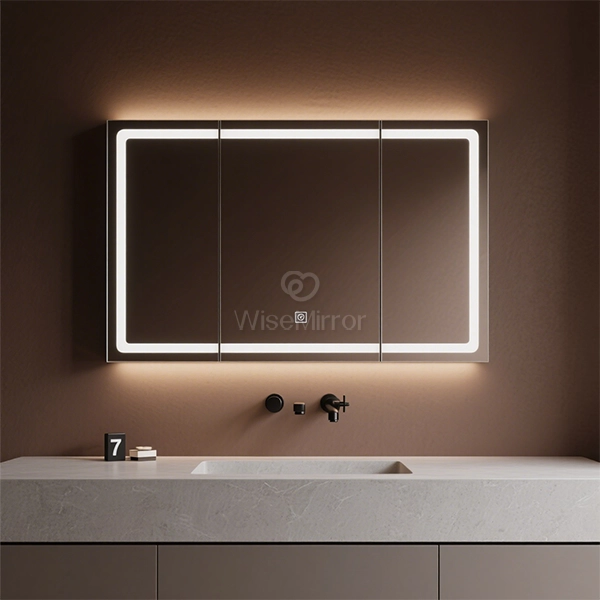
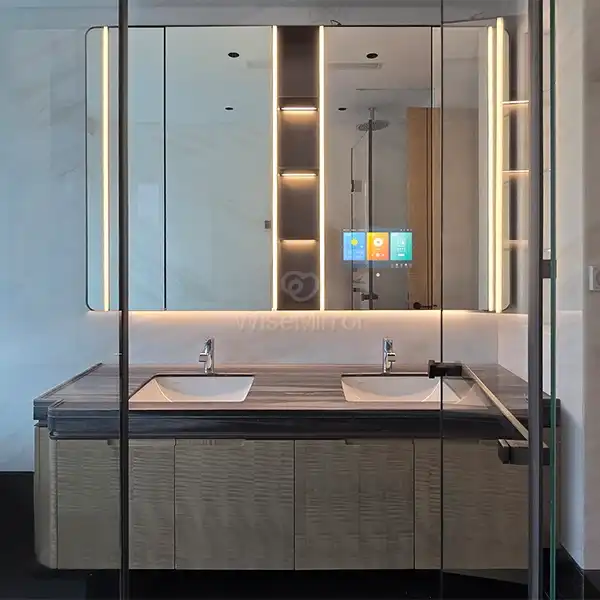
Selecting a waterproof aluminum bathroom mirror cabinet for hotel renovation requires balancing material durability, smart functionality, and procurement efficiency. Unlike residential applications, hospitality projects demand cabinets engineered to withstand continuous guest use, intensive housekeeping protocols, and high-moisture environments. Aluminum alloy frames paired with IP65-rated waterproofing, integrated defogging systems, and customizable LED lighting deliver the reliability and aesthetic refinement that define modern luxury hospitality spaces. This guide addresses the technical specifications, procurement strategies, and installation considerations essential for project managers, interior design firms, and real estate developers managing large-scale hotel renovations.
Understanding the Need for Waterproof Aluminum Bathroom Mirror Cabinets in Hotels
The conditions in hotel bathrooms speed up the breakdown of materials. Traditional cabinets don't last long in places where there is a lot of steam, chemical-based cleaners, and guests all the time. Wooden materials warp and grow mold when water gets into them, and metals that haven't been cleaned rust within months in seaside or humid areas. These problems ruin the experience of guests and make upkeep costs go up because they need to be fixed over and over again.
Why Aluminum Outperforms Traditional Materials?
These problems can be solved by building with an aluminum alloy, which is naturally resistant to corrosion and stable in its shape. The substance creates an oxide layer that protects against rust, which is a big plus compared to stainless steel, which can get pits when coats are scratched. Aluminum completely eliminates the weaknesses of organic substrates, unlike moisture-resistant plywood or MDF alternatives sold for wet areas. The aerospace-grade 6063-T5 metal used in high-end hospitality Aluminum Bathroom Mirror Cabinets keeps its structure solid even when the temperature changes from 14°F to 140°F. This stops the wood frames' hardware from coming loose during expansion and contraction cycles.
When installing, weight is an important thing to think about. An aluminum cabinet weighs about 40% less than a stainless steel cabinet of the same size. This makes wall hanging easier in rebuilt homes where the structure may not be able to support as much weight. This benefit cuts installation time by 30% for projects with more than one floor. This means lower labor costs and faster guest room turnover during phased renovations.
Essential Waterproof Features for Hospitality Applications
Effective protection goes beyond choosing the right frame material. Advanced sealing systems have silicone gaskets at all panel joints. These gaskets are compression-resistant and keep the door closed for more than 50,000 door passes. At the very least, LED driver compartments need enclosures that are rated IP44. However, IP65 certification is better because it protects against direct water jets during deep cleaning procedures.
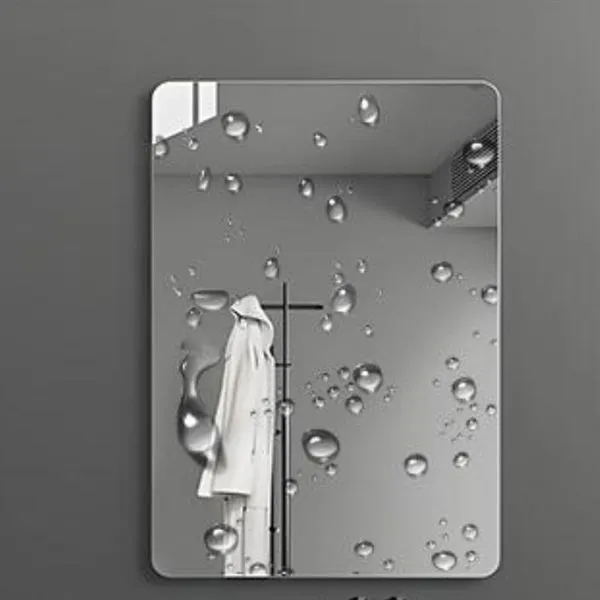
Care should be taken with how the mirror edges are treated. Copper-free silver mirrors with a triple-layer protective backing stop the rusting that shows up as a "black edge" in setups that didn't work. In the edge sealing process, a moisture-resistant substance is applied that links to both the mirror backing and the metal frame. This makes a constant barrier against humidity getting in. Behind the mirror surface, anti-fog heating elements keep the temperature above the dew point. This gets rid of condensation within 60 seconds of being turned on, which is something that guests now expect from high-end properties.
Core Selection Criteria for Hotel Renovation Procurement
When it comes to project requirements, boutique hotels need a lot of design freedom, while chain hotels want everything to be the same. Teams in charge of buying things have to look at how well Aluminum Bathroom Mirror Cabinet systems work with all of these different ways of doing things while still meeting brand standards.
Size, Design Flexibility, and Modular Systems
Custom sizing for the Aluminum Bathroom Mirror Cabinet lets you get a perfect fit in renovated rooms with limited space because of structural columns, plumbing chases, or existing tile work. Manufacturers that offer parametric design services can change the depth of cabinets from 120 mm for small powder rooms to 180 mm for full-amenity suites without having to retool their production lines. Finishes can also be changed in this way—brushed nickel, matte black powder coating, or color-matched RAL colors work perfectly with lighting packages chosen by architects.
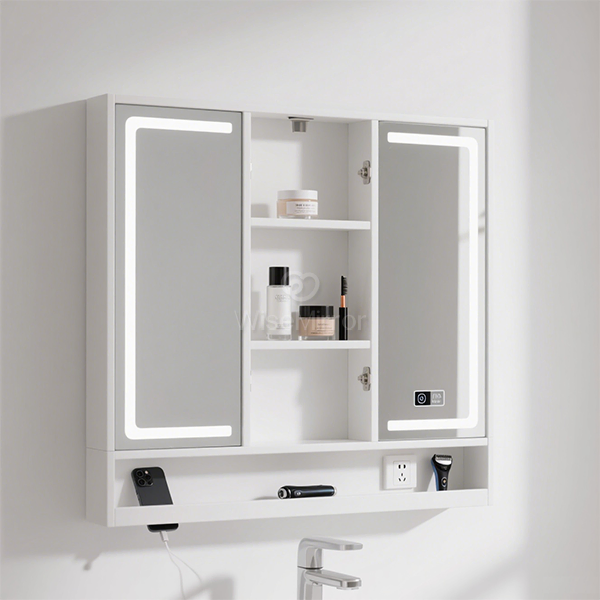
Phased procurement works well with modular building methods. For example, a makeover of 300 rooms might call for three cabinet sizes with mirror door setups that can be switched out. This would make managing inventory easier and lower the cost per unit by buying in bulk. Partitioned storage systems with adjustable shelves can meet the needs of a wide range of guests, from long-term properties that need to store pharmaceuticals to resort spas that need places to show off cosmetics.
Durability Standards and Lifecycle Cost Analysis
Corrosion resistance data can be measured with the neutral salt spray test. Cabinets that pass the 96-hour NSS test without any pitting meet the standards for seaside installation, which protects beachfront property investments. The quality of the hinge directly affects how often it needs to be replaced. For example, noise complaints and repair calls that come with normal hardware breaking after 20,000 cycles are eliminated by hinges that are rated for 100,000 cycles.
LED systems that use less energy and last for 50,000 hours mean that fewer bulbs need to be replaced over the 15-year life of a cabinet. When you factor in maintenance costs, energy use, and replacement times over ten years, you can see that high-end aluminum cabinets with built-in lighting have a lower total cost of ownership by 40% compared to cheaper options.
Sustainability Certifications and Green Building Compliance
LEED-certified hotel projects need to show proof of where the materials came from and how they affected the environment. Aluminum can be recycled over and over again and doesn't release any methane, which helps green building points. Manufacturers who provide EPD (Environmental Product Declaration) paperwork make it easier for businesses to meet the standards for environmental reporting. Low-VOC powder-coating methods and mercury-free LED parts meet indoor air quality standards that hospitality brands are adopting more and more.
Comparing Aluminum Bathroom Mirror Cabinets Against Other Materials
Choosing the right materials for a project has effects that go beyond the initial costs of buying them. Value-based buying is based on knowing the trade-offs in performance between Aluminum Bathroom Mirror Cabinets, wood blends, and stainless steel.
Aluminum vs. Wood: Moisture Resistance and Longevity
Wood cabinets with waterproof laminates may seem like a good deal at first, but in hotel bathrooms that get a lot of use, they need to be replaced every five to seven years. When water gets in thru mounting holes and hinge openings, it makes the particle board base swell, which separates the veneers and leaves gaps where mold can grow. Aluminum frames don't have any of these failure modes because the solid metal construction stops water from getting into the frame and seals the fastener holes with marine-grade compounds.
Maintenance schedules are very different. Aluminum can handle the quaternary ammonium disinfectants that are common in hotel cleaning, but wood surfaces need pH-neutral cleaners to keep the finish from wearing off. This chemical resistance means that the cabinets don't need to be refinished as often and don't have to be taken apart when the bathroom is being deep cleaned.
Aluminum vs. Stainless Steel: Weight, Installation, and Aesthetics
Corrosion resistance is about the same in stainless steel, but it is much heavier. A 900 mm wide stainless steel cabinet usually weighs 45 kg, while an aluminum unit of the same size weighs only 28 kg. Because of this difference, installation on drywall walls, which are popular in remodeling projects, is harder and usually needs structural reinforcement. Because aluminum is easy to machine, it can be used to make integrated mounting systems with hidden bolts. This creates the floating installation look that is popular in modern hotel design.
Aluminum has a lot of different finishes for the Aluminum Bathroom Mirror Cabinet, making it better for design-forward homes. Anodizing processes create long-lasting color without coatings, and powder-coating technology creates surfaces that are matte, satin, or textured and match a variety of color schemes inside. Stainless steel finishes still only come in a few colors and can only be polished, brushed, or PVD-coated.
Price and Value Analysis for Procurement Professionals
When you first look at prices, aluminum cabinets are 15–25% more expensive than wood cabinets but 20–30% less expensive than stainless steel cabinets. To figure out the return on investment, you have to take into account how often things need to be replaced, the cost of energy, and the cost of maintenance labor. Over 18 years, hotels that replace their wood cabinets every six years spend 60% more than those that add metal units that last 15 years. Aluminum's cost position is even better because it doesn't need mid-cycle repair, which costs about $85 per cabinet for refinishing and new handles.
Practical Procurement and Installation Guide for B2B Clients
Finding partners who can deliver consistent quality, meet project deadlines, and offer expert help during installation is key to the success of hotel renovation projects.
Sourcing Reputable Manufacturers and Quality Certifications
When looking for a vendor, you should make sure that they have ISO 9001 quality-control certification and safety approvals for their Aluminum Bathroom Mirror Cabinets, such as CE, FCC, and RoHS compliance. Multi-region certifications show that manufacturers who work with international hospitality markets understand the rules. For example, UL listings are used for projects in North America, IEC 60529 tests are used to confirm IP ratings, and ANSI Z97.1 standards are met by tempered glass.
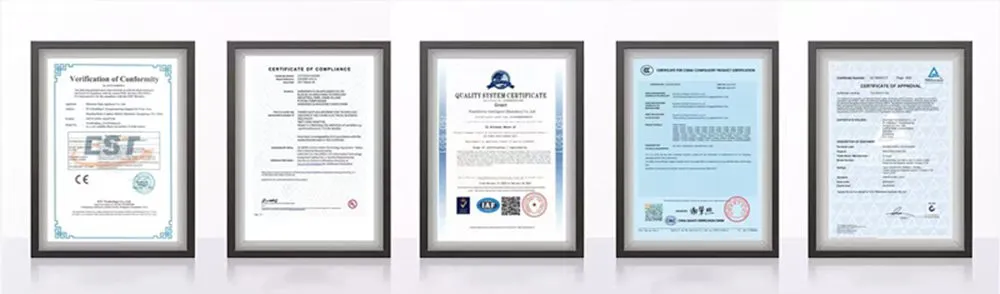
When evaluating a vendor, you should ask for neutral salt spray test results, hinge cycle testing data, and LED driver specs. Suppliers with a good reputation give third-party lab certifications instead of claims from their own tests. Long-term guarantee programs—usually two years for business installations—show that the company that made the product is confident in its durability.
Customization Strategies for Large-Scale Projects
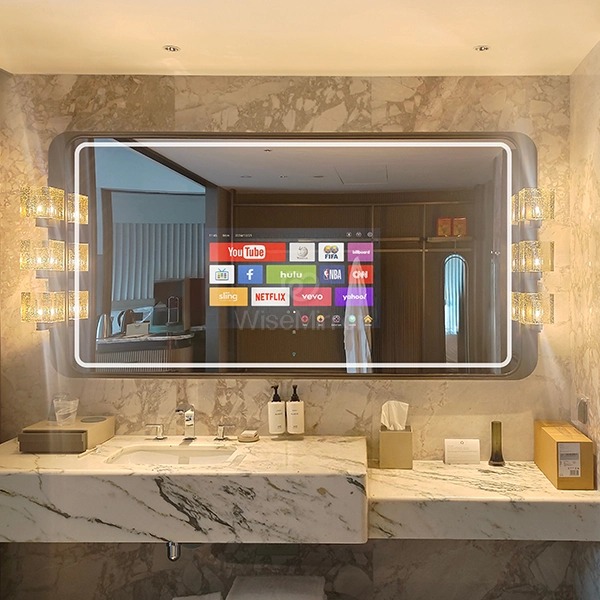
Brand consistency needs drive customizing that goes beyond changes in size. Hotels can ask for custom LED color temperatures that match their brand's lighting standards, unique mirror etching with name integration, and hardware finishes that match the bathroom fixture packages. Smart integration options include touchscreen controls with custom user interfaces, occupancy sensors that turn on lights automatically, and the ability to work with property-management systems to keep track of maintenance.
When negotiating bulk purchases, you should talk about minimum order quantities, lead times, and where to store your inventory. If you order 500 units, you might be able to get factory-direct pricing and staged delivery that fits your construction schedules. This would lower the cost of storage on-site. Setting up frame agreements with approved makers makes buying easier for renovation projects that involve more than one home.
Installation Best Practices and Maintenance Protocols
Long-term rising security depends on how well the wall is prepared. Instead of depending on tile adhesive, installations on tile surfaces need to be anchored thru the wall into structural backing. For recessed installations, waterproofing continuity is important. Membrane systems should go into the rough opening of the cabinet and seal to the frame perimeter before the drywall is closed.
According to NEC Article 680, the electrical rough-in for illuminated cabinets needs to be done on separate circuits with GFCI protection that are not in the wet area. Low-voltage LED systems are easy to install, but the drivers need to be put in places that are well-ventilated and dry. This is usually done by placing the drivers in a nearby wall cavity and using service access panels.
Maintenance plans after installation make cabinets last longer. Lubricating hinges with silicone-based Products every three months keeps them running smoothly, and checking mirror edge seals once a year finds damage before water gets in. Instead of rough pads that damage protective coatings, cleaning instructions should say to use microfiber cloths with pH-neutral cleaners.
Case Studies & Best Practices in Hotel Bathroom Cabinet Selection
Real-world implementation data shows that strategic decisions about which Aluminum Bathroom Mirror Cabinets to choose have measurable effects.
Successful Hotel Renovation Projects
A 450-room resort in Miami changed its old, rotting wood cabinets with aluminum ones that defog themselves and have LED lights that can be adjusted. Over the next three years, repair calls about cabinet problems dropped by 87% after the remodeling. The percentage of satisfied guests with the quality of the bathroom went up by 12 percentage points. Analysis of the comment cards showed that the mirrors were clearer and there were more storage options.
A small hotel company made all 15 sites use the same customizable metal cabinets. This cut costs by 23% while still letting the designers make the cabinets look good in each location's own way. Standardization made it easier to keep track of replacement parts in stock and set up organized training programs for repair workers.
Common Procurement Pitfalls and Solutions
Failures happen too soon when protection standards aren't clear. In high-humidity areas, projects that only specified IP44 grades had fog buildup and electrical component rust, which meant that the cabinets had to be replaced after four years. These problems went away when I upgraded to systems with an IP65 rating, even tho it cost 18% more at first.
Installation delays happen because customization planning isn't done well. After the template is checked, rush orders for non-standard sizes often make lead times go from four weeks to twelve weeks, which throws off building plans. Providing manufacturers with basic measurements during the planning process lets them prepare tools before the final approval, which helps keep the project on schedule.
Neglecting total cost of ownership leads to low-bid wins that raise costs over the life of the product. A study that compared three-year upkeep costs, energy use, and replacement estimates showed that mid-range metal cabinets had a 34% lower total cost than cheaper options, even tho they cost 20% more to buy.
Conclusion
When choosing waterproof Aluminum Bathroom Mirror Cabinets for hotel remodeling, you need to do more research than you would when buying them for your own home. The long-term success of a project depends on its material science advantages, how well smart features are integrated, and how well the procurement strategy fits in. The unique working needs of hotel settings are met by aluminum's resistance to corrosion, ease of installation, and ability to be customized. Lifecycle cost analysis, strict vendor qualification, and installation quality control protect renovation investments and improve guest experiences with reliable, aesthetically pleasing bathroom solutions.
FAQ
Does aluminum oxidize in wet environments?
Aluminum naturally forms a stable oxide layer, and professional-grade cabinets go thru an anodic oxidation treatment that adds a 10-15μm layer of protection. This process gets rid of the problems that come with steel rusting. This means that aluminum can't rust like other metals do in wet hotel bathrooms.
Can smart features integrate with property management systems?
Top manufacturers make cabinets that work with the Internet of Things and can connect to them using any protocol. These systems can connect to hotel automation platforms, which lets you do things like control lights based on occupancy, send repair alerts, and keep an eye on energy use thru centralized building management panels.
What maintenance protocols extend cabinet lifespan?
Inspections should be done every three months to make sure the hinge works, the edge seal is intact, and the LED works. Use microfiber cloths and pH-neutral products to clean surfaces. Do not use rough cleaners that damage protected layers. Professional servicing once a year checks the electrical connections and the moisture barrier. This keeps small problems from getting worse and costing a lot to fix.
Partner with WiseMirror Intelligent for Your Hotel Renovation Project
WiseMirror Intelligent has been specializing in hotel mirror cabinets for more than 15 years, making industrial-grade goods that combine high-end looks with precise engineering. As a manufacturer of Aluminum Bathroom Mirror Cabinets, we can make them in any size, match finishes to specific brands, and offer smart integration options that meet the needs of high-end hotels. We have worked on projects for China Resources Land, Gemdale Group, and international hotel chains, so we know how hard it can be to get the supplies you need for renovations that span more than one property.
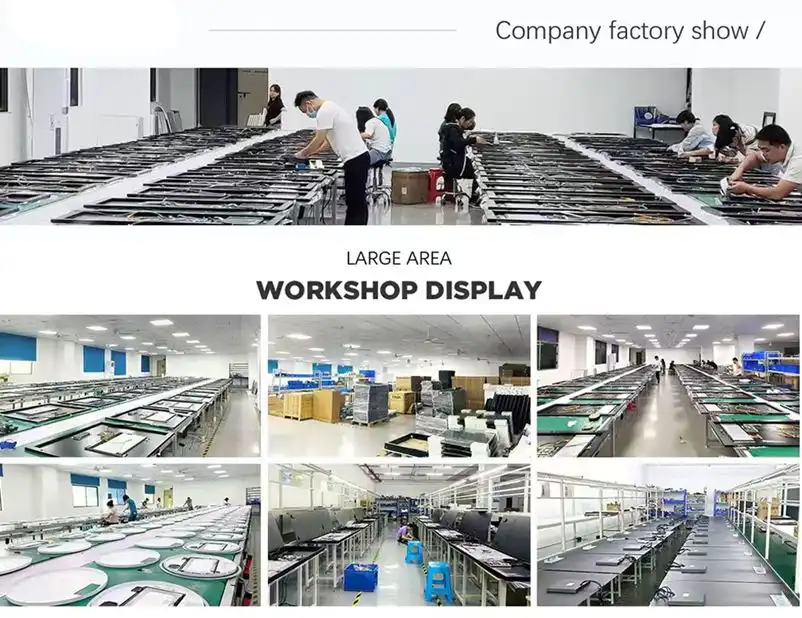
Our research and development team in Shenzhen creates new technologies like nano magnetron sputtering coatings, low-impedance capacitive touch integration, and anti-oxidation methods that make sure the products work well in harsh industrial settings for a long time. Our goods come with full expert help and two-year commercial warranties, and they are certified to meet ISO 9001, CE, FCC, and RoHS standards. They are shipped all over the world.
Email our procurement experts at info@wisemirror-int.com to talk about what you need for your project. For hotel renovation projects, we offer thorough specifications, customization consultations, and bulk prices. You can look at our full line of products and read case studies from finished hotel setups at wisemirror-int.com.
References
1. American Hotel & Lodging Association (2022). Sustainable Hotel Renovation Practices: Material Selection and Lifecycle Analysis for Hospitality Interiors. AHLA Research Institute.
2. Chen, L., & Morrison, A. (2021). Corrosion Resistance of Architectural Alloys in High-Humidity Commercial Environments. Journal of Materials Engineering for Construction, 18(4), 287-303.
3. Hospitality Design Magazine (2023). Smart Bathroom Technologies: Guest Expectations and ROI Analysis in Luxury Hotels. HD Publishing Group Annual Report.
4. International Code Council (2021). Electrical Safety Standards for Wet Location Installations in Commercial Buildings. ICC Technical Manual Series.
5. Roberts, K. (2022). Total Cost of Ownership Models for Hotel FF&E Procurement: A 10-Year Comparative Study. Cornell Hospitality Quarterly, 63(2), 145-162.
6. Zhang, W., et al. (2023). Energy Efficiency and Lifecycle Assessment of LED-Integrated Mirror Systems in Commercial Applications. Building and Environment Journal, 209, 108-124.