
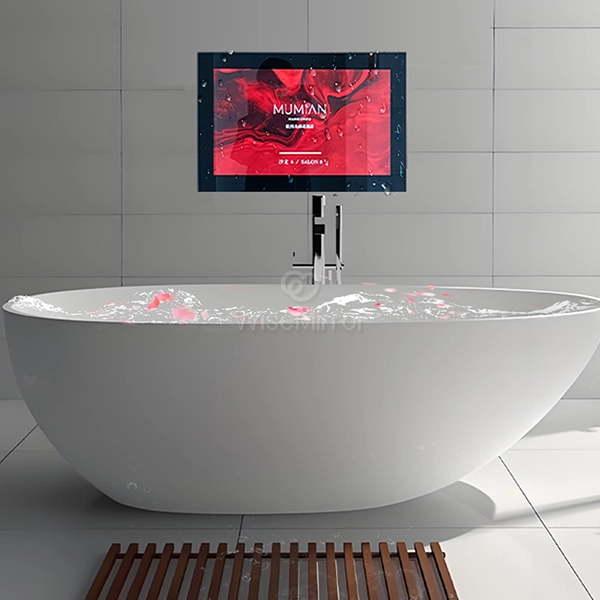
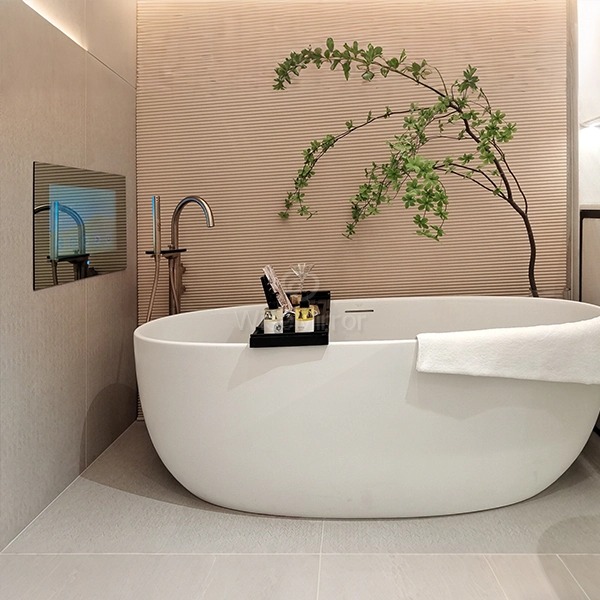
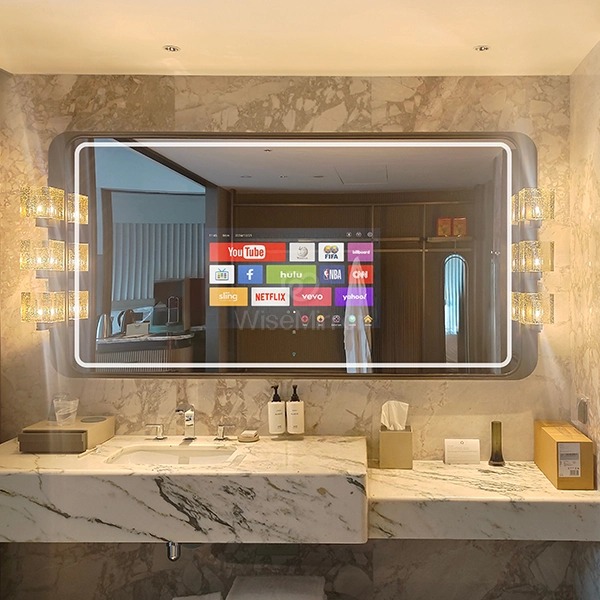
Vanity Mirror TV for Luxury Hotel Bathroom Design
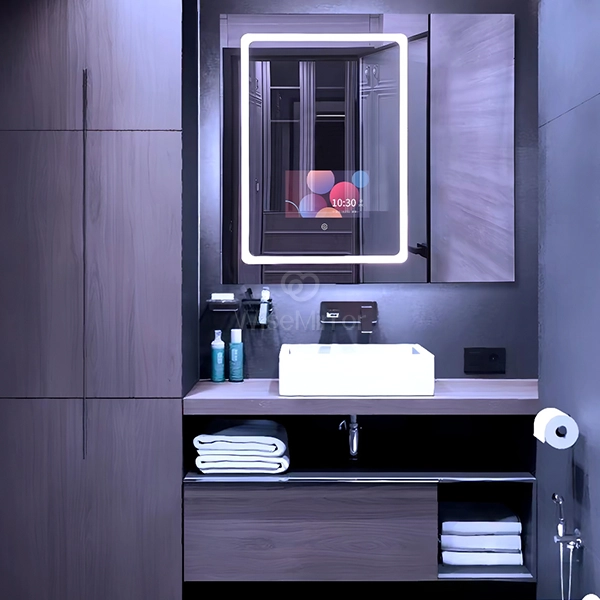
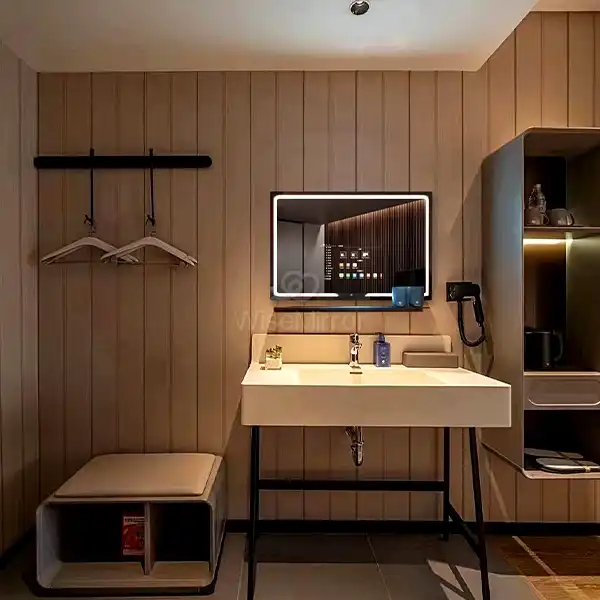
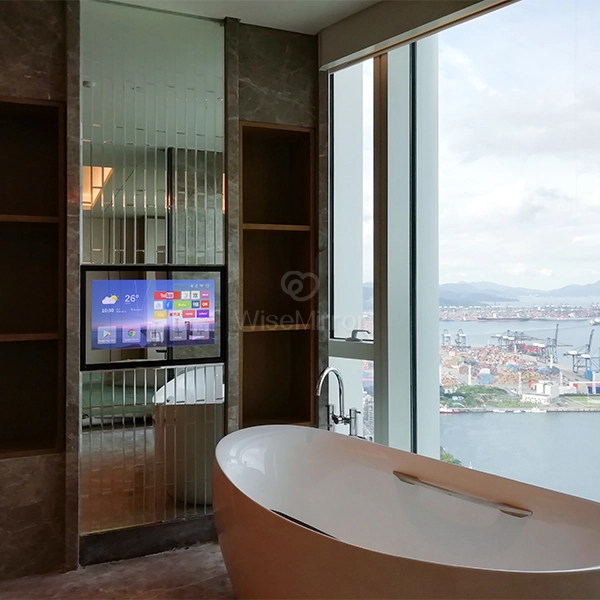
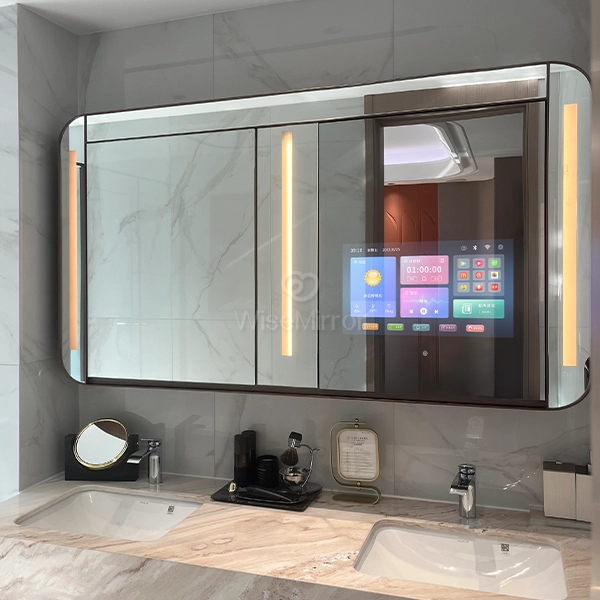
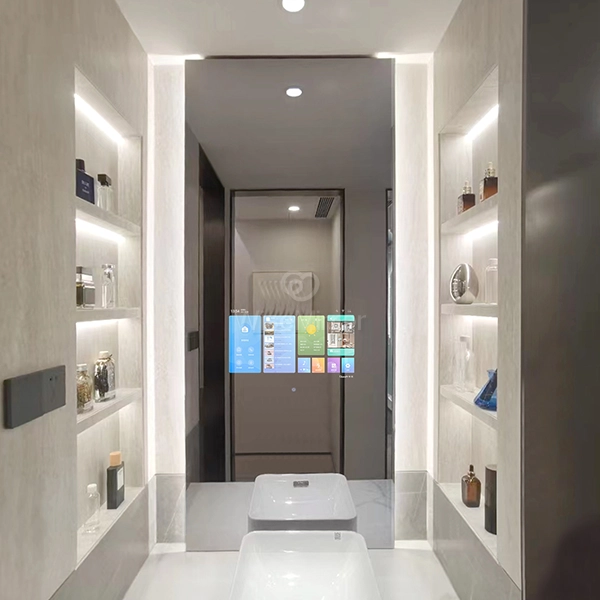
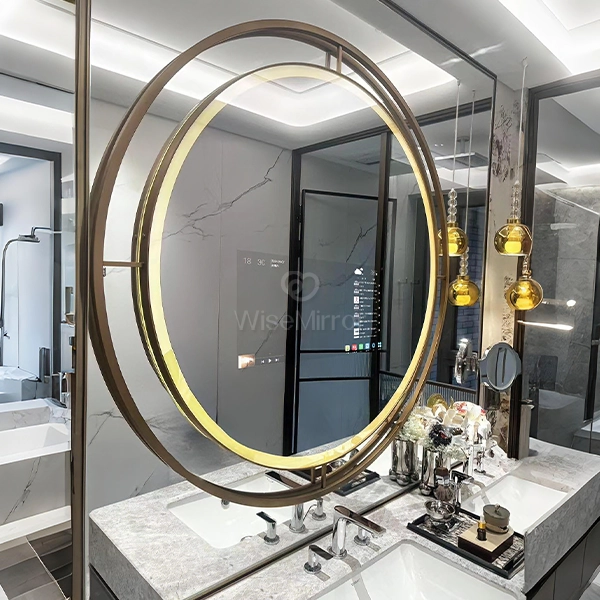
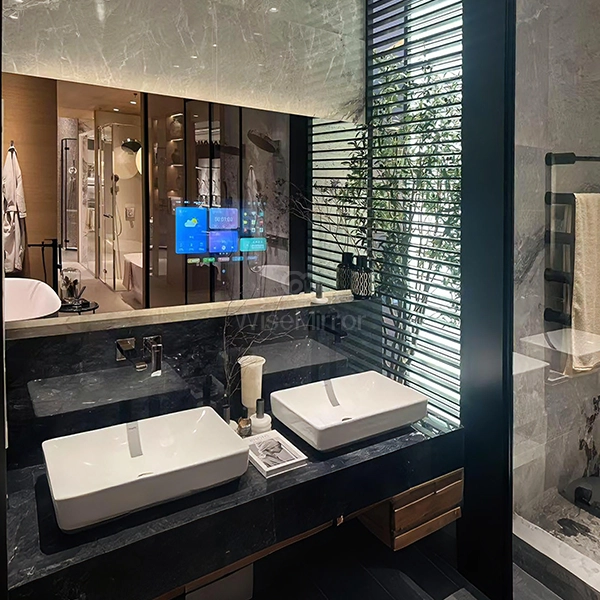
Vanity mirror TV technology is changing the way high-end hotel bathrooms look by combining entertainment features with a sleek look. These smart display systems solve a very important problem in procurement: giving guests interactive experiences without sacrificing the beauty of the space or the stability of the system. As hotel chains around the world raise the standards of their properties, vanity mirror TVs have become necessary features in suites, spa bathrooms, and executive accommodations. They are waterproof, have customizable interfaces, and are easy to install, so they fit with both architectural vision and long-term maintenance efficiency.
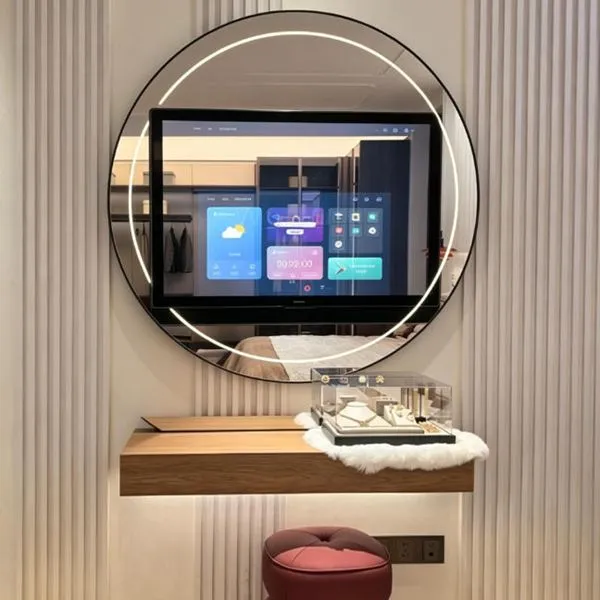
Understanding Vanity Mirror TV Technology and Its Applications in Luxury Hotel Bathrooms
Core Technology Architecture
There is a combined optical device inside a vanity mirror TV that makes it work. Behind a dielectric beam-splitter mirror is a high-brightness LED display panel that usually works at 500 to 1000 nits. When the screen is off, this special glass keeps its full reflecting clarity, causing the "vanishing effect" that gets rid of visual clutter. When turned on, the display content goes through the partially clear mirror without distorting, giving you movies-like sharpness even in the bright bathroom.
Our nano magnetron sputtering covering technology protects the mirror surface from oxidation and water damage, which is a typical reason why regular bathroom mirrors break. The low-impedance ITO sensitive touch lamination has reaction times of less than 1 millisecond, so guests can quickly scroll through news feeds, change lighting scenes, or adjust the temperature of the room. This touch response is especially useful in hotels where guests expect to be able to use the devices easily, just like they do on their own phones.
Product Configurations for Hospitality Projects
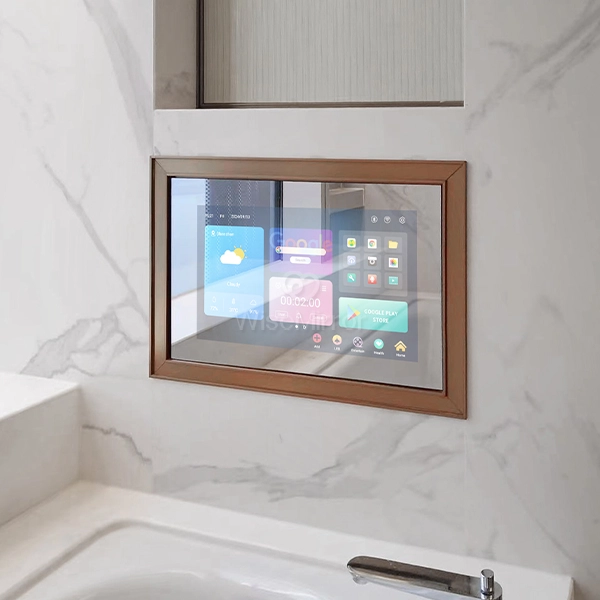
When hotels buy things, they usually look at two main delivery methods. Embedded types fit flush into wall recesses and have a clean architectural shape that works well with modern, simple designs. The chassis depth is only 23 mm, which is very thin. It fits into normal wall spaces without needing any structural changes, which makes renovation projects easier to do.
Framed models give you more style options because the artistic edges can go with a lot of different interior styles, from Art Deco brass accents to Scandinavian wood finishes. These units make installation easier in homes where fire codes or rules about preserving history make it hard to break through walls.
The choice of display size relies on the size of the bathroom and how far away you want to look. Most guest room stations have 21.5" to 32" screens that are 80 to 120 cm away from where the person is cleaning themselves. Larger 43" to 55" screens can fit in suite bathrooms and spa change areas, turning the mirror into a center of entertainment for longer relaxation routines.
Key Advantages for Luxury Hospitality Environments
vanity mirror TVs have more than just a cool factor. In boutique hotels, where every square meter affects income possibilities, making the best use of space is very important. By getting rid of the need for separate TVs placed on the wall, designers get back important space that can be used for more storage or wet zones.
Hygiene gains are in line with what guests expect after a pandemic. The mirror's sealed IP65 waterproof design keeps water out, which is what causes mold to grow in regular TV cases. Standard toilet cleaners can be used directly on the surface by housekeeping staff without harming the electronics inside, so hygiene standards can be met without having to follow special steps.
Multisensory interaction is one way to improve the guest experience with a small vanity mirror TV. Fill lighting that can be changed between natural sunshine (5500K), warm white (3000K), and cool white (6500K) helps with precision brushing and reduces eye strain. Guests can watch makeup tutorials in the morning or read about the latest business news before their meetings. This turns boring bathroom time into a useful time to do something. The built-in smart platform lets guests download beauty and leisure apps that make the experience more personalized. For example, guests can get meditation guides or skin care practices that are specifically designed for them.
Choosing the Right Vanity Mirror TV for Your Hotel Project
Systematic Evaluation Framework
Buying things requires a lot of research that goes beyond the basics of what is needed. We suggest a four-pillar assessment method that takes into account technical performance, environmental resilience, integration complexity, and help throughout the lifetime.
Delta E color accuracy tests should be used to measure how bright the screen is evenly across its surface. This should be a top priority for measuring how well a display works. Hospitality-grade units keep the delta E variance below 3 to make sure that the picture quality stays the same no matter the viewing angle. This is very important when multiple guests are using the same bathroom. Under bathroom work lighting that can be over 800 lux, contrast ratios higher than 3000:1 keep details visible in the vanity mirror TV.
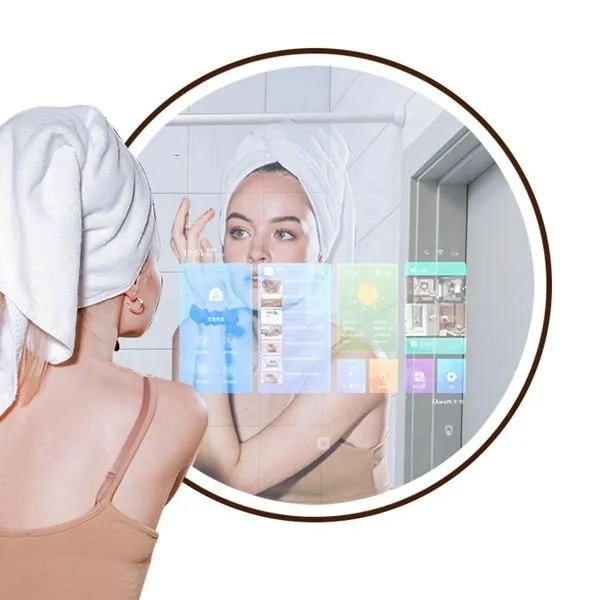
Moisture resistance goes beyond simple waterproof grades. Our anti-oxidation and anti-corrosion processes keep copper-free mirror backing from getting black edges after 18 months of being exposed to moisture, which happens to cheaper goods. Look for providers that offer accelerated aging test results that simulate being exposed to steam for five years straight.
Installation Complexity Considerations
Installation needs affect how long a project takes and how much it costs to hire workers. Check to see if the electrical system will work with the unit. Most commercial-grade units need separate 110-240V lines with ground fault protection. If a property is moving from standard mirrors, the electrician may need to work with the homeowner to route power through wall cavities. This can add 2 to 4 hours per unit to the installation plan.
How flexible operations can be depends on how well networks can work together. Units that handle both hardwired Ethernet and dual-band WiFi (2.4GHz/5GHz) can work with a variety of property IT systems. When negotiating a purchase, properties that manage material through centralized IPTV systems should make sure that the APIs will work together. This will help them avoid having to build expensive middleware.
After-Sales Service Evaluation
Structures of warranties show how confident and committed a maker is to customer service. Standard two-year covering should include promises for replacement units within 48 hours if they are broken, so that guests aren't bothered too much. Check to see if sellers have regional service centers or hire third-party freelancers. According to data from the industry, direct maker help usually fixes technical problems 40% faster.
Technical support: During important property events, mobility is important. We give you direct access to engineers 24 hours a day, seven days a week through WhatsApp, WeChat, and email. This lets you fix problems right away when installation teams in different time zones run into problems with wires or software setup.
Comparison and Decision-Making: Vanity Mirror TV vs. Traditional TV Solutions in Hotel Bathrooms
Aesthetic Integration Analysis
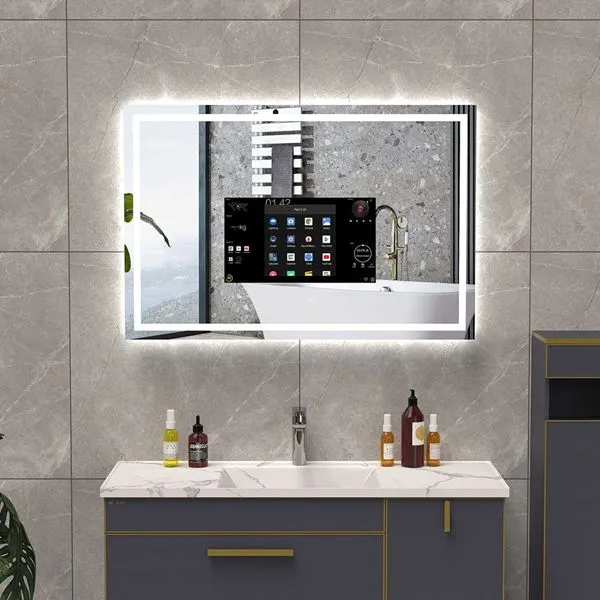
Traditional TVs that are placed on the wall make luxury bathrooms look bad because the black squares don't go with the spa-inspired color schemes. These units make noise even when they're not on, which hurts the peaceful atmosphere that is important for top hospitality placement. Vanity mirror TV solutions don't have to make this deal because they are clear when they're not in use, so the design stays the same whether they are on or off.
Properties that want to win design awards or be popular on social media should use mirror TV options that are flexible in their architecture. The smooth integration lets designers use marble, terrazzo, or rough tile as a base material for the whole bathroom walls without any gaps. This harmony photographs really well, and it creates free marketing content through guest social sharing in a way that regular TV setups can't.
Functional Performance Comparison
Metrics for guest usage show subtle changes. Traditional TVs have better sound because their speaker rooms are bigger, which means they can handle fuller bass response for streaming music while washing. But mirror TVs make up for it by being able to connect wirelessly to external soundbars or speakers built into the ceiling. This lets them work with the surround sound systems that are popular in luxury rooms.
When it comes to energy economy, mirror TV technology is the best choice. In sleep mode, our hybrid power systems use less than 3 watts of power, while regular TVs use 8–15 watts. This means that each unit saves $12–18 a year on energy costs. This saves $3,600 to $5,400 in running costs over a five-year renewal cycle for a hotel with 300 rooms.
Use Case Suitability
The best places to deploy are presidential bedrooms and corporate bathrooms. Guests in these rooms expect cutting-edge technology and high-end design, which is why expensive mirror TVs cost 25–35% more than regular setups. When corporate travel managers look at different places for senior getaways, the "wow factor" during property tours affects their choice of where to book.
Larger 55- to 75-inch mirror TVs that can be used for more than one thing are helpful in spa changing rooms. During off-peak times, screens show treatment choices and wellness-related ads. When guests are in the space, the units change to personalized entertainment. This lets users keep watching their Netflix profiles from treatment beds to changing rooms, which creates a continuation of service that makes customers loyal.
Hotels that want to save money might only put mirror TVs in their signature suites and give regular rooms the old-fashioned kind. This tiered method focuses investments where they will have the biggest effect on income, usually through higher suite rates that add $30 to $50 per night over the course of 12 months.
Procurement and Sourcing Strategies for Vanity Mirror TVs in the Hospitality Industry
Market Landscape and Supplier Ecosystem
There are three parts to the vanity mirror TV production chain. Tier-one makers like WiseMirror Intelligent keep vertical integration, which means they control the whole process, from making optical glass to making software. This structure makes sure quality uniformity, which is very important for hotel groups with multiple properties that need to have the same level of performance across regional deployments. We have completed more than 450 projects for companies such as China Resources Land, China Merchants Property Development, and Gemdale Group. These projects range from small, boutique hotels with 50 rooms to large, iconic hotels with 800 rooms.
Tier-two providers get screens and mirrors from companies that make parts, and their main services are assembly and customization. Although these sellers have reasonable prices, there is a chance that the quality will vary when the suppliers of parts change between production runs. Instead of prototypes, procurement teams should ask panel brands to reveal their names and request sample confirmation from real production runs.
Third-tier wholesalers selling small vanity mirror TV offer rebranded goods with little technical help. Quotes at first glance may seem good, but there are hidden costs that show up when software changes don't work with the system, replacement parts aren't available, or there are problems integrating with property management systems and people start pointing the finger.
Negotiation Tactics for Bulk Procurement
Making promises to buy in bulk can save you a lot of money. If you buy more than 50 units, you get a 10% discount, if you buy more than 200 units, you get an 18% discount, and if you buy more than 1,000 units across multiple properties, you get a 25% discount. When you buy in bulk, you can negotiate payment terms. For example, we offer net-60 terms to well-known hotel groups whose reliability has been confirmed, which helps them better handle their project cash flow.
Warranty improvements give you more power than just price. Talk about extending coverage to four or five years for large sales. This will put the risk of the product's entire lifecycle on the maker. Ask for extra unit allocations, which are usually 2% to 3% of the total order volume and are kept at regional delivery centers in case of emergencies during busy times, when guest disruption has the biggest effect on revenue.
When negotiating customization, both hardware and software should be taken into account. Changes in size, finishes on the bezels, and logos etched into mirror surfaces usually make unit costs go up by 8 to 12 percent. It's important to think about how hard it will be to build software customizations like branding UI themes, pre-loaded hotel apps, and property-specific content channels. We offer templated customization deals at set prices so that you don't have to pay ongoing software development fees that can blow up project budgets.
Support Services and Implementation Assistance
Different suppliers offer very different methods for installation help. Turnkey services include site studies, electricity planning, providing mounting hardware, and commissioning after installation. This is great for general builders who don't have a lot of experience with audiovisual systems. For sales over 100 units, we give you your own project manager, who is responsible for everything from the purchase order to the final acceptance testing.
Training programs make sure that property staff can fix common problems without having to rely on the maker. Our execution packages come with on-site training for tech teams that covers resetting systems, reconfiguring networks, and showing off features that guests can see. Help desk calls dropped by 55% in the first six months after the business opened, when video lesson files were especially useful.
Tier-one providers stand out because they offer technical support. In addition to warranty fixes, we keep firmware update roadmaps that are released 18 months in advance. This lets IT teams plan for security changes and feature additions. This openness stops the risk of obsolescence that comes up when properties find out their current systems can't support new guest standards, like voice control or virtual reality try-on features.
Working with a well-known vanity mirror TV provider that knows how to speed up the buying process for hotels is key to a successful project. Our 30-day lead times for orders of 100 units or more work with tight building plans, and our palletized anti-vibration packaging keeps damage to a minimum during transport, which delays property openings. These operating details tell the difference between makers who are really ready for large-scale deployments in hospitality and consumer electronics companies that are trying to get into the business market.
Conclusion
vanity mirror TV technology is a smart investment for high-end hotels that want to be the best at what they do and make sure their guests are happy. These smart display systems solve the problem of how to provide engaging digital experiences while keeping the peaceful atmosphere that makes a premium bathroom desirable. To be successful at procurement, technical requirements, supplier skills, and lifecycle support infrastructure must all be carefully looked at. When properties work with experienced manufacturers, they get access to tried-and-true installation methods, the freedom to make changes, and quick expert help that protects their technology investment for as long as it works. As competition in the hotel business gets tougher, vanity mirror TVs go from being nice-to-have extras to being necessary features that affect how guests see the room and how they decide to book.
FAQ
What is the expected lifespan of vanity mirror TVs in hotel bathrooms?
Commercial-grade units designed for hotel settings usually last 50,000 hours, which is about 8 to 10 years of constant hotel use. Our touch-durable screens can handle more than 100,000 activation cycles, which is more than the contact frequency in high-occupancy buildings. The copper-free mirror backing doesn't rust along the edges like home mirrors do after 3–4 years of being in the bathroom, so the vanity mirror TV will stay shiny for as long as it's used. Regular care, like checking the seal every three months and fixing it right away if it gets damaged, keeps it from breaking down too soon.
Can vanity mirror TVs be customized to match our hotel's design specifications?
Of course. We offer full customization for screens ranging in size from 15.6" to 75", so we can fit a wide range of bathroom plans, from small hotel sinks in cities to large spas at resorts. Frames can be finished in brushed stainless steel, matte black, champagne gold, or powder paint that is custom matched to a Pantone color. Software interfaces can use unique UI themes that include the color schemes, logos, and carefully chosen content channels of your business. Custom app pre-loading makes sure that your guests can easily use your butler services, spa booking systems, and maps to local attractions. Surveys done before installation get accurate measurements, which are then used to make engineering plans that need to be approved by an architect before production can start.
Partner with a Trusted Vanity Mirror TV Manufacturer for Your Next Hospitality Project
The people at WiseMirror Intelligent have been designing waterproof screens and smart mirror systems for high-end hotels for more than 15 years. Our track record includes installing vanity mirror TV units in famous hotels in Asia, North America, and Europe. We offer custom vanity mirror TV options that combine cutting-edge usefulness with the high-end looks that picky property owners want. We know the unique challenges that buying teams face, such as tight deadlines, limited budgets, and the need for perfect performance during property launches.
If you choose the right vanity mirror TV provider, your bathroom technology can go from being a risk to being a competitive advantage. Our vertical integration makes sure that every part, from nano-coated mirror glass to custom touch controls, meets the high standards for longevity expected in a hospitality setting. Whether you're setting up a 50-suite small hotel or a chain-wide rollout for 2,000 units, our manufacturing can be adjusted to fit the needs of your project. For big deployments, volume discounts can reach 25%.
We want procurement managers, project engineers, and hotel design teams to look into how our vanity mirror TV options can improve the guest experience at your property. Email info@wisemirror-int.com to get a detailed specification advice, or go to wisemirror-int.com to see our full product list. Our team is ready to give you personalized quotes, set up product demos, and create custom execution plans that match your project's goals and quality standards.
References
International Hotel Technology Association (2023). "Smart Bathroom Technologies in Luxury Hospitality: Adoption Trends and Guest Satisfaction Metrics." Annual Hospitality Technology Report.
Chen, W. & Martinez, R. (2022). "Optical Engineering of Beam-Splitter Mirrors for Commercial Display Applications." Journal of Applied Display Technology, 18(4), 312-328.
Hospitality Design Magazine (2023). "Material Specifications for Wet-Zone Electronics: IP Rating Standards in Hotel Bathroom Installations." Professional Procurement Guide Series.
American Society of Interior Designers (2022). "Integrating Smart Mirrors in Luxury Residential and Hospitality Spaces: Design and Engineering Best Practices." Technical White Paper.
Global Hotel Alliance Procurement Network (2023). "Total Cost of Ownership Analysis: Traditional vs. Integrated Bathroom Display Solutions." Supply Chain Management Quarterly, 29(2), 45-63.
Zhang, L., Thompson, K., & Patel, S. (2023). "Durability Testing of Waterproof Display Systems in High-Humidity Environments: A Five-Year Longitudinal Study." International Journal of Hospitality Engineering, 11(3), 178-194.