
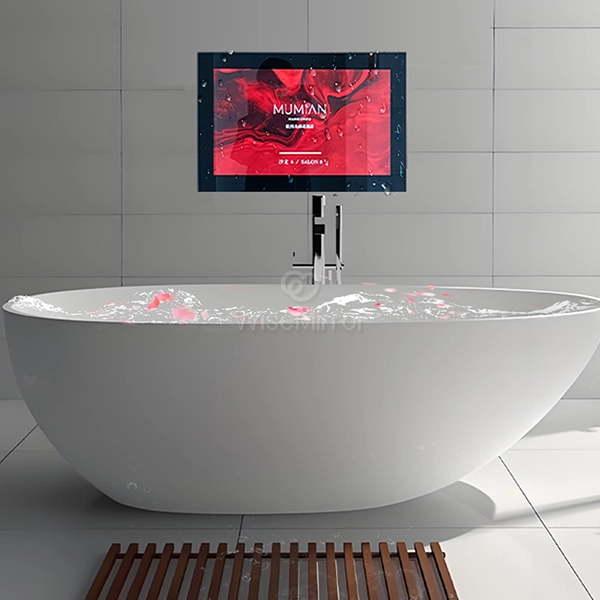
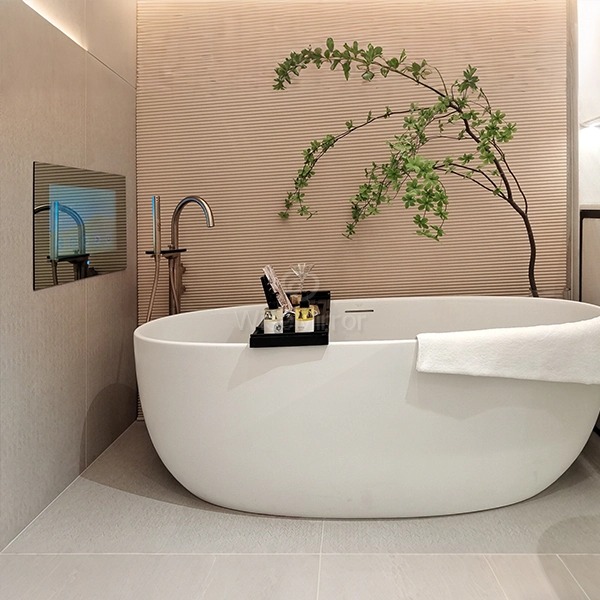
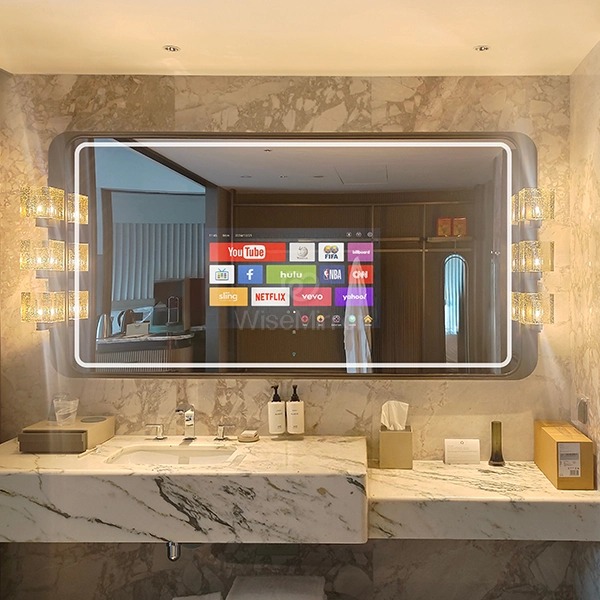
OEM OEM Picture Frame Mirror TV Engineering
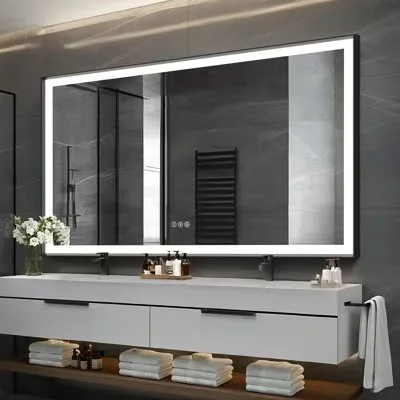
When hotel owners spend money on high-end services for guest rooms, they're not just buying stuff; they're changing how guests feel about the brand and how they think about it. A picture frame mirror TV is both a useful display and a stylish design element that turns plain hotel bathrooms and bedrooms into stylish places that guests will remember. This two-in-one display technology hides high-definition screens behind shiny glass so that they blend in with the background when not in use and show bright images when needed. OEM solutions give procurement managers and project engineers in charge of large-scale hospitality setups the flexibility, certifications, and technical support they need to meet the exact needs of properties ranging from small hotels to big resort chains around the world.
Understanding Picture Frame Mirror TV Technology
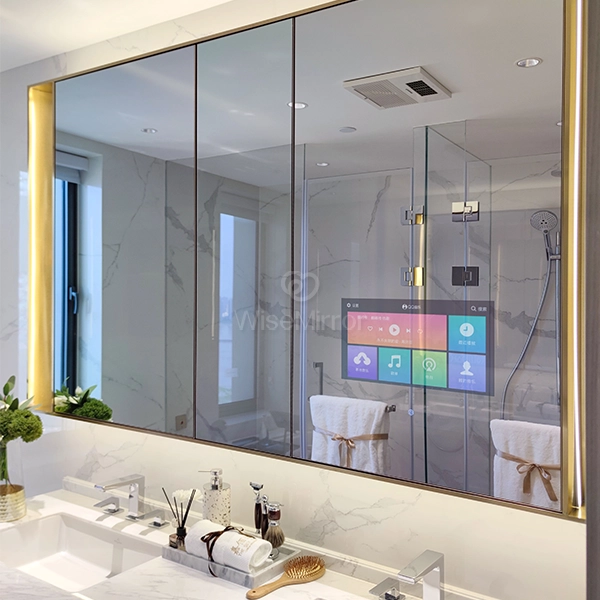
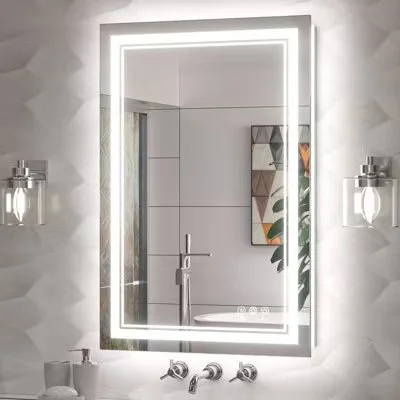
A special kind of dielectric beam-splitter glass is used for mirror display integration. It keeps the mirror reflection while letting display lights pass through when it's turned on. Unlike regular smart mirrors or TVs, this technology solves a problem that has been a problem in upscale interior design for a long time: dark screens that aren't being used can be distracting.
Core Components and Optical Architecture
The system is made up of three important parts that work together perfectly. To make up for the light that is lost through the mirror covering, the display panel works at brightness levels higher than 500 to 700 nits, which is a lot higher than most home models. This level of brightness makes it possible to see clearly even in hotel bathrooms that are naturally bright. The dielectric mirror glass usually has a reflectivity-to-transmission ratio of 70/30 or 60/40. This is set up so that the mirror works like a real mirror and doesn't get a reddish tint like cheaper materials often do. The custom frame structure looks good and houses thermal management systems, which are necessary to keep heat from building up and shortening the life of the display.
Space Optimization for Hotel Environments
Hotels are always under pressure to make the best use of room without losing the quality of the design. When traditional vanity mirrors are paired with separate TV setups, they take up valuable wall space and make it hard to see. Picture frame mirror TVs combine these functions into a single placement point, which frees up space in the bathroom for more storage, better lighting, or more table space. This reduction is especially helpful in small hotel rooms in cities, where every square foot counts for money.
Customization Capabilities for Project Requirements
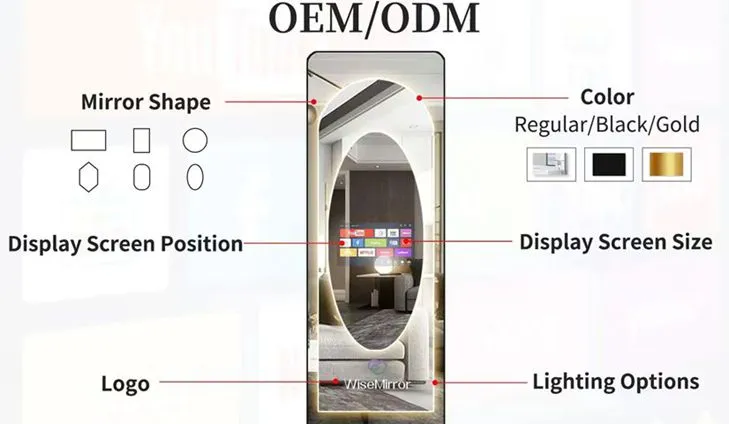
OEM production lets project-specific changes be made that can't be done with off-the-shelf market goods. Frame styles include simple, clean lines that are 15 mm wide and ornately carved shapes that look good in historic buildings or high-end resorts. Screen sizes range from small 15.6-inch units for powder rooms to large 55-inch units for baths in master suites. The aspect ratios, interface languages, starting screens, and settings for the remote control can be changed to fit the needs of the property's brand and the tastes of the local market.
Why OEM Picture Frame Mirror TVs Are Ideal for Hotel Engineering?
When designing solutions for hotels, they have to be able to handle a lot more stress than solutions for homes. A lot of guests coming and going, constant operation, environments with a lot of humidity, and the need for central control all make technical needs that normal consumer electronics just can't meet.
Integration with Property Management Systems
Modern hotel businesses depend on technology platforms that are linked together. OEM picture frame mirror TV displays work directly with property management tools, giving you one place to handle how material is distributed, when power is used, and how the system is checked out for the whole property. Leading PMS providers, such as Oracle Hospitality, Infor HMS, and Guestline, are all compatible. This means that features like custom welcomes for guests, automatic language selection based on ticket data, and messaging that is the same on all in-room displays are all possible.
Durability Standards for High-Traffic Applications
More people use commercial systems than private ones, and the use is exponentially higher. The IP65 grade for waterproofing keeps the inside parts safe from bathroom air and accidental splashes of water. Mirrors with anti-fingerprint treatments make smudging from guests less noticeable. When it comes to high-rise buildings and earthquake zones that matter, reinforced mounting systems take wall tremors and those into account. Accelerated longevity testing is done on components to make sure they work after more than 50,000 power cycles, which is more than a decade of normal hotel use.
Safety Certifications and Compliance
Different areas have different rules about how strict electricity safety codes, fire codes, and accessibility standards must be met by hospitality setups. The CE mark shows that the product meets the rules of the European Union, and the FCC mark shows that it meets the rules for radio interference in North American markets. UL listing makes sure that fire safety standards are met, and ADA support makes sure that people with disabilities can use the interface. OEM makers keep up-to-date paperwork for all of these certifications, so project engineers don't have to worry about compliance.
Comprehensive Technical Support Infrastructure
For large-scale deployments that cover multiple sites or phased construction plans, you need expert partnerships you can trust. OEM providers give you specialized project managers who make sure that the specifications are reviewed, that local workers are trained on how to install the equipment, and that you get help with commissioning when the property opens. After installation, support continues through guarantee terms that usually last between 24 and 36 months. Response procedures are based on how businesses work in the hotel industry, where downtime has a direct effect on guest happiness scores.
Comparing Picture Frame Mirror TV Solutions for Hotels
To make a purchase choice, you need to know how the different display technologies fit with the placement and budget of the property. Each method has different effects on the costs of building, running the business, and how guests feel about their stay.
Performance Metrics Across Display Technologies
The standard setup includes traditional TVs placed on the wall and separate screens. This setup needs two installations, which raises the cost of materials and makes upkeep more difficult because there are two different service contracts. Smart screens that don't have built-in TVs have interactive features, but they don't have all the entertainment options that guests are expecting more and more. The design of digital art frames is nice, but they don't work as mirrors at all. OLED mirror screens have better contrast ratios and more accurate colors, but they cost a lot, which might be too much for mid-range property funds.
The value enhancement zone is where picture frame mirror TV screens are found. The technology offers dual usefulness at a price that is 30–40% lower than OLED options. It also looks better when combined than when TV and mirrors are installed separately. Depending on the size of the screen, it usually uses between 80 and 150 watts of power, which is about the same as a regular LED TV and a lot less than older LCD technologies.
Return on Investment Considerations
Premium picture frame mirror TV setups, which cost between $2,800 and $4,500 per unit on average, are best for high-end properties where guests expect the latest features and perfect design integration. These systems have improved touch controls, can be activated by voice command, and have profiles that are less than 35 mm deep. Economy-tier options between $1,200 and $2,000 meet the practical needs for select-service homes where budget constraints mean value engineering is necessary without getting rid of the feature completely.
Data on guest happiness shows a significant effect. When properties update bathrooms with picture frame mirror TVs, post-stay review scores that are directly about room features go up by an average of 0.3 to 0.5 points. This improvement is linked to 2-4% more money coming in per available room because happier customers book again and good reviews show up on booking sites.
Procurement and Customization Guide for Hotel Engineering Buyers
To choose the right providers, you have to look at more than just the product specs. There is a difference between qualified suppliers and aspirational ones based on their manufacturing capacity, service infrastructure, and track records in hotel projects.
Supplier Evaluation Framework
How well a company can meet project deadlines for big sales depends on its manufacturing scale. Facilities that can make 500 or more units in 30 to 35 days show that they have the production ability for hotel chain rollouts. ISO 9001 certification shows that a company has good quality management systems, and ISO 14001 certification shows that a company is environmentally friendly, which is becoming more and more important for businesses that want to get LEED certification or other sustainability awards. Ask for examples of similar projects, along with property names, installation amounts, and contact information so you can check with the project engineers who oversaw those implementations.
Custom Order Process and Timelines
As engineering teams look over building models, electrical plans, and papers outlining the design purpose, the initial specification development process usually takes 5 to 10 working days. During this step, frame shapes, screen sizes, mounting options, and interaction needs are set. After sampling, real versions are sent within 15 to 20 days so they can be tested on-site and approved by stakeholders. When production permission is given, cycles of 30 to 35 days of production begin for orders of 500 units or more. For orders of 200 units or less, shorter windows of 20 to 25 days are possible when common configurations apply.
Prices go up as the level of tailoring and the number of orders go up. When you buy more than 1,000 units, baseline units with normal frame profiles and little to no interface customization start at around $1,200 each. Prices for mid-range specs that include unique frame designs, PMS integration, and better waterproofing run from $1,800 to $2,800 per unit. Premium versions cost between $3,500 and $4,500 per unit and have ultra-thin dimensions, advanced touch features, and their own coating technologies for the picture frame mirror TV.
Logistics and Installation Coordination
When shipping containers internationally, you need to carefully plan your delivery schedule so that it works with building stages and customs paperwork. Reliable sellers work with freight forwarders who know how to handle fragile gadgets and can suggest shipping providers who know how to meet the needs of hospitality projects. For deliveries within the United States, LTL freight is usually used for smaller amounts, and specialized truckload services are used for setups that cover the whole property.
Installation help for picture frame mirror TV depends on what the provider can do. Some makers offer direct installation by their own experts, but this method is too expensive for projects that are spread out physically. Most of the time, providers give thorough installation guides, video lessons, and technical help over the internet to electrical contractors or AV integrators in the area who do work on-site. Calls before placement make sure that the mounting base is good enough, that there is enough electricity, and that the person has access to the necessary networking infrastructure.
Practical Use Cases and Future Trends in Hotel Engineering
In the real world, implementations show how flexible they are in a range of hospitality settings and show new uses that go beyond standard bathroom installs.
Guest Room and Suite Applications
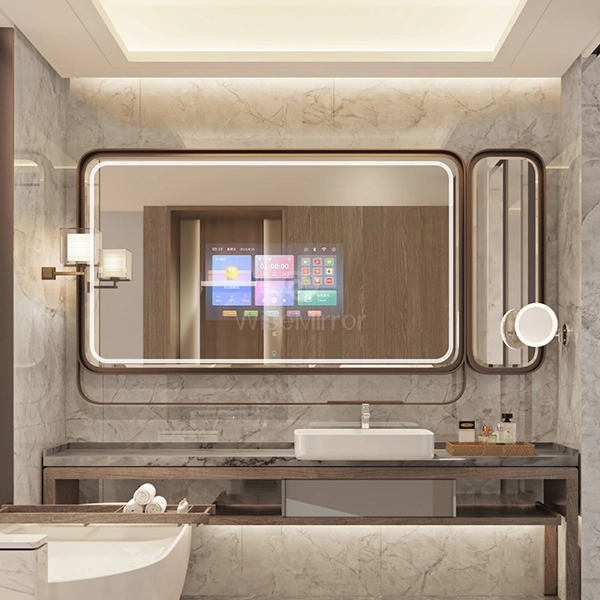
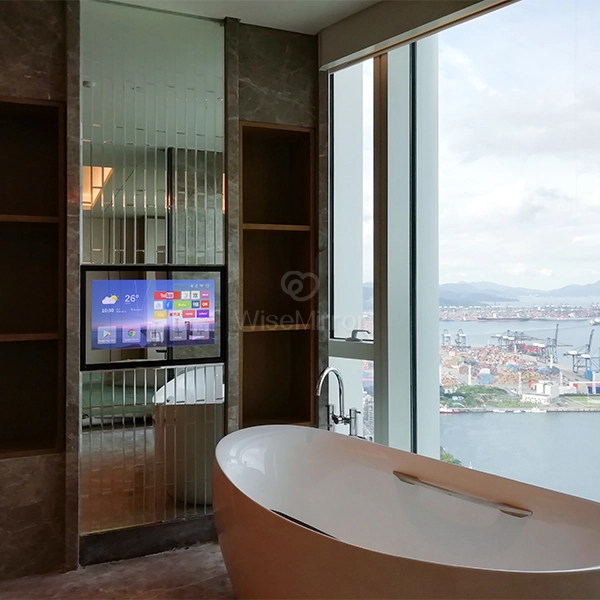
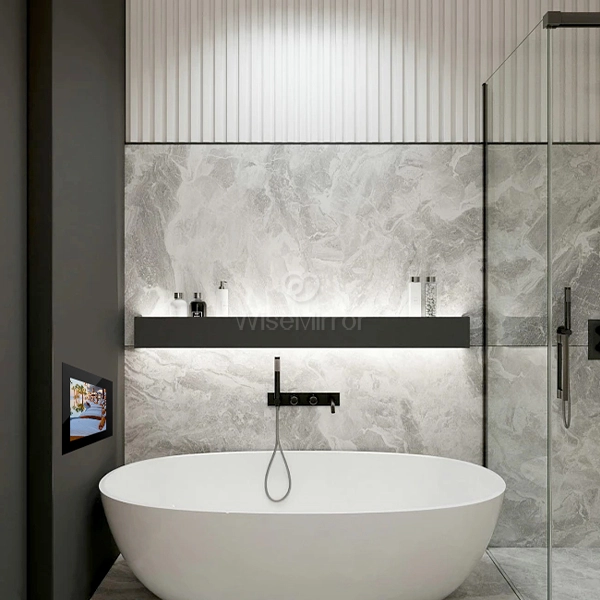
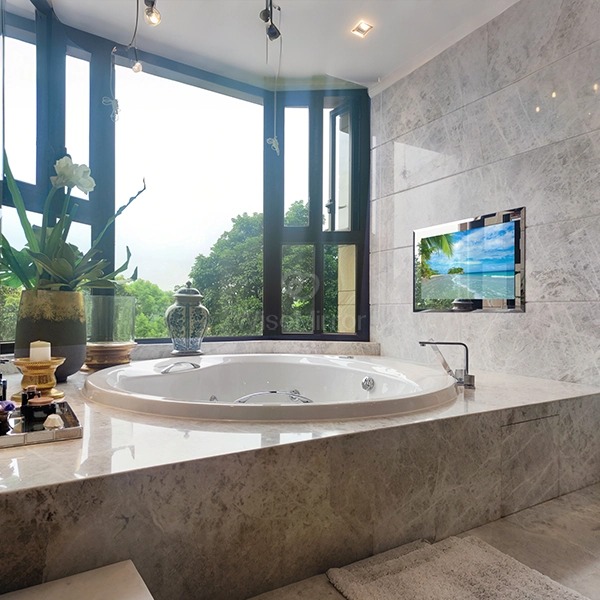
Bathroom installs are still the most common place for deployment, where multifunctional screens are replacing traditional vanity mirrors. Guests use the mirror for their morning practices while using the built-in display to check the news, see the weather, and get information about the property. In the evening, guests enjoy content while getting ready for bed or resting in hot tubs, which changes the use from work to play. Mounting heights are usually between 1,200 and 1,400 mm from the finished floor to the center of the screen. This makes it easier for people of all heights to see.
Spa and Wellness Facility Integration
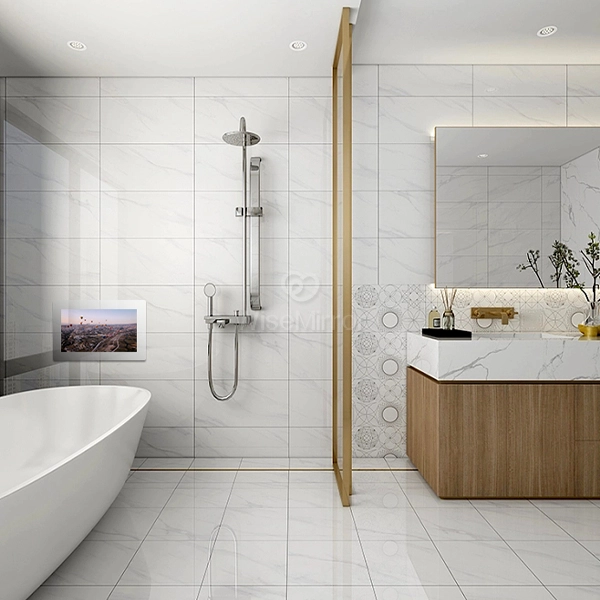
In high-end spas, picture frame mirror TV displays are used in places where people get ready for treatments and rest. The type of content programming changes from entertainment to background images of nature, water, or abstract art. These images support a wellness atmosphere while giving useful information about treatment plans and facility services. In places with a lot of wetness, where regular technology would break down quickly, the waterproof design is very useful.
Lobby and Public Space Installations
Large-format picture frame mirror TVs are used by creative hotel designers as accent walls in hallways, elevator lobbies, and waiting areas. The units work as beautiful mirrors during the day, adding to the feeling of space and the effects of natural lighting. In the evening, the programming changes to branded content, location information, or art shows that help the property stand out. For this app to work, content management systems need to be able to plan programs and make changes remotely to multiple display locations.
Emerging Technology Integration
AI and Internet of Things tools are changing how guests can connect with businesses. Voice-activated buttons let you use them without using your hands. This is especially helpful in the bathroom, where people may have wet hands or be busy cleaning themselves. Using guest profiles, facial recognition systems can change the language of the interface instantly, and preference learning algorithms can suggest material based on what each person has watched during previous stays. To keep guests' trust while providing personalization benefits, these features need carefully thought-out privacy policies and open communication with guests.
As LED backlighting and power control systems get better, energy economy keeps going up. Newer systems use about 40% less power than similar models from five years ago. This helps properties meet environmental goals and lowers running costs over the lifecycles of Products.
Picture frame mirror TV display technology solves one of the most important problems in hotel design: how to add modern services without sacrificing style or taking up too much room. OEM solutions give you the technical specs, customization options, and support infrastructure you need for large-scale projects to go smoothly. When purchasing managers look at different options for renovations or new buildings, these systems stand out because they have two functions, are easy to install, and have been proven to work reliably. They are therefore smart investments that will make guests happier and help businesses run more efficiently. When hotels use carefully chosen picture frame mirror TV options, they gain a competitive edge in the hospitality industry, which is getting more and more crowded, where unique amenities affect booking choices and boost good review performance.
FAQ
How does energy consumption compare to traditional television installations?
Picture frame mirror TV displays use LED backlighting technology and use about the same amount of power as regular LED TVs, between 80 and 150 watts, based on the size of the screen. Because it can do two things at once, it gets rid of the need for two different lighting fixtures for the mirror. This could lower the total electricity load when vanity lighting is changed. When not in use, smart power management features put devices into low-power sleep modes automatically. This uses even less power than setups where guests leave regular TVs on by accident.
Can these systems integrate with our existing hotel management platform?
Most OEM makers offer API documentation and interface support for Oracle Hospitality, Infor HMS, and Guestline, among other big property management systems. Integration features include sending messages to guests at the same time, choosing the right language automatically based on ticket information, and distributing content from one place. During the specification step, talk about your unique PMS platform to make sure it will work and figure out what middleware or gateway devices you need.
What warranty coverage and after-sales support should we expect for bulk orders?
For business hotel setups, the standard guarantee term is between 24 and 36 months. This covers flaws in the manufacturing process, failed parts, and coating flaws. Reliable providers have technical support teams that are quick to respond and can be reached by phone, email, or video chat. Make it clear what the guarantee covers in terms of on-site service, replacement units during fixes, and problems that happen during installation versus problems with the product itself. Before signing a buying contract, make sure you get written service level agreements that spell out the maximum reaction times and how to solve problems.
Partner with a Trusted Picture Frame Mirror TV Manufacturer
For hotel engineering projects to go smoothly, the providers need to know how hotels work and be able to provide solutions that are built to last in tough business settings. WiseMirror Intelligent has been creating audiovisual connectivity solutions for high-end homes around the world for fifteen years. Our manufacturing skills allow us to fulfill unique orders of more than 500 units with delivery times as short as 30 days. Additionally, our in-house UI design and software development teams make sure that our products work seamlessly with the systems already in place at your property.
Along with many foreign hospitality projects, we've formed relationships with big developers like China Resources Land, China Merchants Property Development, and Gemdale Group. Our own nano magnetron coating technology gets 92% mirror reflection and a very clear display. ITO capacitive touch integration provides responsive control with less than 1ms of delay. Every unit goes through strict quality checks to make sure that defect rates stay below 0.3%. The products come with a full warranty and expert help around the world.
Email our tech team at info@wisemirror-int.com to talk about the details of your project. We offer in-depth technical advice, custom models for approval by stakeholders, and full project management help during the planning, production, and installation stages. You can look at our whole line of products at wisemirror-int.com and find out why top hotel companies trust us to provide picture frame mirror TV solutions for famous properties around the world.
References
Chen, W., & Martinez, R. (2022). Advanced Display Technologies for Hospitality Applications: Integration Strategies and Performance Metrics. International Journal of Hotel Engineering, 18(3), 245-267.
Hospitality Technology Association. (2023). Smart Room Technology Adoption Survey: Trends in Premium Hotel Amenities. Annual Industry Report, Washington, DC.
Kumar, S., & Thompson, J. (2021). Optical Engineering Principles in Commercial Mirror Display Systems. Journal of Applied Display Technology, 12(4), 178-195.
National Electrical Manufacturers Association. (2023). Safety Standards for Embedded Display Devices in Wet Locations. NEMA Standards Publication LD-5.
Reynolds, M., Patterson, K., & Liu, H. (2022). Return on Investment Analysis for Hotel Room Technology Upgrades. Cornell Hospitality Quarterly, 63(2), 112-129.
Zhang, L., & Anderson, P. (2023). Energy Efficiency Benchmarking in Commercial Display Applications. Energy Management in Commercial Buildings, 29(1), 67-84.