
Vanity Mirror TV Buying Guide for Contractors
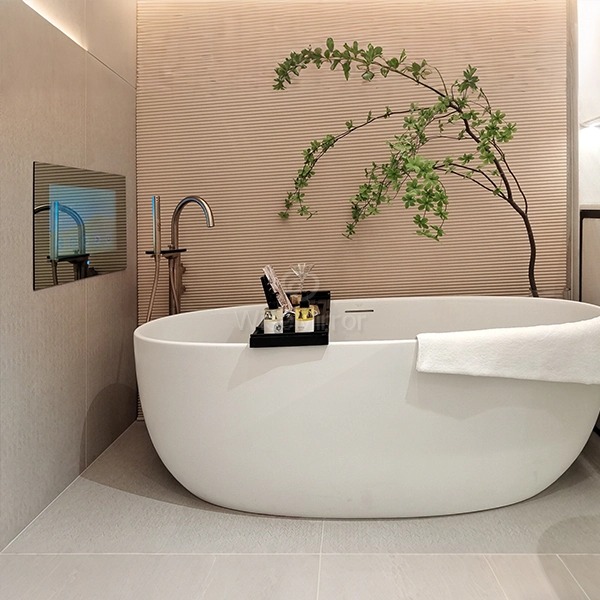
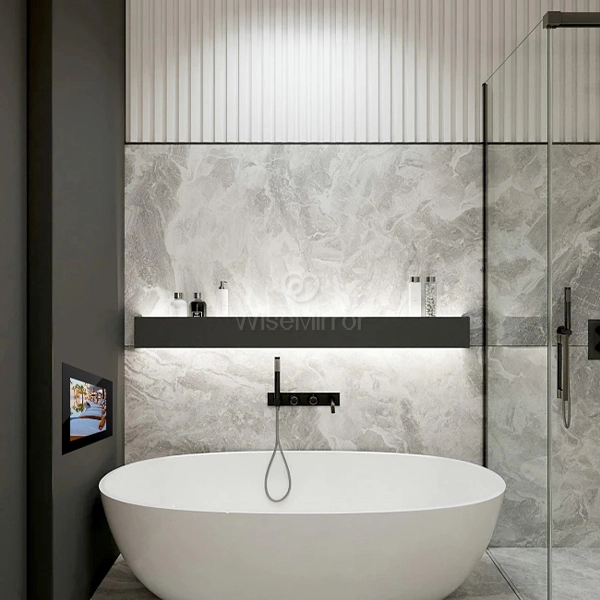
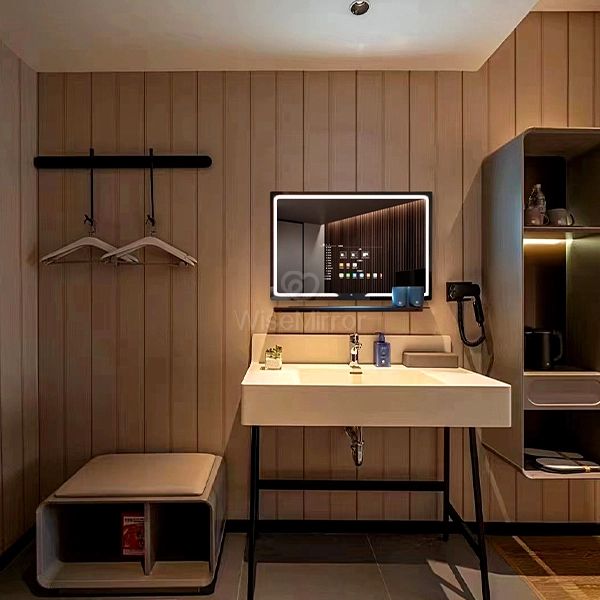
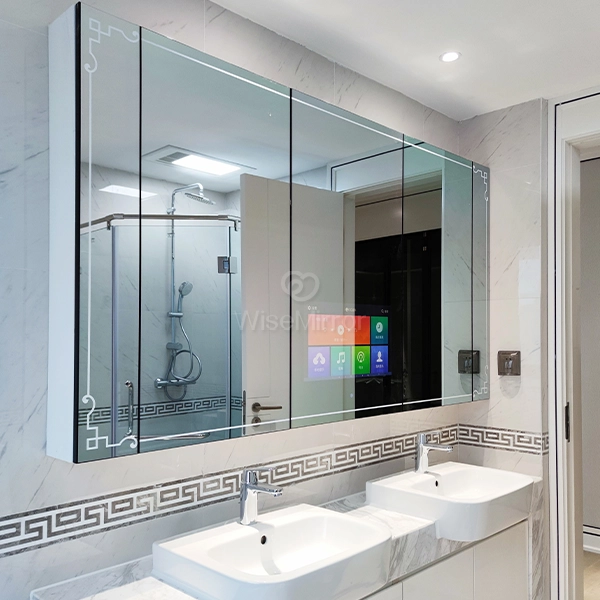
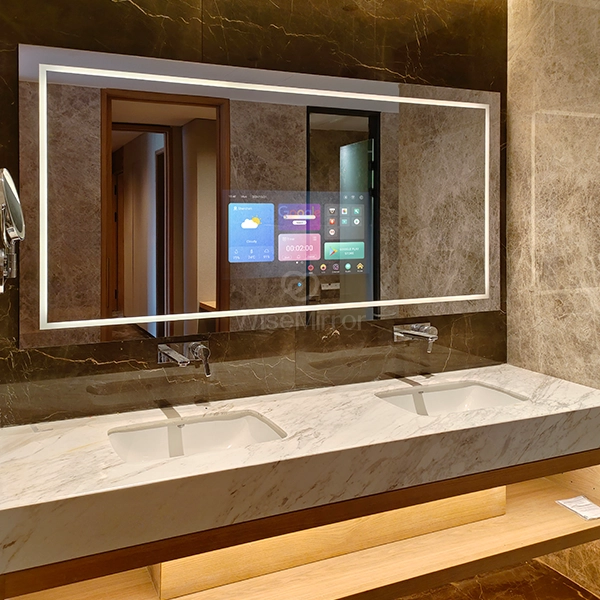
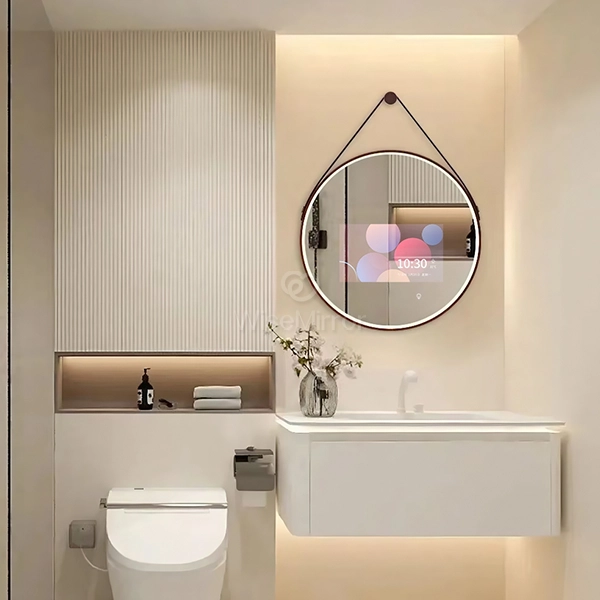
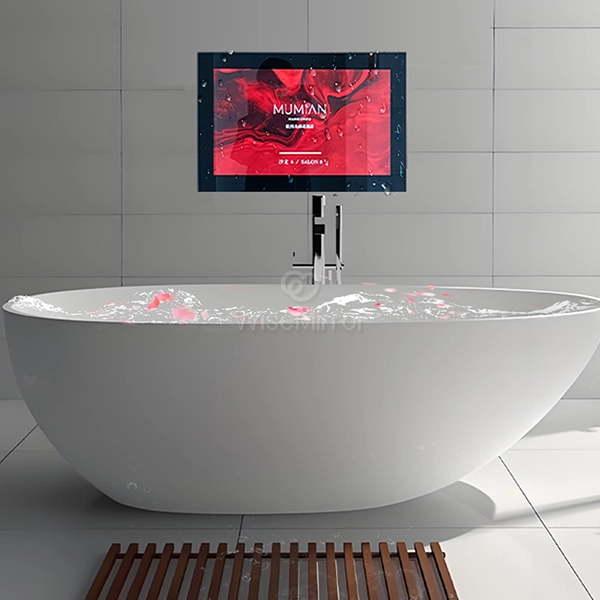
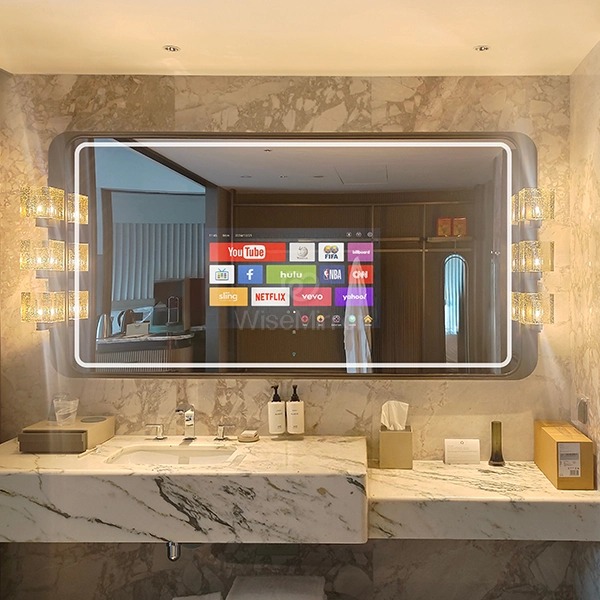
When looking for combined mirror display options for business projects, it's important to know how vanity mirror TV systems work technically. Dielectric beam-splitter mirrors and commercial-grade LED screens are put together in these specialized devices to make a hybrid unit that can work as both a high-reflectivity mirror and a high-definition monitor. When the power is turned off, the mirror surface is totally transparent. This solves important design problems in high-end bathrooms and dressing rooms where regular TVs can ruin the overall look. For contractors working on high-end home or hotel repairs, these units get rid of the visual clutter of separate screens and are waterproof, making them perfect for places with a lot of humidity where regular electronics break down quickly.
Understanding Vanity Mirror TVs – Technology, Features, and Benefits
Core Technology and Optical Engineering
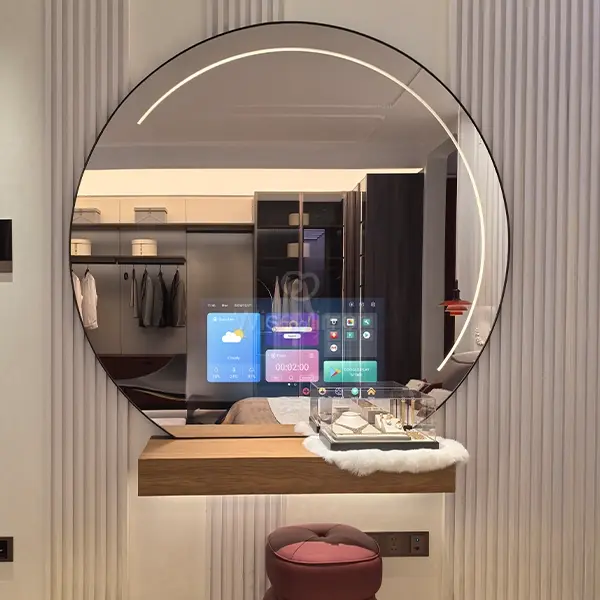
Professional vanity mirror TV systems are built on carefully designed dielectric glass that has transmission-to-reflection ratios that work best in business settings. Unlike consumer-grade mirrors, these have 4mm to 5mm industrial glass that has been coated without copper to stop the black-edge rust that happens a lot in damp places. It takes at least 500 nits of brightness for the display screen to be able to see through the partially clear mirror surface. This means that it can be seen even in showers and treatment rooms at hotels.
The optical performance is greatly improved by WiseMirror Intelligent's unique nano magnetron blasting covering technology. This high-tech surface treatment keeps the mirror clear and doesn't leave water spots in hot places, which is a problem that building managers with a lot of maintenance work keep having. Response times of less than 1ms are possible with the low-impedance ITO capacitive touch lamination technology. This means that guests can move through skincare lessons or change room settings without the lag that makes users unhappy in lower-quality installations.
Essential Features for Commercial Deployment
Some important differences between professional-grade mirror screens and home versions can be found in their design. The IP65 grade for waterproofing really protects you in wet areas because it uses a conformal coating on the circuit boards and sealed connections instead of the basic splash-resistance that cheap models have. The very thin 23mm shape makes it possible to put it flush to the wall in bathrooms with limited space, and fanless heat dissipation systems make sure there is enough air flow. These technical choices stop the buildup of condensation and overheating of parts that happen in setups that aren't properly defined.
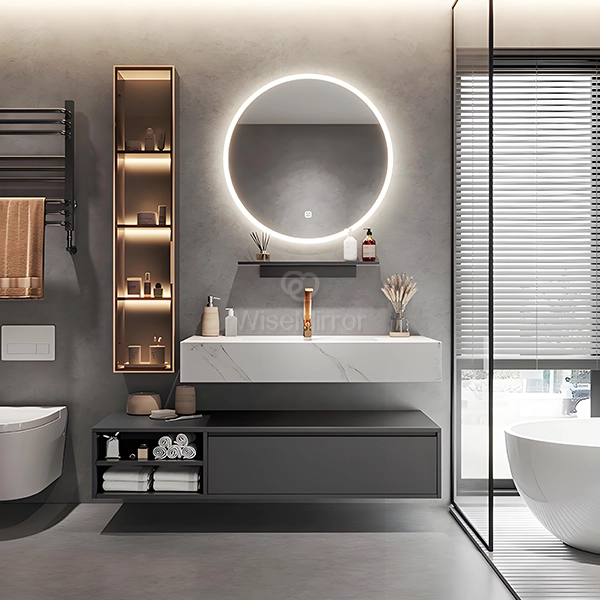
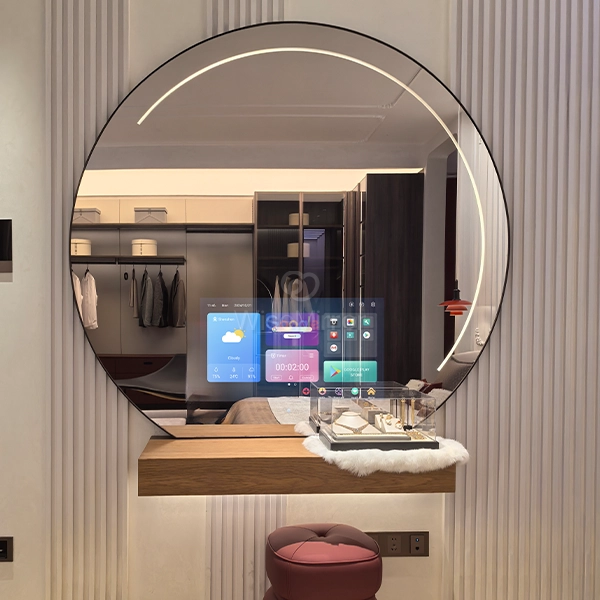
Modern units have several lighting settings that can be changed, including natural light, warm white, and cold white, all of which are perfectly suited for use in sinks and changing tables. This kind of lighting versatility is useful in hotel settings because it creates the right amount of light for grooming tasks and a pleasant mood that makes the room seem better overall. When hotel guests can download beauty and lifestyle apps, they can use their regular preparation time to get involved. For example, while getting dressed, they can watch makeup tutorials or read the news. This property's ability to serve multiple purposes explains its high ranking in marketing materials, which directly leads to higher booking rates and higher guest satisfaction scores given by our hotel clients.
Strategic Benefits Across Project Types
The value offer goes beyond just integrating looks. Luxury hotel owners say that the technology in the rooms, especially in the bathrooms, has a big effect on how guests rate the hotels on booking sites. If you choose the right vanity mirror TV system, you can make even the most basic rooms feel like high-end experiences without having to add more floor space. Developers of show apartments have seen faster sales processes when these installations are included in model units. This is because potential buyers quickly see how these installations can be used to connect smart homes.
Healthcare and fitness centers benefit from the easy-to-clean, fog-free surfaces of small vanity mirror TV units, which are important for keeping up with cleaning standards. The commercial-grade durability—with touch cycle rates of more than 100,000 operations—can handle the heavy use in gym changing rooms and salon styling stations, where regular electronics would need to be replaced all the time. You can use interactive displays in stores for augmented reality try-on apps and brand ads, which turns customers' idle time into time they can spend making purchases. All of these different uses have one thing in common: they need to be able to work reliably in tough circumstances with little maintenance. These are the qualities of real commercial-grade tools.
How to Choose the Right Vanity Mirror TV – Criteria and Decision-Making Framework?
Display Quality and Environmental Specifications
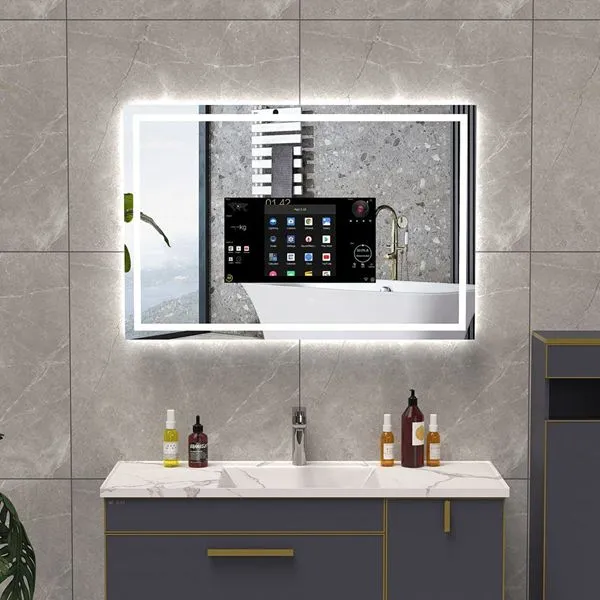
The performance of the show must be weighed against the unique conditions of each installation site by the contractors. Bathrooms that get a lot of natural light need panels that can produce more than 700 nits of brightness to be readable. On the other hand, 400-nit screens may work fine in spa settings where the lighting is lower. The transmission-to-reflection ratio of the mirror glass has a direct effect on both the clarity of the display and the quality of the mirror. A ratio of 40/60 favors display brightness at the expense of mirror reflectivity, while a ratio of 30/70 favors mirror function. This trade-off needs to be carefully thought through based on the main use case.
When working on projects in harsh environments, operating temperature ranges become very important. Standard business units work effectively between -10°C and 50°C, which is warm enough for most climate-controlled rooms. Extended-range types that can work in temperatures ranging from -20°C to 60°C are needed for installations in spa areas outside, outside rooms on cruise ships, or places where the temperature control isn't always reliable. Specifications for touch longevity show how long the vanity mirror TV is expected to last in real-world use. For example, business models rated for 100,000+ touch cycles will outlast 50,000-cycle units by years in high-traffic hotel settings, lowering the total cost of ownership even though they cost more at first.
Waterproofing Standards and Certification Requirements
Understanding entry protection grades keeps you from making mistakes that cost a lot of money. Real IP65 certification needs tests and paperwork from a third-party lab, not just what the maker says. This grade makes sure that there is no dust leakage and that the door is protected from water jets coming from any direction. This is very important for bathroom installations where cleaning and accidental splashing happen all the time. When contractors buy things, they should check the licensing paperwork because poor waterproofing is still the main reason why vanity mirror TV installs fail early.
The choice of building material has a big effect on how long it lasts. Powder-coated aluminum is a moderately priced option that is good at resisting rust for most indoor uses. On the other hand, 304 stainless steel construction is worth the extra cost in seaside homes, pool areas, and other places where chlorine or salt levels are high. WiseMirror's anti-oxidation and anti-corrosion processes make it last longer in these tough conditions. This is supported by installations in beach houses that have been used nonstop for over five years without any damage.
Smart Integration and System Compatibility
System integrators and smart home builders need a lot of knowledge about control interfaces and protocols that work with each other. Standard protocols like KNX, Zigbee, Control4, Crestron, and Savant are supported by open-system architecture. This makes it easy to connect to current building control systems. Locking contractors into single-vendor environments with proprietary systems makes servicing harder over time and limits how to update in the future. Checking the software development team's skills and dedication to updates keeps perfectly working gear from becoming useless because software support has been dropped.
With custom UI development, hospitality groups can keep their brand consistent across all of their Products, with interfaces that follow company design guidelines and pre-loaded material that fits with the brand's positioning. Updating software and apps across multiple locations from afar greatly lowers the cost of maintenance compared to systems where each unit needs to be serviced individually. The specialized UI design team at WiseMirror has created branded interfaces for large property groups, making sure that new technologies don't change the brand's personality.
Installation Essentials and Best Practices for Contractors
Site Assessment and Pre-Installation Planning
A careful site review that looks at structural, electrical, and environmental factors is the first step to a successful installation of a vanity mirror TV. How you put something depends on the type of wall you have. For example, drywall projects need a reinforcement backing, and tile borders need careful planning so that you don't cut through the waterproofing membranes. The vanity mirror TV weighs between 15 and 30 kg, depending on its size, so it needs to be properly anchored so that it can hold three times its own weight. Finding where the studs are or putting up blocks during the rough-in phase keeps the finish work from being a mess.
Electrical needs are more than just providing power. Dedicated circuits keep voltage changes from other bathroom loads from impacting the display's performance, and proper grounding gets rid of ground loop interference that can show up as screen noise. Planning for network connectivity takes into account both current installation needs and future growth. Installing Category 6 cabling during construction is much cheaper than doing it later, and it works better than Wi-Fi in commercial buildings with lots of devices and thick concrete walls.
Managing humidity is something that needs extra care. Even though IP65-rated units can handle being submerged in water, long-term condensation in wall spaces can damage mounting hardware and wiring connections over time. Using the right vapor shields and air flow paths will keep wetness from building up behind installations. When there is a lot of humidity in a spa, extra dehumidification or placing the equipment away from steam sources can help it last longer. Even though these things seem like they should be clear, they cause a lot of guarantee claims when they aren't thought of during the planning stages.
Installation Sequence and Technical Requirements
There is a set order to the fitting process that keeps expensive parts from getting broken. Rough-in work sets up mounting surfaces, electrical boxes, and network links in places that have been checked against the equipment's specs, not based on guesses about their sizes. Manufacturers provide templates that help with exact placement, taking into account the mirror's obvious surface area as well as the space needed for access panels and ventilation. Departures from the required limits lead to overheating failures that void guarantees.
To keep stress from building up and cracking the mirror glass during thermal expansion cycles, mounting bolts must line up correctly. Contractors who have installed regular mirrors before may not fully understand how much extra weight and vibration protection are needed for combined electronics. When you use mounting gear that comes from the maker instead of generic options, you can be sure that it will work with the unit's weight distribution and thermal expansion. Protect all electrical connections with waterproof junction boxes that meet local codes. Rejections by inspectors during the final review slow down the project's completion and hurt the contractor's image.
After a safe installation, all functions are checked in a planned way before the walls are closed and the finishing work is done. This includes the screen working at all lighting levels, responding to touches on the whole surface, being able to connect to a network, and playing sound if it's available. Running video content nonstop for several hours as simulated load conditions reveals broken units or poor air before the installation becomes unavailable. Photographs of the finished work protect contractors in case of a disagreement and are also useful for planning future projects.
When to Engage Professional Installation Services?
Installation supervision from the maker is helpful for complicated projects that need to integrate multiple systems, have special programming done, or have a lot of units. WiseMirror Intelligent offers surveys before installation. During these surveys, experts look at wire layouts, IoT compatibility, and site-specific issues that can't be covered by general installation directions. This service is especially helpful for foreign projects where contractors might not know how to meet certain product standards or where language barriers make it hard to talk about technology issues.
Large-scale operations, like remodeling hotels, building apartment towers, or outfitting cruise ships, need more planning than most contractors can handle for small vanity mirror TV installations. Dedicated project managers take care of the details of large orders, such as sending them on pallets, putting them in anti-vibration packing, and setting up delivery plans that work with the building timetable. We've improved our processes so that we can deliver over 450 projects on time for clients like China Resources Land and China Merchants Property Development. We now have 30-day lead times on orders of 100 or more units, and we handle installation help to keep projects on schedule. The 2-year guarantee and promise to repair any broken parts within 48 hours protects contractors' professional reputations and is backed up by technical support that is available 24/7 via WhatsApp, WeChat, or email, so contractors can get help during installation without having to wait for business hours.
Market Overview – Top Vanity Mirror TV Brands and Supplier Insights
Leading Manufacturers and Technical Differentiation
The market for business vanity mirror TV systems has shrunk down to a few makers that have a history of doing well in tough situations. European brands have long controlled the high-end hotel market, focusing on design features and CE certification compliance. Asian companies can now compete well on technical performance and customization options. For example, Chinese engineering firms like WiseMirror Intelligent offer commercial-grade specs at low prices by combining all aspects of their business, from user interface design and software development to manufacturing and project management.
There are three main things that set one technology apart from another: the quality of the optical layer, how well it works in harsh environments, and how smartly it is integrated. Nano magnetron sputtering coating is the latest and greatest in anti-corrosion and water-repellent treatments. In tests of durability, it far outperformed traditional chemical coatings. Touch lamination technology is what sets high-end goods apart from cheap ones. To make low-impedance ITO layers that allow for sub-millisecond response, suppliers need to be able to make things with great accuracy. Software development resources decide how much adaptation is possible. Vendors that use third-party platforms can't be as flexible as in-house teams.
Supplier Selection Criteria for B2B Procurement
When contractors are looking at providers, they should put project knowledge that can be checked above marketing claims. Installations that have been recorded in similar situations—the same type of building, similar weather conditions, and the same size—show that the technology works in real life. Ask for references from recent big projects and be specific about how quickly you can get help after the installation and how well your guarantee is being followed. When suppliers give building tours, customers can get a first-hand look at the quality control processes and part sourcing methods that determine a product's long-term dependability.
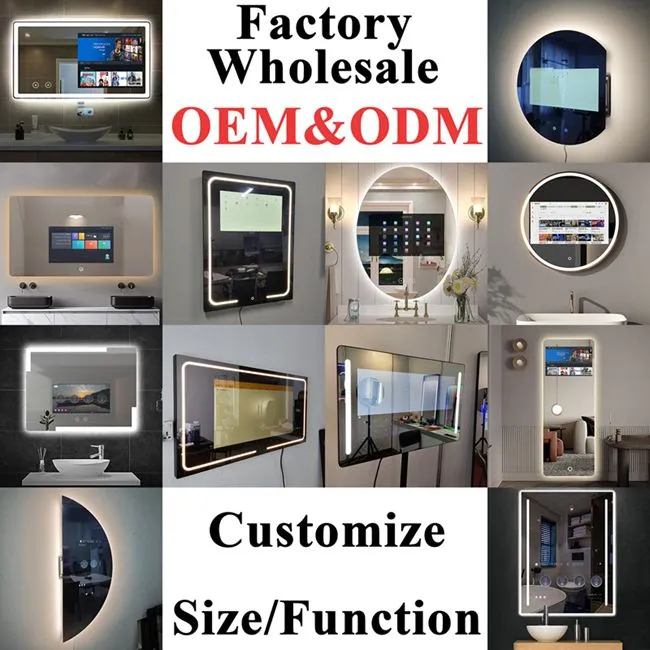
Customization options go beyond just changing the way something looks. Size ranges from 15.6" to 75" screens make it possible to find the best specifications for a wide range of uses, from small powder rooms to large spa lounges. Branded interface development that matches the look of a hotel or a home building makes design stories that flow together. Pre-loaded apps designed for specific uses, like hotel concierge systems, spa augmented reality tools, and store interactive displays, add usefulness that supports charging more. Suppliers who already work with smart home protocol providers make it easier to integrate systems, while suppliers who only offer their own solutions pose the risk of vendor lock-in.
Geographical factors have a big impact on the viability of a project. Logistics are easier and reaction times are faster with domestic providers, but costs may be higher. International sellers offer low prices on large orders, but shipping times, customs paperwork, and guarantee service operations need to be carefully managed. WiseMirror has worked with international clients and well-known design firms, so they know how to handle the complexities of doing business across borders. For example, they have set procedures for handling large orders, like using palletized packaging that is best for shipping in containers, and they have dedicated project managers who coordinate delivery times with construction schedules across time zones.
Conclusion
In conclusion, when choosing vanity mirror TV systems for business projects, it's important to think about more than just the original purchase price. You need to think about the system's technical skills, how reliable the provider is, and the total cost of ownership. The technology has come a long way, and now commercial-grade units offer real durability and efficiency that can handle high-end home and hospitality uses. If contractors take the time to learn about optical engineering, protection standards, and smart integration requirements, they will be able to choose systems that increase the value of the project and keep it from failing early, which can hurt their professional image. A good procurement process combines technical requirements with project funds, using buying power and supplier ties to get the most value for money.
FAQ
Are mirror TVs suitable for high-humidity bathroom environments?
Commercial-grade vanity mirror TV units with real IP65 waterproof ratings are designed to be installed in wet areas. They have sealed housings, electronics that are conformally covered, and waterproof ports that can handle being exposed to water directly. When it gets wet, cheap models that say they are splash-resistant but don't have the right IP approval quickly break down. Check the licensing paperwork and choose units with corrosion-resistant housing materials, like 304 stainless steel or powder-coated aluminum, for spa and toilet uses that will last for a long time.
What warranty coverage should contractors expect for commercial installations?
Professional-grade mirror displays usually come with business warranties that cover replacement parts and technical help for two years. These warranties cover a lot more than consumer product warranties, which only cover one year. Carefully read the guarantee terms; some only cover parts, leaving contractors to pay for work costs that often go over the value of the parts. Check response times—guarantees of a 48-hour replacement minimizes downtime in hotel settings—and see if warranty service includes on-site support or needs unit removal, which would have a big effect on total cost and guest disruption.
How do these units integrate with existing smart home systems?
Quality mirror TVs work with common building control protocols like KNX, Zigbee, Control4, Crestron, and Savant. This means that system designers can connect them to your current infrastructure. Instead of thinking that all protocols will work, check for compatibility during definition. Units with an open-system design and well-documented APIs give you the most choices for interaction, while private systems limit what you can do. Talk to your providers early on about the customizations you need. Custom UI development and pre-loaded apps take time, but they create smooth experiences that match the general design of the system.
Partner with WiseMirror Intelligent for Your Next Project
To choose the best vanity mirror TV option, you need more than just product datasheets. WiseMirror Intelligent has more than 15 years of experience putting together integrated mirror TV systems for high-end home developments, landmark luxury hotel projects, and business installs in a wide range of settings. Our vertical integration includes our own nano magnetron blasting covering technology, as well as our own UI design and software development. This lets us truly customize our services to meet the exact needs of your project. We've built strong relationships with China Resources Land, China Merchants Property Development, and Gemdale Group, and we always deliver large orders of 50 to 5,000 units or more, with 30 days of lead time and committed project management. Whether you're remodeling a small hotel or a 200-unit apartment building, our engineering team can help with pre-installation studies, planning system integration, and providing technical support 24 hours a day, seven days a week. Our buying experts can be reached at info@wisemirror-int.com to talk about bulk discounts on vanity mirror TV systems for your future projects. These systems come with a 2-year business guarantee and have been used in some of the toughest installations in the world.
References
Commercial Display Technology: Engineering Standards for Integrated Mirror Systems, International Society for Hospitality Technology, 2023.
Waterproof Electronics in Wet Zone Applications: IP Rating Standards and Real-World Performance, Institute of Electrical and Electronics Engineers, 2022.
Smart Building Integration Protocols: Compatibility Standards for IoT Devices in Luxury Hospitality, Building Automation Council, 2024.
Total Cost of Ownership Analysis for Hotel Technology Amenities, Cornell School of Hotel Administration, 2023.
Optical Engineering Principles in Dielectric Beam-Splitter Mirror Design, Society for Information Display Technical Journal, 2023.
Procurement Strategies for Large-Scale Commercial Electronics Projects, International Facility Management Association, 2024.