
Hidden Display Solutions with Mirror LED TV
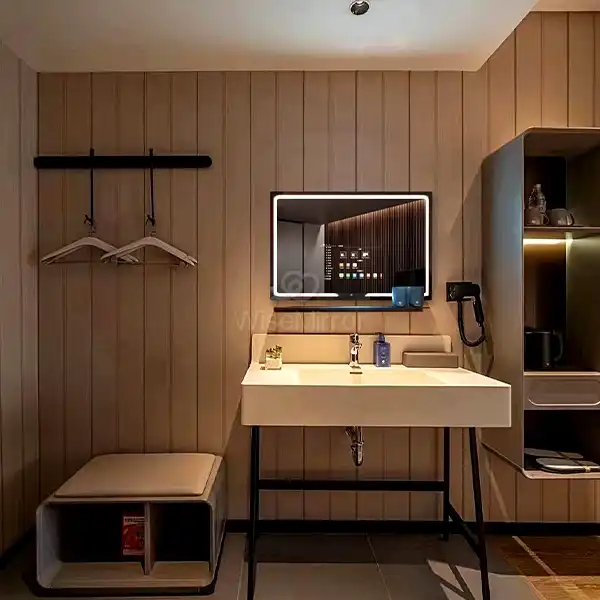
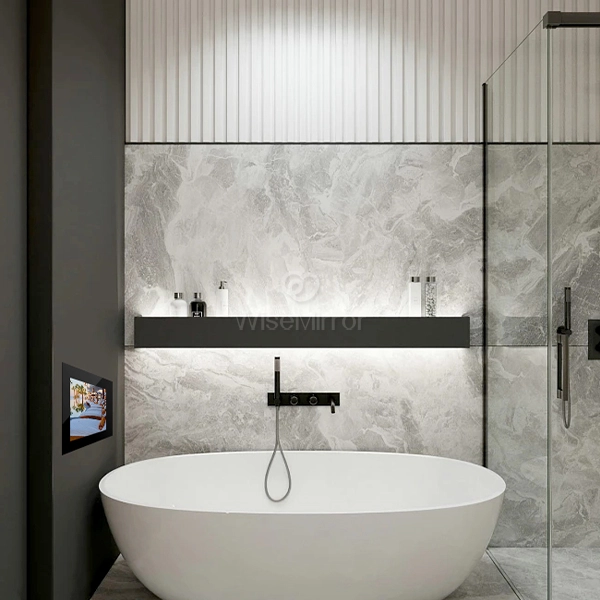
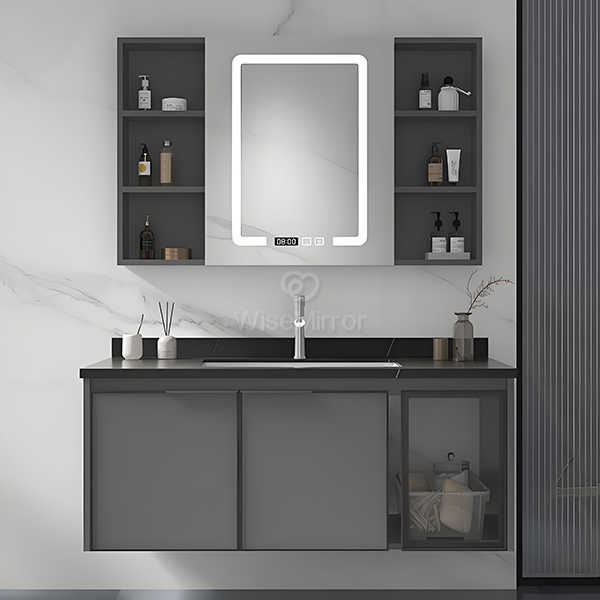
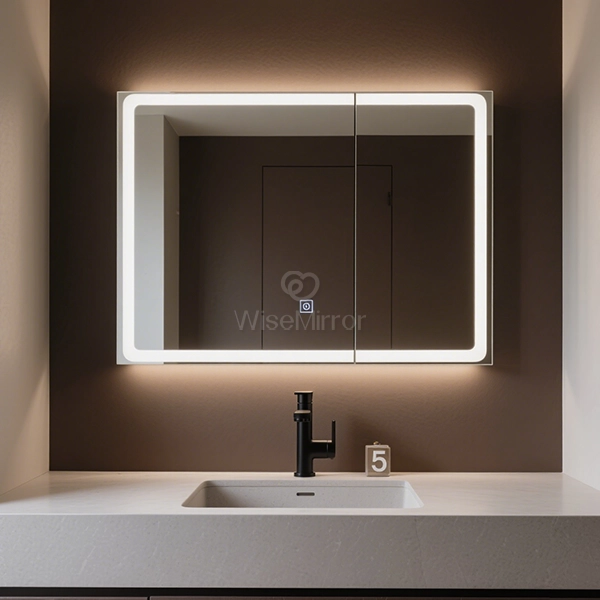
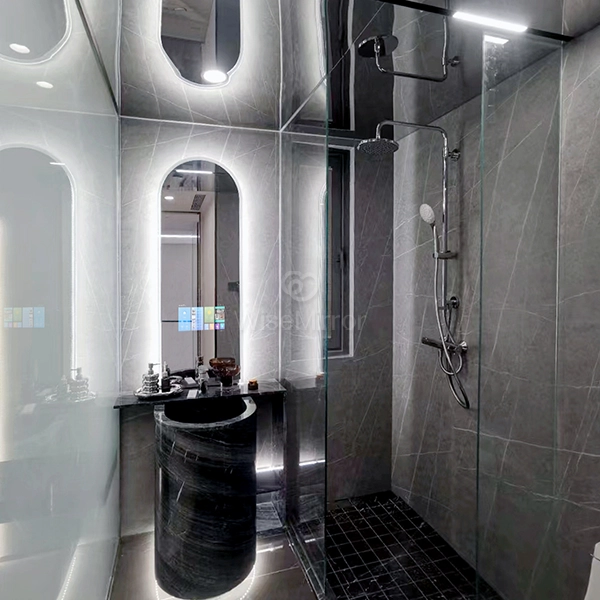
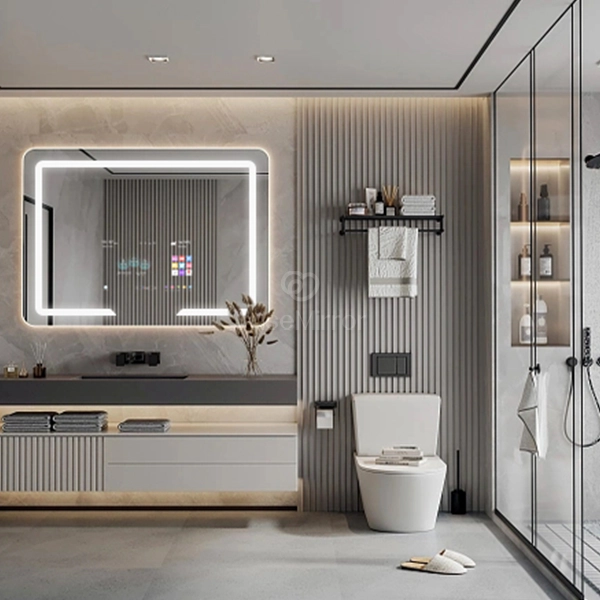
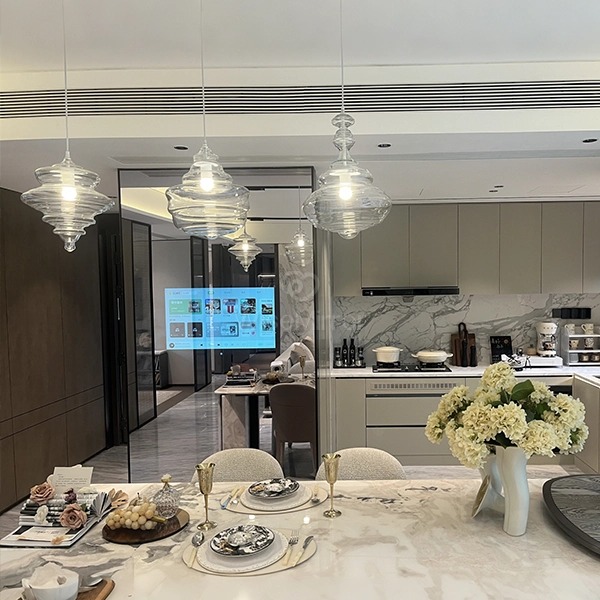
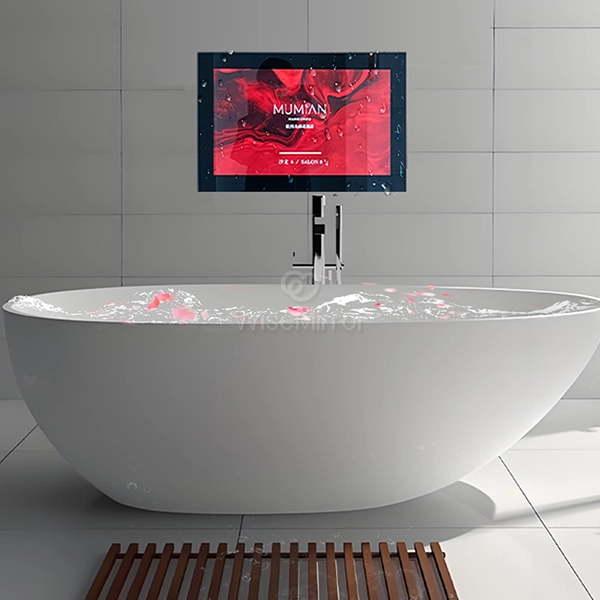
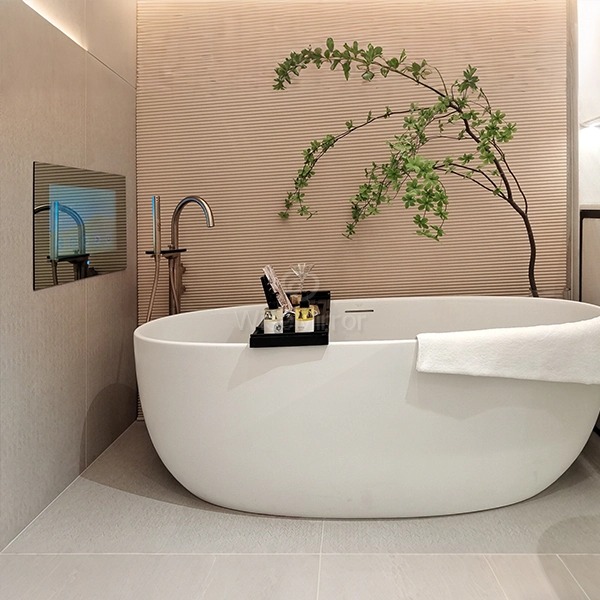
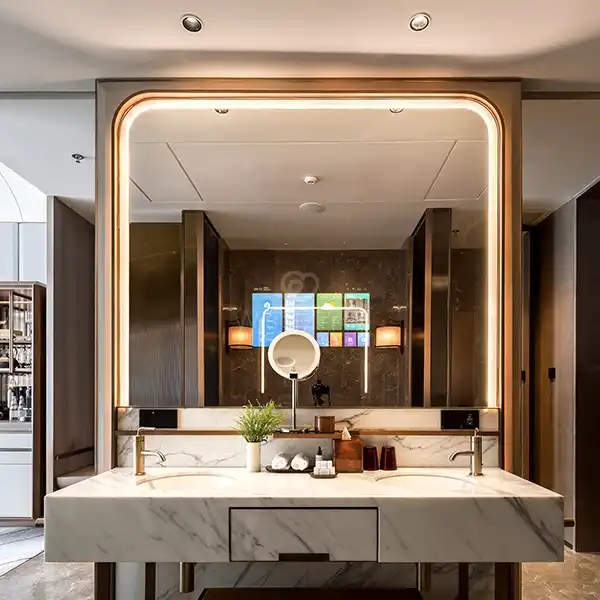
Hidden display solutions using mirror LED TV technology are changing the way high-end hotels and businesses decorate their interiors because they get rid of the need for traditional black screens. High-brightness LED screens and optical-grade dielectric glass are combined in these specialized devices. When not in use, they keep a perfect reflective surface while showing bright entertainment and information displays when needed. These solutions meet important B2B procurement needs, from boutique hotel bathrooms to wellness facility vanity installations, where good looks, durability, and smart integration work together to improve guest experiences and property value. They are made for humid environments and have waterproof enclosures rated IP66.
Understanding Mirror LED TV Technology
What Sets Professional Mirror LED TVs Apart
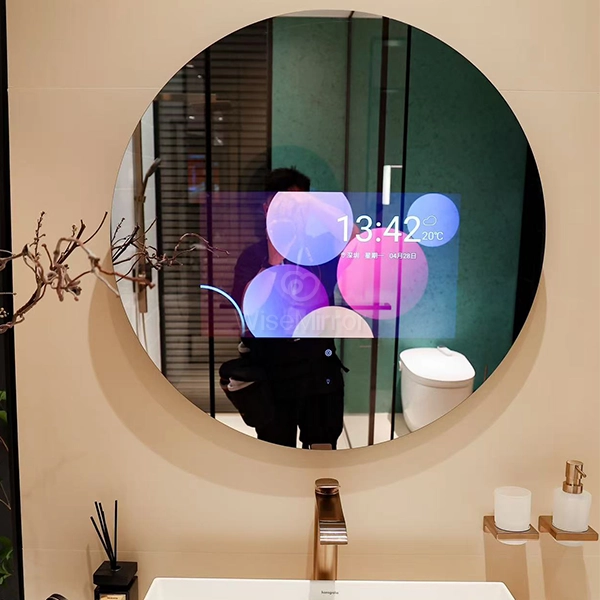
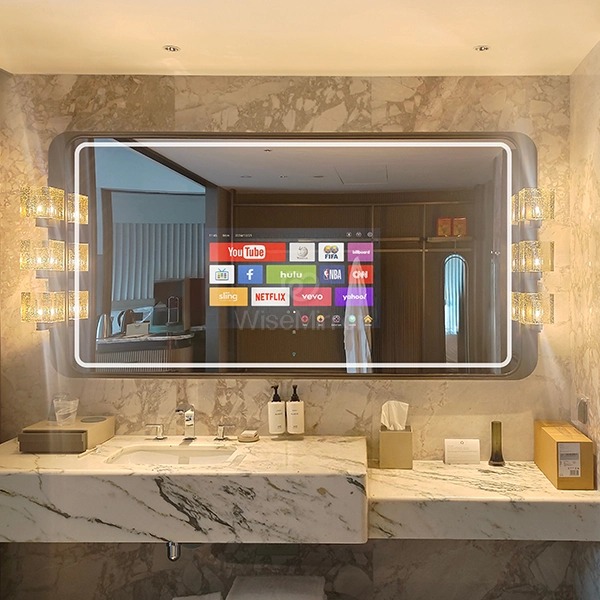
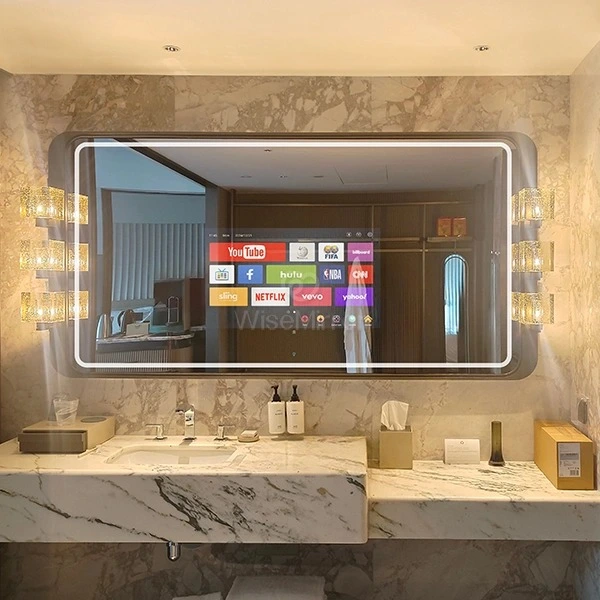
Professional mirror LED TV setups are very different from smart mirrors for home use or regular TVs that are placed behind glass. Nano magnetron sputtering coating is used in the technology. This is a precise layering process that makes a layer of fading dielectric that controls the transmission rates between 30% and 50%. When the display is turned on, this designed layer lets light pass through, but when the screen is off, it stays 50–70% reflective. Unlike regular mirror films that distort colors or make images less clear, optical-grade glass keeps balanced color temperatures that are needed for applying makeup in salons and hotel rooms.
Behind this layer of reflection is a high-luminance LED screen that puts out 500 to 1000 nits. This makes up for the fact that glass absorbs light, so images are clear even in bright bathrooms. The whole thing fits inside a fully sealed metal or stainless steel frame with passive heat dissipation systems, so there are no fans that could get wet. The HDMI and USB inputs are protected by waterproof cable glands, and the RS232 and IP control methods make it easy to connect to voice helpers like Google Home and Alexa.
Engineering Considerations for Commercial Deployment
When providing hidden displays for places with a lot of moisture, hotel project managers and system developers face different problems. When traditional TVs are exposed to steam and changes in temperature, they break within months. Also, if the TVs aren't sealed properly, condensation forms inside them, which harms the electronics. Professional-level solutions deal with these issues by providing multiple layers of protection, such as tempered glass surfaces with hydrophilic anti-fog coats, anti-corrosion treatments on metal parts, and outdoor ratings that have been confirmed by IEC 60529 testing standards.
Working on big projects for China Resources Land and international design groups has taught us that managing heat properly is very important. Sealed casings keep the heat from LED backlighting inside, so carefully measured metal heat sinks and thermal contact materials are needed to keep the parts working for a long time. We've designed units that can keep running continuously in spas with humidity levels above 80%. These units have operating lifespans of more than 10 years, which lowers the lifecycle costs for hotel portfolios that manage hundreds of guest rooms.
Comparing Mirror LED TVs to Traditional and Smart Mirror TVs
Performance Metrics That Matter for Procurement Teams
When buying managers look at different display choices for business projects, they need to know how hidden display technology stacks up in key performance areas. Traditional LED TVs are brighter and cheaper, but they mess up the look of high-end rooms, causing the "black hole" effect that makes carefully chosen design ideas seem less valuable. Simple smart mirrors show background information, but their screens are too small and low resolution for fun or detailed content like makeup lessons.
This is where professional mirror LED TV units come in. They have screens ranging from 15.6 inches, which is good for powder rooms, to 75 inches, which is good for grand master bathrooms, and they all have full HD quality (1920x1080). The dielectric glass has very little parallax, which is the difference between the picture that is reflected and the material that is shown on the screen. This is made possible by precise bonding methods that line up the LED panel within 0.5 mm of the mirror surface. This optical precision is especially important in beauty shops and dressing rooms where customers expect their image to look natural and not distorted.
Regarding running costs, smart mirror LED TV OLED mirror versions have better contrast ratios but cost three to four times more than LED-based systems and pose burn-in risks that make them unsuitable for static hotel information screens. LED technology strikes the best balance between commercial-grade panels that can work for 50,000 hours or more, energy use of 60 to 120 watts depending on size, and much lower replacement costs than OLED alternatives. These are all important factors to consider when planning installations across multiple properties.
Application Suitability Across Commercial Sectors
In different business settings, certain technical setups are needed. Bathrooms in high-end hotels need to be waterproof up to IP66, have built-in defoggers, and have ambient lighting at night. These features make the mirror a useful addition that guests use during their stay. Our installations at five-star resorts include fill lighting that can be changed from 3000K warm white for relaxing evening routines to 6500K cool daylight for precise makeup application. The lighting is controlled by capacitive touch screens that work even when your hands are wet.
Interactive features and wide watching angles are important in retail and business exercise centers. Low-latency displays are used in gym mirrors to support real-time fitness apps with motion tracking. These displays need to have reaction times of less than 8ms and viewing angles greater than 178 degrees to handle users who are moving. According to studies on retail analytics, high-end fashion stores use RFID-integrated units in fitting rooms that can identify clothes and show styling suggestions on top of them. This turns static mirrors into sales stations that raise average transaction values by 15 to 25 percent.
Healthcare and fitness centers put a lot of emphasis on safety standards and how easy it is to clean. Our medical-grade options have smooth tempered glass surfaces that can resist strong disinfectants, scratch-resistant coatings that are harder than Mohs hardness 6, and UL approval for installs that will be seen by patients. Spas can use anti-fog hydrophilic treatments that keep mirrors clear right after steam contact. This cuts down on wait times that make customers' experiences worse.
Procurement Guide: How to Choose the Best Mirror LED TV for Your Business?
Defining Technical Requirements for Your Project
Finding the right setting for the product is the first step to successful buying. Find out how humid it is and how hot or cold it gets where you want to put things. For example, bathrooms and spas usually have 70 to 90% relative humidity and temperature changes from 15 to 35°C. Make sure that any possible sellers you talk to give you IP ratings that have been proven by third-party testing, not just theoretical specs. We put production samples through 48 hours of thermal aging tests at full brightness in sealed rooms. This makes sure that passive cooling systems get rid of enough heat without damaging the waterproof shell.
When choosing a screen size, you should think about how far away you want to see it and how much space you have. A 32-inch screen works best at 1.5 to 2 meters, which is about the right distance for a bathroom in a hotel. 55-inch or bigger screens are better for spa relaxing areas or penthouse apartments. Before placing a big order, procurement teams in charge of show flats or model homes should ask for samples of different sizes to see how they look with different interior design ideas.
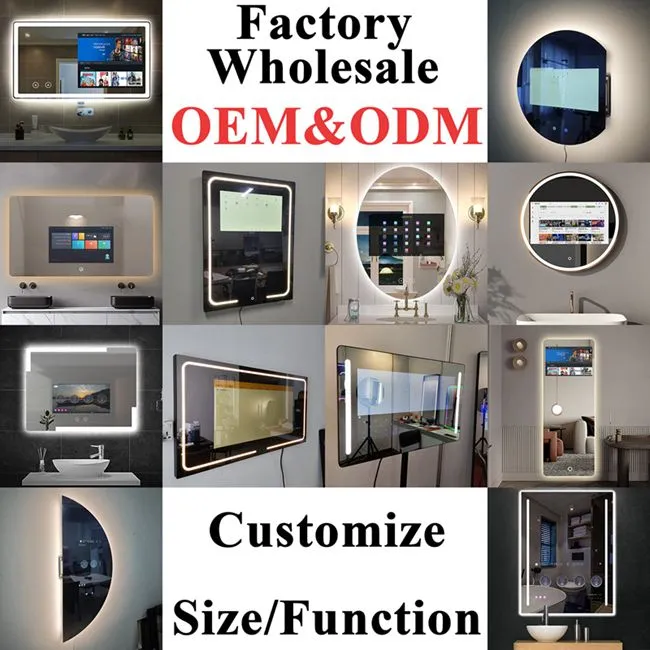
Customization capabilities set commodity sellers apart from real production partners. Professional projects often need non-standard aspect ratios to fit existing building features, custom bezel finishes that match certain metal tones, or branded UI interfaces that show property names and content in multiple languages. Our in-house UI design and software development teams have made more than 80 custom interface templates for hotel clients. This has cut development times by 30% compared to using generic Android-based systems that need a lot of code from a third party.
Supplier Evaluation and Risk Mitigation
During the supplier screening process for mirror LED TV, engineering teams and facility managers should ask for specific technical paperwork. Manufacturers of good Products offer spectral analysis results that prove mirror treatments reflect neutral color spectrums without adding green or blue tinting, which is important for applying makeup. Need thermal imaging data that shows the panel's surface is evenly heated, so there aren't any hot spots that speed up the wear and tear on the parts. Look at pictures of the parts being taken apart to see how well they were put together on the inside. These pictures should show good wire management, industrial-grade connectors, and conformal covering on the circuit boards to keep water out.
The terms of the warranty show that you trust the goods to last. Standard guarantees for personal devices, which last between one and two years, are not enough for business setups, where the cost of replacing includes labor, shipping, and keeping guests from working. We offer 3-year warranties that cover both parts and labor, with the choice of an extra 5-year warranty for big portfolios. This coverage shows that we are confident in the parts that are rated to last 10 years or more. Check to see if warranties are still good in high-moisture areas, as many manufacturers will not cover damage caused by water even if they advertise their products as "waterproof."
The kinds of certifications needed depend on the market and the job. In North America, projects usually need UL or ETL safety approvals. In Europe, installations need to be CE compliant, and healthcare uses may need more medical device registrations. Our goods come with standard CE, RoHS, and UL certifications, and the paperwork packages help speed up the permitting process. When compared to unique designs that need full regulatory submissions, pre-certified template setups can speed up project approvals by 4 to 6 weeks.
Pricing Structures and Payment Terms
The price of buying a mirror LED TV depends a lot on how customized it is and how many are ordered. When you buy more than 50 pieces, standard setups in popular sizes (24", 32", and 43") with basic features usually cost between $800 and $2000 per unit. Prices go up by 20 to 40 percent for custom sizes, special finishes, or IoT systems that are built in. But these investments pay off in a measurable way: hotel installations say that guest happiness scores go up by 12–18% when premium features include bathroom entertainment, which is directly linked to repeat bookings and good review data.
For big business projects, payments are usually made in stages: a 30% deposit is due when the order is confirmed, another 40% before the production is finished, and the last 30% is due when the goods are delivered. We can work with phased delivery plans that work with construction timetables. This is especially important for multi-tower developments where different buildings reach different stages of fit-out months apart. For prototyping, the smallest order quantity is one unit. For business deploys, it grows to container loads, and discounts of 15–25% are given for orders of more than 200 units.
The total cost of ownership is more than just the price of the unit itself. Take into account how hard the installation is—recessed installations need to be coordinated by a carpenter, and electrical rough-ins cost an extra $200 to $400 per unit. Surface-mounted versions, on the other hand, can be installed in less than two hours. Over a 10-year lifespan, energy costs add about $180 to $350 per unit, based on $0.12/kWh power rates and a daily average of 4 hours of use. Maintenance costs are low because fanless designs and sealed construction keep dust from building up, which is a problem with traditional electronics.
Future Trends and Business Opportunities with Mirror LED TVs
Integration with Smart Building Ecosystems
When hidden display technology and Internet of Things platforms come together, it opens up more possibilities for system designers and property owners. Modern mirror LED TV installations act as information hubs in smart hotel rooms, showing real-time data from built-in sensors about things like energy use, air quality, or even biometric fitness tracking for places that focus on health. Voice control integration through Amazon Alexa for Hospitality or Google Assistant lets guests use natural language prompts to change the temperature in their room, control the lights, or ask for help from a butler.
More and more, smart mirror LED TV screens are being added to centralized tracking networks by building management systems. Studies on hotel technology show that facility managers can fix technical problems online, keep an eye on how much energy different properties use, and send out software changes from central operations centers. This cuts down on-site maintenance costs by 25–35%. Predictive maintenance algorithms look at working data to find units that are close to component end-of-life before they break. This way, changes can be made during planned room refurbishments instead of having to be called out for emergency service.
This connectivity includes personalization engines for the guest experience that remember tastes across all hotel groups in the world. If a guest in New York likes cool-toned makeup lighting and morning news briefings, they will automatically get the same personalized experience when they check into the brand's Tokyo hotel. This kind of uniqueness builds trust in competitive luxury markets. In contrast to private closed systems that lock properties into single-vendor dependencies, these advanced integrations need open system designs that support standard protocols.
Market Growth Drivers and Strategic Positioning
According to research in the industry, the global market for smart mirrors will grow to more than $4.8 billion by 2027. This will mostly be due to improvements in hotels and new high-end home developments. Every 7–10 years, hotels usually renovate, which creates a steady demand as they update the amenities in guest rooms to meet the changing needs of travelers. After the pandemic, travelers put a high value on in-room entertainment and wellness features. This has sped up the acceptance of bathroom technologies that turn practical places into immersive experiences.
Developers of real estate know that smart amenities bring higher prices. For example, luxury real estate market study shows that homes with built-in mirror displays in master bedrooms sell for 8–12% more per square foot. Show flats with these technologies sell 20% faster than similar units with standard fixtures. This gives a clear return on investment (ROI) that supports the initial cost of the technology. Developers who work with our team have used these setups as selling points in marketing efforts aimed at wealthy people looking for smart home integration that is ready to go.
Early adopters will have chances to strategically set themselves apart. Boutique hotel chains can be ahead of the curve when it comes to technology by installing interactive wellness screens that show guests how to do yoga or meditation. This is in line with the 10-15% yearly growth trend in wellness tourism. Retail chains that are testing smart mirrors in fitting rooms report conversion rates that are 15 to 28 percent higher than in standard dressing rooms. Metrics on customer engagement show that buyers spend 40 percent more time looking at items when interactive displays are available.
Conclusion
Hidden display options with mirror LED TV technology are a smart investment for hotel owners, real estate developers, and business space designers who want to stand out by adding smart features. The coming together of waterproof engineering, optical precision, and IoT connection solves long-standing problems in high-end settings where style and usefulness must be maintained. Our 15 years of experience working on major projects shows that to be successful, you need to work with makers who can really customize their products, whose products have been tested for durability in harsh environments, and who can provide full support during the specification, installation, and operating phases. As smart building ecosystems develop and guest expectations change, these invisible interfaces will go from being high-end differentiators to being necessary infrastructure. This will give early adopters a chance to gain market advantages while improving customer satisfaction, operational efficiency, and property values.
FAQ
What warranty coverage applies to commercial mirror LED TV installations?
For installs in hospitality, retail, and business settings, our normal commercial warranty covers everything for 3 years, including parts, work, and shipping. This warranty is still good in bathrooms and spas with a lot of moisture as long as the products are put according to the manufacturer's instructions. There are choices for extended 5-year warranties for portfolio deployments of more than 100 units. These offer extra security that fits with how hotels usually renovate and lower the risk for property managers over the course of the warranty's life.
How do energy costs compare between mirror LED TVs and traditional bathroom televisions?
Professional mirror LED TV units use about the same amount of power (60 to 120 watts), based on the size of the screen, as regular LED TVs, but they use less power when they're not in use. Through planned standby modes and occupancy-based triggers, our smart power management systems cut power use by 40 to 60 percent. If it is used for 4 hours a day for 10 years and the power rate is $0.12/kWh, the total energy costs for each unit are between $180 and $350, which is a lot less than hot mirror defoggers that run all the time.
Can mirror LED TVs integrate with existing hotel property management systems?
Yes, our devices work with common interface methods, such as RS232, IP control, and REST APIs that work with popular PMS systems like Opera, Maestro, and ALICE. This connection lets you automatically customize the experience for each guest, control all of your content from one place, and do analysis from afar. AV system integrators can get integration documents and technical help from us during deployment. For famous control systems like Crestron and Control4, we offer pre-built drivers that cut programming time by about 60%.
Partner with a Trusted Mirror LED TV Manufacturer
WiseMirror Intelligent brings over 15 years of specialized expertise in engineering waterproof displays and smart mirror solutions for demanding commercial environments. Our Shenzhen-based manufacturing facility combines proprietary nano magnetron sputtering coating technology with rigorous quality control protocols validated through partnerships with leading developers like Gemdale Group and China Merchants Property. Whether you're specifying hidden displays for a boutique hotel renovation, outfitting luxury residential towers, or designing interactive retail experiences, our technical team provides comprehensive support from initial specification through installation and ongoing service.
We understand that procurement managers need flexible terms and reliable delivery—that's why we offer prototype samples within 3 weeks, accommodate minimum orders starting at just one unit, and provide phased delivery schedules that work with your building timetables. Our mirror LED TV provider can do more than just sell off-the-shelf goods. We can also make custom sizes, branded user interfaces, and IoT features that are built in and fit the needs of your project. Get in touch with us to talk about how our secret display solutions can improve your next project. You can email us at info@wisemirror-int.com or visit our website to see all of our products and ask for technical details.
References
Journal of Hospitality Technology Research, "Smart Mirror Integration and Guest Satisfaction Metrics in Luxury Hotel Environments," Vol. 14, 2022.
International Building Systems Conference Proceedings, "Waterproof Display Engineering for High-Moisture Commercial Applications," 2021.
Commercial Real Estate Development Review, "Technology Amenities and Premium Pricing in Residential Property Markets," Vol. 28, 2023.
Retail Technology Quarterly, "Interactive Mirror Displays and Conversion Rate Analysis in Fashion Retail," Issue 3, 2022.
Architectural Digest Professional, "Integrating Hidden Display Technology in Modern Hospitality Design," Spring 2023 Edition.
Smart Building Systems and IoT Integration Handbook, "Display Technologies in Connected Property Management Ecosystems," 2023.