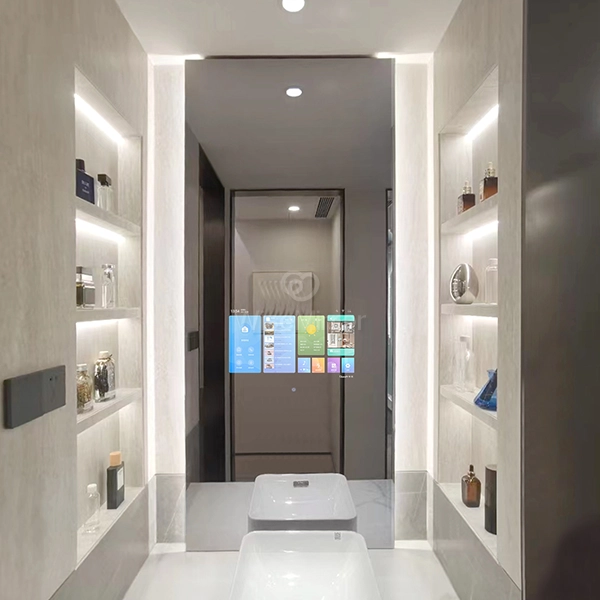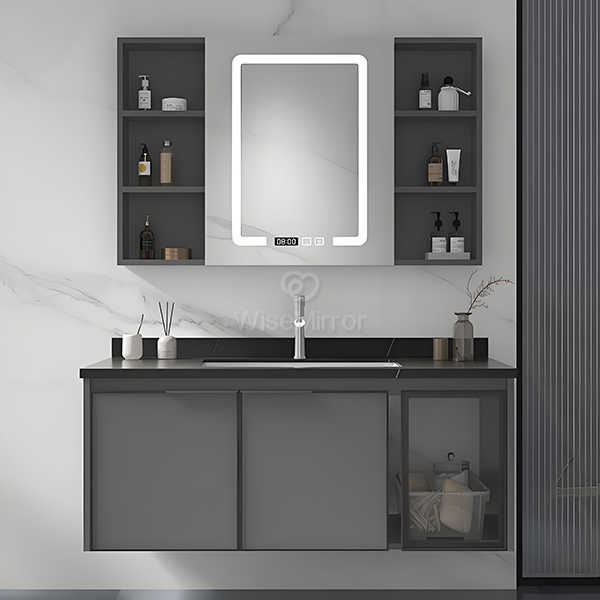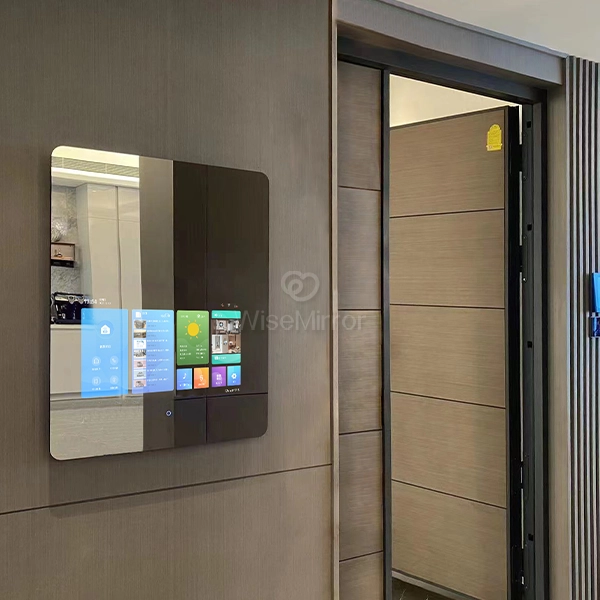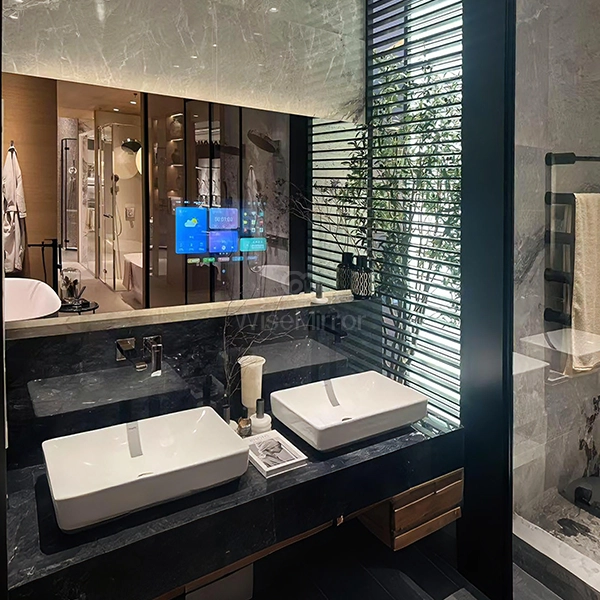

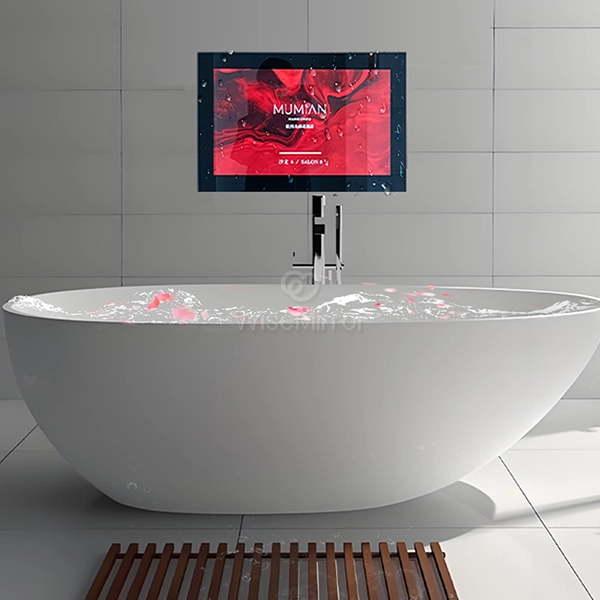
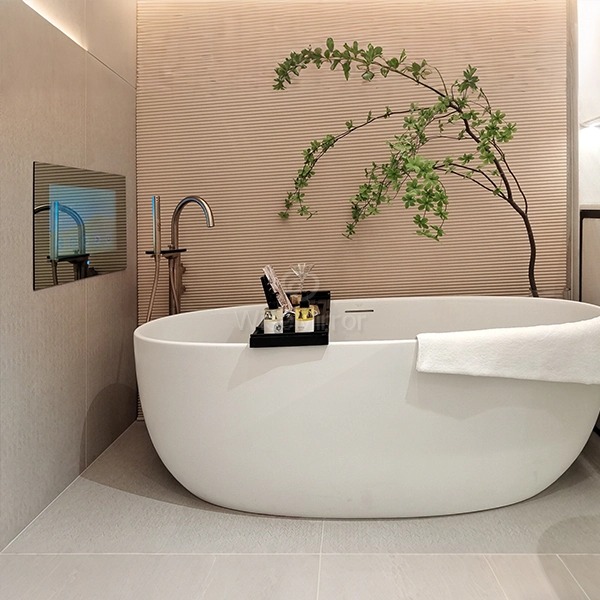
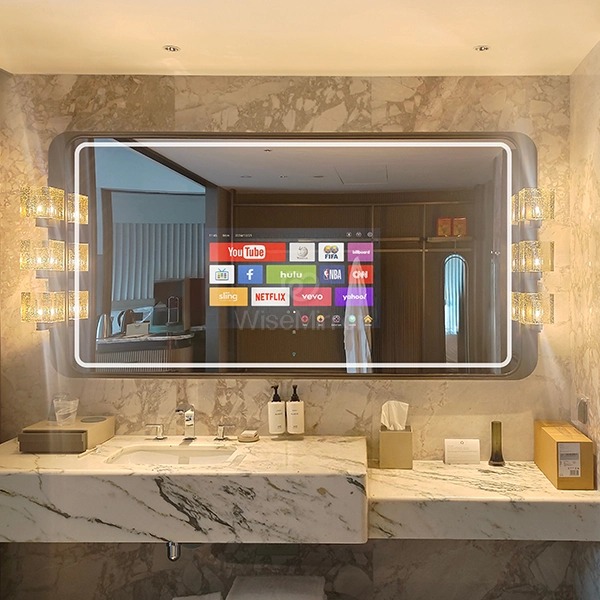
Smart Bathroom Mirror TV for Luxury Hospitality Projects
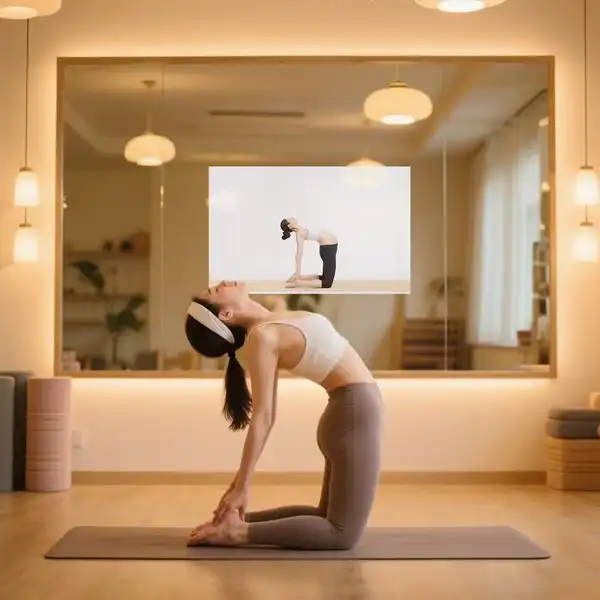
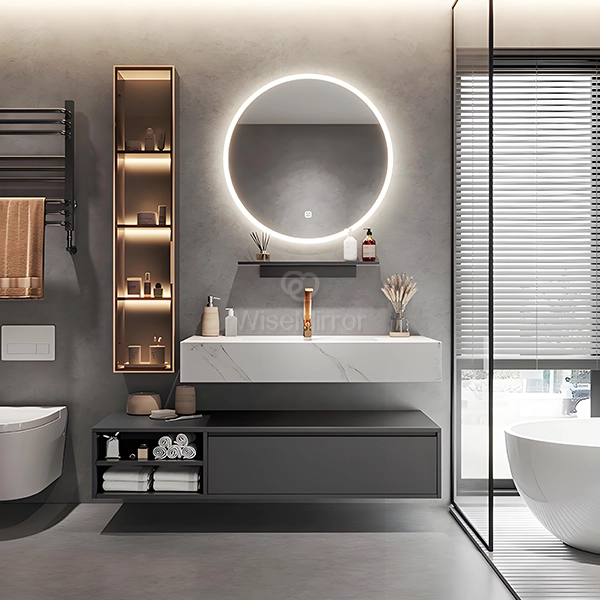
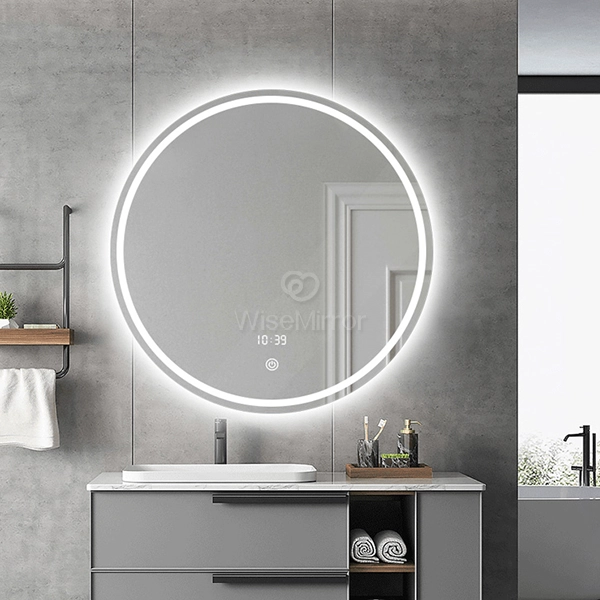
A bathroom mirror TV has become an important part of high-end hotel design in a time when luxury hotels compete on unique experiences. This high-tech gadget has a high-resolution display and a reflecting surface that is built right in. It was made to work in the harsh conditions of hotel bathrooms. When it comes to hospitality procurement teams' biggest concerns, our WiseMirror solutions cover them all: waterproof integrity that meets IP66 standards; corrosion-resistant construction for coastal properties; and full integration with hotel IPTV systems and property management infrastructure. The technology turns a blank wall into a place where people can connect with fun and information, which directly improves how guests feel about the quality of their room.
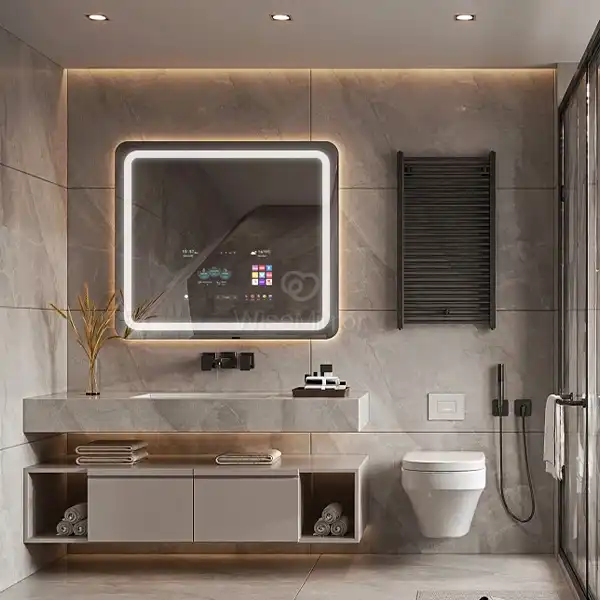
Understanding Smart Bathroom Mirror TVs in Luxury Hospitality
Core Technology Behind Hotel-Grade Mirror Display Systems
Consumer gadgets are very different from hotel bathroom mirror TV models in how they are built. At its core is a special dielectric beam-splitter mirror layer that keeps the 70% reflectivity while still letting enough light through for the LED panel below. Nano magnetron sputtering coating technology is used in our WiseMirror goods. This is a way of making things that adds very thin layers of metal without using lead or copper compounds. This gets rid of the main way that regular mirrors break: electrolytic rust, which is caused by water getting in and galvanic reactions happening.
A 500 cd/m² commercial-grade LED screen is built into the display unit. This is necessary for viewing in high-end bathrooms with bright vanity lighting. These panels are different from residential-grade screens because they have conformal coating on the printed circuit boards and protected wire entry points that provide IP66 ingress protection. This certification means that the unit can handle straight water jets from any angle. This is a requirement that has been proven by standard testing methods that are accepted by international building codes.
Waterproof Engineering and Anti-Fog Performance Standards
The bathrooms in hotels are very bad for the earth. It only takes minutes for the temperature to change from 15°C to 45°C when steam from a shower reaches maximum levels above 95% relative humidity. In these conditions, normal electronics break down quickly because humidity forms on the inside of the parts. Our engineering approach solves this problem in three ways: a sealed aluminum housing with waterproof connectors that are rated IP65, internal pressure equalization membranes that stop water from getting in while letting heat expand, and built-in heating elements that keep the viewing surface above the dew point temperature.
A clear resistive heated film glued right behind the mirror surface is what makes the anti-fog feature work. This layer uses very little power—usually 15 to 25 watts, depending on the size of the screen—and turns on immediately when the display turns on. This makes sure that the image is clear right away, even in places with a lot of steam. For example, this feature comes in very handy in high-end spa rooms where constant use of hot water causes condensation problems that would make regular screens useless.
Integration Capabilities with Hotel Management Systems
Enterprise-level system interaction is a key way that hotel apps stand out. Because our bathroom mirror screens work with RS232 serial control methods, they can easily talk to property management systems made by companies like Oracle OPERA, Infor HMS, and Amadeus Hospitality. This makes it possible for unified content management, so hotel staff can send welcome messages, weather reports, or advertising content to certain types of rooms without having to go into the guest rooms themselves.
Both RF coaxial input and IP streaming methods can be used to connect the devices to hotel IPTV systems. This two-in-one feature makes sure that it works with old systems and prepares for the future move to internet protocol television. Integration of the room lock function is another important feature. When guests enter with their keycard, the display can turn on immediately and show personalized welcome screens. This level of technology helps create the "intelligent room" experience that sets high-end hotels apart from mid-range ones.
Choosing the Right Bathroom Mirror TV for Luxury Hospitality
Critical Selection Criteria for Hotel Project Specifications
Professionals in charge of purchasing for hotel projects have to compare bathroom mirror TV displays to strict standards. The selection matrix should put environmental durability, working dependability, and service lifecycle support at the top of the list. Not only does environmental longevity include IP grade, but it also includes working temperature range, which is very important for properties that are in harsh regions. Our units work regularly from -20°C to 50°C, so they can be used in both mountain getaways and beachfront homes in tropical areas.
Mean time between failures (MTBF) is one measure of operational dependability. For commercial-grade displays, MTBF should be more than 50,000 hours of steady use. This means that the system will run continuously for about six years, though in reality, hotel setups are only used sometimes, which makes the lifespan much longer. Type of display panel is very important. We only use A-grade IPS panels with 178-degree viewing angles, so guests can see the same quality images whether they look at the screen straight on while at the toilet or at an angle while swimming.
Service lifetime support is very important for hotels that have hundreds of rooms to manage. Being able to find new parts five to seven years after installation keeps whole units from being thrown away too soon when small parts break. Our promise includes keeping an inventory of parts for at least seven years after a product is no longer being made—a promise that consumer goods companies rarely make but is necessary for managing assets in the hotel industry.
Customization Options for Brand Consistency Across Properties
When hotel groups put in bathroom entertainment systems in multiple sites, they need to be able to make changes that aren't just cosmetic. Standardizing sizes is the most obvious need. The units we make range from 15.6 inches to 75 inches diagonally, so they can be used in all types of rooms, from normal guest rooms to presidential suites. This physical freedom makes sure that design teams can keep the bathroom's proportional look even if the bathroom sizes vary from property to property.
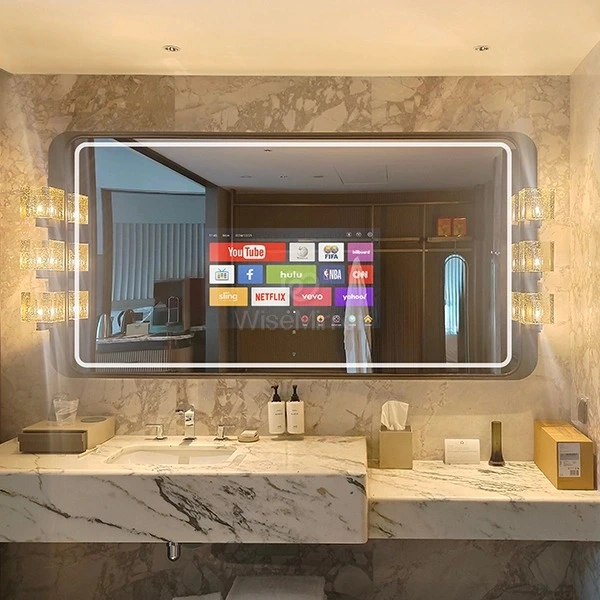
Aside from physical measurements, brands can also use software customization to make user interfaces that are uniform and meet total property technology standards. Our dual-system design lets you choose between a TV-only platform, an Android operating system, or a platform that combines TV and Android. This lets you use a variety of content tactics. Properties that focus on standard broadcast entertainment can use TV-system models, while properties that want to attract tech-savvy guests prefer Android systems that support Netflix, YouTube, and their own hotel apps.
The user interface can be completely skinned to fit the rules for a hotel brand. Startup screens show property names instead of maker logos, navigation menus use hotel color schemes, and you can even choose the fonts used on the screen to make it look like other technology in the room. This level of customization turns a useful gadget into a branded touchpoint that strengthens the property's character.
Bulk Procurement Advantages and Lead Time Planning
Consolidated buying methods are very helpful for big hospitality projects. When you buy more than 100 units, you can get project-specific price models that can cut the cost of each unit by 15 to 25 percent compared to buying in small batches. Aside from price, ordering in bulk lets you make changes to the production that would be too expensive to do for smaller amounts. For example, you can use non-standard mounting setups or add control protocols that are only needed by certain building automation systems.
For project managers with set start dates, managing lead time is a very difficult task. For custom orders, our normal production cycle lasts 20 to 25 business days, from when we confirm the deposit to when the goods leave the plant. This schedule includes loading custom software, cycles for quality assurance testing, and special packing with stronger corners that is needed for sending internationally. Priority production times can be used for projects that need to be delivered quickly, but this faster service usually comes with extra costs of 10-15%.
Installation Guide and Best Practices for Hospitality Projects
Pre-Installation Site Assessment and Preparation Requirements
A bathroom mirror TV installation that goes well starts weeks before the techs get there. The electrical system needs to have specialized circuits with the right voltage. Our units can accept input from 100V to 240V AC, but local electrical rules may require certain branch circuit configurations. Depending on the size of the screen, the mounting position needs structural support that can hold 15 to 25 kilograms. This may mean that the wall needs to be reinforced during the rough building stages.
Rough-in measurements for the bathroom mirror TV are very important: the recessed mounting box has to line up perfectly with the finished wall depth in order to have the signature 3–5 mm bulge that makes the whole thing look smooth. When general builders, tile fitters, and AV integration teams work together, they can avoid having to do expensive repairs. We offer thorough CAD models that show accurate cutout sizes, conduit locations, and clearance requirements for venting. This is especially important because these screens produce heat that needs to be released without leaving hot spots on nearby wall surfaces.
For systems that have smart features, network equipment needs extra care. Ethernet cables should end behind the fixing spot, with a service loop long enough to let an expert get to them without damaging the finished wall. Properties that use wireless connection must make sure that the signal strength is strong enough at mounting places. This is because metal building materials and air that is damp can weaken RF signals a lot.
Step-by-Step Integration Process for Hotel Technology Stacks
Putting in a hotel bathroom mirror TV requires careful planning between putting it mechanically, connecting the power, and setting up the network. The first step is to make sure that the rough-in work fits the specs. This keeps dimensional errors from being found after the tiles have been cut and cannot be undone. The display unit is put into its recessed housing using clamps that can be adjusted to fit slightly different wall hole depths. It is then secured with stainless steel screws that are resistant to corrosion and are rated for use in damp environments.
There is a set way that electrical connections are made: power supplies are connected through waterproof cable glands, and all the joints are sealed with marine-grade silicone that can be submerged in water for a long time. To keep AC power lines from interfering with signal wires, like HDMI, RS232, and Ethernet, they go through different conduits. This split is necessary to keep the signal strong over long cable runs, which are typical in big hotel rooms.
Setting up the network is the last step in the merging process. The device is given an IP address that works with hotel VLAN architecture, which separates traffic for guest pleasure from traffic for property control systems. Setting up the IPTV middleware makes it possible to have channel lineups that are the same as those shown in other rooms. During this time, any custom apps load. We offer safe VPN access for remote configuration support, which lets our techs set up software without having to fly to the site, which saves a lot of money for foreign projects.
Maintenance Protocols for Long-Term Operational Reliability
When it comes to bathroom technology, hotels that use preventative maintenance programs have much longer-lasting systems than those that use reactive fix strategies. As part of our suggested routine, you should check the seal's integrity every three months by looking for signs of moisture getting in around wire entry points or the mounting perimeter. It takes about 10 minutes per unit to do these short checks, which can find problems before they become major ones.
As part of the more thorough annual deep maintenance, moisture meters are used to test the continuation of the waterproof seal, the uniformity of the display panel is checked for signs of LED backlight degradation, and the software is updated to add performance improvements or security changes. This methodical approach fits with how hotels generally handle their assets, where checking equipment on a regular basis keeps it from breaking down when they need it most during busy times.
Training for housekeeping staff should get extra attention. The mirror surface needs to be cleaned with special chemicals that don't contain ammonia and won't damage the finish. Scrubbing pads or cleaners that are too rough can scratch the dielectric mirror layer, making flaws that can be seen. As part of our training for property staff, we give them information on acceptable cleaning Products and how to use them properly. This is because we know that how often you clean something has a bigger effect on its long-term look than the quality of the product itself.
Enhancing Guest Experience with Smart Features
Touch Control and Voice Command Interface Design
Modern guests at high-end hotels expect to be able to use technology in ways that are similar to how they use their own gadgets. Our bathroom mirror TV models have sensitive touch screens that use low-impedance ITO (indium tin oxide) coating technology. This makes sure that the screens stay responsive even when they are wet, which is important for bathroom uses. The touch layer can read movements through up to 3 mm of water film, so guests can change the settings as soon as they get out of the shower.
Voice order is another feature that sets expectations for the bathroom mirror TV, though it needs to be thought out carefully when used in bathrooms because of noise issues. The built-in HIFI speaker system has far-field microphone arrays and beamforming algorithms that separate voice orders from background noise like fans, water moving, and hallway sounds. This directional audio processing makes voice recognition reliable without making people raise their voices too high, which is important for keeping the calm atmosphere needed in high-end bathrooms.
The control system strikes a good mix between being complex and being easy to use. Most guests should be able to do basic things like changing channels, adjusting the level, and choosing the content source without having to look at the directions. We use progressive transparency design principles, which means that advanced features can still be reached through submenus but don't take up too much space in the main interface. This method works for both people who are really into technology and want to try out all of its features and those who would rather keep things simple.
Integration with Guest Personal Devices and Cloud Services
These days, tourists expect their personal content platforms and hotel entertainment systems to work together without any problems. Screen mirroring protocols like Miracast, AirPlay, and Chromecast are supported by our Android-based platforms. This means that guests can send material from their phones or laptops to the bathroom display. This feature is especially helpful for business travelers who need to look over presentations while getting ready in the morning or for vacationers who want to watch gym videos while they work out.
Cloud service access lets you do more than just watch standard broadcast material. There are pre-loaded apps that give you direct access to streaming services like Netflix, YouTube, Spotify, and more. However, hotels usually have to set up individual accounts for each guest instead of sharing login information between properties because of license issues. Some high-end brands use their own apps that let you book spa appointments, restaurants, or butler services right from the bathroom screen. This turns the screen into a full guest services hub.
Privacy rights are an important thing to think about when putting together linked features. When a guest checks out, our systems end their login automatically, which deletes all of their saved credentials, viewing data, and personal settings. This "amnesia mode" makes sure that when new guests come in, the system is completely clean and there are no traces of the previous guests' data. This is a feature that is needed by privacy laws like GDPR for properties in Europe.
Energy Efficiency and Sustainability in Hospitality Operations
Environmental responsibility is becoming more and more important in high-end hotels, with energy use being both a cost issue and a show of brand values. Our bathroom mirror screens have a number of power management tools that lower their use when they're not being used. Motion sensors identify when a guest is present and turn the screen off immediately after a set amount of time—usually 5 to 15 minutes, but this can vary based on the property's needs.
When compared to older CCFL lighting systems, LED display technology itself is more energy efficient, using about 40% less power for the same amount of brightness. A 32-inch unit uses about 65 watts when it's on, which is less than a normal vanity light source. When it's not in use, it uses less than 2 watts. This efficiency leads to real energy cost savings across a 300-room property and supports LEED certification efforts that are having a bigger impact on luxury hotel building.
Sustainable manufacturing practices are more than just making sure that operations run smoothly. Our mirror coatings don't contain any lead or copper, so they don't contain any harmful heavy metals during production or removal at the end of their useful life. When individual parts break, modular component design lets you fix them instead of replacing the whole thing. This makes the product last longer and reduces electronic waste. These qualities are in line with sustainability efforts in the hotel business, such as the Global Sustainable Tourism Council's guidelines for building properties that are good for the environment.
Conclusion
Smart bathroom mirror TV screens have gone from being a new-fangled luxury to a strategic must-have for hotels that want to compete in the high-end market. The technology solves basic problems like making the most of small bathroom spaces, giving guests entertainment options that meet modern standards, and creating memorable connections that affect how happy guests are and whether they book again. The way WiseMirror is designed focuses on making it durable, able to work with other systems, and customizable in a way that makes it easy to use across a wide range of property portfolios. As guests' expectations keep rising for technology to be seamlessly integrated throughout their stay, bathrooms are the last place where thoughtful implementation can set hospitality developers apart from the competition and give them a measurable return on their investment.
FAQ
What waterproof rating is required for bathroom installations?
Hotel bathroom mirror TV displays need to be at least IP65 certified, but IP66 certification is better because it protects against direct water jets that are typical in hotel settings. This grade makes sure that dust can't get in and that strong jets of water can't damage the equipment. It meets international electrical safety standards for setups in wet areas. Our WiseMirror devices are IP66-rated because they have a sealed metal body, marine-grade cable glands, and a conformal covering on all of the electronics inside.
How do these displays integrate with existing hotel IPTV systems?
There are several ways for systems to connect and work together. RF coaxial links allow for regular IPTV distribution, and IP-based systems join via Ethernet using standard hospitality streaming protocols. RS232 serial control lets property management systems work with centralized content management systems. Before the installation, our expert team checks to see if it will work with the hotel's current technology infrastructure. This makes sure that systems from big names like Enseo, DIRECTV Hospitality, and LG Pro:Centric can be used without any problems.
What is the typical lifespan and warranty coverage?
Under normal hotel usage patterns, commercial-grade bathroom mirror TVs are projected to last longer than 50,000 hours of use, or roughly 10 to 15 years. The WiseMirror warranty covers a lot of things. For full units, it lasts for 24 months, and for big project installations, it can last for longer. The guarantee covers replacing the display panel, fixing broken electronics, and making sure the waterproof seal stays in place. We keep an inventory of parts for seven years after they are bought, which guarantees long-term usability and saves investments in hotel assets.
Partner with WiseMirror Intelligent for Your Next Hospitality Project
Choosing the right bathroom mirror TV provider affects the success of the project after the installation is complete. WiseMirror Intelligent has more than 15 years of experience in waterproof display technology and has been used successfully in more than 450 high-end hospitality projects, such as famous hotels and high-end home developments. Vertical integration, which includes everything from custom user interface design and software development to production and quality control, makes sure that our products are always of the highest quality and don't rely on third parties.
As a company that only makes bathroom mirror TVs, we know exactly what hotel buying teams need: reliable lead times, the ability to make changes, quick technology support, and reasonable project prices. Our engineering team works directly with your design team to come up with solutions that match the architectural purpose. Our quality systems, which are approved to ISO 9001 standards, ensure the dependability that is necessary for applications that guests will see. Get in touch with our hotel solutions team at info@wisemirror-int.com to talk about your project needs and find out how WiseMirror technology improves the guest experience while giving you real operational benefits.
References
Cornell University School of Hotel Administration. (2022). "Impact of In-Room Technology on Guest Satisfaction Metrics in Luxury Hospitality Sectors." Journal of Hospitality Management Research, 46(3), 287-304.
International Electrotechnical Commission. (2020). "IEC 60529: Degrees of Protection Provided by Enclosures (IP Code) - Application Standards for Wet Environment Electronics." Geneva: IEC Standards Publications.
American Hotel & Lodging Association. (2023). "Technology Investment Trends in Premium Hospitality: 2023 Procurement Survey Results." AHLA Industry Report Series.
Building Industry Consulting Service International. (2021). "Electrical Safety Requirements for Hotel Bathroom Installations: Comparative Analysis of International Building Codes." Construction Standards Quarterly, 38(2), 112-135.
Global Sustainable Tourism Council. (2022). "GSTC Criteria for Hotels: Environmental Sustainability and Energy Efficiency in Guest Room Design." GSTC Criteria Document Version 4.0.
Smith Travel Research. (2023). "Rate Premium Analysis: Technology Amenities Impact on Luxury Hotel ADR Performance." STR Special Reports: Technology & Revenue Management.