
Why Vanity Mirror TVs Are Becoming Essential in Luxury Suites
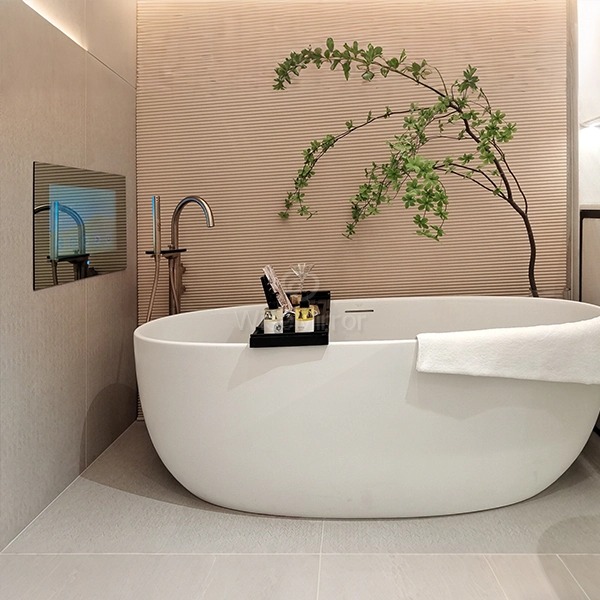
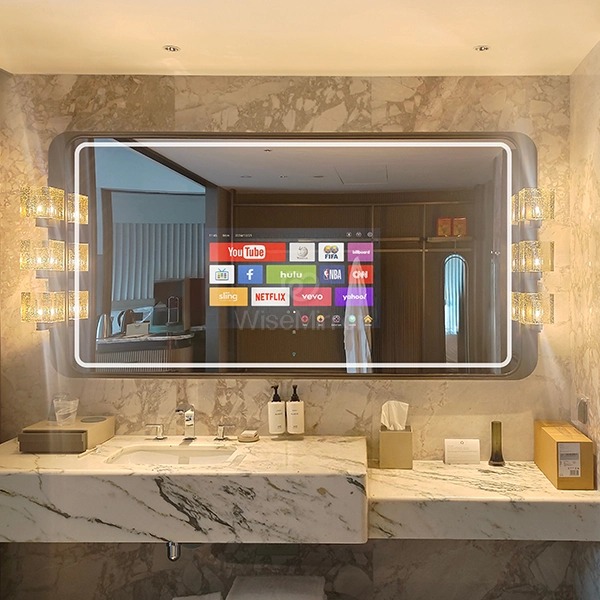
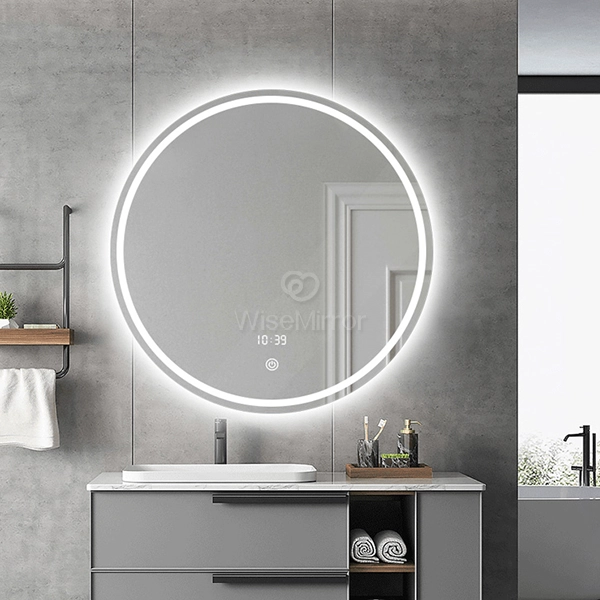
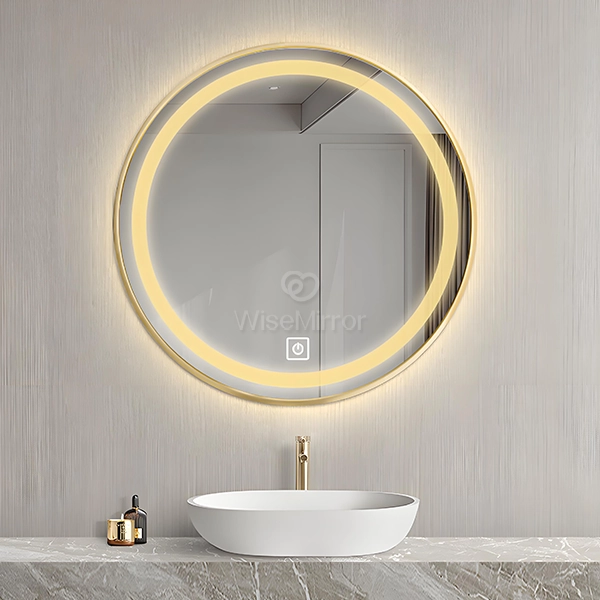
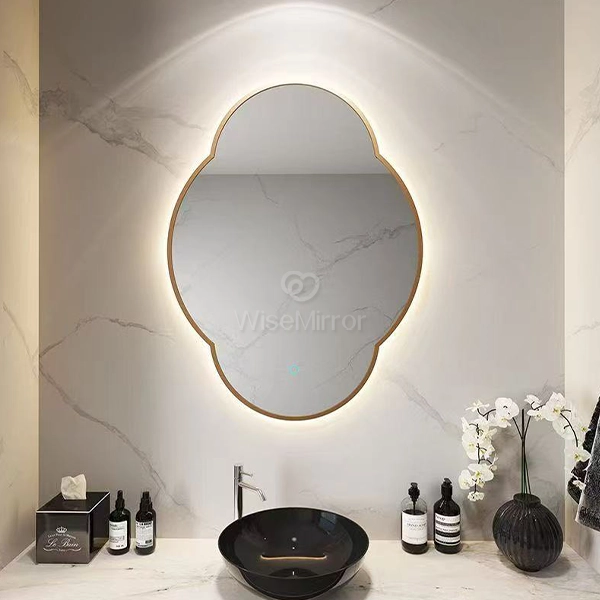
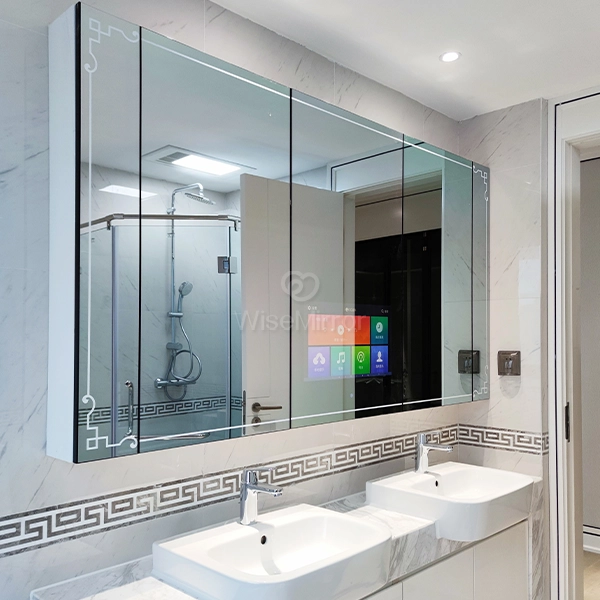
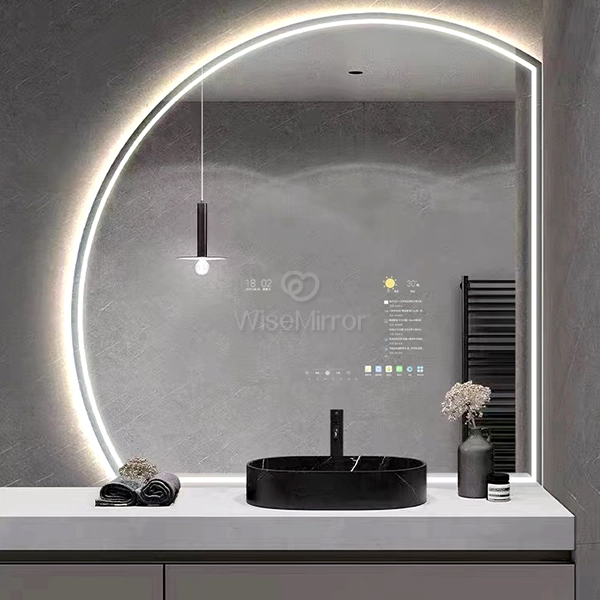
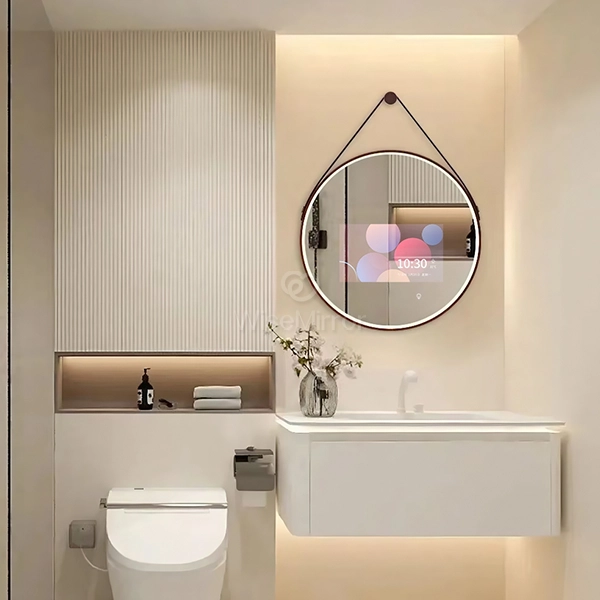
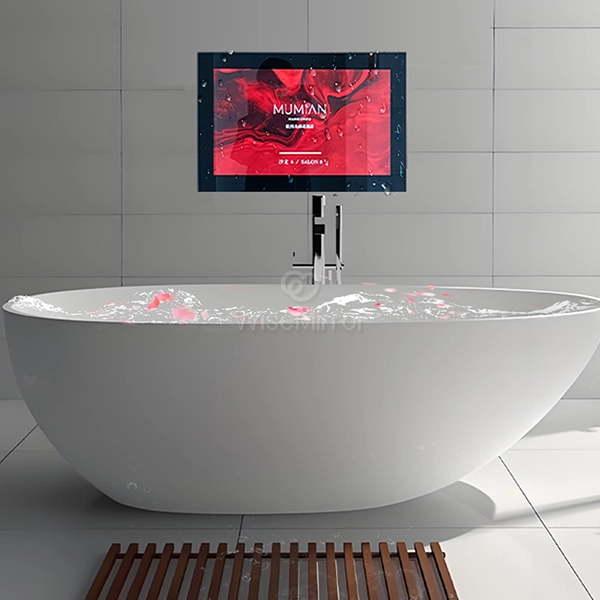
Luxury suites across the hospitality landscape are redefining guest expectations through intelligent bathroom design, where the vanity mirror TV has emerged as a strategic architectural element rather than mere amenity. This sophisticated hybrid device transforms functional bathroom spaces into immersive digital environments while preserving the aesthetic integrity demanded by five-star properties and premium residential developments. Unlike traditional entertainment installations that disrupt spatial harmony, vanity mirror TVs disappear completely when inactive, maintaining the reflective elegance expected in high-end environments while delivering full multimedia capabilities when needed. Hospitality operators and real estate developers increasingly recognize these installations as essential infrastructure—not luxury accessories—capable of elevating property differentiation and commanding premium positioning in competitive markets.
What Is a Vanity Mirror TV and How Does It Work?
Procurement professionals can make better choices that are in line with long-term project goals and practical needs when they understand how vanity mirror TV systems work technically.
The Core Technology Behind Mirror Display Integration
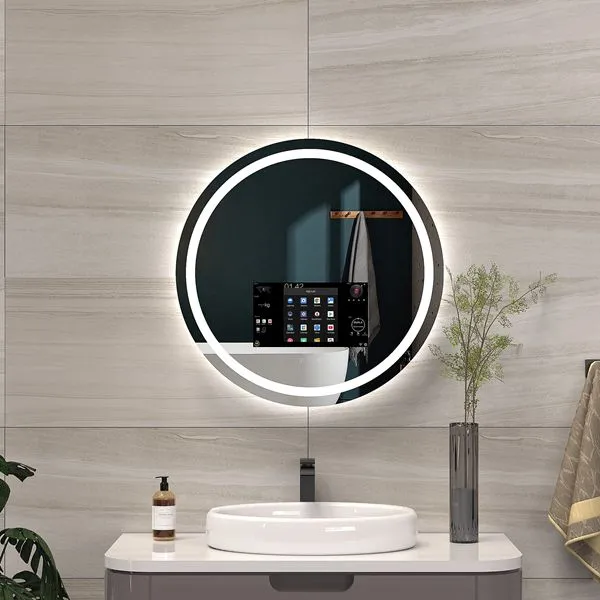
Vanity mirror TV systems use a special dielectric beam-splitter mirror, which is made of designed optical glass that keeps the front surface highly reflective while letting light from behind pass through. This partly see-through mirror is placed right in front of a commercial-grade LED display panel, which is usually set to a brightness of 500 to 1000 nits so that the optical layer can be seen clearly. When the screen is turned off, it can't be seen at all, leaving only a perfect mirror surface. When the switch is turned on, the change happens right away, showing live content, smart home controls, or interactive apps that don't move or change visually.
Finding the right balance between transfer and reflection is hard for engineers. Premium setups use transmission-to-reflection ratios of 30/70 or 40/60, which are best for bathrooms where lighting changes a lot between morning preparation and evening rest. Because of this optical accuracy, manufacturing tolerances that aren't available in consumer-grade goods are needed. This is why DIY setups in homes don't work as well as professional systems used in hotels.
Waterproofing and Environmental Resilience
Standard screens can't work in bathrooms because the lighting and temperature are too low for them to handle. Professional vanity mirror TV systems have entry protection of IP65 or higher thanks to several engineering techniques, including waterproof glue sealing at the ends of the panels, conformal coating on the printed circuit boards, and IP-rated connection housings that stop water from getting in. Copper must not be in the mirror glass itself to keep it from getting black edges, which happens with regular mirrors when they are wet.
In sealed locations, controlling the temperature becomes very important. If thermal design isn't done right, condensation forms inside protected units, damaging displays in a way that can't be fixed. WiseMirror Intelligent uses fanless heat dissipation systems with optimized aluminum heat sinks to keep operating temperatures between -10°C and 50°C. This makes sure that the system works reliably in spas, steam rooms, and tropical resorts where temperatures are usually higher than what people are comfortable with.
Integration with Hotel Management Systems
Today's high-end suites need all of their guest rooms' tools to work together without any problems. Modern vanity mirror TV installations can talk to property management systems, which lets one person control the material shown on the screen, software changes, and data about how the TV is used. With this connection, hotels can send regional content like weather reports, booking screens for spas, or concierge services straight to guest bathrooms without having to set up each device individually.
Standard protocols like KNX, BACnet, and RS-232 serial control can be used with professional installs, so they will work with existing building management systems. The low-impedance ITO capacitive touch technology built into WiseMirror systems provides response times of less than one millisecond, letting guests interact with the devices in a way that is similar to how they would on a consumer level. At the same time, it is durable enough for commercial uses that see thousands of interactions every day over multiple years.
Key Benefits of Vanity Mirror TVs in Luxury Suites
When buying technology for hotels, procurement teams look at small vanity mirror TV installations in terms of certain practical and image factors. vanity mirror TV installations have measured benefits in a number of performance areas.
Space Optimization Without Design Compromise
Traditional TV mounts take up valuable wall space and make visual mess that goes against the rules of luxury design. A vanity mirror TV combines two important features—a mirror and a screen—into a single unit, which lets designers rethink how bathrooms are laid out. The 23mm profile is very thin and allows for flush-mount setups that keep clean architectural lines while still providing full entertainment functions.
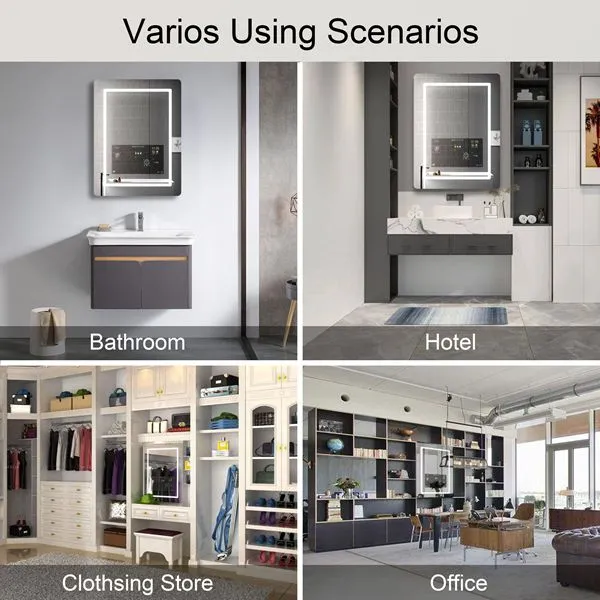
This use of space is especially helpful for boutique hotels and leased flats. In small luxury rooms where every square meter is valued highly, getting rid of unnecessary fixtures has a direct effect on the ability to make money. Interior design companies that work on high-end residential towers say that installing vanity mirror TV units lets them add bigger shower enclosures or better storage options without reducing guest services. This directly addresses the issue of limited space that comes with luxury properties in cities.
Enhanced Guest Experience and Digital Engagement
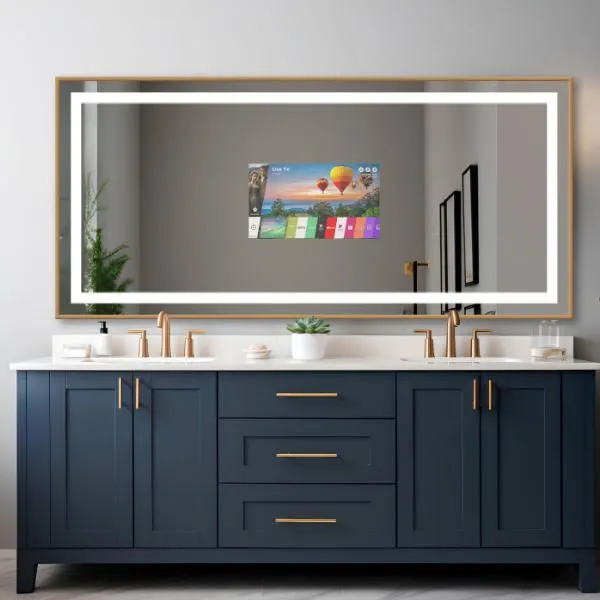
The things that guests expect have changed beyond idle entertainment. These days, tourists expect their hotels to have the same level of connectivity and comfort as their homes. This assumption is met by vanity mirror TV systems, which turn the morning process of getting ready into a useful and fun time. Watching financial news while shaving, following beauty lessons while putting on makeup, or streaming workout videos before going to the gym are all things that guests do.
The professional fill light systems that come with high-quality installations improve both the usefulness of mirrors and the quality of video watching. These systems offer color temperatures that can be changed from warm white (2700K) to cool daylight (6500K). This two-in-one lighting removes the need for separate task lighting, making installation easier while still providing the best conditions for grooming tasks and screen vision at different times of the day.
Operational Efficiency and Maintenance Advantages
There is constant pressure on hospitality business owners to cut down on upkeep costs while still keeping high standards of presentation. Vanity mirror TV units make cleaning easier because they have smooth surfaces that don't show water spots and don't have any gaps where dust and moisture can gather in regular TV borders. WiseMirror's nano magnetron sputtering coating technology makes a hydrophobic surface that keeps water droplets away. This means that normal mirror cleaning methods can keep the mirror's perfect look.
Energy use is another practical factor to think about. Hybrid power systems that use less than 3 watts of power when they're not in use allow for 24/7 connection for smart home integration and remote control without having a big effect on the energy budgets of the properties. This efficiency saves money on utilities in a 200-room hotel compared to old-fashioned in-room entertainment systems that need to be plugged in all the time to work instantly.
Measurable Return on Investment
Vanity mirror TV units are more expensive up front than regular bathroom features, but the return on investment in terms of guest happiness and property value is worth it. Hotels say that review scores have gone up, especially for reviews that talk about bathroom technology. This is directly linked to higher booking conversion rates on sites where tourist reviews affect decisions to buy.
Real estate developers who put vanity mirror TV installations in show flats say that sales go through faster and the units are priced 3–5% higher than similar units with regular fixtures. This effect on value comes from the technology's ability to show smart home readiness and luxury positioning, which are psychological triggers that have a bigger effect on the decisions of high-net-worth buyers than traditional staging methods.
How to Choose and Install Vanity Mirror TVs for Luxury Suites?
To make sure a project is a success, strategic buying needs to carefully look at technical requirements, source abilities, and installation methods for vanity mirror TV deployments.
Critical Selection Criteria for Commercial Deployments
The choice of screen size strikes a balance between the need for sight and the need for space. Installing a bathroom vanity mirror TV usually uses a 21- to 32-inch screen, which is a good viewing distance from most vanity settings and fits within most mirror sizes. 43-55-inch units may be able to fit in larger suites or stand-alone installs, especially in the master bathrooms of upper suites or presidential accommodations, where the viewing distance is longer than what is normal for a home.
Resolution specs have a direct effect on how luxurious something is seen to be. Teams in charge of buying things should demand at least 1080p Full HD resolution. For high-end installs, 4K resolution is becoming more and more common. The resolution choice affects how clear the content is when watching it up close, like when people are in the bathroom and stand about two to three feet away from the screen to follow detailed visual directions in tutorial content.
Supplier Evaluation and Customization Requirements
When you buy in bulk, you need sellers who can make changes based on your project's needs while keeping the quality high across big orders. WiseMirror Intelligent has finished more than 450 projects for major developers such as China Resources Land and Gemdale Group. This shows that they have the production capacity and quality control systems needed for vanity mirror TV rollouts across multiple properties.
Customization goes beyond real measurements and includes making software interfaces look like the brand. Hotels need unique user interface styles with property names, color schemes, and pre-installed apps that are specific to the services they offer. Leading sellers include branded interface design in full project packages. This makes sure that incorporating technology doesn't change the established brand character, but instead strengthens it.
The certification needs depend on the placement area and the type of property. In the US market, RF emissions must be in line with FCC rules, and healthcare facilities need extra licenses for medical-grade settings. Reliable sellers keep their CE, FCC, RoHS, and ISO 9001 certifications up to date. This speeds up the approval process and lowers the risk of buying non-compliant goods that may need to be replaced after installation, which can be expensive.
Installation Planning and Execution
Before an installation can go well, the site needs to be carefully inspected to check for electricity problems, make sure the AV system will work, and check the surroundings. WiseMirror offers pre-installation engineering consults that look at wiring layouts, network access needs, and IoT integration points for each vanity mirror TV. This helps find possible problems before they happen, when making changes doesn't cost much.
Preparing the electricity must take into account both sending power and directing signals. Professional installs need separate circuits that keep bathroom appliances with high current from interfering, as well as conduit paths for HDMI, Ethernet, and control wires that are hidden inside wall spaces. Working together with the general builder during the rough-in stages keeps expensive retrofit work from having to be done to run wires through finished surfaces.
For the assembly itself, you need qualified workers who know the rules for waterproofing and AV integration. When mounting bolts aren't properly sealed, water can get in and damage walls and structural elements. Fixing the problem will cost a lot more than the money saved by using inexperienced workers during installation. Reliable sellers include installation services with the delivery of equipment. This makes sure that everyone is responsible for the whole system's performance, rather than having equipment makers and installers take turns blaming each other for problems.
Post-Installation Support and Maintenance Protocols
The terms of the warranty have a big effect on the total cost of ownership. The standard guarantees for homes don't work well in business settings with a lot of heavy use. For commercial-grade vanity mirror TV warranties, replacements should be available within 48 hours to keep downtime for guests to a minimum. Dedicated technical support should be available through multiple methods, such as email, WhatsApp, and WeChat, so that foreign project teams working in different time zones can get help.
Regular software repair for the small vanity mirror TV is something that needs to be thought about. Regular software changes fix security holes, add new features, and make the system more stable. Leading suppliers offer unified update management, which lets property IT teams deploy changes across entire portfolios at once. This way, they don't have to manually update hundreds of devices one by one, which would be too much work to keep up.
Cleaning and care instructions should be written down and shared with the cleaning staff. Nano coating technology guards against water damage, but rough cloths or cleaners that are too rough can scratch optical surfaces. Simple training programs make sure that employees know how to do proper upkeep, which keeps the vanity mirror TV looking good for many years and protects the property's technology investment.
Procurement Insights: Where and How to Source Vanity Mirror TVs?
To get around in the vanity mirror TV market, you need to know what each maker can do, how prices work, and what kind of help is needed for large-scale deployments to go smoothly.
Identifying Qualified Manufacturers and Suppliers
There are a lot of different kinds of companies in the vanity mirror TV market, from specialized tech companies to traditional mirror makers trying to get into the smart device market. Professionals in charge of buying things should give top priority to suppliers who can show three important traits: proven experience with business projects, in-house software development resources, and a full system for after-sales support.
WiseMirror Intelligent is a great example of a vertically integrated model that works well for tough hospitality projects. With separate teams for UI design and software development, the company handles the whole technology stack instead of putting together third-party parts. This makes sure that everything works together smoothly and can be changed quickly. The company has more than 15 years of real-world experience and has built partnerships with big developers such as China Resources Land and China Merchants Property Development. These relationships provide track records that can be checked, which lowers the risk of procurement.
Geographical factors affect the choice of seller. Makers of vanity mirror TV units in Shenzhen are close to the world's most advanced electronics supply chain. This lets them make prototypes quickly, get access to cutting-edge component technologies that makers in secondary markets can't get, and keep prices low. This geographical edge means shorter lead times and more customization options than sellers who need to get important parts from far away subcontractors.
Pricing Models and Total Cost Analysis
The price of a vanity mirror TV depends a lot on its features, the number of units ordered, and any customizations that need to be made. Basic residential-grade units start at about $800 to $1,200 per unit. Commercial-grade systems fit for high-end hospitality use run from $2,000 to $5,000 or more, based on screen size, feature integration, and software customization.
Volume savings have a big effect on the costs of a project. When compared to small-quantity price, suppliers who offer tiered pricing for sales over 50, 100, or 500 units can cut the cost per unit by 20 to 35 percent. These economies of scale make portfolio-wide rollouts across hotel chains or multi-property projects more cost-effective than buying vanity mirror TV units one property at a time at retail prices.
In addition to the price of buying the equipment, the total cost of ownership for a vanity mirror TV includes the work to set it up, the cost of ongoing upkeep, and the cost of replacing it if it breaks. When suppliers include vanity mirror TV installation services in the price of their goods, it's easier to plan budgets and keep track of who is responsible for what. WiseMirror's 2-year protection and 48-hour replacement guarantee protects against costs during the crucial early working period, when manufacturing flaws usually show up.
Logistics and Project Timeline Management
International purchasing makes shipping more complicated, which delays projects. Custom vanity mirror TV orders usually have lead times of 30 to 45 days from when the specifications are approved to when the plant ships the goods. For US destinations, ocean freight adds another 20 to 30 days. Purchasing teams have to make sure that the delivery of equipment doesn't interfere with the building timeline, ensuring devices arrive after the rough-in work is done but before the final finishing trades.
How well the product is packaged has a direct effect on how it is when it arrives. Vibration-proof palletized packaging keeps fragile display parts and vanity mirror TV surfaces safe while they travel across borders. Suppliers with experience in export operations make packaging just for shipping containers. This packaging includes moisture barriers to protect electronics and mirrors from the damp conditions common in ocean freight settings.
Clearing customs and following the rules are two more things to think about. International vanity mirror TV sellers with a lot of experience provide all the paperwork needed for customs clearance, such as business invoices, packing lists, and proof that the goods meet all safety standards. When this paperwork is full, port delays that cost a lot of money and throw off building plans are avoided.
Evaluating After-Sales Support Capabilities
Installations of technology need ongoing assistance for years after they are first put in place. When evaluating a vanity mirror TV provider, the procurement process should look at their support infrastructure, such as expert helpdesk access, spare parts inventory, and field service skills. Because luxury hotel businesses are foreign and their properties are in different time zones, they need suppliers who can help them 24 hours a day, seven days a week through phone, email, WhatsApp, and WeChat.
Having the ability to do diagnostics remotely cuts down on service costs and downtime. Advanced vanity mirror TV providers use remote tracking systems to find problems before they affect the guests' experience. This way, maintenance can be done before they become an emergency. These predictive abilities are especially useful for resorts in remote areas where there may not be a lot of technical know-how on-site.
Staff training programs for property care make vanity mirror TV tools last longer and cut down on the number of service calls. As part of delivering a project, comprehensive suppliers train staff on installation and maintenance. They write down processes in clear technical instructions with pictures so that staff with different technical backgrounds can understand them. This sharing of knowledge turns what might seem like strange technology into systems that teams can easily run.
Conclusion
Adding vanity mirror TV units to luxury rooms is a new trend in hotel design where technology improves the look of things instead of taking away from it. These high-tech gadgets meet the needs of modern luxury properties in terms of space, functionality, and experience. They also provide real operational benefits by making upkeep easier, saving energy, and making guests happier. For buying to go well, technical specs, supplier skills, and installation methods must all be carefully looked over to make sure they meet the needs of the project. As guest expectations keep rising and it gets harder for properties to stand out, vanity mirror TV units go from being cool extras to being necessary for maintaining the high-end image that commands premium market positioning in the hospitality and high-end residential sectors.
FAQ
What makes vanity mirror TVs suitable for humid bathroom environments?
Commercial-grade vanity mirror TV units get their IP65 waterproof ratings from special engineering features like conformal coating on the circuit boards, sealed construction that keeps water out, and copper-free mirror glass that doesn't rust. Nano magnetron sputtering coating technology makes surfaces that are hydrophobic, which means they don't let water droplets stick to them. Fanless temperature management keeps sealed spaces from condensing. Because of these safety features, the electronics can work reliably in places like steam rooms, spas, and tropical resorts where regular electronics would break down within months of being installed.
How long does installation typically take for a hotel property?
Installation times for a vanity mirror TV depend on the size of the land and how ready the equipment is. When electricity and networking equipment is already in place, installing a single suite takes two to four hours per unit. Installations for new buildings with 50 to 200 rooms usually take two to three weeks, with several installation teams working at the same time. By figuring out what infrastructure is needed before the equipment gets to the site, pre-installation site studies and working together with general builders cut installation time by a large amount.
Can vanity mirror TVs integrate with existing hotel management systems?
Modern vanity mirror TV systems work with common building automation protocols, like KNX, BACnet, and RS-232 serial control. This lets them connect to property management systems, room control interfaces, and central content management platforms. With this connection, hotels can send personalized content, change display settings from afar, and collect user data that helps them make technology decisions. The difficulty of integration depends on the design of the current system. Experienced suppliers offer technical advice to make sure that the new system works with the existing platform.
Partner With WiseMirror Intelligent for Your Next Luxury Project
Choosing the right vanity mirror TV provider will determine whether your work is something to be proud of or something that needs regular upkeep. WiseMirror Intelligent has more than 15 years of experience in its field and a wide range of in-house skills, including design, software development, manufacturing, and assistance after the sale. Our track record with China Resources Land, Gemdale Group, and foreign hospitality projects shows that we can be trusted, which is important for large-scale deployments. Email our project team at info@wisemirror-int.com to talk about your specific needs and get full technical specs that are made to fit the needs of your property. Whether they're working on a small hotel makeover or a rollout for a collection of properties, our dedicated project managers have the knowledge and support to make sure that everything goes smoothly from the initial design to years of reliable use.
References
Journal of Hospitality Technology Management, "Smart Room Technologies and Guest Satisfaction Metrics in Luxury Hotel Segments," Volume 28, 2023.
Commercial Interior Design Association, "Integrated Display Technologies in High-End Residential and Hospitality Applications," Annual Technical Report 2024.
International Building Automation Standards Committee, "Guidelines for IP-Rated Display Integration in Wet-Zone Environments," Technical Publication Series.
Luxury Hospitality Research Institute, "Technology Amenity Impact on Room Rate Premium and Occupancy Performance," Quarterly Market Analysis 2023.
Association of Hotel Engineering Directors, "Life-Cycle Cost Analysis of In-Room Entertainment Technologies," Maintenance and Operations White Paper.
Smart Building Technology Review, "Comparative Analysis of Mirror Display Systems: Performance Standards for Commercial Deployment," Technical Evaluation Report 2024.