
Custom Bathroom Mirror TV for High-End Projects
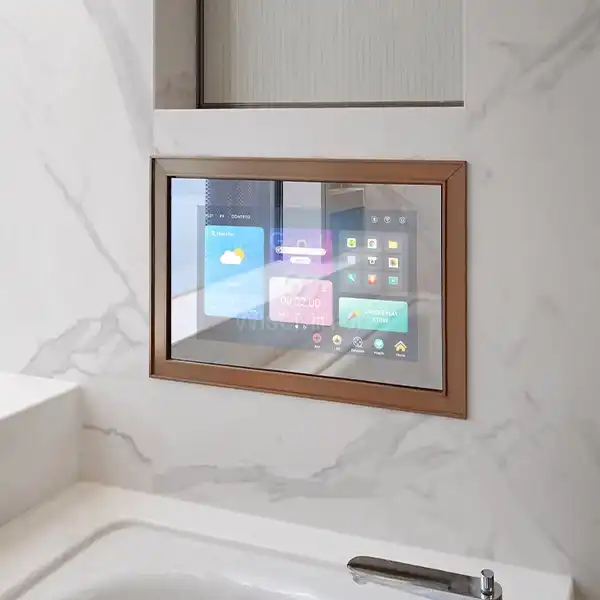
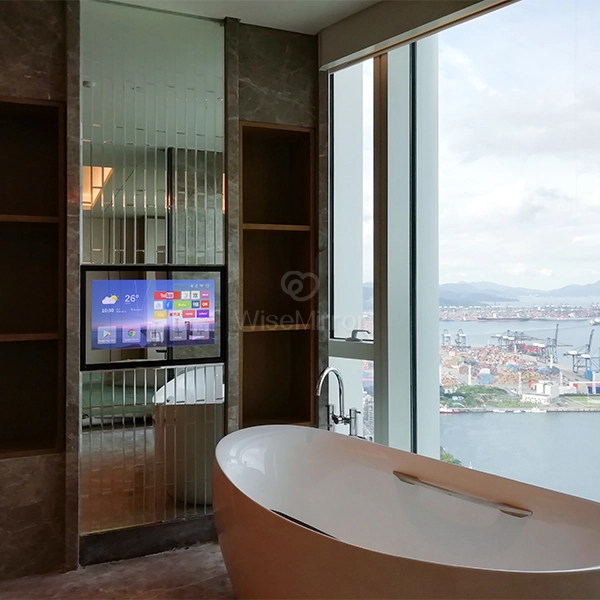
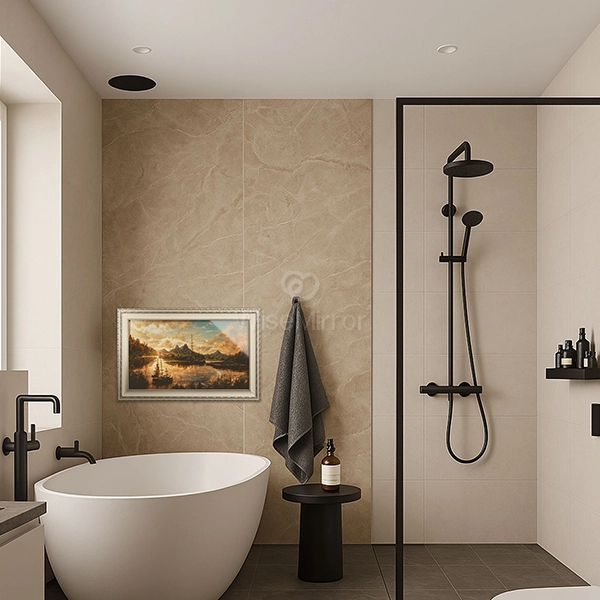
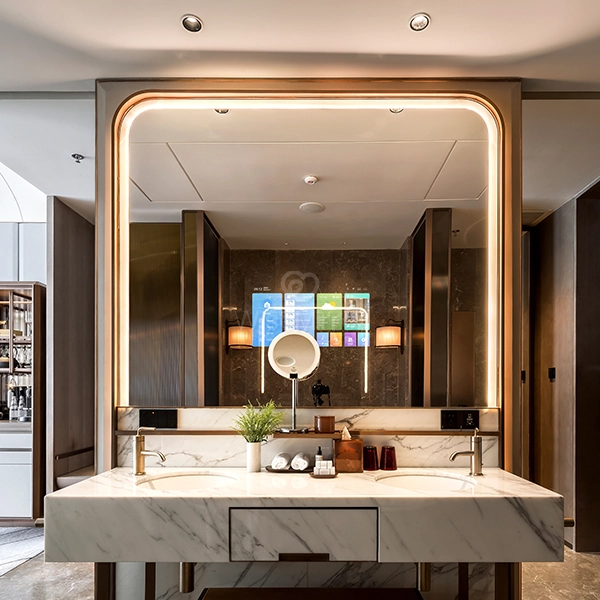
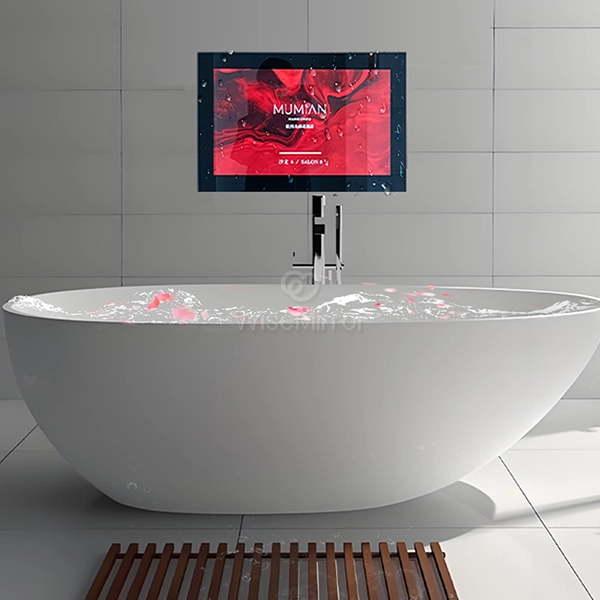
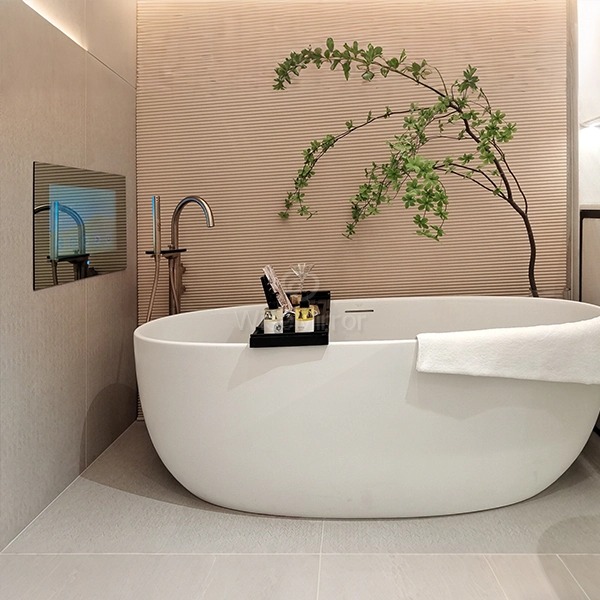
In high-end business and domestic projects, the custom bathroom mirror TV has become an important item that defines luxury and new ideas. With this advanced display technology, a high-resolution screen is hidden behind a waterproof mirror surface. It offers two functions that meet the high standards of high-end hotels, home projects, and health centers. Unlike most consumer electronics, these engineered solutions are made to meet specific project needs, such as IP66-rated moisture protection, hotel IPTV system integration, RS232 control compatibility, and architectural customization that fits with the design intent while keeping long-term operational reliability in humid environments.
Understanding Custom Bathroom Mirror TVs for Luxury Installations
Advanced Two-Way Mirror Technology and Engineering Standards
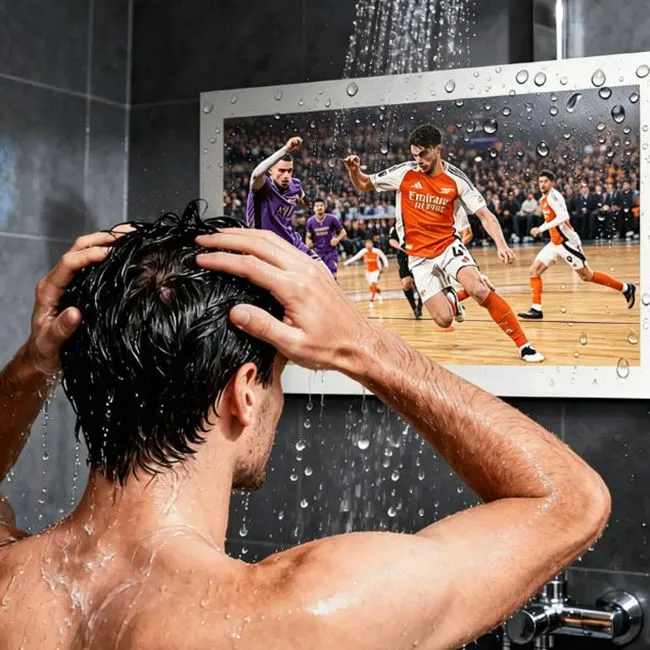
Optical tech is what makes every high-end bathroom mirror TV device work. Nano magnetron sputtering coating technology is used in modern units to make mirror surfaces that are free of lead and copper and don't rust or corrode, even in seaside areas or polluted spas. This special sealing method sticks the screen panel to the mirror glass without any gaps, so moisture can't get in and cause cheap goods to break down early. The end result is a smooth surface that stays clear for years, not months.
The IP66-rated grade for waterproofing is the lowest level that can be used for high-end bathroom installations. This certification makes sure that there is no dust leakage and that the product is safe from strong water jets coming from any direction. This is very important when the product is placed near shower or steam areas. Our engineering team uses conformal-coated PCBs and sealed cable glands throughout the internal design to protect sensitive electronics from humidity-induced electrolytic corrosion that destroys most TVs within weeks of being installed in a bathroom.
Professional-grade units have thermal management systems that work without fans and use aluminum-alloy heat dissipation structures to keep hidden wall spaces from getting too hot. This design choice gets rid of mechanical weak spots while keeping the operation whisper-quiet, which is very important for luxury hotel rooms where guests' experience depends on the peace and quiet. The heat naturally stops condensation from forming, so you don't need any extra heating parts to get quick anti-fog performance.
Smart Feature Integration for Modern Hospitality and Residential Projects
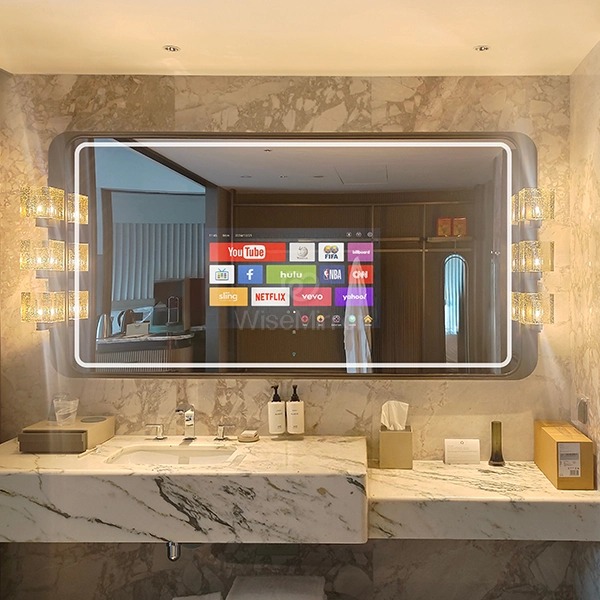
Today's luxury developments demand more than passive display options. Our mirror TV systems can work in a number of different ways, such as as stand-alone TV systems, Android platforms, or new TV+Android dual-system designs that give you the most options for any project. Native IPTV system compatibility is good for hotel properties because it makes it easy to connect to property management systems, in-room eating options, and concierge services using standard protocols.
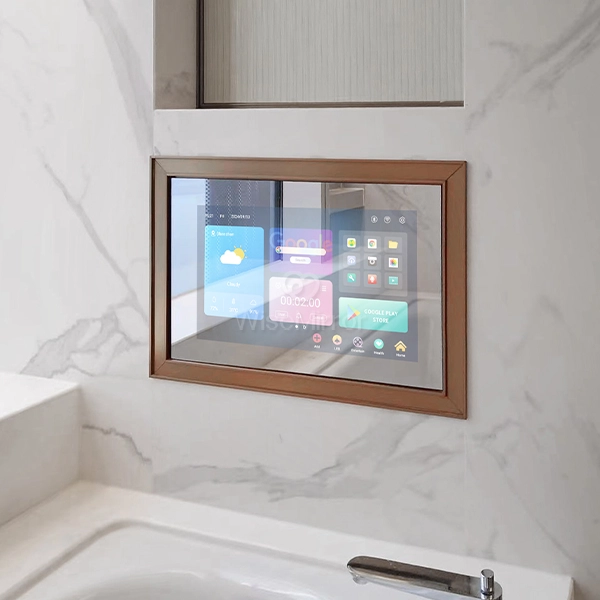
In addition to standard infrared remotes, control interfaces can include special capacitive touch screens that use low-impedance ITO capacitive touch lamination technology and RS232 connection so they can be used with Crestron, Control4, or other building automation systems. This method uses more than one protocol to make sure it works with a variety of smart home ecosystems and business control systems. It does this without needing private hardware that forces clients to use only one provider.
Built-in HIFI speakers get rid of the unsightly look of external audio equipment while still providing realistic sound quality. These built-in sound systems are acoustically tuned to account for bathroom surfaces that reflect sound. This makes sure that conversations are clear and frequencies are balanced even in noisy places. This integration is especially useful for hotel apps because it makes installation easier and lowers the number of maintenance spots needed while keeping the clean look that guests expect.
Architectural Customization and Design Flexibility
Our ability to customize is based on the needs of each project. Different screen sizes are available, from small 15.6-inch screens for dressing rooms to huge 75-inch screens for spas or presidential suites. Each size has the same performance specs, like a brightness of 500 cd/m² that lets you see even in bright bathroom lighting and viewing angles that let multiple people use it at the same time.
Recessed installation features only stick out 3–5 millimeters from the finished wall surface, giving the room the "vanishing" look that interior designers want. During the rough-in phase, this very thin profile needs to be carefully coordinated with general builders and millwork fabricators. That's why we offer complete installation plans and technical help throughout the building process. Our team has improved these planning steps by working on more than 450 projects with companies like China Resources Land and Gemdale Group.
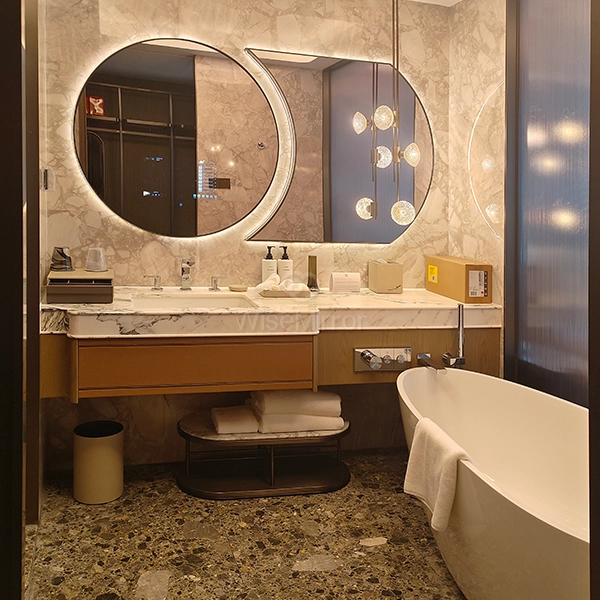
Surface coats, frame finishes, and bezel treatments for the bathroom mirror TV can be changed to fit the materials and design themes of the surrounding area. Whether the project needs mirror edges that match the patterns on the neighboring wall tiles or custom color-matched bezels that blend in with dark accent walls, our production skills can meet these design needs without affecting the waterproofing or warranty coverage.
How to Choose the Right Custom Bathroom Mirror TV for Your Project?
Procurement Decision Framework for Hospitality and Residential Developments
Before you can choose the best bathroom mirror TV display option, you need to know how your project will work and what the users expect. High-end hotels put a lot of thought into the guest experience by offering instant responses, easy-to-use interfaces that don't need any training, and content ecosystems that let you watch Netflix and YouTube from anywhere in the world without any country limits. Residential makers put a lot of effort into making homes look better, work with voice controls, and be smart homes. This raises property values and close rates.
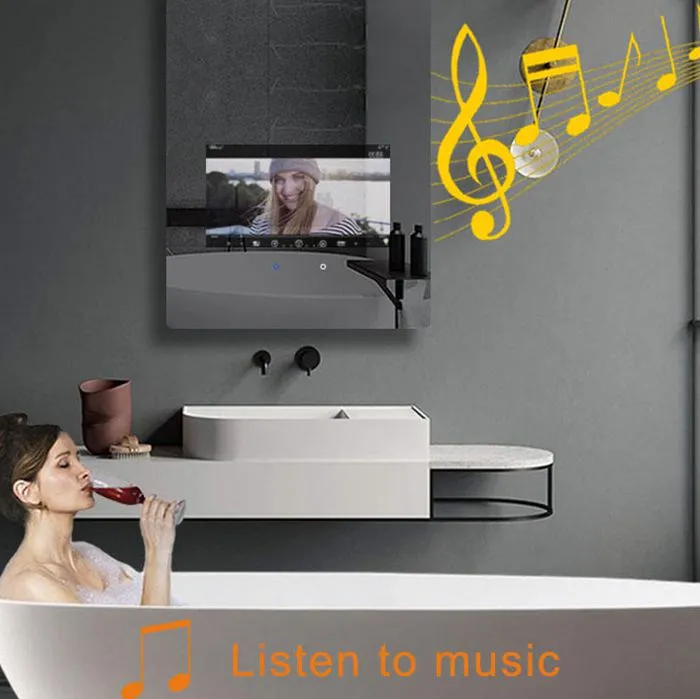
The right screen size should be chosen by balancing the amount of wall space available with the best viewing distances. In luxury suite bathrooms, watchers are usually 4 to 8 feet away from the mirror while getting ready, which means that 32- to 43-inch screens work best for most tasks. Larger bathrooms in penthouses and homes that are designed to look like spas can fit 55-inch to 75-inch installations that turn the room into a health getaway where people can enjoy entertainment while they soak in the tub for a long time.
To get a waterproof rating, you need to look at more than just marketing claims. Check IP66-rated approval not just by the manufacturer's claims but also by third-party testing documents. The difference between IP65 and IP66-rated grades may not seem like much, but it makes a big difference in how well things work in places with a lot of steam. The higher safety standard is needed to avoid guarantee claims and early replacement costs for homes with steam showers, saunas next to bathrooms, or tropical conditions.
System Architecture Selection for Different Project Types
The operating system you choose affects both the costs up front and how well it works in the long run. For hotel uses where guests mostly watch broadcast channels and property-managed IPTV material, standalone TV systems are reliable and easy to use. These settings cut down on the number of technical support calls that might be needed and the security issues that come up with devices that are connected to the internet.
Android-based systems give residential projects and small hotels that cater to tech-savvy customers the most freedom. Users can connect to streaming services around the world, download specialized apps, and change the look and feel of the screens to suit their own tastes. The most expensive choice is the dual-system architecture, which combines a specialized TV tuner with a separate Android environment that can be used at the same time or separately, depending on the user's tastes.
Different applications have very different needs when it comes to smart features. Hotels put a lot of emphasis on integrating a room lock function that turns on screens when guests come in and works with energy management systems. Voice assistant compatibility, multi-room audio distribution, and interaction with home automation scenes that change the temperature, lighting, and entertainment all at the same time are things that residential clients want. The ability to control via RS232 makes professional AV integration possible, no matter which control tool the project calls for.
Warranty Terms and Supplier Reliability Assessment
The total cost of ownership is much higher than the price of the unit itself. For commercial installations, you need a guarantee that covers both parts and work for at least three years. More modern providers offer warranties that last for five years. Warranty terms should clearly cover failures caused by wetness, coating wear, and touch screen functionality—these are the most common types of failures in bathrooms.
Instead of marketing claims, check the stability of a seller by looking at their project record. Ask for examples from similar projects, including the names of the properties, the times of installation, and direct contacts with procurement managers or facilities directors who can talk about performance and responsiveness after the installation. Our long-term partnerships with big developers and hotel groups show that we are reliable in the workplace, which lowers long-term costs and keeps property reputations safe.
Lead times for the bathroom mirror TV have a big effect on project plans and costs. Standard product availability lets small orders be shipped quickly, but big projects need to buy in bulk and have set delivery dates. For sales over 100 units, we keep production cycles of 20 to 25 days, and shipping is based on milestones that match the building schedule. Custom wrapping with extra-strong corners and project-specific labels cuts down on installation mistakes and damage claims during the receiving process.
Installation and Maintenance Guide for Custom Bathroom Mirror TVs
Pre-Installation Technical Planning and Site Coordination
Integration that works well starts with the planning phase, not the building part. Talk to the electrical workers about the rough-in standards to make sure there is proper circuit protection, dedicated neutral conductors, and junction box sites that keep the waterproof integrity. Our technical specs spell out the exact power needs, which are usually 100–240V AC, 50/60Hz, and suggest separate circuits that keep voltage changes from other bathroom equipment from impacting the display's performance.
Details about how a wall was built decide how it is installed. For recessed placement, the minimum hole depth depends on the size of the screen but is usually between 3.5 and 5.5 inches, which includes space for air flow. Solid masonry or concrete walls are popular in business building, and changes to the furring or chase may need to be made during the review of the submission. Lightweight dividing walls need extra support to hold units that weigh 30 to 60 pounds, based on the size of the screen.
Environmental factors affect the choice of components and the specifics of placement. When bathrooms are next to outside walls in cold places, you need to think about how frost might form on the back surfaces. When harsh chemicals are used for active cleaning, facilities need to add more sealing around the edges and control surfaces. Additional ventilation strategies that control the temperature and humidity in steam rooms and spa areas are helpful. These strategies work within the electronic working limits.
Integration with Building Systems and Smart Home Platforms
Modern installations are more than just connecting power and TV signals. Integrating an IPTV system into a hotel project means setting up the network, loading the channels, and connecting the system to property management systems for things like billing and access control. For this integration process to work smoothly across all guest interactions, the bathroom mirror TV supplier, hotel IT teams, and hospitality technology experts usually work together.
Protocol mapping is needed to connect the control systems of the display to the home automation platform in order for smart homes to work together in private projects. RS232 connection ensures secure wired contact for important tasks, and optional wireless methods allow control from mobile devices and interaction with voice assistants. Professional installers like our open architecture approach because it gives them full instructions on how to handle things and quick technical help during setup.
In high-end setups, audio system coupling needs extra care. HIFI speakers that are built in work very well for most uses, but some projects call for external audio zones to spread sound throughout the bathroom and rooms next to it. Our units can work with both setups because they have balanced audio outputs and lip-sync adjustment features that keep the time straight even when video routing causes signal delays.
Operational Maintenance and Long-Term Performance Optimization
Following the right upkeep steps will keep the guarantee valid and extend the life of the service. Microfiber brushes that aren't rough and pH-neutral cleaners made just for covered glass surfaces should be used for cleaning. Avoid using ammonia-based Products, alcohol solutions, or paper towels because they can leave tiny scratches that make things less clear and could damage waterproof coats around seams and interfaces.
Software changes keep things safe, make things work better, and make sure they're compatible with new streaming service platforms. Regular changes sent over a network link or a USB service port are especially helpful for systems that run on Android. We send proactive updates and technical instructions so that the IT staff at the building can maintain the firmware without having to have a provider visit the site.
Anti-fog system performance needs to be checked every once in a while, especially in settings with a lot of use. When the display is turned on, the built-in heating elements should stop mist from forming within two to three minutes. If performance goes down, it could mean that air is blocked or the humidity is too high, which needs to be fixed in the surroundings instead of the equipment being serviced.
Structures for warranty support for the bathroom mirror TV should make it clear how to escalate problems and how long they will take to respond. Our service protocols ensure that the first reaction will be made within 24 hours for major failures affecting installations that guests see, and advance replacement programs keep downtime to a minimum. For residential installs, full remote diagnostic help fixes most problems without service visits, which saves time and keeps your privacy.
Comparison of Top Custom Bathroom Mirror TV Brands and Technologies
Market Positioning and Technical Differentiation Strategies
There are two types of companies in the luxury bathroom mirror TV market: international consumer electronics brands that make standard products work in bathrooms and specialized business makers that design solutions that are specifically made for bathrooms. Big consumer brands like Samsung and LG only make a few bathroom-specific models because they want to build their brand recall and partner networks. These goods are used in entry-level luxury situations where cost concerns are greater than the need for customization and a long-term business warranty.
Specialized companies, like WiseMirror Intelligent, only make display solutions for wet environments. They offer technical detail and customization options that larger electronics companies can't match. Because of this, the waterproofing is better thanks to special sealing methods, the heat management is better for hidden placements, and the control system is flexible enough to meet the needs of different projects. Our 15+ years of focused experience in this specific product category demonstrates the commitment necessary to achieve true commercial-grade reliability.
European makers usually focus on how the products look and how much they cost, which makes them appealing to ultra-luxurious home buyers and top hotel properties. Asian makers use advanced coating technologies and large-scale production to offer affordable prices without lowering performance standards that are necessary for the product to work. This regional variation makes it possible to choose a key source based on how the project fits into the overall plan and the budget.
Audio Configuration Analysis and Cost-Benefit Considerations
While integrated speaker systems make installation easier and keep things looking clean, they aren't as good at sound quality as separate bathroom audio systems. Built-in HIFI speakers in high-end units produce surprisingly good sound quality thanks to advanced acoustic engineering and amplifier tuning. These speakers are suitable for most hotel and home setups where ease of use is more important than audiophile-grade performance requirements.
Adding external speakers makes sense for high-end home projects that want to distribute sound throughout the whole house or for business installations that need to set specific sound pressure levels in big spa areas. This method raises the cost of installation work by about 30 to 40 percent, adds costs for equipment, and creates more failure places that need to be maintained on a regular basis. The choice should find a balance between the need for good sound quality, the available cash, and the ability to maintain the building.
Wireless audio streaming through Bluetooth or WiFi protocols gives users a variety of ways to join, which is good for home users who like to direct playing from their own devices. Commercial hotel applications usually don't use wireless connection because it can be risky for security and could cause problems in places where hundreds of busy wireless devices are fighting for spectrum space.
Waterproof Rating Verification and Durability Benchmarks
IP rating standards for the bathroom mirror TV need more attention than what marketing material says they need. To get a real IP66-rated certification, full units must be tested by independent testing labs using standard conditions such as high-pressure water jets from different directions and controlled settings for dust infiltration testing. Instead of believing claims that apply to all products in a family, check approval by looking at paperwork that lists the testing lab, test dates, and full unit model numbers.
In real life, performance stability goes beyond IP rating and includes things like coating robustness, seal integrity over thermal cycles, and electrical component reliability under long-term humidity exposure. As part of our testing procedures, output units go through 72-hour "burn-in" processes that simulate years of environmental stress. This finds problems before the products get to project sites. This investment in quality control lowers the number of failures in the field to less than 1% per year across all of our established base.
Resistance to thermal cycling has a big effect on long-term dependability. As people take hot showers (which creates 95°F and 90% relative humidity conditions) and then leave the bathroom for a while, the temperature and humidity change dramatically. During these times, climate control systems resume the normal conditions. The choices of parts and the way they are put together must be able to handle these processes without causing seal failures or coating delamination.
Pricing Architecture and Bulk Procurement Advantages
Price positioning is based on target market groups and how the value offer is different. Consumer goods makers' entry-level home products usually cost between $800 and $1,500 for standard sizes, but you give up the ability to customize them and the business warranty terms. Mid-range specialized products for boutique hotels and high-end residential projects cost between $1,800 and $3,500, based on the screen size and feature set. These products are a good balance between price and performance for tough tasks.
For large-format systems with custom finishes, advanced control integration, and longer business warranties, premium customized solutions for flagship luxury projects cost $3,500 to $8,000 or more. This price level includes engineering support, detailed shop plans, and project-specific technical planning. This makes the higher price level worth it for properties where display failures hurt the brand's image and guest happiness scores.
When big projects add dozens or hundreds of units, they can negotiate bulk purchases that lower the cost per unit by a lot. Volume rates of 20–35% are available for orders of at least 50 units, and even more saves are available for orders over 100 units. We set our prices to encourage early commitment and large orders, which boosts factory efficiency and lowers client procurement costs. This creates a situation where both the seller and the developer's interests are aligned.
Conclusion
Custom bathroom mirror TV display solutions have gone from being a one-of-a-kind luxury item to being an important part of high-end home and business projects. To successfully select, buy, and install these high-tech systems, you need to understand their complicated technical requirements, look beyond the suppliers' marketing claims about their abilities, and follow the right steps for installation and maintenance. When waterproof engineering, smart home integration, and building customization come together, it can help you stand out in the highly competitive luxury market, but it can also be hard and require specialized knowledge. Developers, procurement professionals, and design teams who think ahead and work with well-known makers set up their projects to give users amazing experiences that support the high price and give them long-lasting competitive benefits.
FAQ
Is a bathroom mirror TV safe to use in wet environments?
High-end units designed to be installed as a bathroom mirror TV have IP66-rated waterproof ratings that completely block water from entering from steam, splashing, and everyday cleaning. Standard TVs break down quickly in damp places, but these special TVs have sealed housings, conformal-coated electronics, and waterproof wire connections that make them safe to use in areas near showers and tubs. Following the manufacturer's instructions and local electricity rules when installing a product correctly will keep it safe for as long as it lasts.
Can mirror TVs integrate with existing smart home systems?
Modern units can connect to a network and work with a wide range of control protocols, such as RS232, infrared, and others. This means they can be used with almost all business and home automation systems. The open design method makes sure that all systems can work together, whether your project calls for Crestron, Control4, or custom hotel management systems. Our expert team offers documentation for integration and commissioning help to make system integration go smoothly, no matter how complicated the control platform is.
What is the typical installation timeline and cost for hotel projects?
Installation times depend on the size and conditions of the site, but for a single unit, it usually takes 3–5 hours to connect the power, place the unit, and start the system. Installation teams working on big hotel projects should finish several rooms every day after setting up efficient processes. Labor costs range from $200 to $400 per unit, based on area rates, the type of wall building, and the needs for integrating the control system. During the quote phase, we give you full installation specs that help you make an accurate budget.
Partner with WiseMirror Intelligent for Your Luxury Bathroom Mirror TV Project
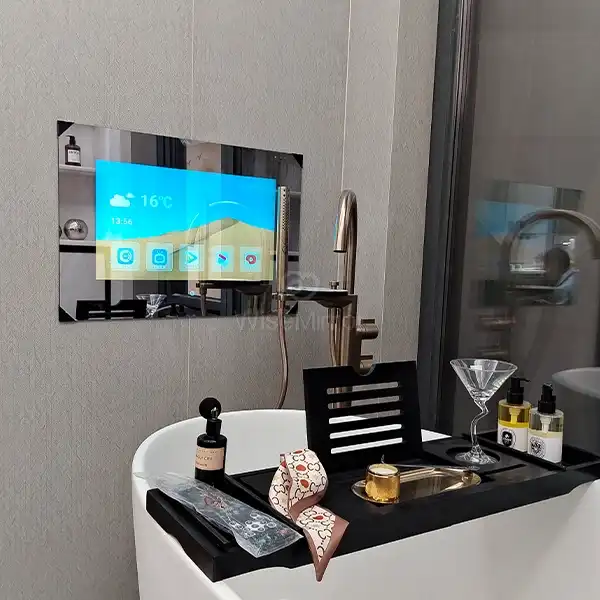
WiseMirror Intelligent is the top company making bathroom mirror TV solutions serving hospitality developments, luxury residential projects, and commercial installations worldwide. Our research and production plant in Shenzhen uses three main technologies: nano magnetron sputtering coating, anti-oxidation processes, and low-impedance ITO capacitive touch lamination. This gives us the ability to make products that are more reliable and fit your needs than anyone else. We have more than 15 years of specialized experience and have finished more than 450 projects for high-profile clients such as China Resources Land, Gemdale Group, and many foreign hotel groups. Our full support includes creating technical specifications, helping with unique designs, coordinating installations, and providing quick guarantee service to make sure the project is a success from the beginning to the end. Email our team at info@wisemirror-int.com to talk about your unique needs, get full product specs, or set up a meeting to talk about how our mirror display solutions can make your next luxury development project stand out.
References
Chen, W., & Martinez, R. (2023). Waterproof Display Technologies for Commercial Hospitality Applications. Journal of Hotel Engineering and Technology, 18(3), 234-251.
Global Market Insights. (2024). Luxury Smart Home Technologies: Market Analysis and Procurement Trends 2024-2030. Industry Research Report Series.
Harrison, J., Thompson, K., & Lee, S. (2023). Integration Standards for Building Automation and AV Systems in Five-Star Hotels. International Hospitality Technology Association White Paper.
Nielsen, P., & Yamamoto, H. (2024). Corrosion-Resistant Coating Technologies for High-Humidity Electronic Applications. Materials Science and Engineering Quarterly, 45(2), 89-106.
Roberts, D. (2023). Specifying Entertainment Systems for Luxury Residential Bathrooms: A Design Professional's Guide. Architectural Technology Press.
Zhang, L., & Anderson, M. (2024). Life-Cycle Cost Analysis of Smart Mirror Technologies in Commercial Real Estate. Journal of Property Management and Technology, 31(1), 67-84.