
Picture Frame Mirror TV vs Standard TV: Design Benefits
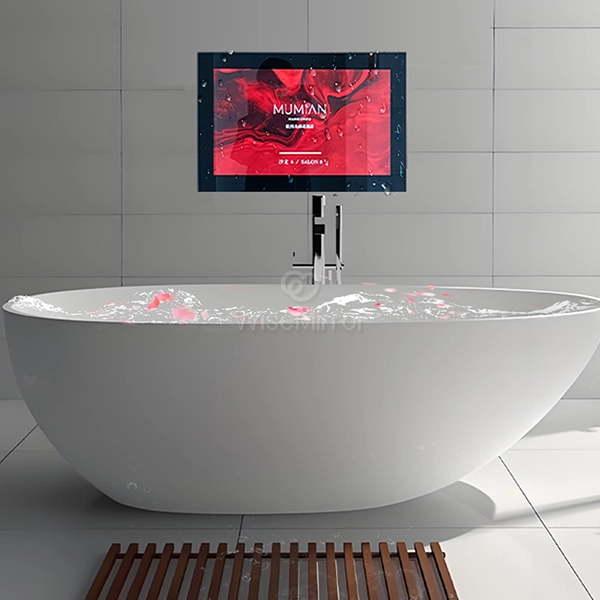
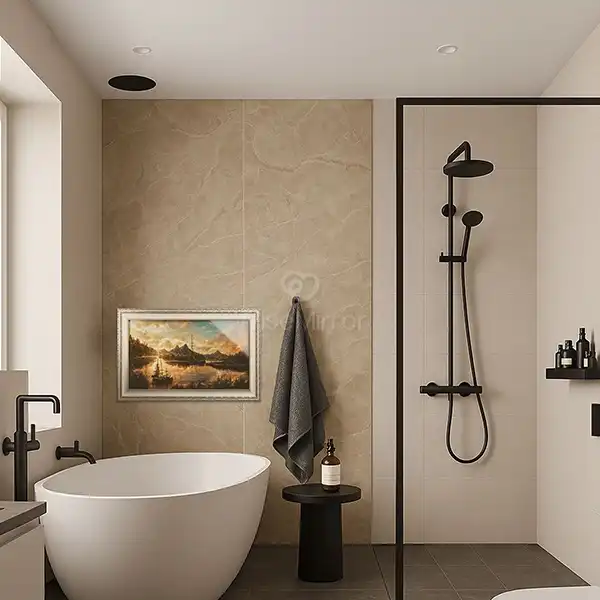
When evaluating display solutions for luxury hospitality projects, real estate developments, or high-end commercial installations, the picture frame mirror TV offers transformative design benefits that standard televisions simply cannot match. This advanced audiovisual concealment technology integrates a high-luminance display behind specialized dielectric mirror glass within a customizable architectural frame, solving the persistent "black hole" aesthetic challenge that traditional TVs create in premium interiors. The dual functionality—serving as a flawless reflective mirror when powered off and a vibrant display when activated—addresses critical spatial harmony requirements while maintaining the technological sophistication demanded by today's discerning procurement professionals and design teams.
Understanding Picture Frame Mirror TV and Standard TV
What Defines a Picture Frame Mirror TV
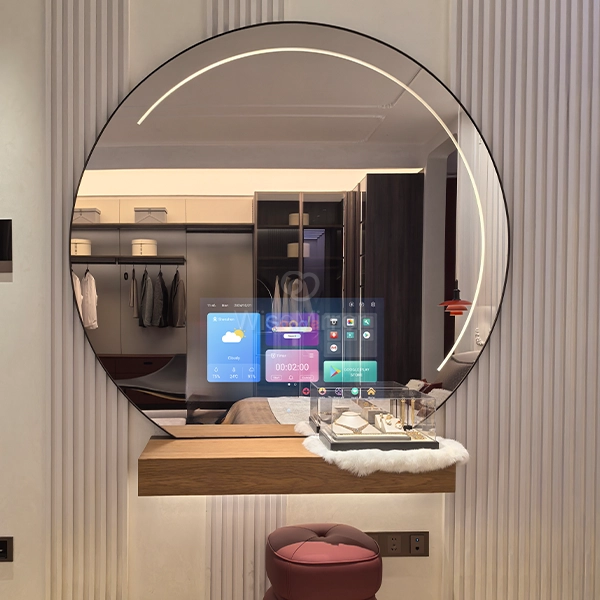
A picture frame mirror TV is a very advanced combination of optical engineering and show technology. The system uses nano magnetron sputtering covering technology to achieve 92% reflectivity when not in use. This makes a real mirror surface that can't be told apart from regular decorative mirrors. The special dielectric beam-splitter glass keeps an exact transmission-to-reflectance ratio, usually 40/60 or 50/50. This lets the high-brightness LED panel below go through the shiny surface when it's turned on. To get clear images through the mirror coating, this optical design needs screens with more than 500-700 nits of luminance, which is a lot more than what is required for a normal TV. The frame construction can be changed to fit your needs and your style. It has passive air channels that keep heat from building up and a range of design options, such as oil painting frames, narrow profiles, and retro cut details.
Limitations of Standard Television Designs
Conventional TVs are still only designed to be used for watching, so they have big black squares that take up most of the wall space no matter what they're doing. Their industrial design language focuses on screen size and minimizing bezels, but they don't think about how these things might fit into more detailed internal design ideas. Standard units don't have the right optical qualities to be used for two different purposes, and their thermal management systems often have vents and logos that show and look bad with architectural finishes. Installation usually involves mounting hardware or media devices that can be seen. This takes up valuable floor space and creates visual clutter that doesn't meet the standards for high-end home or hospitality environments. These built-in design limitations make it hard for interior designers and project managers to find technology solutions that back their ideas about space instead of working against them.
Core Technological Distinctions
The main change is how optical engineering is done. Standard TVs have anti-reflective coatings that keep outside light from reflecting on the screen, while mirror display systems use special glass with carefully adjusted light transfer qualities. This difference makes the disappearing effect possible, which is when something on the screen completely disappears when the power is turned off. Mirror TV units meet IP65 protection standards, which means they can be used in bathrooms with a lot of moisture where regular electronics would not work. The frame design in good mirror TV systems can handle the extra weight of architectural glass while still following thermal management rules that make the panels last longer than most consumer TVs. These differences in engineering directly affect how easily and long an installation can last in difficult business settings.
Design Benefits of Picture Frame Mirror TV Compared to Standard TV
Enhanced Space Utilization Through Dual Functionality
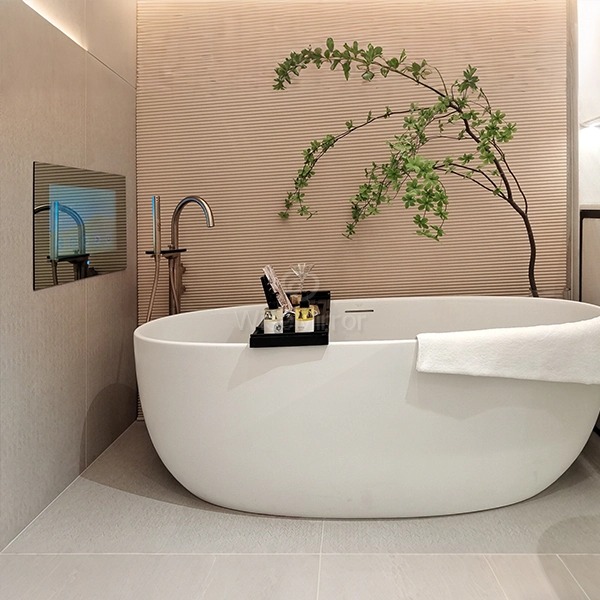
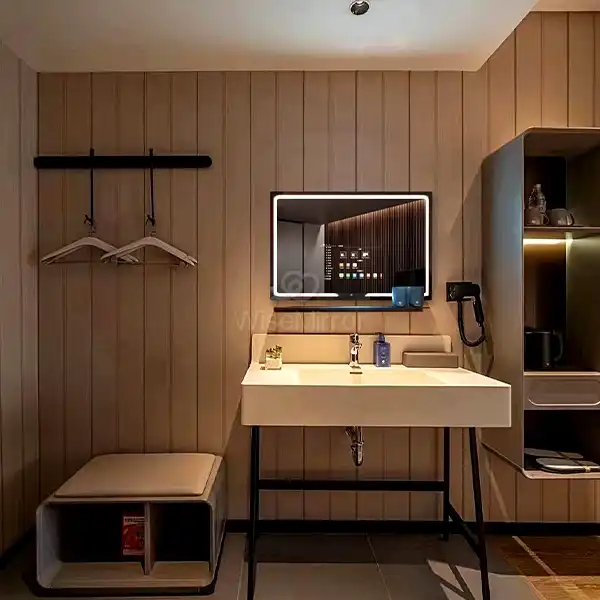
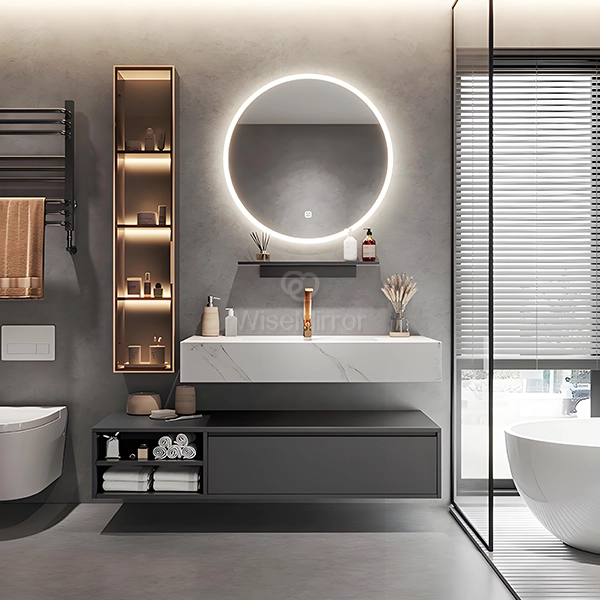
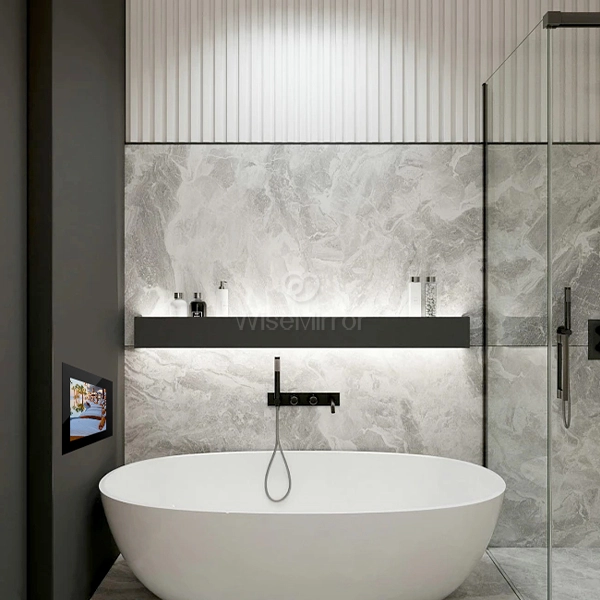
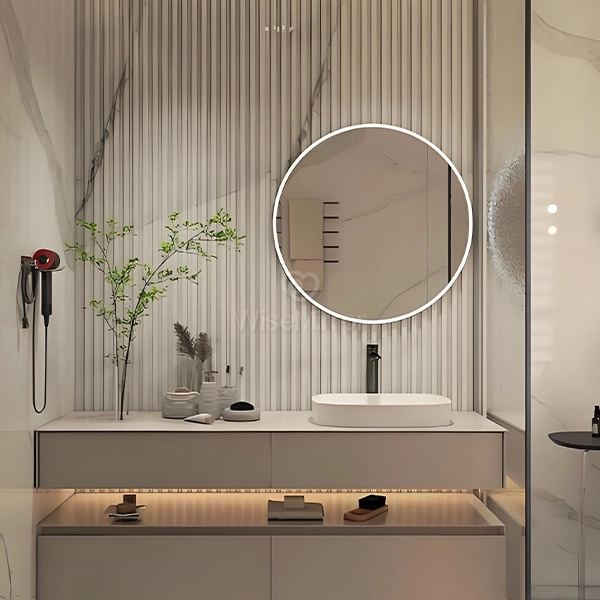
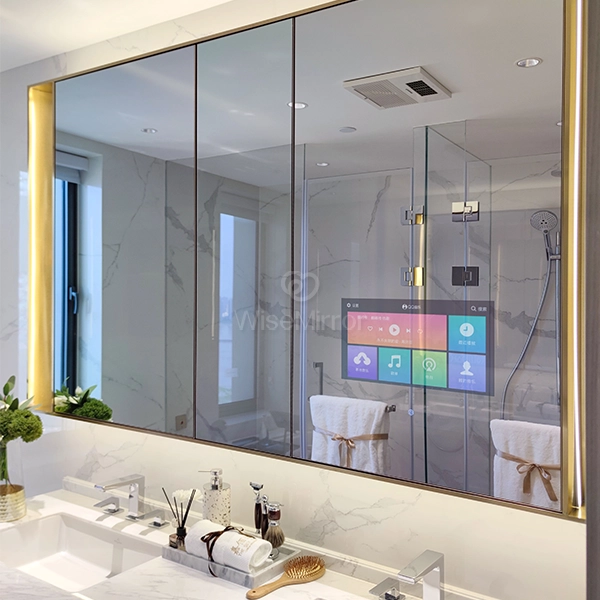
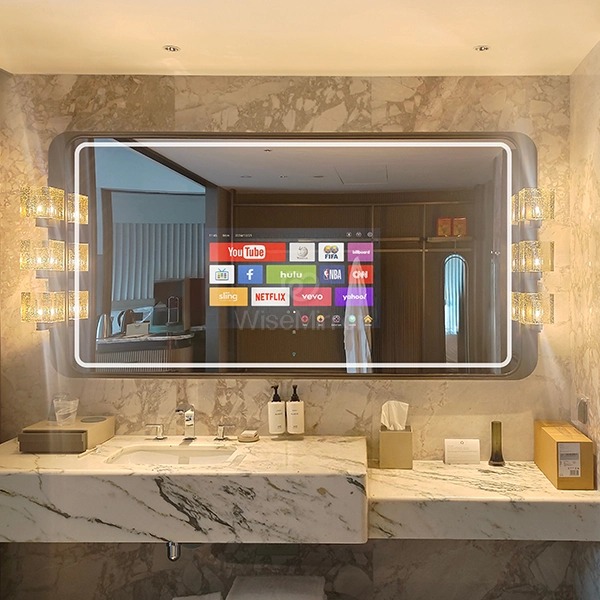
More and more, commercial settings need multipurpose solutions that make the most of every square meter of valuable space. By getting rid of the need for separate vanity mirrors in hotel bathrooms and artistic wall treatments in guest bedrooms, picture frame mirror TV technology makes use of space more efficiently. A single 43-inch unit placed above a bathroom vanity can be used for both grooming during the day and entertainment during the evening. This cuts down on the number of fixtures needed and makes it easier to coordinate the mechanical, electrical, and water systems during building. This combination works especially well in boutique hotels and serviced flats with small floor plans that need creative ways to keep the high-end standing without giving up space.
Project managers working on residential tower projects say that adding picture frame mirror TV displays to show rooms makes them seem more valuable right away. Potential buyers see the technology as a high-end feature that regular developments don't have, which directly supports price tactics that charge more per square foot. When screens are turned off during property showings, there is a smooth visual transition. This lets the architecture and finishes stand out without having to compete with screens that are not being used. This strategic advantage has led many high-end apartment projects that want to stand out in competitive city markets to adopt it.
Superior Aesthetic Integration in Commercial Environments
Hospitality planners know that everything a guest can see affects how they feel about a brand and how satisfied they are with their stay. No matter how good the screen is, standard TVs bring a consumer Products style that is basically at odds with the carefully managed atmosphere of five-star properties. This problem can be solved with picture frame mirror TV systems that use the visual language of interior design instead of technology shopping. When frames are chosen to match the finishes on the millwork or artwork throughout the property, these units stop being necessary concessions to meet guest standards and become intentional design elements.
Customization options go beyond just choosing a frame. Units can be ordered in sizes that match building proportions instead of normal consumer screen sizes. This makes them look good with things like door heights, ceiling details, and furniture sizes. This gives designers the freedom to stay true to their artistic vision while still meeting the useful brief. This is a mix that is hard to achieve with off-the-shelf TVs. Commercial fit-out contractors like how easy it is to coordinate mirror TV setups with finishing plans because they don't have to talk about aesthetic compromises like they do with most AV equipment.
Customization Options for Corporate and Project-Specific Requirements
When it comes to large-scale operations, OEM options are a huge plus. When purchasing things for hotel groups or multi-tower apartment buildings, they have to make sure that all of the units are the same, even if the walls, wiring, and design themes are different at each site. Manufacturers who offer real customization, not just frame color choices, let you specify exact measurements, interface placement, and even branded UI elements that help your property stand out. This level of customized manufacturing helps enforce brand standards across multiple properties while taking into account the specific needs of each site.
It is also useful to be able to combine custom software and control methods. System integrators working on smart building projects need display solutions that work with centralized management platforms. This way, facility teams can use a single interface to push content changes, check on operating status, and plan power cycling across entire properties. A quality picture frame mirror TV system with open architecture and well-documented APIs makes this merging much easier than with regular TVs that only allow certain controls. This technology adaptability lowers long-term operating costs and makes systems ready for changes in building management standards.
Improving User Experience and Ambient Perception
In hospitality settings, guest experience measures are highly linked to how much space people feel they have and the quality of natural light. Both effects are amplified by mirrors, which reflect light and give the impression of depth, making bathrooms and bedrooms feel bigger and cozier. In ways that standard TVs can't match, this psychological benefit goes along with the practical function of entertainment and adds to total happiness. When properties put mirror displays in guest bathrooms, they get good reviews that talk about the "spa-like" environment and thoughtful offerings. This directly leads to more bookings and higher rates.
Both wellness centers and beauty shops use similar perceived benefits. Clients in these settings expect to be in places that help them relax and feel confident, but the obvious technology clutter makes that harder to achieve. In a treatment room, a picture frame mirror TV acts as a normal mirror during services to keep the room's calming look. During longer processes, it changes to show educational or entertaining material. This smooth mode switching improves service delivery without making customers give up any visuals during the experience. Facility owners say that these installations help them market their services as upscale and explain charging more for treatments.
Technical Features and Innovation Driving Design Advantages
Advanced Panel Technology and Reflective Surface Engineering
The success of professional picture frame mirror TV systems depends on high-brightness panels that make up for the light that the mirrored coating absorbs. Industrial-grade panels with 600–1000 nits of brightness make sure that there is enough light penetration even in business areas that are well lit. This keeps the color accuracy and contrast ratios that regular TVs can only achieve in dark rooms. For example, this feature is very useful in hotel bathrooms with task lighting or stores with lots of general lighting. The LED backlighting systems below have temperature sensors and adjustable brightness controls that keep the insulating mirror glass from getting too hot while also making it easier to see in a variety of lighting conditions during business hours.
Mirror surface engineering is also an important new idea. Nano magnetron coating technology uses precise vapor deposition to add tiny layers of metal. This makes reflectivity qualities that are similar to those of silvered mirrors while keeping visual clarity for display purposes. To meet these different needs, the coating thickness and makeup must be precisely calibrated—too much reflection stops light from passing through, and not enough coating makes the mirror look gray and unconvincing. This balance is reached by high-quality makers using special techniques that have been improved over years of field research. The result is surfaces that work correctly in both modes without the hazy tint or haziness that comes with lower-quality versions.
Smart Integration and Interactive Capabilities
Modern picture frame mirror TV systems have more than just passive screen functionality. They also have fast ITO capacitive touch technology with less than 1ms delay, which lets you interact naturally without having to use real buttons that would take away from the mirror's look. This feature lets interactive apps work in stores, so customers can look through lists of products or have virtual try-on sessions right through the mirror. The touch-responsive interface gets rid of the need for screens or control panels next to each other, keeping the lines of sight clear while providing advanced features. System integrators can use this input method to make custom apps, like hotel concierge services that can be accessed through mirrors in rooms or booking systems for health centers that are built into change rooms at spas.
Voice control through apps like Alexa and Google Home makes it even easier to use when you don't have your hands on the device. Voice commands directed at the mirror display let hotel guests change the TV show, room lights, or weather while getting ready for the day. The combination of smart home technology with high-end hotel services creates memorable experiences that guests link with brands that are on the cutting edge. The basic software architecture of high-quality systems allows for API integration with property management systems. This lets for personalized greetings, content suggestions, and seamless billing integration that go above and beyond what standard TV installations can offer.
Durability Standards and Installation Considerations
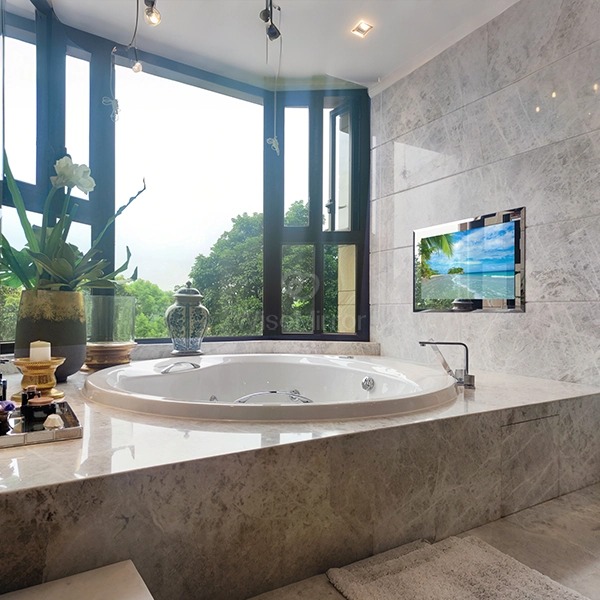
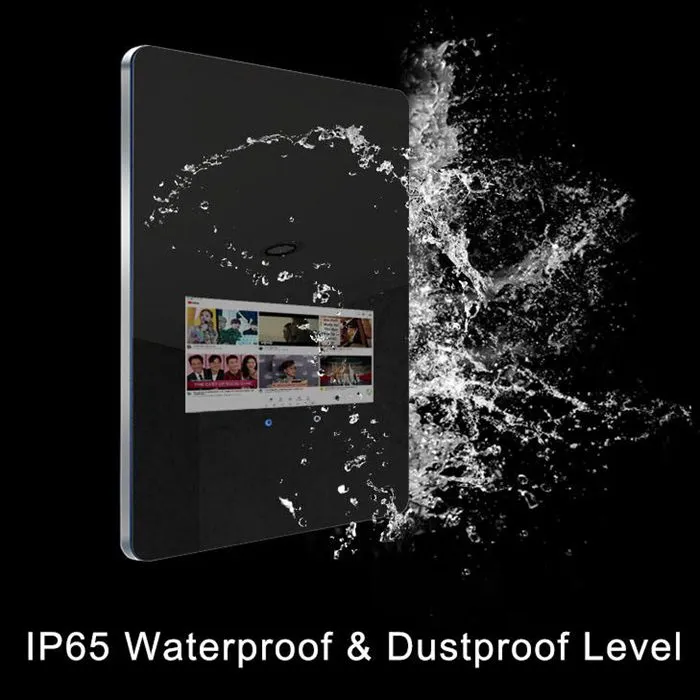
Specifications for reliability in commercial uses are much stricter than those for household products. It is safe to use gadgets that are shut off from humidity and steam thanks to IP65 waterproofing certification. This is common in hotel showers and spas where people are exposed to water directly. Internal parts are treated with anti-oxidation and anti-corrosion processes that make them last longer in these harsh settings. This lets the guarantee last for at least two years, as long as the defect rate stays below 0.3%. These quality measures are very important in hospitality settings where unit failure leads to unhappy guests right away and high upkeep costs that hurt the project's bottom line.
Professional installation guidelines take into account the structure issues that come up with picture frame mirror TV systems, which have larger glass parts than regular TVs. To avoid expensive changes in the field, it's important to be clear about what needs to be done for wall reinforcement, electrical rough-in, and ventilation openings during the plan development phase. Manufacturers with a lot of experience provide detailed installation instructions and technical help because they know that the right way to put something affects both how it looks and how reliable it is in the long term. This professional-level support is what sets real business solutions apart from consumer goods made for home users. This is an important difference that B2B procurement teams must carefully consider when choosing products for large-scale deployments.
Procurement Considerations for B2B Buyers
Cost-Benefit Analysis and Total Ownership Value
When you compare the initial purchase prices of picture frame mirror TV screens and regular TVs, you'll see that mirror technology comes with higher costs. These costs can be anywhere from 40-80% more, based on the size and customization needs. Professionals in procurement need to look at this difference in terms of the total value of the project, not just the prices of individual parts. Getting rid of separate mirrors saves room and cuts down on the work needed to buy and place fixtures, which partly makes up for the higher cost of the display. More importantly, the differences in design and higher levels of guest happiness lead to real income gains through higher average daily rates, better review scores, and higher rates of repeat bookings in hospitality apps.
When figuring out the total cost of ownership, differences in projected lives must be taken into account. Commercial-grade picture frame mirror TV displays designed to work continuously in high-humidity areas usually last 50,000 hours or more, while consumer TVs only last 30,000 to 40,000 hours when used past their intended job cycles. This advantage of lasting longer lowers the number of replacements needed and the work costs that come with them over the life of a property. When figuring out how risky something is, warranty terms and the stability of the manufacturer are also taken into account. Suppliers with a track record of hundreds of finished projects and an established system for after-sales support are much more trusted than new vendors who haven't shown they can provide good service.
Supplier Evaluation and Partnership Criteria
To find the right manufacturing partners for large-scale picture frame mirror TV setups, you need to look at more than just the product specs. Production capacity and turnaround time have a direct effect on project schedules. This is especially true for hotel openings with set dates for when they will open and big marketing promises made before the opening. With the help of modular design methods and established supply chains, manufacturers who can show they can deliver 500 or more customized units within 30 to 35 days reduce schedule risk that could threaten the finishing of the whole project.
Quality assurance procedures show how advanced a manufacturing process is. Suppliers who use strict checking methods to get defect rates at or below 0.3% show the process control and quality mindset that are needed for setups to go smoothly. Certifications like CE, FCC, RoHS, and IP65 grades show that the product meets international safety and environmental standards. This keeps end users and project partners from being held responsible. A global support system, which includes expert help available 24 hours a day, seven days a week, and regional service networks, makes sure that problems are quickly fixed across properties in many markets. This is very important for international hotel groups and developers whose properties are spread out geographically.
Specification Alignment and Customization Requirements
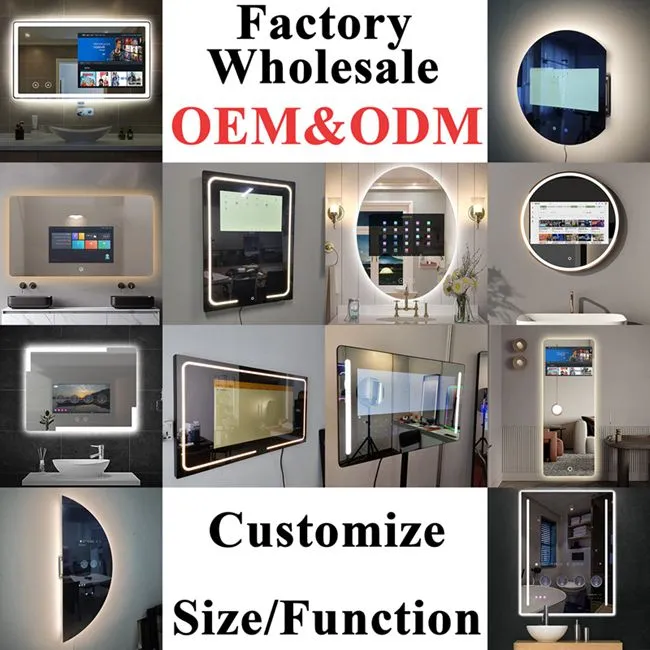
Clear sharing of project-specific needs during the vendor selection and hiring stages is key to successful buying. One of the most important things to think about is size freedom, since building measurements rarely match up exactly with normal consumer screen sizes. Manufacturers that let you customize picture frame mirror TV screens from 15.6" to 55" and beyond and can work with non-standard aspect ratios make interaction with design purpose possible. Customizable frame options should include materials, finishes, and profiles that match internal specs. This way, display frames won't clash with surrounding woodwork or decorative elements, which can ruin the look of the room.
When making specifications, both software and communication needs should be given the same amount of thought. Hotels that want to give their guests a branded experience need suppliers who can make custom user interfaces (UIs) that reflect the hotel's brand, not just general TV interfaces for consumers. Before signing a contract, integration needs with building automation systems, content management platforms, and property management systems must be clearly written down and checked by experts. Implementation risk is lower for manufacturers who have their own software development teams and have proven experience integrating across multiple platforms compared to sellers who rely on third-party software partners or who only allow limited customization.
Conclusion
The design benefits of picture frame mirror TV technology over regular TVs go far beyond how they look. They offer real benefits in terms of brand differentiation, operational value, and space efficiency. Professionals in procurement who are looking at solutions for hotel projects, housing developments, or business fit-outs can gain strategic benefits by specifying requirements that make technology work seamlessly with design purpose without requiring compromises on aesthetics. When properly designed, mirror TV systems that can do two things, be customized, and last a long time are worth the extra money because they increase property value, make user experiences better, and lower total ownership costs over their useful lives. When decision-makers see these systems as building features instead of just electronic devices, they can set their projects apart from the competition in markets where good design is becoming more and more important for success.
FAQ
How does a picture frame mirror TV differ from a standard smart mirror?
Picture frame mirror TV units are mostly used for entertainment, but they can also be used as mirrors when not in use. They have high-brightness panels that are designed for video content and frame customization choices. Smart mirrors usually put information displays like weather, calendar, and news widgets at the top of the list. Text and images can be seen on panels with lower brightness. Mirror TVs offer full TV features, such as streaming services and broadcast coverage, while smart mirrors are more focused on showing information in the background. The frame construction is also different. Mirror TVs have decorative frame choices that look like traditional art, while smart mirrors usually have simple open designs. Both can be controlled by touch and can connect to smart homes, but the main uses and technical specs are very different depending on whether the main purpose is to show pleasure or information.
What installation requirements apply to commercial mirror TV deployments?
Because architectural mirror glass is heavier than regular TVs, commercial setups need walls that are stronger and can hold 50-80 pounds, based on the size of the screen. Specifications for electricity must include dedicated circuits with surge safety. Shared circuits, which could cause interference or poor power supply, must be avoided. Allowing 2-4 inches of space for ventilation behind the unit stops heat buildup that shortens the life of the panel. Bathrooms with a lot of humidity need units that are rated IP65 and have the right air shield built into the wall. Professional installation by qualified experts protects the guarantee and ensures the best performance. The mounting height and viewing angle are calculated based on the application setting and the positions of the users who will be using it.
Partner with a Trusted Picture Frame Mirror TV Manufacturer
WiseMirror Intelligent delivers engineered display solutions, including the picture frame mirror TV, that transform commercial and hospitality environments through 15+ years of specialized experience in mirror TV manufacturing. Our proprietary nano magnetron coating technology, combined with low-impedance ITO capacitive touch integration, ensures the optical performance and interactive responsiveness that premium projects demand. We support procurement teams with 30-35 day production timelines for orders exceeding 500 units, custom UI development that reflects your brand identity, and complete technical documentation that streamlines installation coordination. Our client portfolio includes China Resources Land, China Merchants Property Development, and numerous international luxury hotel landmarks that trust our CE, FCC, RoHS certified solutions.Contact our engineering team at info@wisemirror-int.com to discuss your project specifications and discover how our picture frame mirror TV solutions create differentiation that guests notice and procurement teams appreciate.
References
Anderson, M., & Chen, L. (2022). Optical Engineering in Hospitality Design: Integrating Technology and Aesthetics. Journal of Commercial Interior Architecture, 18(3), 112-128.
Blackstone, R. (2021). Smart Building Integration: Display Technologies for Modern Hospitality. International Hospitality Technology Review, 7(2), 45-63.
Crawford, J., Thompson, K., & Liu, Y. (2023). Total Cost of Ownership Analysis for Commercial Display Solutions. Procurement Management Quarterly, 29(4), 201-217.
Daniels, S. (2022). Luxury Hotel Design Trends: Technology as Amenity. Global Hospitality Design Annual, 156-174.
Mitchell, P., & Ramirez, C. (2023). Dielectric Mirror Technology: Applications in Commercial Audio-Visual Systems. Journal of Applied Display Engineering, 12(1), 34-51.
Williams, H., Foster, D., & Zhang, W. (2021). Guest Experience Enhancement Through Integrated Smart Room Technologies. Hospitality Management Research, 33(2), 89-107.