
How Bathroom Mirror TVs Enhance Guest Experience
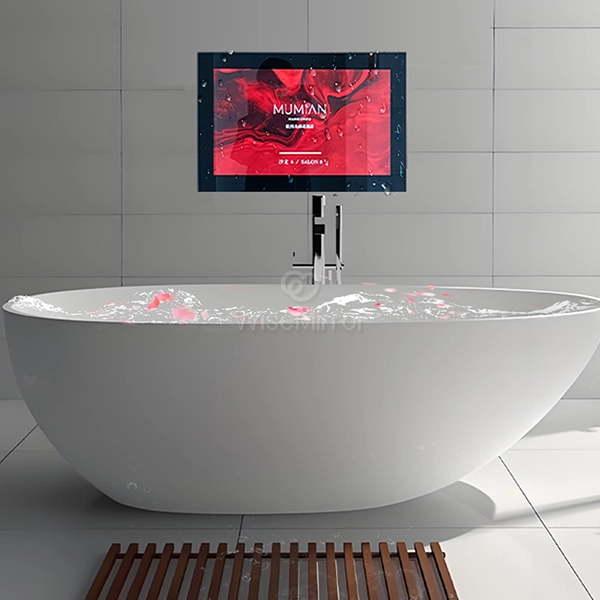
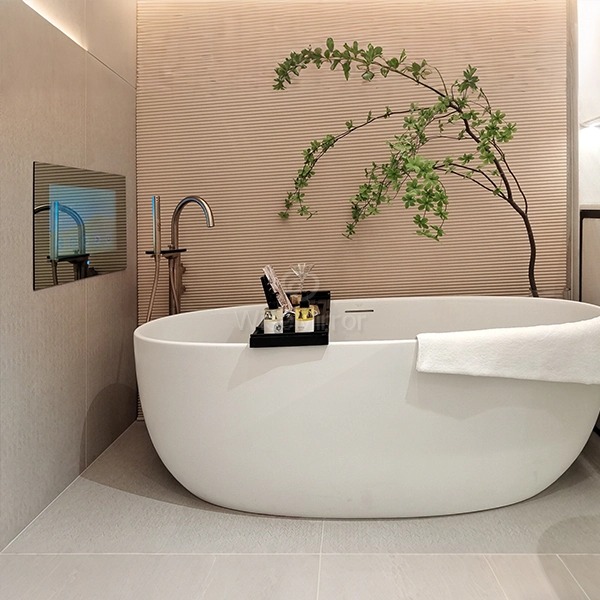
Bathroom mirror TVs have changed how high-end hotels interact with their guests in their private times. These special gadgets let you watch movies or look up information without ruining the look of your bathroom. They do this by hiding a high-definition screen behind a shiny surface. Hotels and resorts that use this technology report big jumps in guest happiness, especially among tourists who want to stay connected and have access to modern services.
Understanding Bathroom Mirror TVs and Their Impact on Guest Experience
What Distinguishes Commercial-Grade Mirror Display Systems
Commercial bathroom mirror TV units designed for hospitality uses have waterproof enclosures that are rated IP66 and can survive constant steam exposure, unlike bathroom mirror TV systems made for homes. Nano magnetron sputtering coating technology is used to connect display panels with lead- and copper-free mirror surfaces. This closes the gap that lets moisture into lower-quality goods. This building method stops oxidation and weathering even in coastal hotel settings where salty air speeds up the breakdown of materials.
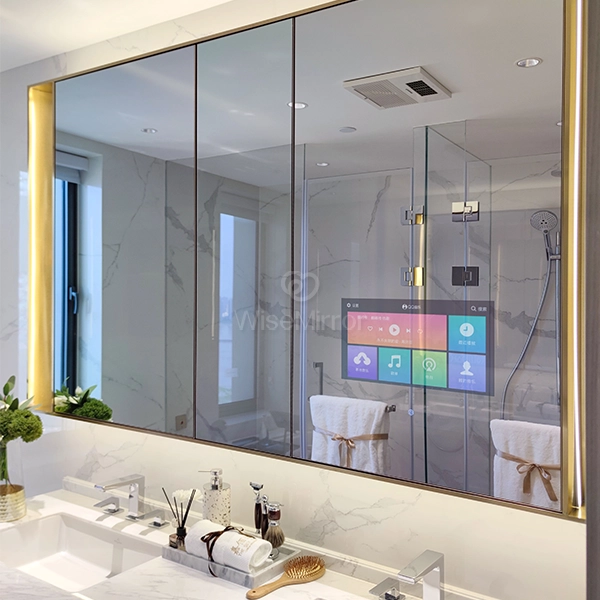
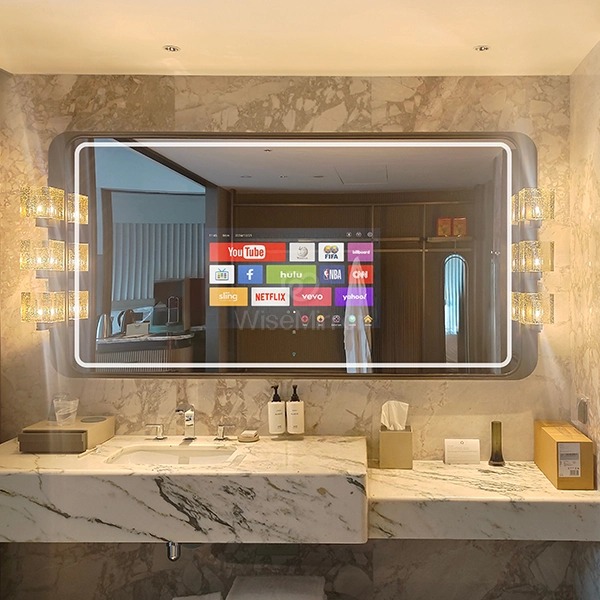
Advanced models can connect to both hotel IPTV systems and Android and TV operating systems. This lets properties send personalized welcome messages, information about the property, and branded content straight to guest bathrooms. The dual-system design makes it easy to switch between live TV channels and streaming apps like Netflix and YouTube, so it can accommodate the tastes of a wide range of foreign guests.
Guest Engagement Through Ambient Technology
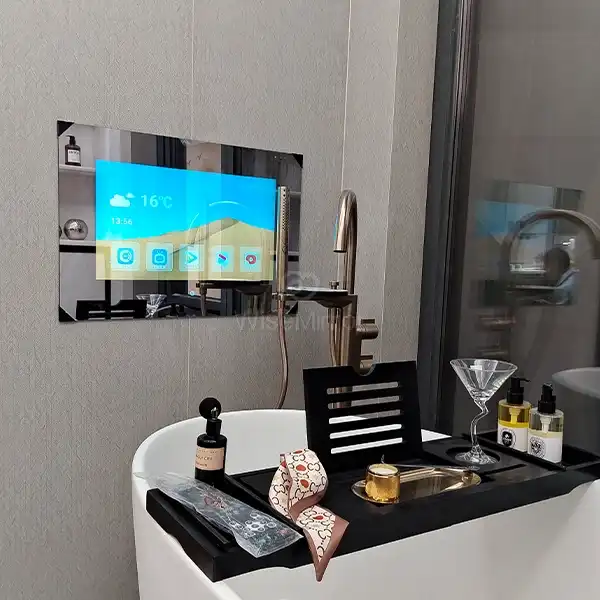
Modern tourists expect technology to follow them around the hotel, not just in the bedrooms, where it could be used for fun. This need is met by bathroom mirror TVs, which turn boring cleaning tasks into chances to interact. Guests can watch the morning news while getting ready for business meetings, stream workout videos while doing their travel workouts, or just listen to music through built-in HIFI speakers that get rid of the need for separate audio gear.
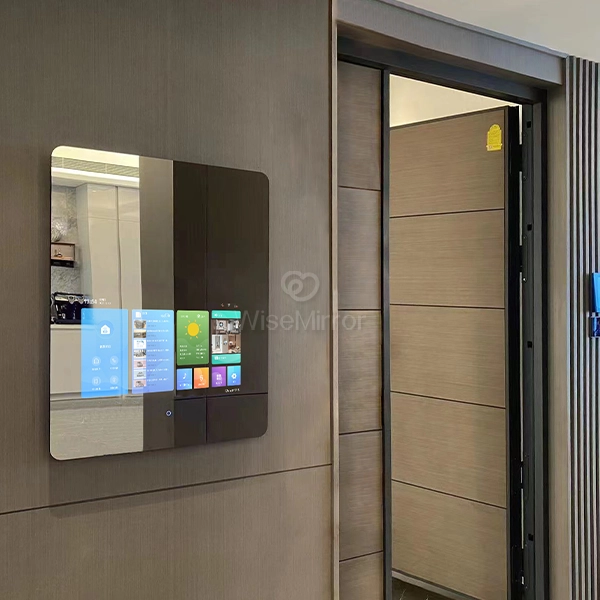
The waterproof bathroom mirror TV can show weather predictions, flight status updates, and hotel service options using touchscreens or infrared remote control systems. It also works as a hub for information. These devices can be added to full room automation systems by properties that use RS232 control protocols. This way, guests can change the weather, lighting, and privacy settings from a single input point.
Aesthetic Preservation in Luxury Environments
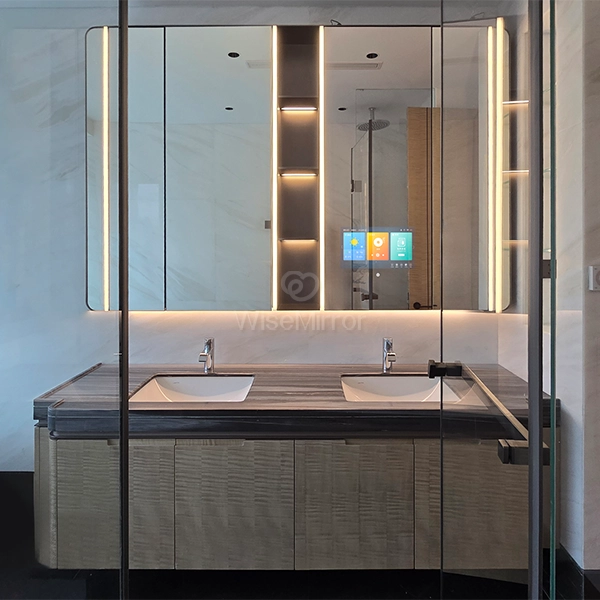
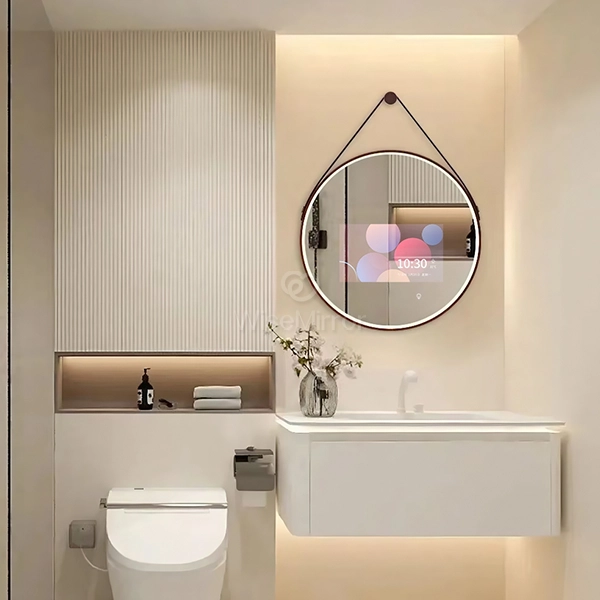
Hotel owners who care about design like how these bathroom mirror TV systems keep the visual flow going in bathrooms that have been carefully chosen. When turned off, the unit looks like any other high-end bathroom mirror, keeping the elegant feel that makes luxury homes different from regular ones. Recessed installation features stick out only 3–5 millimeters from the wall, which makes flush fitting possible. Architects and interior designers can use this to make tile patterns and lighting schemes that don't stand out visually.
The anti-fog heating layers turn on instantly when humidity sensors sense it, so you can see clearly even after a long shower. This feature fixes a problem that people have with regular bathroom mirrors and shows how thoughtfully amenities are planned to make guests feel better about the quality of the property.
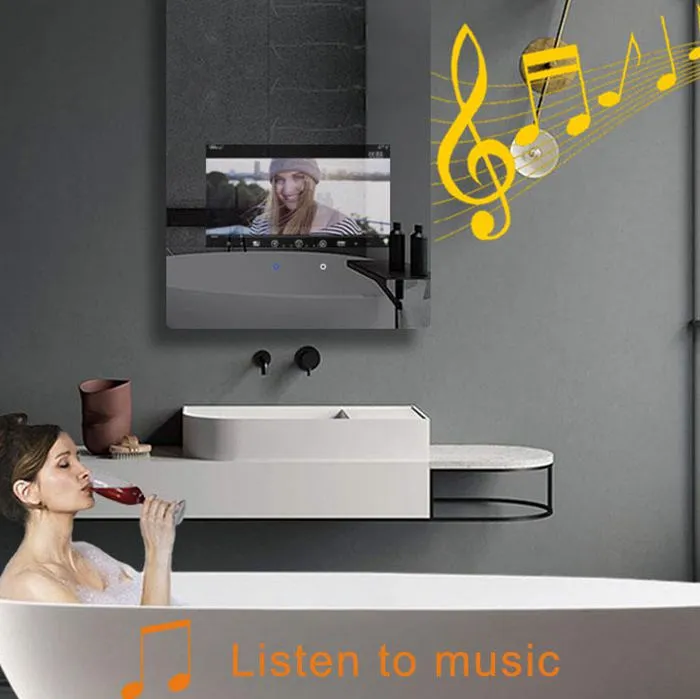
Core Benefits of Bathroom Mirror TVs for B2B Buyers in Hospitality & Real Estate
Measurable Returns on Guest Satisfaction Investment
When hotels put bathroom mirror TV systems in their most expensive suites, they usually make this feature stand out in their marketing materials and on the booking site. This makes them stand out, which is especially helpful in high-end markets where properties are competing for business travel deals and expensive vacation reservations. Analysis of guest feedback from five-star hotel applications shows that bathroom mirror TV technology makes people more likely to suggest the hotel and stay there again.
When real estate developers add these bathroom mirror TV systems to residential projects, the sales processes for penthouses and upscale units shorten. Show apartments with working bathroom mirror TV systems let potential buyers experience the ease firsthand, turning an abstract description of a feature into a real-life improvement they can picture themselves enjoying every day.
Space Optimization and Operational Efficiency
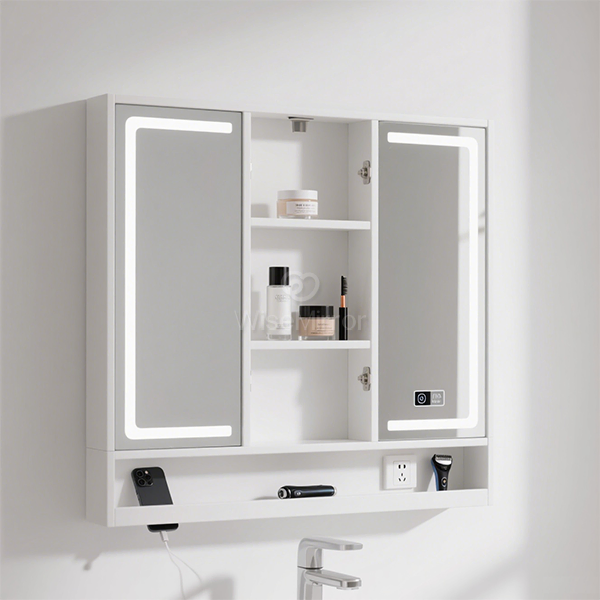
Property developers who have to work with small bathroom spaces like the dual-functionality method because it means they don't have to set aside separate wall space for mirrors and bathroom mirror TVs. This merging is especially helpful when renovating a small hotel because of restrictions put in place by the building's history. Cabling infrastructure also uses less room because single-point electrical and data connections can be used for both bathroom mirror TV functions. This makes installation easier and makes it easier to coordinate building.
From a practical point of view, waterproof construction means that less upkeep is needed than with regular bathroom mirror TV installations in bathrooms. Cleaning staff can use standard glass cleaning methods to clean mirror surfaces without taking any extra safety measures beyond what is already done for regular mirrors. The sealed electronics can handle repeated contact to cleaning chemicals that would hurt consumer electronics that aren't protected. This makes the electronics last longer and less often need to be replaced.
System Integration Advantages for Property Management
Hotels that automate all of their guest rooms can benefit from bathroom mirror TV systems that work with centralized control methods. RS232 connection lets property management systems sync the power states of devices with room occupancy monitors. This way, units go into standby mode when guests leave and wake up automatically when they return. This system cuts down on energy use while keeping everything ready right away when guests use the controls.
When properties are compatible with IPTV systems, they can send customized content like ads for spa services, restaurant bookings, and partnerships with local attractions. Revenue management teams can change the messages based on the type of booking. For example, business visitors might get information about the business center and notes to check out quickly, while vacationers might see ideas for family-friendly activities and highlights of resort amenities.
Long-Term Durability in Demanding Environments
The special covering methods used to make business bathroom mirror TVs deal with failure modes that happen with consumer Products that are used in wet places. Mirror surfaces that don't contain lead or copper don't react with electricity the way that regular mirrors do when they get wet, which causes black spots and damage around the edges. Antioxidation treatments keep corrosive vapors from getting into internal parts, which is what usually kills circuit boards in devices that aren't protected well enough.
Hotels near beaches or in warm areas have equipment that breaks down faster because the air is salty and humid all the time. Quality bathroom mirror TV systems made for these conditions have conformal coating on the circuit boards and sealed wire entry points that keep the IP66 security intact over long service cycles. Properties that put these systems during building say they have been working for more than eight years with little maintenance. This proves that they are cheaper to own overall than less durable options.
How to Choose the Right Bathroom Mirror TV for Your Procurement Needs?
Matching Display Specifications to Application Requirements
When procurement teams are looking at bathroom mirror TV choices, they should start by looking at the average bathroom sizes across all of their properties. Standard bathrooms in high-end hotels can easily fit 32- to 43-inch screens, while master bathroom areas in new homes may need 55-inch or bigger screens. When choosing a screen size, you should think about how far away people usually sit to watch TV. Since guests will be watching these screens from closer up than their bedroom TVs, you should think about resolution and pixel density to keep the image quality high.
When bathroom lighting is still on during watching, brightness specs should be paid extra attention to. Units with a rating of 500 cd/m² or higher can still be seen in bright bathroom lighting that would wash out most bathroom mirror TV screens. High-brightness panels make sure that material can be read whether guests are reading the news in the morning when the room is brightly lit or streaming fun in the evening when the lights are dimmed.
Evaluating Waterproofing Standards and Certifications
Some waterproof grades for bathroom mirror TV aren't good for the tough conditions of business bathrooms. IP65 approval protects against water jets coming from any direction, but it also lets some dust in, which can build up over time. The IP66 rating completely seals out dust and protects against water jets. This makes it the best choice for hotel uses where long-term performance is more important than small cost saves.
Professionals in charge of buying things should ask for specific information about which parts stay waterproof. For example, some makers only give IP ratings to the front panel assemblies, leaving the electronics in the back not properly protected. All of the places where cables could enter, mounting clamps, and service access panels that could let water in during installation or maintenance are fully waterproofed.
System Compatibility and Integration Capabilities
Hotels that already have IPTV systems in place need bathroom mirror TV units that can work with their current content delivery infrastructure and don't need to be installed separately. Early on in the procurement process, compatibility should be checked. Manufacturers should provide technical specs that prove support for DOCSIS, IP streaming protocols, or any proprietary hotel bathroom mirror TV systems that will be used at the property.
Bathroom mirror TVs that are built on Android give properties more options if they want to offer streaming apps along with standard TV stations. Dual-system setups let hotels keep the entertainment interfaces that guests see separate from the management controls that run the back end of the system. This keeps people from changing the system without permission while still making it easy for guests to use. It's helpful for multi-property owners to be able to preload apps, set network restrictions, and directly update software so that guests have the same experience at all of their properties.
Supplier Reliability and Project Support Services
For large-scale home and leisure projects, it's important to have suppliers who can keep delivery plans in line with building goals. If you need more than 100 units of a product, manufacturers with 20–25 day lead times can help you meet your project deadlines even if there are delays in earlier trades. Custom packing with stronger corner protection lowers the risk of damage during international shipping and storage on the job site before installation teams need to get to the devices.
When there is technical help available during the installation phase, questions about merging don't cause costly project delays. Suppliers with application engineering teams that can help control system programmers and video installers from a distance add a lot of value on top of the gear itself. This support system is especially useful for properties in markets that are far from manufacturing sites, where fixing problems on-site would be too expensive and cause scheduling problems.
Installation and Maintenance Best Practices for Bathroom Mirror TVs
Pre-Installation Planning for Moisture-Prone Environments
Installing a bathroom mirror TV correctly starts during the rough building stages, when the wiring for power and data is directed to the mounting places. For recessed installs, exact depth measures are needed that take into account the wall framing, moisture barriers, and tile base materials. Installers need to work with waterproofing companies to make sure that the membrane stays in place around device openings. This stops water from moving into wall spaces, where it could grow mold and damage structures beyond the installation area.
Electrical links should have ground fault circuit interrupter safety, even though good devices keep their internal separation, which keeps shocks from happening. Local electrical laws for bathrooms vary from place to place, and installation teams must make sure that they follow the rules for protecting circuits, the types of wiring that can be used, and where junction boxes should be placed in relation to water sources.
Mounting Techniques for Permanent Installations
Recessed placement, which puts devices flush with finished wall surfaces, is most often used in commercial setups. For this method to work, exact cuts must be made in tile, stone, or other bathroom wall materials. This is work that should only be done by skilled professionals who know how to cut materials without breaking them. Mounting frames attach to structural framing parts instead of depending only on surface adhesion. This keeps devices stable even after years of use.
When wall building doesn't allow for recessed placement, surface-mounted bathroom mirror TV systems make retrofitting easier. Good surface mount kits come with finished trim pieces that hide the mounting tools and wire connections, keeping the look high-end enough for high-end uses. With the right placement methods, the small protrusion from the wall stays small, usually adding less than 15 millimeters to the total depth of the device.
Routine Maintenance Protocols and Cleaning Procedures
Housekeeping teams that are cleaning bathroom mirror TV screens should use microfiber cloths that aren't rough and glass cleaners that don't contain ammonia. If you use rough tools and materials to clean, you might scratch special mirror coverings, which could lower the optical quality over time. The waterproof design can handle standard cleaning moisture, but employees shouldn't aim high-pressure spray directly at cable entry points and control interfaces, where repeated contact could weaken seals over time.
Updating software on a regular basis can be done through a network link or a USB service port, based on how the system is built. Properties with dedicated IT support can usually handle these updates on their own by following the manufacturer's instructions. Smaller businesses, on the other hand, may prefer to hire suppliers for yearly service visits that include software updates and a physical check of the mounting integrity and electrical connections.
Troubleshooting Common Operational Issues
Most operating problems are caused by problems connecting to the network, not by broken bathroom mirror TV devices. When bathroom mirror TVs can't connect to IPTV or streaming services, techs should check the continuity of the network cables, the setup of the switch ports, and the assignment of VLANs before thinking that the hardware is broken. Simple steps like turning the device off and on again can fix many problems that seem to be hardware problems.
If you're having trouble with sound, you should check both the device's volume settings and any related control systems that might automatically mute the output. To keep noise complaints from happening, properties that use centralized volume limiting should set the right maximum levels so that people can still listen comfortably in bathrooms, where background noise from fans and water fixtures is louder than in bedrooms.
Future Trends and Innovations in Bathroom Mirror TV Technology
Voice Control and Artificial Intelligence Integration
Upcoming bathroom mirror TV systems include voice assistant platforms that let people use them without using their hands when they are grooming. Voice processing that is focused on privacy can be set up in hotels so that talks don't go to cloud computers but stay in the hotel. This addresses data security issues that are common in hospitality settings. Voice orders let guests easily choose what to watch, change the volume, and connect their smart room to the internet without having to find remote controls or figure out how to use touchscreen options.
Artificial intelligence features analyze viewing patterns and usage data to optimize content recommendations and interface layouts. When properties use these bathroom mirror TV systems, they can get anonymous data that show which features guests actually use and which ones they don't. This can help with future decisions about what to buy and how to plan amenities.
Sustainable Materials and Energy Conservation
Environmental responsibility programs are having a bigger impact on buying decisions in the hotel and housing building industries. Bathroom mirror TV makers react by making units with recycled metal bodies, mercury-free LED backlighting, and circuit boards made with lead-free solder compounds that go above and beyond what is required by law. Energy-efficient power sources lower standby power use to almost nothing, and automatic brightness change based on lighting conditions lowers power use even more.
Properties that want to get LEED approval or other green building standards can show how bathroom mirror TVs help them meet requirements for energy saving points and sustainable materials. Quality devices last longer and need to be replaced less often, which lowers electronic waste compared to consumer goods that need to be replaced more often.
Personalization Capabilities for Enhanced Guest Recognition
In more advanced hotels, bathroom mirror TV systems are linked to property management platforms. This lets guests see personalized welcome notes, content suggestions based on their profiles, and information about loyalty programs. For example, business visitors might see meeting times and trip plans shown on calendar connections, while vacation guests get entertainment ideas based on their past stay preferences.
This personalization includes choosing the language, filtering material to find family-friendly choices, and adding features that help guests who are deaf or blind. Properties that set themselves apart by providing excellent service see these customization options as extras that add to the individual care that makes luxury hospitality experiences what they are.
Expanded Connectivity and IoT Ecosystem Integration
More and more, bathroom mirror TVs are being used as control hubs for bathrooms as part of larger smart room ecosystems. From built-in displays, guests can change the warmth of the showers, manage the transparency of privacy glass, and control heated floors. Sensor integration figures out when a room is occupied and instantly changes the lighting and ventilation to keep guests comfortable, remembering their tastes from previous interactions.
The connectivity goes beyond the walls of each room. For example, guests can use the bathroom mirror TV interfaces to make spa appointments, diner bookings, or cleaning requests during their morning routines, when these needs naturally come up. This ease of use cuts down on delays in providing services and lets you make money that you might miss out on if guests wait to ask for services until they talk to the front desk or their room phones again.
Conclusion
Luxury home projects and hotels that want to stand out in a crowded market should consider investing in bathroom mirror TVs as a smart move. The technology improves guest happiness in a measured way while also making the best use of room and supporting full property automation strategies. The success of the procurement relies on carefully looking at the waterproofing requirements, the system compatibility requirements, and the supplier's skills in relation to the project's timelines and support needs. As these systems improve and become smarter and more personalized, early adopters place their properties as leaders in innovation by integrating technology in a way that modern tourists expect to see in high-end accommodations.
FAQ
How do mirror television systems perform in consistently humid environments like spa facilities?
Commercial units of good quality with IP66-rated casings and corrosion-resistant parts keep working reliably in spa changing rooms, steam room anterooms, and other places with a lot of dampness. The sealed design keeps wetness out, which would damage electronics that aren't properly protected, and anti-fog heating elements keep things clear even when it's very humid outside. Instead of thinking that normal bathroom mirror TV grades are enough for these tougher settings, properties should make sure that the technical documentation for certain models lists spa and wellness uses specifically.
What screen sizes work best for standard hotel bathroom installations?
Most bathrooms in high-end hotels have 32- to 43-inch screens above the vanities, where guests can see them easily while getting ready. 55-inch sizes may make sense in larger bathroom suites, especially if the tub area allows watching from farther away. The best size strikes a mix between being able to see from most bathroom positions, having enough wall space, and looking good in relation to the fixtures and finishes around it.
Can existing hotel television systems integrate with mirror display installations?
Modern bathroom mirror TVs work with common hotel IPTV systems by using receiver units and network methods that are suitable. Properties should give makers detailed technical specs for the systems they already have in order to make sure they will work with the new systems before finalizing their orders. To work with newer bathroom mirror TV technologies, some older hotel TV systems might need software connections or newer headend equipment.
Partner with WiseMirror Intelligent for Your Next Hospitality Project
Improve the experience of your guests at your property by using commercial-grade smart bathroom mirror TV options that were made for high-end residential and hotel settings. WiseMirror Intelligent has been designing bathroom mirror TV systems for more than 15 years and has completed more than 450 projects successfully for top developers such as China Resources Land and Gemdale Group. These projects include five-star hotels and Grade 5A commercial landmarks around the world.
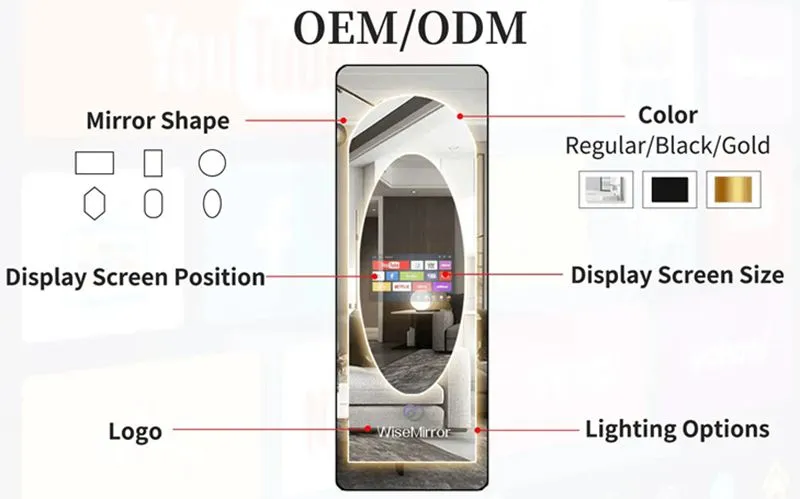
Our bathroom mirror TV systems have special nano magnetron sputtering coating technology, anti-corrosion methods that have been tested in coastal areas, and low-impedance ITO sensitive touch film that makes sure they work well for a long time. As a company that makes bathroom mirror TVs, we can fully customize sizes from 15.6 inches to 75 inches and offer Android, TV, and dual-system options. This gives sourcing teams the technology freedom they need to meet a wide range of project needs.
Email our engineering team at info@wisemirror-int.com to talk about your particular application needs, get technical specs, or set up a product showcase. We offer reasonable bulk prices for projects with more than 100 units, wait times of 20 to 25 days, and full installation support to make sure that our systems work well with the ones already in your building.
References
Chen, L., & Morrison, A. M. (2021). "Smart Technology Integration in Luxury Hotel Guest Experiences: An Empirical Study." International Journal of Hospitality Management, Vol. 94, pp. 102-118.
Williams, R. J. (2020). "Waterproof Display Technologies for Wet Environment Applications: Engineering Standards and Best Practices." Journal of Commercial Electronics Design, Vol. 38, Issue 4, pp. 245-267.
Thompson, K., & Singh, A. (2022). "Guest Satisfaction Drivers in Luxury Hospitality: The Role of In-Room Technology Amenities." Cornell Hospitality Quarterly, Vol. 63, No. 2, pp. 189-204.
Martinez, S. D. (2021). "Smart Building Integration Strategies for High-End Residential Developments." Real Estate Technology Review, Vol. 17, pp. 78-96.
Anderson, P., & Zhou, H. (2023). "Sustainable Electronics in Hospitality: Environmental Impact and Procurement Considerations." Green Building Research Journal, Vol. 11, Issue 1, pp. 34-52.
Roberts, M. E. (2022). "Commercial Display System Specifications for Maritime and High-Humidity Environments." Technical Standards in Electronics Manufacturing, Vol. 29, pp. 156-174.