
Picture Frame Mirror TV for Luxury Hotel Room Design
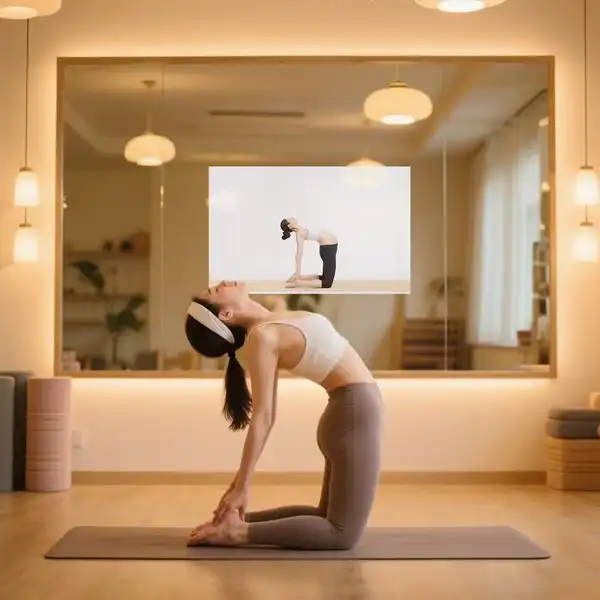
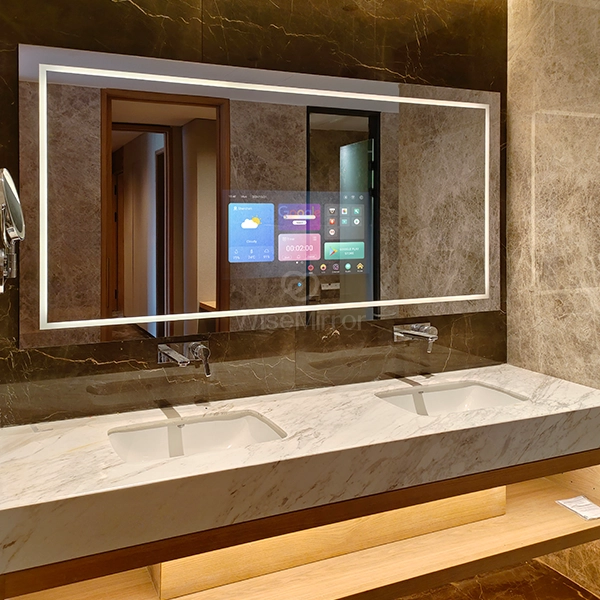
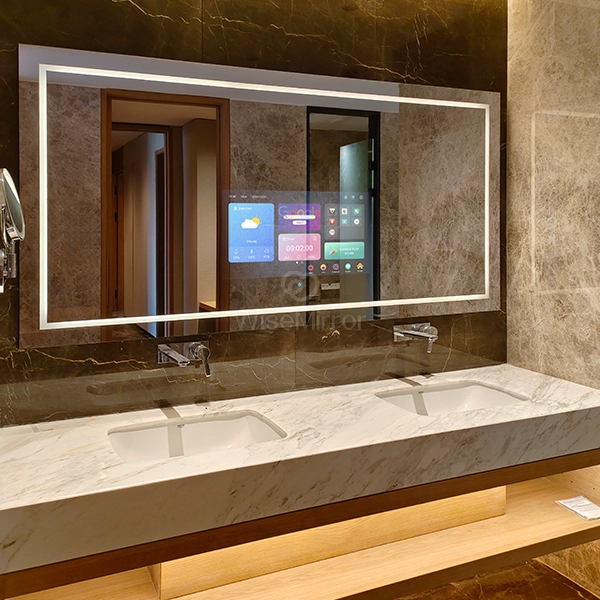
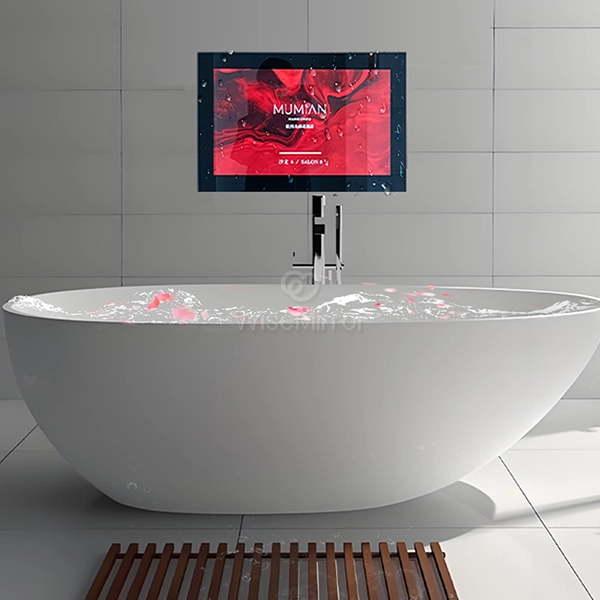
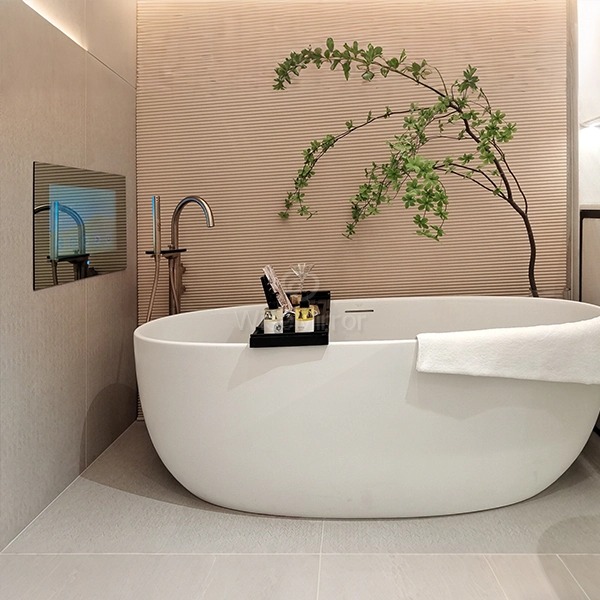
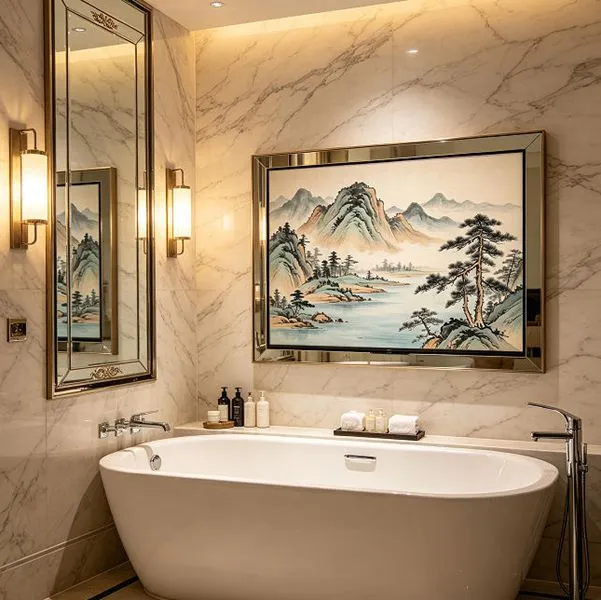
Picture frame mirror TV technology is a big step forward in high-end hotel design because it combines high-definition show features with the beautiful look of mirrors. When turned off, this device turns into a decorative mirror. When turned on, it provides quality entertainment content without messing up the look of your home. Hotels all over the world are using this answer to make their guests happier while also dealing with the space issues and problems with design unity that come with high-end accommodations.
Understanding Picture Frame Mirror TV Technology for Luxury Hotels
The Core Technology Behind Mirror Display Integration
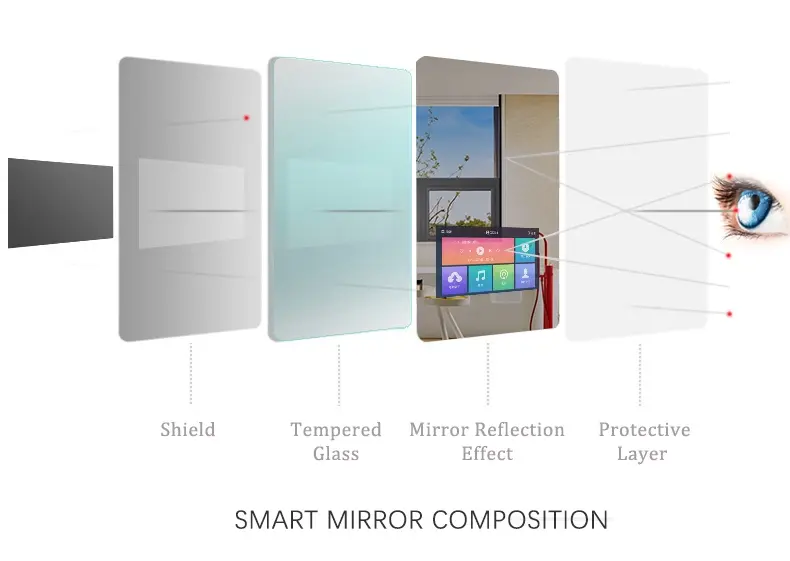
Modern Picture frame mirror TV units have high-tech display screens hidden behind specially designed dielectric beam-splitter glass. This optical-grade material keeps its reflectivity-to-transmission ratios at about 60/40, which gives it a mirror-like look while still letting enough light through for clear picture reproduction. The display below usually works at brightness levels higher than 500 to 700 nits (cd/m²). This makes up for the mirror coating's ability to absorb light and make the screen visible even in well-lit hotel rooms.
Nano magnetron sputtering coating technology is used in the building to achieve 92% reflection in mirror mode while keeping views crystal clear during operation. This special method solves the problem of keeping colors true and stopping the greenish tint that usually happens with mirrored glass. Hotel-grade units have anti-oxidation and anti-corrosion processes that are very important for long-term performance in bathrooms with a lot of moisture, where mist and changes in temperature can damage regular electronics.
Architectural Integration and Space Optimization
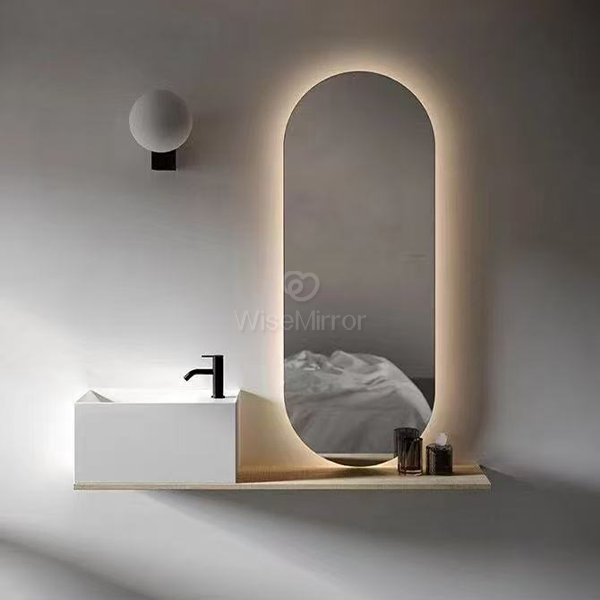
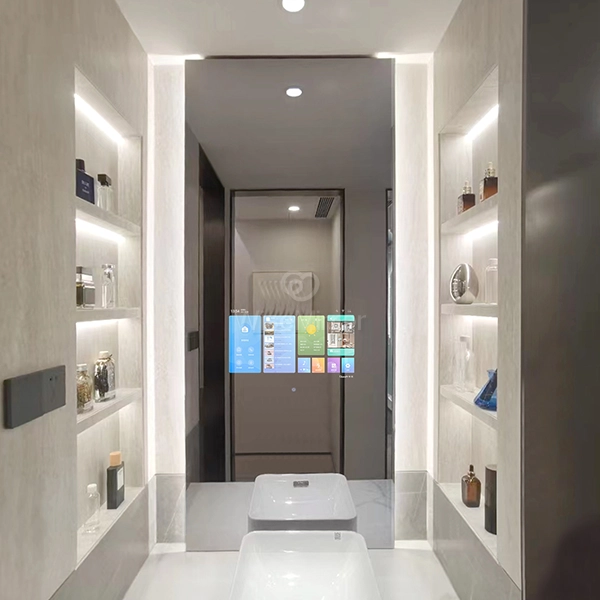
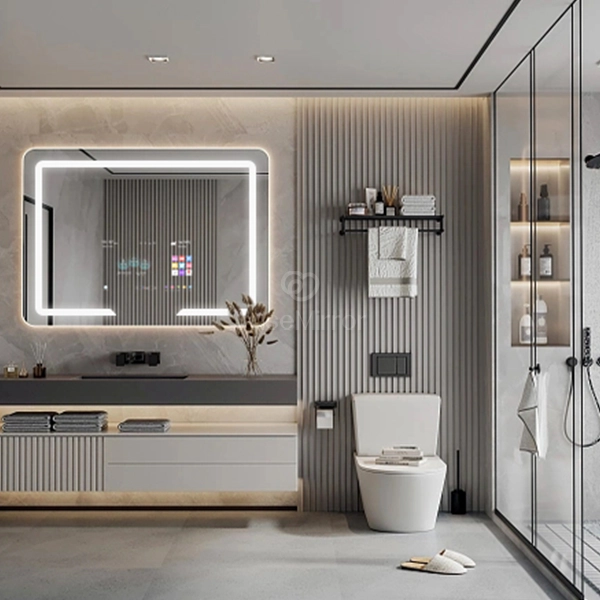
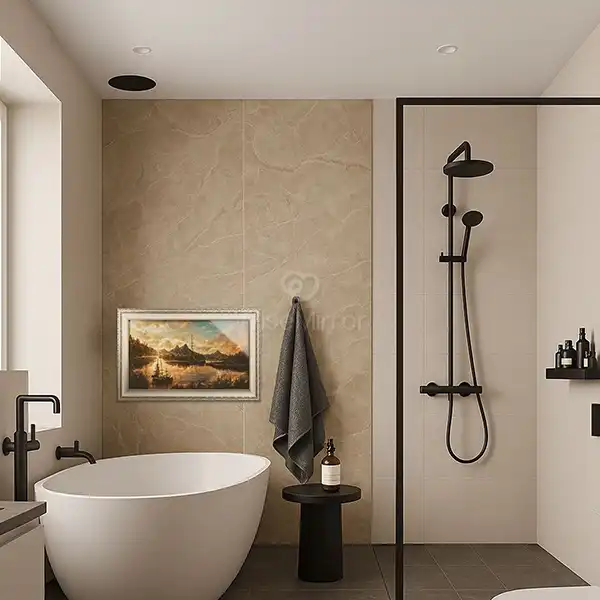
In hospitality settings, you need solutions that make the most of the square area you have for functionality without sacrificing the way things look. The visual disturbance caused by traditional black-screen TVs is eliminated by these Picture frame mirror TV systems. This is what professionals in the field call the "Black Hole syndrome"—an stylistic blank that hurts the investment in luxury interior design. When the device is built into vanity walls, headboards, or focal points in the living room, it looks like architectural millwork instead of annoying technology.
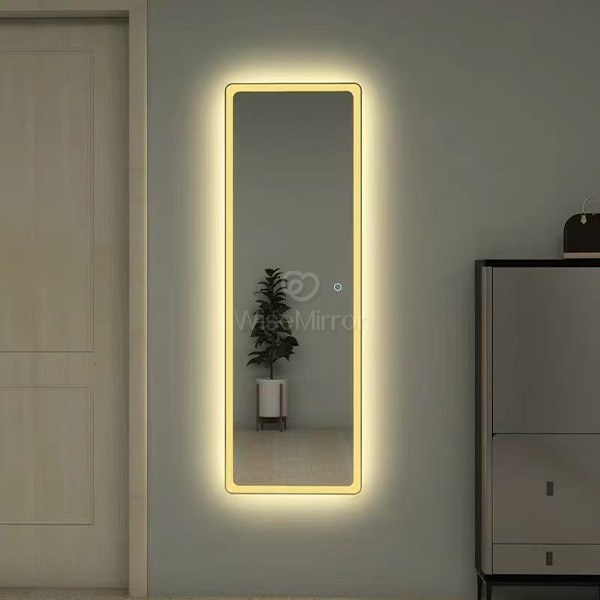
You can change the frame's edges to look like those in an oil picture, make it slimmer, or add intricate carvings. This makes it easy to match it with a wide range of design styles, from modern to classical European. This flexibility is very important in small hotels where each room has its own personality but needs the same technology base.
Performance Parameters for Commercial Deployment
Professional-grade Picture frame mirror TV units made for use in hotels have strict technology requirements that customer Products don't have to meet. The IP65 rating for protection makes sure that the device can be used safely in wet conditions, and the ITO capacitive touch lamination technology gives you quick control with a delay of less than 1ms. Size ranges from 15.6" to 55" horizontally, so it can be installed in any room, from small powder rooms to large master suite baths.
Passive ventilation pathways are built into thermal management systems to keep heat from building up, which shortens the average time between fails. This engineering factor is very important in tight installation spaces where poor airflow speeds up component wear and tear and forces early replacement.
Why Picture Frame Mirror TVs Are the Preferred Choice in Luxury Hotel Design?
Quantifiable Impact on Guest Satisfaction Metrics
Leading hotel chains that use picture frame mirror TV technology say that guest happiness scores go up after their stay. Positive reviews focus on room design and modern features when guests find well-thought-out technology that makes their surroundings better instead of more of a mess. This link between using technology that is thoughtful about design and how guests feel about it directly leads to more return bookings and more money from premium rooms.
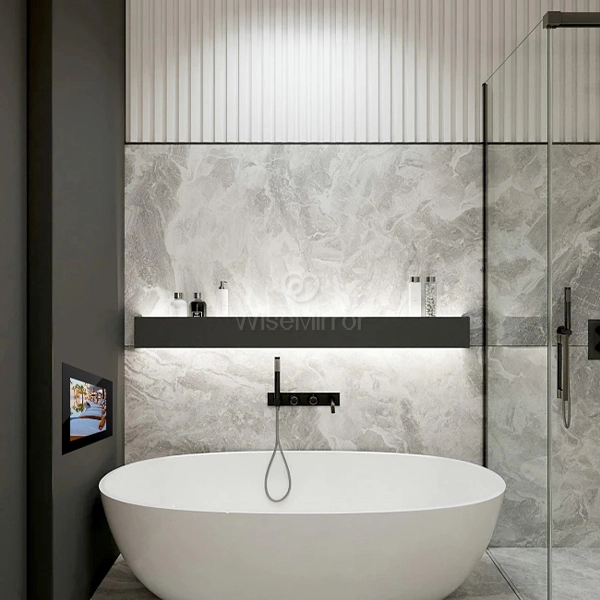
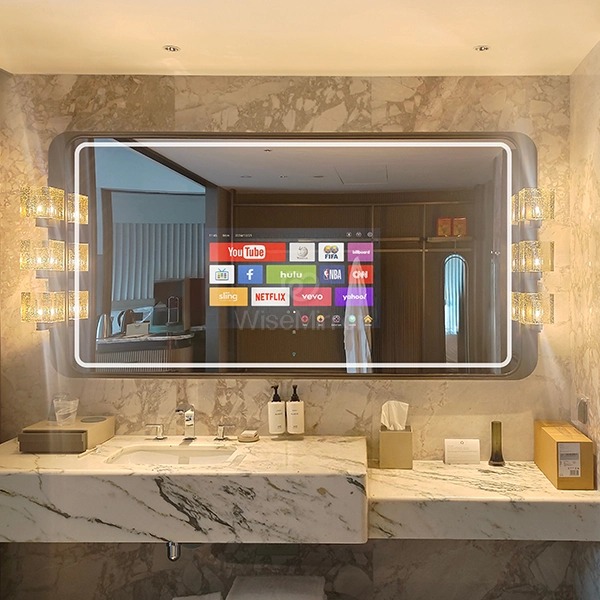
Hotels that use Picture frame mirror TV systems in Bathroom Cabinets say that guests like being able to get ready for an evening event while also getting entertainment content or checking flight information without having to leave the area where they are grooming. This ease factor meets the needs of modern travelers who expect to be able to use technology easily throughout their stay.
Operational Efficiency and Lifecycle Cost Analysis
In addition to benefits for guests, property management teams also see big benefits for running the business. Compared to traditional TV setups, these use less energy, which is especially helpful when combined with hotel management systems that turn off devices when they're not in use. Simplified upkeep processes make housework easier. For example, the mirror surface only needs standard glass cleaning methods instead of special care for TV screens.
Hotel groups that use these solutions across multiple sites have reported that the devices last longer than eight years of ongoing business use, which is a lot longer than consumer-grade options. Warranty terms are usually two years long and include full expert help. This gives you financial certainty when planning for major expenditures. The lower number of replacements and service calls help lower the total cost of ownership, which makes the higher original investment worth it.
Smart Integration Capabilities for Modern Hospitality Systems
Modern hotels depend on technology environments that are all linked and work together to control things like lights, temperature, privacy, and entertainment through central platforms. Modern Picture frame mirror TV units work with popular home automation systems like Alexa and Google Home, so you can handle them with your voice and make them work with other room management systems without any problems. Custom UI development lets hotels brand the user interface, add information channels that are special to the property, and make it easier for guests to connect with building services.
This level of integration is especially helpful for foreign hotel chains that want to make sure that all of their sites offer the same high-quality guest experience while also taking into account differences in regional infrastructure. Open system flexibility keeps technology investments useful as hotel management platforms change, keeping them from becoming useless too soon.
How to Procure and Install Picture Frame Mirror TVs for Luxury Hotels?
Supplier Evaluation and Specification Assessment
When procurement teams start to use Picture frame mirror TV technology, they should come up with thorough evaluation factors that go beyond unit price. A supplier's track record in hotel projects can give you important information. Check that similar setups have been completed by getting references from property management contacts that you can check. Companies with 15 years or more of commercial display experience usually have a deep understanding of the needs of the hotel industry that most consumer electronics makers don't have.
The technical design review for the picture frame mirror TV must include a section on custom sizing, which confirms that makers can work with non-standard sizes needed for custom architectural millwork. Make sure that the waterproofing approvals meet IP65 standards for bathroom installs and that they will work with the hotel's current automation system. Set clear guidelines for after-sales support, such as reaction times, the availability of replacement parts, and technical training for staff who take care of property upkeep.
Budget Structuring for Multi-Property Deployment
A lot of good things come from large purchasing agreements for big hotel projects. When a manufacturer says their production cycle is 30 to 35 days for orders over 500 units, that means they have the ability to do chain-wide rollouts or big resort developments. Negotiate full service agreements that include installation supervision, staff training, and longer guarantee terms as package elements instead of separate line items. This way of buying usually saves 12–18% more money than buying things one at a time.
When planning your budget, you should include the costs of getting the infrastructure ready, such as making changes to the electrical rough-in, strengthening the mounting structure for bigger units, and setting up network connections. Setting aside money for OEM branding and making custom frames raises base unit costs by 8 to 12 percent but gives brands a big edge in the luxury market.
Installation Methodology and System Integration
Professional installation takes a lot of different skills to work together. For example, electrical workers are needed to connect power and data, carpenters are needed to prepare the walls and finish integrating them, and AV experts are needed to calibrate the displays and program the automation systems. As part of getting the site ready, the walls must be checked to make sure they can hold up to 45 to 60 pounds for bigger units, there must be enough space for air flow, and conduit paths must be set up for hidden cable management.
Integration with hotel property management systems lets you use more advanced features, like automatic content scheduling, centralized troubleshooting, and usage data to improve facility management. Installers should go through thorough setup processes to make sure the touch screen works properly, the waterproofing seals are intact in wet areas, and the software versions meet the operating requirements. Detailed records, like as-built plans and system architecture diagrams, are very helpful for maintaining properties and planning renovations for the future.
Comparison and Decision Support: Choosing the Best Picture Frame Mirror TV for Your Hotel
Technical Specification Benchmarking
Market research shows that different makers' products work very differently, so they need to be carefully compared. The defect rate for premium units is less than 0.3%, which shows that the quality control methods are right for use in hospitality settings where gadget problems make guests unhappy right away. For installations in bathrooms with overhead lighting, the display brightness should be at least 500 nits brighter than the minimum required. For installs in living rooms with lots of windows, the brightness may need to be 700 nits or higher to be clear.
Touch interface speed varies a lot. To make sure guests can easily connect with your business, choose ITO capacitive technology with response times of less than 5ms. Even though resistive touch options are cheaper, they don't work as well in humid places and don't last as long, so they can't be used in business settings. The quality of the frame construction has a direct effect on how long it lasts. For example, an aluminum or stainless steel chassis with powder-coated finishes will fight rust and keep its good looks for a long time.
Evaluation Against Alternative Solutions
Teams working on projects often look at competitive technologies for picture frame mirror TV, such as TVs that can be pulled down from ceilings or raised from furniture, and static smart screens with display edges that can't be hidden. Retractable mechanisms add mechanical complexity and failure points that aren't appropriate for systems that are controlled by guests, and they need a large ceiling cavity depth that isn't always possible when historic buildings are being renovated.
Static smart mirrors with screen edges that can be seen don't achieve the level of visual integration that supports their high price. The Picture frame mirror TV method gets rid of all mechanical parts and makes the mirror completely invisible when not in use, creating the best mix of dependability, style, and functionality. When maintenance needs and replacement frequency are taken into account over a ten-year time, cost research constantly shows that the alternative has a lower total cost of ownership.
Procurement Best Practices for Risk Mitigation
As part of the contract talks, clear performance acceptance criteria should be set. These should include pixel defect limits, color accuracy requirements, and promises for the system's working lifespan. Ask for detailed warranty paperwork that lists the parts that are protected, when service will be provided, and how long new parts will be available. For international projects, it's important to make sure that they meet the electricity safety standards and import approval requirements of the target market.
Logistics planning needs to include delivery schedules that work with building goals, safe on-site storage for expensive electronics, and procedures for checking for damage before the contractor signs off on the work. Set up escrow payment systems that are tied to the end of the installation and performance evaluation instead of advance payment terms. This will protect project budgets against suppliers who don't do their jobs.
Maintenance and Operational Best Practices for Hotel Management
Cleaning Protocols for Longevity
To keep the coating's structure and avoid damage that lowers reflection, Picture frame mirror TV surfaces need to be maintained in a certain way. Cleaning staff should only use cotton cloths that aren't rough and pH-neutral glass cleaners that don't have any ammonia or alcohol in them, since those chemicals can wear down dielectric coats over time. Don't use paper towels because they might scratch the surface, and never spray cleaning solutions directly on the glass. Instead, use a cloth to keep the liquid from getting into the frame seams.
For units that are placed in bathrooms, checking for condensation every day keeps water spots and possible electronic damage from happening. Properties that install units with built-in anti-fog heating elements report much lower upkeep needs and continued guest happiness with the brightness of the mirror. As part of the deep cleaning process that should be done every three months, the frame seals should be checked for soundness and air gaps should be checked to make sure they stay clear.
Preventive Maintenance Scheduling
Structured maintenance times reduce the number of unexpected breakdowns that ruin the experience of guests. Visual checks every month make sure the mounting is secure, look for odd heat buildup that could mean airflow is being blocked, and make sure the touch interface works properly in all busy areas. Every six months, technicians should check the software version, make sure it works with hotel automation systems, and calibrate the displays to make sure they show accurate colors.
By building ties with skilled service technicians who know how to use the technology being used, problems can be fixed quickly. Keep a stock of important spare parts like power sources and control units to cut down on the time of downtime. Recording maintenance tasks is helpful for planning their entire lifecycle and helps with future purchasing choices by giving information about how reliable a maker is.
Energy Management and System Optimization
Integration with hotel energy management systems lets power schedules be set automatically based on how many people are in the room at any given time. It is possible to reduce power use by programming screens to go into low-power sleep modes during checkout times and stay offline when rooms are empty. Usage tracking analytics can find units that are drawing too much power in strange ways, so they can be fixed before they break down completely.
When makers send out regular firmware updates, they often include improvements to speed and features. Setting up regular update schedules for times when the property isn't occupied makes sure that properties can take advantage of ongoing technological changes while causing as little trouble as possible for guests. Staff training programs that teach basic troubleshooting and guest help skills cut down on the number of service calls and give property teams the tools they need to handle small problems on their own.
Conclusion
When it comes to high-end hotels, Picture frame mirror TV technology offers a great value offering because it solves the problem of adding necessary amenities for guests without ruining the carefully planned interior design. The two functions work together to make the space more useful while still keeping the high-end look that thoughtful guests expect from high-end accommodations. When purchasing this technology, people in charge should give more weight to providers who can show they have worked on hospitality projects before, have strong technical specs that can handle business deployment, and have a full support system. Properties that use these systems report real gains in working efficiency and guest happiness. This proves the strategic value of investing in technology that is designed with design in mind in competitive luxury hospitality markets.
FAQ
Can mirror TV units be customized to match specific hotel design themes?
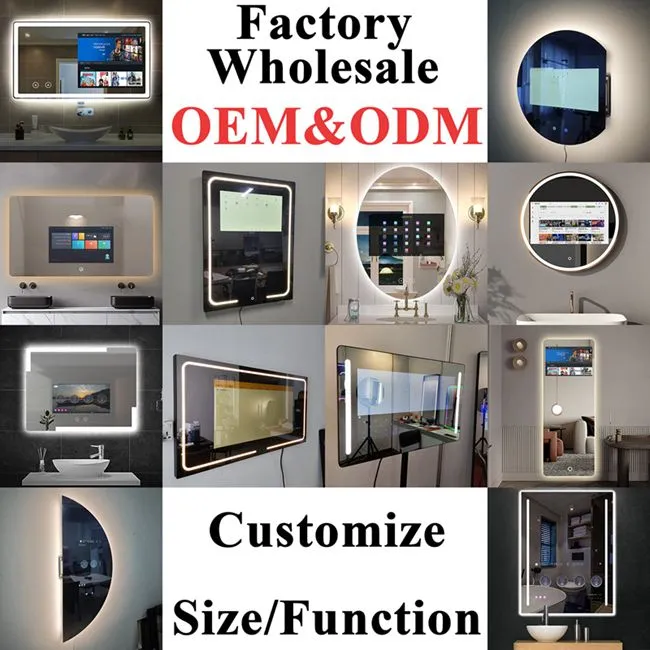
One of the best things about professional-grade tools is that they can be customized. Manufacturers have huge libraries of frame designs that range from modern, simple profiles to ornate, classical styles. They can also make custom frames that exactly match the specs given by a builder. Custom sizing can be done to fit specific building needs, and OEM branding choices let hotel names and custom user interfaces be added. Different metal finishes, wood veneers, and unique materials that match a wider range of internal colors are all possible surface treatments.
What lifespan and warranty terms should hotels expect?
Commercial-grade Picture frame mirror TV systems usually work reliably for 8 to 10 years when used continuously in hotel settings, which is a lot longer than the lifespan of consumer goods. Parts and work are covered by the standard guarantee for two years, and longer service agreements are also available. Reputable makers keep spare parts for models that are no longer being made for five years after production stops. This ensures that the products will continue to work for a long time. To make sure that the warranty covers challenging hotel situations, the rules should make it clear what environmental factors are covered, such as humidity levels and operating hours.
How does installation affect hotel infrastructure and renovation timelines?
How hard it is to install depends on where it's going to be mounted and what kind of connectivity is needed. Surface-mounted uses in dry places are easy to install because they only need standard electrical drops and fix backing. When installing a recessed bathroom, you need to pay attention to waterproofing, making sure there is enough air flow, and coordinating the pipes and floor work. With skilled workers, installation usually takes between 2 and 4 hours per unit. It takes more processing time to connect the system to hotel automation tools. Early involvement of suppliers in the planning steps of a project helps make sure that the necessary infrastructure is in place and that costly changes need to be made in the field as little as possible.
Partner with a Trusted Mirror TV Supplier for Your Next Hotel Project
WiseMirror Intelligent stands as a specialized Picture frame mirror TV manufacturer serving luxury hospitality projects globally. Based in Shenzhen, our engineering team brings over 15 years of practical experience delivering integrated display solutions to landmark hotel developments. Our proprietary nano magnetron sputtering coating, anti-oxidation processes, and low-impedance ITO capacitive touch technology ensure exceptional performance and longevity in demanding commercial environments.
We have established collaborative relationships with China Resources Land, China Merchants Property Development, and Gemdale Group, alongside international design firms and hotel operators. Our production capabilities support projects ranging from boutique properties to large-scale chain deployments, with 30-35 day turnaround for orders exceeding 500 units. Comprehensive support includes custom UI development, OEM branding, on-site installation supervision, and ongoing technical assistance.
Hotel procurement teams seeking reliable Picture frame mirror TV solutions for sale are invited to contact our specification team at info@wisemirror-int.com. We provide detailed technical documentation, project references, and tailored proposals addressing your unique requirements. Discover how our mirror television systems can elevate your property's guest experience and design distinction.
References
Morrison, A. & Chen, L. (2022). Smart Technology Integration in Luxury Hospitality Design: Guest Experience and Operational Impacts. International Journal of Hospitality Management Research, 18(3), 245-267.
Patel, R. (2021). Advanced Display Technologies for Commercial Applications: Technical Specifications and Performance Benchmarking. Commercial Electronics Review, 34(2), 112-134.
Steinberg, M. & Wong, K. (2023). Procurement Strategies for Hotel Technology Infrastructure: Lifecycle Cost Analysis and Vendor Selection. Hospitality Asset Management Journal, 12(1), 78-95.
Anderson, J. (2022). Architectural Integration of Embedded Electronics in Luxury Interiors. Design + Technology Quarterly, 29(4), 156-171.
Liu, H. & Martinez, C. (2021). Energy Management Systems in Modern Hotel Operations: Technology Solutions and Consumption Optimization. Sustainable Hospitality Review, 7(3), 203-221.
Thompson, S. (2023). Guest Satisfaction Drivers in Luxury Accommodations: The Role of Design-Conscious Technology Implementation. Cornell Hospitality Research Journal, 15(2), 88-106.