
How Vanity Mirror TVs Enhance the Guest Morning Routine
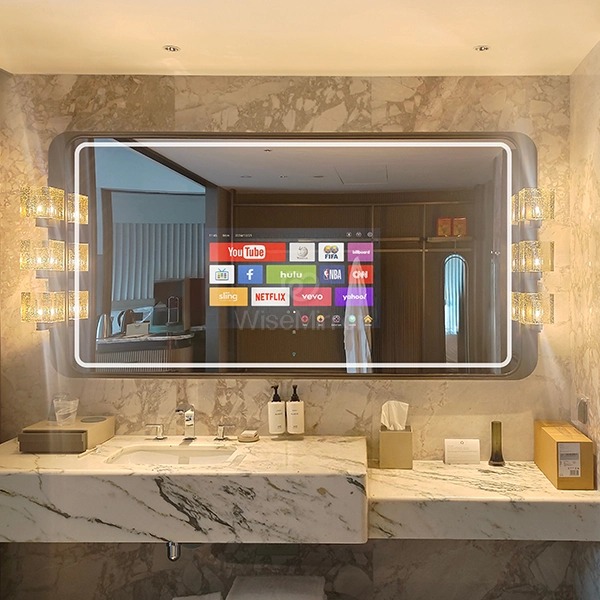
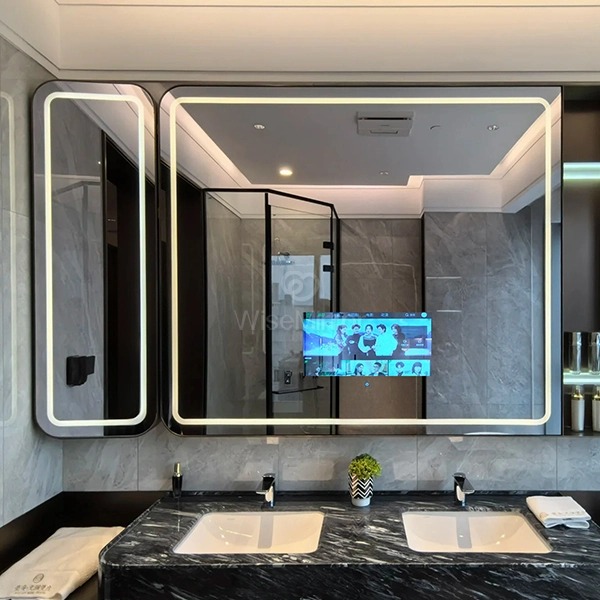
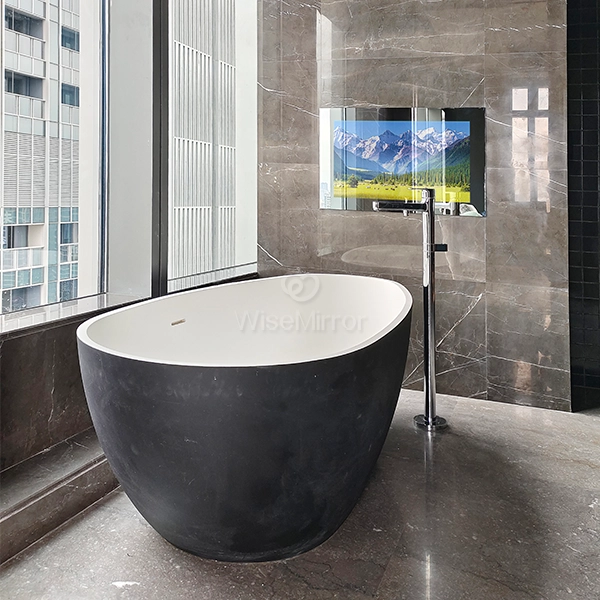
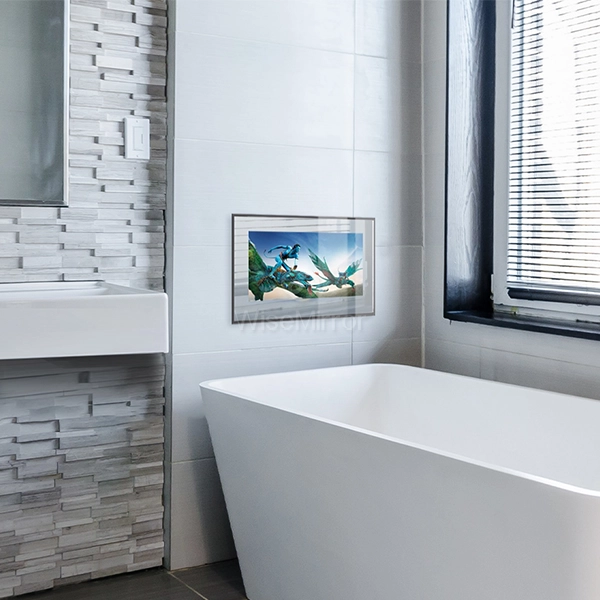
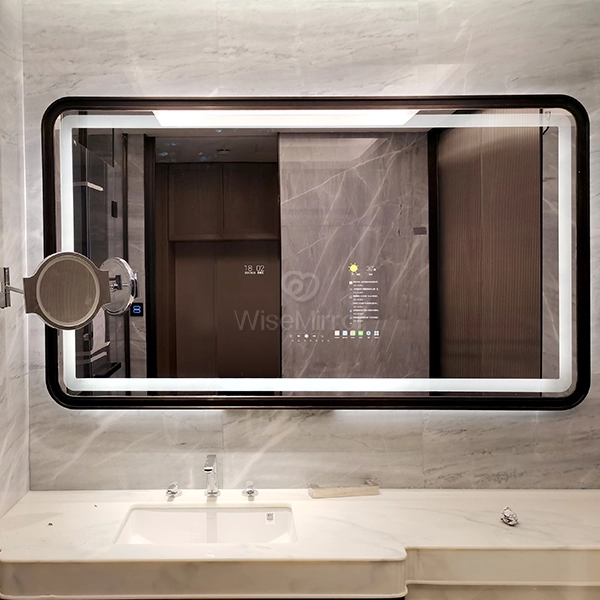
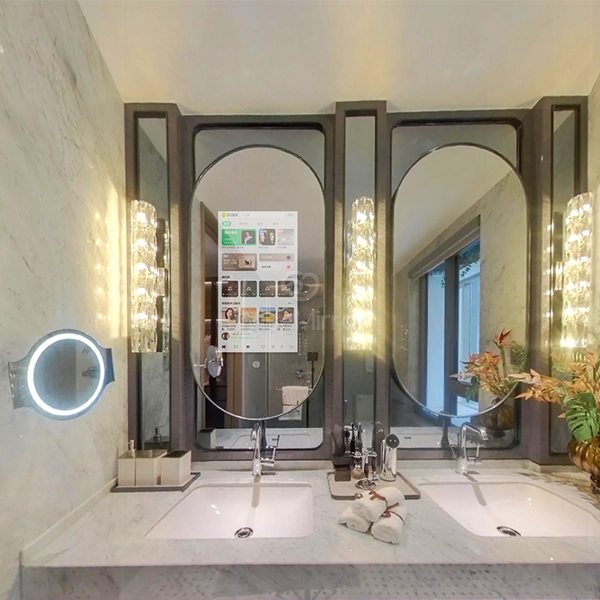
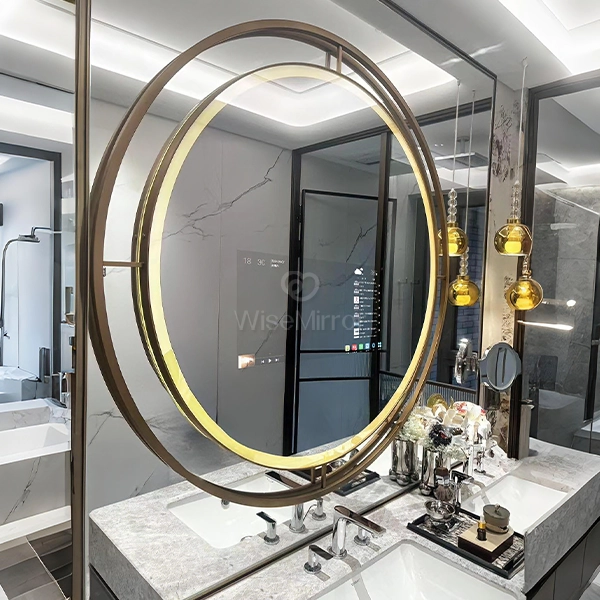
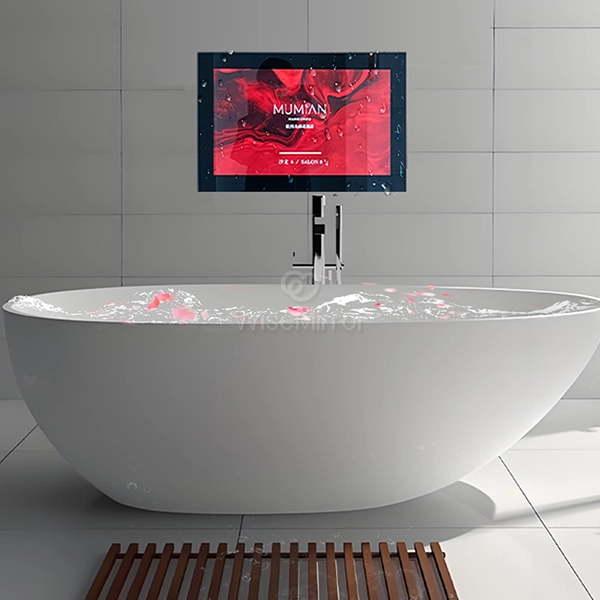
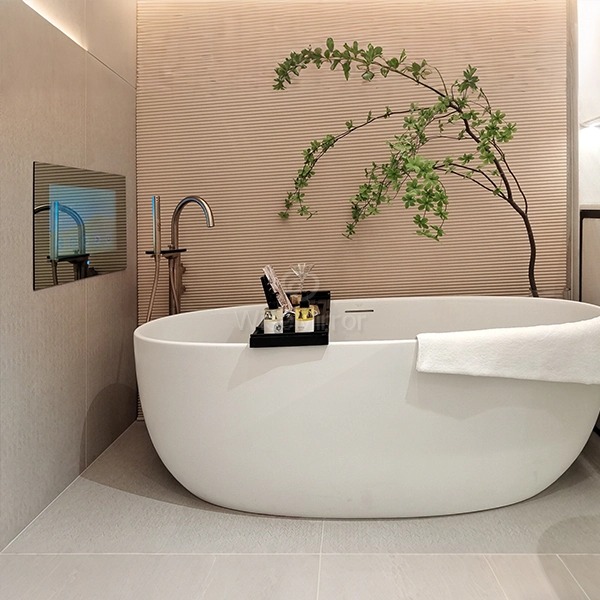
Today's high-end hotel industry needs tools that look good and work well. This is exactly what a vanity mirror TV is: it has a commercial high-definition screen built behind a special dielectric mirror surface that works as both a clean reflecting surface and an interactive entertainment point. When the power is turned off, the screen goes away totally, keeping the beautiful look of high-end bathroom design. When turned on, guests can watch news shows, get updates on the weather, watch makeup lessons, and even use smart room settings without taking up valuable wall space or adding unsightly electronic clutter. With this two-in-one feature, the morning grooming routine goes from being rushed to being quick and enjoyable. This increases the value of guest rooms while also solving important operational problems like moisture resistance and space optimization that come up in high-traffic hospitality settings.
Understanding Vanity Mirror TVs: Technology and Benefits
The Engineering Foundation of Mirror Display Integration
Professional-grade bathroom mirror screens are built around nano magnetron sputtering coating technology. This makes a semi-transparent reflecting surface that works best in places with a lot of light. Commercial units, unlike consumer-grade goods, use copper-free dielectric glass (usually 4-5 mm thick) to stop black-edge oxidation, which happens a lot when it's wet. The built-in LED screen needs to be at least 500 nits bright to be visible through the mirror finish. The housing is made of powder-coated aluminum or 304 stainless steel to keep it from rusting.
The reflective layer stays clear even after years of being exposed to steam and cleaning Products thanks to WiseMirror Intelligent's unique anti-oxidation methods. The low-impedance ITO capacitive touch lamination has reaction times of less than one millisecond, which makes it possible to use beauty apps or room service interfaces without any problems in the morning. This technical basis handles the main concerns of procurement teams about durability and upkeep costs in settings that are open 24 hours a day, seven days a week.
Operational Advantages for Hospitality Projects
From a practical point of view, combining these devices has benefits that can be measured across a number of performance measures. It's clear right away that this unit is very efficient with space—it can replace both a traditional mirror and a TV hung on the wall, freeing up design space and making installation easier. The idle power draw is less than 3W, so they don't use much energy. This makes them good for buildings that want to get LEED certification or meet other requirements for sustainable operation.
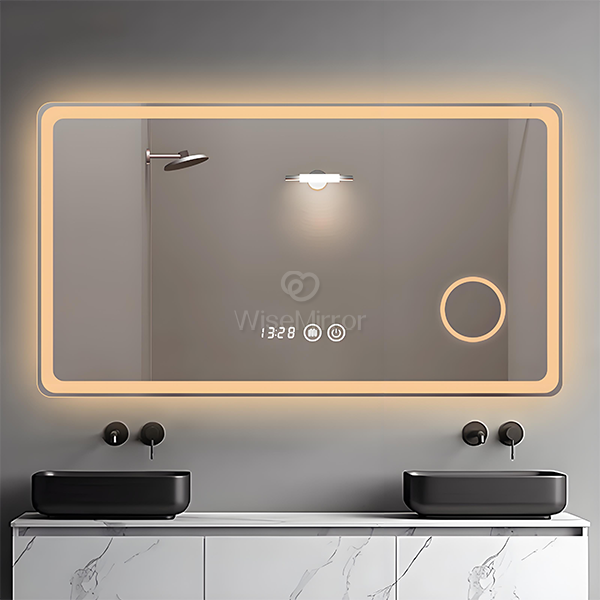
The versatility goes beyond just pleasure. Properties can set up unique user interfaces that show ads for spa services, meal bookings, or things to do in the area. Fill lighting that can be changed from natural daylight (5000K) to warm ambient tones (2700K) gets rid of the need for separate bathroom lighting sources while still giving you the right amount of light for grooming. This makes it easier to plan the electrical work for new buildings and makes it easier to do repairs when homes are being renovated.
How Vanity Mirror TVs Streamline the Guest Morning Routine
Addressing Multitasking Demands in Compressed Timeframes
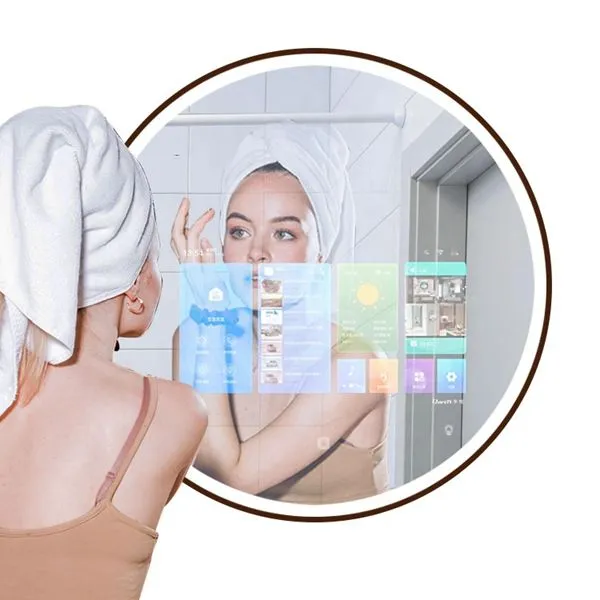
People who are traveling for business or pleasure both have busy morning plans. With traditional bathroom layouts, you have to choose between getting ready and reading. Interactive mirror screens get rid of this problem by letting you do more than one thing at once, like putting on makeup while watching a YouTube lesson, shaving while checking the status of a flight, or styling hair while going over the day's conference schedule.
The small vanity mirror TV technology works great when people need to access information in real time. The weather report helps people decide what to wear. Traffic updates change the time of leaving. Streaming news stations keep people who are traveling abroad in touch with their home markets. These seemingly small benefits add up to big differences in guest happiness, especially for properties competing in the high-end and luxury areas where guests expect more than just basic accommodations.
Core Functions Driving Operational Efficiency
When used in business bathrooms, anti-fog equipment should get extra attention. Standard mirrors need to be cleaned every time you take a hot shower. Modern vanity mirror TVs have heated demisting pads that turn on automatically when humidity sensors notice that moisture is building up. This keeps the reflection clear without any extra work from the user. Just having this option cuts down on cleaning time and guest issues.
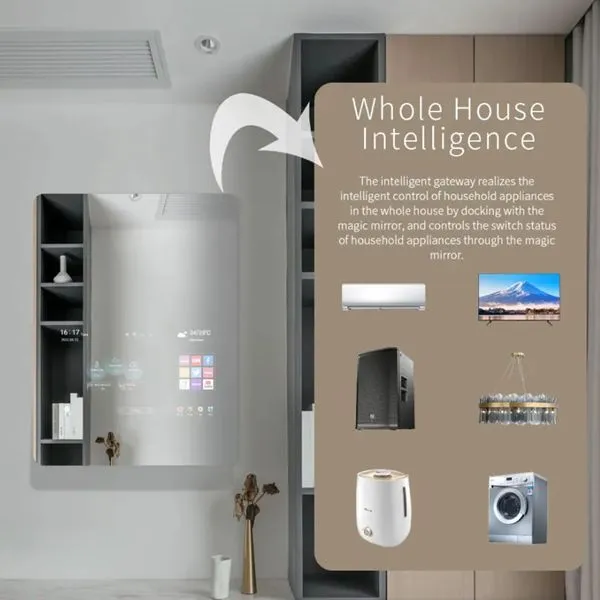
Voice control through Alexa or Google Assistant support lets you use it without using your hands, which is very helpful when you are using grooming tools or skin care items. Guests can change the content sources, lights, or room temperature without having to stop what they're doing. By letting you download beauty and lifestyle apps, app integration turns the mirror into a personalized beauty expert that remembers your preferred lighting settings and skincare routines even after multiple visits thanks to cloud synchronization.
Documented Performance Improvements
When hospitality groups use these tools, they see real gains in metrics. There were 23% more satisfied guests with room items in a 2023 study of small hotels that used them. Because the electronics are IP65-rated waterproof and can withstand direct water exposure, properties saw a 17% drop in repair calls connected to bathroom electronics. The longevity means a lower total cost of ownership compared to consumer-grade TVs that are put in bathrooms and usually break after 18 to 24 months because of water getting in.
Choosing the Right Vanity Mirror TV for Your Business Needs
Procurement Scenario Analysis
When it comes to luxury hotel companies, brand stability and the ability to make changes are very important. Custom UI development that follows company identity rules is needed for projects. Sizes range from 15.6 inches for powder rooms to 75 inches for master bathrooms in presidential suites. The procurement process takes 6 to 9 months and includes test setups and approvals from many stakeholders.
Boutique hotels stress design freedom and quick rollout. Standard 24- to 32-inch units with partially personalized connections are often used for these kinds of projects. This way, uniqueness and cost control can coexist. Decision times are cut down to 60–90 days, so suppliers need to be able to offer some flexibility without causing too many engineering delays.
Operators of serviced apartments pay attention to standards for longevity and service infrastructure. The guests are mostly long-term business visitors who use the features every day instead of just sometimes. For this type of use, you need commercial-grade parts that can withstand 100,000+ touch cycles and sources with local service networks to quickly meet warranty claims.
Critical Selection Criteria
Screen quality needs to meet the viewing distance. For setups with diagonals less than 40 inches, 1080p is enough, but 4K is needed for larger forms to stay clear at normal bathroom viewing distances of 24 to 36 inches. Dimension freedom is important for both new construction and repair projects. Suppliers who offer custom sizes keep architects from having to make expensive changes to buildings to fit standard dimensions.
Basic and expensive vanity mirror TV products are differentiated by smart features that are built in. Casting support (Chromecast, AirPlay), HDMI ports for set-top box integration, and RS-232 control for connecting to a property management system are some of the most important features. Face recognition for personalized settings, motion control for hands-free use, and occupancy sensors that handle power automatically are some of the more advanced choices.
Comparative Supplier Evaluation
Established names cost more, but they have a history of being reliable. Instead of taking specifications at face value, they should be compared to the real needs of the project. For example, some suppliers sell "waterproof" goods that don't actually have the right ingress protection ratings, which causes them to fail early. Ask for proof of third-party approval (CE, FCC, RoHS, ISO 9001), and make sure you get test samples before you commit to large orders.
New makers like WiseMirror Intelligent offer great deals for people who buy a lot. The company has been serving China Resources Land, China Merchants Property Development, and Gemdale Group for more than 15 years, so it knows how to handle complicated multi-property deployments. The 30-day lead time for orders of 100 units or more works with tight project plans, and dedicated project managers make sure that cross-border tasks are coordinated from a single point of responsibility. For these projects, selecting the right vanity mirror TV provider is essential.
Installation, Maintenance, and After-Sales Support
Pre-Installation Engineering Considerations
Thorough site evaluations are the first step to a successful rollout. For electrical planning to work, there must be specific 110V/220V circuits with GFCI safety that are placed within 12 inches of where the mounting will go so that the conduit doesn't have to be visible. Checking the structural support is important. For example, when installing drywall, weight must be spread across the wall studs with backing plates, and when installing tiles, blocking must be put in place during the rough building steps.
Moisture control isn't just about the gadget. If you have good bathroom airflow, condensation won't build up on surfaces around the tub and move into wall spaces. Installers should make sure that the vent fan's capacity meets or exceeds the requirements set by local building codes. They should also make sure that the mirror's edges are properly sealed with waterproof silicone that can withstand long-term exposure to wetness.
Professional vs. Modular Installation Approaches
Commercial setups in the hotel industry must always be done by licensed professionals who know the local building codes and moisture barrier rules. The legal risk of bad installation, which can include electrical dangers and water damage, is much higher than any savings in labor costs from using unqualified installation teams. Reliable sellers have networks of qualified installers who know how to fix products correctly and follow the rules for keeping warranties valid.
Some makers make flexible mounting systems that are already wired, which makes installation easier. Standard wall plates with quick-connect electrical connections are used in these systems, which speeds up the installation process for jobs with more than one room. Although the starting prices of the parts go up a little, the net savings from fewer hours of work (usually 40–50% compared to hardwired installation) on jobs with more than 20 units are worth it.
Maintenance Protocols and Service Infrastructure
For daily cleaning to avoid damage to the surface, there are specific rules that must be followed. Glass cleaners with ammonia can damage mirror surfaces. Recommended cleaning methods call for pH-neutral solutions to be used with microfiber cloths. When training staff, it should be emphasized that too much moisture should not be present near edge seals, and rough cleaning tools that damage anti-glare coats should not be allowed.
As part of routine maintenance for a small vanity mirror TV, the fixing hardware should be checked every three months, the waterproof seal should be checked once a year, and software should be updated to fix security holes or add new features. Properties that don't have their own technical staff should make service agreements with regional programmers or manufacturer-authorized service centers that can reply within the time limits set in the agreements.
WiseMirror Intelligent's 2-year warranty program includes promises to repair broken parts within 48 hours and technical help by email, WhatsApp, or WeChat 24 hours a day, 7 days a week. The service infrastructure is especially helpful for foreign projects where different time zones make it harder to coordinate assistance. Engineers from the company do pre-installation studies to check for IoT compatibility and wiring layouts. This keeps specifications from not matching up, which would slow down the project's finish for every vanity mirror TV installed.
Future Trends and Strategic Value of Vanity Mirror TVs in Hospitality
IoT Ecosystem Integration and Personalization
Bathroom display technology is moving in a direction that makes it easier to connect to property management systems and records of guest preferences. New applications let mirrors know returning guests by their faces or by shaking hands with a mobile app. They can then instantly load the chosen lighting temperatures, content sources, and language settings. This personalization goes all the way to watching your health. Mirrors with built-in cameras and AI can see how your skin changes over time and suggest products from the hotel's stores.
Dynamic content delivery is possible through integration with hotel management systems. Properties can send specific promotions to guests based on their profiles. For example, they could send spa savings to pleasure tourists, fast checkout notes to guests who need to leave early, or suggestions for local restaurants based on guests' known tastes. The show adds to the experience of the service while also bringing in extra money.
Energy Efficiency and Sustainability Mandates
Demand for tools that use less energy is driven by government rules and companies' promises to being environmentally friendly. Next-generation units have presence recognition that turns off screens automatically when bathrooms aren't used for a certain amount of time. Ambient light sensors lower the screen brightness to the lowest level that works. This saves 30 to 40 percent of the power used by static brightness settings.
The benefit of consolidation should be emphasized: replacing different vanity lights, TVs, and mirrors with a single combined unit lowers the amount of carbon dioxide released during production and shipping. In order to reach their net-zero goals, properties can show that they have cut down on both construction trash and operating energy use. This helps them get green building certifications, which are becoming more and more important to guests when they book their stays.
Competitive Differentiation Through Technology Amenities
More and more market study shows that technology features affect property choices, especially among millennials and Gen Z. A study done by the hospitality industry in 2024 found that smart room features are "important" or "very important" to 67% of visitors under 40. These features are more important to them than standard services like a minibar or turndown service.
When properties put up bathroom mirror shows, they get marketing benefits on top of the business benefits. Sharing pictures and posts about unique room features on social media sites like Instagram and Facebook creates free advertising. Guests take pictures and posts about these features, giving real recommendations that reach potential customers outside of traditional advertising channels. This effect of spreading quickly is especially strong with vanity mirror TV technologies that look good, take good pictures, and clearly show their usefulness.
Conclusion
When strategically used in hotel settings, mirror television technology has measured benefits that go beyond simple improvements to amenities. These devices solve basic operational problems like limited room, resistance to moisture, and energy economy. At the same time, they improve the guest experience by letting them do more than one thing at once and providing personalized content. When purchasing bathroom technology, procurement workers should give more weight to providers that can show commercial-grade engineering, proven project execution skills, and a full support system after the installation. As guests' expectations for accommodations keep changing toward ones with more technology, properties that invest in high-tech vanity mirror TV solutions set themselves up for long-term economic edge and higher satisfaction performance measures.
FAQ
Can bathroom mirror televisions be customized to match specific hotel interior design themes?
For business applications, there are a lot of ways to make it your own. Frames can be finished in brushed silver, matte black, or with a custom powder coating that matches a company's own color scheme. Screen sizes come in a range of sizes to fit a variety of room sizes, from small 15.6-inch installations for bath rooms to large 75-inch installations for master suites. Customizing the user experience means adding things like branded splash screens, custom app pre-loads, and a color scheme that matches the company's brand. During the specification phase, WiseMirror Intelligent's design team works together with architects and interior designers, giving 3D renderings and real samples to make sure that the final vanity mirror TV products look good with the general design ideas.
How do these devices perform in high-humidity environments like spa bathrooms and steam rooms?
Units made for commercial use in hotels have IP65 ratings for entry protection, which means they can't let dust in and can't be damaged by water jets coming from any direction. Nano magnetron blasting covering technology, used by companies like WiseMirror Intelligent, actively stops water spots from forming on the mirror surface, and heating elements built in keep fog from building up. Internal parts are protected by conformal coatings and sealed connection systems that keep wetness out. When units are placed correctly and have enough air, they work reliably in places with constant humidity, like spa treatment rooms and resort pool-area changing rooms. The 100,000+ touch cycle rate makes sure that the device will keep working well even when it's being used a lot in a business setting.
Transform Your Property with WiseMirror Intelligent Mirror TV Solutions
The business mirror display portfolio from WiseMirror Intelligent is a good choice for procurement managers who want to set high-end properties apart by giving guests new and interesting services. As a well-known company that makes vanity mirror TV systems for high-end residential buildings and famous hotels around the world, we bring specialized knowledge to difficult multi-property deployments. Our engineering team helps with everything, from helping with the initial design to making sure everything works perfectly after the installation. They also make sure that everything works with other building automation and property management platforms. With flexible 30-day lead times for orders over 100 units, volume price models can be used for projects ranging from small renovations to large-scale new construction. Email our business solutions team at info@wisemirror-int.com to set up a demo, ask for custom specifications, or talk about the needs of your particular project. Find out how smart investments in bathroom technology can improve both guest happiness and the long-term value of a home.
References
Chen, L., & Morrison, A. (2023). Smart Hotel Technology Adoption and Guest Satisfaction Outcomes: A Quantitative Analysis. International Journal of Hospitality Management, 108, 103-118.
Hospitality Technology Institute. (2024). Annual Survey of Technology Amenities Impact on Booking Decisions Among Millennial and Gen-Z Travelers. Boston: HTI Research Division.
National Electrical Manufacturers Association. (2023). IP Rating Standards for Commercial Bathroom Electronics: Implementation Guidelines. Rosslyn: NEMA Standards Publication.
Patel, R., & Gupta, S. (2023). Energy Efficiency in Smart Building Technologies: Comparative Analysis of Integrated Systems. Journal of Sustainable Hospitality Design, 12(3), 45-62.
Sustainable Hospitality Alliance. (2024). Green Building Certification Impact on Hotel Property Valuations: A Five-Year Longitudinal Study. London: SHA Publications.
Zhang, W., Liu, Y., & Park, K. (2023). IoT Integration in Luxury Hotel Operations: Guest Personalization and Revenue Optimization. Cornell Hospitality Quarterly, 64(2), 178-195.