
Custom Picture Frame Mirror TV for Interior Designers
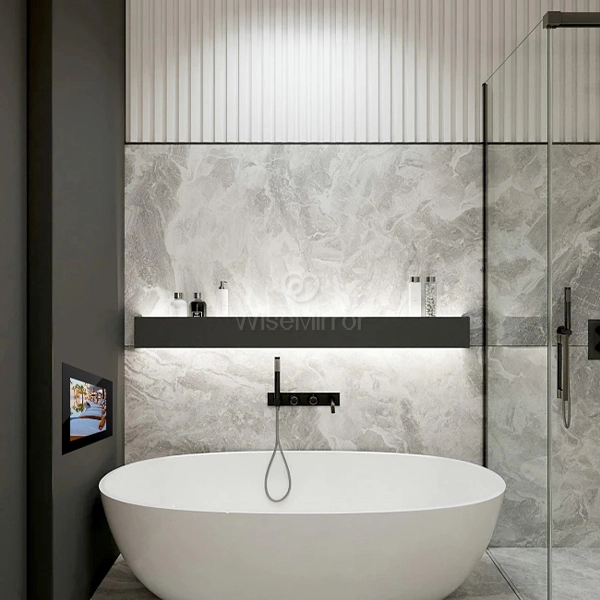
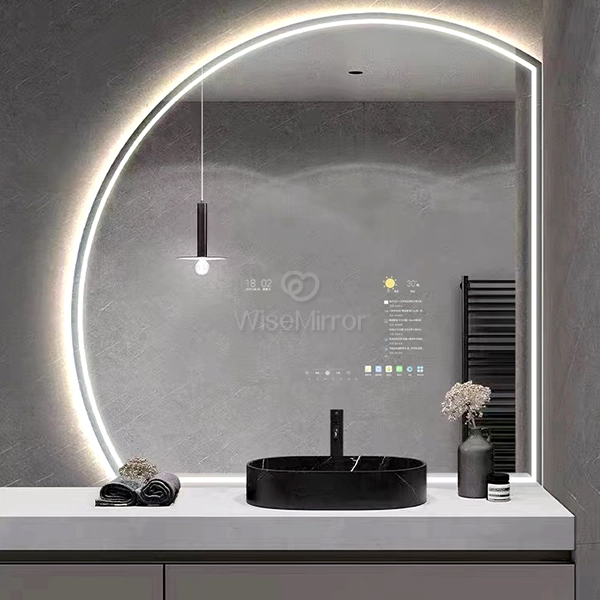
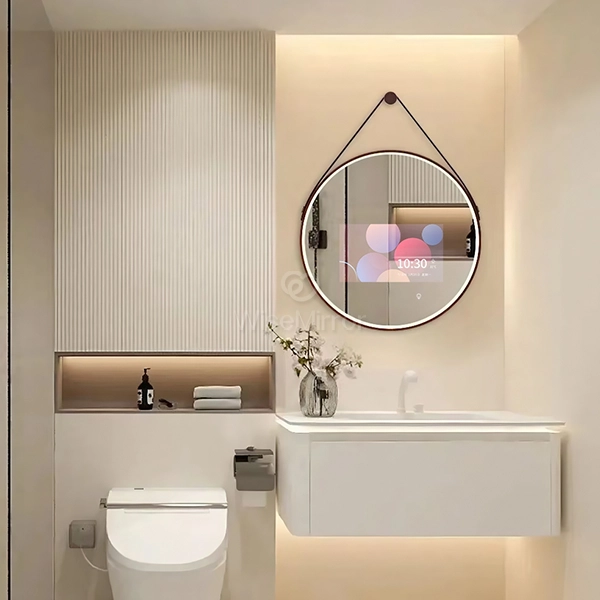
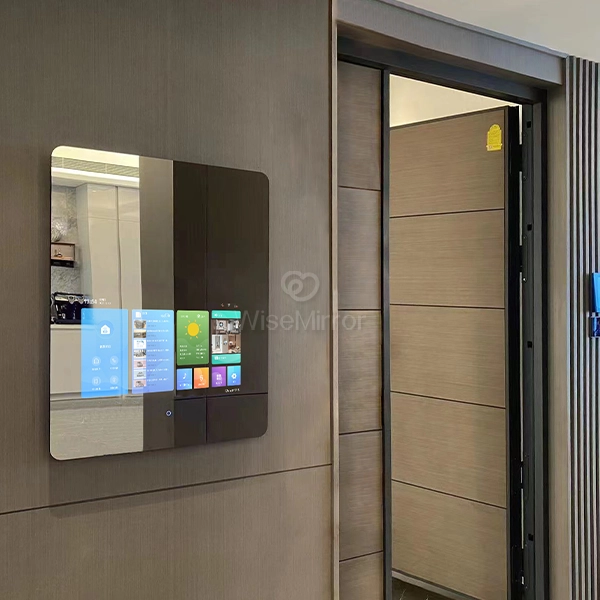
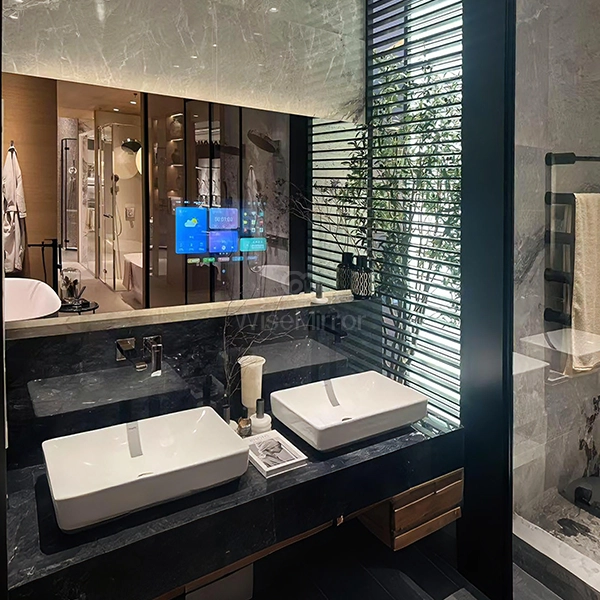
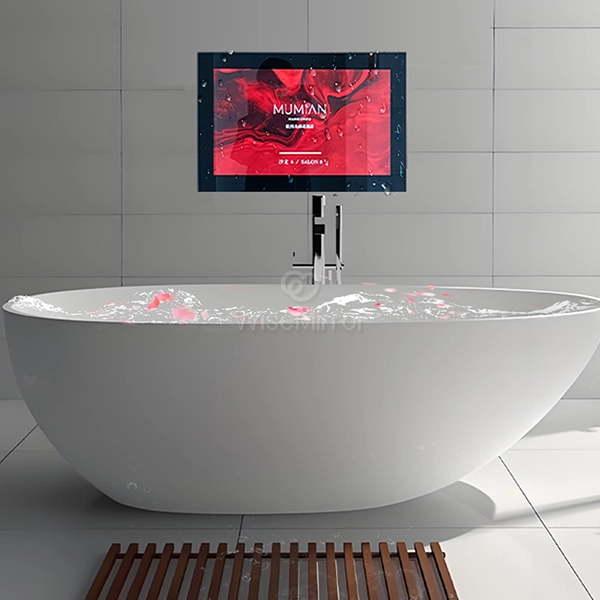
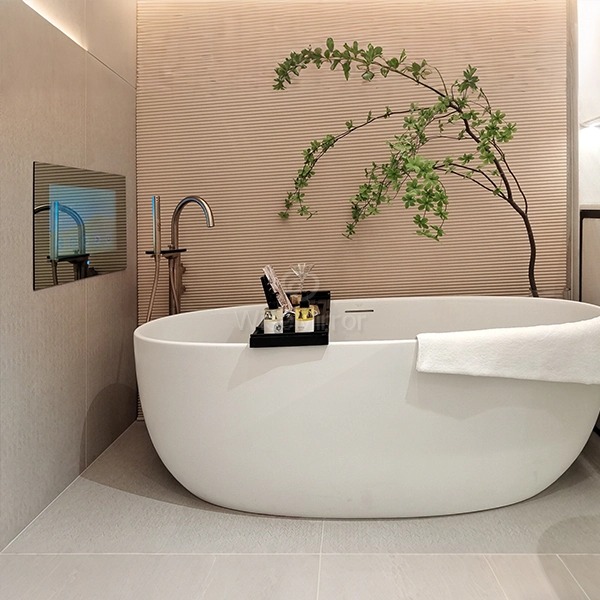
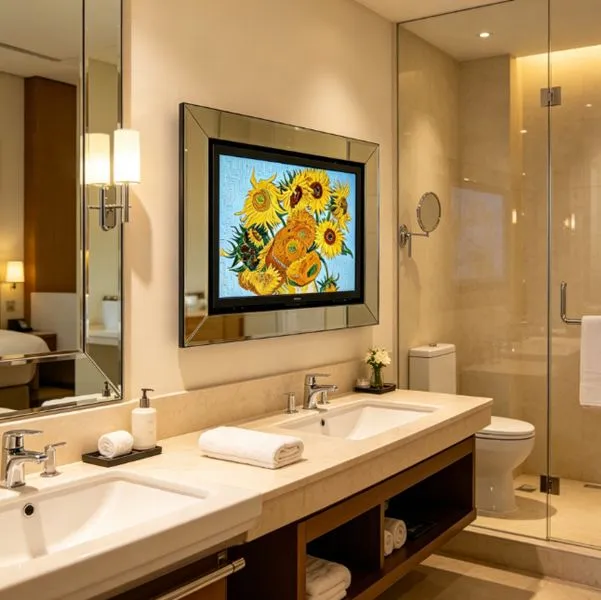
Interior designers who work on high-end home buildings and high-end hotel projects are increasingly faced with the same problem: how to add useful technology without messing up carefully thought-out aesthetic plans. In a beautiful way, the picture frame mirror TV solves this problem. Unlike most black-screen TVs, which take over a room when they're not in use, this two-in-one device turns into a beautiful shiny surface that fits right in with carefully chosen design schemes. With frames that can be changed from ornately carved to simple shapes, these units make rooms look better while providing high-definition fun. This technology meets the basic need for combining design and technology in high-end homes and businesses where every visual detail is important.
Understanding Custom Picture Frame Mirror TVs: Technology and Benefits
The Dual-Function Design Principle
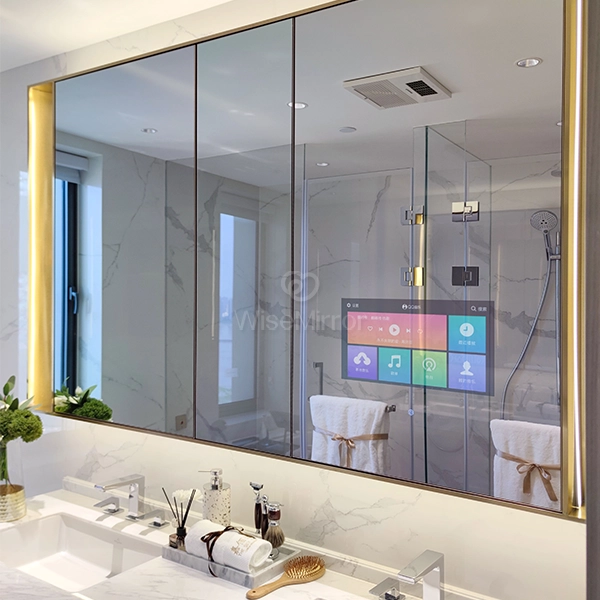
Picture frame mirror TVs are a complex combination of optical engineering and video technology. At their heart, these gadgets use dielectric beam-splitter glass, a special kind of glass that can reflect light 92% of the time when the screen is off, making it a great mirror. When turned on, the built-in high-luminance panel sends out light that goes through the glass layer and shows images that are very clear without changing the way the frame looks. This "vanishing effect" fixes what experts call the "black hole syndrome"—the way that screens that aren't being used can ruin the look of high-end spaces.
Advanced Optical Engineering for Commercial Applications
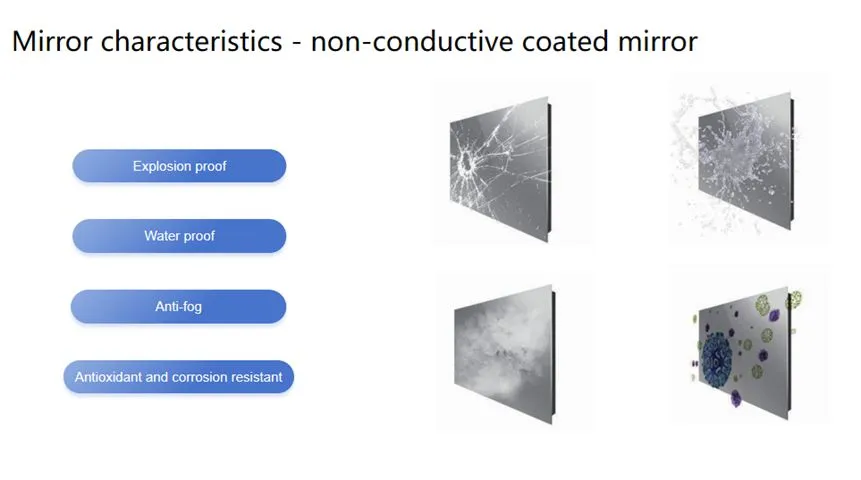
The technical design calls for more accuracy than what's needed for consumer goods. Nano magnetron sputtering coating technology is used in professional-grade units to keep colors true and stop the greenish tint that is common in regular mirror glass. Transmission-to-reflectance ratios are usually between 40/60 and 30/70, and are adjusted based on the lighting factors in the installation site. For use in bathrooms in hotels, the glass needs to be waterproofed to IP65 standards and have anti-fog heating elements that keep the view clear in wet conditions.
When light has to get through shiny surfaces, panel brightness is very important. For picture clarity in well-lit hotel suites or home bathrooms, commercial setups need displays with more than 500 to 700 nits, which is a lot more than normal TVs' 250 to 300 nits. This luminance compensation has a direct effect on how much energy is used and what kind of equipment is needed, which buying teams have to think about when they are planning a project.
Strategic Benefits for Project Developers and Designers
In hotel projects, where every square meter counts for money, space optimization is what drives acceptance. Getting rid of separate TV and mirror units makes a space that can do two things more useful in one. This is especially helpful in the bathrooms of small boutique hotels where space limits clash with luxury standards. These installations are used by real estate companies to set show apartments apart from others. They show how smart-home integration can increase the value of a home without forcing people to give up their design tastes for technology ease.
Facility managers who are in charge of large-scale deployments care about energy saving measures. Ambient light sensors and occupancy sensors are built into modern mirror TV systems. These systems instantly change the brightness or go into standby modes to lower running costs across multiple units. When choosing tools for renovating a 200-room hotel, these small savings add up over the guarantee periods and have a direct effect on the long-term return on investment estimates that project managers show to stakeholders.
How to Choose and Customize Picture Frame Mirror TVs for Your Projects?
Spatial Analysis and Environmental Assessment
A full spatial review is the first step in project-specific decision for a picture frame mirror TV. Mounting positions determine the frame's depth, the amount of air it needs, and any changes that need to be made to the electrical infrastructure. For bathroom installs above vanities, you need special framing that lets the plumbers get to the pipes while still managing heat. This is because display panels produce heat that needs to be gotten rid of through passive airflow channels or active cooling systems built into the architectural woodwork. Mechanical experts and design teams must work together to make sure that HVAC systems can handle the extra heat loads that come with enclosed areas.
Lighting factors have a huge effect on optical specs. To avoid glare, south-facing hotel apartments with lots of natural light need lower transmission-to-reflectance ratios (30/70). On the other hand, higher transmission ratios (50/50) make displays easier to see with less brightness. Color rendering index measures make sure that mirror surfaces show skin tones correctly, which is important for vanity areas where people look at their looks. These technical factors directly affect how much it costs to coat glass and how long it takes to make, so buying plans need to account for them.
Customization Options That Reinforce Brand Identity
Customizing frame designs lets hotel groups keep the look of their brands consistent across all of their properties. Frames with intricate carvings go well with remodeling of historic hotels, and profiles made of very thin, brushed metal go well with modern luxury names. Material choices aren't just about how something looks; commercial-grade frames have finishes that won't rust, which is important in places like spas and resorts on the coast, where salt air and cleaning chemicals speed up the breakdown process. Antioxidation methods keep the frame's integrity during warranty times, which lowers the cost of replacement and keeps upkeep work from being seen by guests as little as possible.
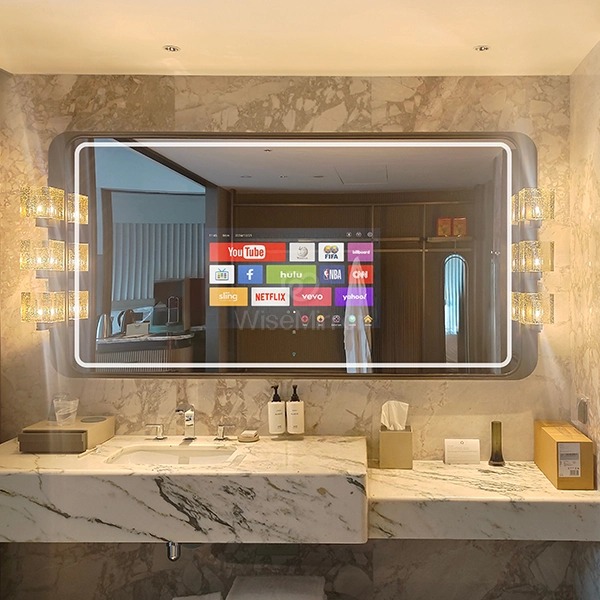
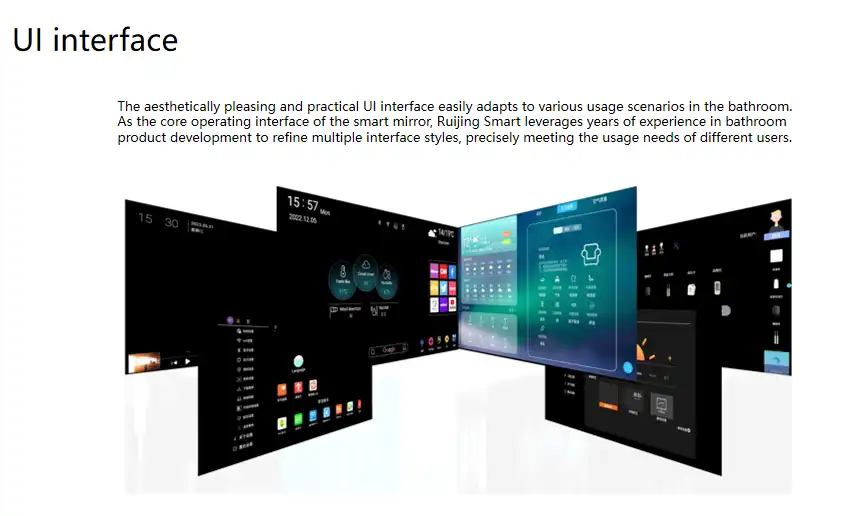
For smart home connection to work, the specifications must be carefully matched. Properties that use Crestron or Control4 control systems need picture frame mirror TVs that work with those systems' API standards and have stable software that keeps connections from dropping. Customizing software lets you make unique user interfaces. For example, when hotel guests turn on their computers, they see logos for the hotels during the starting process. In homes, installations show personalized content layouts. Our in-house UI design and software development team can make these changes within 30 to 35 days for orders over 500 units, which works with the tight schedules that are popular in the hospitality building industry.
Supplier Evaluation and Procurement Strategy
Manufacturer dependability rating keeps projects from being delayed, which can cost a lot of money. Suppliers with a history of working on large-scale projects can show that they have quality control methods that keep defect rates low. For example, our production standards keep failure rates at less than 0.3% by using strict testing procedures that we've created over 15 years of specialized manufacturing experience. Our partnerships with top real estate companies like China Resources Land and Gemdale Group show that we can meet the strict requirements and tight deadlines that business projects need.
International transfers are easier when certification rules are followed. Products with CE, FCC, and RoHS standards make it easier to get them through borders and get governmental approval in North America and Europe. UL safety standards meet insurance requirements for hospitality properties, and IP65 waterproofing grades meet building rules for electrical setups that will be used in wet areas. When permits are processed faster and less paperwork needs to be done, it helps procurement teams. This is especially true for multi-phase building projects.
Installation and Maintenance Guide for Custom Picture Frame Mirror TVs
Pre-Installation Planning and Infrastructure Requirements
Professional installs start with structural studies that make sure the walls can hold their weight. Picture frame mirror TV assemblies, which are made up of display panels, frame structures, and special glass, usually weigh between 40 and 80 pounds, based on the size of the screen. This means that they need stronger mounting systems than regular drywall bolts. Working together with general builders makes sure that blocking is installed during the rough building stages. This keeps expensive rework from having to be done when finish teams find that equipment delivery crews didn't have enough support.
Planning for electrical infrastructure for a picture frame mirror TV includes both getting power to people and making sure that everything is connected. For bathrooms, display units need their own 110V circuits with ground fault circuit interrupter safety. To connect to the network, they need Cat6 cables or strong Wi-Fi coverage so they can stream. Adding a control system means adding low-voltage wiring, like RS-232 or IP control links that connect mirror TVs to central automation hubs. Before finish materials block access, these paths have to go through walls, so electrical workers and AV installers need to work together right away.
Mounting Protocols and Connection Procedures
Precision positioning keeps the clean look that makes investing in a mirror TV worth it. Frames must be exactly plumb and level; even small differences can be seen on shiny surfaces, which takes away from the high-end place these goods hold. Professional workers use laser alignment tools and flexible mounting clamps to fix walls that aren't level, which is common when renovating an old building. For waterproof setups, silicone must be sealed around the edges of the frame. This keeps wetness out and keeps air flow going so that condensation doesn't build up behind the glass.
To keep the guarantee valid, connection steps must be done according to the manufacturer's instructions. Anti-fog heating elements need to have their thermostats calibrated so that the temperatures of the glass don't go above safe levels, which could lead to thermal stress cracks. For touch screens to work, the cables need to be carefully routed. ITO capacitive touch overlays use low-impedance links that can be harmed by nearby electrical circuits. Our technical documentation includes thorough wiring diagrams and commissioning tests that make sure that setups with more than one unit always have the same results.
Maintenance Protocols and Troubleshooting Resources
Both shiny coverings and display surfaces can be kept safe by cleaning them gently. Microfiber brushes with pH-neutral glass cleaners work well on the outside of mirrors. Avoid using ammonia-based products, which wear away special coats over time. When housekeeping workers are trained, these material-specific requirements are emphasized. This keeps damage from happening by accident, which can lead to expensive guarantee claims. Electronic-safe cleaning solutions for screens should be put on cloths instead of sprayed directly on the surfaces. This keeps liquids from getting into frame seals.
Routine repair plans make things last longer and cut down on emergency service calls. Inspections every three months make sure the anti-fog element works, the hanging hardware isn't coming loose because the building is sinking, and software changes keep the device compatible with new smart home platforms. Our technical support infrastructure is available 24 hours a day, seven days a week. It can do remote diagnostics and often fix connection problems through guided troubleshooting methods that keep technicians from having to go out of their way for no reason. Parts replacement and work coordination are covered by the guarantee for two years. This protects facility budgets against unexpected equipment breakdowns during busy times.
Comparing Picture Frame Mirror TVs with Other Display Solutions
Design Integration Advantages Over Traditional Alternatives
Standard TVs add visible weight that goes against the goals of hospitality design. Even when they're not being used, black screens block most of the view, which means that artistic solutions like cabinetry frames or automatic lift systems are needed, which are more complicated and cost more. These problems don't happen with picture frame mirror TVs because the shiny surface actively adds to spatial perception, making bathrooms look bigger through mirrored surfaces while still being able to play videos. This two-part contribution explains the higher price by adding value beyond just audiovisual performance measures.
When motorized artwork covers or closet doors are used for hidden picture frame mirror TV solutions, they create mechanical failure points and upkeep issues. Running a business costs money because moving parts need to be oiled, tracks cleaned, and motors replaced on a regular basis. Mirror TV setups don't have any moving parts other than the electronics inside. This makes it much harder for things to go wrong and easier to plan for long-term upkeep. When choosing equipment for properties where service interruptions have a direct effect on guest happiness scores, facility management teams like these benefits in terms of dependability.
Cost Analysis and Return on Investment
The initial costs of buying commercial-grade mirror TVs are 40–60% higher than the costs of buying normal hospitality TVs. This causes procurement objections during budget talks. Lifecycle cost analysis shows that the combined mirror-television functionality saves money in three ways: it removes the need to buy separate fixtures; it reduces installation work by mounting the unit on a single wall; and it lowers upkeep costs by getting rid of mechanical parts. Space optimization makes it possible for new bathrooms to have smaller sizes, which could mean adding revenue-generating square footage to other parts of a property's plan.
When comparing energy savings, current mirror TV technology comes out on top, even though it needs to be brighter. LED backlighting systems use 30–40% less power than older CCFL screens while providing better brightness. Smart power management lowers idle power use to less than 2 watts, which is almost nothing compared to older equipment. In 200-unit hotel setups, these small savings add up to measurable drops in energy costs that raise property-level profitability measures that asset management teams keep an eye on.
Case Studies and Design Inspiration for Interior Designers
Hospitality Sector Implementations
Renovations to the bathrooms of high-end hotels always show picture frame mirror TV value offers. A new 450-room resort project put 32-inch waterproof TVs above vanities in all of the guest cabins. This created uniform brand experiences and met guests' entertainment needs. The reflective surfaces made the bathroom seem bigger, which is especially helpful during remodeling where water locations limited the changes that could be made to the plan. Customized frames that matched the brushed gold finishes of the fixtures kept the design consistent, and smart integration let guests watch personal material through the property's Wi-Fi networks.
In treatment rooms and relaxing lounges, spas and health centers use mirror TV technology. While they're not showing guided meditation videos, virtual nature scenes, or service ads, displays can be used as useful mirrors in preparation areas. IP65-rated shelters can handle damp places and the regular cleaning that is needed in business health settings. These pieces show how technology can improve the relaxing environments that health brands create instead of ruining them.
Current Design Trends and Future Directions
Current specs focus on minimalist frame shapes as designers aim for technology integration that doesn't get in the way. Ultra-narrow borders that are only 15 to 20 mm wide make mirror surfaces look almost frameless, letting them fit in with the tile or wall finishes around them. Matte black and brushed brass finishes match popular light styles in high-end hospitality design, and custom powder-coating choices let you match exact colors to project palettes.
New technologies will allow mirror TVs to be used for more than just idle watching. Augmented reality overlays can put information on top of mirrored surfaces. For example, hotel guests could see weather reports, schedules, or directions without getting in the way of the mirror's function. Gesture control systems get rid of the need to touch something, which is good for cleanliness and makes experiences more engaging. Because of these improvements, mirror TV technology is now more of a base for smart building strategies than just a piece of static audiovisual equipment. This means that it will remain useful as hotel technology standards rise.
Conclusion
Custom picture frame mirror TVs solve some of the most important problems that interior designers face when they have to balance the need for functionality with the need for good looks in high-end home and hotel projects. The two-in-one design clears up visual clutter and makes the best use of space, providing real value by lowering building costs and improving the guest experience. When choosing a provider, it's important to carefully look at technical details like safety certifications, specialized optical coatings, and the ability to connect to smart homes. Installation and upkeep rules make sure that things work well for a long time, which saves project investments and keeps design goals alive. Based on case studies from the hotel industry, this technology lets designers make high-end spaces where new technology improves rather than detracts from the beauty of the design.
FAQ
What size options work best for hotel bathroom installations?
Standard hotel bathroom mirror TVs are between 24 and 32 inches, which is a good size for both viewing and looks when compared to standard vanity widths. 43-inch TVs may work in larger suites, while 19-inch TVs are better for small bedrooms. By making the tiles or woodwork to your exact measurements, custom size keeps you from having to make expensive changes to the way the building is built. Procurement teams should be clear about measurements, such as frame profiles; ultra-thin designs make the most of limited room by maximizing screen area.
How do mirror TVs perform in high-humidity environments?
The commercial-grade units have IP65 waterproofing that keeps water out of the electronics inside and anti-fog heating parts that keep the images clear. For these features to work, the electrical wiring must be done correctly, with GFCI safety and thermostat adjustment during commissioning. Systems that are properly chosen and put work reliably in bathrooms, and their warranties cover breakdowns caused by humidity.
Can mirror TVs integrate with existing property management systems?
Standard automation methods, such as IP control, RS-232 connectivity, and compatibility with major systems like Crestron and Control4, are supported by modern units. Custom API creation lets you connect to your own hotel management system, which lets you handle multiple units across properties from one place. Our software developers work with system engineers to make sure that everything works together smoothly during the installation process.
Partner with WiseMirror Intelligent for Your Next Project
The commercial-grade mirror display options that WiseMirror Intelligent offers are designed to meet the needs of high-end home and business settings. Our unique nano magnetron coating technology gets the highest reflectivity (92%), along with the clearest display performance in the industry. This is backed by strict quality standards that keep failure rates below 0.3%. We've been skilled in manufacturing for more than 15 years and have finished more than 450 projects around the world, including agreements with China Resources Land and Gemdale Group. This means we know how to meet the deadlines and specifications for your projects. Contact our team at info@wisemirror-int.com to talk about customization options, look over technical paperwork, and get specific quotes from a reliable picture frame mirror TV manufacturer that will back your design vision through on-time delivery and a full warranty.
References
Architectural Digest, "Smart Technology Integration in Luxury Hospitality Design," 2023 Interior Design Trends Report.
Hospitality Technology Magazine, "Guest Room Technology Adoption Patterns in Four and Five-Star Properties," Annual Industry Survey 2024.
Journal of Interior Design, "The Intersection of Aesthetics and Functionality in Contemporary Residential Spaces," Volume 48, Issue 3.
National Kitchen and Bath Association, "Emerging Technologies for Luxury Bathroom Design," Professional Development Series 2024.
American Institute of Architects, "Integrating Smart Home Technology in High-End Residential Projects," Continuing Education Publication.
International Hotel and Restaurant Association, "Technology Standards and Best Practices for Luxury Accommodations," Industry Guidelines 2023 Edition.