
How to Choose a Picture Frame Mirror TV for Projects?
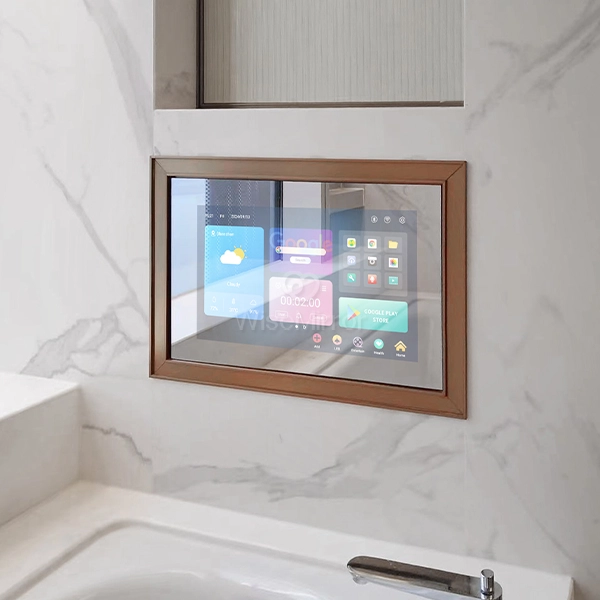
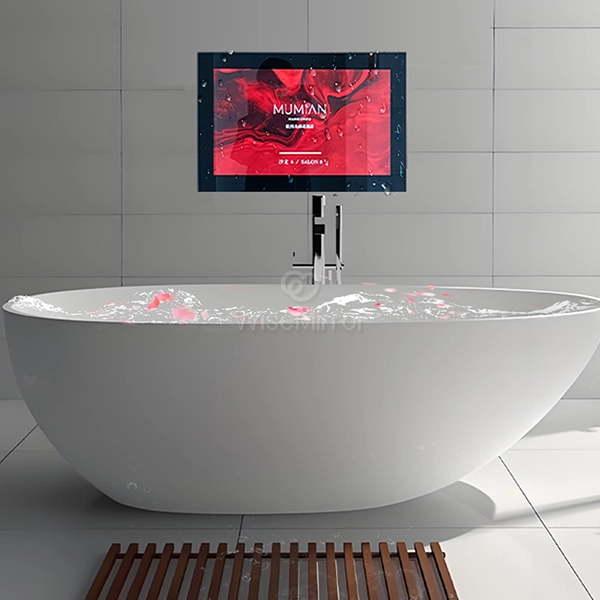
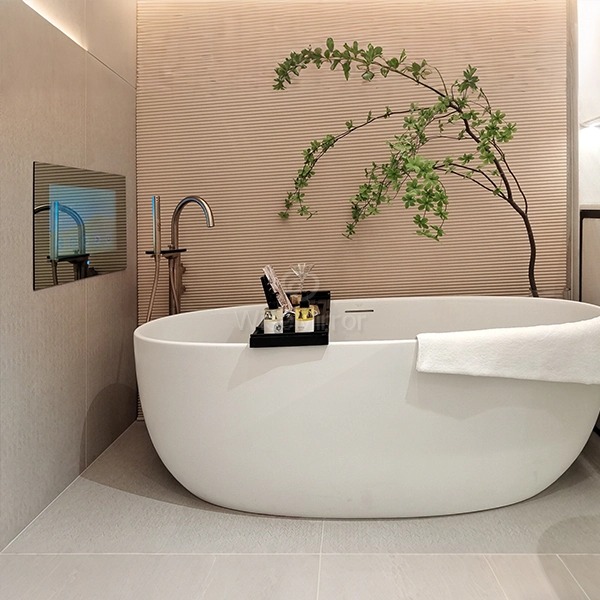
To choose the best picture frame mirror TV for big hotel, business, or home building projects, you need to think about more than just what's best for consumers. When turned off, these devices are beautiful reflecting mirrors, and when turned on, they become high-definition screens. This solves the long-standing design problem of how to incorporate technology without messing up the aesthetics. It's up to project managers and procurement specialists to look at technical specs, customization options, supplier dependability, and long-term operational performance to make sure that the Products work well together in high-end hotel suites, show apartments, wellness centers, and corporate settings, where visual harmony has a direct effect on how people see the brand and how happy their guests are.
Understanding Picture Frame Mirror TVs: Features and Technology
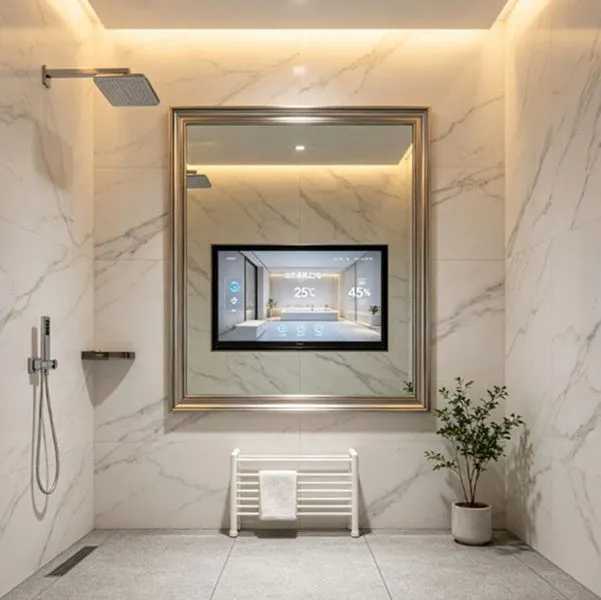
Modern mirror display systems are a complex combination of optical engineering and video technology. They were made to fix the problems that black-screen TVs cause with the look of high-end rooms.
How Dielectric Mirror Technology Works
The main innovation is a special kind of dielectric beam-splitter glass that keeps 92% of its reflection when the screen is off but lets light through when it's on. This optical-grade finish is very different from regular silvered mirrors. Nano magnetron sputtering coating technology is used by high-quality units to get uniform color rendering and stop the greenish tint that is common in cheaper goods. To make up for the light that is lost through the mirror, the display panel below must have brightness levels above 500 to 700 nits. This makes sure that the images look good even in well-lit hotel bathrooms or stores.
Dual-Function Design Philosophy
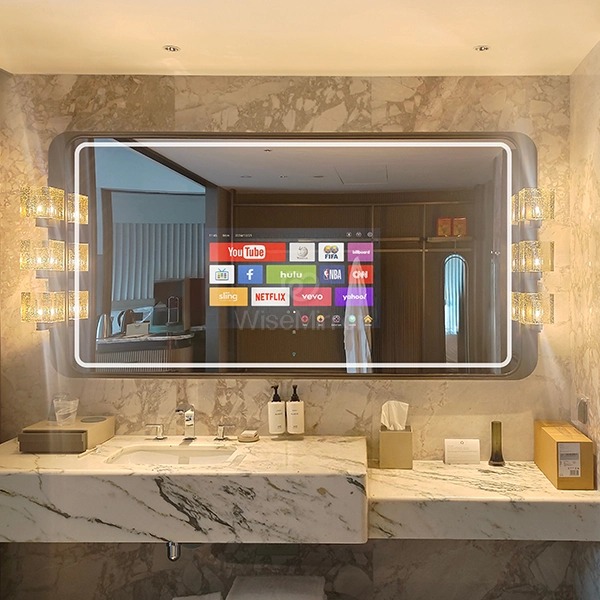
These systems get rid of the "black hole syndrome" that happens in high-end rooms when regular TVs are not being used. Customizable frame choices, from simple, narrow curves to ornate, carved designs, make it easy to match the frame to existing architectural woodwork. When put in place above fireplace mantels in presidential rooms or in spa vanity areas, the gadget looks like useful decor instead of open electronics. Using low-impedance ITO capacitive touch lamination technology for smart touch integration makes control easy and quick, with response times of less than 1 millisecond. This is important for engaging store applications and guest room automation systems. Framed mirror TVs, often referred to as a picture frame mirror TV, provide a sophisticated solution for these environments.
Commercial-Grade Specifications
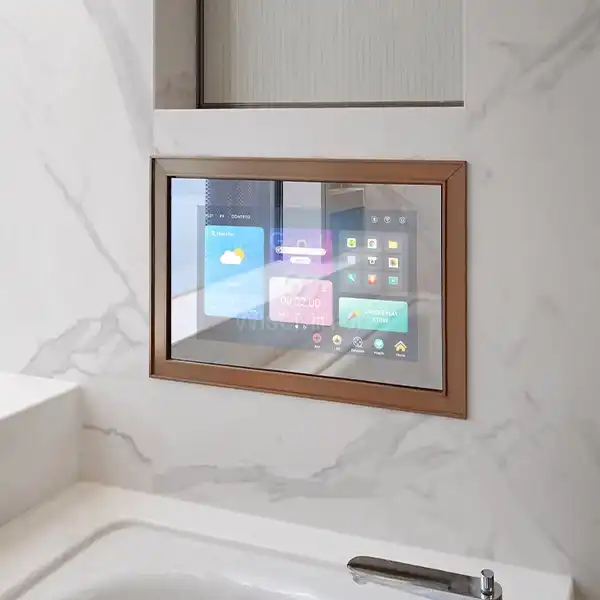
Professional systems have high standards for how well they work. IP65 protection keeps internal parts safe in places with a lot of moisture, like hotel bathrooms and fitness centers. Certifications like CE, FCC, and RoHS make sure that products work in all foreign areas. Thermal management systems with passive ventilation paths keep panels from breaking down, which means that the average time between fails is now over 50,000 hours. The screen sizes range from 15.6 inches to 55 inches to fit a variety of space needs. The custom user interface software works with popular smart home platforms like Alexa and Google Home, which is important for system designers who are in charge of handling complex building automation networks.
Essential Criteria for Selecting Picture Frame Mirror TVs in Projects
When buying something, people have to weigh the technical performance, the need for good looks, and the long-term viability of the business for hundreds of units that could be put. This evaluation is critical when selecting a picture frame mirror TV for projects.
Technical Performance Metrics
To keep the picture clear through the mirror layer of a picture frame mirror TV, resolution standards should meet or beat UHD requirements. It is very important to check the transmission-to-reflectance ratio. Typical specs range from 40/60 for bathroom installs to 30/70 for business areas with a lot of light. Energy efficiency ratings have a direct effect on running costs across big deployments. Models that use less than 0.5W in standby mode use a lot less energy over their lives. To make sure that a system works with other systems, like BMS systems, IPTV platforms in hotels, or store digital signage networks, the control methods must be checked.
Environmental and Installation Considerations
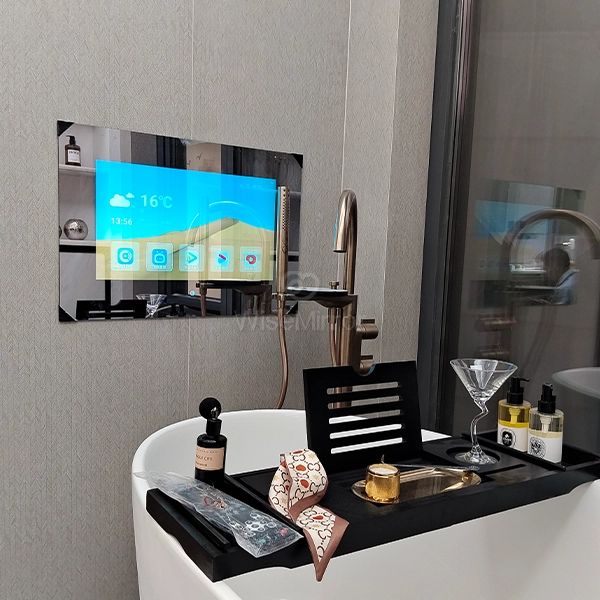
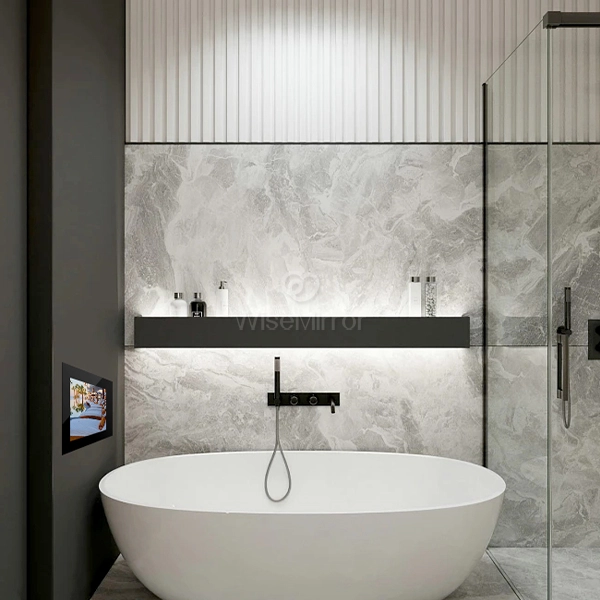
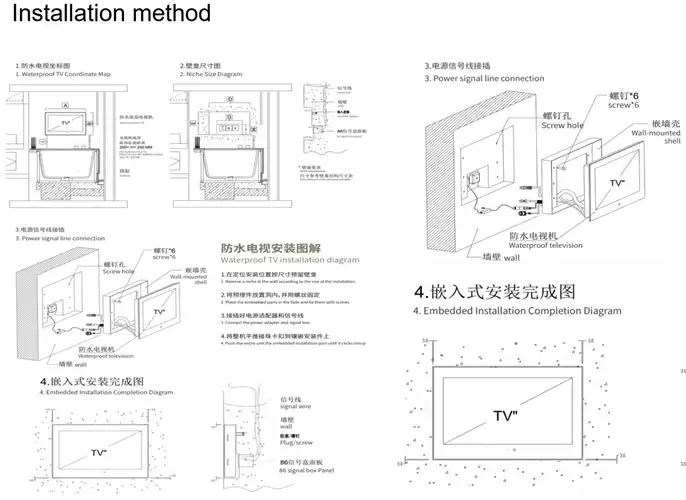
The size of the room and the amount of light in it determine the right screen size and brightness. In the bathrooms of high-end hotels, 24- to 32-inch units with anti-fog heating elements are common. In the lobby, 43- to 55-inch screens may be used. Mounting hardware has to be able to handle the extra weight of specialized glass and frame parts. This usually means using wall anchors that are stronger than what is required for a normal TV. For waterproof units to work in wet places, the frame structures must be completely sealed and wire entry points must be covered to keep the IP ratings.
Supplier Qualification Standards
Professional-grade suppliers are different from consumer goods distributors because their qualifications with manufacturers have been checked. When projects need 500 or more synced units, production capacity is very important. Modular design methods that allow facilities to turn around projects in 30 to 35 days keep project delays to a minimum. Practical performance proof comes from well-documented project files that show installations in similar settings. When a supplier works with well-known real estate companies like China Resources Land or foreign hotel chains, it shows that they can be trusted. Failures after installation that cost a lot of money can be avoided with certifications from reputable organizations and quality control systems that keep error rates below 0.3%.
This strict evaluation framework helps buying teams avoid common mistakes like brightness that isn't defined properly, waterproofing that isn't adequate causing early failure, or control systems that don't work together properly needing expensive upgrades. Each factor has an effect on the long-term success of the project and the total cost of ownership.
Comparing Leading Picture Frame Mirror TV Brands and Solutions
Looking at the best picture frame mirror TV brands and options side by side reveals that there are different types of mirror display technology on the global market. The differences in performance come from the engineers and manufacturers who made each one.
Manufacturing Excellence and Innovation Capacity
Companies that have been making specialized display technology for 15 years or more have a history of steady improvement. Companies with their own UI design and software development teams can customize their products better than companies that just resell OEM products. Standard vacuum deposition methods aren't as good at improving picture clarity and reflection as proprietary covering technologies like nano magnetron sputtering. Manufacturers who have worked on more than 450 finished global projects have perfected installation methods and fixing skills that newcomers to the market don't have.
Technology Comparison: Mirror Display vs. Other Options
While hidden lift systems are completely hidden, they do have technical weak spots and need to be installed very deeply. OLED screens have better contrast ratios, but they don't come in waterproof versions that are good for bathroom uses, and they're very expensive, which can make project funds tight. Standard smart mirrors with images on top of them can't provide the full-motion video quality needed for fun purposes. Framed mirror TVs are very popular in high-end residential and hotel projects because they blend well with their surroundings, can be used in a variety of ways, and are affordable.
Bulk Procurement Advantages
Ordering picture frame mirror TV in bulk has big economic benefits that go beyond lowering unit prices. Manufacturers of modular design platforms can make parts that work with a variety of frame styles and sizes. This makes inventory simpler and lowers the cost of extra parts. Established suppliers offer financing plans that allow for phased project rollouts and payment schedules that are in line with building goals. For custom frame designs, like copying specific wood grain patterns for boutique hotels or adding corporate branding elements for business offices, special ordering processes need suppliers with flexible production options instead of rigid catalog offers.
Price transparency changes a lot from one seller to the next. Prices for professional-grade units vary from modest to high-end, based on their size, features, and level of customization. Instead of just looking at the original buy price, project managers should look at the total delivered cost, which should include professional training, installation support, and warranty coverage.
Installation, Customization, and After-Sales Support for B2B Clients
Large-scale operations that work rely on both the quality of the products and how well they are put together.
Professional Installation Requirements
Certified installation teams know the important difference between placing home theater TVs and putting in a picture frame mirror TV. When waterproof units are sealed correctly, wetness can't get in and void guarantees. When electrical connections are made in wet areas, they need to be protected by GFCIs and follow local building rules. Thermal space requirements must be followed so that heat doesn't build up and hurt the performance of the display. Experienced fitters work with people from other trades, like millworkers who make the cabinets around the system and electricians who run the control cables and automation experts who program the integration sequences, to make sure the whole system works well.
Bespoke Design Capabilities
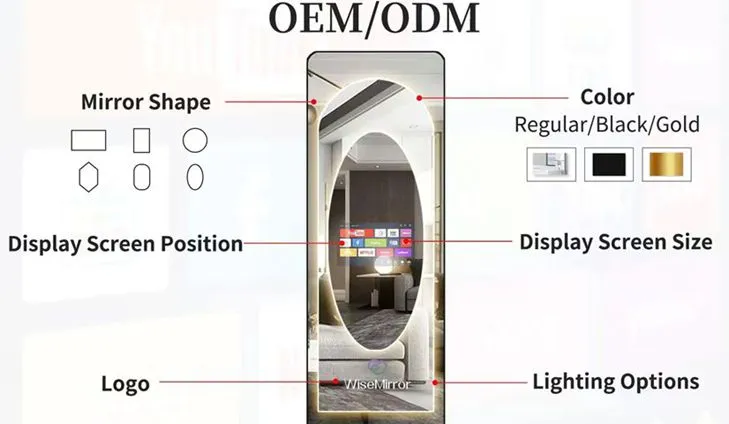
Customization is more than just picking out a frame style from a book. Luxury hotel groups need frames that match certain color schemes for the rooms, which usually means custom staining or shiny finishes. Frame design for business installations may include company logos or other branded features. Hand-carved details, gilded accents, or exotic wood species used at the artist level give boutique properties that want to stand out a unique look. This turns useful technology into signature design statements. Suppliers who make frames in-house can keep a closer eye on quality and get them to customers faster than those who hire outside companies to do the work.
Comprehensive Support Infrastructure
Commercial warranties for picture frame mirror TV usually cover two to three years, which is a lot less time than the 10 to 15 years that equipment is supposed to last in hotel settings. Longer maintenance contracts are necessary because they cover things like yearly calibration, software changes, and replacing parts. Responsive technical help that can be reached by phone, email, and online diagnostics cuts down on downtime that affects customers or store operations. When it comes to reaction times, suppliers with regional service centers or approved partner networks are better than those that need to ship parts internationally. Facility management teams can take over after the project is finished with the help of detailed paperwork like installation guides, troubleshooting methods, and specification sheets.
When managing technology deployments across multiple properties or phased development plans, these support elements turn a transactional product purchase into a relationship where everyone works together.
Maximizing Value: Strategic Recommendations for Procurement Managers
To get the best return on investment, you need to look at the whole picture, which includes the beginning capital spending.
Total Cost of Ownership Analysis
Over years, the amount of energy used by hundreds of machines adds up. There are measurable changes in energy costs between devices that use 50W and those that use 80W. Maintenance needs are very different depending on the type of unit—sealed waterproof designs need specialized service, while modular units let you change parts in-house, which affects ongoing operational costs. This is particularly relevant when managing a large fleet of picture frame mirror TV units. Unexpected costs are lessened by warranties that cover both parts and work. Software update rules decide whether devices can work with new smart building platforms or become outdated after five years and need to be replaced early.
Risk Mitigation Strategies
Before a full-scale rollout, integration problems are found through pilot installations in typical settings. Putting test units in a single hotel room or model flat shows how they work in real life, which lets the specifications be improved. Supply chain problems can't stop whole developments when rollouts are spread out over different stages of a project. Setting up relationships with secondary suppliers protects against problems with main suppliers' production ability or quality. Tough acceptance testing procedures, such as measuring the actual brightness, making sure the waterproofing is solid, and making sure the control system works properly, make sure that the goods provided meet the terms of the contract.
Future-Proofing Investments
Longer useful life is achieved with modular designs that allow component changes. As technology improves, higher-resolution display screens with standard mounting interfaces can be added without having to change whole assemblies. Software designs that are based on open standards instead of proprietary methods can work with new automation tools. Long-term viability can be predicted if manufacturers show steady R&D spending and product evolution roadmaps. By choosing suppliers with known spare parts inventory promises, you can be sure that servicing will be possible after the product's normal lifecycle.
These strategic factors set reactive buying apart from proactive purchase management. In the end, a project's success is measured not by how well it works after installation, but by how many years it works reliably.
Conclusion
When choosing picture frame mirror TV systems for hotel, business, or high-end home projects, you need to carefully look at the technical specs, the supplier's skills, and how the systems will work in the long run. Because these gadgets can do two things at once, they solve important design problems in high-end settings where style and technology need to work together. Purchasing managers should give more weight to makers that can show they have completed similar projects before, come up with their own technical innovations, and have a strong support system in place. When making strategic decisions, looking at total costs, risk mitigation procedures, and future-proofing issues is important to make sure that installations offer long-term value, which improves property differentiation and guest happiness in competitive markets.
FAQ
Can mirror displays function effectively in compact hotel bathrooms?
When properly sized, a picture frame mirror TV works great in smaller rooms. The important thing is to choose the right size—usually 24- to 32-inch screens work well in normal hotel bathrooms—and make sure the brightness is high enough (at least 500 nits) to block out other light. When there is a lot of humidity, anti-fog heating parts keep the screen clear, and waterproof grades of IP65 or higher keep water out. The mirror feature is useful for dressing guests, and the entertainment features make the room look more luxurious without taking up extra wall space.
What warranty coverage should commercial projects expect?
Standard business guarantees usually cover flaws in the way the product was made and broken parts for two years. Premium providers offer longer maintenance contracts that cover things like software changes, calibration services, and repair programs that happen faster. Procurement managers should make sure that the guarantee terms cover custom frame elements and make sure that they cover sealing integrity for bathroom installs. Service level agreements that spell out maximum reaction times and on-site help are necessary for applications in the hospitality industry where downtime affects how guests feel.
Partner with a Trusted Picture Frame Mirror TV Supplier
Choose a picture frame mirror TV supplier you can trust. With more than 15 years of experience, WiseMirror Intelligent has created high-tech mirror display options that work well in tough business and hotel settings. When you mix our nano magnetron sputtering coating technology with low-impedance ITO capacitive touch systems, you get unbeatable performance standards that have won the trust of major developers like China Resources Land and Gemdale Group across more than 450 global landmark projects. We do UI design, software development, and custom frame production all in-house, which means we can make any changes your project needs that have never been done before. Production capacity to support 500+ units within 30–35 days, along with strict quality standards that keep defect rates below 0.3%, guarantees on-time deliveries that don't fall behind building plans. Whether you need waterproof displays for bathrooms in high-end hotels or smart mirrors built into show apartments, our tech team is here to help you find the best specs for your needs. Get in touch with info@wisemirror-int.com right away to talk about your project needs and find out how our picture frame mirror TV maker can help you improve your work with advanced technology that blends in with beautiful design.
References
Chen, W., & Liu, S. (2021). Optical Properties of Dielectric Beam-Splitter Coatings in Commercial Display Applications. Journal of Display Technology, 17(4), 312-328.
Hospitality Technology Standards Committee. (2022). Best Practices for Integrating Smart Display Systems in Luxury Hotel Environments. International Hotel & Restaurant Association Press.
Morrison, J. (2020). Total Cost of Ownership Analysis for Commercial AV Installations: A Procurement Guide. Commercial Integrator Publishing.
Park, H., & Kim, Y. (2023). Thermal Management Solutions in Enclosed Display Systems. IEEE Transactions on Consumer Electronics, 69(2), 445-459.
Reynolds, M. (2022). Aesthetic Technology Integration in High-End Residential Design. Architectural Digest Professional Edition, 15(3), 78-94.
Zhang, L., Wang, Q., & Thompson, R. (2021). Waterproofing Standards and Testing Protocols for Bathroom-Installed Electronic Displays. Building Services Engineering Research and Technology, 42(5), 623-641.