
Customized Luxury Hotel Spaces with Picture Frame Mirror TVs
The addition of picture frame mirror TV technology is a big change in the way high-end hotels are designed, bringing together usefulness and style. These installations serve two purposes, which solves a problem that architects and procurement managers in the hotel industry have been struggling with for a long time: getting rid of the eyesores that come with regular electronic displays while still giving guests the best entertainment experiences possible. This approach keeps the design consistent across suites, spas, and public areas by hiding high-definition screens behind dielectric mirror glass in custom architectural frames. It does this without lowering the level of technology or working performance.
What is a Picture Frame Mirror TV and How Does It Enhance Luxury Hotel Spaces?
Understanding the Core Technology
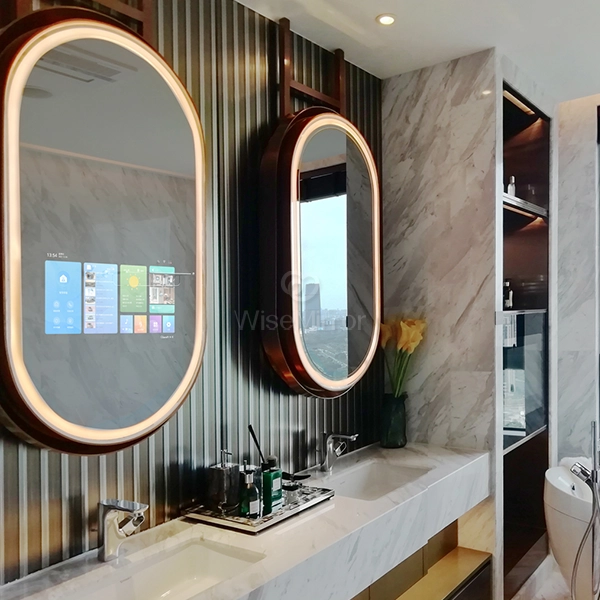
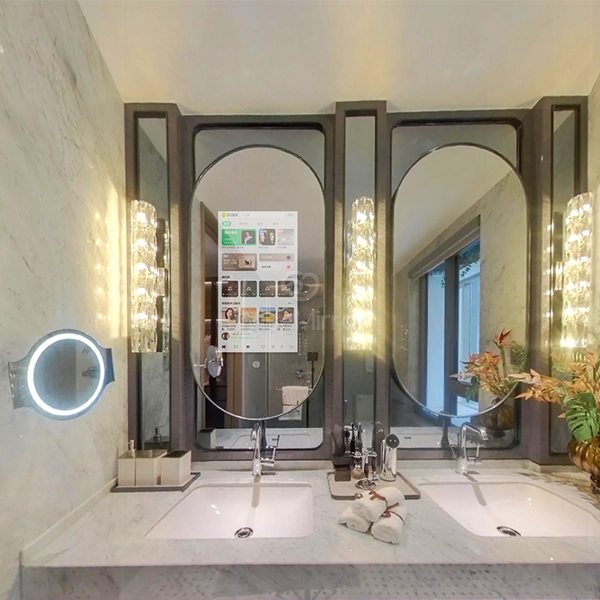
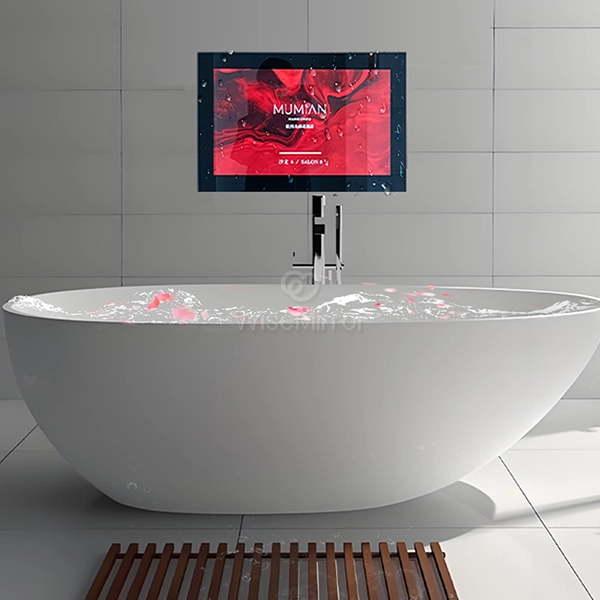
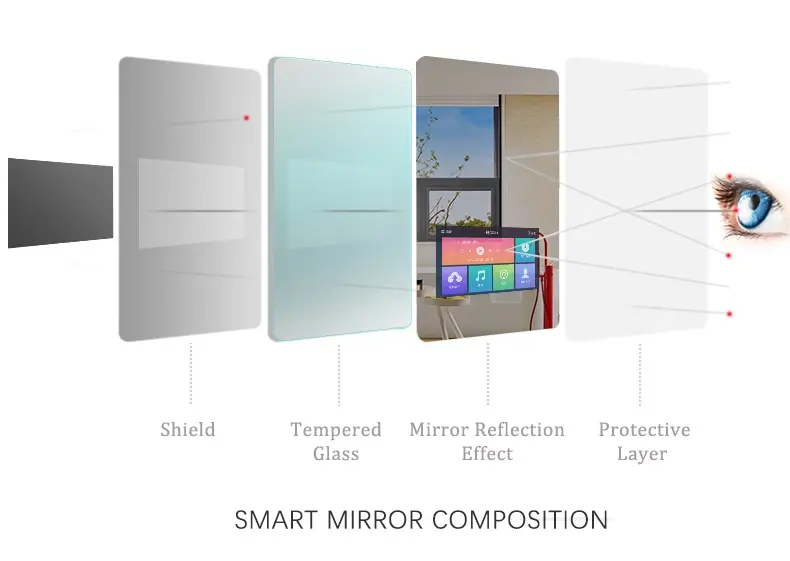
Instead of using traditional silvered mirror coatings, a picture frame mirror TV uses specialty dielectric beam-splitter glass technology. This optical-grade material keeps an exact transmission-to-reflectance ratio, which is usually set at 40/60 or 50/50 for bathrooms with a lot of different types of lighting. When the unit is turned off, it acts as a perfect mirrored surface that looks just like a regular bathroom mirror. When the device is turned on, the high-luminance display panel below—designed to be brighter than 500 nits—penetrates the mirror covering to show clear 4K images. This technical method fixes the "black hole syndrome" that happens a lot in high-end spaces, where screens that aren't being used mess up carefully chosen design schemes.
Elevating Guest Experience Through Discreet Integration
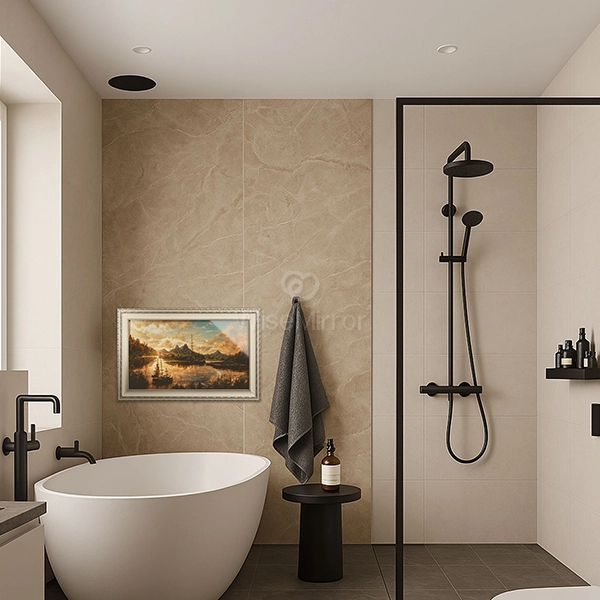
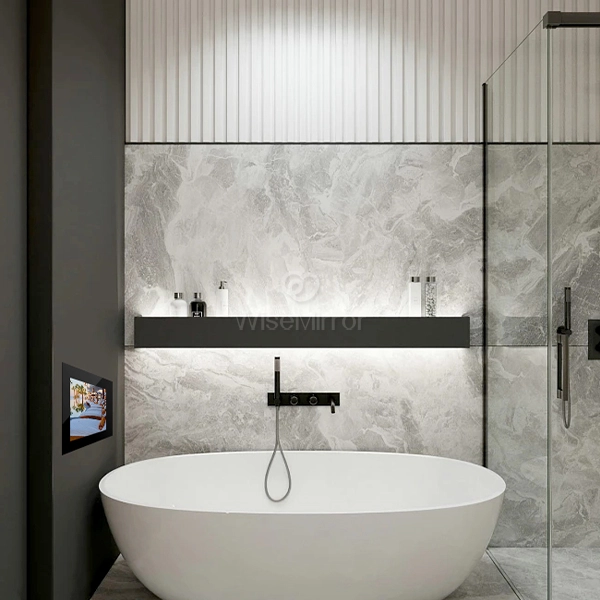
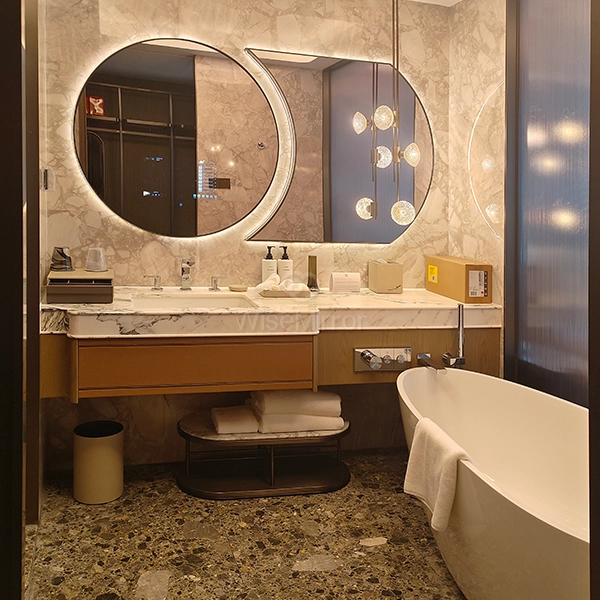
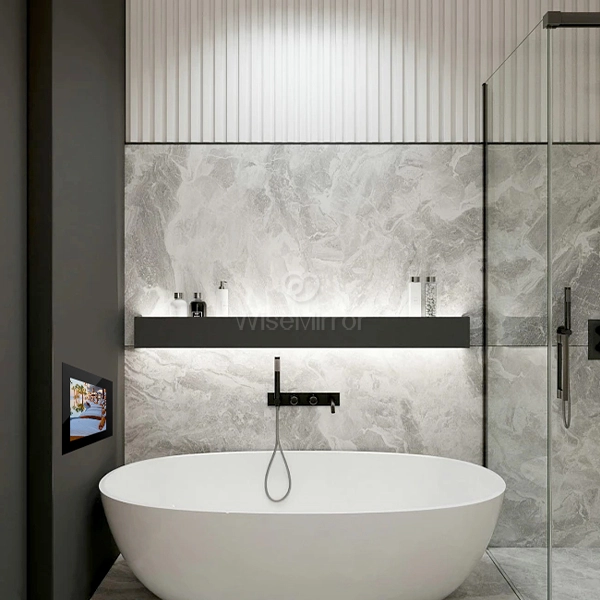
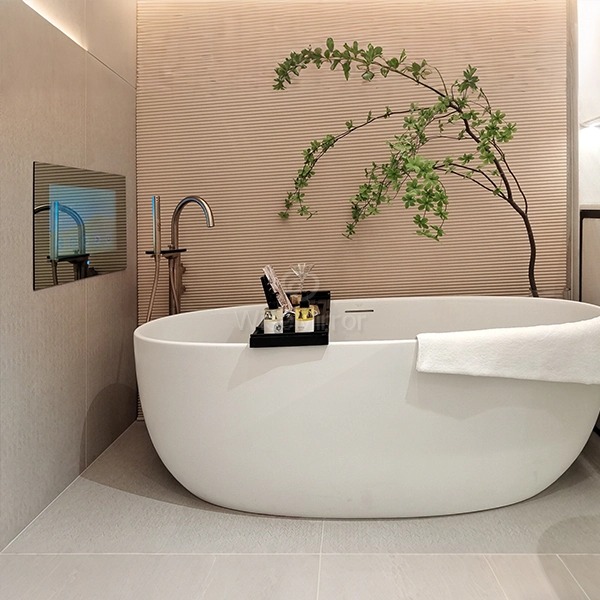
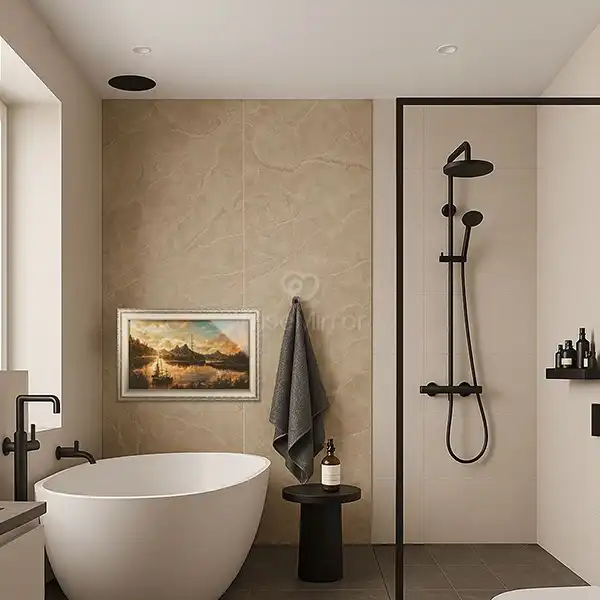
In hospitality settings, technology needs to improve the beauty of the space instead of taking over. Hotel owners can keep their brand consistent across all of their properties by hiding mirror display units in custom frames. These units also provide important in-room fun. Guests interact with entertainment systems that look like high-end interior features, like a fancy gold frame in a historic building or a simple brushed metal cage in a modern boutique hotel. This method cuts down on visual clutter, makes small bathroom plans seem bigger, and adds memorable touches that set luxury homes apart from other lodging options.
Comparative Advantages Over Conventional Display Solutions
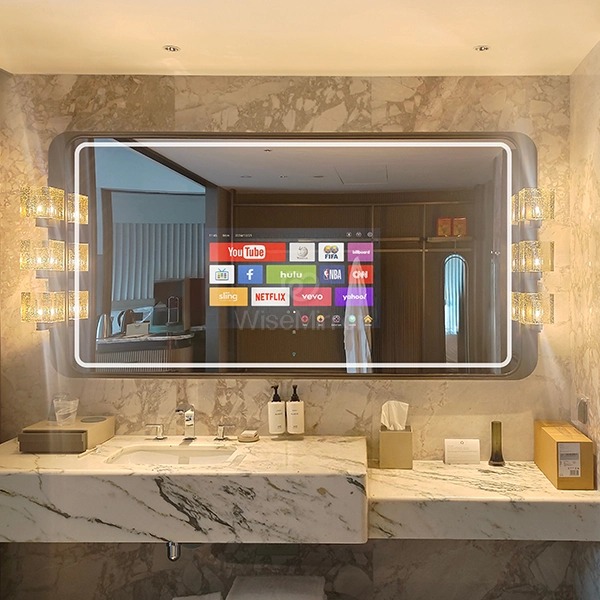
Traditional wall-mounted TVs have strict design restrictions that mean they can only be placed in certain places and require noticeable wire management. When smart mirrors have screens built in, the quality of the image or the performance of the screen is often compromised. Picture frame mirror setups get rid of these trade-offs by using an integrated design that combines an ITO capacitive touch interface with a nano magnetron covering that makes the mirror 92% reflective. The result is equipment that can do two things at once without any problems, and it can be used in both high-humidity spas and climate-controlled rooms. It also meets IP65 protection standards.
Customization and Installation – Tailoring Picture Frame Mirror TVs for Hotel Projects
Architectural Frame Design Options
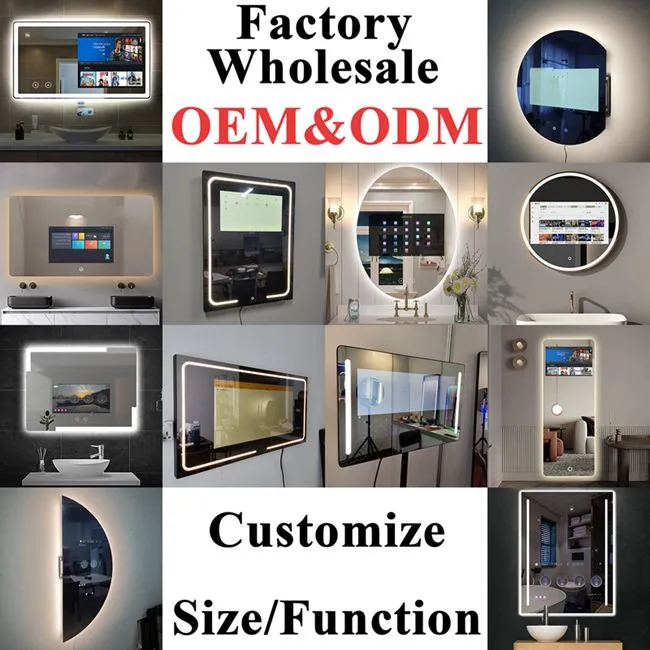
For hotel projects, the procurement requirements must be in line with standard interior design languages. The WiseMirror Intelligent frame can be made from solid hardwood, aluminum alloy, or composite polymers, and it can have a powder coating, an electroplating, or a hand-applied patina applied to it. It can also have profiles that range from 15 mm ultra-thin bezels to 80 mm ornamental surrounds that copy classical architectural motifs. This allows for easy merging whether the style of the project is Art Deco luxury, Scandinavian simplicity, or traditional resort vernacular. During the planning phase, engineering teams work with design firms to make sure that measurements are correct, that structure loads are calculated correctly, and that the panels can be mounted on top of existing wall substrates. A picture frame mirror TV can be tailored to any of these architectural requirements.
Professional Installation and System Integration
Electrical contractors, audiovisual experts, woodworkers, and property management system programmers all have to work together very closely on picture frame mirror TV hotel projects. For installations to go smoothly, they need to be carefully planned out. This starts with building plans that show exactly where things should go, how strong the walls need to be, and how the power and data cables should be routed through hidden conduits. As part of WiseMirror's engineering help, technical advice is given on-site during the rough-in stages to make sure the project is meeting specs and to avoid having to do expensive rework.
Careful protocol matching is needed for integration with building control systems that are already in place. Units with RS-232, TCP/IP, or BACnet connections can be added to centralized control platforms. This lets facilities teams control when power is used, how content is sent, and how installations are checked for problems. Anti-fog heating elements, ambient light sensors, and proximity recognition features need to be properly calibrated to make sure they work reliably in the changing conditions that are common in bathrooms and other wet areas.
Maintenance Protocols and Warranty Frameworks
Maintenance programs that are planned ahead of time are key to the long-term dependability of business hospitality applications. To keep dielectric coats in good shape, mirror surfaces need to be cleaned with pH-neutral treatments that aren't rough. Touch screens should be recalibrated every three months to keep them sensitive. Thermal management systems that have passive ventilation paths built into frame parts should be checked every six months to make sure that dust doesn't build up and make it harder for heat to escape. These practices keep appearance standards for guests and protect buying investments.
Full warranty covering takes into account the risks that come with large-scale operations. WiseMirror offers two-year guarantees that cover panel flaws, coating wear, and failed electronic components. These warranties are backed up by widely spread service networks that make sure technical problems are fixed quickly. Longer guarantee packages and preventative maintenance contracts can help properties that are responsible for hundreds of units across a collection lower their risks even more.
Procurement Considerations – Choosing the Right Picture Frame Mirror TVs for Your Hotel
Cost Structure Analysis and Budget Optimization
To make good procurement choices, you need to know about all the different cost factors that affect the project's economics. The price of a base unit depends on the size of the monitor, the type of panel technology (standard LED vs. OLED), and the level of brightness needed for the room. Customization levels, such as frame materials, special finishes, and non-standard sizes, add extra costs that change depending on how hard the production process is. When a property orders 500 or more units, economies of scale and faster production schedules help lower the cost per unit. During large-scale rollouts, wait times are usually cut down to 30 to 35 days for a picture frame mirror TV order.
The full cost of ownership includes more than just the price of buying something. It also includes the cost of installation work, system integration, and energy use over the course of the product's life. Panels that are energy-efficient and meet ENERGY STAR certification standards lower running costs over a longer period of time. The purchasing teams should look at return-on-investment calculations that include metrics for guest happiness, the ability to set the hotel apart from competitors, and the possible income boosts that could come from adding these features to higher-end suites.
Supplier Evaluation and Quality Assurance
When choosing production partners for high-end hotel projects, thorough screening is needed. Verified licenses, such as the CE mark for European compliance, the FCC approval for North American markets, and the RoHS mark for material safety, show that foreign standards are being met. error rates are a way to measure the quality of manufacturing. Facilities that keep error rates below 0.3% across all production runs have strong quality control systems and are disciplined about where they get their materials.
When you visit production sites for picture frame mirror TV, you can see more than what is shown in marketing materials. WiseMirror's production center in Shenzhen is an example of vertical integration because it includes applying optical coatings, putting together panels, making frames, and customizing software. This combination gets rid of differences between subcontractors and speeds up fixing when changes to the specifications happen in the middle of a project. Reviewing finished case studies with similar project sizes and hospitality uses is helpful for procurement managers because it shows how experienced the maker is in dealing with the sector's unique technical and logistical challenges.
Logistics and Project Timeline Management
When you buy something internationally, the supply line is affected by factors that need to be carefully coordinated. How reliable delivery is depends on how close the manufacturer is to major shipping places, how much experience they have with customs paperwork for audiovisual equipment, and how many freight partnerships they already have. For projects with multiple delivery steps that are timed to match building milestones, modular packaging made for mixed-container consolidation is the most cost-effective way to ship.
The schedule for a project should include time for development, where sample units are tested on-site before they are approved for full production. This step confirms the installation method, makes sure the final product looks like it was meant to, and lets the system be tested in real-life site circumstances. Syncing phased delivery schedules with building progress stops deliveries from happening too early, which could damage current trades work, and makes sure that equipment is available when installation teams reach activities that are on the critical path.
Future Trends and Innovations in Picture Frame Mirror TV for Luxury Hospitality
IoT Connectivity and Intelligent Guest Personalization
New trends in hotel technology focus on personalized guest experiences made possible by smart systems that are linked to each other. Next-generation picture frame mirror TV units have Internet of Things (IoT) standards built in that let them work with property management systems. This means that they can be automatically set up based on guest records kept in central databases. Language, content source, atmospheric lighting, and interface layout preferences can be remembered automatically upon check-in. This makes it possible to create customized settings without having to set them up by hand. Voice control through services like Amazon Alexa and Google Assistant turns mirror screens into chatbots that can be used to order room service, ask the host questions, and control the temperature and lighting.
By looking at usage trends across all sites on a property, artificial intelligence programs make operations more efficient. Predictive maintenance systems keep an eye on performance indicators like screen brightness loss, touch sensitivity drift, and temperature anomalies. If they notice any of these, they will call for service before the problems show up to guests. Content management systems use AI to make advertising messages more relevant to guests based on their demographics and booking habits. This increases engagement with spa deals, eating options, and nearby sites that are shown when guests aren't looking at them.
Sustainable Technology and Green Building Integration
As more and more hotel brands commit to measurable sustainable goals, environmental responsibility is becoming a bigger factor in how they buy things. When compared to older LCD displays, energy-efficient display technologies like mini-LED lights and OLED screens use 30–40% less power while improving color accuracy and contrast ratios. Low-power standby settings, occupancy-sensing activation, and daylight gathering methods all work together to reduce the amount of energy used across sites with hundreds of units.
Material sustainability for picture frame mirror TV includes both building frames and shipping them. Frames made of recyclable aluminum alloy, wood parts approved by FSC, and protective wrapping that breaks down naturally all meet LEED certification standards and the company's environmental goals. End-of-life programs that make it easy to recycle technology in a responsible way show that manufacturers are responsible for more than just selling Products. This is becoming an increasingly important factor for brand image and following the rules in many places.
Adaptive Display Technologies and Interactive Capabilities
As monitor technologies improve, they offer more features than just passive amusement. As they are being developed, transparent OLED screens would let mirror displays go from fully clear to partially clear with graphics on top to completely clear for video playing. This would allow for dynamic privacy control in bathroom installations. Augmented reality could be used to add makeup application guides, exercise teaching overlays during workouts, or virtual try-on features for clothing stores in hotel boutiques.
Interactive motion control gets rid of the need for physical touch, which addresses hygiene concerns raised by health-conscious visitors. Hand tracking with a camera lets you move through interface elements without touching them, and biometric sensors could make it easier to log in securely to get to custom content or make purchases in your room. With these new features, mirror screens can be used for a variety of tasks and can adapt to changing guest contact and hospitality service models.
Case Studies – Successful Implementation of Picture Frame Mirror TVs in Luxury Hotels
Customized picture frame mirror TV solutions have been used successfully in international hotel projects, showing their usefulness in real life. A luxury resort in the Maldives with 350 rooms chose gold-leafed frames that held 32-inch units in all of the oceanfront houses. These frames matched the property's tropical colonial style and were strong enough to survive the high humidity of the ocean. With three years of constant work in harsh environments, the waterproof, IP65-rated construction and anti-corrosion treatments have kept the device's full functionality.
A small hotel chain with fifteen properties in North America settled on 24-inch mirror displays with brushed nickel frames for bathroom vanity installs. By buying in bulk, the chain was able to save 28% on costs compared to buying mirrors individually for each property. Standardization made maintenance training, managing parts inventory, and technology update cycles easier, but each property's unique design was kept by choosing custom frame finishes when the specs were first made.
An Asian-Pacific leased apartment developer put 43-inch units in the accent walls of 200 units' living rooms. The units were designed to show carefully chosen artwork when the rooms weren't being used and smoothly switch to entertainment mode when guests came in. After moving in, polls showed that 87% of residents thought the feature was a key factor in their decision to rent. This proved that the developer's investment in high-tech features gave them an edge in crowded city markets. Procurement comments praised WiseMirror's flexibility in changing specifications and its ability to stick to tight building plans without lowering quality standards.
Conclusion
Customized picture frame mirror TV solutions have grown from cool extras to important parts of designing and running high-end hotels. These high-tech installations meet the needs for both advanced technology and beautiful design. They provide measurable value by improving guest experiences, allowing for more operating freedom, and creating unique designs. As procurement standards get better, selection factors that aren't just based on price point comparisons are focusing more on maker knowledge, customization depth, and post-sale support infrastructure. When hotels buy carefully planned solutions from well-known companies like WiseMirror, they put themselves in a good position as guest standards and competition continue to push the industry to evolve.
FAQ
How does the mirror coating affect display picture quality?
Through careful optical engineering, high-grade dielectric beam-splitter glass keeps images very clear. The amount of transmission to reflection is set while the coating is being applied so that the mirror works well and light can pass through. When you combine this with high-brightness screens that are brighter than 500 nits, you get the same level of vivid color reproduction and sharp fine resolution as regular displays, even in well-lit rooms. A picture frame mirror TV ensures this quality is maintained.
What customization options align with specific hotel brand identities?
Frame shapes, materials, and finishes can be changed to fit the style of an existing building. You can choose from frames that look like oil paintings for historic buildings, frames made of thin metal lines for a more modern look, or frames made of carved wood that look like traditional designs. Software platforms let you add your own names, color schemes, and user experience flows that are in line with property standards.
What maintenance practices ensure long-term reliability?
Mirror surfaces last longer when they are cleaned regularly with pH-neutral, non-abrasive treatments. Touch screens work better after being re-calibrated every so often. Frame ventilation channels need to be checked every six months to keep their heat control working well. Following the manufacturer's instructions and using the warranty saves organizational investments and keeps quality standards high for guests throughout the lifetime of the service.
Partner with WiseMirror Intelligent for Your Next Hospitality Project
Precision-engineered mirror display options from a trusted picture frame mirror TV maker can change the look of your high-end hotels. WiseMirror Intelligent has worked on important hotel projects around the world for more than fifteen years, including projects with China Resources Land, China Merchants Property Development, and Gemdale Group. Our factory in Shenzhen uses advanced ITO sensitive touch systems, our own special nano magnetron covering technology, and the ability to make any changes that are needed to make installations that meet or exceed the highest standards for hospitality. Email our engineering team at info@wisemirror-int.com to talk about your project needs, get technical specs, or set up a meeting to go over customization options that will fit your property's specific design goals and practical requirements.
References
Hospitality Technology Magazine (2023). "Smart Mirror Integration in Luxury Hotel Design: A Technical Procurement Guide."
International Journal of Hospitality Management (2022). "Guest Experience Enhancement Through Embedded Technology in Premium Accommodation Environments."
Commercial Display Technology Review (2023). "Dielectric Mirror Coating Applications in High-Humidity Audiovisual Installations."
Hotel Development Quarterly (2022). "ROI Analysis of Technology Amenities in Competitive Luxury Markets."
Building Automation Systems Journal (2023). "IoT Integration Protocols for Hospitality Infrastructure Management."
Sustainable Hospitality Alliance (2022). "Energy Efficiency Standards for In-Room Entertainment Technology in Green Building Certifications."