
Why Smart Barber Mirrors Are Trending in Boutique Salons?
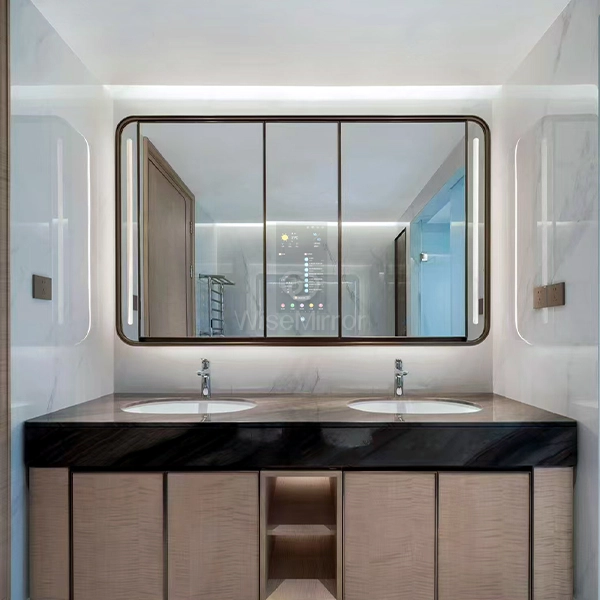
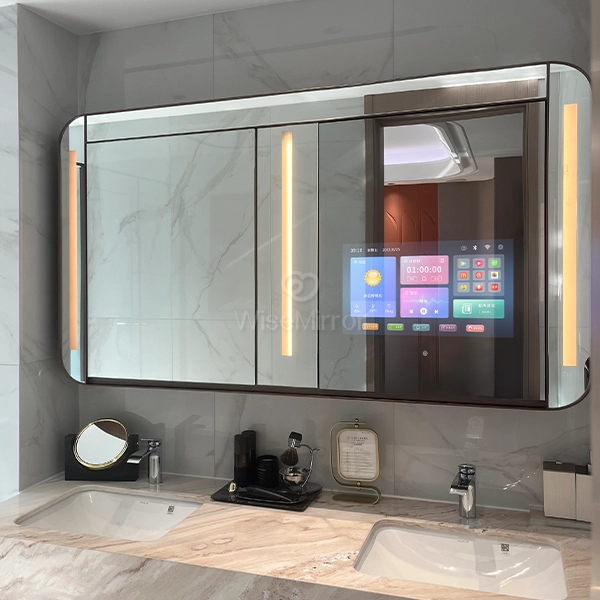
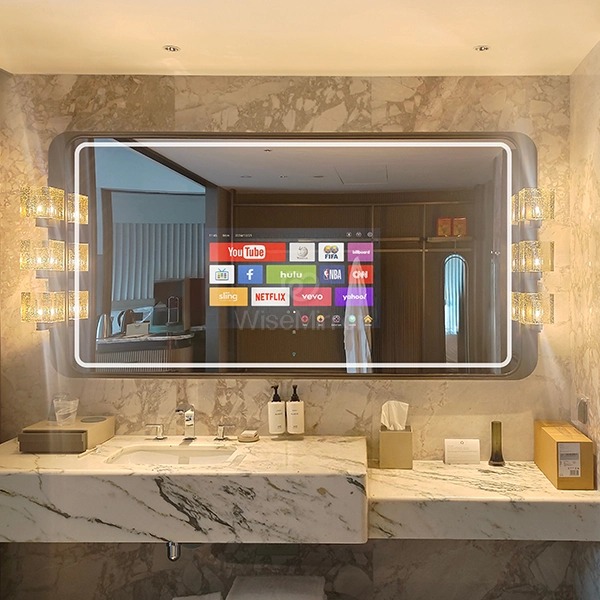
Boutique salons are quickly adopting smart barber mirrors because they improve the customer experience through AI-driven tailoring and make operations more efficient. Instead of regular mirrored surfaces, these smart systems use high-resolution cameras, touch screens, and LED lights that can be adjusted to give precise grooming advice. By combining fun features and face analysis algorithms, the smart barber mirror solves problems that keep coming up in professional styling settings, like inconsistent lighting, clients who aren't interested, and talks that take a long time. This change in technology is a response to a larger need in the hotel and business design industries for fixtures that can be customized and connected to data to improve service quality and help brands stand out in competitive markets.


Understanding Smart Barber Mirrors and Their Role in Modern Salons
Core Technologies Driving Professional Grooming Innovation
Smart mirror systems for barbershops use nano-coated glass that has been handled with magnetron sputtering. This makes sure that the glass will last in wet salons. The IP65 grade means that it can work without any problems even when it's constantly exposed to hair Products and water mist. Low-impedance ITO sensitive touch technology has reaction times of less than 1 millisecond, which lets stylists change settings while a service is going on without stopping work. These technical specs are very important to procurement managers who are looking at long-term dependability in business settings with a lot of foot traffic.
The built-in high-resolution camera and AI-powered face analysis software can map out bone structure, look at hair growth patterns, and find out what color your skin is underneath. This information is used to make personalized hairstyle ideas for each client, which cuts down on meeting time and improves the accuracy of the results. Salons say that this feature helps new stylists build relationships with clients because it gives them objective suggestions that go along with their professional opinion.
Integration Capabilities for Hospitality and Wellness Facilities
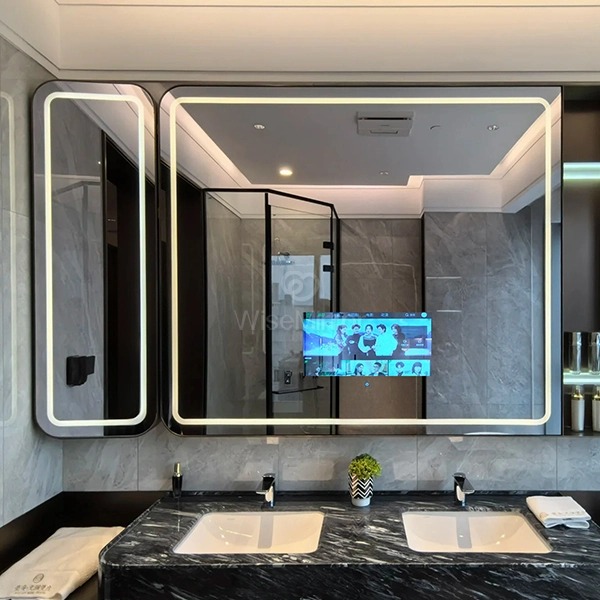
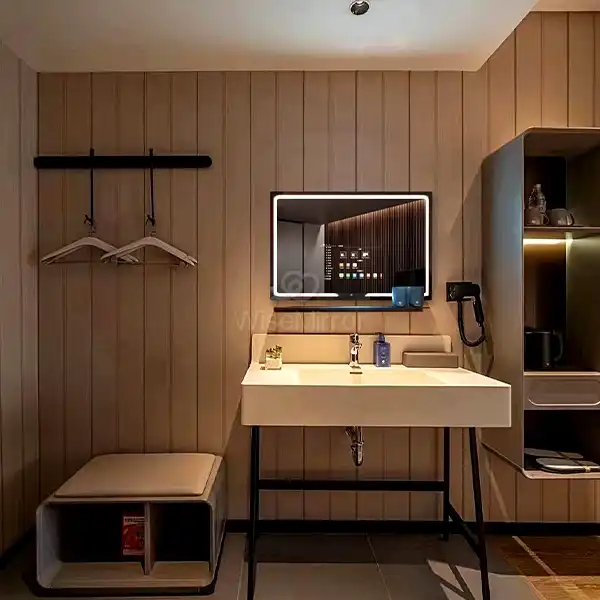
Modern setups make it easy to connect to property control systems that are already in place. Voice assistants like Alexa and Google Home can be connected to Wi-Fi and Bluetooth modules. This means that guests in high-end hotel rooms or homes can use natural language orders to control the temperature and entertainment choices. Both the 32-inch and 43-inch UHD anti-glare displays can be used in a variety of spaces, from small beauty stations to large spa grooming rooms. Interior design companies ask for these units early on in the planning stages of a project because AV system programmers and architectural millwork builders need to work together on custom sizes and interface designs.
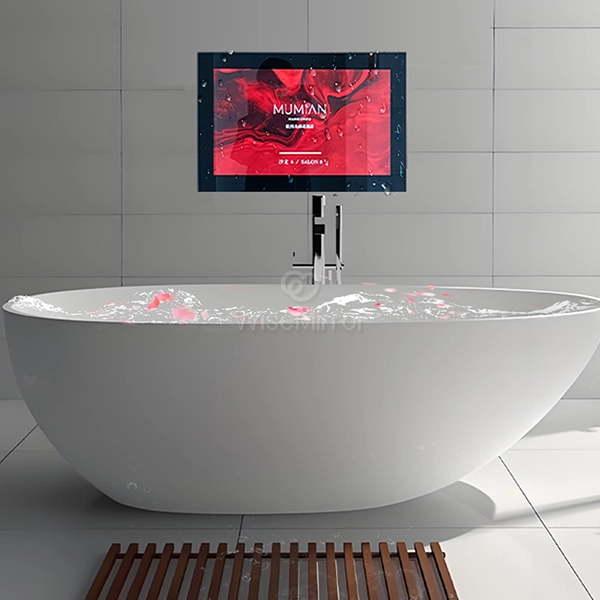
The entertainment functions go beyond the style functions. While clients are getting their hair colored, music streaming keeps them calm during the long processes. For kids, cartoons make haircuts less stressful. This method has more than one use, which is good for hotel developers who want to make suite amenities stand out and real estate projects that want to show off smart home features in sample flats.
Why Boutique Salons Are Embracing Smart Barber Mirrors: Trend and Market Insight?
Limitations of Traditional Barber Stations
Traditional barber shops have some problems. Traditional salon mirrors have set ceiling lighting that casts shadows on clients' faces, which makes it hard to match colors and cut precisely. To make up for it, stylists often move chairs or use hand-held lamps, which adds minutes to each session. Poor lighting and positioning make stylists tired during long shifts, which is a problem for salon owners who want to keep their staff. Because standard setups are static, they make it harder to teach customers about style options because they don't have real examples to look at.
Getting clients to participate is another problem for a smart barber mirror. When the only thing available to pass the time are old mags, waiting times seem longer. Parents of young children often have to change meetings because their kids are acting up, which costs businesses money. As quick-service stores that offer quick but impersonal services compete with small hairdressers, these problems have gotten worse. When developers add salons to mixed-use projects, they are more and more likely to select smart fixtures as standard perks instead of high-end extras.
Market Adoption Patterns Across Commercial Sectors
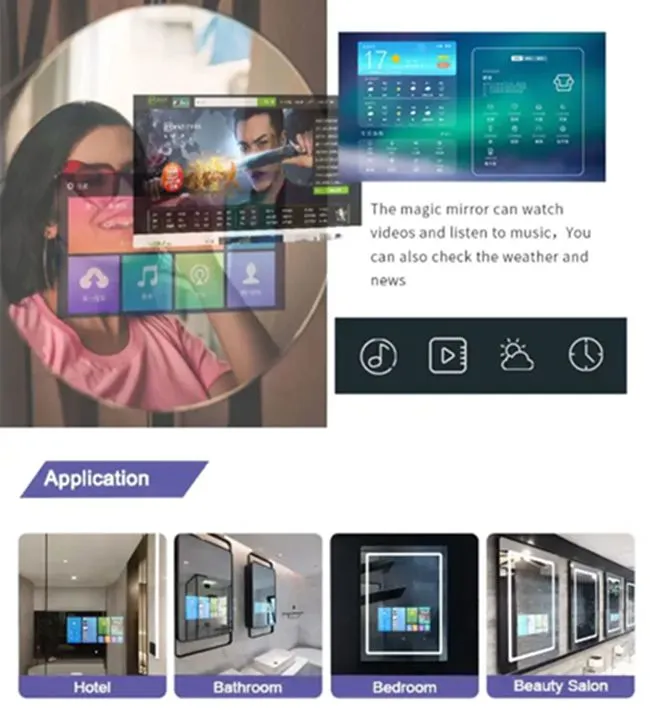
The global market for smart mirrors used for professional grooming has grown a lot, thanks to improvements in hotels and new high-end home projects. When hotel groups fix up old properties, they focus on updating the bathrooms and changing rooms for grooming in order to meet guests' standards that have been shaped by smart home technology. After putting AI-enabled mirrors in premium rooms, a European luxury resort chain saw 23% higher guest happiness scores. They said that personalized grooming help and language interface choices made the mirrors better.
These systems are used in retail beauty spots like high-end department store studios to make experiences that are good for Instagram and help with social media marketing. The mirrors' ability to take pictures of people's changes before and after they use them in the right lighting supports natural customer marketing. Wellness centers use smart mirrors and treatment tracking apps together, which lets doctors and estheticians see how patients' skin changes over time. This focus on data is in line with what healthcare facilities need for recording and getting patients involved.
Emerging Innovations Shaping Future Salon Environments
Augmented reality overlays that cast virtual haircuts onto live camera feeds are one of the new ideas that is on the way. This will let clients see what big color changes or dramatic cuts will look like before they commit. Some companies are trying skin analysis units that can find out how much moisture is in the skin and how much UV damage it has. This means that mirrors can also be used for skin consultations. These improvements are important for business fit-out builders who are planning salon spaces in buildings with multiple tenants because they protect client investments from quickly becoming outdated.
Integration with tools for making appointments is another new area of research. Mirrors could show information about future reservations, suggest products to buy based on past service records, or allow for contactless payment processing. System developers who work on smart building projects like these features because they let unified control platforms handle everything from HVAC systems to store point-of-sale systems. The open API design of the mirrors lets custom software be made, which can meet the specific needs of franchise owners or branded hospitality groups.
Comparison and Buying Guide for Smart Barber Mirrors in B2B Procurement
Feature Evaluation Criteria for Commercial Applications
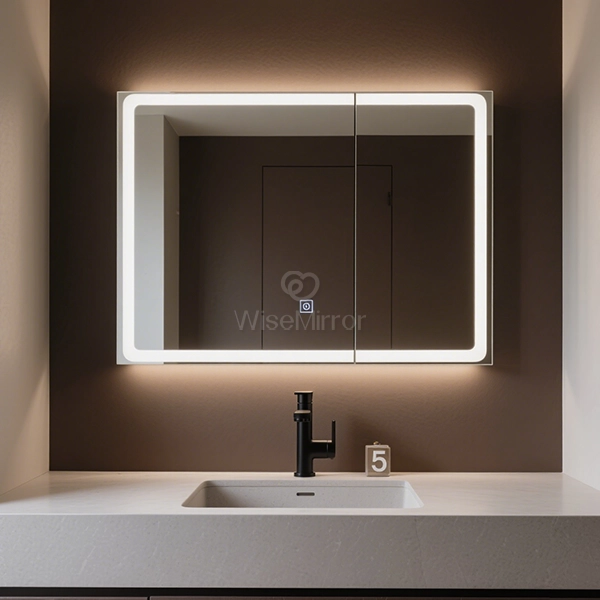
Procurement teams should look for clever mirror systems that have LED lighting that can be adjusted and has a color temperature range of 3000K for warm tones to 6500K for a daylight simulation. This adaptability works for a range of services—warmer lighting makes clients look better during meetings, while cooler temperatures show the real color of hair so that dye matches are more accurate. Make sure that the lighting panels are set up so that there are no shadows on people's faces. This is something that is often ignored when home goods are converted to business use.
Resolution of the camera has a direct effect on how well face analysis works. Systems with sensors that are less than 1080p may have trouble mapping fine skin textures, which makes AI recommendations less reliable. It doesn't matter what kind of touch interface you have—capacitive systems work better than resistive screens when stylists are wearing gloves or have product on their hands. Warranty terms should be longer than the usual one year. For business setups, service agreements should last three to five years and cover both hardware parts and software changes.
Connectivity choices for a smart barber mirror should be carefully looked at. Mirrors that work with both wired Ethernet and dual-band Wi-Fi give installers more options in places where wireless reception isn't great. The Bluetooth range affects how well it pairs with client phones or spa music systems. If you're putting units in multiple hotel groups or apartment buildings, make sure they can work with the property management systems that are already in place. Not having any private lock-in guarantees future growth as technology standards change.
Investment Analysis and Return Considerations
The price of a smart mirror usually falls between $2,800 and $6,500 per unit, but this depends on the screen size, number of features, and level of customizing needed. Authorized wholesalers are a good way for buyers in large quantities to get savings of 15 to 25 percent on orders for rollouts in multiple locations or big hospitality projects. Salons say that streamlined meetings and client entertainment features that reduce interruptions during services have cut average appointment times by 8 to 12 minutes. These savings should be taken into account when estimating ROI.
Payback times are shortened a lot when clients are kept longer. Boutique spas that use AI advice features see 31% higher rebooking rates within 60 days. They say this is because customers feel more personalized service and can share content they create during visits on social media. For hotels, higher guest happiness scores mean higher review site ratings, which affect the number of bookings made. Smart features in show homes help real estate companies speed up the sales process, which allows them to charge higher prices that cover the costs of the technology.
Selecting Trusted Manufacturers for Mission-Critical Deployments
Look at how long a seller has been in the business and how relevant their project portfolio is. Manufacturers that work with high-end hotel chains and well-known real estate companies have shown that they can meet strict requirements and meet delivery dates. WiseMirror Intelligent fits this description perfectly. For more than 15 years, they've been focusing in waterproof screens and smart mirrors for high-end hotels, as shown by their partnerships with China Resources Land and Gemdale Group. Their in-house UI design and software development teams make it possible for them to make changes that would not be possible with general hardware providers.
Liability risks are reduced by following the certification rules. Check that the goods you want to buy have the CE marking for sales in Europe, the FCC approval for installations in North America, and the RoHS compliance for environmental rules. For wet salons, IP65 ratings for water protection are necessary, and ISO 9001 approval shows that quality control is always being used in production. Ask for case studies from similar deployments. For example, if a seller has installed 200 units across a resort chain, that's more credible than references from domestic projects.
For business buyers, technical help equipment is very important. Check to see if there are any nearby service techs who are available, if replacement parts are in stock, and if remote diagnostics are possible. WiseMirror's end-to-end support plan, which includes installation help and upkeep after deployment, meets the risk reduction needs of procurement teams. Their 72-hour prototype turnaround time and 15-day bulk order fulfillment time frame work with the tight plans that are popular in business and hotel fit-out projects.
Procurement and Installation Insights for B2B Buyers
Sourcing Strategies for Volume Purchasers
Authorized distributor networks for smart barber mirror offer organized ways to buy things, with set ways to handle warranties and get more expert help. Large-scale operations that need custom software interfaces or measurements that aren't standard can benefit from having direct relationships with manufacturers. OEM partnerships are good for salon companies or hotel groups that want white-label options with their own branding. There are pros and cons to each method. For example, distributors offer a wider range of products, but manufacturers offer more customization options and more cheap bulk price.
Ask for full measurement sheets that include numbers for power usage, heat absorption rates, and the maximum load that a mounting bracket can hold. These details help with planning the electricity system and figuring out the HVAC load during the building phase. Make sure you know how long it will take to make custom sizes or finishes early on in the buying process, because non-standard aspect ratios or specialized glass coats may make production take longer. When shipping goods internationally, it's important to carefully negotiate Incoterms. DDP (Delivered Duty Paid) terms make planning easier by including freight, insurance, and customs clearance in the stated prices.
Warranty arrangements should take into account how things are used in businesses. Standard customer guarantees that cover eight hours of daily use don't cover salons that are open six days a week for a total of twelve hours. Get extra information that specifically talks about places with a lot of heat and hair products that expose you to chemicals. Make sure that the guarantee covers on-site service for installs in remote resorts where shipping units back to the maker is not an option.
Installation and Integration Protocols
Professional fitting makes sure that the edges of the mirror are properly sealed, which keeps water out and keeps the waterproof grade in place. Mounting systems have to be able to work with a wide range of wall materials, from tile over cement board in hotel bathrooms to light drywall in mobile salon build-outs. Local building rules say that electrical connections need their own circuits with GFCI safety. To keep the purity of the signals, low-voltage control wires for integrating building management systems should stick to structured cable standards.
Connecting mirrors to property Wi-Fi networks, installing custom apps, and setting up user access rules are all part of software setup. Hotels may limit some features in rooms that face guests while letting pool employees use all of them in areas that are just for them. System designers should write down early on what network security requirements there are. For example, business IT departments often require VLAN segregation for IoT devices to keep them separate from private corporate systems. Before the final approval, testing procedures make sure that the touch screen works properly, the camera can focus correctly, and the lighting is even across the whole surface of the display.
Planning maintenance helps tools last longer and keep its guarantee coverage. Set up ways to clean that use allowed, non-abrasive products that won't hurt nano-coatings. Set up reviews every three months to check the physical seal's stability, the calibration of the touch sensor, and the state of software updates. Teach the people who work on facilities how to spot early signs of failure, such as backlights flickering or areas of screens that don't respond. Replacing parts before they break during planned downtime stops problems that happen in the middle of a service, which can hurt salon or hotel reputations.
Enhancing Salon Performance with Smart Barber Mirror Technology
Operational Efficiency Improvements
Intelligent mirrors help you style your hair better by giving you even, shadow-free light that shows hair texture details that you can't see with regular ceiling lighting. When stylists work with lights that can be adjusted to mimic the different lighting conditions clients will experience after the meeting, they can fix colors 18% faster. With the built-in camera, reference pictures can be taken during the service to keep track of the client's preferences for future trips without having to stop work to get smartphones or tablets.
Style suggestions made by AI speed up the meeting process, which is especially helpful during busy times when appointments are backlogged and sales are under pressure. Instead of generic trend pictures, clients like seeing ideas based on data and their unique face geometry. This realism cuts down on decision paralysis, which makes appointments last longer. Salons say that clients come and go more smoothly during busy weekend times, which means they can make more money every day without hiring more stylists.
Adding entertainment features of a smart barber mirror to chemical preparation steps makes wait times seem shorter. Clients who are streaming their favorite music or watching shows don't need to ask stylists for details on the schedule, so they don't get distracted during 30-minute color development times. Children's programs turns visits that might be bad into good times, which makes parents want to go back and tell their friends about the salon. Over time, these practical changes add up and help build a name for efficiency and service that puts the customer first.
Staff Training and Technology Adoption
For execution to go well, artists need to be taught how to change lighting and understand AI tools. Workshops should show staff how to arrange clients correctly for face analysis and talk about the best color temperatures for each type of service. Stress that technology enhances professional knowledge, not removes it. For example, the mirror gives designers information that they combine with their artistic judgment.
Younger staff members tend to quickly accept smart features, while more experienced dressers may fight what they see as too much complexity. This can be fixed by setting up programs that pair tech-savvy team members with skeptical coworkers. Use speed data from early adopters to show that you can save time and make clients happier. As stylists see their effectiveness go up and get good feedback from clients, pushback usually goes down. Teams stay up to date on new features added by software changes by continuing their education.
Data-Driven Service Optimization
Advanced systems gather usage data that isn't linked to a person, showing times of highest demand, most-requested service types, and average meeting lengths. This information helps salon managers figure out the best times to schedule staff so that there is enough covering during busy times. Keeping track of which AI suggestions customers choose most often helps with stocking hair products and color supplies. With these findings, small businesses can compete with bigger chains that have more advanced business intelligence systems.
When you connect it to customer relationship management tools, you can make full profiles of your clients that include information about their service past and how they interact with technology. Stylists can see notes that show desired lighting settings, haircut options that have already been looked at, and entertainment options. Personalization like this makes relationships with clients stronger and supports strategies for charging higher prices. Over time, collected data shows regular patterns and demographic tastes that help guide the targeting of marketing campaigns and the timing of promotions.
Conclusion
Smart barber mirrors are a smart investment for small businesses, high-end hotels, and commercial buildings that want to stand out from the competition by using technology to improve service. When AI personalization, entertainment features, and precision engineering come together, they solve long-standing problems in professional grooming settings and make real practical gains. When purchasing these systems, people in charge of buying things should give more weight to suppliers who have worked in the hospitality industry before, offer full expert help, and can make changes to fit the needs of a specific project. As customers' standards keep shifting toward more involved and data-driven experiences, intelligent mirror technology goes from being a nice-to-have perk to an important part of high-end salons and hotels.
FAQ
How do smart mirrors improve hairstyling precision compared to traditional setups?
Adjustable LED lighting gets rid of shadows that hide details about hair texture, so stylists can see color or layer differences that wouldn't be noticeable with set overhead lighting. The high-resolution camera takes close-up reference pictures that can be used for comparison and to record what happened before and after. Face analysis using AI maps the bones in a person's face objectively, which helps stylists make more flattering style suggestions and eliminates the need for guessing during meetings.
What is the expected operational lifespan of commercial-grade smart mirrors?
When properly kept, high-quality units with IP65 protection and nano-coated glass can usually work for 50,000 hours or more in humid salons. This is the same as 8–10 years of daily business use. Longer guarantees (three to five years) protect investments, and modular designs let parts be fixed instead of replacing the whole machine. Regular software changes keep functions useful after the hardware has died.
Can these mirrors be customized for specific brand aesthetics or spatial constraints?
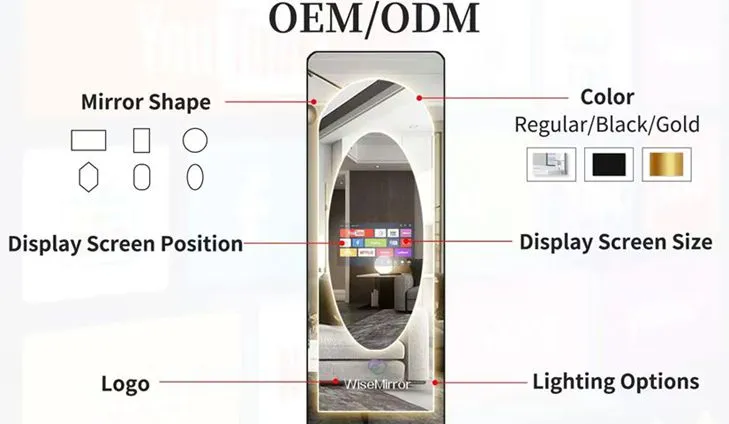
Leading makers can make frames in any size, color, and with any logo or design that you want, whether it's for a salon or a hotel. You can change the way software displays look and work by adding your own apps, unique welcome screens, and booking systems that are built right in. WiseMirror Intelligent sends samples within 72 hours so that the design can be approved before the product is made. This makes sure that the product fits perfectly with building plans and interior design ideas.
Partner with WiseMirror Intelligent for Your Next Project
WiseMirror Intelligent is a known smart barber mirror maker with over 15 years of experience. Their cutting-edge smart barber mirror technology can help your small salon, high-end hotel, or business property look better. Our team specializes in waterproof screens, mirror TVs, and AI-powered beauty solutions that are perfect for high-end hotels, private homes, and professional salons. Our goods have the best longevity and performance because they use nano magnetron sputtering technology and low-impedance ITO touch systems. Email our team at info@wisemirror-int.com to talk about prices for large purchases, customization options, and how our solutions can change the way your clients feel about working with you. You can see all of our products at wisemirror-int.com.
References
International Journal of Hospitality Management, "Impact of Smart Technology on Guest Satisfaction in Luxury Hotels," Volume 98, 2024.
Professional Beauty Association, "Technology Adoption Trends in North American Salon Industry," Annual Industry Report, 2023.
Journal of Interior Design Research, "Integrating Smart Surfaces in Commercial Hospitality Spaces," Volume 47, Issue 3, 2024.
Commercial Construction & Renovation Magazine, "Specifying Smart Fixtures for Multi-Use Developments," March 2024 Edition.
Global Smart Mirror Market Analysis, "Growth Drivers in Hospitality and Retail Sectors," Industry Research Publication, 2024.
Society for Hospitality Technology Standards, "Best Practices for IoT Device Integration in Hotel Properties," Technical White Paper, 2023.