
How Touchscreen Smart Mirror TV Cabinets Solutions Fit into Modern Bathroom Interiors
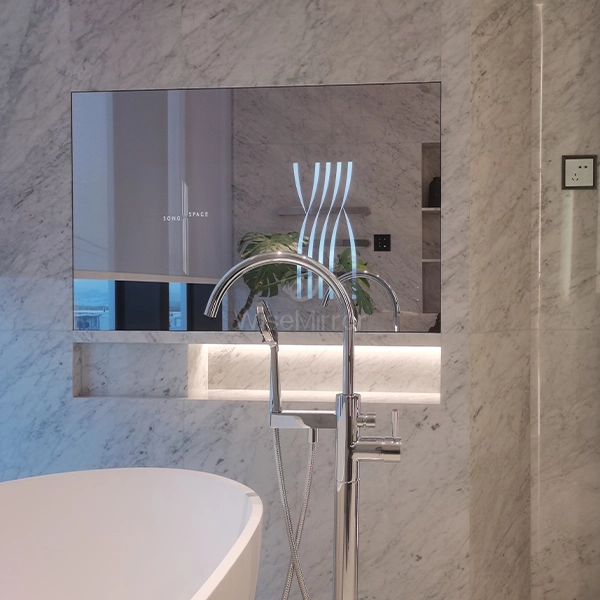
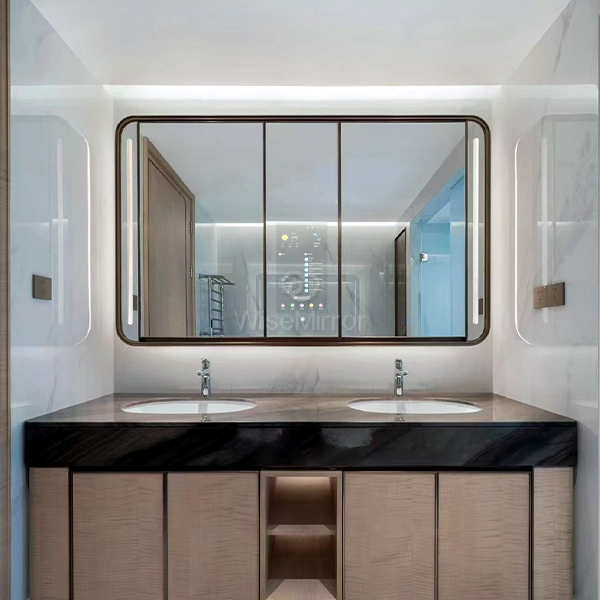
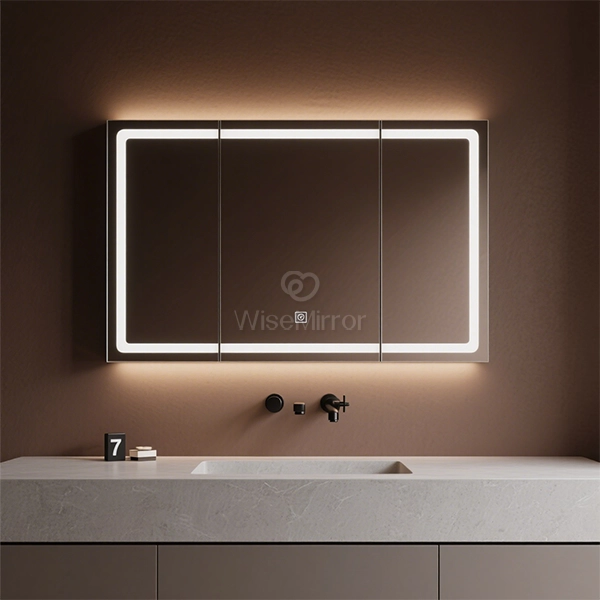
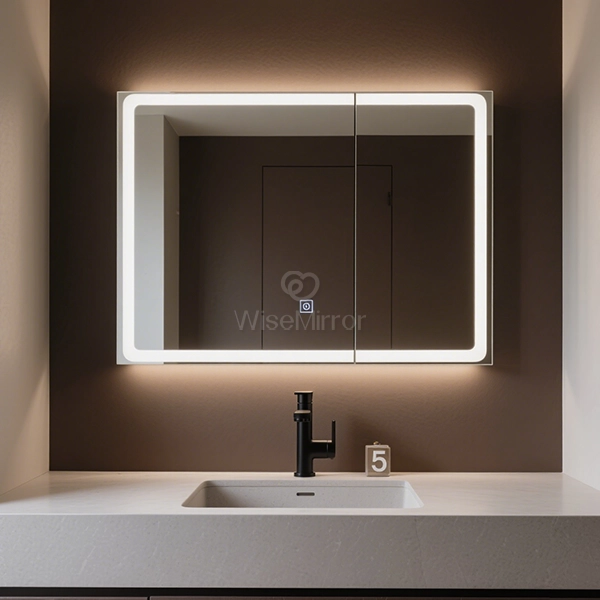
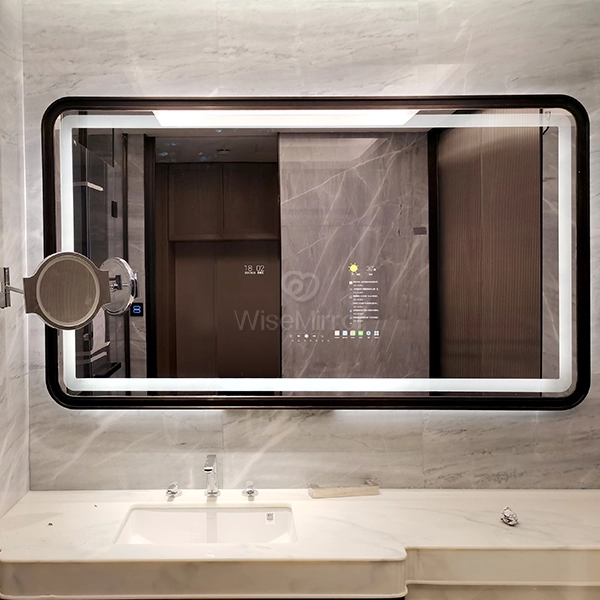
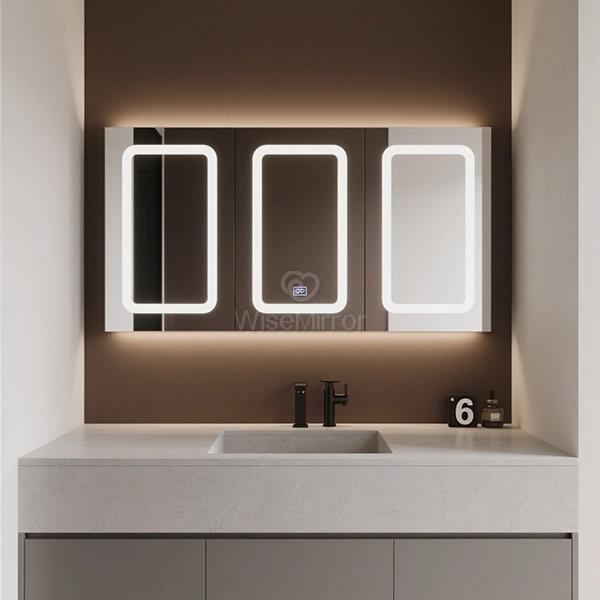
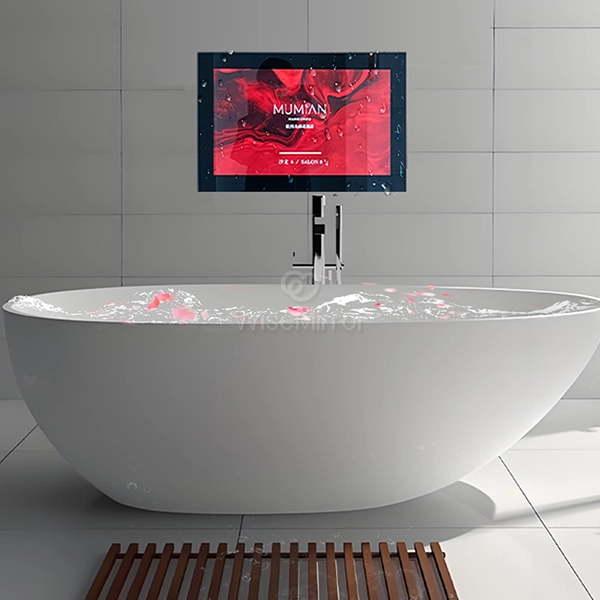
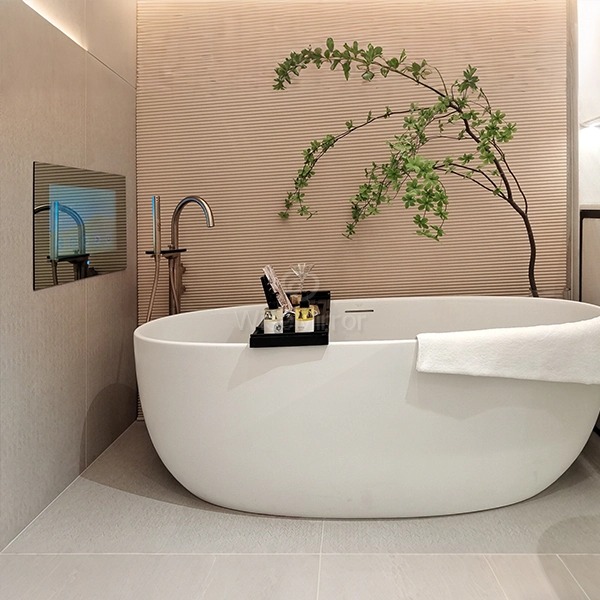
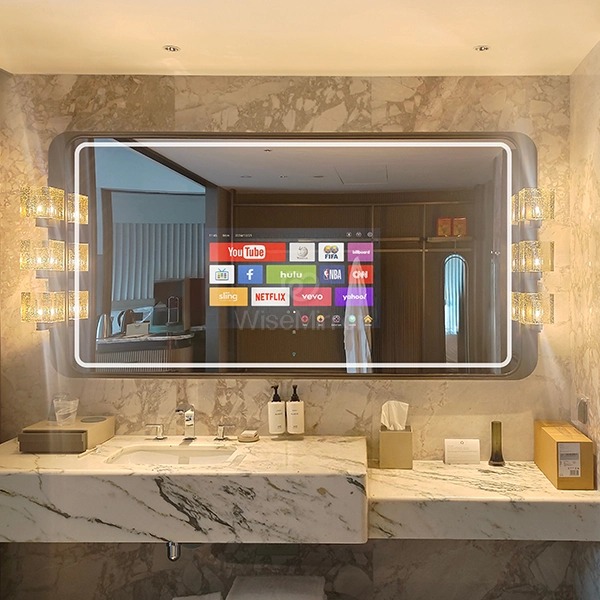
Touchscreen smart mirror TV cabinets have emerged as transformative elements in contemporary bathroom design, particularly within hospitality and commercial real estate sectors. These advanced fixtures integrate high-resolution displays behind reflective surfaces, offering interactive functionality that goes far beyond traditional cabinetry. A Smart Mirror Bathroom Cabinet combines storage, entertainment, and digital connectivity into a single waterproof unit, addressing critical pain points in luxury hotel bathrooms and upscale residential developments. By embedding touchscreen interfaces, anti-fog heating systems, and IoT compatibility within moisture-resistant enclosures, these solutions deliver both aesthetic refinement and operational efficiency that procurement teams increasingly demand.

Understanding Touchscreen Smart Mirror TV Cabinets for Commercial Applications
Core Technology Architecture
Touchscreen smart mirror TV cabinets are built on three unique technologies that make commercial-grade units different from consumer Products. Nano magnetron sputtering coating technology gives the mirror surface better anti-oxidation qualities, which are important in places where there is steady dampness. With response times of less than 0.1 seconds, low-impedance ITO capacitive touch lamination makes sure that the touch screen works even when it's wet. When choosing fixtures for hotel chains or multi-unit housing projects, where longevity directly affects upkeep costs, these technical details are very important.
Modern units are made of tempered glass that is 5 mm thick and is made to survive the tough conditions of dining settings. The waterproof grade of IP65 keeps water out of the electronics inside, which is one of the main reasons why bathroom technology setups fail. Embedded heating elements turn on automatically to get rid of water vapor after a shower, so you don't have to wipe down the surfaces by hand. This saves time and effort on cleaning in businesses.
Integration Capabilities for Smart Building Ecosystems
Connectivity options have changed over time to meet the needs of system integrators who are in charge of big projects. Wi-Fi and Bluetooth units make it easy to connect to current building management systems. Voice assistants like Google Home and Alexa make it possible to use the device without using your hands, which is a feature that is especially important for healthcare facilities that need to meet accessibility standards. These cabinets are appealing to hotel owners who want to give their guests unique experiences while keeping content and settings under one roof across multiple properties. This is because they can create user interfaces with branded experiences.

Why Touchscreen Smart Mirror TV Cabinets Are Revolutionizing Bathroom Interiors?
Addressing Space Constraints in Urban Developments
Bathrooms that are too small are a constant problem for real estate developers working on high-end apartments in big cities. Putting up mirrors, shelves, TVs, and light sources separately takes up valuable wall space and makes the room look cluttered. With integrated mirror TV cabinets, these functions are combined into a single, sleek unit, which frees up space while improving usefulness. In boutique hotel conversions where bathroom sizes can't be increased but guests' expectations for amenities keep going up, this consolidation is especially helpful.
Full-size customization lets you precisely fit any vanity configuration, from small 18-inch units that are good for powder rooms to large 72-inch installations that cover two sink countertops. This gives interior design firms the freedom to stick to their style goals without sacrificing the integration of technology. This is very important when choosing fixtures for show apartments that need to show potential buyers that they are both livable and innovative.
Elevating Guest Experience in Hospitality Projects
Luxury hotels and resorts are competing more and more on the quality of the technology in their rooms, not just on the quality of their traditional amenities. Guests now expect to be able to meet and have fun throughout their whole stay, even in the bathroom. This is possible with touchscreen mirror cabinets because they let guests access news, weather, streaming services, and hotel information without having to bring their phones into damp places. This unified method raises the value of things while lowering worries about responsibility related to water damage to personal electronics.
LED lighting that is energy-efficient and has color temperatures that can be changed serves both job lighting for cleaning and ambient mood settings on the Smart Mirror Bathroom Cabinet, so you only need one smart system instead of several different types of fixtures. According to hotel owners, these systems lead to good reviews and social media sharing by guests, especially younger people who put a high value on technology integration when choosing a place to stay. A small feature that has a big effect on guest happiness scores is the anti-fog function, which makes sure that mirrors stay clear right after showers.
Selecting the Best Touchscreen Smart Mirror TV Cabinet for B2B Procurement
Critical Evaluation Criteria for Project Specifications
When managing hospitality or residential development projects, procurement professionals have to balance a lot of different technical needs with limited budgets and tight installation schedules. The most important thing to look at is the waterproof grade. Units designed for steam showers need better ingress protection than units placed in regular bathrooms. The composition of a material directly affects how long it lasts. For example, copper-free mirror coatings resist corrosion much better than regular silvered glass in high-humidity conditions, which lowers the cost of replacement over the 10-15 year average lifecycle of hotel room renovations.
Customization Requirements for Brand Differentiation
How fast touch technology is has a big effect on how happy users are with it. Even though resistive touchscreens are cheaper, they need more pressure to work and break down faster in wet places than capacitive systems. Low-impedance ITO capacitive technology provides stable performance throughout the product lifetime, which more than makes up for the higher original investment by lowering the number of repair calls and guest complaints. The screen size and viewing distance should match the display quality. For example, a 32-inch unit seen from three feet away needs different specs than a 55-inch display in a bigger master bathroom.
Certification and Compliance Verification
Each frame finish should go with the overall design. For example, polished chrome frames look great in modern spaces, matte black frames look great in industrial-style rooms, and woodgrain surrounds look great in warmer, more homey rooms. Being able to define these details during buying keeps expensive repairs from having to be done when delivered units don't match up with finished interior finishes. Bulk order plans from well-known providers offer MOQ freedom, ranging from a single custom unit for a prototype installation to hundreds of units with uniform specs for rollouts across multiple properties.
When buying things for a business, safety certifications are very important because of the risks that come with liability and following the rules. The CE mark makes sure that the product meets European health and safety standards for safety, and the FCC mark makes sure that it is safe for use in the US market. RoHS compliance limits the use of dangerous materials, which is becoming more and more important because of green building approval programs like LEED and company sustainability goals.
Manufacturing sites that are ISO 9001 certified have quality management systems that are guaranteed. This lowers the risk of batch defects in big orders. To make sure that suppliers follow documented quality control procedures, procurement teams should check that suppliers test products with salt spray to see how well they resist corrosion, high-voltage leakage tests to make sure they are safe for electricity, and hinge cycle tests that go over 50,000 times for cabinet door mechanisms. These verification protocols keep things from failing too soon, which could stop operations and hurt the reputation of the property.
Installing and Integrating Touchscreen Smart Mirror TV Cabinets
Pre-Installation Planning for Commercial Projects
A full site survey that looks at the electrical infrastructure, mounting surface conditions, and measurement clearances is the first step to a successful installation. Power supply needs usually include separate circuits to keep existing bathroom lighting circuits from getting too busy, especially when units have heating elements for defogging. A structural evaluation makes sure that the mounting surfaces can hold the weight of the cabinet, which can be anywhere from 40 to 120 pounds based on its size and features. This is especially important for repair projects where the wall construction is unknown.
Electrical workers, plumbers, and finish carpenters can avoid problems during installation processes by working together. During the framing stages, embedded mounting systems need to be roughed in. Wall-mounted setups, on the other hand, give you more options for renovation jobs. Giving installation teams full CAD drawings—which responsive makers usually do within 72 hours—reduces changes that need to be made in the field and the delays that come with them. This kind of planning is very important for hospitality projects that have tight deadlines for building and penalties for starting late.
Configuration and Commissioning Procedures
Once the gadget is physically placed, system configuration for the Smart Mirror Bathroom Cabinet makes sure that its functions match the needs of the property. Setting up network connectivity includes giving Wi-Fi credentials and assigning static IP addresses so that commercial installations can be managed from one place. Property managers can push changes, control which apps are available, and set usage limits for all units from a single interface. This is very useful for hotel owners who are in charge of hundreds of rooms in different places.
Calibration of the lighting changes the color temperature and brightness levels so that they match the finishes around them and meet accessibility standards for older people in senior living facilities. Energy-saving modes lower power use when no one is using them. This is especially helpful in hotel settings where rooms are empty between guests. By teaching facility management teams basic troubleshooting steps like system resets, connectivity checks, and cleaning protocols, you can cut down on service calls and make equipment last longer through proper maintenance.
Future Trends and Innovations in Smart Mirror Bathroom Cabinets
Emerging Technologies Reshaping Product Capabilities
Smart mirror cabinets are likely to get smarter and more interactive as they continue to improve. Voice control has grown beyond simple commands to include natural language processing that understands the situation and the user's preferences. This lets hotel guests or people at home have more personalized experiences. Face recognition technology can now automatically load profiles, change lighting preferences, show personalized content, and even track health through skin analysis. These features are especially useful for spas and resorts that focus on wellness.

When compared to traditional LED backlighting, OLED display technology has better contrast ratios and viewing angles. This means that material can be shown more clearly while the screen thickness is reduced. Anti-glare coatings make it easier to see in a variety of lighting conditions. This solves a common problem with older mirror TV installations: bathroom lighting would reflect on the screen and make it hard to see what was on it. These improvements in technology make the user experience better while making installation easier by making the outlines smaller and the weights lighter.
Sustainability and Energy Efficiency Imperatives
Demand for energy-efficient fixtures in all types of properties is driven by green building approval standards and corporate promises to sustainability. Because LEDs are better and smart power management is used, modern smart mirror cabinets use 40 to 60 percent less energy than older models. Motion sensors turn on screens automatically when users walk up to them and turn them off when they're not there. This greatly reduces phantom power draw in business settings where bathrooms may be empty for long periods of time.
Service and Support Infrastructure Expansion
In response to these market needs, manufacturers make products last longer by using flexible component designs that let updates happen instead of full replacements. Screens, control systems, and lights can all be updated separately, which cuts down on electrical waste and keeps properties up to date with the latest tech trends. This method fits with the circular economy ideas that are becoming more popular among institutional investors who look at the long-term value of assets and how they affect the environment of property portfolios.
As the market for smart mirror cabinets has grown, major manufacturers have improved their service support. They do this because they know that B2B buyers value long-term dependability more than the original purchase price. Now, full warranty programs cover more than just replacing broken parts. They also offer firmware updates, remote diagnostics, and quick field service for important hospitality installations. These promises take into account worries about buying old technology and not being able to get services, especially for international projects where there may not be a lot of local support infrastructure.
Training programs for installation teams and facility managers teach them how to make equipment last longer and cost less to own overall. Some manufacturers offer co-branded certification courses that teach technicians the right way to install systems and set them up, making sure that the quality of all projects is the same. This professional support infrastructure sets serious commercial suppliers apart from competitors who focus on consumers and don't have the resources to handle large-scale deployments.
Conclusion
In the hospitality, home building, and business sectors, touchscreen smart mirror TV cabinets meet the changing needs of modern bathroom interiors by combining useful design with cutting-edge technology, and the Smart Mirror Bathroom Cabinet is a prime example. When waterproof building, anti-fog heating, customizable interfaces, and smart home connections are all put together, they create real value by making the best use of room, improving the user experience, and cutting down on running costs. Those who work in procurement should know about the technical requirements, customization options, and installation needs that decide the success of a project. As the market keeps growing through AI integration, sustainable design, and strong support infrastructure, these items will stop being extras and become standard features in high-end homes, changing what people expect from bathrooms in terms of how they look and how they work.
FAQ
What tangible benefits do touchscreen smart mirror TV cabinets provide for hotel properties?
These built-in units make guests happier by making it easy for them to get fun and information without having to use their own devices in damp places. Properties say that upkeep costs are lower than with separate mirror, TV, and cabinet installs. The automatic defogging function also saves time because cleaners don't have to wipe down surfaces. The technology makes experiences that people will remember, which leads to good reviews and social media activity. This is especially helpful for small hotels that compete on their unique features.
How do energy consumption patterns compare to traditional bathroom fixtures?
These days' smart mirror cabinets use less electricity than the load of three different TVs, mirror lights, and cabinet lights put together. Through motion-activated operation and automatic standby modes, intelligent power management cuts energy use by 40 to 60%. LED lighting systems give off better light while using very little electricity. Their overall efficiency meets the standards for green building certification, which is becoming more popular in business real estate development.
What warranty and support commitments should procurement teams expect from manufacturers?
Smart Mirror Bathroom Cabinet suppliers with a good reputation back their products with full warranties that cover electronic parts, structural elements, and the integrity of the coating for three to five years for commercial installations. Support should include the ability to update software, do tests remotely, and write down service reaction times. Leading manufacturers keep parts on hand and have trained service networks ready to handle hospitality projects where downtime directly affects how guests feel and how much money the property makes.
Partner with WiseMirror Intelligent for Your Next Luxury Project
WiseMirror Intelligent in Shenzhen has been installing Smart Mirror Bathroom Cabinets for over 15 years and works with business buildings, high-end residential projects, and luxury hotels all over the world. Our unique nano magnetron sputtering coating technology and low-impedance ITO capacitive touch systems make them the most durable in harsh hospitality settings. We've finished more than 450 projects for top developers like China Resources Land, China Merchants Property Development, and Gemdale Group. Our 99% customer happiness rate comes from providing full support, from design advice to service after installation.

Our full customization options make sure that the fixtures you choose will perfectly fit with your design vision, whether it's for a boutique hotel renovation or a multi-tower residential development. Get in touch with us at info@wisemirror-int.com to talk about your project needs and get CAD drawings within 72 hours. Visit wisemirror-int.com to learn why smart sourcing professionals choose WiseMirror Intelligent as their trusted Smart Mirror Bathroom Cabinet provider.
References
1.Journal of Hospitality Technology Management, "Impact of Smart Bathroom Technologies on Guest Satisfaction in Luxury Hotels," Vol. 28, No. 3, 2023.
2.Building Services Engineering Research and Technology, "Waterproofing and Durability Standards for Integrated Bathroom Electronics," 2024.
3.International Journal of Contemporary Hospitality Management, "Technology Integration in Boutique Hotel Design: Emerging Trends and Guest Preferences," 2023.
4.Architectural Digest Professional, "Specifying Smart Mirrors for High-End Residential Developments: A Design Guide," December 2023.
5.Commercial Real Estate Development Quarterly, "ROI Analysis of Smart Building Technologies in Multi-Family Housing," Spring 2024.
6.Hospitality Upgrade Magazine, "Emerging Standards for In-Room Technology in Luxury Accommodations," February 2024.