
How Smart Makeup Mirrors Improve Luxury Interiors?
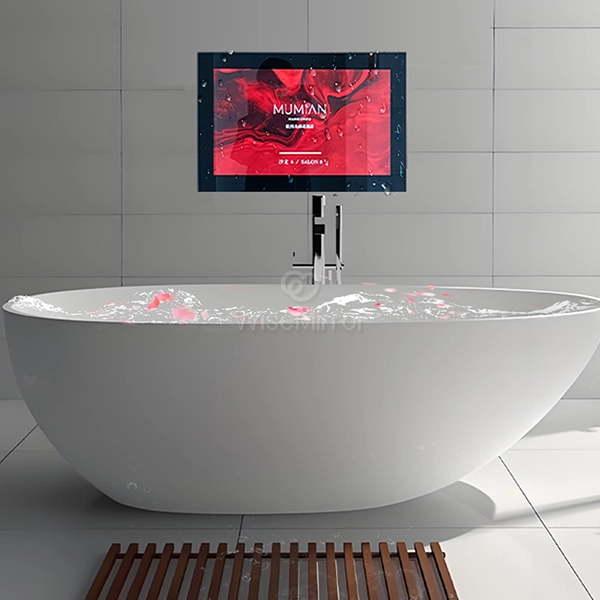
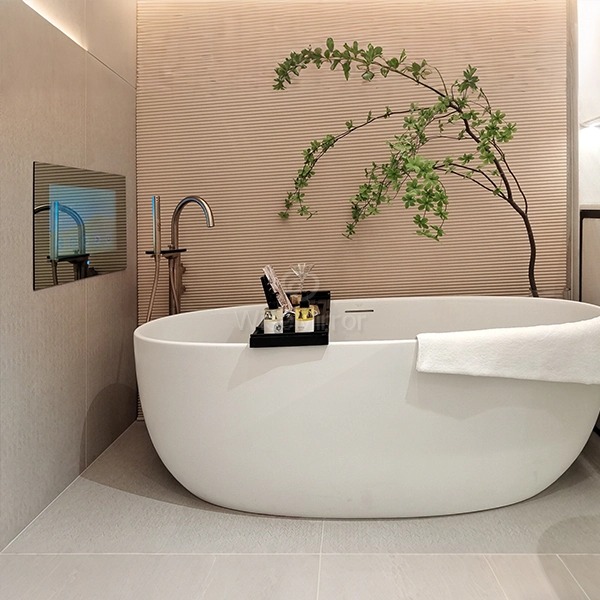
Smart makeup mirrors make high-end rooms look better by combining cutting-edge lighting technology, engaging digital displays, and Internet of Things (IoT) connection into stylish vanity units. These smart mirrors have fill lighting that can be adjusted to look like natural sunshine, built-in entertainment streaming features, and customizable interface choices that turn regular bathrooms and dressing rooms into personalized beauty areas. By integrating seamlessly into designs and coming up with new ways to do things, these gadgets help hotels, apartment buildings, and business wellness centers stand out while still meeting the high standards for looks and performance that are expected in high-end settings.
Understanding Smart Makeup Mirrors and Their Role in Luxury Interiors
Defining Smart Mirrors in Premium Hospitality and Residential Projects
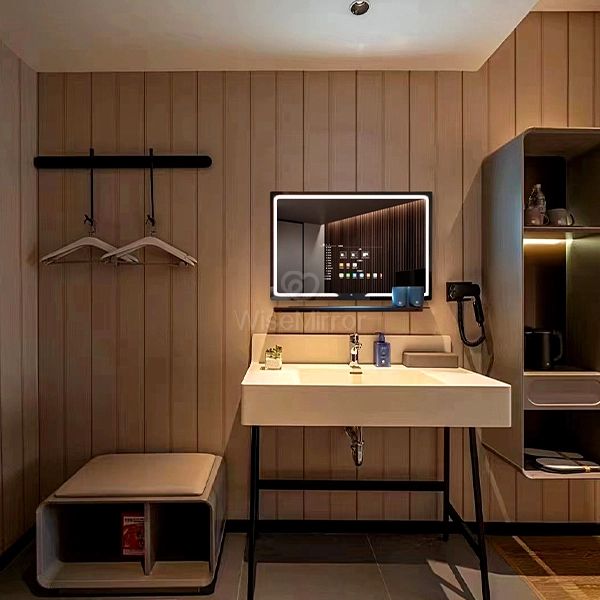
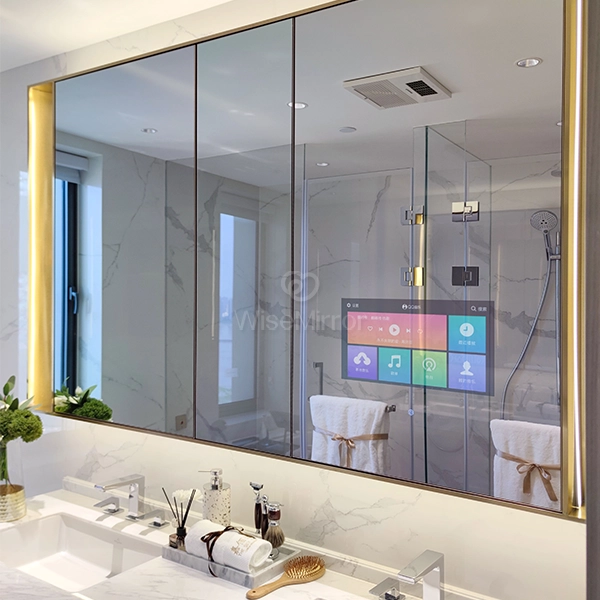
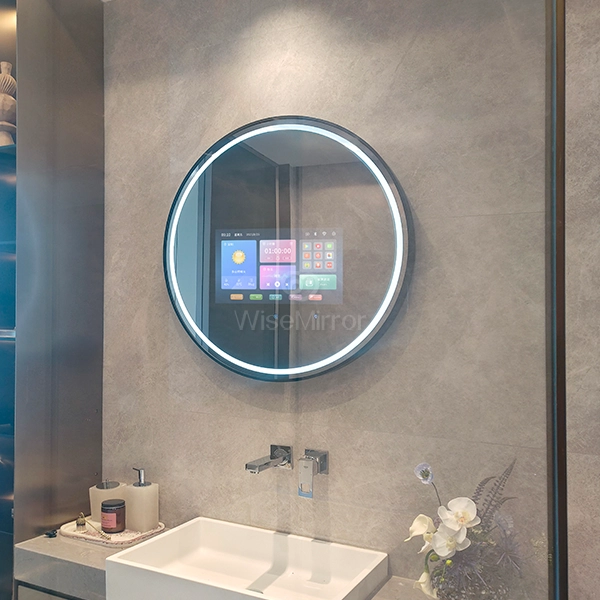
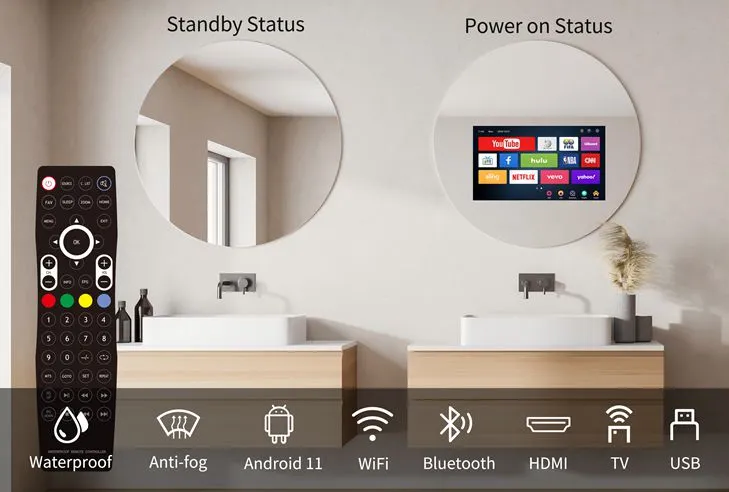
Smart makeup mirrors used in high-end residential and hospitality projects provide features that show how technologically advanced they are as well as how elegant they look. This need is met by smart mirrors that have built-in LED lighting systems, tablet interfaces, and connection protocols. These mirrors turn normal vanity areas into interactive stations. These gadgets have professional-grade lighting that can be changed from warm white to cool sunshine, which makes it possible to do precise skincare and makeup routines. Nano magnetron sputtering coating technology is built into the mirror surface to protect it from oxidation and water damage. This is very important for bathroom setups in hotels and high-end homes, where longevity directly affects upkeep costs and guest happiness.
Why B2B Clients Prioritize Intelligent Mirror Solutions
More and more, procurement managers and project developers choose smart makeup mirrors because they can raise the value of a property while also making installation easier. Intelligent mirrors are different from regular mirrors because they let you change both the hardware and the software. This means that you can add your own brand to the interface, have hotel service apps already installed, and connect them to your building's management system. The waterproof grades of IP65 and IP66 make sure that the device works well in humid hotel and bathroom settings, which cuts down on replacements and service calls. When rooms have these services, hotel chains say that guests have a better experience, which leads to higher occupancy rates and a reason for charging more.
Technical Foundations That Support Commercial Deployment
Low-impedance ITO capacitive touch lamination is part of the base technology stack for a smart makeup mirror. It provides reaction times of less than 2ms, which is necessary for users to be able to connect with the device easily while grooming themselves. Display sizes from 10 to 55 inches can be used in a variety of settings, from small powder rooms to large master bath suites. Wi-Fi and Bluetooth connections allow for over-the-air updates, remote diagnostics, and interaction with voice assistants. This makes environments that work with smart building projects possible. Anti-corrosion processes make electronics last longer than most consumer electronics, so they can handle the tough conditions in business settings where they are used nonstop for years.
Limitations of Traditional Makeup Mirrors and How Smart Mirrors Address Them
Inadequate Lighting Control in Professional Settings
Normal mirrors depend on the lighting in the bathroom, which can make the light uneven and affect colors. Shadows fall across the shapes of the face, making it hard to put on exact makeup and causing hotel guests to worry. Fixed lighting temps can't replicate the different situations where people will be seen, like during the day, at night, or at indoor conferences. These mistakes make the dressing area less useful and show that the property isn't up to standards.
Absence of Digital Integration in Modern Hospitality
Today's tourists expect to be able to connect throughout their stay, but standard mirrors are still fixed in one place. Guests can't use lessons, video talks, or entertainment while getting ready for the day, which means they miss out on chances to interact with others. With a smart makeup mirror, properties could offer branded content, local suggestions, or service choices—but without it, valuable guest interactions are lost. Facility managers can't figure out how people use the space or make amenity improvements based on real behavior because they don't collect enough data.
How Intelligent Mirrors Resolve These Deficiencies
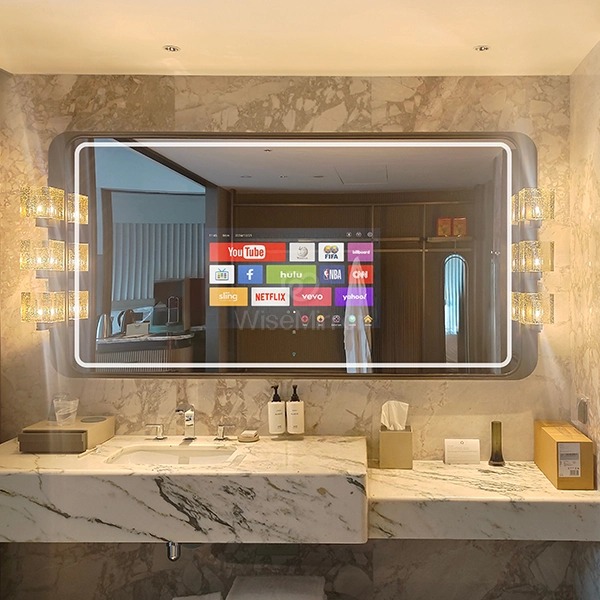
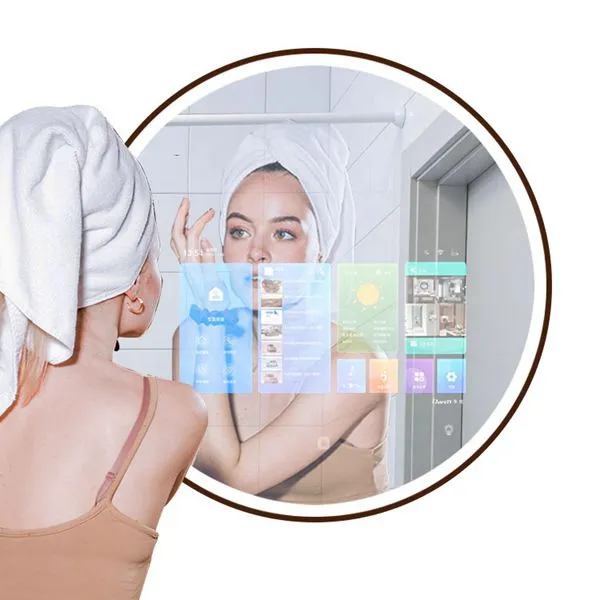
Smart makeup mirrors have multiple zones of LEDs that can be set to three different color temperatures: natural sunshine (5500K), warm white (3000K), and cool white (6000K). This lets users choose the right lighting for their space. Touch settings or app screens let you change the brightness levels, getting rid of harsh glare or not enough light. Integrated displays let you access streaming services, makeup tutorials, and skin care app advice right from the mirror interface, turning the time you spend getting ready into useful or relaxing time. The mirror's screen can show welcome messages, spa deals, or notes to check out, so hotel staff can easily communicate with guests. Usage stats show when features are most and least used, which helps with future purchases and property improvements.
How Smart Makeup Mirrors Elevate Design and Functionality in Luxury Interiors
Architectural Integration Meets Technological Performance
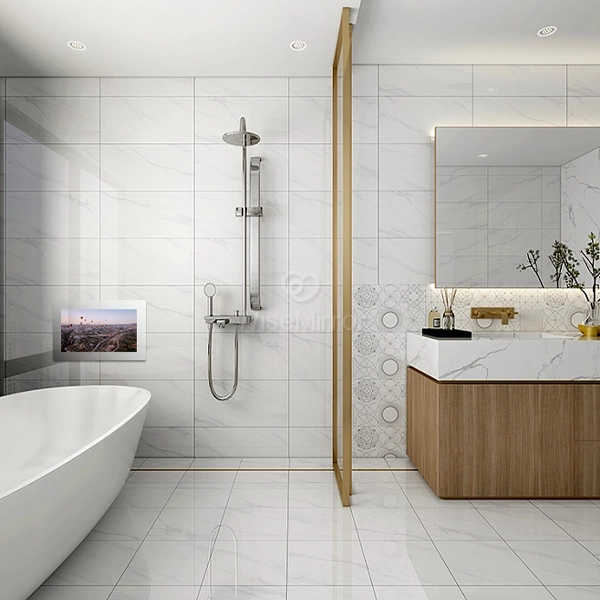
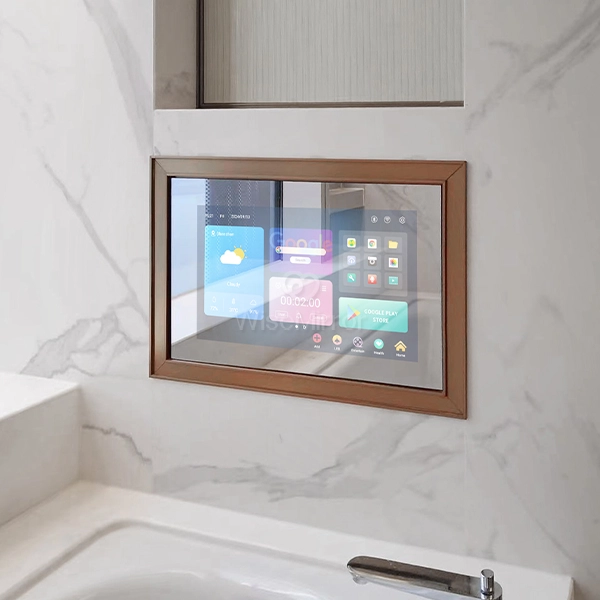
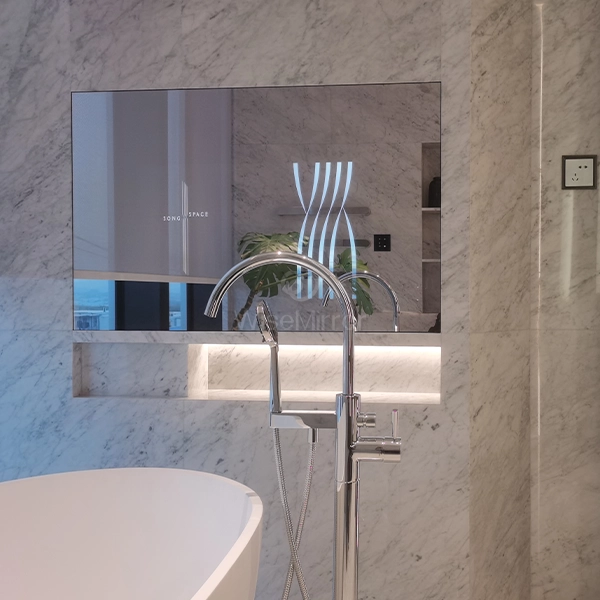
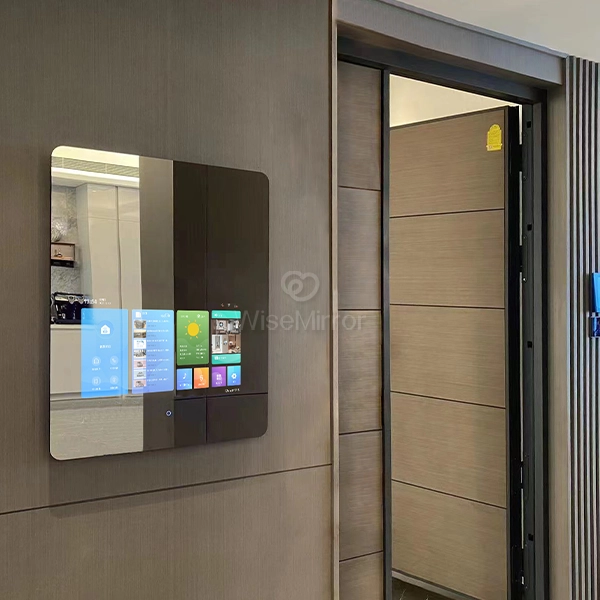
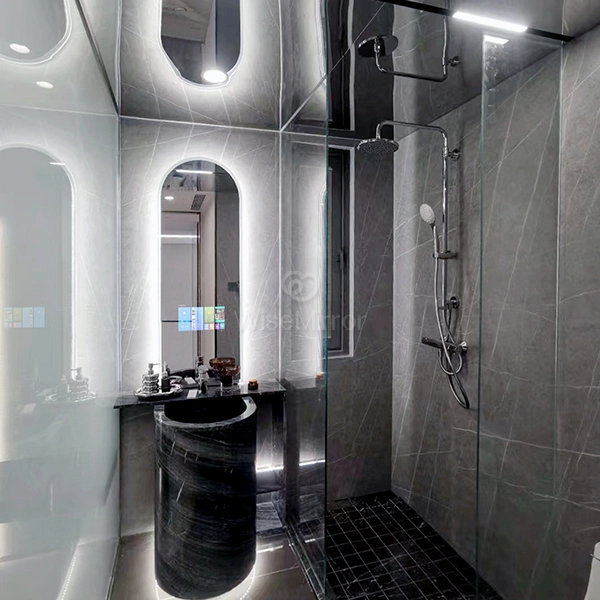
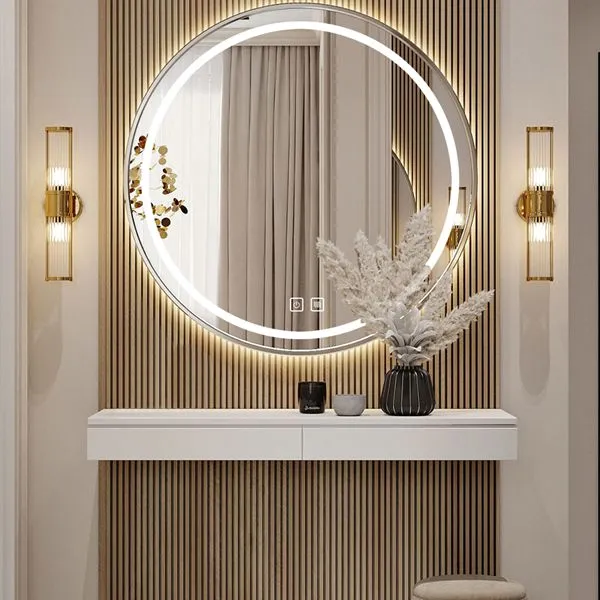
Smart makeup mirrors for high-end interior design projects need to blend in with the overall design while still providing clear useful benefits. You can find the right balance with these mirrors because you can change the frames. Brushed metal finishes go well with modern styles, matte black frames look good with industrial-chic styles, and biophilic health trends are in line with sustainable wood siding. When screens are not in use, the mirrored surface keeps the same level of optical clarity as high-end glass mirrors. This keeps the clean lines that are important for high-end bathrooms. When turned on, the embedded screen shows up without any visual gaps. This was made possible by precise manufacturing limits and advanced coating methods.
Enhancing Guest Experience Through Multifunctional Design
Preparation routines are less boring when you can watch TV shows, follow makeup lessons on a smart makeup mirror, or check the weather while you're getting ready. Guests like how time-efficient it is—they can read the news in the morning or watch something fun in the evening while doing their skincare routines. Bluetooth connection lets users connect their own devices, which lets them continue listening to podcasts or songs without any problems. These conveniences lead to good reviews and return bookings because amenities that value guests' time and interests make them loyal. When these mirrors are in treatment rooms, commercial health centers say that more services are used because clients can learn about skin care processes while they are there.
Real-World Implementations Demonstrating Value
Projects made together with China Resources Land and Gemdale Group show how these mirrors can be used in high-end apartment buildings with smart home environments that need gadgets that work with them. People looking for modern benefits are drawn to show flats with smart mirrors. Developers report shorter sales processes and higher prices. Mirrors in five-star hotels have been used continuously for more than 50,000 hours without losing their effectiveness, which is proof of their longevity. Boutique hotels offer a unique experience for their guests compared to chain hotels because they use personalized interfaces that show property logos and area guides.
Procurement Insights: Selecting the Right Smart Makeup Mirror for Luxury Interiors
Critical Evaluation Criteria for Project Specifications
The first step in a successful buying process for smart makeup mirrors is to match technical specs to project needs. The size of the display relies on where it will be installed. Small 10-inch mirrors work well in powder rooms and makeup stations, while 32-inch and bigger sizes are better for master bathrooms. Touch response time affects how happy users are; standards below 3ms make sure exchanges are smooth. Waterproof grades need to match the placement area. For example, IP65 is enough for vanity areas that don't get wet often, but IP66 is needed for areas next to showers or tubs. Connectivity choices should work with the property's current infrastructure. For example, Wi-Fi 6 compatibility makes setups future-proof, and Bluetooth 5.0 makes sure that guest devices can connect easily.
These factors are what specification papers are built on, which lets you compare vendors accurately. Here are the core advantages of working with established manufacturers:
- Prototyping Capabilities: Quick sample production in 15 to 20 days lets you test the design before placing full-scale orders, which lowers the risk of the project and makes sure it works with building features.
- Customization Depth: Branded interface design, pre-loaded application suites, and custom frame fabrication make it possible to stand out, and properties can show off their own brand names through useful perks.
- Regulatory Compliance: Pre-certification for CE, FCC, and RoHS standards in more than 120 countries gets rid of the delays that come with testing the product, which cuts installation times by about 40%.
- Scalability: The factory can make up to 5,000 units at a time, which means it can work with a wide range of projects, from small hotels to large apartment complexes with multiple towers. Delivery times of 30 to 50 days keep building plans on track.
Navigating Warranty Terms and Support Structures
For business installs, the standard guarantee lasts for 24 months, but for mission-critical uses—such as smart makeup mirrors that guests rely on for detailed grooming and lighting—you can choose to have the warranty extended. Support systems should include expert help for troubleshooting 24 hours a day, seven days a week, the ability to do online diagnostics to fix software problems without having to visit the site, and the ability to get extra parts through regional distribution networks. When you buy a lot of something, you usually get better support levels with specialized account management and faster response times. Understanding these terms when evaluating vendors keeps problems from happening after the installation that affect how the property works and how guests feel.
Logistics Considerations for International Projects
Shipping processes have a big effect on the total cost and time of a job. Experienced sellers combine shipping for orders with multiple items, which lowers the cost of freight per unit. Understanding the necessary customs paperwork and price classes can help you avoid delays at the border. Return policies should cover damage found during installation or mismatches between specifications that are found during testing. There should be clear steps for reporting defects and getting a replacement. Setting up payment plans with milestones, like a deposit, a balance due before shipping, and retention upon successful installation, aligns financial risk with project progress and protects purchase budgets.
Future Trends: The Growing Influence of Smart Makeup Mirrors in Luxury Markets
Emerging Technologies Reshaping User Expectations
Smart makeup mirrors are becoming more important in high-end markets as new technologies changing what users expect. Skin analysis programs can find trouble areas, measure moisture levels, and suggest specific skin care Products. Artificial intelligence merging is the next big thing. Augmented reality layers will allow virtual makeup trials, which will let users see how makeup will look before they apply it. This is especially helpful in beauty stores, where trying products is what customers do to decide what to buy. Voice-controlled changes will cut down on touching surfaces, which will help with cleanliness issues that are more common in hospitality settings after a pandemic.
IoT Ecosystems and Building Management Integration
If property management systems are more closely connected, automated scenarios will be possible for the smart makeup mirror. For example, mirrors could change the lighting based on the time of day, show personalized welcomes when guests enter bathrooms, or work with room heaters to make sure that people are as comfortable as possible while they are grooming. Energy tracking tools will keep track of how much energy is used, which will help with sustainability standards and managing running costs. Predictive maintenance algorithms will let building teams know about possible component problems before they happen. This will cut down on downtime and the trouble that it causes for guests.
Market Growth Driving Innovation Cycles
Experts in the field predict that the number of smart bathroom fixtures will grow by more than 10% each year until 2030. This is because older homes will be updated and connected features will be built into new homes. This growth brings in money to improve production, make parts smaller, and create new software platforms. Procurement pros gain from more products being available, more competitive price, and faster feature development. Building partnerships with makers and keeping strong R&D pipelines open guarantees access to next-generation capabilities as they become commercially viable, keeping property portfolios relevant.
Conclusion
Those who run high-end hotels, home builders, and business property managers who want to provide modern comforts should consider investing in smart makeup mirrors. These devices go beyond basic beauty functions by including professional lighting systems, entertainment features, and customizable user interfaces that make guests happier and help properties stand out. Technical features like IP-rated waterproofing, fast touch response, and IoT connection make sure that the device works reliably in harsh business settings. To be successful at procurement, you need to look at customization options, legal compliance, and support systems along with price. As artificial intelligence and augmented reality get better, these mirrors will play a bigger part in individual beauty and health experiences. Properties that get them early will be able to set the bar for luxury accommodations.
FAQ
1. How do smart mirrors outperform traditional options in hotel bathrooms?
How are smart makeup mirrors better than regular ones in hotel bathrooms? These devices offer flexible lighting that gets rid of shadows and color confusion, so guests can apply their makeup correctly in conditions that match the activities they have planned. Integrated screens provide fun and information while grooming, which raises the perceived value of the facility. The waterproofing and anti-corrosion coats make it last longer in damp places, so it doesn't need to be serviced as often as consumer-grade gadgets. Data analytics show trends of usage, which helps with making operations better and planning future investments in amenities.
2. What integration capabilities should procurement teams prioritize?
Wi-Fi and Bluetooth connections let you update software, do checks from afar, and pair your own devices with the smart makeup mirror. When you connect it to building management systems, you can handle lighting plans and content delivery from one place. Open design that lets third-party apps be installed gives you options as your guests' tastes change. Voice helper functionality helps with hygiene issues by letting you use it without touching it. These features make environments that work with smart building projects and meet the technology needs of guests.
3. What warranty and support frameworks protect commercial installations?
Reputable manufacturers give business warranties that cover parts and work for 24 months. For important uses, longer warranties are available. Technical support should be available 24 hours a day, seven days a week, and include the ability to fix remotely and distribute parts in a way that makes replacements happen quickly. Dedicated account management and priority response tiers are common features of volume purchase agreements. These features protect property operations and guest happiness.
Elevate Your Luxury Projects with WiseMirror Intelligent
Smart makeup mirrors from WiseMirror Intelligent will help your high-end projects stand out. WiseMirror Intelligent makes smart mirrors that are especially designed for tough business uses in the wellness, home building, and hospitality industries. Our smart beauty mirrors have professional LED lights that can work in a range of temperatures, high-definition screens that can stream and connect to apps, and waterproofing that is rated IP66 for use in bathrooms. We have worked on projects for China Resources Land, Gemdale Group, and foreign hotels for more than 15 years, so we know what the technical and aesthetic needs are for high-end interiors.
Our manufacturing skills allow us to provide unique solutions from the first samples, which can be made in 15 days, to production runs of 500 to 5,000 units, which can be delivered in 30 to 50 days. Pre-certification for CE, FCC, and RoHS standards in more than 120 markets speeds up the project timeline, and branded interface choices and custom framing protect the purity of the design. As a dedicated smart makeup mirror supplier, we offer technical help 24 hours a day, seven days a week, OEM services, and data analytics tools that make the guest experience better. Email our team at info@wisemirror-int.com to talk about how our smart mirror solutions can increase the value of your property, make your guest services stand out, and meet the needs of your unique project. You can look at our whole line of products and get more information about them by going to wisemirror-int.com.
References
1. Johnson, M. & Williams, R. (2023). Smart Home Integration in Luxury Hospitality: Technology Adoption and Guest Satisfaction Metrics. International Journal of Hospitality Technology, 18(3), 145-162.
2 .Chen, L. (2024). Advanced Mirror Coating Technologies: Nano Magnetron Sputtering Applications in Commercial Electronics. Materials Science in Building Components, 41(2), 78-94.
3. Davidson, K. et al. (2023). IoT Device Integration in Premium Residential Development: Value Analysis and Market Trends. Real Estate Technology Review, 29(4), 203-221.
4. Peterson, A. & Kumar, S. (2024). Lighting Psychology in Hospitality Design: Impact of Adjustable Color Temperature on Guest Experience. Journal of Interior Architecture, 36(1), 112-128.
5 .Zhang, W. (2023). Waterproof Electronics for Wellness Environments: IP Rating Standards and Durability Testing in Commercial Applications. Building Services Engineering Research and Technology, 44(5), 531-547.
6. Martinez, E. & Thompson, H. (2024). Procurement Strategies for Smart Building Components: Risk Mitigation in International Supply Chains. Journal of Construction Procurement, 30(2), 89-107.