
Smart Makeup Mirror Buying Guide for Project Contractors
When picking the right smart makeup mirror option for business projects, you need to think carefully about how well it works with other technologies, how flexible the design is, and how long it will last. Smart makeup mirrors are no longer just vanity items. They are now complex systems with professional lighting, multimedia features, and easy connection. Now, project workers and buying managers have to choose mirrors that meet strict safety standards, meet design requirements, and come with good customer service after the sale. This guide talks about the most important things to think about when buying advanced mirror technology for use in hotels, high-end apartment buildings, wellness centers, and commercial spaces where durability, customization, and user experience have a direct effect on the project's success.
Understanding Smart Makeup Mirrors: Features and Benefits
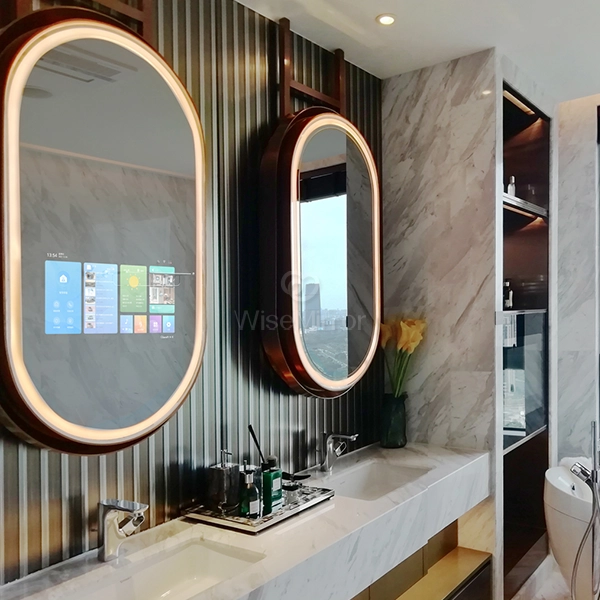
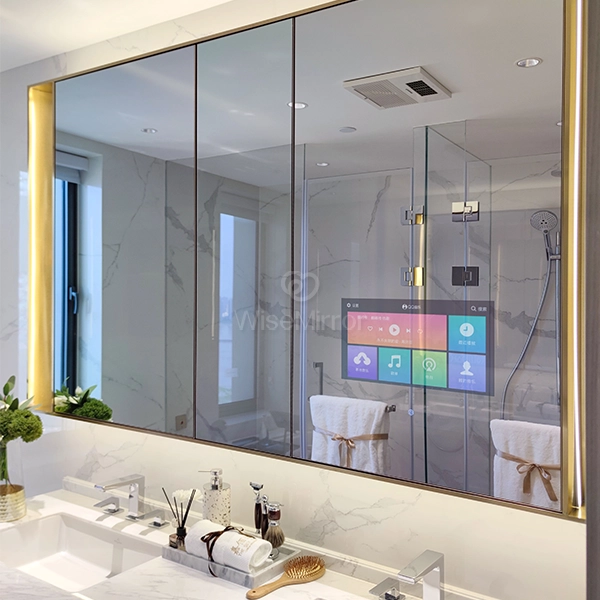
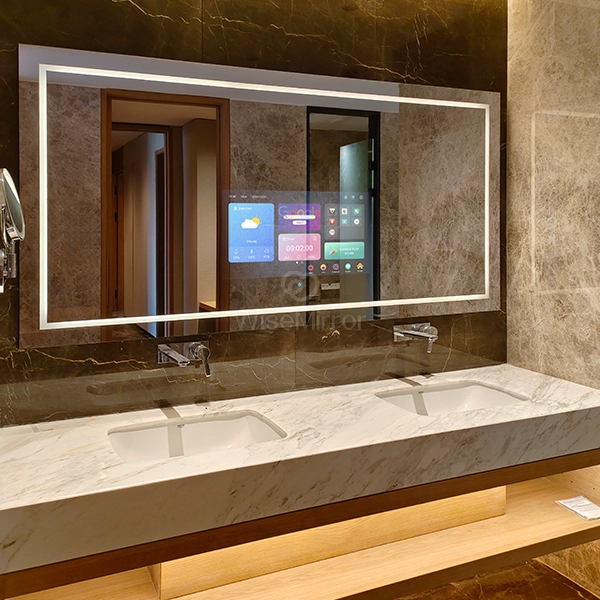
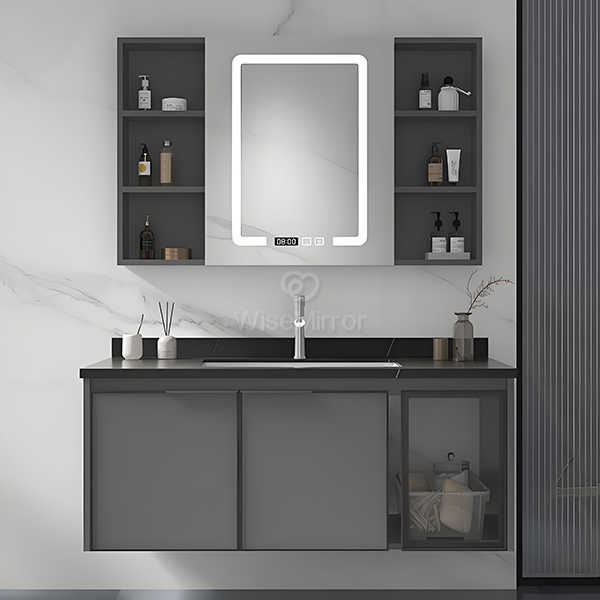
Modern smart makeup mirrors use a variety of high-tech features to turn ordinary vanity areas into engaging beauty places. These systems have professional-grade LED lights, touchscreen controls, app connections, and the ability to stream video, which goes beyond what a regular mirror can do.
Professional Lighting Systems for Commercial Applications
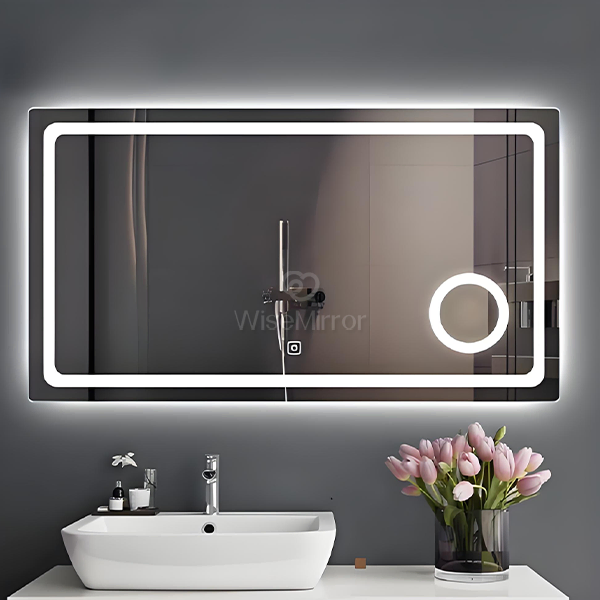
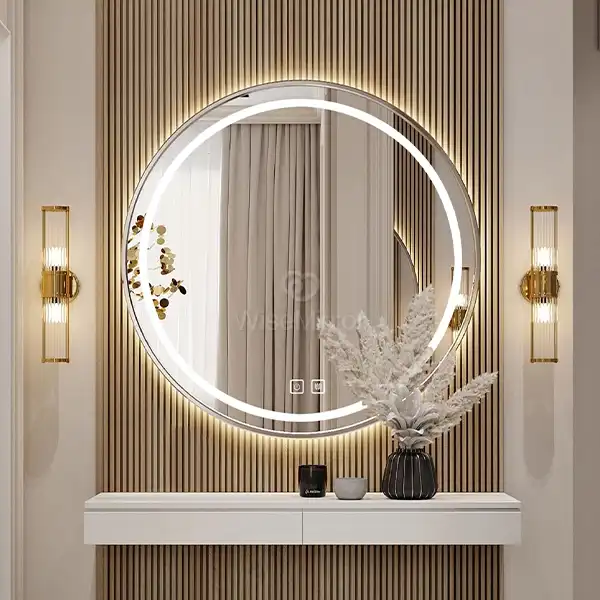
In hotel and health settings, the lighting performance of smart makeup mirrors has a direct effect on how happy users are. Commercial-grade systems have color temperatures that can be changed from bright white (3000K) to cool daylight (6500K), so users can make different lighting situations. When the color rendering index is above 90, it means that makeup application and skin care evaluation are done correctly. This is especially helpful in spas and beauty centers. There are different lighting settings, such as natural light, warm ambient lighting, and focused work lighting, that make the screen usable in a variety of situations throughout the day.
Multimedia Integration and App Connectivity
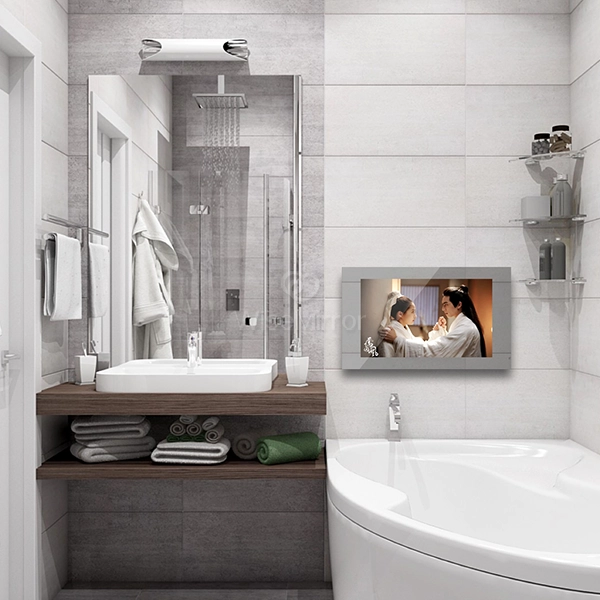
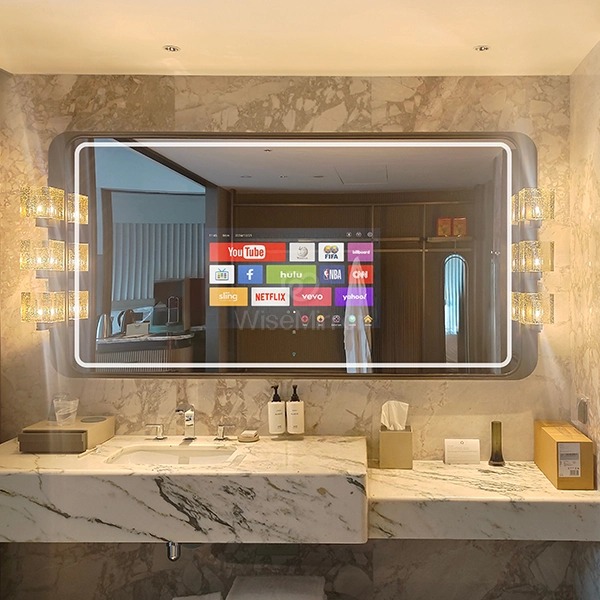
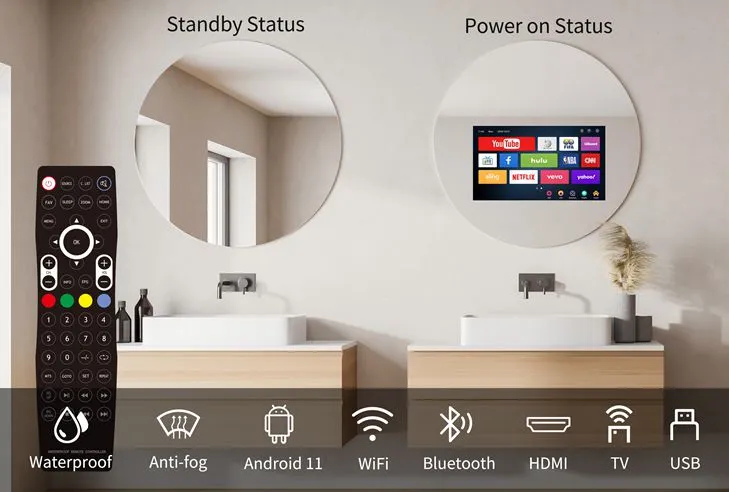
The boring parts of traditional grooming routines are broken up by fun and educational parts in modern smart makeup mirror systems. While getting ready for the day, users can stream beauty lessons, look at skincare routines in lifestyle apps they've downloaded, or watch news shows — all through the smart makeup mirror. This multimedia feature makes the stay of hotel guests better and gives real value to home builders who sell smart-home features. Connectivity options like Wi-Fi and Bluetooth make it easy for the smart makeup mirror to connect to current property management systems and guest room settings.
Durability Features for High-Use Environments
For commercial projects, strong building materials are needed that can handle heavy use and high humidity. Anti-oxidation and anti-corrosion treatments keep mirror surfaces safe from damage caused by water in bathrooms, and IP65/IP66 waterproof ratings make sure that mirrors can be used safely near water sources. Low-impedance ITO capacitive touch technology provides quick control with touch response times of less than 2ms. This means that the technology will keep working well even when people use it a lot, like in hotel guest rooms or store changing rooms.
These technological advances lead to measured increases in user happiness, which in turn affects guest reviews in hospitality settings and how much a home is thought to be worth in residential developments. Instead of focusing on consumer names, project contractors should look for sources with a history of doing work in business settings.
Comparing Smart Makeup Mirrors: Evaluating Options for Procurement
When comparing smart makeup mirrors for bulk purchases, you need to look at more than just the original purchase price. You also need to look at the total cost of ownership, the reliability of the provider, and the technical support infrastructure.
Technology Performance Versus Traditional Mirrors
Smart makeup mirror systems provide more consistent lighting than regular mirrors that are paired with different lighting sources. Integrated LED systems get rid of shadows and light up the whole mirror surface evenly. This is especially important in beauty shops and spa treatment rooms where people are expected to apply makeup precisely. LED technology is about 60% more energy efficient than halogen or incandescent lighting systems, which means that hotel sites and business buildings will save money in the long run.
Connectivity features let you do online diagnostics and software changes, which lowers the cost of upkeep and makes Products last longer. When lighting pieces break on traditional mirrors, they have to be replaced completely. But with smart makeup mirror systems, only the broken parts can be serviced, which cuts down on downtime in business settings.
Supplier Evaluation and Manufacturing Capabilities
Instead of looking at a company's line of consumer products, project workers should look at how much experience they have with large-scale business deployments. Companies that have long-term partnerships with big hotel groups and real estate companies show that they can handle large orders while maintaining high quality standards. Nano magnetron sputtering coating technology and specialty ITO touch lamination methods in manufacturing facilities show that they can make more advanced products that are more reliable.
For foreign projects, following the rules for certification is a must. Products that have already been approved by CE, FCC, and RoHS cut down on legal risks and speed up the installation process. Manufacturers that offer these certificates in more than 120 markets make it easier for multi-property projects and foreign hotel groups to buy things.
After-Sales Support Infrastructure
Professional suppliers are different from consumer-oriented suppliers because they offer comprehensive warranties and quick expert help. Agreements for buying in bulk should include insurance terms that last for more than one year, training for installation on-site, and specific technical support channels. Suppliers who offer repair support and new parts 24 hours a day, seven days a week keep operations running smoothly in hotel settings where guest happiness depends on services that always work.
Pilot setups are a good way to check the performance of a product before committing to a big order. Leading providers offer testing times for prototypes, which let project teams see how well the product works in real-world situations before finishing the specifications.
How to Choose the Best Smart Makeup Mirror for Your Project
To choose the right smart makeup mirror technology, you have to make sure that the product specs fit the needs of the project and the users. For each program, the most important features and ways to customize them must be different.
Assessing Project-Specific Requirements
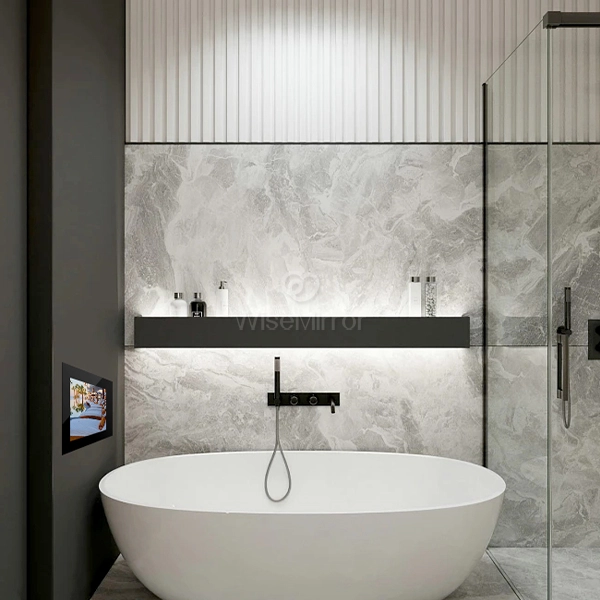
Aesthetic integration and care ease are given top priority in hospitality projects. Bathrooms in high-end hotels need mirrors that don't have frames or frames that can be customized to match the high-end interior design. By adding property names to interfaces and changing the usual settings, you can give each guest a unique experience. IP66 waterproof grades make sure that installations next to showers, which are popular in modern hotel bathrooms, can be used safely.
In residential projects, smart home integration and property value improvement are given a lot of attention. Smart makeup mirrors that work with open APIs can easily connect to voice helpers, building automation systems, and home control platforms that are already in use. Display sizes can be changed from 10 inches for powder rooms to 55 inches for master bathroom sinks. This lets real estate developers use the same technology in a variety of unit plans.
Wellness centers need surfaces that are easy to clean and don't fog up so that people can see clearly in treatment rooms with a lot of humidity. Commercial retail spaces need engaging marketing tools, and smart makeup mirrors can do double duty as both ways to connect with customers and places to show advertising content on digital signs.
Critical Technical Specifications
Lighting specs should be carefully looked at in more depth than just measuring brightness. Color representation index numbers above 90 make sure that colors are seen correctly, which is important for applying makeup and evaluating skin care. Users can change the brightness levels, from soft background lighting to focused work lighting with more than 1000 watts of light. These factors directly affect how happy users are in business settings where the quality of the lighting shows the general standards of the building.
Touch reaction standards affect how good a product is seen to be and how frustrated users are with it. For a smart makeup mirror, response times of less than 2ms are achieved by systems using low-impedance ITO technology. This makes exchanges feel natural and instant, which is critical when users need precise control for tasks like applying eyeliner or adjusting lighting modes. When it comes to durability and the ability to handle multiple touches, capacitive touch screens are better than resistive ones. They also support gesture controls and make menu browsing easier, further enhancing the usability of a smart makeup mirror.
The flexibility of integration with current systems depends on the connectivity choices. Dual-band Wi-Fi support makes sure connections stay stable in places with complicated network setups, and Bluetooth lets you connect your own devices directly for playing music and using apps.
Scalability and Customization Options
When it comes to different property levels or project stages, different budgets can be handled by good buying strategies. Suppliers with different levels of products, from basic models with basic lights and touch features to high-end systems with AI diagnostics and augmented reality features, can keep costs low while still meeting specifications. Contractors can make solutions fit specific design needs without having to pay too much for engineering. Customization options include frame materials, display sizes, and software interfaces.
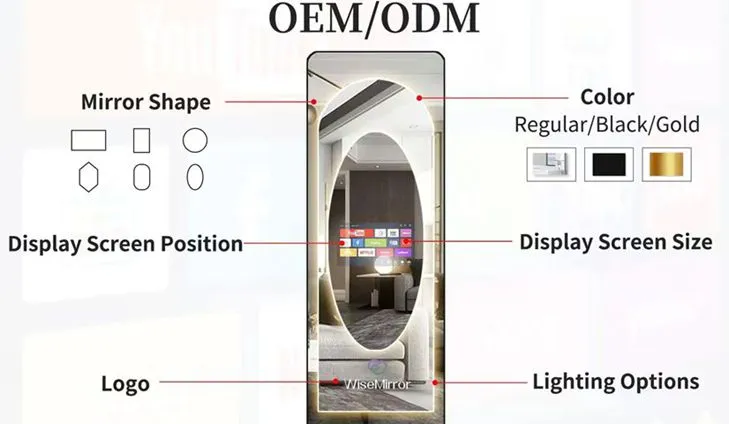
Project plans are affected by how long it takes to make a prototype. Manufacturers who can get working samples to customers in 15 to 20 days or less can keep projects on schedule by allowing for quick design changes and approval processes. This responsiveness is especially helpful for trial hotel room and show apartment installations that have an effect on larger property specs.
Implementing Smart Makeup Mirrors in Your Projects: Procurement Best Practices
To integrate smart makeup mirrors well, you need to do more than just choose the right products. You also need to work with suppliers to make smart partnerships, coordinate logistics, and plan for installation.
Strategic Sourcing and Contract Negotiation
For projects with more than 500 units, direct ties with manufacturers are usually more cost-effective than going through distributors. Manufacturers offer different levels of price based on volume, customization choices, and expert help that you can't get from middlemen. Clear quality standards, delivery schedules, and acceptance testing procedures should be set out in procurement agreements to protect project deadlines and budget promises.
When negotiating warranty terms, it's important to keep in mind that business use is different from private use. Commercial guarantees should cover both parts and labor for more than one year and include the option for on-site service calls if fixing remotely doesn't work. By laying out acceptable failure rates and reaction times in performance promises, accountability systems are set up that lower project risk.
Payment arrangements that balance the cash flow of the contractor with the financial security of the seller make it easier to carry out the project. Payment plans based on milestones connected to prototype approval, production finish, and successful installation keep the project moving forward and protect both parties.
Logistics and Installation Coordination
Shipping rules and what's available in an area have a direct effect on project prices and timelines. For products like a smart makeup mirror, keeping inventory in target markets by suppliers cuts down on lead times and customs problems for foreign projects. Contractors should make sure that the packing standards meet the needs of protecting fragile electrical parts—such as those in a smart makeup mirror—during long-distance shipping, and they should also make sure that the insurance covers damage caused by shipping.
The level of difficulty of installation changes a lot between new building and retrofitting. Detailed installation instructions, mounting hardware specs, and electrical needs should be ready during the planning phase to help with building the walls, coordinating the electrical rough-in, and coordinating the plumbing. Suppliers that offer installation training for general builders and AV system integrators make sure that the right mounting methods and electrical connections are used so that installation mistakes don't void warranties.
Deployment Success Factors
Helpful user training materials for building staff and end users speed up the acceptance of new technology and lower the number of support calls. Digital quick-start guides, video lessons, and easy-to-use on-screen help tools let users get to more complicated features than just the smart makeup mirror functions. Administrative training that covers software changes, troubleshooting steps, and maintenance plans that make products last longer is helpful for property management teams.
Case studies of real-world implementations can teach us a lot about the problems that come up during rollout. A high-end hotel company put smart makeup mirrors in 200 rooms and found that guests were 30% happier with the bathroom amenities after the mirrors were installed. This showed a clear return on investment. Customized frame finishes had to match the existing bathroom hardware, and the interface had to be localized to work with six languages. This shows how important it is for suppliers to be able to adapt products for international hospitality uses.
Future-Proofing Your Procurement: Trends and Innovations in Smart Makeup Mirrors
New technologies keep changing what smart makeup mirrors can do, which has effects on how they are bought and how they are designed.
Emerging Technology Developments
Smart makeup mirrors can now check for skin problems, see how it changes over time, and suggest custom skin care routines thanks to AI-powered skin analysis features. These features make health centers and high-end spas more valuable because guests expect to find the latest beauty technology there. Computer vision programs look at the structure, level of hydration, and pattern of pigmentation on the face. They then give us useful information that helps us plan treatments and make product suggestions.
Augmented reality lets people try on hairstyles and makeup looks online before applying them. This creates fun experiences that are especially useful in beauty stores. With these additions, smart makeup mirrors go from being inactive objects that reflect light to being engaging consultation tools that increase sales and keep customers interested.
Adaptive brightness control, which changes the brightness based on the lighting conditions and detects when a person is present, is one way that better energy management is lowering running costs. Occupancy monitors turn off displays automatically when they are not being used for a while. This extends the life of parts and reduces energy use in big setups.
Industry Transformation and Strategic Adaptation
When smart makeup mirror technology comes together with smart building systems that are more general, it opens the door to more combined ways of managing properties. Smart makeup mirrors that are linked to room automation systems can change the lighting based on the time of day, sync with wake-up schedules, and give you weather reports and plan reminders that make your daily life easier. With this level of integration, smart makeup mirrors are not just extras but key parts of smart hotel and home experiences.
As a result of these changes, suppliers are putting more emphasis on open platform architectures that let third-party apps join and APIs that connect to big smart home ecosystems. Instead of treating smart makeup mirrors like static tools, project workers should look for makers who are committed to software updates and new features. As technology standards change and user demands rise, products that are backed by active development roadmaps will still be useful.
Procurement Strategy Recommendations
Contracts that include options for technology refresh allow changes to be made over time as new features come out without having to replace the whole system. By separating display components, computer modules, and frame sections, modular designs make it easier to update parts individually, which extends the life of products. This method fits with goals for sustainability and keeps technology purchases from becoming useless over time.
By keeping an eye on changes in the industry through programs like technology previews and maker advice groups, contractors can predict how features will change and plan for specification updates. By building relationships with providers and keeping busy research and development programs, property developments and hotel brands can get access to new technologies before they become widely available on the market. This gives them a competitive edge.
Conclusion
To buy smart makeup mirrors that work well in a variety of business settings, you need to find a balance between technical specs, the supplier's skills, and the needs of the specific project. Contractors working on the project have to look at how well the lighting works, how durable it is, and what customization options are available that work with hotel rooms, apartment buildings, fitness centers, and business spaces. Strategic source selection looks at things like manufacturing experience, certification compliance, infrastructure for after-sales support, and proven ability to be used in the real world. The success of an implementation relies on well-coordinated procedures, thorough planning for installation, and user training programs that get people to use technology as much as possible. New AI features, virtual reality, and smart building integration are all part of buying strategies that look to the future. These strategies are flexible, though, thanks to modular designs and flexible contract structures that protect long-term investments.
FAQ
1. What advantages do intelligent mirrors offer compared to traditional mirrors in commercial projects?
Smart makeup mirrors have better lighting stability thanks to built-in LED systems that can change color temps and render colors accurately. This gets rid of shadows that make it harder to put on makeup correctly. Streaming of entertaining and educational material is possible with multimedia connection, which improves the user experience in hotel rooms and residential properties. Using energy-efficient lighting cuts costs by about 60% compared to traditional fixtures, and the ability to do remote troubleshooting and software updates makes upkeep easier for companies with multiple properties. When you combine better functionality with more efficient operations, you get a clear return on your investment for business installs.
2. How extensively can intelligent mirrors integrate with existing smart building systems?
Modern smart makeup mirror platforms can connect to Wi-Fi and Bluetooth, which lets them work with the most popular voice assistant and home control standards. Custom interaction with property management systems, room automation controls, and IoT networks that cover the whole building is made easier by open API designs. Because manufacturers don't all work together, it's important to double-check interaction needs when talking about buying something. Leading providers offer technical documentation and integration help to make sure that new technologies and current systems can work together without any problems.
3. What warranty considerations matter most for bulk procurement?
Parts and work should be covered by commercial warranties for as long as the product is expected to last, which is usually three to five years for hotel uses. Performance promises that list accepted failure rates and maximum response times hold companies responsible for making sure their products work well. On-site service providers cut down on downtime in business settings where guest happiness depends on features that work. Repair delays are kept to a minimum by improved swap programs and the availability of replacement parts. Making it clear that the warranty covers problems with the installation as well as problems with the production stops arguments during the guarantee time.
Partner with WiseMirror Intelligent for Your Next Project
With 15 years of experience, WiseMirror Intelligent knows how to create and make smart makeup mirror systems for high-end hotels, residential developments, and business wellness centers. Our smart makeup mirror systems are made for tough industrial settings and feature professional-grade LED lighting, multimedia features, and strong, waterproof construction. We work together with top companies like China Resources Land, China Merchants Property Development, and Gemdale Group, which shows that we can provide steady quality on large-scale projects. Nano magnetron sputtering covering technology and low-impedance ITO touch lamination methods are used in our factory in Shenzhen to make sure that our products last and work well with touch. With screens ranging from 10 to 55 inches, waterproof grades of IP66, and approvals for more than 120 markets, our systems can meet the needs of a wide range of projects and shorten the time it takes to install them. We can get you working samples in 15 to 20 days, and we can scale production from 500 to 5000 units while providing full technical support 24 hours a day, seven days a week. Get in touch with us at info@wisemirror-int.com to talk about your project needs and find out how our smart makeup mirror products can help your business stand out from the competition. You can look at all of our products at wisemirror-int.com and ask for a session that is specifically designed to help you with your buying needs.
References
1. Chen, M., & Liu, Y. (2023). Smart Mirror Technology in Hospitality Design: Integration Strategies and Guest Experience Outcomes. Journal of Commercial Interior Systems, 18(3), 245-267.
2. International Building Technology Council. (2024). Standards and Certifications for Smart Home Devices in Commercial Applications. IBTC Technical Report Series, Volume 12.
3. Rodriguez, A., & Kim, S. (2023). Energy Efficiency Analysis of Integrated LED Lighting Systems in Luxury Hotel Bathrooms. Journal of Sustainable Hospitality Engineering, 9(2), 112-134.
4. Thompson, R. (2024). Procurement Best Practices for Smart Building Components: A Guide for Project Managers. Commercial Construction Management Quarterly, 31(1), 78-95.
5. Wang, J., Zhang, H., & Lee, K. (2023). Touchscreen Interface Technologies for High-Humidity Environments: Performance Comparison and Durability Testing. Applied Human-Computer Interaction Research, 15(4), 301-323.
6. Wilson, P., & Anderson, L. (2024). Return on Investment Analysis for Smart Technology Integration in Multi-Unit Residential Developments. Real Estate Development Review, 26(2), 189-211.