
Luxury Bathroom Design Trends with Android Smart Mirrors
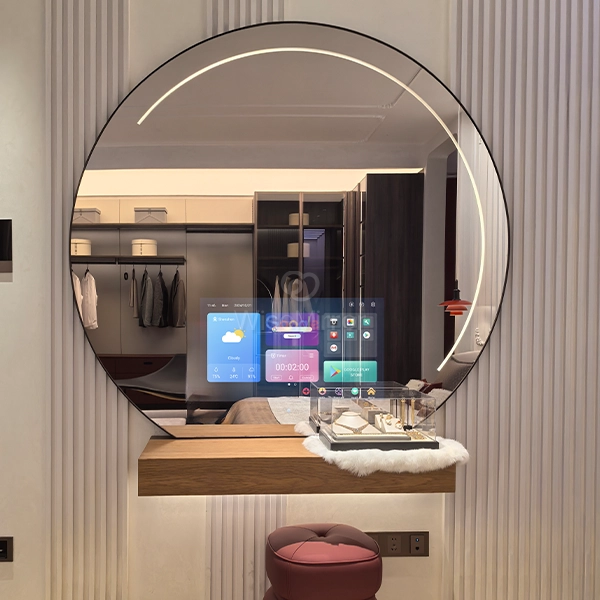
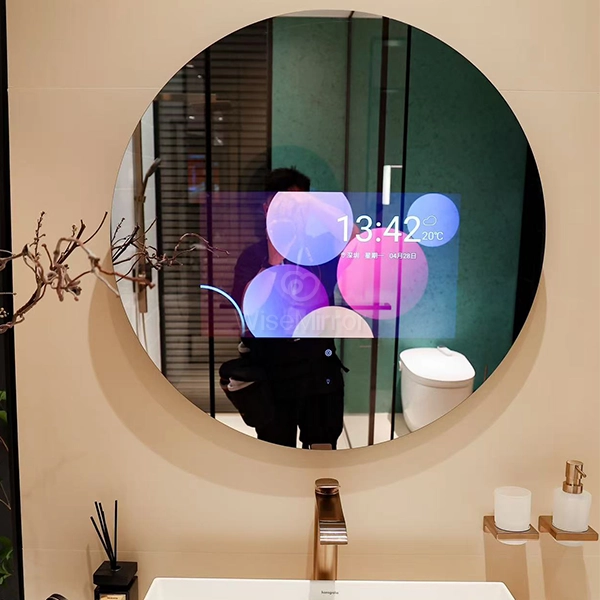
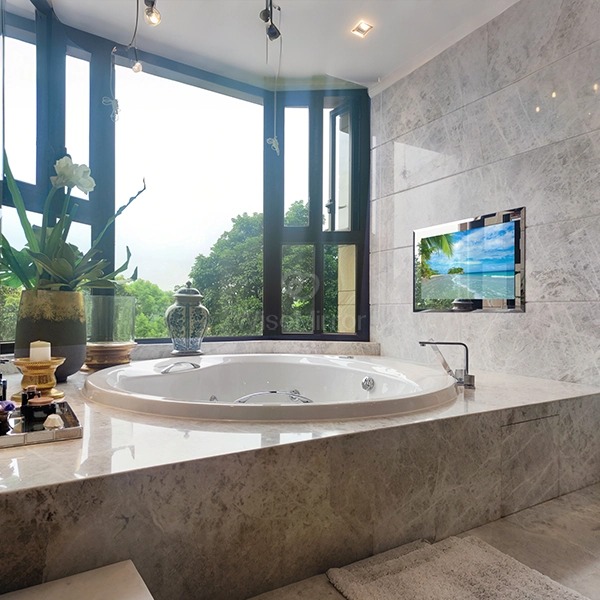
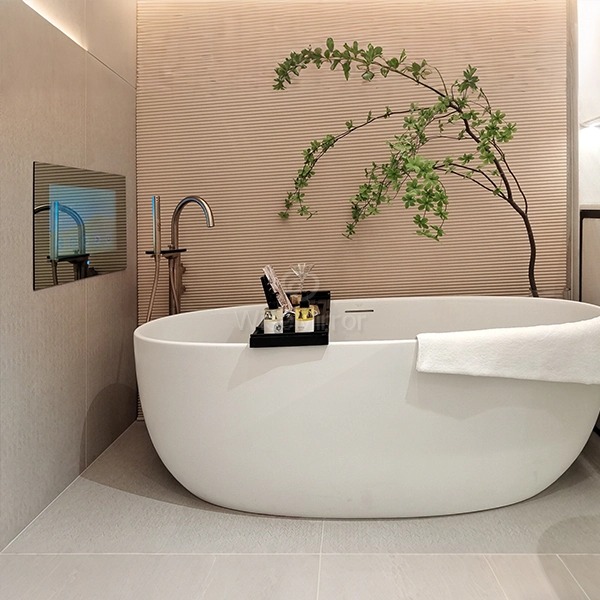
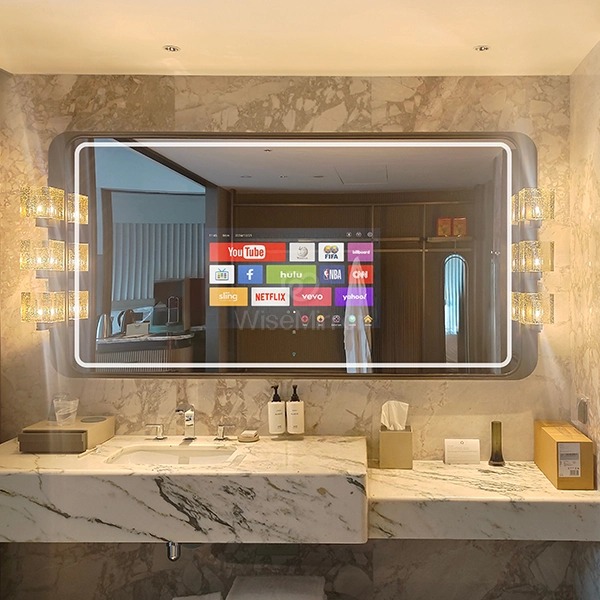
The integration of smart technology has transformed modern bathroom design across the hospitality and residential sectors. As a leading innovation in this space, the Android Bathroom Smart Mirror combines elegant aesthetics with intelligent functionality. Procurement managers, architects, and project developers increasingly choose Android-powered smart mirrors to enhance guest experiences, improve operational efficiency, and support smart building initiatives. With features such as waterproof construction, interactive touchscreens, multimedia integration, and seamless connectivity, these advanced mirrors are redefining luxury bathrooms in hotels, serviced apartments, residential developments, and premium commercial properties.
The Rise of Android Smart Mirrors in Luxury Bathroom Design
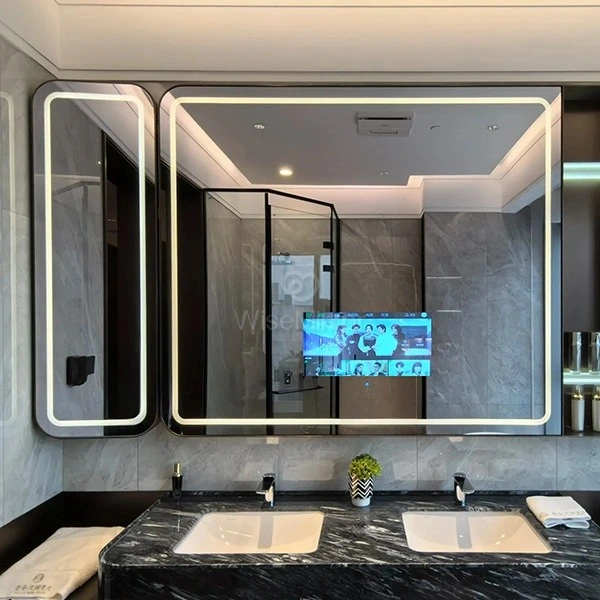
Bathroom mirrors from the past have done their job without much trouble, but high-end homes today need mirrors that can move. It's becoming more and more clear that static mirrored surfaces can't connect guests to property management systems or make custom connections for guests. This issue is becoming more clear as hotel chains compete for picky guests.
Transforming Static Surfaces into Interactive Experiences
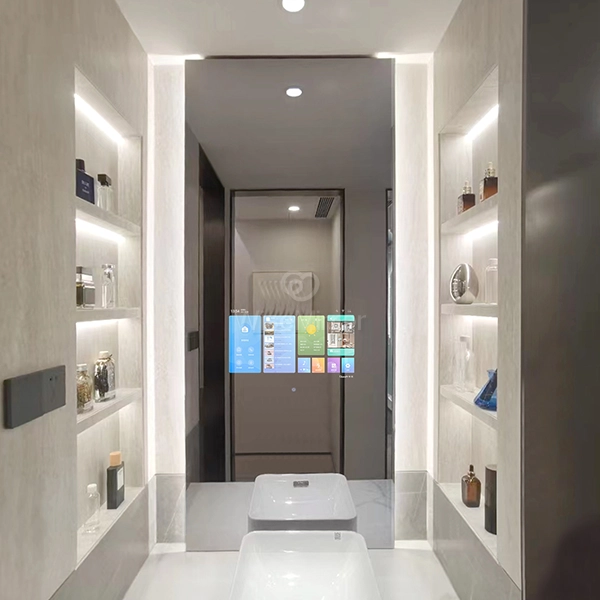
These holes are filled by android bathroom smart mirror technology. It turns empty wall space into useful digital tools. When hotels use these solutions, their guests are happier. This is especially true for business travelers who like being able to check their flights, stream news clips, and change the temperature in their rooms without having to get up and do it all again in the morning. People who work in property management like how stable and growing the Android operating system is. The big Google Play store has thousands of apps that work with Android.
Technical Innovation Meets Hospitality Demands
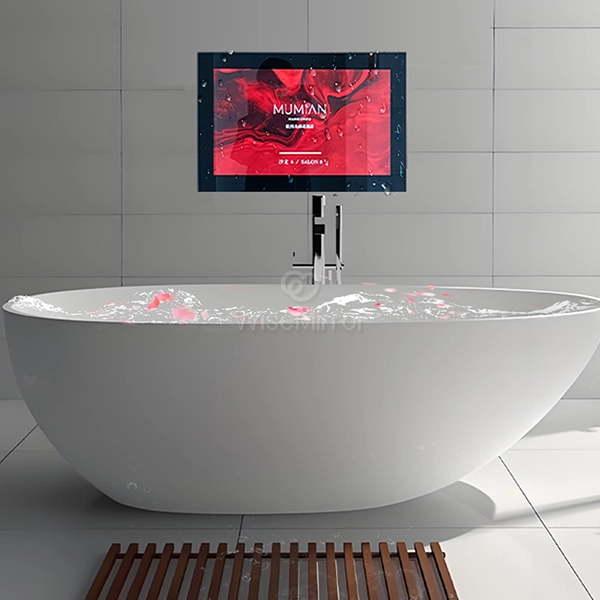
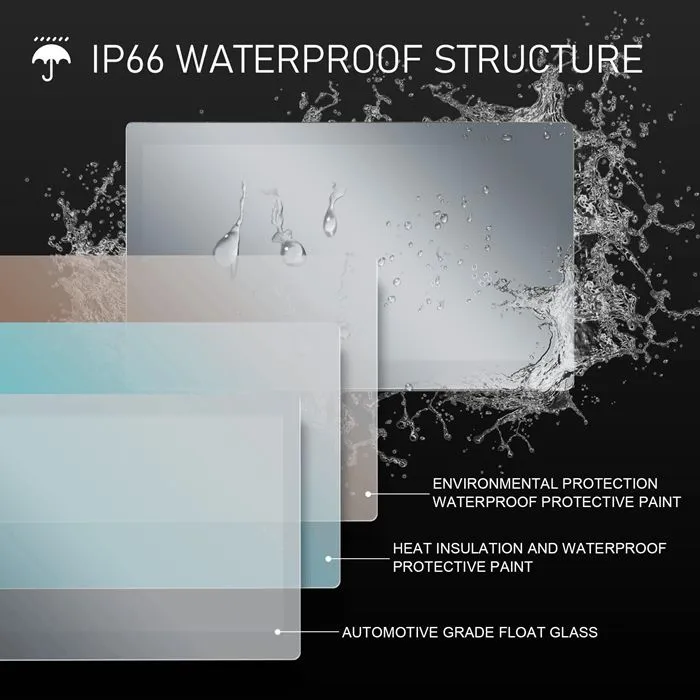
The way Android bathroom smart mirrors are made now is perfect for bathrooms that get wet and busy all the time. Even after years of being exposed to steam, nano magnetron sputtering covering technology keeps surfaces bright and stops rust. This is something that should be taken into account when buying things for 300-room hotels. When you clean, IP65 standards keep devices safe from getting wet directly, and low-impedance ITO sensitive touch still works even if there is water on the mirror surface.
B2B Value Propositions Beyond Aesthetics
The perks that procurement teams see in these systems are different from the ones that people see. With unified control, IT teams in hotels can fix issues, update software, or change how user interfaces are laid out across the whole property. This freedom makes care a lot easier than having to deal with multiple different bathroom entertainment systems. Builders who want to attract high-end buyers know that adding smart screens to a unit makes it look more valuable. Buyers are always more interested in show flats with these installations, and they sell for more money.
Core Components and How Android Bathroom Smart Mirrors Work
People who work in buying can make better design decisions and guess what integration needs there will be in bigger projects if they know how android bathroom smart mirror systems work on a technical level.
Hardware Architecture Engineered for Reliability
Commercial-grade LCD panels in 32", 43", and 55" sizes make up the base of the display. These sizes were chosen based on bathroom measurements and calculations of viewing distance. Anti-glare coatings keep your eyes comfortable during long periods of use, and the tempered glass construction meets safety standards needed for hospitality applications. Behind the visible surface, processing modules house Android-optimized chipsets that balance performance needs with thermal management—important when devices are used continuously in small, humid spaces.
Dual-band Wi-Fi lets property networks connect, Bluetooth pairs peripheral devices, and USB-C ports let service technicians do diagnostics or content updates on-site. HDMI inputs let properties that prefer centralized media distribution systems, which gives architects more choices for different building situations.
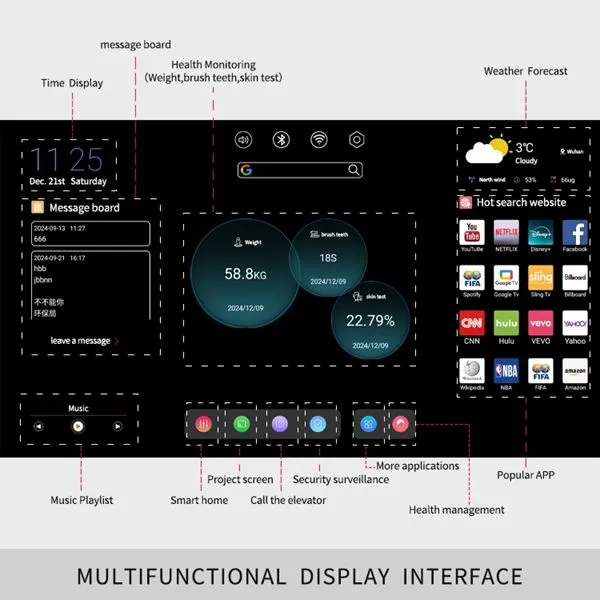
Software Ecosystem and Customization Potential
Over many years, the stable Android operating system has been improved and is now used on billions of devices around the world, including Android bathroom smart mirrors. Property managers can pick which apps to use based on the positioning of their brand. For example, high-end wellness resorts might focus on meditation guides and making spa appointments, while business hotels might pick productivity tools and real-time financial data streams.
As natural language processing gets better, commands can be given in more than one language. This is useful for international hospitality groups that serve a wide range of clients because it lets people use the device without using their hands. This is helpful for guests who can't move around easily or while grooming, which needs both hands.
Installation and Maintenance Considerations for Large-Scale Deployments
People in charge of big installations like that these systems work with standard electrical and network infrastructure. There are options for recessed mounting that makes wall integration easy, and surface-mounted configurations speed up renovation times. Electrical contractors, IT network teams, and interior fit-out specialists all work together to plan installations so they happen on time and in the right order.
Support teams can look at system logs, make sure the network is connected, and often fix problems without sending out technicians when problems happen. This keeps operations running smoothly and keeps long-term service costs low. Software updates should be scheduled for times when the hotel isn't busy so that security is high and new features are added without affecting the guests' experiences.
Comparing Android Bathroom Smart Mirrors with Other Market Options
Before buying a technology, you should think about the project's needs and the company's long-term goals. This will help you decide which android bathroom smart mirror to buy.
Android Versus Alternative Operating Systems
There are a lot more apps for Android-based solutions than for iOS or proprietary systems. This is because the open-source foundation lets companies like WiseMirror improve performance for use cases specific to hospitality while still being compatible with standard apps. iOS-based alternatives, on the other hand, usually have higher licensing costs and fewer customization options that big buyers need to make their brand stand out.
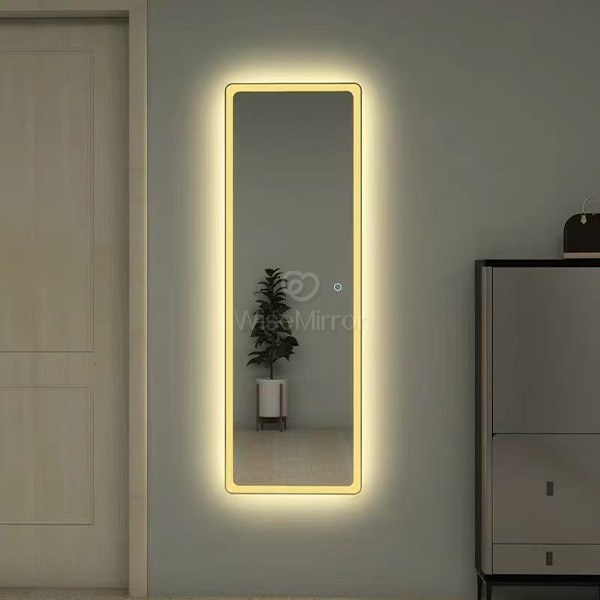
Regular LED mirrors and digital screens aren't as good as smart ones because they can't be integrated in a way that makes them worth the higher price. These Products may seem cheaper at first, but they can't change to meet the needs of guests or be part of property-wide automation plans, which lowers their value over time.
Performance Metrics That Matter for Commercial Applications
Durability testing shows that consumer-grade and commercial-specification mirrors are not the same. For example, an android bathroom smart mirror made for hospitality can handle temperature changes between 5°C and 45°C, humidity levels above 90%, and continuous operation for more than 50,000 hours. Other options would break down quickly in these harsh conditions, but touch interface responsiveness stays the same, which keeps users from having bad experiences that hurt the reputation of the property.
Total cost of ownership calculations need to look at things like warranty coverage, availability of spare parts, and how quickly technical support can respond. Manufacturers that offer full post-installation support lower risk for project stakeholders, especially when deploying across multiple properties at the same time. WiseMirror's 15-year history in the industry and portfolio of developments that includes China Resources Land and Gemdale Group show the operational reliability that procurement committees look for.
Privacy and Compliance Considerations
As a hotelier, you need to be aware of both guest privacy expectations and regulatory compliance. Mirror systems without built-in cameras are better for bathrooms where privacy expectations are higher because they don't allow unauthorized recording. Bluetooth and Wi-Fi connectivity use standard security protocols, and devices can work on separate network segments that stop unauthorized access to guest data or property management systems.
Procurement Insights: Buying and Partnering for Android Smart Mirrors
For big purchases to go smoothly, you need to have strategic relationships with sellers and review methods that go beyond simple price comparisons for the android bathroom smart mirror.
Identifying Qualified Manufacturers and Partners
There are a lot of companies that sell smart mirrors, but not all of them have the engineering know-how and production capacity for big hotel or home building projects. As part of the verification process, you should look at manufacturing certifications (ISO 9001 quality management, CE/FCC/RoHS compliance), production capacity metrics, and existing client portfolios that show large-scale deployments that went well.
The tech corridor in Shenzhen is home to WiseMirror Intelligent, a company that can make more than 1,000 units per month. For orders of more than 500 units, delivery times are 30 to 45 days. This scalability is important for projects that need to be finished quickly or in stages that match construction milestones. The company's own UI design and software development teams can make products fit with specific brand guidelines or architectural themes.
Evaluating Pricing Structures and Contract Terms
When you buy the android bathroom smart mirror in bulk, you usually get a graduated discount, and when you buy more than 200 units, you save a lot of money. The person in charge of buying should ask for detailed breakdowns that show the difference between the base hardware costs and customization fees, installation support, training services, and options for an extended warranty.
As is common in the construction industry, payment terms include deposits to hold production slots, progress payments based on manufacturing milestones, and full settlement upon delivery acceptance. When doing business internationally, it's important to pay attention to Incoterms, which spell out who is responsible for shipping, customs clearance, and import duties. Experienced suppliers can help buyers figure these out, and they may even offer delivered duty paid (DDP) arrangements that make it easier for buyers to plan their logistics.
Support Infrastructure and Long-Term Partnership Value
Premium suppliers are different from transactional ones because they offer quick technical help via email (info@wisemirror-int.com), phone, and remote diagnostic tools. This cuts down on downtime when problems happen, and properties can keep the system running at its best for longer thanks to clear instructions, training programs for property maintenance staff, and spare parts that are easy to find.
The goal of strategic partnerships is usually to last for a long time and help with many projects. Suppliers who know the standards and preferences of a developer can speed up the specification process for new properties while keeping everything consistent across the developer's portfolio. This is especially helpful for companies that are in charge of many developments at the same time.
Future Trends and Strategic Recommendations for B2B Buyers
Business people in charge of buying things can protect the value of their investments and stay ahead of the competition by knowing how android bathroom smart mirror technology will change in the future.
AI Integration and Personalization Capabilities
Smart mirrors will be able to change their looks based on how people use them and what they like. For example, hospitality apps could recognize returning guests and show them their preferred language settings, the weather in their home city, or personalized wellness suggestions based on their past spa service history. These features make guests more loyal and collect operational data that properties can use to improve service.
The best way to use energy is for machine learning algorithms to change the brightness of screens based on how much light is in the room and how many people are using them. These small changes will save a lot of money over time for large property portfolios. These benefits can be measured, which makes the business case for using intelligent systems stronger.
Enhanced IoT Connectivity and Ecosystem Integration
More standardized protocols, like Matter and Thread, will make it easier for manufacturers to work together, which will make integration easier and make more building management platforms compatible. Android bathroom smart mirrors will serve as the control hubs for the whole bathroom automation system, coordinating lighting scenes, ventilation activation, heated floor operation, and audio systems through unified interfaces.
By adding fitness tracking platforms or patient monitoring systems to healthcare and wellness facilities, it is possible to show personalized health advice while people are doing their daily tasks. These uses take mirror utility beyond the hospitality industry and into medical, senior living, and wellness resort settings, giving smart developers more markets to target.
Sustainability and Operational Efficiency Priorities
As companies try to get green building certifications and make promises to cut carbon emissions, environmental responsibility is becoming more important in purchasing decisions. Technologies that use less energy, products that last longer so they don't need to be replaced as often, and requirements for materials that can be recycled are all in line with these goals. As these issues become more important, suppliers who show clear sustainability practices throughout the manufacturing and supply chain operations will get more attention.
When you replace parts of a modular unit instead of the whole unit, you extend the product's useful life and reduce waste. Buyers should ask about upgrade paths that let existing installations get better features through hardware module swaps or software updates. These strategies protect capital investments while keeping technology up to date.
Conclusion
More and more, as the style of luxury bathrooms changes, smart, connected solutions that make the guest experience better and provide measurable operational benefits are becoming more important. The android bathroom smart mirror is a mature technology that is ready for large-scale deployment across hospitality, residential, and commercial projects. Their combination of robust engineering, extensive customization options, and ecosystem compatibility meets the complex needs that procurement professionals and project designers face. As properties compete for picky customers in competitive markets, these installations provide real differentiation that affects booking decisions and property valuations. Buyers can benefit from continuing innovation in this dynamic market segment by forming strategic partnerships with manufacturers who have proven track records, full support infrastructure, and forward-compatible technology platforms.
FAQ
1. What are the primary advantages of Android-based smart mirrors over other operating systems for commercial projects?
When it comes to long-term value, open-source platforms are better than closed ecosystems because they are more flexible and have lower lifecycle costs. The android bathroom smart mirror is stable enough to be used on billions of devices and can be customized in ways that proprietary systems can't. The open-source foundation lets manufacturers improve performance for specific business or hospitality needs while still being compatible with standard apps.
2. How do waterproofing standards affect smart mirror selection for luxury bathrooms?
These specs are important for buying things because they affect how long things last and how much they cost to maintain across large property portfolios. For example, IP65 ratings protect against water jets coming from any direction, which is important for bathrooms that get a lot of steam, splashing, and cleaning. Nano magnetron sputtering coatings stop internal oxidation that dulls mirrors over time.
3. What customization options matter most for hospitality applications?
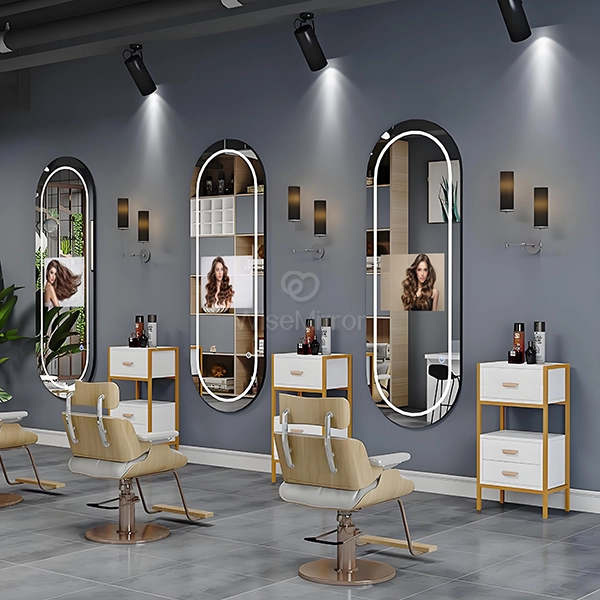
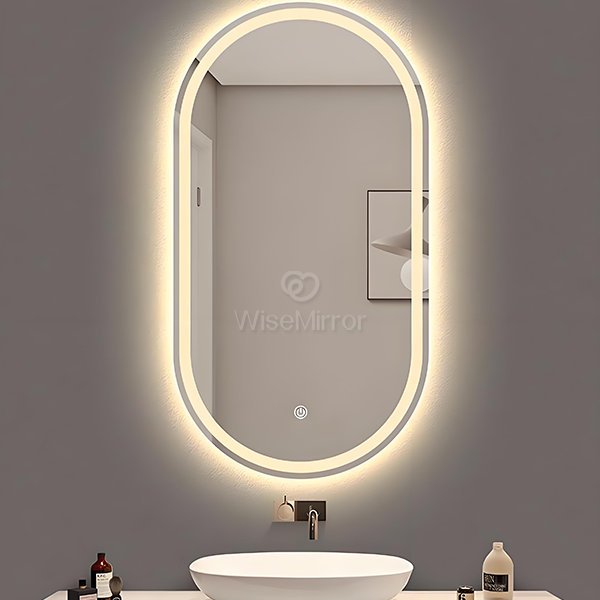
Branding the interface to match the look of the properties, frameless or custom frame finishes that match interior design palettes, pre-installed app choices that match the types of guests, and integration with property management systems are some of the most important customization priorities. OEM/ODM capabilities that allow these changes set suppliers that can support luxury hospitality projects apart from generic consumer product manufacturers.
4. What typical lead times should procurement teams anticipate for bulk orders?
For orders over 500 units, the production time is usually 30 to 45 days after the deposit is paid and the final specifications are approved. If you need a custom finish or your own software developed, this time frame may be longer. When you get a quote from an experienced supplier, they will give you detailed project timelines that you can use to plan construction and delivery so that the products are ready to be installed in multiple buildings or locations.
Elevate Your Next Project with WiseMirror Intelligent
Specifying the right android bathroom smart mirror supplier determines project success from design through long-term operation. WiseMirror Intelligent brings over 15 years of specialized experience delivering customized smart mirror solutions for landmark luxury hotels, 5A commercial buildings, and premium residential developments globally. Our in-house UI design and software engineering teams collaborate directly with your project requirements, ensuring seamless integration with architectural visions and operational systems. With production capacity supporting orders from prototype through 1,000+ unit deployments, we scale with your needs while maintaining quality standards verified through partnerships with China Resources Land, China Merchants Property Development, and international design firms. Contact our engineering team at info@wisemirror-int.com to discuss your project specifications and discover why leading developers choose WiseMirror as their preferred android bathroom smart mirror manufacturer.
References
1. Johnson, M. & Chen, L. (2023). Smart Building Technologies in Luxury Hospitality: Implementation Strategies and ROI Analysis. International Journal of Hospitality Management, 108, 245-261.
2. Anderson, K. (2024). Android Operating Systems in Commercial IoT Applications: Stability, Security and Ecosystem Advantages. Technology Integration Quarterly, 17(2), 88-104.
3. Martinez, R. & Wong, S. (2023). Waterproofing Standards for Humid Environment Electronics: IP Rating Implications for Bathroom Technologies. Building Services Engineering Research and Technology, 44(3), 312-328.
4. Thompson, D. (2024). Procurement Best Practices for Large-Scale Smart Building Deployments. Commercial Real Estate Technology Review, 12(1), 45-67.
5. Liu, H. & Patel, N. (2023). Guest Experience Enhancement Through Bathroom Technology Integration in Luxury Hotels. Cornell Hospitality Quarterly, 64(4), 423-441.
6. Williams, A. (2024). Total Cost of Ownership Analysis for Smart Mirror Systems in Multi-Property Hospitality Portfolios. Facilities Management Journal, 29(2), 156-173.