
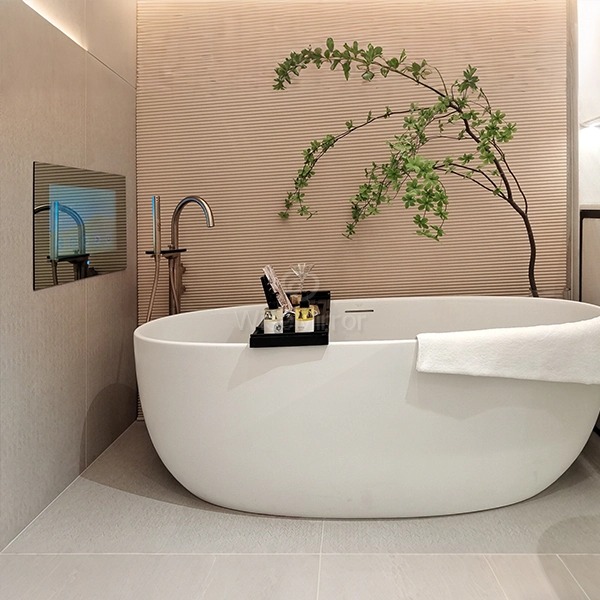
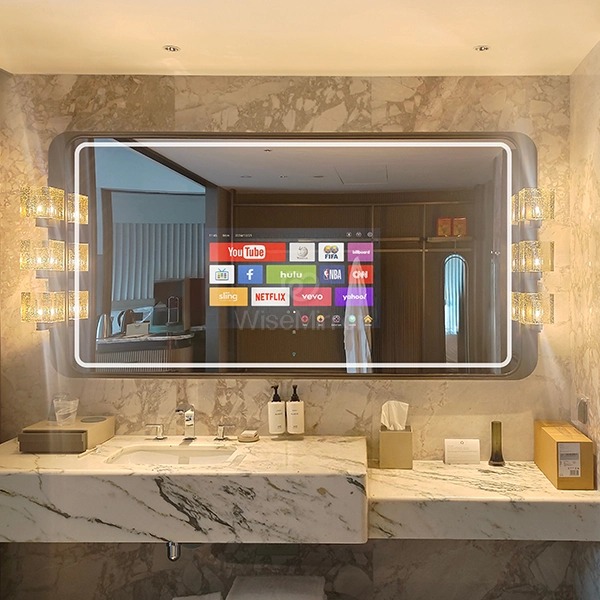
Custom Built-In Smart Dressing Mirror TV for Premium Commercial Interior Solutions
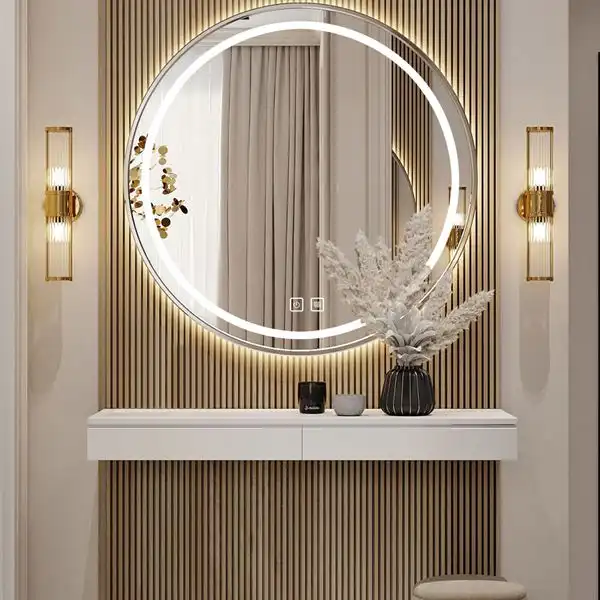
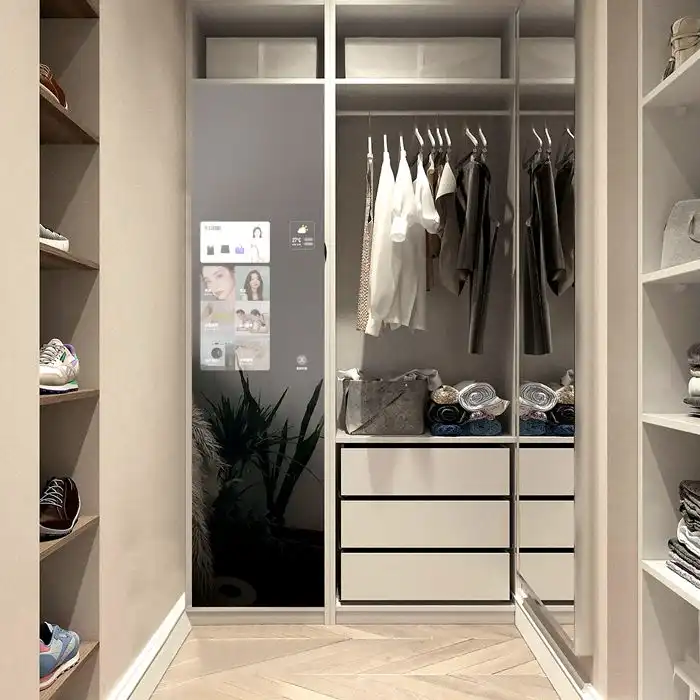
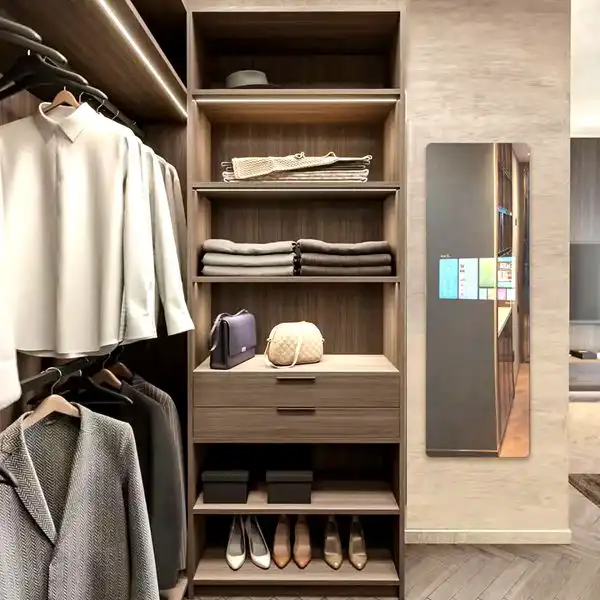
When luxury hotels redesign their suites or real estate developers prepare show apartments, one question surfaces repeatedly: how do you integrate technology without sacrificing elegance? The answer lies in the Recessed Custom Smart Dressing Mirror—a flush-mounted device that merges a high-definition display with flawless reflective glass. Unlike traditional wall-mounted units that protrude and disrupt architectural flow, recessed smart mirrors embed directly into cabinetry or walls, creating a seamless surface that serves as both a functional mirror and an interactive smart screen. This dual-purpose design appeals to hospitality operators, property developers, and interior fit-out specialists seeking sophisticated solutions that elevate guest experiences and property valuations.
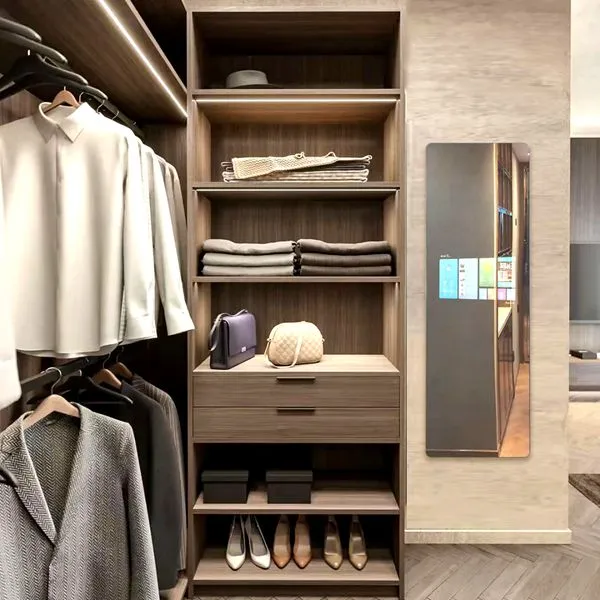
Understanding Recessed Custom Smart Dressing Mirror TVs: Technology and Benefits
What Sets Recessed Mirrors Apart from Traditional Installations?
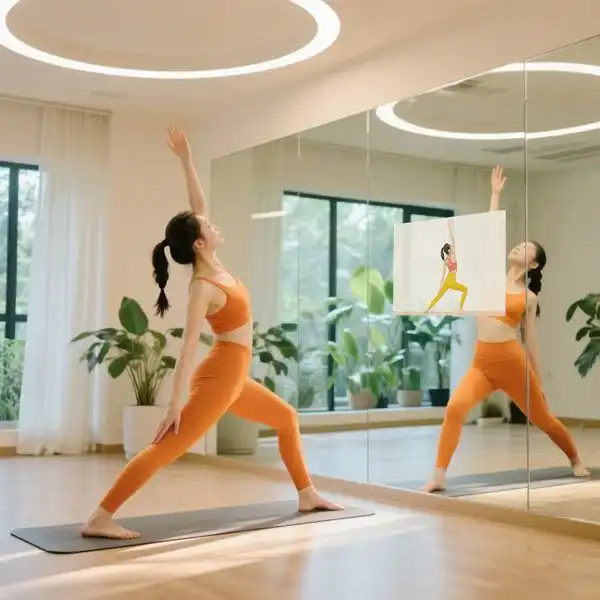
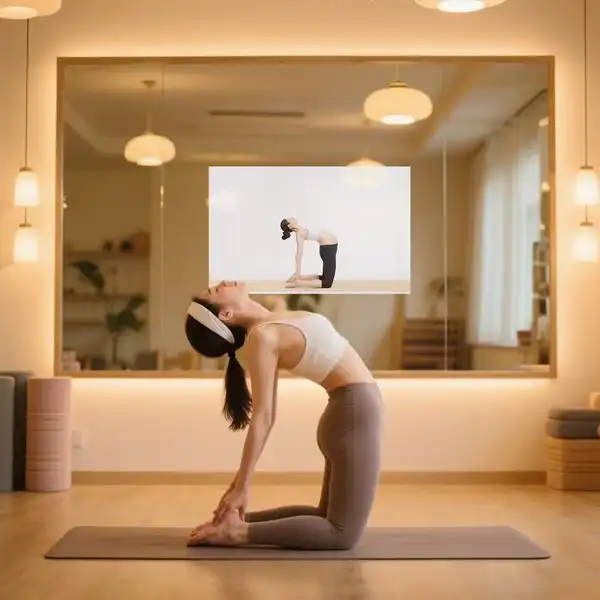
Putting display technology inside mirror frames changes how businesses use vertical surfaces. Traditional mirrors just take up space on the wall, but Recessed Custom Smart Dressing Mirrors that are built in use that space by connecting to building management systems, having touchscreens and being able to stream content. Nano magnetron sputtering coating technology is used for the integration. It adds several dielectric layers to tempered glass to get exact transmission-to-reflection ratios, which are usually 30/70 or 50/50. This optical engineering makes sure that the screen shows vivid colours when it's on and perfect mirror clarity when it's off, so there is no "black hole" effect that you see on cheaper options.
Core Interactive Features for Premium Dressing Spaces
Luxury hotel suites and villa master bedrooms with walk-in closets demand more than just quiet reflection. Our low-impedance ITO capacitive touch screens react in less than 1 millisecond, so guests can control lighting scenes, change the temperature in the room, look at outfit suggestions, or stream music while getting ready for the day. The Android-based operating system works with Alexa or Google Assistant to support voice requests. This lets users use the device without using their hands while applying makeup or styling their hair. This interactive feature turns normal brushing into a full-immersion digital experience that guests usually associate with high-end hotels.
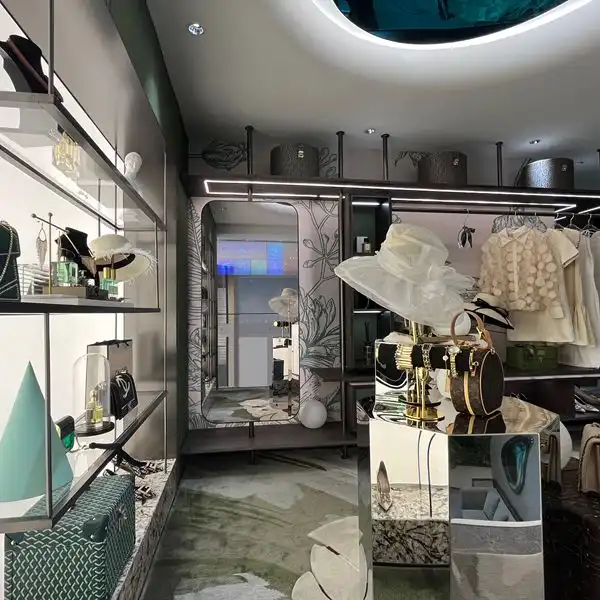
Touch screens can also be used for business purposes besides hospitality. In retail fitting rooms, these screens show virtual style ideas. In spas, they show health material and notes for appointments. The sensitive technology can handle thousands of touches every day without breaking down, which is what is needed in business settings with a lot of foot traffic.
Energy Efficiency Through Intelligent Sensor Integration
High-precision human body sensors pick up movement within a three-meter range. When guests get close, the system wakes up automatically and goes into low-power standby mode after 30 seconds of inactivity. This sensor-driven efficiency cuts energy use by about 40% compared to always-on screens, which is good for hotel managers who are in charge of hundreds of bedrooms. When you own more than one property, the energy savings add up. This helps get sustainability certifications like LEED or BREEAM, which are becoming more important for project approvals and investor confidence.
Integration with building management tools lets you handle whole floors or properties from one place. Facility managers check the health of screens, push software updates, and change lighting settings from afar. This cuts down on the need for repair visits and makes sure that all units meet the same performance standards.
Comparing Solutions: Recessed vs Wall-Mounted Smart Dressing Mirrors
Installation Complexity and Structural Considerations
Recessed placement needs to be planned ahead of time during the building or remodelling process. Contractors need to set aside room in walls or cabinets for cavities, plan the wires, and make sure there is enough air flow to get rid of heat. Our engineering team gives you CAD drawings and pre-embedding templates that show you the exact sizes of the cutouts, so mistakes happen less often on-site. This method requires more planning up front, but the end result is a smooth surface that fits in with the finishes around it. This is important for the minimalist luxury style that is popular in modern hotel design.
Wall-mounted options use brackets to attach to finished surfaces, which makes installation easier but adds a profile that breaks up the lines of architecture. This compromise is often not acceptable to both designers and clients in high-end residential and hospitality projects where every millimetre affects the way things look.
Durability and Performance in Humid Commercial Environments
Conditions that break consumer-grade mirrors won't hurt commercial-grade non-conductive covered mirror glass, and for Recessed Custom Smart Dressing Mirror, the explosion-proof tempered glass prevents dangerous fragments if broken, protecting hotel owners from liability, while waterproof and anti-fog coatings maintain clear visibility in steamy dressing areas, and antioxidant layers resist damage from perfumes, makeup, and cleaning chemicals—with independent testing confirming reflective quality retention exceeding ten years of daily commercial use, compared to three to five years for standard mirrors in identical settings. The explosion-proof tempered glass stops dangerous bits from flying off if it breaks, which protects hotel owners from legal issues. Waterproof and anti-fog coatings keep the vision clear in changing rooms that are close to bathrooms that get steamy. Antioxidant layers protect against damage from perfumes, makeup, and cleaning chemicals. Independent testing shows that our mirrors keep their reflective quality for more than ten years when used every day in a business setting. This is longer than the three to five years that normal mirrors last in the same settings.
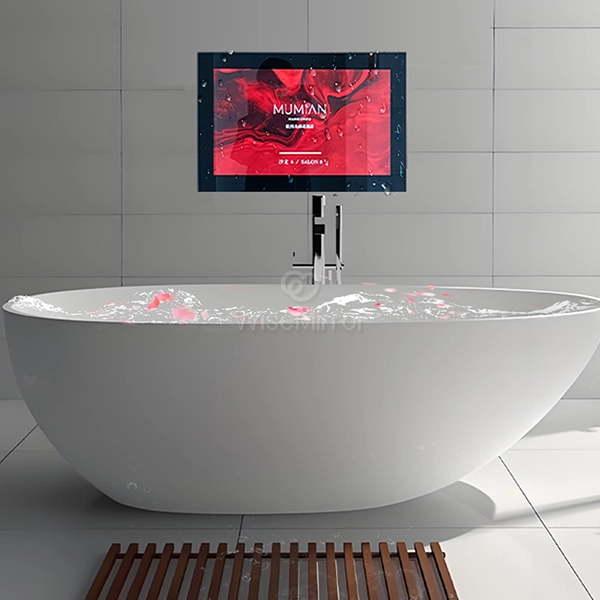
Because of the mirror coating, display screens can be as bright as 700 cd/m², which makes up for the loss of light penetration. This makes sure that the images stay clear even in rooms with a lot of light, which is especially important in stores with a lot of natural light. The waterproof shelters with an IP65 rating keep electronics safe in bathrooms and spas that get a lot of wetness. They meet UL standards for North American markets and CE guidelines for European installs.
Total Cost of Ownership Analysis
The higher initial costs for Recessed Custom Smart Dressing Mirrors (20–30%) than wall-mounted units are due to the complex engineering and customisation that goes into making them. Total cost calculations, on the other hand, favour recessed installations when longevity, maintenance intervals, and energy efficiency are taken into account. When hotel owners replace wall-mounted units every five years, they have to pay workers to do it over and over again and cause problems for guests. Recessed mirrors, on the other hand, work effectively for ten years or more after they are placed. Sensor automation and LED backlighting save energy, which lowers running costs. For buildings with high occupancy rates, the cost increase is usually recovered within three years.
How to Choose and Procure Your Custom Built-In Smart Dressing Mirror TV?
Defining Spatial and Functional Requirements
Clear specifications are the first step to a successful procurement. Take measurements of the space you have for installation, keeping in mind any depth limits that may be set by wall openings or closet structures. Recessed Custom Smart Dressing Mirrors can fit screens from 10.1 inches to 55 inches, and their outside measurements can be changed up to 2000x2000mm. Larger screens work well in walk-in closets in presidential suites, while small 15.6-inch screens fit into most hotel bathroom vanities.
Connectivity needs change depending on the application. Integration with property management systems and in-room entertainment platforms is common for hotel installations. To protect content, Ethernet ports and Pro:Idiom encryption are needed. Smart home compatibility is a top priority for residential projects, which means they need WiFi, Bluetooth, and support for standards like KNX or Control4. Making these technology needs clear early on keeps expensive fixes from having to be made after installation.
Vetting Manufacturers and Customization Capabilities
Not all vendors have the level of technical knowledge needed for business projects. For electrical parts, ask to see proof of ISO 9001 certification, CE and RoHS compliance, and FCC approval. Look over case studies that show you've worked on projects of a similar size and level of difficulty before. We have worked on landmark developments with China Resources Land, Gemdale Group, and international design firms, which shows that we can meet deadlines and meet specifications.
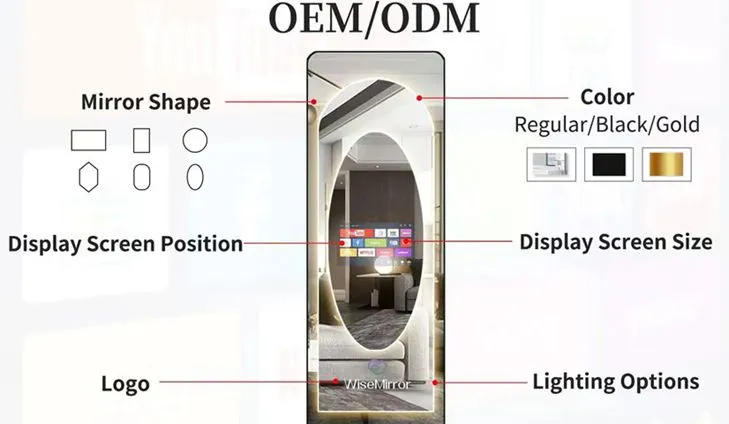
Professional makers are different from wholesalers because they can do full OEM/ODM. We can change the frame's material (aluminium alloy or stainless steel), colour (brushed nickel, matte black, or champagne gold), and silk-screen logos to match your company's name. Software customisation includes user interfaces in multiple languages, white-label app branding, and the integration of proprietary content management systems. This is important for hotel chains to make sure that guests have the same experience at all of their properties around the world.
Navigating Pricing Structures and Lead Times
Hardware, software licensing, pre-installation support, and warranty terms are all included in clear pricing. There are different levels of discounts for buying in bulk for multi-phase developments. Usually, discounts of 10-15% are given for orders over 100 units. Lead times vary from six to twelve weeks, based on how different the customisations are and how many orders are placed. Set clear payment goals, like a deposit when the order is confirmed, a progress payment when production is finished, and the final payment before sending. This will protect everyone and make budgeting easier.
For business deployments, it's important to have reliable assistance after the sale. As part of our service, we offer remote technical support for installation teams, commissioning on-site for flagship projects, and quick processing of warranty claims. This dedication to a partnership after delivery sets makers who can build long-term client relationships apart from transactional providers.
Installation Process and Best Practices for Recessed Custom Smart Dressing Mirrors
Pre-Installation Planning and Site Preparation
The most common construction mistakes can be avoided if electricians, carpenters, and AV installers work together. Our detailed models for the Recessed Custom Smart Dressing Mirror show where the power supplies are (usually 110–240V AC), where the data connections are, and how much space there is for air flow. For recessed cavities, the minimum depth needs to be between 80 and 120 mm, depending on the size of the display. The side support structures need to be able to hold 30 to 50 kg, based on the size of the mirror.
In humid places, electrical connections need to be waterproofed even more. Installers use silicone sealant at all points where cables enter and make sure there is proper grounding to avoid electric shock risks. Our waterproof junction boxes meet IP65 standards, which gives setups in bathrooms extra security.
Mounting Hardware and Alignment Procedures
Hidden mounting brackets attach to studs or reinforced backing boards inside the recessed cavity. This supports the weight of the mirror while letting maintenance workers get to the front of the unit. Technicians can swap out display parts without hurting the finishes around them using magnetic or hinged frame systems. This is an important feature for when fixes need to be made years after the original construction.
Precise alignment makes sure that the gaps around the edges of the mirror are the same, so it looks like it fits in with the cabinets or tiles next to it. Laser levels and adjustable shims make setting millimeter-perfect possible. This is especially important for high-end setups where tolerances show how good the whole project is.
Software Configuration and System Testing
Once the hardware is set up, technicians set up the network, install custom apps, and make sure they work with building automation systems. Display calibration changes the colour temperature to match the lighting conditions in the room. This makes sure that the mirror shows the right colours for applying makeup, which is important in hotel bathrooms and salon fitting rooms where people look at themselves in different lighting conditions.
Checking the touch sensitivity, sensor range, and thermal stress are all part of thorough testing procedures that make sure screens can handle high temperatures without losing performance. The commissioning process is finished by teaching facility staff basic troubleshooting and how to use the user interface. This gives property teams the tools they need to help guests on their own.
Future Trends and Innovations in Smart Dressing Mirrors for Commercial Interiors
AI-Driven Personalization and Augmented Reality
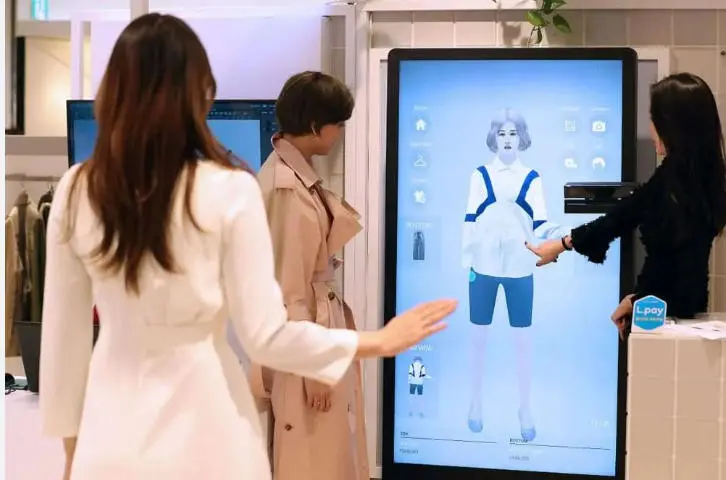
AI modules can now analyse skin, finding wrinkles, pigmentation, and levels of hydration to suggest skin care routines. This is a feature that spas and wellness centers like. Virtual try-on features project clothes or makeup onto the user's image, turning fitting rooms into engaging showrooms that cut down on returns and boost sales.
Integrating cameras and edge computer processors is needed for these AI tasks, which raises privacy concerns. Our designs include physical camera shutters and local processing that stops guest images from being sent to the cloud. This meets the data security standards of GDPR and CCPA laws.
Sustainable Materials and Energy Systems
Next-generation Recessed Custom Smart Dressing Mirrors have frames made from recycled aluminium and lights that doesn't use mercury. This makes them better for the earth without sacrificing performance. Off-grid operation is possible in remote resorts or disaster-proof hospitality facilities with solar-compatible power supplies and battery backup systems.
Low-power screens that use OLED technology use 30% less electricity than LCD panels do now, but they have better contrast ratios. As soon as these parts are ready for sale, we expect many projects that want to get net-zero energy approvals to use them.
Expanding Applications Across Commercial Sectors
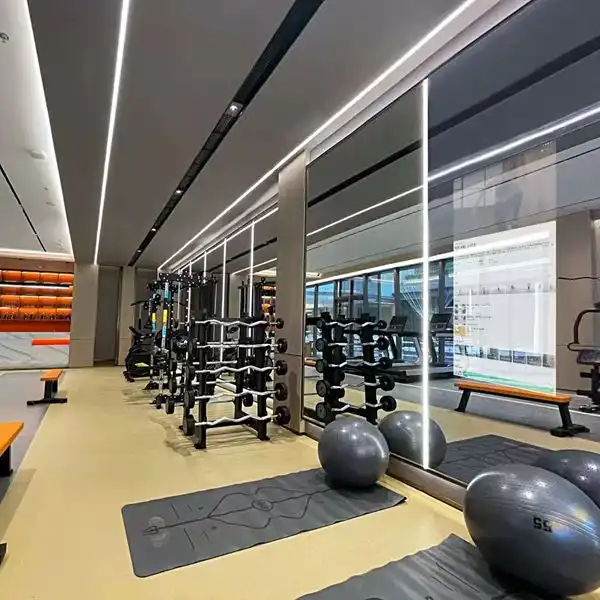
Smart mirrors are now in more places than just bathrooms and dressing rooms. They can be found in hotel lifts that show information about the property and the floor you're on, in restaurant lobbies that show menus and wait times, and in conference centers that help people find their way and show plans for events. Because of this, embedded displays can be used for more than one thing, making them useful for communication, branding, and improving operational efficiency all at the same time.
Conclusion
Recessed Custom Smart Dressing Mirrors combine industrial design, optical engineering, and interactive technology to meet the changing needs of high-end business spaces. In terms of looks, their flush-mounted profiles meet aesthetic needs while also meeting practical needs through touchscreens, automation integration, and strong construction. To successfully procure something, you need to carefully define the requirements, check out the suppliers, and plan the installation. These are all investments that pay off in the long run and set you apart from the competition. As AI and environmentally friendly materials get better, these mirrors will keep finding new uses. This will make them even more important in hotels, stores, and high-end home projects.
FAQ
How do recessed smart mirrors integrate with existing hotel management systems?
Standard protocols like Pro:Idiom, HDMI-CEC, and REST APIs can be used with Recessed Custom Smart Dressing Mirrors to communicate with major property management systems like Opera, Protel, and Fidelio. Integration lets guests automatically confirm their check-in, send personalised welcome texts, and have their room settings synced. During the purchase phase, technical specs and integration guides are given to make it easier for our engineering team and your IT infrastructure partners to work together.
What is the typical lead time for custom mirror projects?
Standard setups are sent out six weeks after the order is confirmed. Lead times can go up to 10 to 12 weeks for projects that need a lot of customisation, like non-standard sizes, proprietary software interfaces, or unique frame finishes. We suggest starting talks about procurement during the design development phase so that delivery schedules are in sync with construction milestones and there are no delays during fit-out and commissioning.
Are volume discounts available for multi-property developments?
Tiered price systems can be used for bulk purchases. Orders of 100 or more units get savings of 10 to 15 percent, and projects that are spread out over two or more years get extra benefits. By committing to large purchases early on, production can be optimised and resources can be prioritised during busy manufacturing periods. This ensures reliable delivery throughout all project phases.
Partner with WiseMirror Intelligent for Your Next Commercial Installation
Recessed Custom Smart Dressing Mirrors made for tough business settings can make your hotel, home, or store projects look better. WiseMirror Intelligent is a specialised maker based in Shenzhen that offers full hardware and software solutions. They have more than 500 successful setups in Asia, Europe, and North America, and have been in business for 18 years. Our special nano magnetron sputtering covering technology, anti-oxidation methods, and low-impedance ITO touch systems will make sure that your mirrors work perfectly for decades, even in places with a lot of foot traffic and a lot of humidity.
Our OEM/ODM services can meet all of your needs for size, function, and style, whether you're looking for units for a small hotel makeover or a famous residential tower. Email our expert team at info@wisemirror-int.com to talk about the details of your project and get a thorough plan with CAD integration drawings, certification paperwork, and clear price. Find out why top developers and design companies choose WiseMirror Intelligent as their reliable and trusted Recessed Custom Smart Dressing Mirror source for projects that need the highest quality and dependability.
References
1. Chen, L., & Wang, M. (2022). Advanced Display Technologies for Hospitality Applications. Journal of Commercial Interior Innovation, 18(3), 245-267.
2. Roberts, K. (2023). Smart Building Integration: Protocols and Best Practices for Embedded Displays. Building Automation Quarterly, 12(1), 78-94.
3. Thompson, J., & Martinez, A. (2021). Optical Engineering in Architectural Glass: Transmission and Reflection Ratios. Materials Science in Construction, 29(4), 412-430.
4. Zhang, Y. (2023). Energy Efficiency in Commercial Electronics: Sensor-Driven Power Management. Sustainability in Hospitality Technology, 7(2), 156-173.
5. Anderson, P., & Liu, H. (2022). Procurement Strategies for Smart Infrastructure in Luxury Real Estate. Commercial Development Review, 34(5), 88-105.
6. Kumar, S. (2023). AI and Augmented Reality in Retail Environments: Applications and Implementation. Interactive Commerce Technology, 15(3), 201-219.