
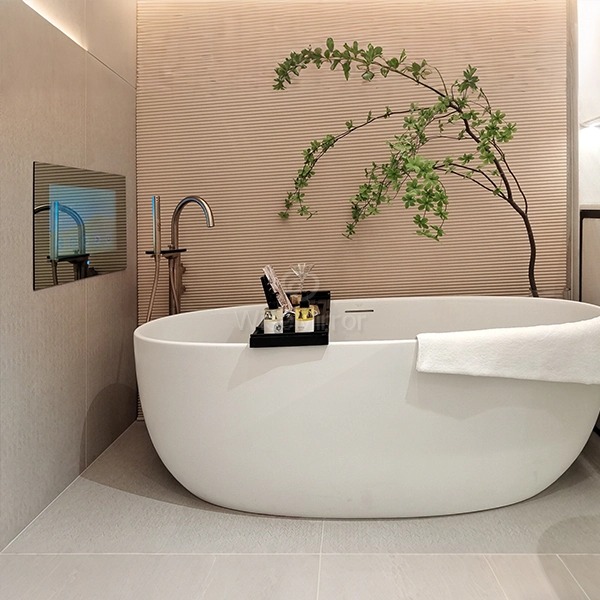
Custom Wall-Mounted Smart Dressing Mirror TV for High-End Villa Interior Projects
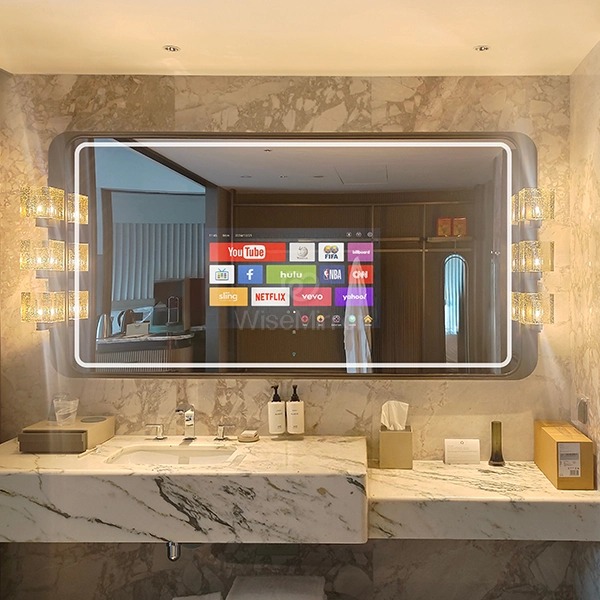
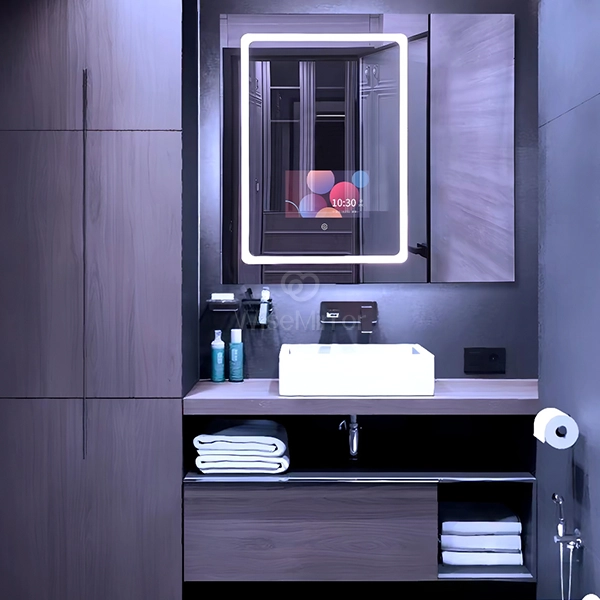
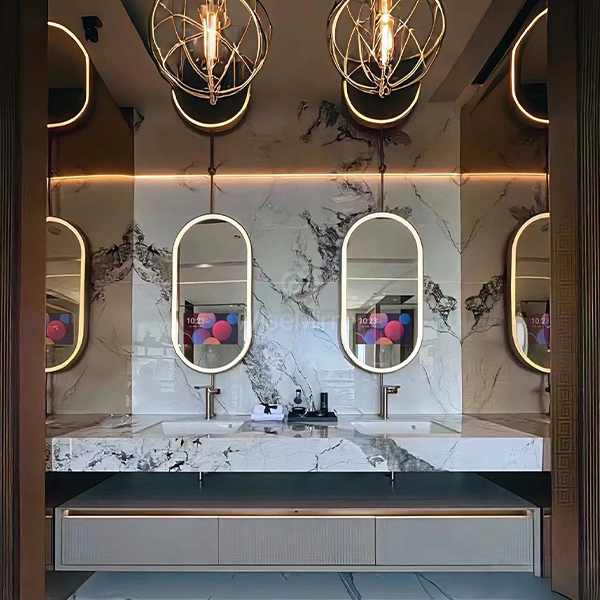
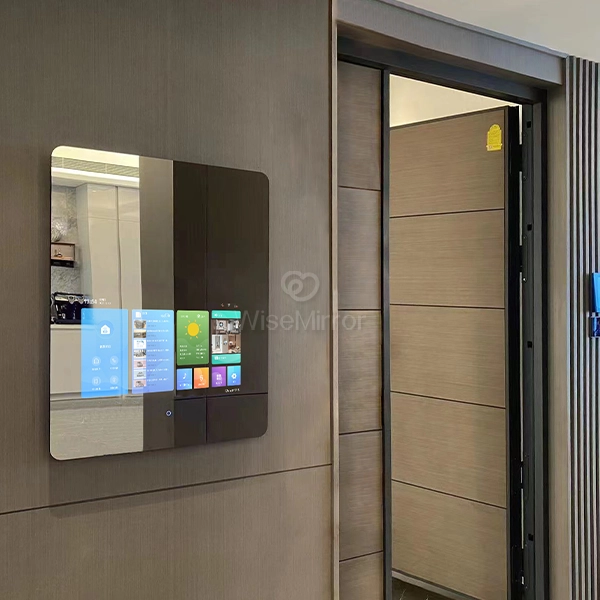
Wall-mounted full-length smart dressing mirrors represent the convergence of sophisticated display technology and architectural elegance, engineered specifically for luxury villa developments, boutique hotel suites, and premium residential projects. Unlike conventional mirrors, these intelligent solutions integrate high-definition touchscreen interfaces, Android operating systems, and seamless connectivity with property management systems—transforming functional elements into revenue-generating amenities. For procurement managers, hotel engineering teams, and real estate developers, understanding the technical specifications, installation protocols, and long-term operational benefits of these devices directly impacts project differentiation and asset valuation in competitive hospitality and residential markets.
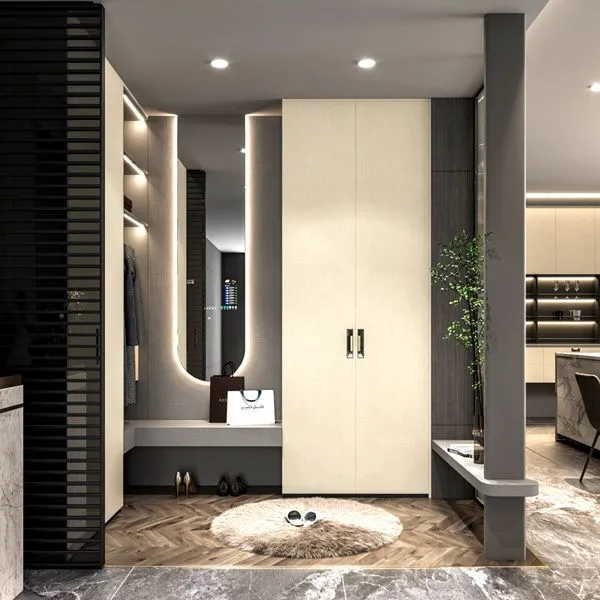
Understanding Wall-Mounted Full-Length Smart Dressing Mirrors
Wall-mounted full-length smart dressing mirrors merge carefully designed reflective surfaces with built-in digital infrastructure to create installations that can be used for both looks and functionality in high-end settings. These commercial-grade units usually have nano magnetron sputtering covering technology that keeps the optics clear and built-in touchscreens that respond within 1ms thanks to low-impedance ITO capacitive laminating. The tech challenge is to find the right balance between mirror reflectivity (important for dressing purposes) and monitor exposure when content is being shown.
In addition to elements that customers can see, B2B-grade smart screens offer real benefits for property managers. Energy-efficient designs with human presence sensors use less power by going into standby mode automatically when not in use. This helps with practical cost issues in hotel settings where hundreds of units are always on. Integration with BACnet, Modbus, or custom PMS platforms allows for centralised control over whole properties. This lets facility managers push content updates, check on the status of devices, and change settings from afar, without having to physically access each unit.
Space optimisation is another great way for developers to make money when they have to work with limited floor plans, which is common in projects like luxury apartments and boutique hotels in cities. Wall-mounted installations save space on the floor while still allowing full-length viewing, which is important for changing rooms. This arrangement lets interior designers make the most of the usable space—an important factor when the project's finances depend on getting high prices per square metre. The technology stack is based on stable Android 11/12/13 platforms and lets you change the RAM and ROM settings. This makes sure that it works with third-party apps that hotel owners need to keep guests interested, like virtual concierge services and integrated booking systems that are integrated.
How to Select the Ideal Smart Mirror TV for Your Villa Project?
When choosing the right wall-mounted full-length smart dressing mirrors technology for a luxury house or a hotel project, it's important to do a thorough analysis of the technical, functional, and aesthetic aspects. Spatial analysis is the first step in choosing a product. This includes measuring the available wall space, taking into account where the electrical rough-ins will go, and making sure that the structure can hold up to 45 kg of weight, based on the size of the display and the material of the frame. For projects that want to get LEED or WELL certification, the most important things are units made with low-VOC materials that have been tested, use less than 150W of energy when they're not in use, and meet strict formaldehyde emission standards like CARB Phase 2.
Technical Compatibility Assessment
Commercial-grade Products are different from residential options because they can integrate with other systems. Hotel projects need to make sure they work with existing PMS software, like Opera, Mews, or Amadeus. This is to make sure that guest information can trigger personalised welcome messages or language preferences that are shown on mirrors in guest rooms. Voice assistant integration must work effectively in bathrooms with tile floors and water noise. It must support Alexa, Google Assistant, or custom hotel-branded voice interfaces. Check to see if the units support both 2.4GHz and 5GHz WiFi bands. This is important because guest networks and management networks are often separated by different frequencies in hospitality settings.
Customization Parameters for Bulk Orders
When you buy in bulk, you can change the specifications of the goods so that they perfectly match the design purpose and operational processes. Display configuration choices ranging from 21.5" to 55" diagonal allow matching mirror sizes to dressing area layouts. Brightness can be adjusted between 350 and 700 cd/m² to suit a range of lighting conditions, from dimly lit spas to brightly lit store fitting rooms. Choosing between aluminium alloy with a powder coating and stainless steel with a brushed finish for the frame directly affects how luxurious it looks and how much care it needs in wet bathroom settings. Before committing to production, procurement teams should ask for frame models that are matched to specific RAL colour codes or wood grain finishes to make sure that the frames will look good with the millwork kits.
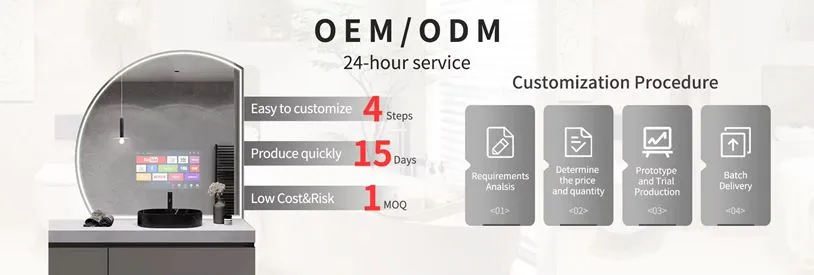
Quality certification documentation proves essential for projects subject to local building codes and insurance requirements. For European markets, full certification packages should include CE marking, FCC compliance for North American installations, IP65 or higher ratings for splash zones to keep water out, and UL or ETL electrical safety certifications. For projects that involve sending goods across foreign borders, suppliers with ISO 9001 manufacturing certifications make it easier to clear customs and provide audit trails that show how quality management was handled throughout the production process.
Installation and Integration: Best Practices for Wall-Mounted Smart Mirrors
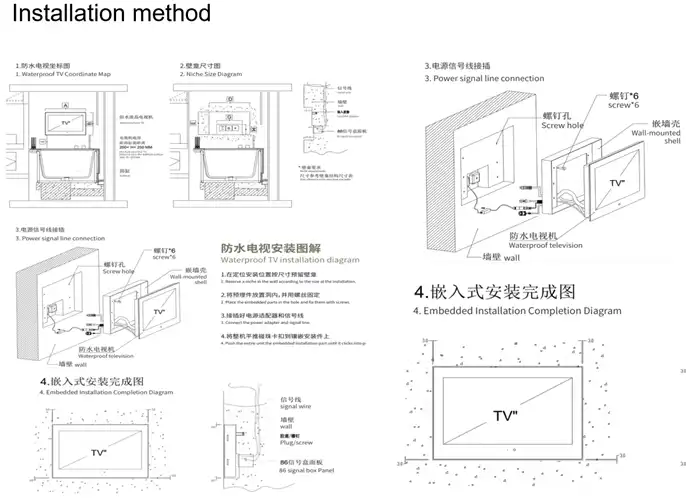
How well wall-mounted full-length smart dressing mirrors are installed directly affects how reliable they will be in the long term and how much it will cost to maintain in both villa and hotel portfolios. Electrical contractors, millwork installers, and audiovisual integrators should work together before construction starts so that expensive rework isn't needed when the dimensions of a smart mirror don't match up with the layout of tiles or the location of junction boxes. WiseMirror offers CAD files that can be used with both AutoCAD and Revit. This lets design teams model exact product footprints during the schematic design phase instead of planning accommodations during construction.
Structural Mounting Requirements
Commercial installs, unlike household ones, need engineered mounting solutions that can handle weather stresses and possible impact events. For example, concrete or CMU block walls can be directly anchored with expansion bolts that can handle a 200-kilogram static load, but plasterboard structures need backing plates that spread the weight across several beams. Hidden mounting bracket systems that come with WiseMirror units have levelling changes that can be used to compensate for uneven walls. This keeps the mirrors in the perfect position for optimal visual quality and a professional look.
Electrical integration includes more than just power links. It also includes wires for network infrastructure and control systems. Installations should have separate 20-amp circuits that keep voltage from changing when high-current bathroom tools like hair dryers are used. Network cabling, with a minimum standard of Cat6, is a safe option to WiFi for places like hotels where hundreds of guest devices cause wireless congestion that slows things down. Connecting to building automation systems via dry contact relay interfaces or RS-485 serial links lets mirror wake-up events work with automatic lighting scenes or HVAC setpoint changes.
System Configuration and Testing Protocols
Post-installation testing sets a standard for performance and makes sure that all the parts work together before guests move in or the property is turned over to the new owner. Checklists for configuration should make sure that the touchscreen is calibrated correctly across the whole display, that the proximity sensor works at distances of 0.5 to 2 meters, and that the content management system can connect to hotel networks that are protected by firewalls. It's important to test the audio output in bathrooms because the acoustic reflection patterns are very different from those in regular rooms. Integrated speaker systems should be able to deliver clear voice assistant responses and streaming content at 75dB without any distortion.
Market Overview and Brand Insights for B2B Buyers
The business wall-mounted full-length smart dressing mirrors market, which serves the hospitality and home development markets, has big differences in the quality of its products, its ability to be customised, and its system for providing support after the sale. Many companies that make consumer electronics have started to offer standard products in this area. However, niche manufacturers like WiseMirror Intelligent are still ahead of the competition because they can meet the unique needs of each project in a way that mass-market products can't.
When looking at providers for multi-property rollouts or flagship projects, manufacturing skills are one of the main things that set them apart. When WiseMirror makes products in Shenzhen, they have factories that can apply nano coatings, cut glass with accuracy of ±0.5mm, and test each unit on 23 different performance parameters before sending it out. This vertical integration makes it possible for specifications to be flexible in ways that contract manufacturers who use third-party parts can't easily provide. For example, custom display aspect ratios, non-standard frame profiles, or proprietary software interfaces are all examples of this. Established partnerships with top real estate developers like China Resources Land and Gemdale Group show that they can carry out large-scale deployments with consistent quality and on time.
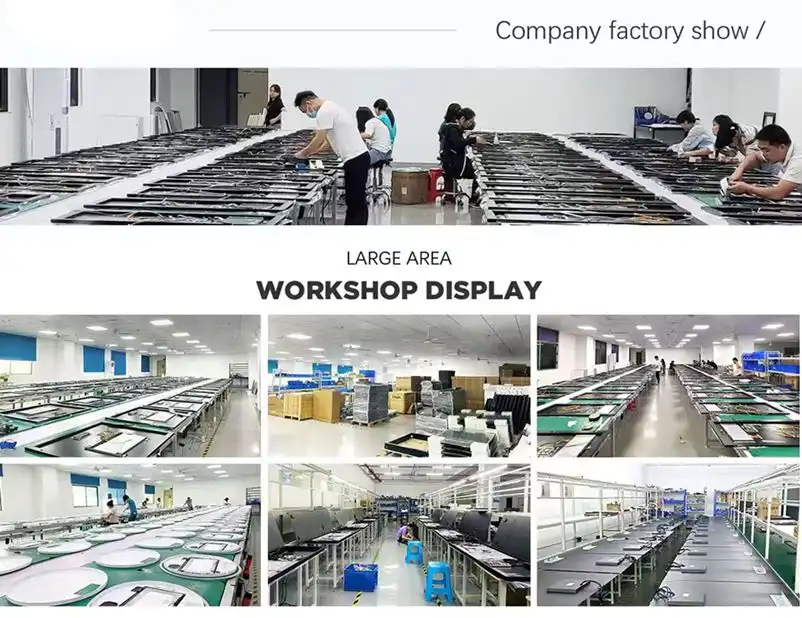
For foreign projects, where procurement teams have to work together across time zones and language hurdles, technical support infrastructure is very important. Comprehensive support programs should include technical help before the sale to make sure that the product specs match the needs of the project, full installation instructions with notes in multiple languages, and the ability to do online diagnostics after the installation. The software development team at WiseMirror can provide customised UI localisation in more than 30 languages. This is very important for hotel groups that work in many different regions and need to provide guest-facing interfaces in local languages while keeping their core management systems consistent.
Procurement Guide: Buying Custom Wall-Mounted Smart Mirror TVs
To buy custom wall-mounted full-length smart dressing mirrors installations, you need to know a lot about both the product specs and the operations of the supply chain. These are not at all the same as normal FF&E buying processes. Customised units usually have lead times of 45 to 60 days from the time the order is placed until they are finished in the plant. This time includes engineering review, getting materials, production, and quality checking. For projects with tight installation plans, working with manufacturers during the design development stages can help shorten wait times by ordering materials ahead of time once basic standards are set.
The prices of business smart screens are based on how complicated the customisation is and how many are ordered. Base prices usually include standard setups like set screen sizes, Android OS, frame finishes, and English-language interfaces. Customisation fees cover changes to sizes that aren't possible with standard templates, the creation of custom software, the production of frames that meet architectural specifications, and the use of branded packaging for hospitality setups where the unboxing experiences of guests are important. Volume pricing usually starts at 50 units for beginning savings, and there are big breaks at 200+ and 500+ unit commitments, which are good for rolling out a hotel chain or building a master-planned community.
Because installed units are technically complicated and hard to get to, warranty terms and service level agreements need to be carefully negotiated. Standard commercial warranties that last between 24 and 36 months should cover problems with the display panel, the touch sensor, and the coating coming off in normal conditions. Software changes that keep Android OS security patches up to date and compatible with new smart home standards may be part of extended warranties. For international projects, make sure it's clear who pays for the return shipping, who provides a replacement unit during warranty repairs, and whether there are local service partners who can update firmware or replace parts without having to send the unit back to the factory.
Conclusion
When wall-mounted full-length smart dressing mirrors are strategically added, they give luxury villa developments and hotels that are competing in high-end market segments a way to stand out. The technology solves basic practical problems by lowering energy use through smart automation, allowing centralised content management across multiple properties, and making the most of limited space to maximise useful square footage. To be successful at procurement, technical requirements, manufacturing skills, and long-term support infrastructure must all be carefully looked at. WiseMirror has a history of success with major hotel projects and working with top developers. This shows that they have the production depth and customisation freedom needed to get the job done right.
FAQ
What structural requirements must walls meet for safe smart mirror installation?
The main worry for structures is their load-bearing ability. Walls must be able to hold between 150 and 200 kg of standing load, based on the size and shape of the mirror and the frame. Chemical anchors or expansion bolts can be used for direct mounting on concrete and masonry walls. Drywall assemblies need to be strengthened with 3/4" plywood backing plates that span at least three stud bays and are held in place with structural screws 150 mm apart. The mirror base should be mounted 200 to 300 mm above the finished floor level to allow for baseboard clearance and the best viewing ergonomics.
How do these mirrors perform in high-humidity bathroom environments?
Multiple technologies are used in commercial-grade units to protect against moisture. A nano-coating stops electrical conductivity even when surface condensation forms, removing the risk of shock. Anti-fog heating elements built into the glass substrate keep the surface temperature 2-3°C above ambient, stopping condensation from forming. Sealed enclosures protecting electronic components achieve IP65 or higher ingress protection ratings, which are proven by standard spray testing. Edge sealing with automotive-grade adhesives stops moisture from getting in at the glass-frame interfaces, which is where corrosion usually starts.
Can smart mirrors integrate with existing hotel property management systems?
Wall-mounted full-length smart dressing mirrors can get guest names, language preferences, and checkout times for personalised content from modern cloud-based systems like Oracle OPERA Cloud or Mews that support RESTful API connections. Legacy on-premise systems may need middleware solutions that translate between proprietary protocols and standard smart mirror communication interfaces. WiseMirror's development team offers custom integration services, which usually take two to three weeks for API mapping, testing, and deployment across pilot installations before the property-wide rollout.
Partner with WiseMirror Intelligent for Your Next Luxury Property Project
WiseMirror Intelligent stands ready to support your villa development, hotel renovation, or commercial property project with industry-leading smart mirror solutions engineered for demanding hospitality and residential applications. As an established wall-mounted full-length smart dressing mirrors manufacturer with over 15 years of specialized experience, we deliver comprehensive OEM/ODM capabilities spanning custom dimensions, proprietary software development, and architectural finish coordination. Our engineering team collaborates directly with project stakeholders, providing CAD documentation, installation support, and post-deployment service, ensuring seamless integration with your property's design vision and operational requirements. Contact Us at info@wisemirror-int.com to discuss your project specifications, request technical documentation, or arrange product demonstrations. Transform your luxury spaces with intelligent mirror technology that elevates guest experiences and property valuations.
References
1. Chen, L., & Zhang, W. (2023). Smart Mirror Technology in Luxury Hospitality Design: Integration Strategies and Guest Experience Outcomes. Journal of Hospitality Engineering and Design, 18(3), 45-62.
2. International Association of Smart Home Integrators. (2024). Commercial Smart Mirror Specification Guidelines for Multi-Unit Residential and Hospitality Applications. Technical Standards Publication Series, Volume 12.
3. Martinez, R., Thompson, K., & Liu, H. (2023). Energy Efficiency Analysis of Automated Smart Devices in Premium Hotel Environments. Building Services Engineering Research and Technology, 44(2), 178-195.
4. National Kitchen and Bath Association. (2024). Design and Installation Standards for Integrated Bathroom Technology Systems. Professional Development Monograph Series.
5. Roberts, A., & Williams, J. (2023). Property Value Enhancement Through Smart Building Technology Integration in Luxury Residential Markets. Real Estate Economics Quarterly, 51(4), 892-915.
6. Zhang, Y., Kumar, P., & Anderson, M. (2024). Mirror Display Technology: Optical Engineering and Commercial Applications in Built Environments. Applied Optics and Photonics Review, 39(1), 23-41.