
Commercial Bathroom Waterproof TV: Built for Heavy Daily Use
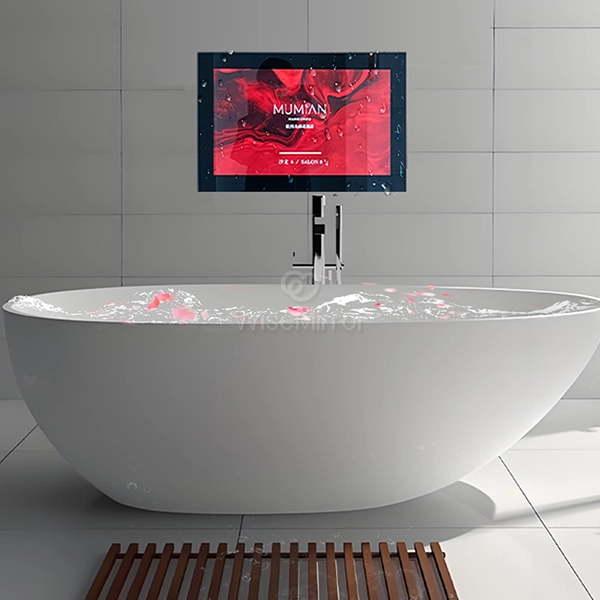
When we talk about commercial bathroom waterproof TV options, we're talking about a type of display technology that was made for high-traffic areas where safety certifications, resistance to moisture, and operational dependability are all very important to the success of the project. In high-end hotels, health centers, and apartment complexes, these special TVs have to deal with problems that regular electronics just can't: constant steam exposure, strict cleaning rules, and demands that they work around the clock. When you buy professional-grade waterproof screens, you need to make sure that the equipment you choose meets IP66 security standards and fits in with your complex design plans without any problems. Working with property managers and procurement teams for years, I've seen how the right bathroom waterproof TV equipment can change how happy guests are while also lowering long-term costs for care and worries about liability.
Understanding Commercial-Grade Waterproof Television Technology for Wet Environments
What Distinguishes Professional Waterproof Displays from Consumer Models
Commercial waterproof TVs have cases that are completely sealed and don't have any air vents for cooling. Instead, they use metal backboxes and heat-conducting frames to passively get rid of heat. This basic difference in architecture stops water from getting in, which would damage the PCBs and power sources inside normal units. As a standard for high-quality bathroom systems, the IP66 grade ensures full safety against powerful water jets coming from any direction. This is especially important in hotels where high-pressure spray nozzles are used for daily housekeeping. Instead of adding waterproof cases to existing TVs, purpose-built units build anti-fog heating elements directly into tempered glass panels. This way, the viewing quality stays perfect even when the humidity level in the room is over 95%.
Critical Safety Certifications for Commercial Installation Compliance
The electricity safety standards for wet zones must be met by bathroom waterproof TV units, according to procurement teams. CE marking shows that the product meets European safety standards, and UL approval shows that it meets North American building rules that require low-voltage operation and proper electrical isolation. These certifications aren't just boxes that need to be checked off; they're based on thorough testing methods that check how well internal parts fight corrosion, how well waterproof sealing works when temperatures change, and how well electrical insulation holds up when it's exposed to water. Before allowing installations in business bathrooms, insurance companies and building inspectors are asking for proof of these licenses more and more. This verification step is an important part of the vendor qualification process.
Advanced Waterproofing Technologies and Material Science
Nano magnetron sputtering methods are used in the coating technologies used on high-end waterproof screens to protect molecules against oxidation and chemical attack from cleaning agents. WiseMirror's special anti-corrosion treatments have been improved over more than 15 years of use in more than 450 installations around the world. They are designed to stop specific types of failure that happen in harsh bathroom environments, like chlorine vapor exposure in spas, alkaline detergent residues in hotel maintenance procedures, and salt spray corrosion in coastal resort properties. The treatment on the mirror surface meets both practical and visual needs. This lets the device work as a vanity mirror when it's not in use and keep the optical clarity needed for high-definition video playback when it is.
Core Performance Attributes and Commercial Value Proposition
Structural Durability and Ingress Protection Standards
Front panels with an IP66 rating provide the waterproofing stability needed for setups right in shower walls or next to splash zones in bathtubs. The back cover, which is usually rated IP44, strikes a balance between keeping the electronics dry and letting wires pass and air flow through the hidden installation area behind bathroom walls. This two-rating system takes into account the different weather conditions that different parts of the installation are exposed to. For example, the front panel is exposed to direct water spray and steam condensation, while the back section is exposed to high humidity but not direct water contact. The weatherproof system is finished off with stainless steel mounting frames and corrosion-resistant fasteners. This makes sure that the whole installation stays structurally sound even after years of daily use, without rust staining neighboring tiles or lowering the security of the mounting.
Smart Connectivity and Content Management Systems
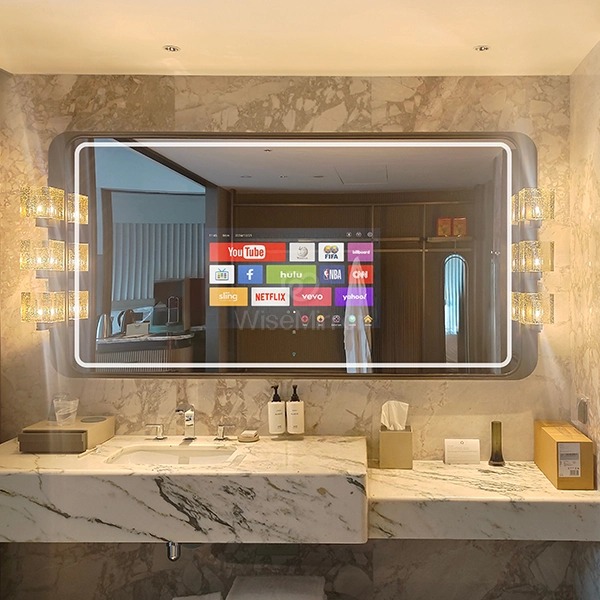
These days, bathroom waterproof TV units are more like multimedia hubs than just screens. They have Wi-Fi and Bluetooth audio streaming built in, so guests can access their own content stores or entertainment systems controlled by the property. The Android TV operating system lets you download apps directly, like Netflix, YouTube, Spotify, and meditation apps. This means you don't need any extra streaming devices, which can make loading harder and add more points of failure. Hotel properties especially like the IPTV connection features that let them control content centrally, choose from multiple language interfaces, and send personalized welcome messages that are synced with their property management systems. With these smart features, the TV in the bathroom goes from being a simple perk to a high-tech way to keep guests interested that raises the room's value and gets good reviews.
Energy Efficiency and Lifecycle Cost Analysis
LED backlighting technology cuts power use to about a third of what older CCFL display technology used to be. This means that big hotel installations with dozens or hundreds of units running at the same time can save money on energy costs. The fanless thermal management design gets rid of a common point of failure: cooling fans collect dust, make noise, and finally break down mechanically. It also lowers the amount of power needed and makes upkeep easier. When figuring out the total cost of ownership, facility managers should take into account that these items can be used for more than 50,000 hours, which is a lot longer than the 50,000 hours that consumer-grade TVs are put through by ongoing business use. Quality makers use a modular design mindset that lets parts be fixed and upgraded without having to replace the whole unit. This protects initial capital investments as technology changes.
Strategic Selection Criteria for Commercial Waterproof TV Procurement
Matching Display Specifications to Application Requirements
When choosing a screen size for a bathroom waterproof TV, it's important to think about the viewing distance, the amount of wall space you have, and how you want guests to feel in each type of property. Boutique hotels and serviced apartments usually choose 22- to 32-inch screens that can fit above vanities without taking up too much space in small bathrooms. On the other hand, luxury resort suites and spas use 43- to 55-inch screens that make bathrooms feel more like living rooms with lots of space for entertainment. Resolutions have mostly stayed around 1080p Full HD for screens smaller than 40 inches. 4K UHD is becoming the standard for bigger screens where the longer viewing lengths and larger sizes make sense. In bathrooms, where natural light and bright ceiling lighting create a lot of ambient light, brightness ratings are very important. Look for panels rated at 500 nits or higher to keep contrast and color intensity at a good level.
Evaluating Build Quality and Warranty Terms
The thickness of the steel or metal in the back cover, the quality of the gasket materials, and the strength of the cable entry glands show levels of production quality that aren't clear from the specs. Suppliers you can trust will give you thorough cross-sectional models and material certifications that show how resistant all uncovered metal parts are to corrosion. Warranty terms show how confident the manufacturer is in their Products. For example, standard two-year coverage with options for extended commercial warranties shows that quality control is in place, while shorter warranty periods or exclusions for "commercial use" show that consumer-grade products are not meant to be used in professional settings. Ask for data from guarantee claims that shows the average time between failures and failure rates for installations that are similar to your surroundings and how you use the product. WiseMirror's commitment to technical help 24 hours a day, seven days a week, and a full two-year warranty shows the trust it has won through years of reliable performance in a wide range of business installations.
Understanding Product Differentiation: Mirror TVs versus Standard Waterproof Units
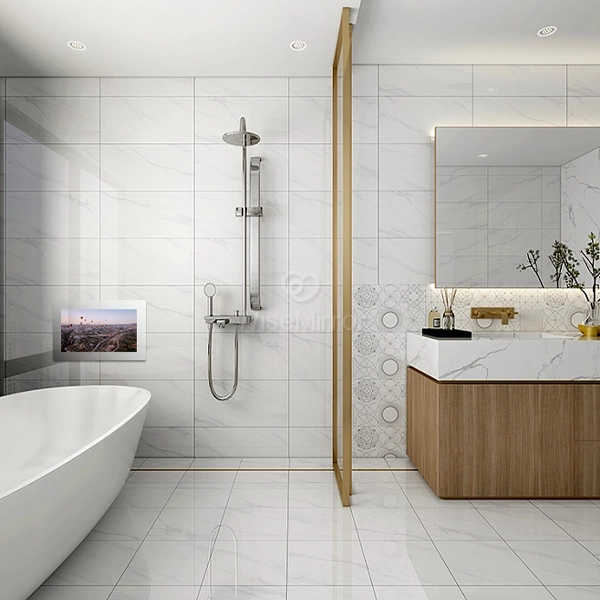
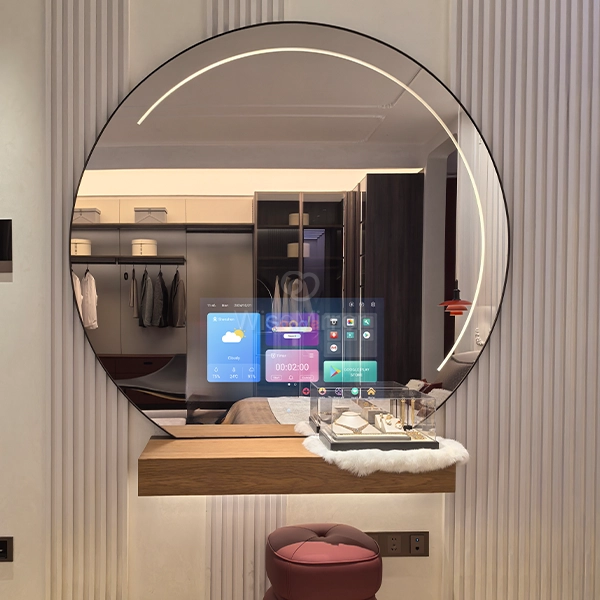
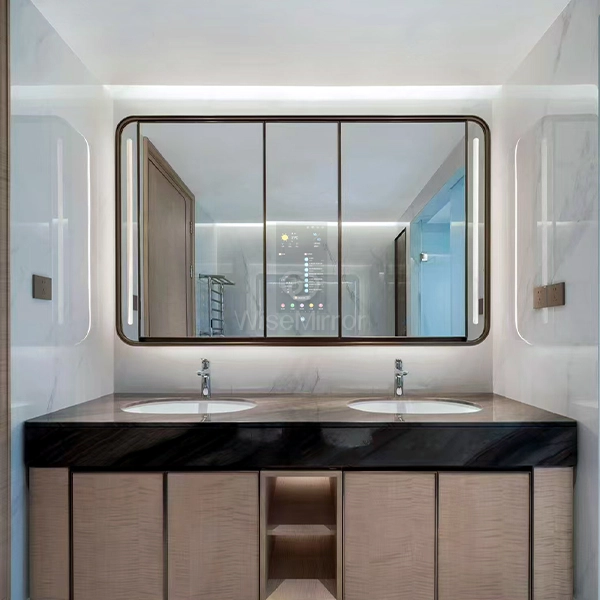
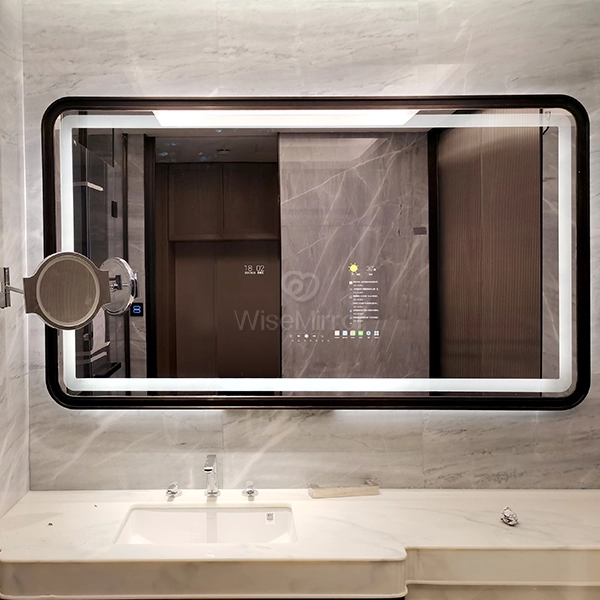
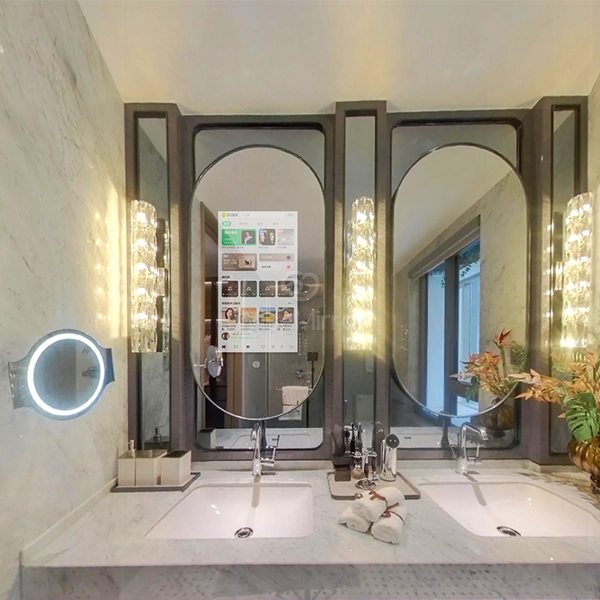
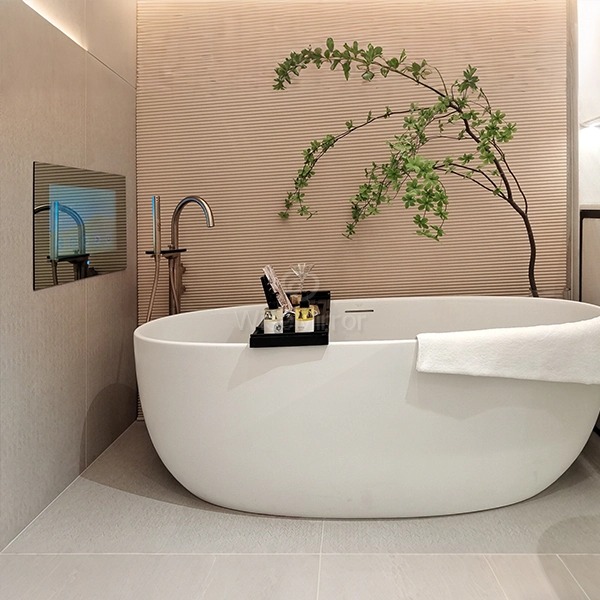
Bathroom waterproof TV technology uses a slightly reflective dielectric layer on the front glass so that when the TV is turned off, it can be used as a normal vanity mirror. When the video starts playing, the backlight turns on and the screen becomes clear. This ability to do two things at once is especially useful in high-end homes and hotel rooms where limited bathroom space makes installing separate mirrors and TVs impractical. Standard waterproof TVs use regular non-reflective glass and have a black screen when they're not in use. This makes them good for places where there is already a bathroom mirror or where the TV takes up wall space that isn't needed for grooming. The mirror TV choice usually costs 20 to 30 percent more than standard waterproof units of the same size. This is because it saves room or looks better when that's what the designer wants.
Installation Methodology and Maintenance Protocols for Commercial Applications
Professional Installation Planning and Wall Integration Techniques
Multiple trades must work together to install a commercial bathroom waterproof TV. For example, electrical contractors must make sure that the circuits are properly rated and that there is GFCI protection. Tile installers must make sure that recessed mounting boxes can be installed while the walls are being built, and AV integrators must set up network connectivity and content management systems. The cleanest look comes from recessed installation, where the display sits flush with the finished tile surface. However, during the building stage, exact rough-in measurements are needed. Surface-mounted systems are more adaptable for retrofit projects because they can work with slightly different wall conditions. However, they stick out a few inches from the wall and need to be carefully thought out in terms of how they will affect shower doors or other features nearby. WiseMirror gives you thorough CAD files and installation models that make sure you get the rough-in sizes and electrical placement right, which means you don't have to make as many expensive field changes during the building process.
Establishing Maintenance Protocols for High-Volume Commercial Use
As part of daily housework, the right cleaning products should be chosen, like pH-neutral glass cleaners that work with anti-fingerprint coatings instead of rough bathroom cleaners that can damage waterproof seals and optical coatings over time. The toughened glass front panel can handle the rough wiping motions needed to get rid of soap residue and water spots, keeping the spotless look that high-class guests expect. Maintenance checks should be done every three months to make sure the cable entry seals are still in good shape, the fixing hardware isn't rusting, and the anti-fog heating element is working correctly. Patterns of steam buildup around the edges of the display can show that the seal is wearing down before water gets into the electronics inside. Replacing the seal before it fails completely saves the unit. Facility management teams should keep extra units on hand for important installations where TV performance directly affects the inventory that can be sold. This way, broken units can be replaced right away and fixed away from the installation site.
Troubleshooting Common Performance Issues in Bathroom Installations
Power cycling on and off often means there are problems with thermal management for the bathroom waterproof TV. Make sure there is enough air flow behind the back enclosure and that insulation materials haven't stopped heat-dissipation paths. Fogging that doesn't go away even with active anti-fog heating means that there is a big difference between the temperature of the display surface and the temperature of the air around it. This could mean that the bathroom airflow rates need to be changed or that extra dehumidification is needed. Problems with wireless connections are often caused by signal loss caused by tile, cement board, and waterproofing layers in bathroom wall panels. If you need to stream content reliably, you might want to consider fixed Ethernet connections. Audio quality issues in bathrooms with exhaust fans and running water may need external Bluetooth speakers placed in a certain way to improve sound output, though sealed-driver designs in high-end units usually provide sufficient volume levels.
Leading Manufacturers and Product Positioning in Commercial Markets
In the commercial bathroom waterproof TV market, there are both well-known electronics companies that make specialized models and companies that only make displays that work in wet environments. Understanding the differences in placement helps buying teams match the skills of a product with the needs of a project and the available budget.
Samsung and LG, two well-known companies that make consumer electronics, offer bathroom waterproof TV variants as part of their larger hotel display products. They do this by taking advantage of their large panel manufacturing scale and brand recognition. These products usually focus on smart connectivity features and content ecosystem integration, making them appealing to hotels that want their guests to be comfortable with standard interfaces. Specialized companies like AquaVision and ProofVision only make waterproof displays. They offer better environmental protection scores and bathroom-specific features like remote controls that can handle steam and built-in mirror defoggers.
WiseMirror Intelligent is in a unique situation because it combines a deep understanding of waterproof displays with a wide range of customization options made possible by partnerships with major real estate companies such as Gemdale Group, China Resources Land, and China Merchants Property Development. The company's vertical integration, which includes UI design, software development, and manufacturing, lets them make custom solutions for projects that can't be met by off-the-shelf goods. Interior designers and fit-out builders need specifications that are flexible. Sizes range from 22 to 55 inches, designer finishes include matte black and brushed gold frames, and modular mounting systems support both recessed and surface installs.
Prices change a lot depending on the size of the screen, the number of features, and the number of orders. For small orders, entry-level 22-inch units from specialized makers start at around $800 to $1,200 per unit. On the other hand, 43-inch mirror TVs with advanced smart features cost around $2,500 to 3,500 per unit. People who buy in bulk for hotel projects or residential tower developments can get savings of 20 to 30 percent off list prices. This is why total cost analysis is so important when making a budget.
Conclusion
In conclusion, commercial bathroom waterproof TV systems require a level of engineering, aesthetic integration, and operating stability that regular consumer electronics can't match. Investing in IP66-rated displays with anti-corrosion treatments, smart connectivity platforms, and proven commercial-grade construction pays off by extending their useful lives, making upkeep easier, and making guests happier in hotel settings. To find solutions that meet the needs of a particular project, procurement pros have to look at waterproofing certifications, heat management designs, guarantee terms, and the track records of manufacturers. As bathrooms in high-end hotels and homes become multimedia health areas, the waterproof TV goes from being a novelty feature to an important part of the infrastructure that sets high-end properties apart in a competitive market.
FAQ
Can waterproof televisions integrate with existing hotel IPTV systems?
Standard IPTV protocols, such as the Hospitality Application API specifications, can be used with professional bathroom waterproof TV units. This lets them connect to big property management systems from Opera, Infor, and Protel. The integration lets you handle all of your content from one place, charge guests for paid channels, and send personalized welcome messages that are synced with your check-in information. During the specification process, make sure that the protocols work together, and as part of pilot installs, ask for interface testing.
What maintenance intervals do commercial waterproof displays require?
Surface cleaning with approved non-abrasive cleaners is part of daily chores. Technicians check the seals, wire links, and anti-fog function every three months. As part of the annual thorough repair, firmware updates, deep cleaning of ventilation paths, and the replacement of gaskets in high-humidity setups are all part of the service. Maintenance plans that are written down meet the standards of warranties and make equipment last much longer than consumer-grade options.
How do mirror TV units affect lighting design in bathroom spaces?
When used as mirrors, these units reflect light the same way regular bathroom mirrors do, so they need to be placed near lights in the same way. The partially reflective layer cuts light transfer by about 30 to 40 percent compared to regular glass, making the mirror look a little darker than the ones next to it. Make up for it by adding a little more light to the vanity or placing the display where job lighting needs are lower than those of the main grooming mirrors.
Partner with WiseMirror Intelligent for Your Commercial Waterproof TV Solutions
WiseMirror Intelligent stands as your dedicated bathroom waterproof TV manufacturer, and they have over 15 years of experience working on business projects in the hospitality, luxury residential, and wellness center industries. Our screens that are IP66-certified combine tried-and-true waterproofing technology with design options that can be changed to fit your needs. They come in sizes ranging from 22 to 55 inches, with designer finishes and smart platforms that are ready to be integrated and can be used in any project. We've won the trust of major developers like China Resources Land and completed successful installations at more than 450 sites around the world. Our installations are backed by full two-year warranties and quick technical support. Our engineering team in Shenzhen offers DDP shipping to more than 50 countries with full CAD documentation, making sure that your design and building plans are perfectly aligned. You can email our procurement experts at info@wisemirror-int.com with the details of your project and get full quotes within 24 hours. You can also visit wisemirror-int.com to see all of our products and download technical standard guides.
References
Chen, M. & Roberts, D. (2023). "Waterproof Display Technologies for Commercial Wet Environments: Engineering Standards and Performance Metrics." Journal of Hospitality Technology Management, 14(2), 78-94.
International Electrotechnical Commission (2022). "IEC 60529: Degrees of Protection Provided by Enclosures (IP Code) - Application Guidelines for Bathroom Electronics." IEC Standards Publication, 5th Edition.
Anderson, K. (2024). "Total Cost of Ownership Analysis for Luxury Hotel Bathroom Amenities: Waterproof Television ROI Study." Commercial Property Executive Research Report, March 2024.
National Electrical Manufacturers Association (2023). "NEMA 250: Enclosures for Electrical Equipment in Wet Locations - Compliance Requirements for Commercial Bathrooms." NEMA Technical Standards.
Williams, S. & Zhang, L. (2023). "Smart Hotel Room Technology: Guest Satisfaction Impact Assessment of In-Bathroom Entertainment Systems." International Journal of Contemporary Hospitality Management, 35(8), 2641-2658.
Thompson, R. (2024). "Specifying Waterproof Electronics for High-End Residential Projects: Material Science and Installation Best Practices." Architectural Record Technical Supplement, January 2024, 12-18.