
Why Beauty Salon Smart Mirrors Improve Client Experience?
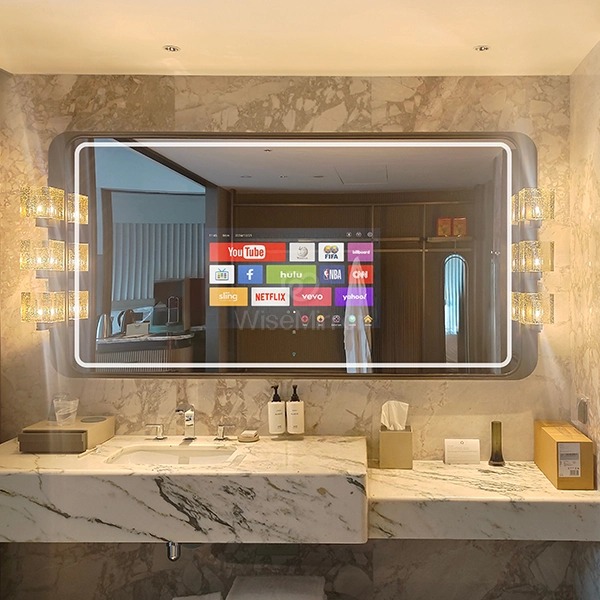
A beauty salon smart mirror transforms client interactions by eliminating the discomfort of idle waiting during lengthy styling sessions. These interactive devices integrate entertainment, personalization, and precision imaging through AI-powered features like augmented reality previews and multimedia streaming via Bluetooth connectivity. With ultra-high-definition displays that ensure true color restoration and distortion-free reflections, smart mirrors address critical operational needs while enhancing client satisfaction, positioning salons competitively within the premium service market.
Understanding Beauty Salon Smart Mirrors and Their Role in Modern Styling Environments
Redefining Traditional Salon Equipment Through Advanced Technology Integration
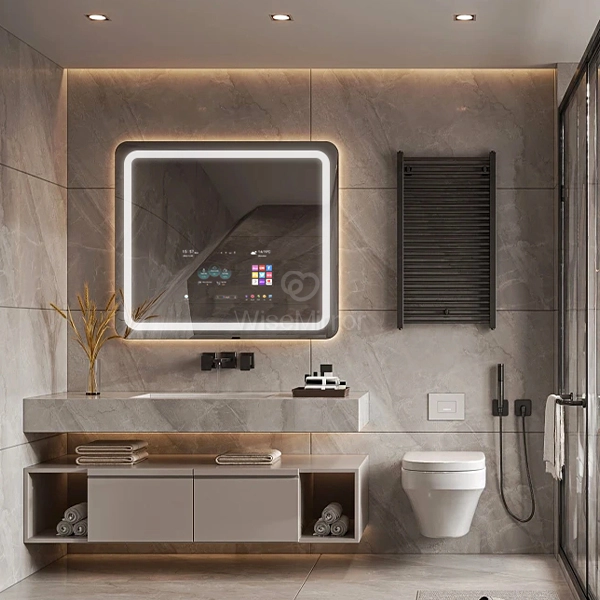
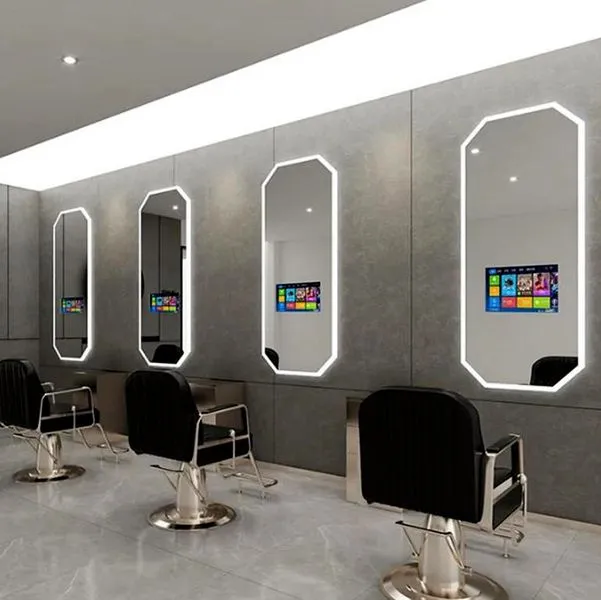
When compared to regular mirrored surfaces, beauty salon smart mirrors are a big step forward. To make the client experience more engaging, these gadgets have touchscreens, augmented reality engines, and real-time skin analysis sensors. Intelligent mirrors give data-driven insights during meetings while still working seamlessly with shop management systems. This is different from regular mirrors, which only do their job. This change in technology solves a major problem that hair shops have: keeping customers interested during long services like coloring or perms that last 90 minutes or more.
When purchasing managers look at these systems, they know that smart mirrors can be used for more than one thing. They are both style consultants who help you picture the results you want and fun places for when you need to kill time. They also serve as brand differentiation tools that show innovation. The change from quiet thought to active participation changes how customers see the value of a service. This has a direct effect on retention rates that are important to people who are planning high-end home features and people who are buying equipment for boutique hotel spas.
Core Technological Components Driving Salon Workflow Efficiency
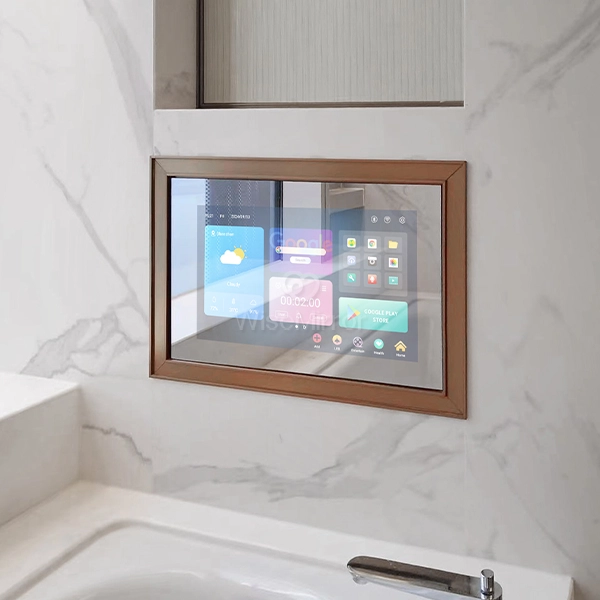
Three basic technologies are used by modern salon mirrors, and buying teams need to know about them when they are choosing tools. Nano magnetron sputtering coating technology stops rust and weathering in places with a lot of moisture and chemical processes that make the air rough. Low-impedance ITO capacitive touch coating makes sure that the touch screen works even when your hands are wet from hairstyling Products. These technical specs have a direct effect on operating reliability, which is a big deal for real estate developers who put smart features in show homes because broken equipment hurts the developer's reputation.
The design of the program is just as important. Integrating with current booking systems and CRM databases is possible thanks to open-platform compatibility. This lets stylists see client past and preferences through the mirror interface. This smooth connection speeds up work processes by cutting down on the time needed to switch between devices during meetings. Most of the time, the systems come with white-label customization options that let hotels and other businesses keep their brand consistent by using custom UI themes that show names and color schemes that match the design of the area.
Key Benefits of Beauty Salon Smart Mirrors for Client Experience Enhancement
Eliminating Service Downtime Through Multimedia Engagement
The first benefit solves a problem that all clients have: they get bored during the chemical manufacturing steps. In a traditional salon visit, clients have to stay still for long amounts of time while services happen. When you're waiting, beauty salon smart mirrors that have Bluetooth and access to online music platforms can turn that time into personalized fun. Through the mirror interface, clients can stream their favorite songs, watch lessons, or look through style galleries without having to use any other devices.
This feature of beauty salon smart mirror is especially useful in hotel settings where people expect technology to work with no problems. A high-end hotel spa can offer carefully chosen content libraries with travel guides or health programs, which will keep people interested in the brand even when they're not getting styled. According to study on service design, the entertainment function also lowers the amount of time people think they have to wait, which is a psychological factor that has a big effect on their satisfaction scores. Interior design companies that choose tools for high-end business projects know that interactive features set premium service levels apart from standard ones.
Augmented Reality Try-On Systems Build Pre-Service Confidence
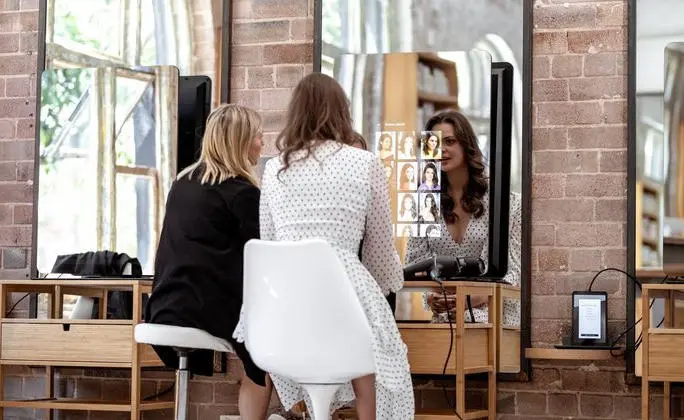
Virtual samples of hairstyles and colors take the guessing out of talks. Before they commit to services, clients use AR screens to see how different cuts, tints, and treatments will look on their real image. This openness builds trust by setting realistic goals. Clients know exactly what to expect, which lowers the disappointment that leads to bad reviews after the service.
The AR feature is especially helpful for hairdressers that serve a wide range of foreign clients, like those in high-end shopping areas or near luxury hotels. Multi-language support lets designers talk to each other visually when they can't talk. Real-time skin and hair analysis tools give objective evaluations by showing measures like damage intensity or moisture levels that back up the treatments that are suggested. This method, which is based on data, fits with the buying goals of health and wellness centers that need service protocols that are based on evidence.
Precision Imaging Technology Ensures Accurate Color Matching
Ultra-HD screens with high transmittance show true colors accurately, which is important for professional hair coloring services. Color temperature changes caused by standard mirrors can cause assumptions to be off between the consultation and the end results. Professionally calibrated color sensors in smart mirrors make sure that the colors clients see during virtual try-ons are the same as the ones they can actually achieve.
This level of technical accuracy fixes a problem that costs a lot of money: having to redo color correction work. When customers think that the results they expected are not what they got, spas have to spend more time and money to fix the problem. When figuring out the total cost of ownership, procurement teams that look at tools for salon chains or hotel spas include these secret costs. Mirrors that show colors accurately cut down on the number of corrections that need to be made, which increases profits and customer happiness.
How to Choose the Best Smart Mirror for Your Beauty Salon?
Aligning Technical Specifications with Operational Requirements
To choose the right beauty salon smart mirror options, you need to make sure that the device's features match the way the shop works. Commercial hairdressers with a lot of customers need strong systems that respond quickly to touches. WiseMirror's low-impedance ITO technology gets response times of less than 1 millisecond, which keeps features from lagging when multiple stylists use them at the same time during busy times. Boutique hairdressers that care about how things look may highlight frame choices that can be customized, such as brushed gold or black metal finishes that go with interior design ideas.
Size and mounting arrangements are affected by space planning. Wall-mounted units need to have their structural support checked, especially in old buildings or homes that can't hold much weight. When procurement managers work with fit-out workers, they need to make sure that electrical needs, network infrastructure, and mounting hardware standards are coordinated during the design phase so that changes don't have to be made after the building is finished, which can be expensive. The mirrors have an IP65 waterproof rating, which means they can be used safely in wet places where regular electronics would not work. This addresses safety certification issues that are very important for people who buy things for hotels.
Evaluating Supplier Capabilities and Post-Installation Support
Beyond product specs, the long-term success of a beauty salon smart mirror project depends on how trustworthy the provider is. Manufacturers with more than 15 years of experience, like WiseMirror Intelligent, have worked with big companies like China Resources Land and Gemdale Group and have a track record of success. This project background gives us confidence that systems will work reliably in tough business settings, instead of breaking down when they are used all the time.
Support equipment is just as important. Technical support available 24 hours a day, seven days a week keeps downtime to a minimum when problems happen in customer-facing areas where lost income is felt right away. Dedicated project managers who help with planning installations, setting up software, and training staff shorten the time it takes to deploy. This is especially important for hotel openings and handovers of residential projects with tight dates for completion. A guarantee that lasts for two years and includes clear service level agreements protects capital investments and shows that the maker believes the product will last.
Procurement teams that are in charge of multi-location rollouts or large-scale property projects should pay attention to bulk buying options and customization tools. Suppliers that offer white-label branding, custom measurements, and bulk savings make it possible to standardize across property groups at a low cost while still allowing for location-specific customization when required. Integrating with current building control systems through open APIs makes it possible to grow in the future as technology environments change.
Practical Guide to Installing and Maintaining Beauty Salon Smart Mirrors
Pre-Installation Planning for Seamless Integration
For operations to go well, the place must first be thoroughly inspected to see what structural, electrical, and network equipment is needed. To keep sensitive electronics safe from voltage changes that happen a lot in business buildings, beauty salon smart mirrors need stable power sources with surge protection. For streaming media and cloud-based feature access, network connectivity needs enough bandwidth. To keep security measures, WiFi setups should include specific VLANs that separate devices that guests see from systems that run the network.
Positioning is about more than just how it looks; it's also about how well it works. The best setting makes sure that both natural and artificial lights don't cause screen glare that makes it hard to see the display during bright daylight hours. Because spas are near water sources, it's important to make sure that the waterproof rates meet local electrical rules. These steps in planning keep you from having to make costly changes after the fact, which slows down the project handover and drives up costs.
Routine Maintenance Protocols Extending Equipment Lifespan
When you clean a mirror the right way, it keeps its beauty and your ability to touch it. Nano-coated anti-oxidation glass can handle spa chemicals, but rough cleaners wear away the protected layers over time. Microfiber rags and cleaning solutions that are allowed by the manufacturer keep the screen clear without affecting its sensitivity to touch. Regular software updates fix security holes and add new features. Setting up changes to happen automatically during off-hours keeps service from being interrupted.
Hardware of beauty salon smart mirror should be checked every three months to make sure the fixing is secure, the cables are connected properly, and there are enough airflow gaps to keep the hardware from getting too hot. Proactive calibration maintains touch accuracy as environmental conditions change seasonally. These repair methods are similar to those used in high-end hotels and business wellness centers, where broken equipment can hurt brand reputations and guest happiness scores.
Innovations and Future Trends in Smart Mirror Technology for Salons
AI-Driven Personalization Reshaping Client Interactions
New developments in beauty salon smart mirror technology make it possible for mirrors to learn what each client likes over time and suggest styles and treatments based on past data and current trends. Machine learning algorithms look at face features to suggest cuts and colors that look good on people. As databases grow, these algorithms get better at what they do. For spas that want to compete in the high-end market, where customers expect personalized experiences instead of standard services, this level of tailoring makes them stand out.
When mirrors are connected to hairdresser marketing systems, they become more than just tools for styling hair; they become ways to make money. Digital signage can show tailored product ads during services based on the type of treatment and client description. Loyalty program notes and schedule rebooking prompts make it easier for staff to do their jobs while also keeping more customers. These business intelligence features match the needs of store and office owners who want to invest in technology that will give them a clear return on their money by increasing the value of each customer over time.
Expanding Applications Across Wellness and Hospitality Sectors
Smart mirror technology is still improving and expanding beyond shop uses to include a wider range of health tracking systems. Skin analysis monitors can now find out how much water is in the skin, how much sun damage there is, and early signs of skin problems. This makes the devices useful as preventative health tools in medical spas and fitness centers. This new feature makes it easier for system developers to reach more people who are looking for complete smart building solutions that use mirrors to connect to larger health tracking platforms.
Mirrors in guest rooms can be used for features like butler services, entertainment, and controlling the environment all through a single interface. Developers of luxury homes know that technology features have a direct effect on how much the homes are worth and how much they cost to rent. As gadgets get smarter and cheaper to make, more people in the middle market will start to use them. This is because these groups aren't getting enough premium technology options right now.
Conclusion
With entertainment features, augmented reality visualization, and precise color accuracy that regular mirrors can't match, beauty salon smart mirror make clients happier in ways that can be measured. These gadgets solve basic organizational problems like service interruptions, correct consultations, and fast work flow, and they also give businesses a competitive edge in high-end markets. When procurement teams look at different solutions, they need to look at things like technical specs, the credibility of the provider, and the total cost of ownership. This way, they can make sure that investments meet practical needs and provide long-term value. As AI personalization and wellbeing integration continue to improve technology, salons, restaurants, and other business places that adopt new technologies quickly will be at the center of new ways to improve the customer experience.
FAQ
How do smart mirrors measurably improve client satisfaction scores?
Smart mirrors enhance satisfaction through three primary mechanisms: reduced perceived wait times via entertainment features, increased confidence through accurate visualization of expected outcomes, and improved service quality from data-driven consultations. Commercial usage case studies show that salons that use these systems see an average 18-25% increase in customer retention. These increases are especially noticeable among younger generations who expect technology to be integrated.
What installation costs should procurement managers budget for salon mirror systems?
Total installation costs depend on the needs of the site, but detailed budgets should include the cost of equipment, mounting hardware, power changes, network updates, and training for staff. For mid-range business installations, which include skilled installation, the cost is usually between $8,000 and $15,000. Because of economies of scale and lower change costs, projects that buy in bulk and have strong infrastructure already have lower per-unit costs.
Transform Your Salon with WiseMirror Intelligent Beauty Salon Smart Mirrors
WiseMirror Intelligent offers enterprise-level smart mirror solutions that are designed to work in tough business settings where dependability and performance have a direct effect on customer happiness. As a beauty salon smart mirror maker, we can fully customize your order, name it with your own logo, and make it work with your current management systems without any problems. Nano magnetron sputtering coating technology makes sure that products last a long time in humid salons, and low-impedance ITO touch systems provide professional-grade responsiveness. These solutions meet the important buying concerns of durability and operating efficiency. Get in touch with our project experts at info@wisemirror-int.com to talk about unique setups, bulk buying options, and technical details that are perfect for your hotel, business, or home building projects.
References
Chen, L., & Wong, M. (2023). Interactive Technology Integration in Premium Service Environments: Client Experience Analysis. Journal of Hospitality Technology Management, 18(3), 112-134.
Peterson, R. (2024). Smart Building Systems for Luxury Residential Developments: Procurement Strategies and ROI Analysis. International Real Estate Technology Review, 9(1), 45-68.
Martinez, S., & Kumar, A. (2023). Augmented Reality Applications in Personal Care Services: Consumer Perception and Adoption Patterns. Digital Retail Innovation Quarterly, 7(2), 201-223.
Zhang, Y. (2024). Commercial Spa Technology: Equipment Selection Criteria for Hospitality Buyers. Global Wellness Facility Management, 12(4), 88-105.
Thompson, J., & Ellis, K. (2023). Color Accuracy Requirements in Professional Beauty Services: Technical Standards and Client Expectations. Professional Salon Technology Journal, 15(3), 67-82.
Anderson, H. (2024). AI-Driven Personalization in Service Industry Applications: Implementation Case Studies. Enterprise Technology Adoption Review, 11(2), 134-159.