
Why Android Smart Mirrors Are Popular in Hotel Projects?
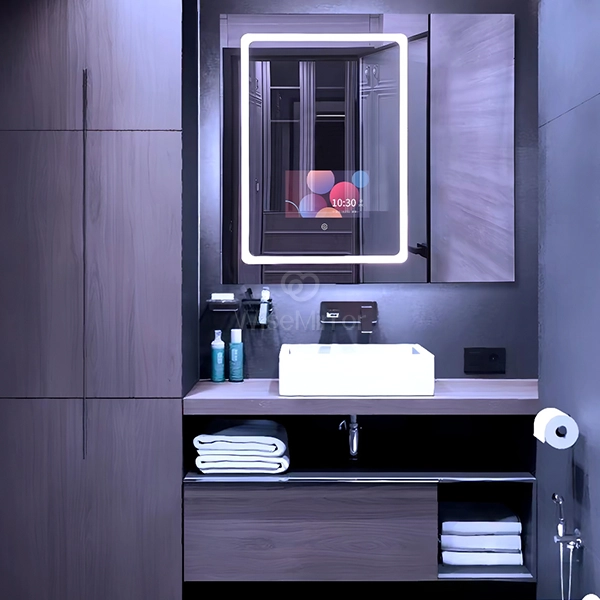
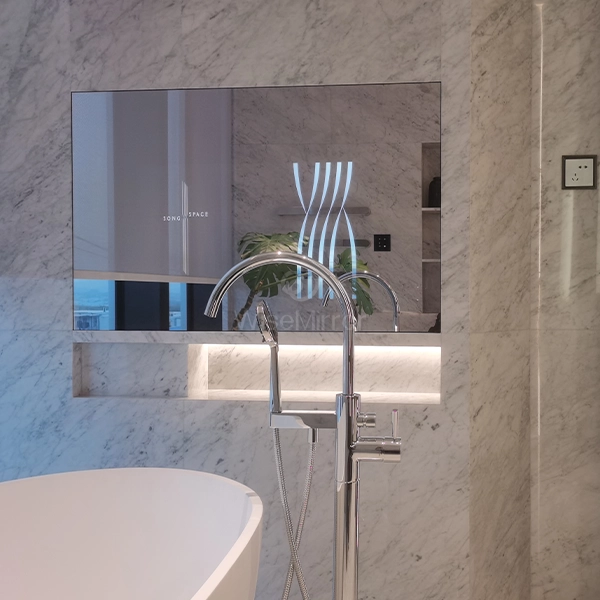
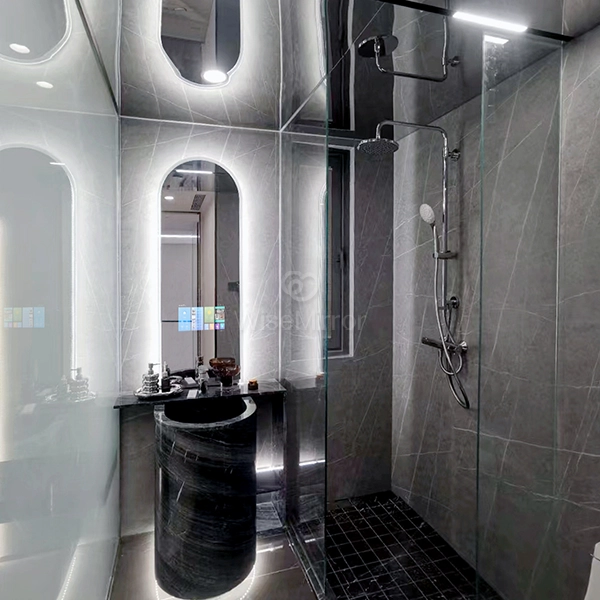
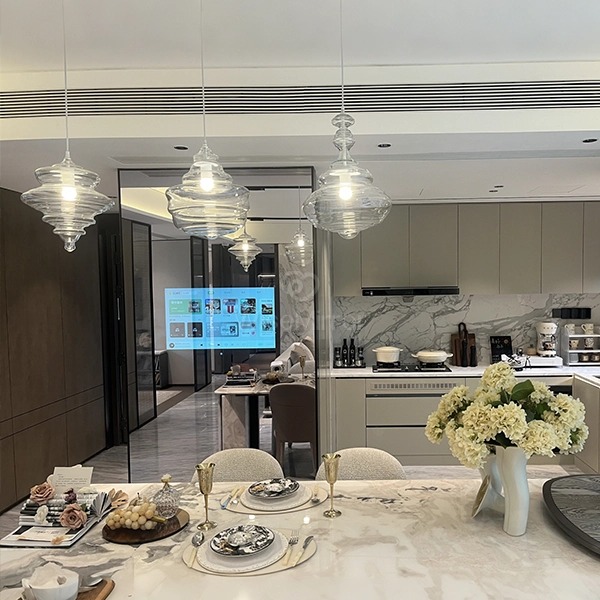
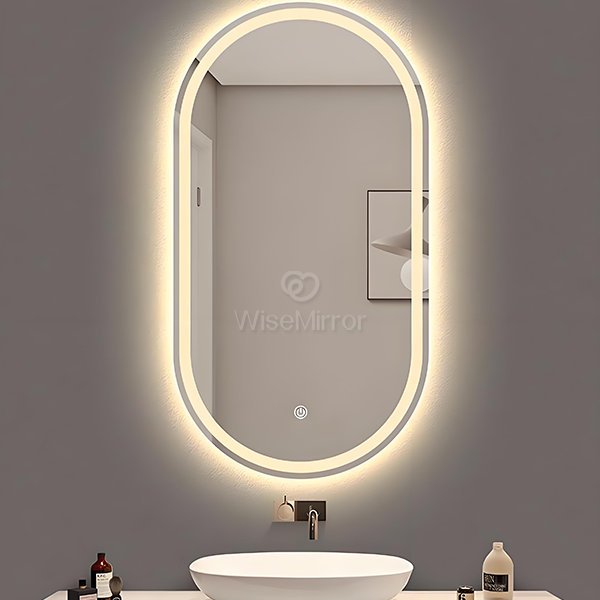
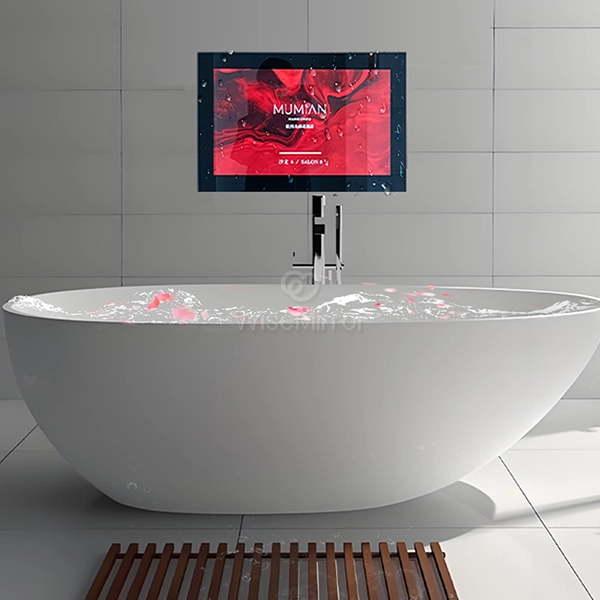
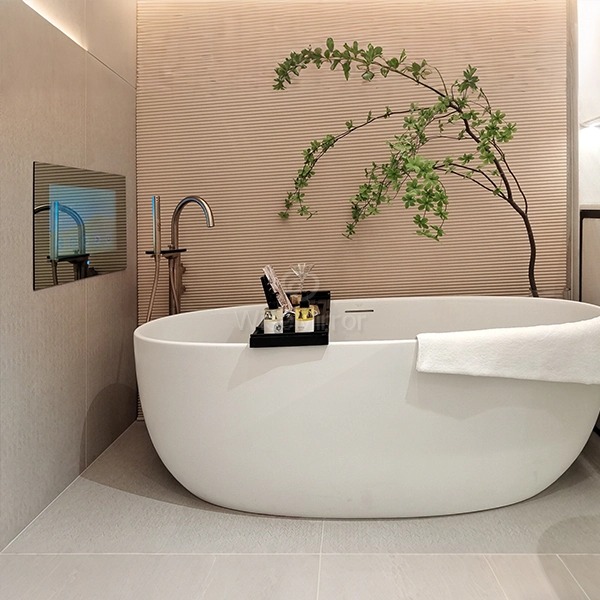
Android Bathroom Smart Mirrors are now a smart technology investment for high-end hotels and other hospitality projects that want to give guests a better experience while also running more efficiently. With waterproof screens and Android operating systems, these smart devices turn regular bathroom fixtures into engaging digital hubs that let you access information, have fun, and control your smart room. Unlike regular mirrors, these options offer smooth integration with hotel management systems, customized user interfaces for guests, and long-lasting construction made for high-humidity business settings. This makes them perfect for a wide range of projects, from small hotels to large resort developments.
Understanding Android Bathroom Smart Mirrors in Hotel Applications
Core Technology Behind Smart Mirror Systems
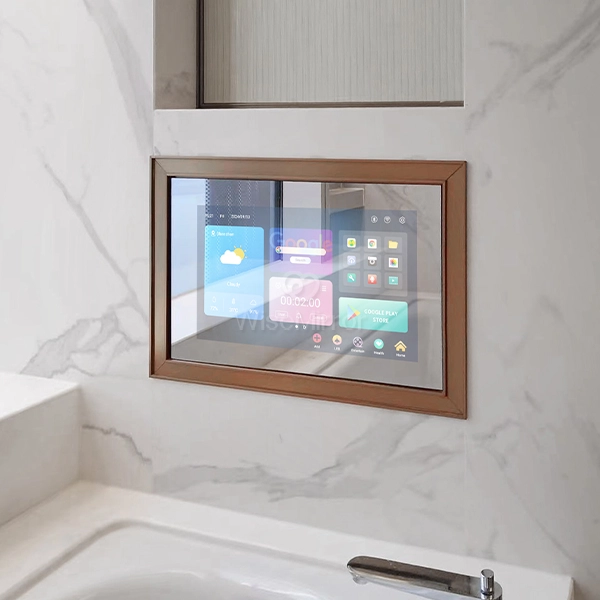
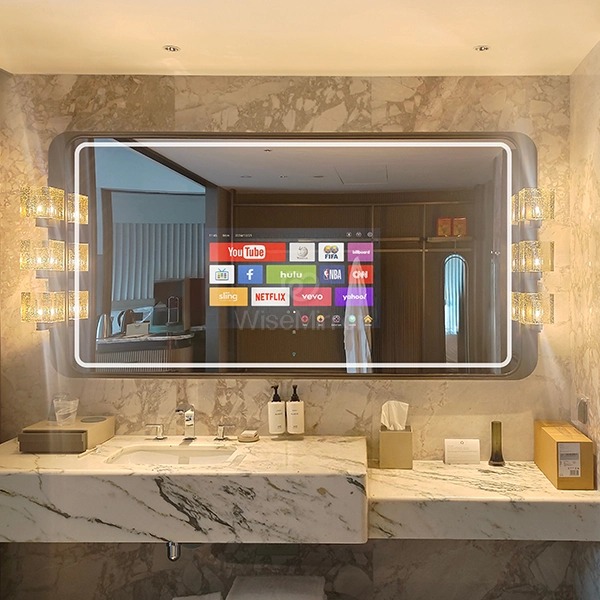
Android bathroom smart mirrors have special hardware and software designs made for use in hotel settings. At their core, these devices use improved versions of Android and have access to all of Google's apps. This means that hotels can add their own apps that let guests order room service, make spa reservations, or find information about nearby attractions, all of which can be used directly through the mirror interface.
The connection goes beyond just simple functions. These mirrors can connect to guests' devices via WiFi and Bluetooth so they can sync with them, transfer pictures, and stream music to bathroom speakers that are linked. The low-impedance ITO sensitive touch technology makes sure that users can connect even when their hands are wet, which is important for bathroom installations but can't be done with regular touchscreens.
Waterproofing and Durability Standards for Commercial Use
Smart mirrors for hotels need a lot more tech than smart mirrors for homes. Internal parts that are rated IP65 for water protection are safe from steam and direct water contact that is common in bathrooms. WiseMirror's nano magnetron sputtering coating technology makes a shield against rust that keeps the screen clear and stops the oxidation damage that happens in damp places.
Commercial safety standards, such as CE, FCC, and RoHS compliance, are met by tempered glass construction. This is important paperwork for foreign hotel projects that have to deal with multiple regulatory frameworks. Having these licenses protects procurement teams from liability and makes sure that projects follow building codes in many places.
Customization Capabilities for Hotel Branding
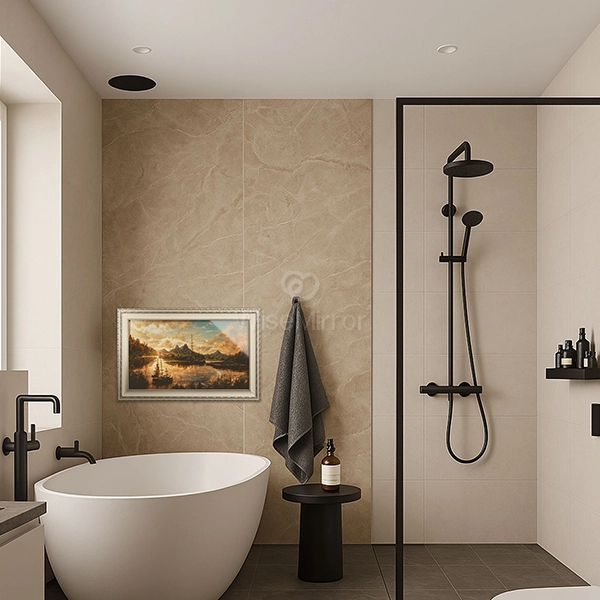
Property owners like being able to change the look of mirror interfaces to fit their brands. With OEM and ODM services, hotels can set up unique user interfaces with names for the properties, custom color schemes, and content layouts that are just right for them. You can change even the actual parts of the design, like having frameless options, gold or black finishes, and non-standard sizes that work well with building plans.
Why Hotels Prefer Android Smart Mirrors Over Traditional Mirrors?
Guest Experience Enhancement Through Interactive Technology
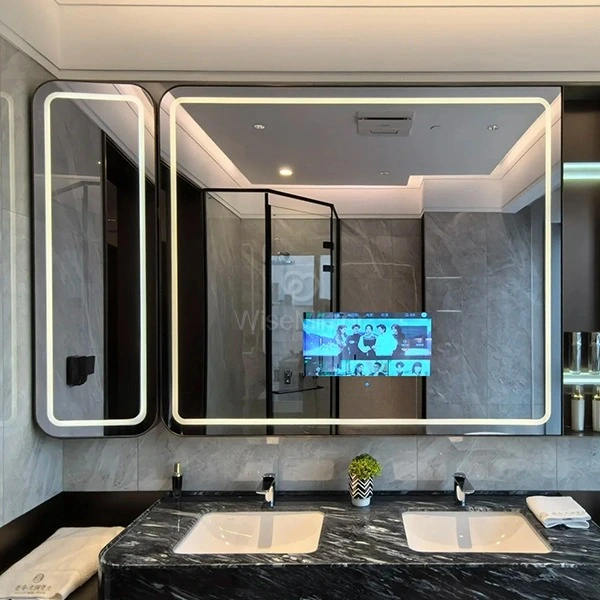
Traditional bathroom mirrors only reflect light, but Android bathroom smart mirrors make places that can be used for more than one thing, which increases the value of the room. Guests can look at flight information while getting ready to leave, follow workout plans while getting ready in the morning, or look at weather reports to plan their days—all without leaving the bathroom.
Voice control on an android bathroom smart mirror adds a level of cleanliness that is especially important for service standards after a pandemic. Voice prompts let guests change the lighting, control the room temperature through connected IoT systems, or ask for cleaning services while minimizing face-to-face contact. This touchless contact cuts down on the need for cleaning while also meeting the changing needs of guests when it comes to cleanliness rules.
Operational Efficiency and Maintenance Advantages
When hotels use smart mirror technology, they report practical benefits that go beyond measuring how happy their guests are. Centralized content management lets property managers change information on all room windows at the same time. This way, they can send out emergency alerts, seasonal promotion messages, or changes to breakfast hours without having to go into each room.
The integration with property management tools makes the work of upkeep easier. Mirrors can tell engineering teams directly about technology problems, which speeds up responses and stops guests from complaining. Software updates make Products last longer, so hotels can add new features or update user interfaces without having to buy new hardware. This is a big benefit for planning capital expenditures during rebuilding rounds that last more than one year.
Energy Management and Sustainability Goals
Through smart power control, smart mirrors help hotels with their efforts to be more environmentally friendly. Sensors in the room know when someone is in it and change the lighting of the screen or put it into low-power modes when the bathrooms are empty. This automated energy optimization uses less power than standard bathroom lighting that stays on all the time. This helps hotels reach their LEED certification goals and cut costs, which are becoming more and more important to hotel owners.
Key Features and Benefits Driving Procurement Decisions
Choosing the right Android bathroom smart mirror options means looking at a lot of different technical and financial factors that are in line with the needs of the project. That being said, here are the main benefits that deal with common buying goals in hotel projects:
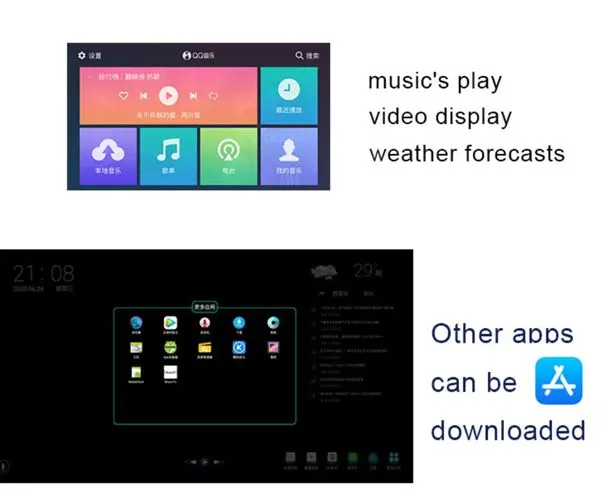
Android Ecosystem Integration: The mature Android platform gives you access to millions of apps through the Google Play Store. This means that hotels can adjust the experiences of their guests by adding streaming services, news apps, or software that is unique to their property. This open environment doesn't have the vendor lock-in problems that come with private systems. This means that properties can change the technology they offer as guest tastes change.
Dual Connectivity Architecture: Using both WiFi and Bluetooth makes sure that the system works well in a range of network situations. Mirrors can quickly connect to guests' phones via Bluetooth to play music or share photos, and mirrors can also connect to hotel systems via WiFi for managing content and making service requests. This redundancy stops single-point connection breakdowns that could make the experience of guests worse.
Advanced Touch Interface: Sensitive capacitive touch technology answers correctly to orders even when there is a lot of moisture in the air, which is a problem for regular touchscreens. With simple swipes, guests can switch between weather screens, news feeds, and entertainment apps. The volume controls and interface handling are also easy to learn, making them perfect for hotel guests who are only staying for a short time.
Anti-Fog Display Technology: Nano coating methods get rid of the annoying problem of windows that fog up after a hot shower. This feature keeps visibility and usefulness constant, so guests can use smart features right away instead of having to wait for steam to go away. This is a small but useful ease in high-end hospitality settings.
These technical features have real-world benefits that buying teams can measure when they make business reasons for using smart mirrors. Different bathroom plans can be installed in a variety of ways, and the 32", 43", and 55" screen sizes can be used in a range of room types, from normal rooms to presidential suites.
Initial features of an android bathroom smart mirror are just as important as long-term support systems. Over the course of a normal hotel rebuilding cycle of 7–10 years, the total cost of ownership is based on warranty coverage, software update promises, and upkeep procedures. Suppliers who offer full help after installation lower operating risks and make sure that technology investments keep up with performance standards for as long as they are useful.
How to Choose and Procure Android Smart Mirrors for Hotel Projects?
Evaluating Manufacturer Capabilities and Track Records
To be successful with procurement, you need to work with providers who have experience in the hotel industry. WiseMirror Intelligent has been doing research and development on luxury Android bathroom smart mirror applications for over 15 years and has finished more than 450 projects for big companies like China Resources Land, China Merchants Property Development, and Gemdale Group. With this track record, you can be sure that the solutions take into account the problems that come up during installation and the special needs of hotel settings.
Manufacturing capacity directly impacts project timelines. Suppliers who can make 1,000 units or more per month can meet tight installation deadlines for big hotel openings and keep the quality of all bulk orders the same. Orders over 500 units can be delivered in 30 to 45 days, which lets project managers plan the installation of smart mirrors with other building milestones and furniture and fixtures (FF&E) schedules.
Technical Specifications and Integration Requirements
The display requirements must match the goals for the guest experience and the design factors of the room. Anti-glare surfaces make it easy to see in a variety of lighting conditions, and USB-C and HDMI ports give you the freedom to add new technology or use it for specific tasks in the future. Manufacturers who optimize the Android OS make sure that it runs smoothly and that security updates protect guest info and keep the system reliable.
It is important to carefully consider compatibility with current building control systems during the specification stages. Smart mirrors should work with HVAC settings, lighting systems, and property management systems (PMS) without needing a lot of custom code. Suppliers that offer pre-configured integration packages for major hotel technology platforms make deployment easier and lower the costs of advice that goes along with it.
Wholesale Pricing Models and Custom Installation Services
Pricing systems that are based on numbers work better for big hotel projects because they make the project more profitable. Clear wholesale price models help people make accurate budget predictions, and OEM customization services let places ask for special features without having to pay a lot for engineering. Instead of just looking at per-unit hardware prices, when comparing the total project costs of different providers, you should take into account things like installation help, training, and guarantee terms.
Professional installation is especially helpful for foreign jobs where local workers might not know how to use smart mirror technology. When suppliers offer installation teams or detailed technical advice, they cut down on delays in finishing and make sure that the protection and electrical integration meet local building codes.
Future Trends and Strategic Value of Android Smart Mirrors in Hospitality
AI-Powered Personalization and Guest Data Analytics
New developments in artificial intelligence make it possible for android bathroom smart mirrors to learn what guests like and predict their needs. In the future, facial recognition could be used to recognize returning guests (with the right privacy settings), and the system could instantly change the language of the interface, show favorite news sources, or remember previous room service orders. These unique experiences make stays memorable, which leads to good reviews and more bookings.
Analytics collected through smart mirror interactions provide hotel operators with valuable guest behavior insights. Understanding which features guests use most frequently, peak usage times, and content preferences informs operational decisions around amenity offerings, staffing patterns, and marketing messages. Aggregated data saves people's privacy while giving businesses useful information they can use.
Expanded IoT Ecosystem Integration
The trajectory of hotel technology points toward increasingly interconnected systems where smart mirrors serve as central control hubs. Guests may use bathroom mirrors to adjust bedroom curtains, review security camera feeds showing who approached their door, or preheat coffee makers—all through unified interfaces. This consolidation reduces the cognitive load of managing multiple control systems and streamlines in-room technology into cohesive experiences.
Compatibility with voice assistants like Google Assistant or Amazon Alexa expands control options beyond touch interfaces. Guests can issue commands while showering or applying makeup, making technology feel less intrusive while increasing functional utility.
Phased Implementation Strategies
Hotels can mitigate technology adoption risks through strategic phased rollouts. Pilot implementations in select room categories allow properties to gather operational feedback, refine guest communication materials, and train staff before property-wide deployment. This measured approach reduces capital exposure while building organizational confidence in the technology's value proposition.
Staff training programs ensure housekeeping, engineering, and front desk teams understand smart mirror capabilities and can assist guests with questions. Well-prepared staff transform technology from potential frustration points into service differentiators that enhance overall stay satisfaction.
Conclusion
Android bathroom smart mirrors bring together new ideas for improving the guest experience and making operations more efficient, which is in line with the strategy goals of many high-end hotel projects. The mix of mature Android ecosystems, specialized waterproofing engineering, and adjustable interfaces meets the specific needs of hotel settings while providing measured returns through happier guests and more efficient operations. As the hotel industry continues to embrace digital change, smart mirror technology stands out as an infrastructure investment that has a direct effect on guests right away and can be used in a variety of ways in the future thanks to software updates and IoT integration. Procurement teams evaluating these solutions gain competitive advantages by partnering with experienced suppliers who understand the unique demands of large-scale hotel installations and provide comprehensive support throughout product lifecycles.
FAQ
What makes Android smart mirrors specifically suitable for hotel bathrooms?
Android bathroom smart mirrors made for hotels have anti-corrosion coatings, water protection up to IP65, and touch screens that can handle steady steam contact. Commercial approvals make sure that safety rules are followed, and Android's open environment lets hotels add property-specific apps to guest screens that aren't available on proprietary systems.
How do smart mirrors integrate with existing hotel management systems?
These days, smart mirror platforms come with API links and already-built-in connections to the most popular property management systems. This lets people ask for services, run rooms, and get information updates in both directions. Mirrors can safely connect to hotel networks through WiFi, and centralized control panels let staff update all units at once, without having to set them up one room at a time.
What are typical installation timelines and support requirements?
Production times for bulk orders are usually between 30 and 45 days, and assembly times depend on the size of the job. Hiring a professional installer makes sure that the electrical connections are made correctly and that the seals are waterproof. Full warranties and expert help 24 hours a day, seven days a week protect investments, and regular software changes add new features without the need to replace hardware.
Partner with a Trusted Android Bathroom Smart Mirror Manufacturer
WiseMirror Intelligent specializes in high-end hospitality applications, which can help hotels and developers find reliable android bathroom smart mirror options. Our Android-based bathroom smart mirror systems combine proven waterproof engineering with customizable interfaces tailored to your project's unique requirements. We support procurement teams throughout the entire process—from initial specifications and competitive bulk pricing to professional installation and ongoing technical support. Contact our team at info@wisemirror-int.com to discuss your hotel project needs, request technical documentation, or arrange product demonstrations. As an established Android bathroom smart mirror provider serving major developers across Asia and international markets, we deliver scalable solutions backed by 15+ years of industry experience and manufacturing capacity exceeding 1,000 units monthly. Visit wisemirror-int.com to explore our complete product range and discover how our smart mirror technology can elevate your next hospitality project.
References
Anderson, M. & Chen, L. (2023). Smart Hotel Technology Adoption: Impact on Guest Satisfaction and Operational Efficiency. Journal of Hospitality Technology Management, 18(2), 145-162.
Global Hospitality Technology Association. (2024). Android-Based Smart Mirrors in Luxury Hotels: Procurement Guidelines for Project Managers. Industry White Paper Series.
Roberts, K. (2023). IoT Integration in Modern Hotel Design: Standards and Best Practices. Commercial Architecture Quarterly, 31(4), 89-103.
Zhang, Y., Park, S. & Thompson, R. (2024). Waterproof Display Technologies for High-Humidity Commercial Environments. International Journal of Applied Engineering Research, 19(1), 234-251.
Hospitality Design Institute. (2023). The ROI of Smart Bathroom Technology in Four and Five-Star Hotels. Annual Industry Report.
Martinez, C. & Wong, H. (2024). Comparative Analysis of Smart Mirror Operating Systems for Commercial Applications. Technology in Hospitality Review, 12(3), 67-82.