
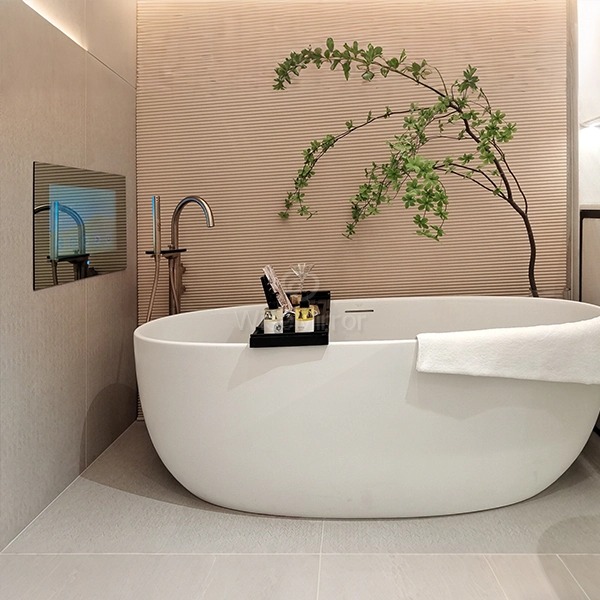
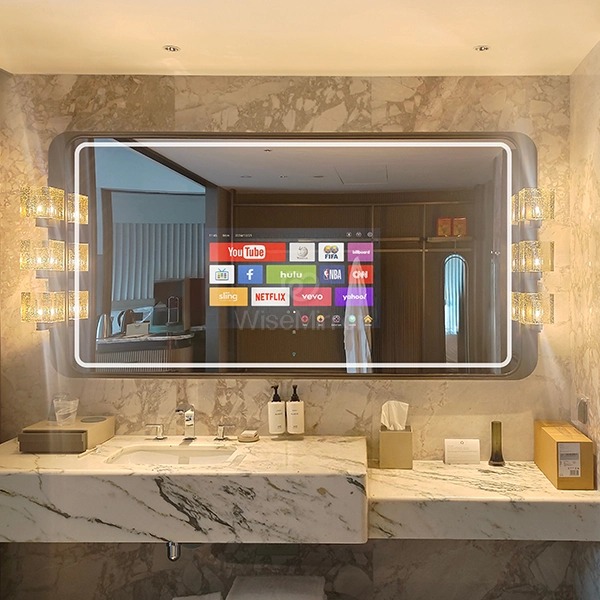
Touch Screen Bluetooth Mirrors for Modern Interior Design
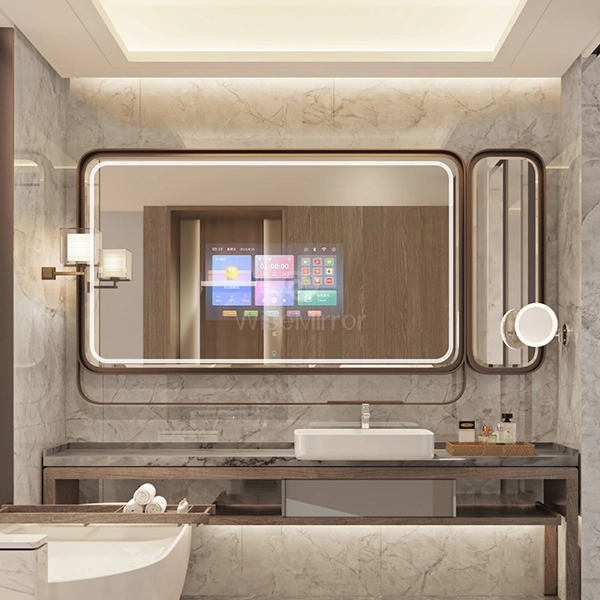
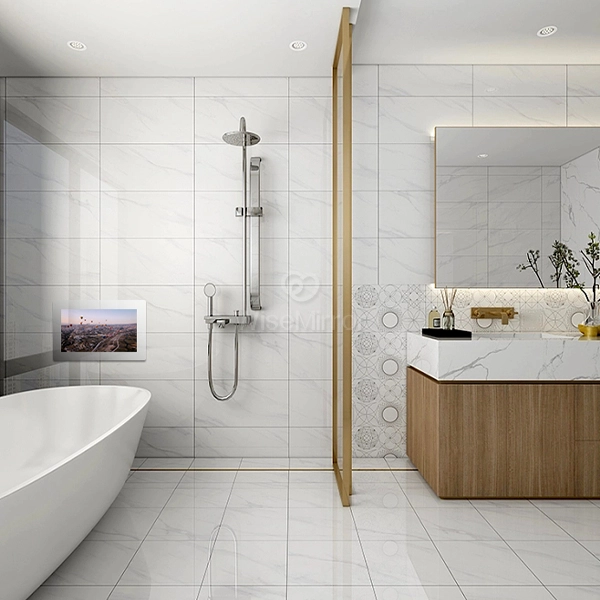
Modern hospitality and commercial design demand more than aesthetic appeal—they require intelligent technology that integrates seamlessly into architectural visions while delivering measurable operational advantages. The touch screen mirror with bluetooth has emerged as a strategic asset for project managers, interior designers, and procurement professionals seeking to differentiate their properties through smart infrastructure. These advanced devices bridge the gap between functionality and design sophistication, transforming ordinary spaces into interactive environments that enhance guest experiences and property valuations. As construction costs escalate and differentiation becomes crucial, specifying the right smart mirror technology directly impacts project ROI and long-term maintenance efficiency.
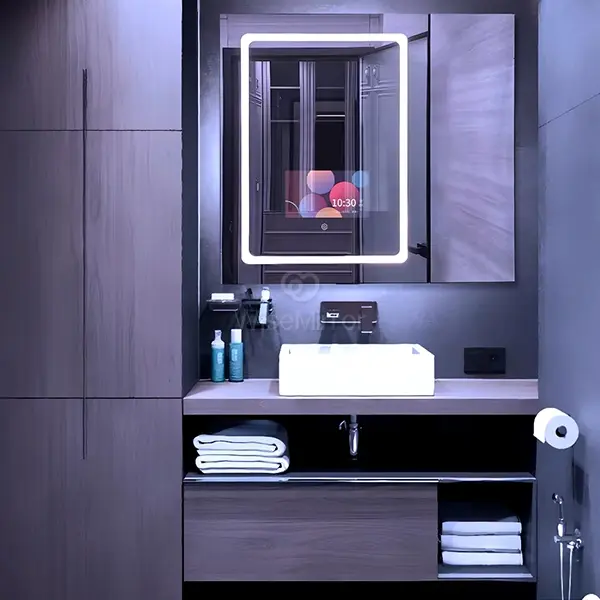
Understanding Touch Screen Bluetooth Mirrors: Features and Benefits
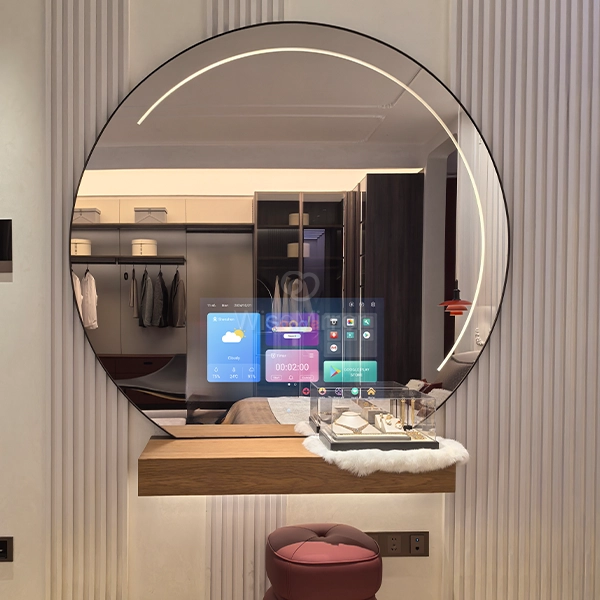
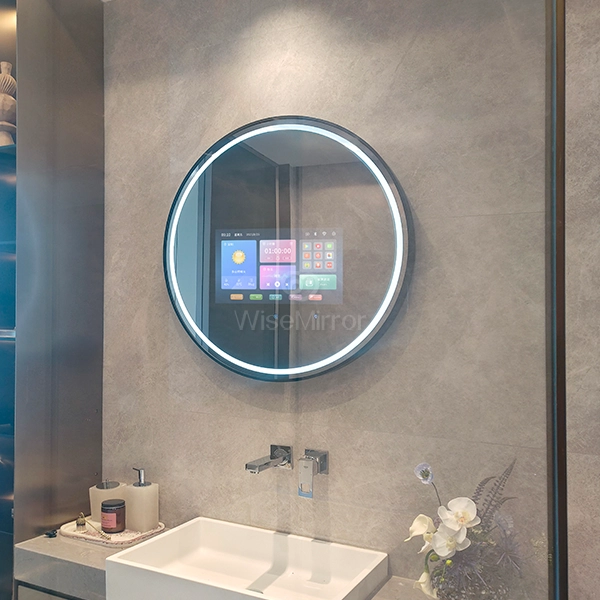
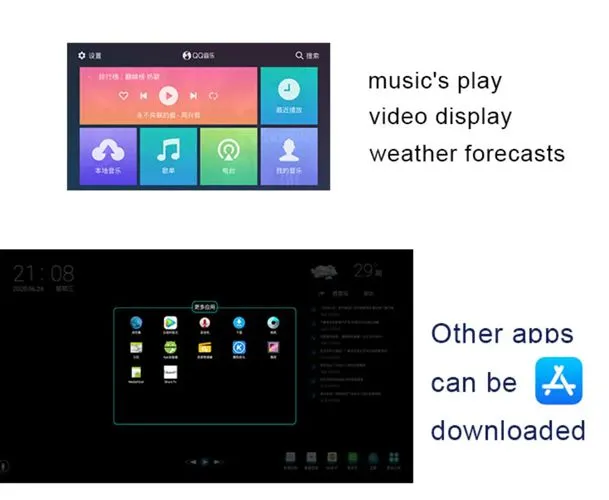
Smart mirror technology has come a long way from simple mirrored screens to full-featured interactive systems designed for use in businesses. Today's touch screen mirror with bluetooth options combine stable Android operating systems with compatibility with the Google Play environment. This lets facility managers use custom apps that meet the needs of their operations.
Core Technical Architecture for Commercial Applications
Contemporary screens use both WiFi and Bluetooth to connect, making sure stable performance across a range of network environments. The basis of the Android platform makes it easy for guest service apps, building control networks, and property management systems to work together. This design adaptability is very important for working with smart building ecosystems that are already in place, whether the building is being renovated or built from scratch.
The dual connection method solves a problem that comes up a lot in big installations: splitting up the network. WiFi handles tasks that need a lot of data, like managing streaming content and updating in the cloud, while Bluetooth lets guest smartphones, wireless speakers, and Internet of Things (IoT) sensors connect right away without putting too much stress on the main network infrastructure.
Interactive Touch Functionality: Precision Meets Durability
Low-impedance ITO capacitive touch technology gives business settings with a lot of foot traffic the speed that users expect. Commercial standards take into account how devices are used, where multiple people interact with them during business hours, unlike consumer-grade touch screens. The technology stays sensitive even when there is wetness or cleaning residue on it. This is very important for spa, health, and bathroom setups where humidity levels change.
Touch response has a direct effect on how happy guests are and how efficiently the business runs. The display settings can be quickly changed by hotel staff, maintenance teams can access diagnostic screens without special tools, and guests can interact naturally without being told how to, which cuts down on training costs and support calls.
Environmental Resilience and Safety Certifications
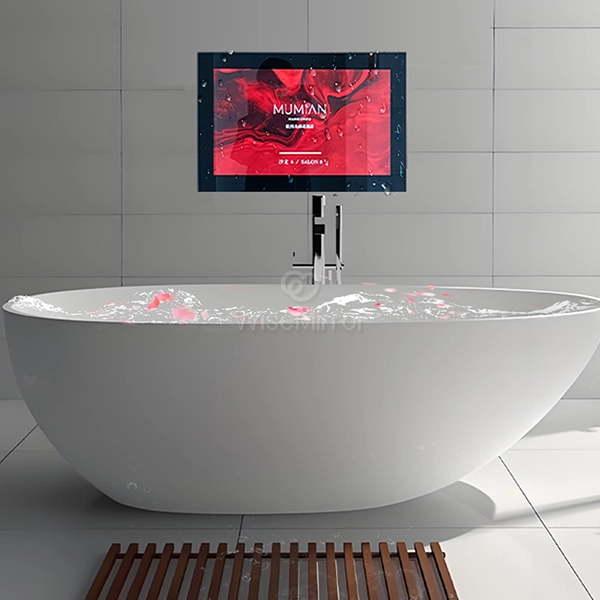
Commercial setups have to deal with natural stresses that aren't common in homes. The IP65 grade for waterproofing keeps electronics inside safe from direct water jets used for maintenance cleaning and from normal moisture found in steam rooms or by pools. Operating temperature ranges from -20°C to 60°C allow installations in both climate-controlled luxury rooms and semi-conditioned areas that are popular in resorts in many different regions.
Safety certifications like CE, FCC, and RoHS compliance make it easier to meet the requirements for foreign projects. This makes sure that the project is approved by regulators in multiple countries without having to go through expensive redesigns or review delays.
Comparing Touch Screen Bluetooth Mirrors: Making Informed Procurement Decisions
When procurement teams look at touch screen mirror with bluetooth technology, they have to balance a lot of different goals, such as initial capital spending, lifetime costs, customization options, and vendor dependability. Specification mistakes that cost a lot of money can be avoided by understanding how the different levels of a product fit with the needs of a project.
Functionality Differentiation Across Product Categories
Entry-level units that cost less than $200 usually have basic touch features and Bluetooth audio connections, but they don't have the powerful operating systems that are needed to launch custom apps. For example, exercise centers that only need to stream music on a regular basis could use these options because they are cheap and don't need to be interactive.
Mid-range business options that cost between $500 and $1,500 come with Android OS platforms, WiFi connectivity, and approved waterproof cases. This section covers most of the needs of hotels and wellness centers where guest contact, content management, and long-term reliability all come together. When matching feature sets against price limits, procurement managers find this range to be the best value.
Premium installations that cost more than $2,000 offer custom sizes that go beyond standard measurements, private software connections, and better guarantee coverage that are perfect for high-end properties that need to stand out from the crowd and are worth the extra money. These standards are good for high-end hotel rooms, senior health centers, and showrooms where technology is a big part of the design.
Environmental Suitability and Performance Considerations
Installing a display in a bathroom comes with its own problems that regular displays can't solve. When the shower is turned on, standard mirrors fog up right away, making screens useless just when guests need them. Nano magnetron sputtering technology is used to create special layers that stop condensation from building up. This keeps things visible even in high-humidity areas like hotel showers and spa treatment rooms.
During skilled cleaning, anti-oxidation and anti-corrosion processes keep the mirror backing and electrical parts from coming into contact with chemicals. Hotels that use industrial-grade disinfectants need this security to keep things from breaking down too soon, which would cost a lot and cause problems for guests.
Total Cost of Ownership Analysis
Beyond initial buy price, procurement choices must account for installation complexity, energy consumption, and upkeep requirements. When hundreds of units are running all the time, standby power consumption of less than 15W cuts management costs by a large amount across properties. Over a normal five-year run, energy efficiency saves money in a way that can be measured, which justifies a slightly higher starting investment in high-quality parts.
How hard it is to install each product is very different. Units that need special positioning systems and complicated wiring make the work more expensive and take longer to finish. Standardized mounting ports and pre-configured communication cut the time it takes to install each unit from hours to minutes, which is very important when building deadlines are tight.
Procurement Strategies: How to Source and Buy Touch Screen Bluetooth Mirrors Efficiently?
To successfully buy a lot of touch screen mirrors with bluetooth, you need clever agreements with your suppliers instead of just buying things from them. When working on projects with hundreds of units spread across several buildings, it's helpful when providers offer more than just delivering Products.
Supplier Evaluation Criteria for Commercial Projects
Established makers with business installation records that can be checked offer insights for touch screen mirror with bluetooth that younger companies entering the market can't match. Look at a supplier's track record with similar-sized projects, their expert help, and how quickly they respond to warranty issues. Suppliers that do business with international markets have the operational maturity and quality control systems that are needed to make sure that products are delivered consistently across multiple orders.
This type of provider is shown by WiseMirror Intelligent, which has over 15 years of experience making waterproof TVs, mirror TVs, and smart mirrors for business use. Their long-term partnerships with China Resources Land, China Merchants Property Development, and Gemdale Group show that they know how to handle large-scale operations where delays cost a lot of money.
Customization Capabilities and Lead Time Management
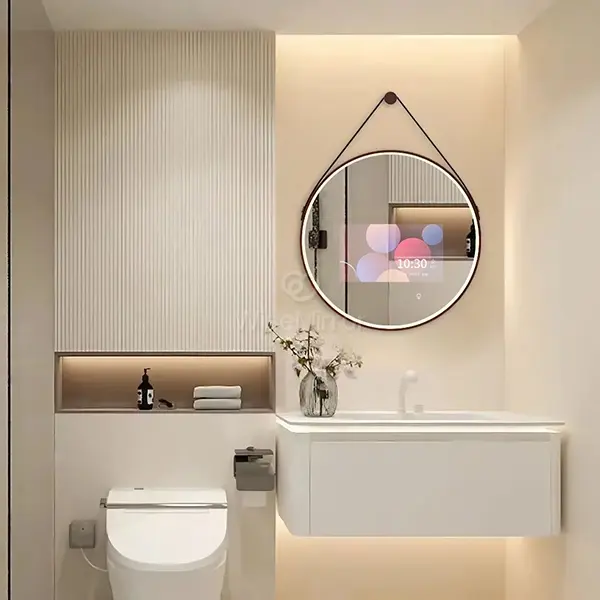
Standard product specs and design goals don't always match up properly. Customization options, such as frameless designs, unique sizes from 15.6" to 75", and branding interface development, let creators make their ideas come to life without any problems. Knowing which customizations need longer lead times helps keep schedules from clashing during building planning.
When lead times reach 35 to 40 days for amounts over 500 units, making a bulk order becomes very important. Getting involved with suppliers early on in the design development process helps procurement teams set up orders that line up with building milestones. This keeps installation delays from affecting other parts of the project plan.
Pricing Frameworks and Volume Negotiation
Professional sellers can be told apart from opportunistic vendors by clear price structures. Reliable makers give thorough quotes that separate the base cost of the hardware from customization fees, tooling fees for special needs, and shipping operations. This openness makes it possible to make accurate budget predictions and stops costs from going up without warning during the buying process.
When you buy 100, 500, or 1,000 units, you usually get a volume price. Depending on how complicated the design is, the discount can be anywhere from 15% to 30%. When procurement managers combine needs from several properties, they can save a lot of money and get better payment terms that work with the project's cash flow needs.
Brand Insights and Supplier Reliability for B2B Buyers
When making commercial touch screen mirrors with bluetooth, the image of the brand is closely linked to how long the products last and how well they are supported. Established sellers put money into their own technologies that give them a competitive edge that mass-produced goods that put together general parts can't match.
Proprietary Technology as a Reliability Indicator
The three main technologies that WiseMirror Intelligent uses—nano magnetron sputtering coating, anti-oxidation methods, and low-impedance ITO sensitive touch lamination—require a lot of research and development work that other companies can't copy. These unique features make sure that the system works the same way in all kinds of installation settings and lower the number of failures that stop operations and raise maintenance costs.
Suppliers with their own UI design and software development teams can quickly meet requests for integration and customization. This vertical integration gets rid of the need to rely on outside writers whose response times might not match up with project deadlines. When technology problems happen after the installation, having direct access to engineering teams speeds up the process and keeps guests as calm as possible.
Warranty Coverage and Support Infrastructure
Commercial warranty terms for touch screen mirror with bluetooth that go beyond what a standard consumer guarantee covers show that the seller is confident in the product's reliability. Basic warranties that cover parts, labor, and technical support for two years set the standard. However, top providers offer longer coverage choices for mission-critical installations where downtime costs a lot of money.
The quality of the support system is clear during the installation and troubleshooting stages. When suppliers assign dedicated project managers to large-scale deployments, they make sure that design teams, general workers, and site management all talk to each other in a coordinated way. This stops misunderstandings that cause projects to take longer than planned to finish. After installation, quick technical help, such as remote diagnosis and fast sending of new parts, keeps operations running smoothly, which is very important in hospitality settings.
Sustainability and Corporate Responsibility Alignment
As developers try to get green building certifications and meet business responsibility goals, sustainability factors are being used more and more in procurement choices. Supplier relationships that are in line with the organization's core values include using less energy, choosing parts that can be recycled, and using responsible production methods. Certifications that include RoHS compliance show that you care about the environment, which is appealing to guests and business groups that care about the environment.
Troubleshooting, Maintenance, and Software Updates for Bluetooth Touch Screen Mirrors
Protocols for proactive repair stretch the life of touch screen mirrors with bluetooth and keep services from being interrupted, which hurts both guest satisfaction and operational efficiency. Setting up these habits during the installation phase lowers the total cost of ownership during the rollout phase.
Connectivity Troubleshooting for Network Integration
Most calls for technical help in business installations are about Bluetooth pairing problems. Making sure that devices work on frequency bands that are compatible with each other and checking that the property's WiFi infrastructure covers enough areas where installations are made stops connection problems before they affect operations. When troubleshooting is needed, most problems can be fixed without having a worker come to the site. This is because systematic checks of the power source, network setup, and device pairing routines can solve most problems.
Centralized device management systems let IT teams check for connectivity problems, push software updates, and figure out what's wrong with properties that have a lot of smart mirrors spread out across various buildings. This feature is very useful in resorts where physical access to devices needs to be coordinated with cleaning plans and the privacy of guests.
Software Update Management and Security
Platforms that run on Android need to be updated with security fixes and new features on a regular basis to keep them running at their best and protect them from new cyber threats. Setting up update procedures during the original deployment stops security holes and makes sure that the system will work with new smart building systems as they come out. Scheduled repair windows during low-occupancy times keep guests from being inconvenienced and allow for thorough testing before units are returned to operational state.
Cloud-based update distribution makes it easier to handle properties in different places, allowing deployment at the same time without the need for IT staff to be at each spot. This method cuts down on worker costs and makes sure that all portfolios use the same types of software.
Cleaning and Physical Maintenance Best Practices
Normal glass cleaners can damage special finishes or touch screens, but professional-grade cleaners made for electronics can keep them in good shape. Setting up cleaning routines that use approved solutions and cloth materials stops things from wearing out too quickly and keeps them looking like they do in high-end places. When housekeepers are hired, they are taught the right way to do their jobs. This keeps expensive damage from happening because of bad cleaning techniques.
Preventive maintenance ideas that lower emergency repair costs and guest disruption include regular check plans that find small problems like worn cables or loose mounting hardware before they get worse.
Conclusion
Touch screen mirrors with bluetooth are smart investments in infrastructure that set properties apart in competitive markets and give them real operating benefits. A successful procurement relies on carefully evaluating suppliers, creating clear specifications that are in line with the needs of the project, and being involved with lifecycle management. Project teams can be sure that the solutions they choose will increase the value of the property and meet high performance standards when they work with well-known makers that have a track record of success in the business world, offer full customization options, and have a responsive support system. Technology is always changing quickly, so it's important to work with suppliers that you know a lot about the market in order to stay ahead of what people expect and get the most out of your infrastructure investments over long operating lifecycles.
FAQ
How does touch screen mirror with bluetooth integrate with existing property management systems?
Modern touch screen mirrors with bluetooth work with common API protocols, which lets them connect to big property management systems like Opera, Amadeus, and Oracle Hospitality. Because of this, mirrors can show unique information about guests, room service choices, and information about checking out straight from central systems. The level of difficulty of integration depends on the design of the PMS, but in most cases, configuration is enough and no special development is needed.
What warranty coverage applies to commercial installations?
Commercial warranties usually cover flaws in the way the product was made, broken parts, and expert help for two years. Options with longer covering take into account places with a lot of use where wear may happen faster. Warranty completion includes sending a new unit and technical support, but based on the supplier's terms, installation work may cost extra.
Can displays operate reliably in extreme humidity environments such as steam rooms?
Enclosures with an IP65 rating and special anti-fog finishes keep working properly in places with up to 95% relative humidity. It might be a good idea to plan for more air in steam rooms so that electronics don't get damaged over time from being exposed to high temperatures, even if they are protected.
Partner with WiseMirror Intelligent for Your Next Project
To use smart mirror technology in business projects, you need to work with suppliers that can provide technical know-how, customization options, and a track record of getting projects done. With 15 years of experience, WiseMirror Intelligent has worked with high-end hotels, residential projects, and business buildings all over the world. Because we have our own software development team, our own protection technologies, and long-term partnerships with top developers, we are the go-to touch screen mirror with bluetooth provider for tough projects.
Whether you're setting up a small hotel with fifty custom units or handling a collection of properties that needs standard solutions for thousands of installations, our team can help you from the beginning of the process to the end, from specification to installation and ongoing support. Your investment will continue to pay off thanks to volume discounts, faster lead times for important projects, and full guarantee support.
Contact our commercial solutions team at info@wisemirror-int.com to talk about your project requirements and receive detailed specifications aligned with your design vision and operational objectives. Visit wisemirror-int.com to explore our complete product portfolio and review case studies from successfully completed installations.
References
Chen, M. & Roberts, K. (2023). Smart Building Integration: IoT Device Deployment Strategies for Commercial Properties. Journal of Hospitality Technology Management, 18(2), 145-167.
International Interior Design Association. (2024). Technology Integration in Modern Commercial Spaces: Best Practices for Architects and Designers. IIDA Professional Standards Publication.
Martinez, L. (2023). Environmental Durability Standards for Electronic Displays in High-Humidity Applications. Building Technology Review, 41(3), 78-95.
National Association of Home Builders. (2024). Smart Home Technology Adoption in Multifamily and Commercial Construction. NAHB Market Research Report.
Thompson, R. & Wu, J. (2023). Total Cost of Ownership Analysis for Commercial Display Technologies. Facilities Management Quarterly, 29(4), 112-130.
Zhang, H. (2024). Bluetooth and WiFi Connectivity Standards for Building Automation Systems. International Journal of Smart Infrastructure, 7(1), 34-52.