
Vanity Mirror TV vs Smart Mirror: Which Is Better for Hotels?
When selecting display solutions for modern hotel environments, procurement managers often weigh two sophisticated options: vanity mirror TVs and smart mirrors. The vanity mirror TV emerges as the preferred choice for luxury hotel bathrooms and dressing areas, integrating a high-brightness commercial-grade display behind dielectric mirror glass that vanishes when powered off. This technology preserves aesthetic integrity while delivering entertainment and information functionality, addressing the critical challenge of maintaining design elegance in moisture-rich environments without electronic compromise.
Understanding Vanity Mirror TVs and Smart Mirrors
Defining Vanity Mirror TV Technology
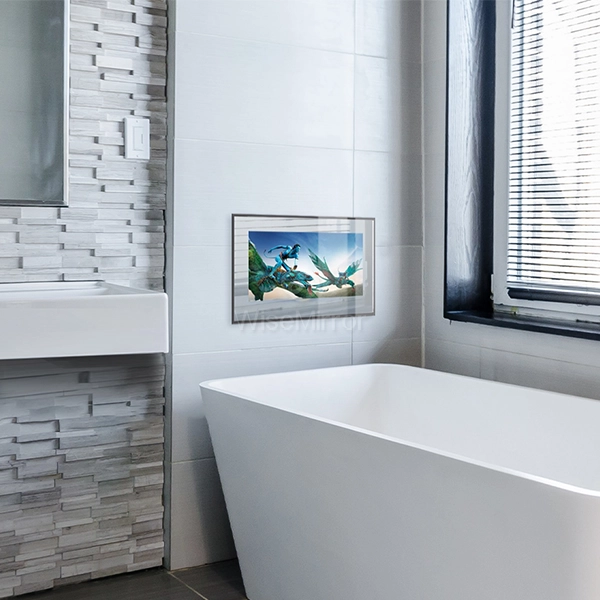
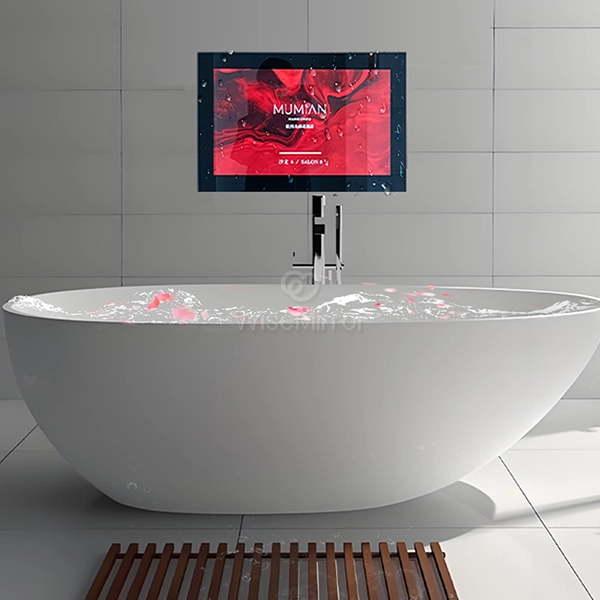
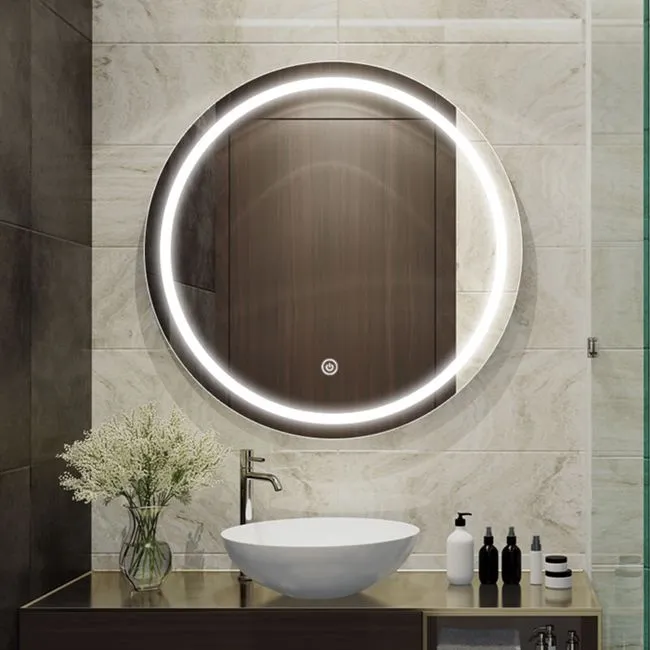
A vanity mirror TV is an advanced form of integrating display technology into mirrored surfaces that are made for use in hotel settings. A semi-transparent dielectric beam-splitter mirror is put in front of a high-luminance LED panel, which is usually rated between 500 and 1000 nits, to make up the main design. The display can go through the mirror surface when it's working, but the finish stays perfectly reflective when it's not—this is known in the business as the "vanishing effect." At WiseMirror Intelligent, we use nano magnetron sputtering coating technology to make sure that the mirror has the best light transmission ratios and the best reflection quality that meets five-star hotel standards.
Understanding Smart Mirror Capabilities
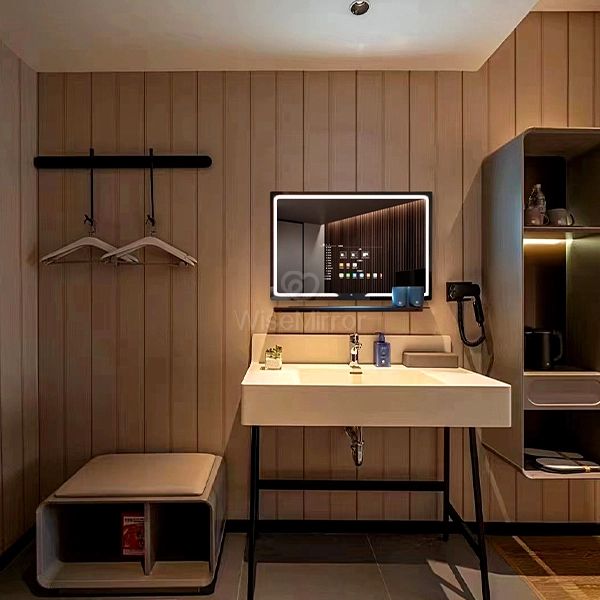
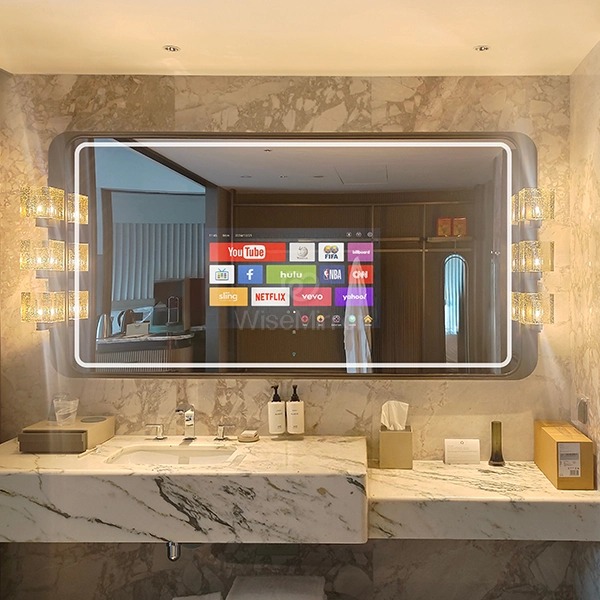
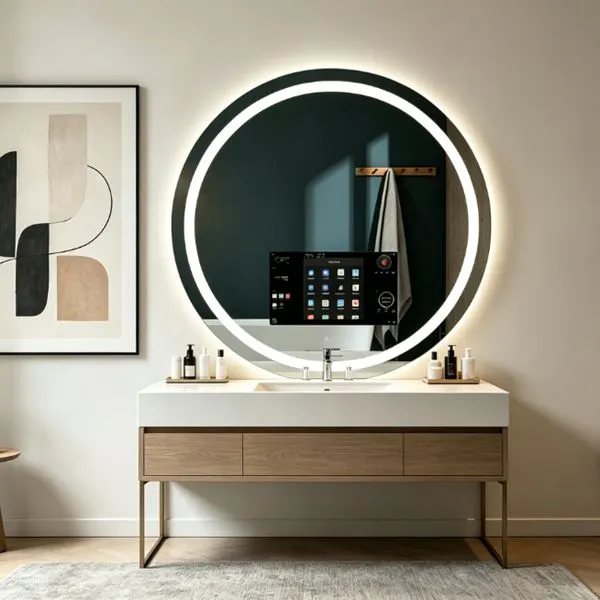
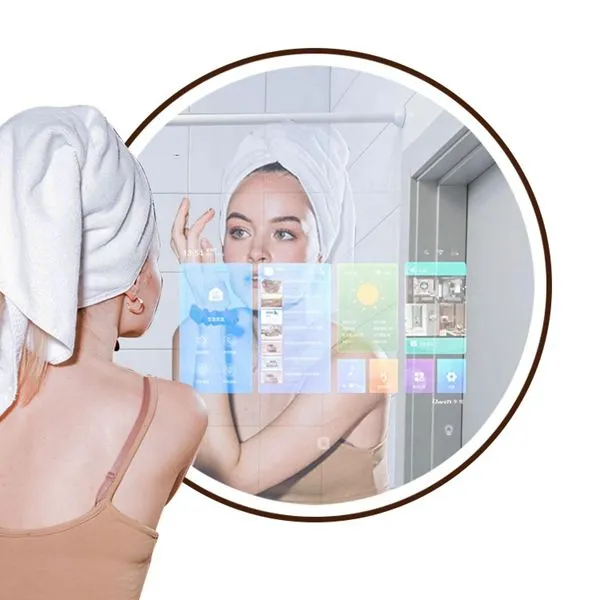
Smart mirrors are engaging touchscreens that put IoT connection and app-based interaction ahead of standard broadcast content. Most of the time, these units have screens with less brightness that are better for close-range contact rather than watching enjoyment from a distance. Its main goal is to provide weather tools, synchronized calendars, news feeds, and connections with building management systems. Smart mirrors are useful in public hotel areas like exercise centers and hallways, but they don't always offer the fun options that guests expect in their own suites.
Technical Architecture Comparison
The main difference is between the specifications of the monitor screen and the engineering of the surroundings. Vanity mirror TV units need commercial-grade panels with wide viewing angles and high contrast ratios that work well in a range of lighting conditions, from bright bathroom routines in the morning to dimly lit evenings. Smart mirrors use screens with lower specifications that are good enough for showing information in a dashboard-style way. When it comes to longevity, real hospitality-grade vanity mirror TV units have sealed aluminum or 304 stainless steel housings that are IP65 waterproof rated. This is higher than the IP44 rating of most smart mirrors. This difference is very important in bathrooms with a lot of humidity, where the total cost of ownership is directly affected by how long parts last.
Integration with Hotel Management Systems
Both systems offer ways to integrate, but the level of detail in how they are used is very different. Vanity mirror TV units easily connect to IPTV headend systems, which lets content be distributed centrally and lets users customize channels and see how they're being used. These are all features that chain hotels need to keep their brand consistent. Our low-impedance ITO capacitive touch lamination technology lets these units respond to guest inputs with less than 1ms of delay. This lets you easily control the automation in your room without having to use separate control panels. For property management systems to work with smart screens, they usually need their own software, which makes installation more difficult and increases the need for ongoing technical support.
Key Factors for Hotels When Choosing Between Vanity Mirror TVs and Smart Mirrors
Enhancing Guest Experience Through Design
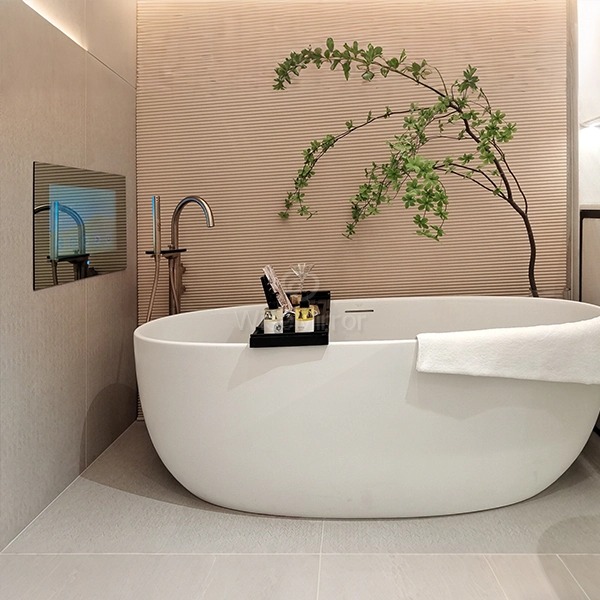
People who stay in high-end hotels expect small vanity mirror TV technology that makes the space look better instead of messing it up. Professionally designed vanity mirror TV units have an ultra-thin 23mm profile that lets them be flush mounted on the wall. This keeps the lines of the architecture and makes the bathroom look bigger, which is especially useful in boutique hotels where every centimeter counts. In the more than 450 projects we've worked on with companies like China Resources Land and China Merchants Property Development, the design teams always talk about how the "invisible when off" feature gets rid of the visual mess that comes with regular black screens. This visual benefit is hard to achieve with smart mirrors because they usually show interface features all the time, even when they're not in use.
Installation Complexity and Maintenance Demands
Hotel repair projects have to stick to tight schedules and budgets. Installing a vanity mirror TV is similar to how AV installers normally place TVs; all that's needed are waterproofed power connections and HDMI or network cables. Our anti-oxidation and anti-corrosion processes make sure that electrical terminations don't break down after years of being exposed to damp. Maintenance is mostly just regular glass cleaning—housekeepers treat the surface the same way they would a regular mirror. Smart mirrors require more maintenance, like software changes, managing app compatibility, and touch calibration tweaks, which means that specialized technicians have to come to the office more often, which adds to the cost of doing business.
Financial Considerations and Energy Efficiency
The initial prices of buying things are only one part of a full analysis of a purchase. Smart mirrors may be cheaper at first, but the total cost of ownership estimate needs to take into account how much energy they use. In standby mode, our vanity mirror TV systems use less than 3W. This is a hybrid power method that works best in hotel settings where screens are linked all the time. Compared to smart mirror screens that are always on, this economy saves the hotel money over the course of a normal five-year refurbishment cycle. There are also big differences in how warranties are set up. For example, our two-year assurance includes 48-hour replacement promises, which are very important for keeping rooms available during busy times.
Waterproofing Standards and Safety Certifications
Electronics are exposed to harsh conditions in the bathroom, such as steam, direct water spray, cleaning chemicals, and changes in temperature. Real vanity mirror TV units with an IP65 rating have conformal protection on the circuit boards and waterproof glue covers on all the entry points. We have a lot of experience with healthcare facilities and cruise ship setups, so we know that not protecting the environment properly can cause things to break down early and pose safety risks. Smart mirrors often have lower IP ratings that make them suitable for dry mounting but not for direct bathroom installation. This could make it harder to choose where to put them in hotel rooms.
Comparing Performance and Features: Vanity Mirror TV vs Smart Mirror
Display Quality and Viewing Experience
Professional vanity mirror TV units show videos in broadcast quality, which is important for making guests happy. The professional LED screens can handle full HD or 4K resolution, have wide color gamuts, and have a high dynamic range. This means that guests can watch streaming material or the morning news with cinematic clarity. These details are especially important in high-end hotels, where the quality of media usage shows how good the service is generally. Smart screens put easy-to-read interfaces ahead of video performance, so watching experiences are fine but not great, which could disappoint guests who are used to high-end home entertainment systems.
Customization and Size Flexibility
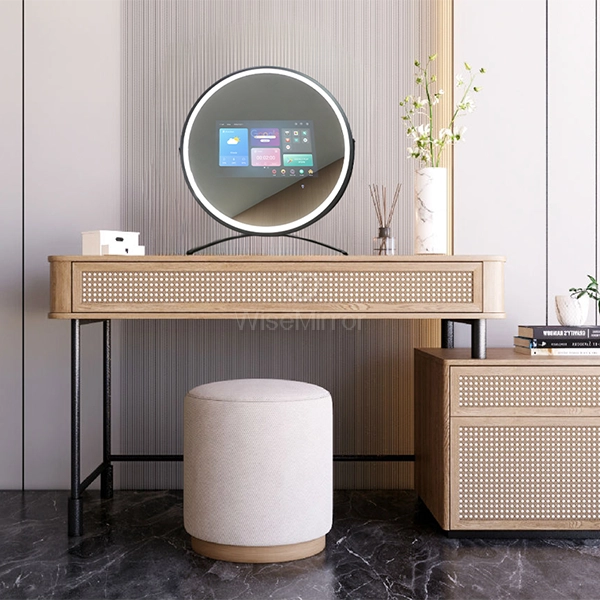
Hospitality projects need solutions that can be changed to fit different design needs. We make vanity mirror TV units that range from 15.6-inch displays small enough to fit on a dressing table to 75-inch displays big enough for the bathrooms in the royal suite. This range of sizes makes it possible for everything from small, cozy rooms in a boutique hotel to bigger setups needed in spas at resorts. Custom UI styles let you add your brand's name, color scheme, and welcome screen to make the property stand out. Smart mirrors usually only come in a few sizes and can't be customized very deeply. This limits the design options for interior builders who want fully integrated solutions.
Smart Functionality and Interactive Features
Today's guests expect smart features that go beyond simple display options. Our vanity mirror TV systems let you download beauty and lifestyle apps, so guests can watch makeup lessons while getting ready for events, get skin care advice, or stream workout videos, which breaks up the boredom of normal bathroom routines. The built-in lighting system can be adjusted to offer natural light, warm white, and cold white sets that make brushing more accurate and also look nice. Voice control integration lets people use the device without using their hands, which is very helpful when they are cleaning. Compared to the apps that are usually on smart mirrors, these features that focus on living are more in line with how people use their private suites.
Durability and Glass Quality
Hospitality-grade technology is different from consumer goods because it can handle harsh environments. Our mirror glass doesn't contain copper, so it doesn't get the black edge rust that happens with regular mirrors in damp places. This means that the mirror will look good for a longer time. Nano armor protection actively repels water spots in steamy conditions, which cuts down on cleaning work while keeping the look for guests. Touch durability scores of 100,000 cycles or more mean that guests can interact with the unit for years without losing its sensitivity. This is especially important for units placed in high-occupancy hotels where each room has hundreds of guests every year.
Practical Use Cases and Ideal Hotel Room Applications
Luxury Suite Bathroom Installations
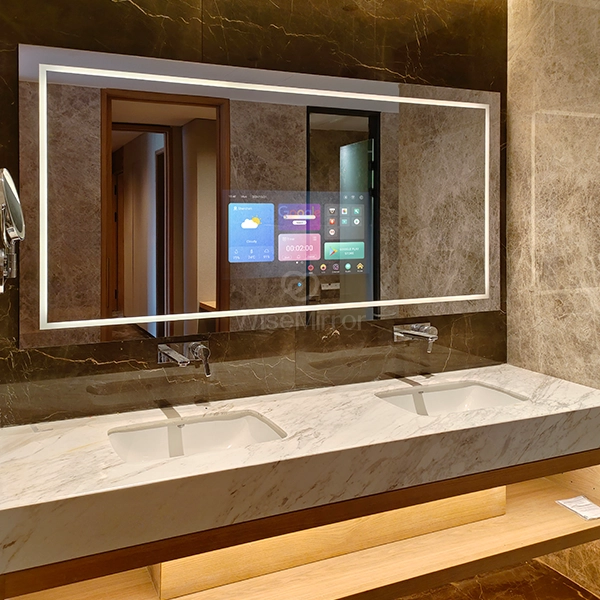
The best place for vanity mirror TV technology to be used is in high-end hotel bathrooms. By placing these units above vanity tops or building them into shower stalls, you can turn useful areas into fun escapes. Guests enjoy using the mirror's main feature to watch news stations or make video calls while getting ready for business meetings or evening events. The professional fill light system with its many changeable settings is especially useful in high-end settings where guests expect better lighting for grooming. Our work on famous hotel projects shows that this technology encourages good guest reviews and social media interaction, which has a direct effect on the image of the property.
Spa and Wellness Facility Applications
Installation of vanity mirror TV units in treatment preparation areas and relaxing rooms in hotel spas is a big plus. The IP65 protection can handle the damp and hot conditions that are common in these places, and the anti-glare display can be seen in a variety of lighting conditions that spa designers use. Wellness-focused material, like meditation guides, diet facts, and treatment descriptions, can be set to automatically play, which makes the therapeutic experience better. It's not possible for smart screens to be used in spas because they aren't durable enough or flexible enough to handle different types of content.
Public Area and Lobby Deployments
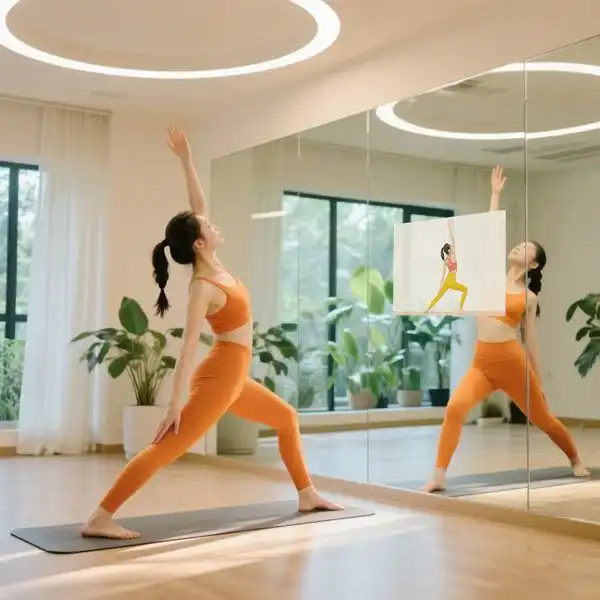
Smart mirrors work well in public parts of hotels that need interactive information screens, while vanity mirror TV units work well in private guest rooms. Touch-enabled interfaces can be used in lobby displays to show off property features, provide information about nearby attractions, and help people find their way. Smart mirrors with workout advice and performance tracking are useful in fitness centers. This strategic differentiation—vanity mirror TV units in guest rooms and bathrooms and smart mirrors in public areas where people can connect with each other—improves both the guest experience and the use of capital expenditures.
Multi-Functional Space Optimization
More and more, forward-thinking hotel designers are specifying both small vanity mirror TV technologies within their buildings, using each one where its strengths match the role of the area. In a boutique hotel, vanity mirror TV units might be put in all of the bedrooms for guests. In the lobby business center and on the roof, there might be smart mirrors. By matching gadget capabilities to usage habits, this hybrid method gets the most out of the technology investment. Our project management team plans and oversees these complicated multi-zone deployments, making sure that the quality of the installations is always high and that the systems are all connected centrally, which makes daily management easier.
Making the Right Procurement Decision for Your Hotel
Aligning Technology with Property Positioning
The hotel's placement in the market and the types of people who usually stay there should guide the procurement strategy. The entertainment options and opulent design that vanity mirror TV units provide are essential for high-end hotels that cater to business visitors and wealthy tourists. The technology shows that the business is up-to-date and pays attention to detail, which affects how satisfied guests are and how often they book again. Budget-conscious hotel owners may wonder if the investment is worth it, but our clients always say it is because it makes their properties stand out and lets them charge higher room rates. Smart mirrors work better in limited-service buildings that put providing useful information ahead of providing entertainment options.
Evaluating Supplier Credentials and Support Infrastructure
The connection with the supplier goes far beyond the original purchase of equipment, especially when buying things from other countries. Our 15 years of experience in the field and long-term relationships with big developers give procurement managers trust in our technical skills and ability to meet deadlines. The 30-day lead time for orders of 100 units or more with palletized anti-vibration packing makes sure that projects stay on schedule, which is very important when remodeling plans need to organize the work of many trade workers. Having dedicated project managers makes it easier to keep track of who is responsible for what during the purchasing, shipping, installation, and commissioning stages of a technology project with more than one provider.
Certification Requirements and Regional Compliance
Different countries have different rules about how hotels should handle electricity safety and electromagnetic compatibility. Our vanity mirror TV goods have many certificates, such as CE, FCC, RoHS, and ISO 9001, which makes the approval process easier in all global markets. The commercial-grade standard allows for wider working temperature ranges, from -20°C to 60°C. This is important for buildings that are in harsh climates or that have changing HVAC conditions when they're not being used. Some companies that sell smart mirrors might only offer consumer-level certifications that aren't enough to meet business building codes. This could cause inspection steps of the project to take longer than planned.
Scalability and Future-Proofing Considerations
In the hotel industry, technology refresh processes last between five and seven years. When making purchasing choices, you should think about how guest demands and integration standards are changing over time. Our software developers regularly update the code to make sure it works with new voice assistant platforms, streaming protocols, and smart home standards. The open architecture lets it work with big building control systems from companies like Savant, Crestron, and Control4. This ability to change keeps investments from becoming useless too soon, which is a big plus compared to proprietary smart mirror platforms that might not have long-term vendor support or integration freedom.
Conclusion
Choosing between smart mirrors and vanity mirror TV units comes down to the specific needs and goals of the business. Vanity mirror TV units work better in private guest rooms where high-level guest standards meet high-quality fun, good looks, and long-lasting performance in harsh environments. WiseMirror Intelligent's engineering team specifically meets the needs of the hotel industry by making Products waterproof, allowing for easy customization, and providing installation support that lowers project risk. Having smart screens in public areas where people can connect with each other is helpful. If purchasing managers want to make high-end homes stand out, they should focus on vanity mirror TV technology in areas where guests will see it. This should be backed by suppliers who can show they know how to make the technology, complete projects on time, and provide long-term technical support.
FAQ
Can vanity mirror TV units accommodate custom dimensions for unique bathroom layouts?
Of course. Our production process allows for custom vanity mirror TV sizes ranging from 15.6 inches to 75 inches, and we can also make non-standard aspect ratios to meet the needs of specific building projects. During pre-installation studies, our engineers check the space limitations and provide CAD models that show how the fixtures and tile layouts will fit into existing or planned cabinets and wall recesses. This makes sure that the installation goes smoothly.
How do you address data privacy concerns with connected bathroom displays?
Protecting privacy is an important part of design. Our vanity mirror TV systems work on separate parts of the network and don't have cameras or speakers unless it is clearly stated and made public. Instead of being sent to the cloud, guest usage data stays in the property management tools that the hotel controls. Our software design is based on following GDPR and CCPA rules. This gives procurement teams the privacy standards they need to protect the luxury hotel brand.
What maintenance protocols extend product lifespan in high-humidity environments?
Longevity rests mostly on how well it was installed and not on how much it is maintained. Making sure there is enough air flow around the back of the unit stops heat from building up, which speeds up the aging of the parts. Cleaning the surface of the mirror is done using normal methods and cleaners that don't scratch. Our anti-oxidation processes protect the electronics inside, but we suggest that the mounting hardware and cable connections be checked once a year. Our 24/7 support team organizes these checks with regional technical partners to keep operations running as smoothly as possible.
Partner with WiseMirror Intelligent for Your Hotel Mirror TV Project
Hotels looking for a reliable vanity mirror TV maker can benefit from the fact that we focus on hotel uses and have a history of on-time delivery. WiseMirror Intelligent can both make products and provide full project support, from helping with the initial design to coordinating the installation and providing guarantee service. Nano magnetron sputtering coating, anti-oxidation processes, and low-impedance ITO touch integration are the three main technologies that our engineering team uses to make goods that meet the high standards of luxury hotel settings. Email our procurement experts at info@wisemirror-int.com to talk about the specifics of your project, get customized quotes for large orders, or set up product demos. We'd love to hear from hotel groups, design companies, and investors planning homes all over the United States.
References
Morrison, A. & Taylor, R. (2023). "Smart Technology Integration in Luxury Hospitality Design." Journal of Hospitality Interior Architecture, Vol. 18, Issue 3, pp. 145-162.
Chen, L. & Williams, K. (2022). "Evaluating Display Technologies for Commercial Wet Environment Applications." International Review of Commercial Electronics, Vol. 35, No. 2, pp. 78-94.
Patterson, S. (2024). "Guest Experience Technology: ROI Analysis for Hotel Renovations." Cornell Hospitality Quarterly, Vol. 65, Issue 1, pp. 23-41.
Global Hotel Alliance Technical Standards Committee (2023). "Specification Guidelines for In-Room Entertainment Systems in Five-Star Properties." GHA Technical White Paper Series, Document TW-2023-07.
Zhang, M. & Rodriguez, C. (2022). "Environmental Durability Testing of Bathroom Electronics: Comparative Analysis of IP Rating Performance." Building Services Engineering Research and Technology, Vol. 44, No. 4, pp. 412-429.
Hendricks, J. (2023). "Procurement Strategies for Hotel Technology Refresh Cycles: Balancing Innovation with Operational Stability." Hotel Management International, Special Report on Property Technology, pp. 56-68.