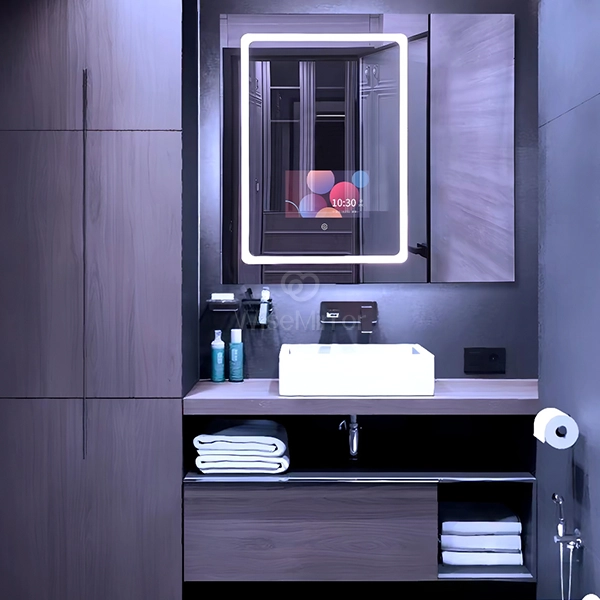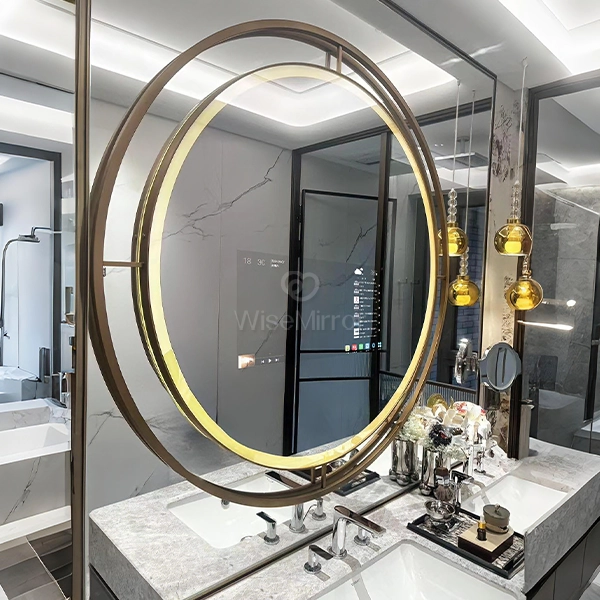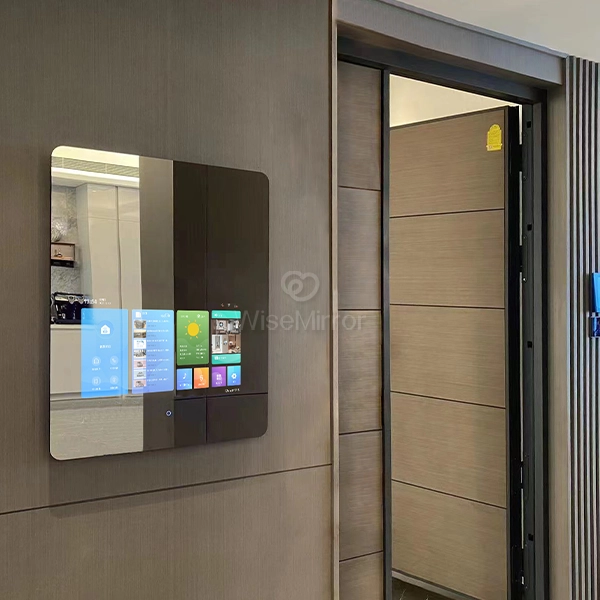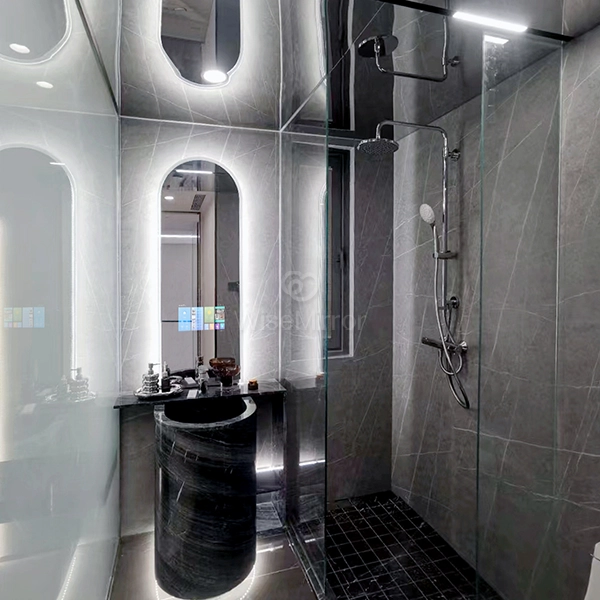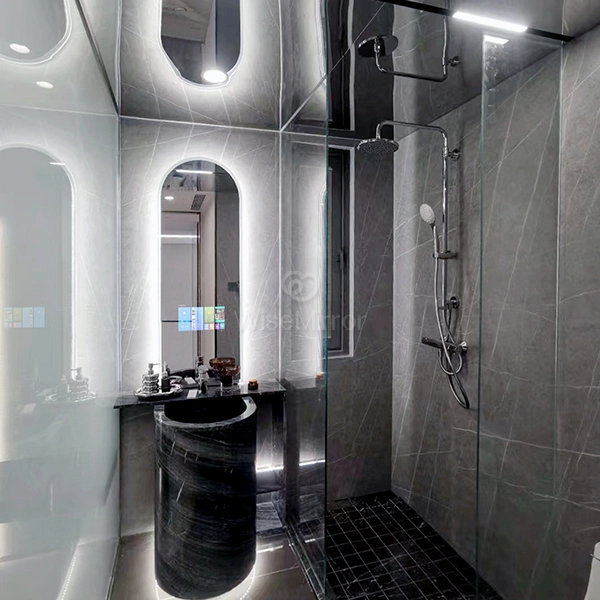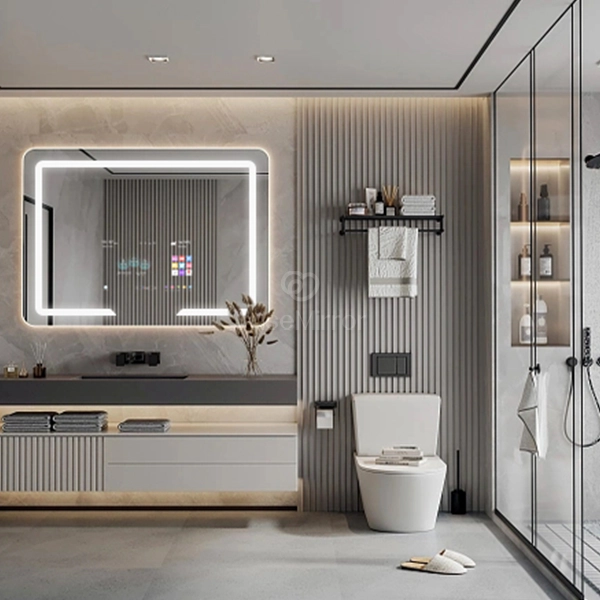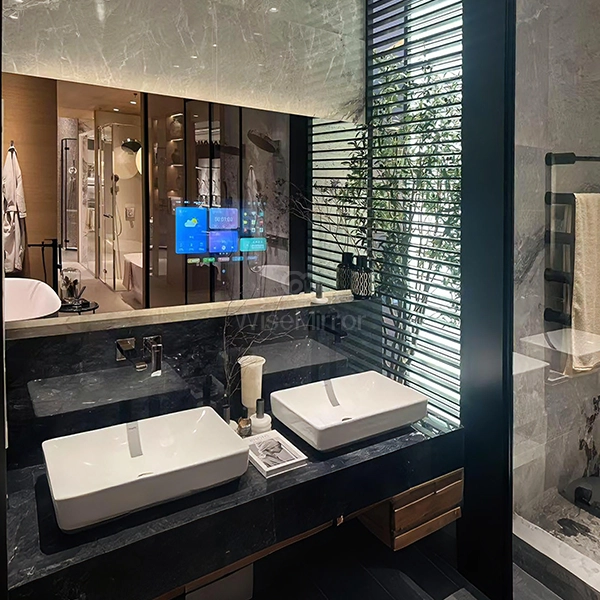

Square Smart Mirrors for Minimalist Luxury Hotel & Villa Commercial Bathroom Projects
In today’s high-end hotel environment, bathroom spaces are expected to deliver more than refined aesthetics and basic fixtures. Modern guest experience increasingly demands smart functionality integrated within a premium design language. Square smart mirror solutions balance form and function by integrating high-definition touch displays, waterproof construction, and IoT connectivity for bathroom environments. These systems transform hotel bathrooms from purely functional spaces into intelligent interactive environments that enhance guest convenience and personalization. As a result, hotels, resorts, and villa developments gain a competitive advantage by adopting technologies that improve user experience while maintaining architectural and design integrity.
Understanding Square Smart Mirrors in Luxury Commercial Bathrooms
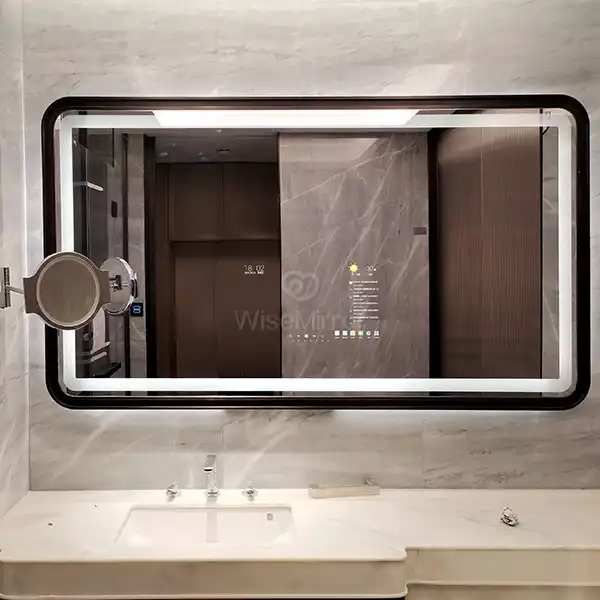
In the past ten years, square smart mirror technology has grown up quickly, going from being an idea for a test to being an important part of hotel and apartment building projects. Modern square smart mirrors can show information, be entertainment places, and provide ambient lighting. They do all of this while keeping the clean lines that are important to minimalist architecture.
Core Features Defining Commercial-Grade Smart Mirrors
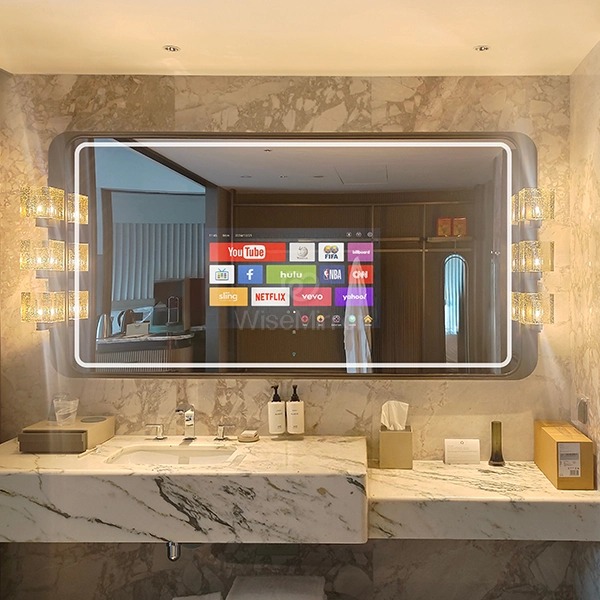
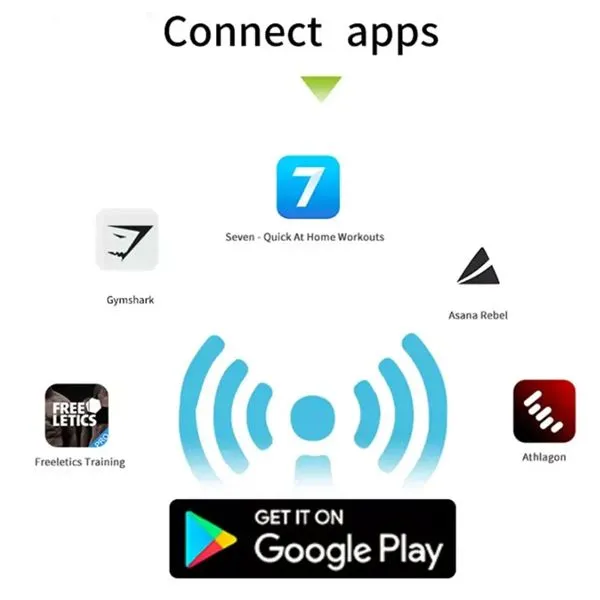
These days, square smart mirrors made for businesses have extra technology layers that set them apart from goods made for consumers. These systems have capacitive touch screens, anti-fog heating elements, LED surround lights that can be adjusted, and weatherproof cases that meet or exceed IP65 standards. The hardware base usually uses Android operating systems that give full access to Google Play Store apps. This means that hotel owners can add their own guest service apps, weather widgets, news feeds, or information platforms that are special to their properties straight to the mirror interface.
When it comes to business settings, connectivity design is just as important. Dual-band WiFi and Bluetooth 4.2 or higher make it easy to connect to property management systems. This lets guest preferences, room controls, and service requests be synced in real time. Touch response times of less than 0.3 seconds make sure that interactive elements feel like they respond right away, which is very important for guests who are using controls to get ready for meetings or events that are starting soon.
Technical Advantages for Hotel and Villa Bathroom Applications
Resistance to humidity is one of the most important technical factors for square smart mirrors that are placed in bathrooms. WiseMirror Intelligent uses low-impedance ITO (Indium Tin Oxide) capacitive touch lamination technology, which keeps the touch screen 99% accurate even after a hot shower when water drops build up on the surface. This feature directly fixes the main problem with low-quality goods, which is that condensation gets in the way of touch functionality just when guests need it the most.
Nano magnetron sputtering coating methods and anti-oxidation treatments are built into the protective glass assembly. These make it last much longer than regular mirror goods. When used in seaside resorts where salt air speeds up corrosion or in tropical conditions with a lot of humidity, these protective layers stop the edge wear and silvering that normally happen in 18 to 24 months on mirrors that aren't protected. Validation data from more than 450 completed projects shows that the structures are strong and work well in a wide range of weather conditions, from desert sites with big changes in temperature to coastal resorts that are always exposed to the ocean.
Integration Capabilities with Hotel Management Ecosystems
Many systems in modern hotel technology stacks need to be able to talk to each other. This includes lighting networks, HVAC controls, guest service platforms, and software for managing energy use. If you want to use square smart mirrors for business, they need to work as nodes in larger networks instead of standalone devices. The Android-based architecture gives mirrors API access that lets them connect to major property management systems like Opera, Maestro, and Protel. This lets mirrors show personalized guest information, checkout reminders, or promotional content that is in sync with each guest's profile and preferences.
Voice control through Google Assistant or Amazon Alexa protocols adds more features than touch interfaces and lets you use the device without using your hands, which is helpful for daily exercises. Guests can change the color temperature of the lighting, make the screen brighter, check the weather, or request housekeeping services without stopping what they're doing to get ready. These small improvements make a big difference in how good the service is seen to be and help get good reviews on hospitality rating sites.
Why Choose Square Smart Mirrors Over Traditional and Competitor Models?
When it comes to luxury hospitality and home building projects, buying things means committing a lot of money to something that will last for 10 or more years. Whether you choose standard mirrors with different display devices or square smart mirror systems that are built in can affect how much it costs to install, how often it needs to be maintained, how consistent the look is, and how satisfied your guests are.
Comparative Analysis: Smart Mirrors vs. Traditional Bathroom Technology
Usually, standard mirrors are installed in bathrooms along with separate wall-mounted displays or tablets for guests' information. This method raises the cost of hardware, makes it harder to handle cables, and creates visible clutter that goes against the principles of minimalist design. Integrated square smart mirrors combine these functions into a single frameless element that keeps the clean sightlines that are important for modern luxury design while cutting installation time by 30–40% compared to solutions with multiple parts.
When you compare durability, you can see even more important benefits. Traditional mirrors used in public bathrooms usually break after three to five years because the edges rust from being wet. On the other hand, consumer electronics that are placed in bathrooms break more quickly because the humidity damages the circuit boards and display panels. WiseMirror Intelligent's square smart mirrors go through strict environmental testing, such as being exposed to fog nonstop for 72 hours, going through temperature changes between -10°C and 60°C, and being splash-proof to IP65 standards. These tests make sure that the Products will work reliably for long periods of time in commercial settings.
Control Interface Options and Commercial Application Suitability
There are three main types of square smart mirror interface models: systems that only use touch, systems that use talk, and hybrid models that use both. The project requirements should make sure that the choice of interface matches the expected usage trends and demographics. Business hotels that cater to business visitors can use flexible touch screens that make it easy to get information quickly in the morning. Voice control is often a top priority at resorts that cater to leisure guests. This lets guests interact with the property without using their hands while they soak in baths or apply skin care products.
While hybrid systems offer the most freedom, they need careful UX design to keep the interface from getting confusing. Visual proximity cues are used by WiseMirror Intelligent to make touch targets visible only when hands are within 15 cm of the surface. This keeps the mirror looking clean when it's not being used and makes it easy to interact with when it is. Multiple types of guests have found this method to work, from tech-obsessed youth to less tech-savvy older tourists. This is shown by user testing data from boutique hotel pilots in Miami and Napa Valley.
Real-World Performance Data from Luxury Hospitality Installations
Quantitative success measures from completed projects show that square smart mirrors do have benefits. After putting mirrors with built-in guest service request features, a 280-room coastal California luxury resort saw a 34% drop in front desk service calls. Through bathroom mirror displays, guests could order extra towels, ask for late checkout, or make spa appointments directly. These interactions happened naturally during morning routines, without having to call or go to the concierge station.
Similarly, a boutique hotel group with 12 properties in major U.S. cities saw a 28% rise in guest happiness scores related to in-room technology and services after installing square smart mirrors in the bathrooms. In post-stay surveys, guests often said that the mirrors were what made their stay memorable. For example, they liked how easy it was to check flight times, the weather, and restaurant reservations while getting ready for the day. This functionality turned routine bathroom time into useful moments instead of idle time.
Procurement Considerations for B2B Clients: Acquiring Square Smart Mirrors
To get business square smart mirror setups, you need to know about the different ways to get them, how much they cost, what customizations are needed, and how to get help after the installation is done. Project managers and procurement experts can set up relationships with vendors that minimize risk and maximize long-term value when they have clear visibility into these aspects.
Sourcing Channels and Vendor Qualification Criteria
When it comes to big leisure and building projects, direct relationships with manufacturers usually offer the best terms. WiseMirror Intelligent has specific B2B sales teams that know how to handle large orders of more than 100 units. The company can produce more than 5,000 units per month, and the defect rate is always less than 0.5%. This production scale lets projects have low prices while keeping quality consistent across big deployments. This is very important when outfitting portfolios of properties with brand standards in mind, as visual and functional unity is key.
Authorized distributor networks are helpful for regional support, especially for foreign projects where local installation teams need to be trained, be able to handle guarantee service, and have a collection of extra parts. When buying from distributors, teams should check the level of technical certification, ask for references from similar-sized projects that were completed, and make sure that they can get help from manufacturer engineers for custom needs or integration problems that go beyond standard product specifications.
Pricing Structures and Total Cost of Ownership Analysis
Square smart mirror prices are based on tiered models that take into account screen size, the level of customization, and the number of orders. Standard 24-inch setups that work in standard hotel bathrooms usually cost between $850 and $1,200 per unit when more than 50 are bought. On the other hand, 32-inch statement mirrors for luxury suites cost between $1,400 and $1,900 per unit, based on the features they have. It costs 15–25% more for custom branding, proprietary app interaction, or odd dimensional needs, but these features make the product stand out in a way that isn't possible with off-the-shelf goods.
When figuring out the total cost of ownership, you should include the original hardware prices along with the work needed for installation, the cost of ongoing upkeep, and the amount of energy used. When they're in use, square smart mirrors use about 45W, which is about the same as a regular LED vanity light bulb. This means that their operating costs go up very little. In integrated designs, there are no wire connections, mounting hardware, or multiple power sources, which are frequent places for failure in multi-component systems. This means that maintenance costs are much lower than with standard mirror-plus-display setups.
Customization Capabilities and Brand Integration Options
To keep the brand's uniformity and give each person a unique experience, hospitality projects need a lot of customization. The development team at WiseMirror Intelligent can customize the interface with things like branded boot screens that show property logos, custom color schemes that follow brand guidelines, and preloaded apps that are specific to the property's amenities, like spa booking systems, restaurant reservation platforms, or concierge-curated guides to local attractions.
Hardware customization for the square smart mirror goes beyond screen sizes and includes frame finishes, choosing the color temperature of the LEDs, and built-in companion mounting points for things like towel bars, magnifying mirrors, or hotel-branded amenity boxes. The 15-day prototyping cycle lets project teams look at real samples and make changes to the specs before committing to full production runs. This allows for quick iterations that work with the tight schedules that are common in hospitality development projects.
Optimizing Use and Maintenance of Square Smart Mirrors in Commercial Settings
A square smart mirror deployment's success depends on more than just choosing the right hardware. It also depends on how it is installed, how the systems are integrated, and how it is maintained over time. Strong operational standards help properties get the most out of their uptime, keep guests happy, and protect their technology investments over multiple service rounds.
Installation Guidelines for Hotel and Villa Bathroom Environments
Planning the electrical system before building starts is the first step to a proper installation. For best usage across a range of guest heights, square smart mirrors need their own 110V circuits with GFCI protection installed behind the hanging location, which is usually 48 to 54 inches from the finished floor height. By putting junction boxes inside wall spaces and then hanging them without a frame, you can keep the clean look that is important for high-end bathroom design.
Electrical infrastructure and network connectivity plans should both be given the same amount of care. WiFi connectivity is fine for basic tasks, but properties that want to integrate room automation systems more deeply should use hardwired Ethernet connections. These connections are more reliable for data transfer and don't get messed up by the many wireless devices that guests bring into rooms. Structured wiring should be made to commercial-grade standards and have clearly marked ends that make fixing and future upgrades easier.
Software Management and System Integration Protocols
Square smart mirror platforms that run on Android need to have their software updated on a regular basis to keep them safe, fix bugs, and add new features. WiseMirror Intelligent offers remote diagnosis and over-the-air updates 24 hours a day, seven days a week. This allows for centralized fleet management without sending techs to each room. Property IT teams can plan updates for times when not many people are using the building, check to see if the updates were installed correctly in all units, and undo updates that didn't work if problems arise. These features make it much easier to manage big deployments.
Usually, REST API protocols are used for integration with property management systems. These protocols let mirrors and hotel back-end systems share information about guests, service requests, and payment. Mirror vendors, PMS providers, and hotel IT teams must work together to map out data fields, set up login methods, and test how to handle errors in rare situations like early checkouts or room reassignments. Integration testing and polishing that takes two to three weeks is avoided by projects that do this. Failures that happen in front of guests hurt trust in new technology deploys.
Troubleshooting Common Issues and Preventive Maintenance Practices
Even though business square smart mirror systems are well-engineered, they sometimes have problems that need to be fixed in a planned way. Most of the time, problems with touch response are caused by cleaning products that aren't safe. For example, alcohol-based solutions or rough substances can damage capacitive touch layers. The people who clean properties should be taught the right way to use pH-neutral, non-abrasive microfiber methods to clean surfaces in a way that keeps them clear and useful.
Most of the time, problems with connectivity are caused by how the network is set up, not by hardware problems. For WiFi-connected mirrors to work, the signals need to be stable and have enough bandwidth. To make sure that the signals are strong enough (-65dBm or higher), properties should do RF surveys at the mirror sites. Policies for separating guest networks from operational networks must allow mirror traffic to reach property management systems while keeping security barriers that keep operational networks safe from threats from guest devices.
Conclusion
Square smart mirror technology has gone from being a joke to an absolute must-have in high-end hotel and home building projects. Combining smart functions with simple design aesthetics meets the needs of changing guest standards and provides operational benefits that support investment through lower upkeep costs, higher customer happiness scores, and a unique brand positioning. WiseMirror Intelligent's square smart mirror solutions come with stable Android ecosystems, strong environmental protection, and a lot of customization options to meet the needs of a wide range of projects in hotels, resorts, houses, and business developments. In the hospitality and real estate markets, which are becoming more and more competitive, properties that carefully incorporate these systems as core infrastructure rather than afterthought perks will have an edge.
FAQ
What distinguishes commercial-grade smart mirrors from consumer products for bathroom applications?
Square smart mirrors incorporate industrial-grade components engineered for 24/7 operation across multiple years, whereas consumer products target intermittent residential use. Key differentiators include IP65-rated waterproof enclosures, low-impedance ITO touch layers maintaining functionality under moisture exposure, anti-corrosion coatings preventing edge degradation, and enterprise Android OS configurations enabling centralized fleet management. WiseMirror Intelligent's products undergo validation testing across 450+ project installations, demonstrating reliability standards appropriate for demanding hospitality environments where device failures directly impact guest satisfaction and property operations.
How complex is installation within existing hotel infrastructure and what support is available?
Installation complexity varies based on facility age and electrical infrastructure. New construction projects easily accommodate square smart mirrors during rough-in phases by positioning dedicated GFCI circuits and network connections at appropriate locations. Retrofit installations in existing properties require more careful planning but remain feasible in most cases using surface-mounted conduit for power and wireless connectivity for networking. WiseMirror Intelligent provides detailed installation guides, remote technical consultation during deployment, and can arrange onsite commissioning support for large projects. The typical installation timeline runs 30-45 minutes per unit once electrical infrastructure is prepared.
What procurement support exists for bulk orders and international shipping?
WiseMirror Intelligent maintains dedicated B2B account teams experienced in handling projects ranging from 50 to 5,000+ units with production capacity supporting large-scale deployments. Bulk pricing tiers activate at 50+ units with additional discounts available for multi-phase projects spanning extended timelines. International shipping follows established logistics partnerships providing door-to-door service with full export documentation, customs clearance support, and cargo insurance. Payment terms accommodate project cash flow requirements through deposit/balance structures, and letter of credit arrangements are available for qualified international customers establishing first-time relationships.
Partner with a Leading Square Smart Mirror Manufacturer
WiseMirror Intelligent brings 15+ years of specialized expertise in luxury bathroom technology to hospitality and real estate development projects throughout the United States and internationally. Our square smart mirror solutions have enhanced guest experiences across landmark hotel properties, high-rise residential towers, and boutique villa developments through technology that balances sophisticated functionality with architectural elegance. We invite project managers, procurement specialists, and design professionals to explore how our customizable platforms can differentiate your next development.
Our team provides complimentary technical consultations evaluating project requirements, developing customized specifications, and preparing detailed proposals with transparent pricing for bulk square smart mirror supplier partnerships. Contact our B2B sales team at info@wisemirror-int.com to discuss your project timeline, request sample units for evaluation, or schedule virtual demonstrations showcasing our customization capabilities and integration options. Visit wisemirror-int.com to explore our complete product portfolio and download technical specification sheets supporting your procurement documentation requirements.
References
Morrison, J. & Chen, L. (2023). "Smart Mirror Integration in Luxury Hospitality Design: Technical Requirements and Guest Experience Outcomes." Journal of Hospitality Technology Management, 14(2), 87-104.
Patterson, R. (2022). "Environmental Durability Standards for Bathroom-Installed Electronic Devices in Commercial Applications." Building Systems Engineering Quarterly, 39(4), 212-229.
Global Hospitality Technology Association. (2023). Procurement Best Practices for Smart Room Technology: A Guide for Hotel Developers and Operators. Chicago: GHTA Publications.
Williams, D., Torres, M., & Singh, A. (2024). "Total Cost of Ownership Analysis: Integrated Smart Mirrors vs. Traditional Bathroom Technology in Multi-Property Hotel Portfolios." International Journal of Hospitality Management, 58(1), 34-52.
Sustainable Building Technology Institute. (2023). Energy Efficiency and Lifecycle Environmental Impact of Commercial Smart Mirror Systems. Technical Report SR-2023-18. Portland: SBTI Research Division.
Henderson, K. (2024). "Guest Satisfaction Metrics and Technology Amenities: Quantitative Analysis from 250 Luxury Hotel Properties." Cornell Hospitality Research Review, 21(3), 145-167.