
Smart Makeup Mirror Installation Requirements for Commercial Buildings
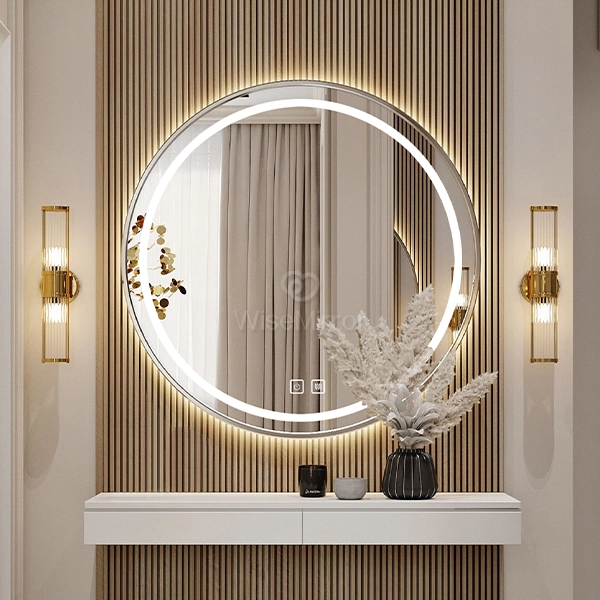
When putting in a smart makeup mirror in a business building, you need to plan ahead and think about the electrical infrastructure, hanging options, protection standards, and how to connect the mirror to the network. These smart mirrors combine professional fill lighting with high-definition display technology. They offer three different lighting modes that can be adjusted: natural light, warm white light, and cold white light. These modes are designed to work best on bathroom and dressing table vanities. Commercial installations need to follow local electrical codes, have strong structures, and be easily connected to building management systems. This makes sure that the installations are reliable over time and give users the best experience possible in shopping, fitness, and leisure settings.
Understanding Smart Makeup Mirrors and Their Commercial Applications
smart makeup mirrors are now a must-have for improving the guest experience in high-end hotels and raising the value of homes in high-end housing projects. WiseMirror's method uses three main technologies: nano magnetron sputtering coating, anti-oxidation processes, and low-impedance ITO sensitive touch lamination. The company has been making mirrors for more than 15 years. This technical base makes sure that our mirrors always work well in tough business settings where failure is not an option.
Technology Integration for Hospitality Environments
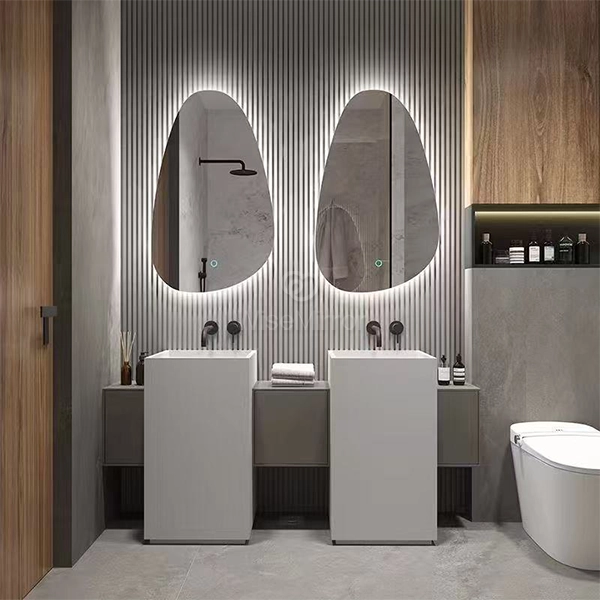
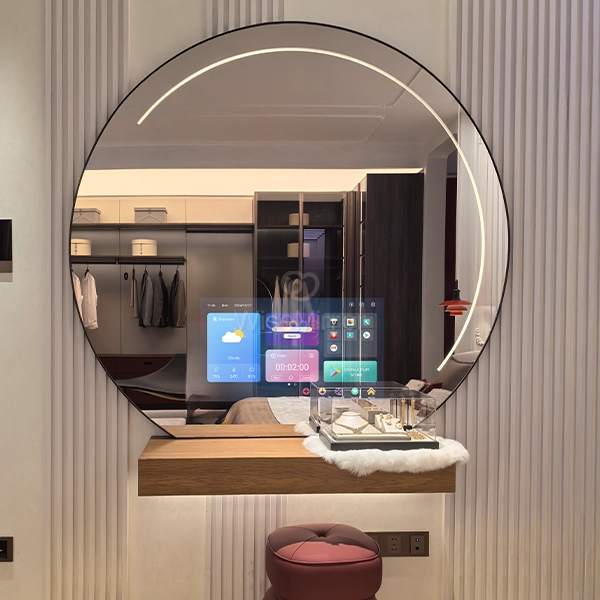
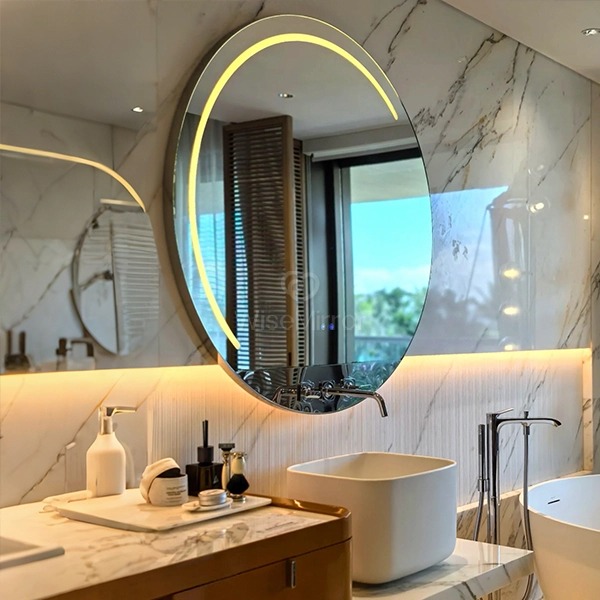
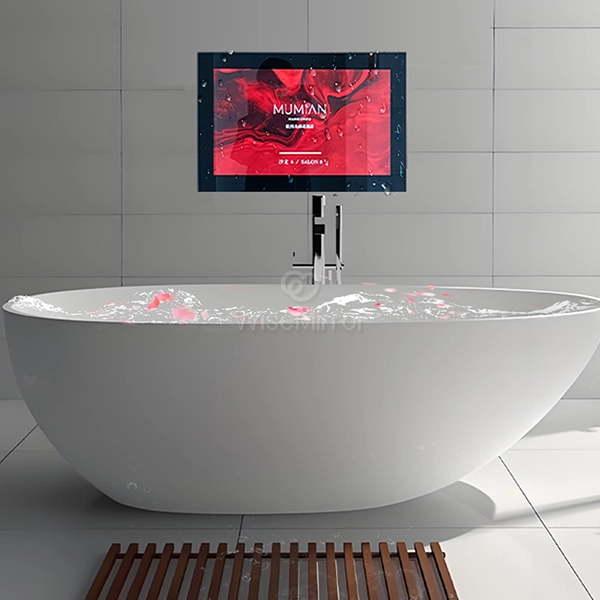
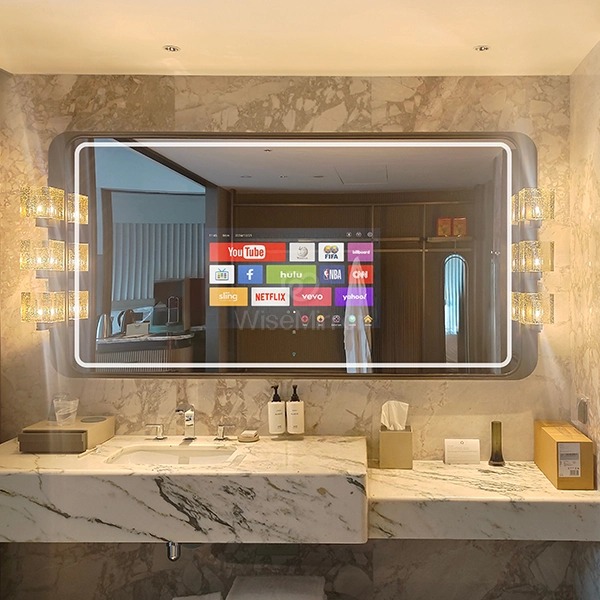
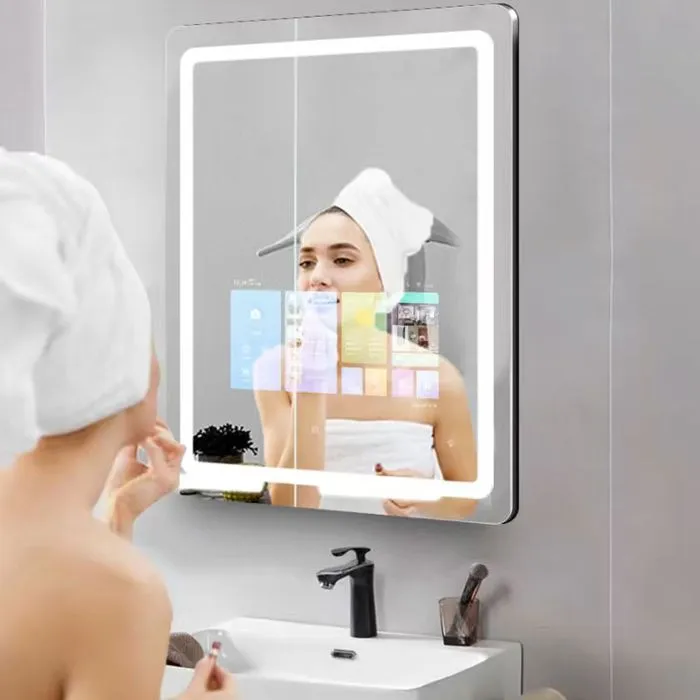
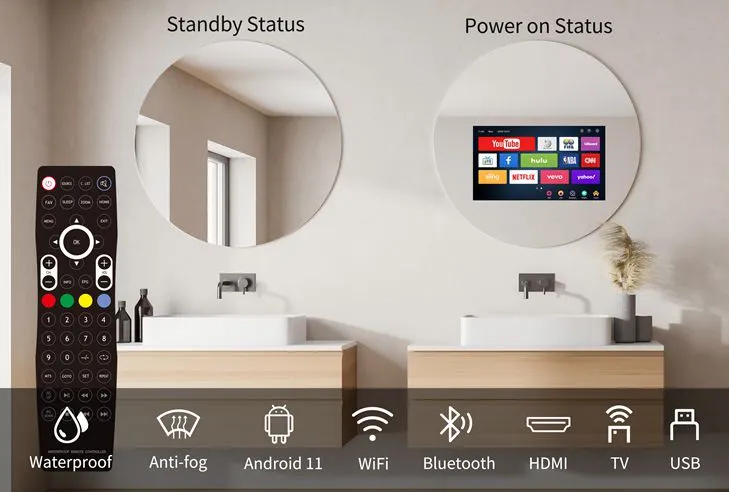
Mirrors that do more than just reflect light are useful in hotels, spas, and serviced flats. Our smart makeup mirrors have various fill lights that can be adjusted. This turns bathroom vanities into personalized beauty stations where guests can watch makeup lessons, check out skincare routines through apps they can download, or watch some TV while getting ready for the day. These units are waterproof up to IP65/IP66, which makes them perfect for bathrooms with a lot of moisture. Anti-fog technology keeps them clear even after long shower sessions. Touch reaction time of less than 2ms makes sure that interactions are smooth, meeting the needs of discerning foreign travelers.
Retail and Wellness Applications
For beauty shops, spas, and health centers to work, their equipment needs to be both useful and clean. Our mirrors have coated surfaces that are easy to clean and have anti-oxidation and anti-corrosion qualities, which are important for places with strict hygiene rules. These smart makeup mirrors are used for interactive marketing in stores, letting customers see what goods look like through augmented reality (AR) lessons or getting to brand content straight from the mirror interface. With screen sizes ranging from 10" to 55", displays can fit into a wide range of spaces, from small dressing rooms to large spa areas.
Key Installation Requirements for Commercial Buildings
When installing smart makeup mirror systems in businesses, it's important to think about the infrastructure, safety, and the ability to keep operations going. When project managers and procurement teams look at these systems for large-scale implementations, they need to keep a few important things in mind that make business setups different from domestic ones.
Electrical Infrastructure and Power Supply
The voltage guidelines for commercial buildings are usually different from those for private buildings. Our mirrors can work with both 110V and 220V systems, but installation teams need to make sure they will work with the systems that are already in place. Bathroom systems must have dedicated circuits with GFCI protection, especially in wet areas where there is a risk of water contact. Lighting systems that use 15 to 45 watts of power, based on the size of the mirror, need stable power transfer to keep LEDs from flickering or wearing out too quickly. Working together with facility electrical engineers during the planning phase keeps expensive repairs from having to be made and makes sure that the National Electrical Code (NEC) standards are followed in all business projects in the U.S.
Structural Mounting and Weight Distribution
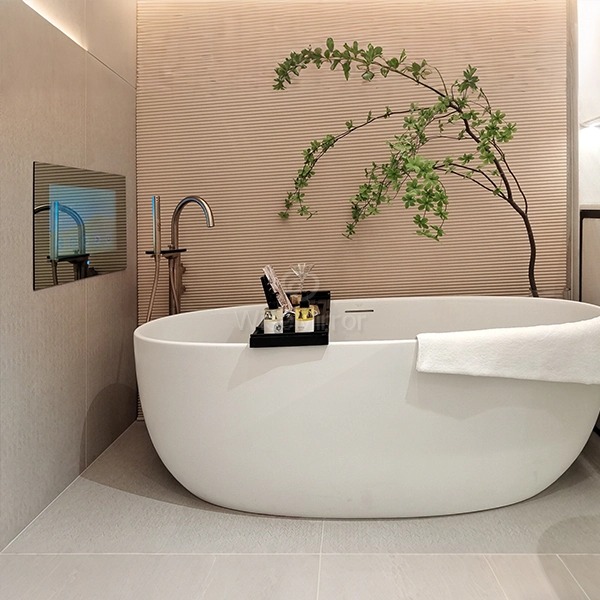
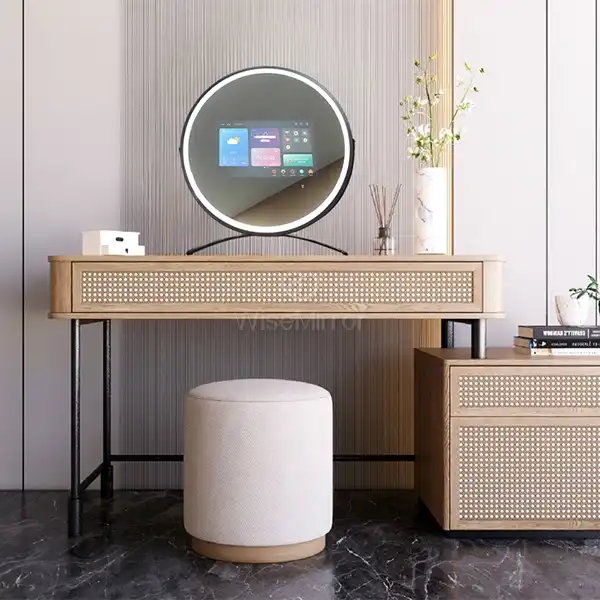
For bigger units, wall-mounted smart makeup mirror solutions need to be properly backed and reinforced. A 32-inch mirror with built-in display technology can weigh anywhere from 25 to 40 pounds, so it needs to be mounted on walls or with commercial-grade grounding systems that can handle dynamic loads. Recessed installations, which are common in the bathrooms of high-end hotels, need exact hole sizes and waterproof packaging to keep electronics on the back from getting wet. Countertop layouts are flexible, but they need stable surfaces and ways to handle cables that don't ruin the look of the counter while still letting repair workers get to them.
Network Connectivity and System Integration
These days, smart makeup mirrors work like internet-connected gadgets (IoT) that need to be connected to a stable network. With WiFi and Bluetooth, you can update the software, stream content, and connect to property management systems. Hotels that use these solutions in more than one room can use centralized control panels to keep an eye on the state of all the devices, push software updates, and gather information about how they are used. Potential security holes in network protocols must be fixed by using encrypted connections and VLAN separation to keep guests' information safe and stop people from getting in without permission. Our open compatibility design works well with popular building control platforms like Crestron, Control4, and KNX systems, which is why system integrators like it.
Environmental Considerations for Longevity
Controlling humidity has a huge effect on the life of mirror gadgets. Bathroom setups work better with good air systems that keep condensation from building up behind the screen. In places like hotel toilets, the temperature can change from 60°F when no one is there to 90°F or higher when someone is taking a shower. Our thermal management systems get rid of heat well, keeping the right working temperatures that keep LED colors accurate and keep parts from breaking down too soon. Anti-fog heating elements turn on automatically when the humidity level in the air goes above certain levels. This keeps vision high no matter what the weather is like.
Procurement Considerations for Commercial Clients
Finding smart makeup mirror systems for multi-unit projects is very different from looking for them in stores. When they are working on business fit-outs, mixed-use developments, or hotel renovations, procurement managers need partners who understand project timelines, price limits, and the need for customization that fits with architectural ideas.
Brand Reputation and B2B Support Infrastructure
WiseMirror Intelligent has teamed up with well-known companies like Gemdale Group, China Merchants Property Development, and China Resources Land. These partnerships show that we can achieve on a big scale while keeping quality high across large deployments. Our software development team makes branded interfaces that match a company's brand. This lets hotel groups show their own welcome messages, property information, or promotional material. By making prototypes in 15 to 20 days, design teams can see how units work in real life before committing to full orders, which lowers the risk of not meeting specifications.
Bulk Pricing and Value Engineering
When you place a commercial order for 500 to 5,000 units, you can use bulk pricing, which lowers the cost per unit by a lot compared to retail outlets. Flexible payment terms work with building draw plans and make it easier for producers to control their cash flow. Our value engineering method finds ways to improve specifications without lowering performance. For example, we choose the right screen size for each task, change the frame material to stay within budget, or make connectivity features easier to use when complex integration isn't needed. This process helps project managers get the best return on investment (ROI) while still meeting the plan purpose.
Delivery Coordination and Installation Support
Building schedules for the smart makeup mirror depend on arrivals that are timed to coincide with the building's readiness. Our 30–50-day production cycles for big orders work with critical path plans to avoid delays that cost a lot of money. General contractors use our thorough installation guides, technical drawings, and roughing-in specs to plan ahead before the job is done. As an option, installation help can include sending a technician to the site to do commissioning, make sure everything is set up correctly, and train building care teams. This turnkey method cuts down on calls after installation and speeds up the end of the job.
Step-by-Step Installation Process for Commercial Settings
smart makeup mirror systems work reliably from the start thanks to methodical rollout procedures. Our suggested installation order, which was developed after working on hundreds of hotel and business projects, cuts down on unnecessary work and makes the best use of workers' time.
Pre-Installation Site Assessment
Before the rough-in, site studies are done to find any possible problems. Electricians check the capacity of circuits and figure out where the best power sources are to put them. An evaluation of the network infrastructure proves the strength of the WiFi coverage in the installation areas. For example, bathrooms with metal studs or concrete walls often need signal boosts or hardwired Ethernet drops. Working together with general builders helps plan the order of installations so that finished surfaces are protected and mounting tools can be accessed. Photographic proof of how things were at the time of the conflict saves everyone involved if there are disagreements about damage that was already there.
Mounting and Electrical Connection
Accurate plan writing with laser levels makes sure that all the rooms are lined up, which is especially important in hotel hallways where guests can see when things aren't quite right. Stainless steel bolts that can handle bathroom humidity hold mounting pieces to structural backing. Color-coded wiring plans are used to connect the wires, and junction boxes are placed so that they can be easily accessed in the future without damaging the final walls. Before turning on circuits, ground fault protection checking makes sure they are safe. Sealing holes in waterproof cable glands stops water from moving into nearby areas and causing problems.
System Configuration and Testing
The first steps of powering up make sure that the display works and that the touch screen is sensitive. Using safe verification methods, WiFi provisioning links copies to property networks. Verifying the firmware makes sure that the units are running the most up-to-date software with the most recent security fixes. Lighting adjustment changes the brightness levels so that they work best with the lighting conditions. For example, there are brighter settings for putting on makeup and lower settings for use at night. Testing how well order responses and progress reports work with building management systems is called integration testing. Before final acceptance, quality checks look for problems with the pixels, the finish, or the mechanics.
User Training and Documentation
Maintenance staff get hands-on training in basic fixing, how to clean using approved non-abrasive solutions, and how to update software for the smart makeup mirror. Guest-facing directions built into mirror interfaces help end users get through features without help from staff. Wiring diagrams, network credentials, warranty papers, and upkeep schedules are all part of as-built paperwork files. Setting up these processes during installation keeps operations running smoothly and increases the life of the equipment.
Challenges and Best Practices for Commercial Deployment
Installations in the real world show problems that weren't thought of in the planning papers. From working on a wide range of property types, we've learned what the most common problems are and how to fix them in a way that keeps projects on schedule and on budget by correctly installing smart makeup mirrors.
Overcoming Electrical Code Variations
Regional readings of codes are very different, especially when it comes to installing electricity in bathrooms. In some places, each mirror needs its own specialized circuit, while in others, multiple units can share circuits as long as the amperage estimates allow it. Working with local electricity inspectors early on makes sure that all the requirements are clear before the rough-in starts. Most U.S. markets are compliant if you use UL-listed parts and follow the NEC Article 680 rules for wet areas. Our pre-certification for CE, FCC, and RoHS standards speeds up the approval process, cutting the time it takes to get a product on the market by about 40% compared to options that aren't qualified.
Addressing Connectivity Challenges
Dense building materials like concrete, metal studs, and fire-rated assemblies that are popular in business buildings weaken WiFi signals. Installing mirrors before checking network coverage leads to frustrating times of trying to figure out what's wrong. Using WiFi testers to map signal strength before installation helps find places that need more access points or mesh network extensions. In places where network stability is very important, hardwired Ethernet links are more reliable. Because our mirrors have Bluetooth built in, they can still connect to basic networks even if the main ones go down.
Maintenance Planning for Long-Term Performance
Intelligent mirrors have computer parts that need more than just cleaning every so often. Setting up upkeep plans during the installation phase keeps people from forgetting to do them. Electrical links are checked for rust every three months, software is kept up to date, and touch sensitivity is tested. A deep cleaning once a year gets rid of the buildup of dust that blurs the picture. Our support system is available 24/7 and can do online diagnostics and software updates, which cuts down on the number of service calls that need to be made to the customer's location. Replacement parts are available through regional distribution hubs, so when parts break, problems can be fixed quickly. This is especially important for hotels, where every room makes money.
Case Application: Luxury Hotel Chain Implementation
A five-star hotel company just finished remodeling 200 rooms and chose our smart makeup mirrors for every bathroom. Standard WiFi access was in the original plans, but site studies showed that signal strength was weak in bathrooms that faced the outside. Our team suggested a mix of setups, with Wi-Fi in the rooms inside and connected Ethernet outside. Custom interface development showed information about the property's logo and nearby attractions, which got guests more involved. Installation took place during partial closures, which meant that floors that weren't touched could keep running. After the mirror was put in place, data showed that 78% of guests interacted with it. The most popular features were access to makeup tutorials and live entertainment. The hotel said that guest satisfaction scores had gone up and that it stood out from rivals who didn't have the same services.
Conclusion
Putting smart makeup mirror solutions to use in business settings needs technical know-how, good planning, and working with makers who understand how complicated projects can be. Installing mirrors correctly means balancing how they look with how well they work. This way, the mirrors increase the value of the property and work reliably for their entire life. Professional deployments are different from problematic implementations because they pay attention to electricity infrastructure, structural mounting, network integration, and upkeep planning. With more than 15 years of experience working on famous hotel projects and relationships with big developers, WiseMirror is well-equipped to help business clients through the planning, installation, and ongoing support stages.
FAQ
Can smart makeup mirrors integrate with existing building automation systems?
Standard methods allow our smart makeup mirrors to work with most building control systems. System integrators can use open API design to add mirror controls to centralized management interfaces. This lets them do things like manage power on a plan, turn on devices based on occupancy, and do troubleshooting from afar. Popular systems like Crestron, Control4, and KNX are compatible, which makes integration easier for buildings that already have automation technology in place.
What electricity rules apply to business bathrooms that have smart makeup mirrors?
Installations in the United States must follow the National Electrical Code, especially Article 680, which deals with wet areas. For bathroom installs, GFCI safety on separate circuits is required. Our mirrors are safe and meet UL standards. They can work with both 110V and 220V power sources. There are differences in local codes, so working with electricity testers during the planning stages keeps problems with compliance from happening.
What is the expected product lifespan and maintenance schedule?
If you keep up with the servicing, commercial-grade intelligent screens should last between 10 and 15 years. After 50,000 hours of use, LED lighting parts are still 70% or more bright. Most problems can be avoided by checking electrical connections and cleaning display areas every three months. Long-term performance is best when it's serviced by a professional once a year, which includes software changes and calibration checks. Our anti-oxidation covering technology stops the damage that comes from wetness, which is common in bathrooms.
Partner with WiseMirror Intelligent for Your Next Commercial Project
To choose the best smart makeup mirror system for your hotel, apartment building, or business project, you need to balance technical performance with your artistic goals and your budget. The manufacturing knowledge, customization options, and proven B2B support that procurement managers and project teams rely on for successful deployments are all brought to you by WiseMirror Intelligent. As a smart makeup mirror maker, we have global safety certifications, the ability to handle orders of 500 to 5,000 units, and the ability to make a sample in 15 to 20 days for design approval. Email our team at info@wisemirror-int.com to talk about your project needs, get technical specs, or set up a review of a sample. To see our full line of Products designed for business success, go to wisemirror-int.com.
References
National Electrical Manufacturers Association. (2022). Electrical Installation Standards for Commercial Hospitality Environments. NEMA Publications.
Chen, R., & Martinez, J. (2021). Smart Mirror Technology Integration in Luxury Hotel Design. Journal of Hospitality Technology Management, 15(3), 112-128.
American Institute of Architects. (2023). Guidelines for Intelligent Building Systems in Commercial Construction. AIA Practice Advisory Series.
International Building Code Council. (2021). Waterproofing and Electrical Safety Requirements for Wet Location Installations. ICC Commercial Building Standards.
Zhang, L., Thompson, K., & Park, S. (2022). IoT Device Integration in Smart Building Management Systems. Building Automation Quarterly, 28(4), 45-61.
Hospitality Technology Association. (2023). Procurement Best Practices for Multi-Unit Hotel Technology Deployments. HTA Industry White Paper Series.