
Smart Mirrors for High-End Hair and Beauty Studios
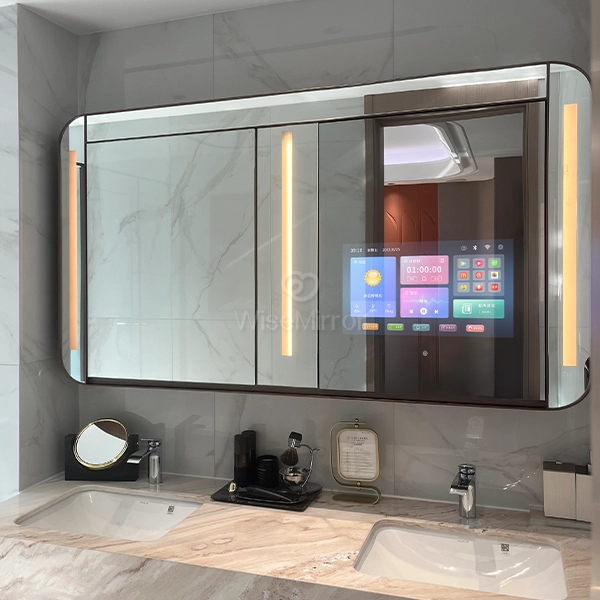
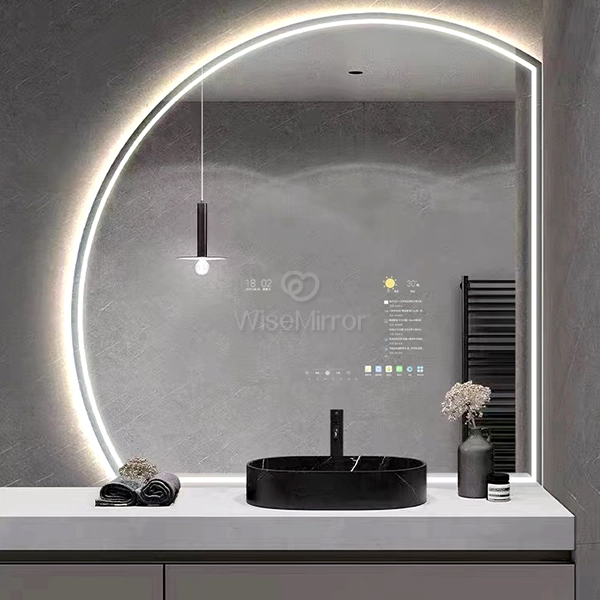
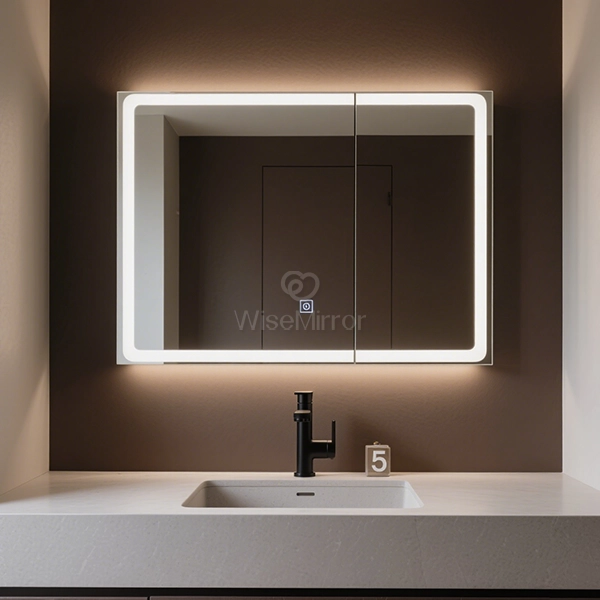
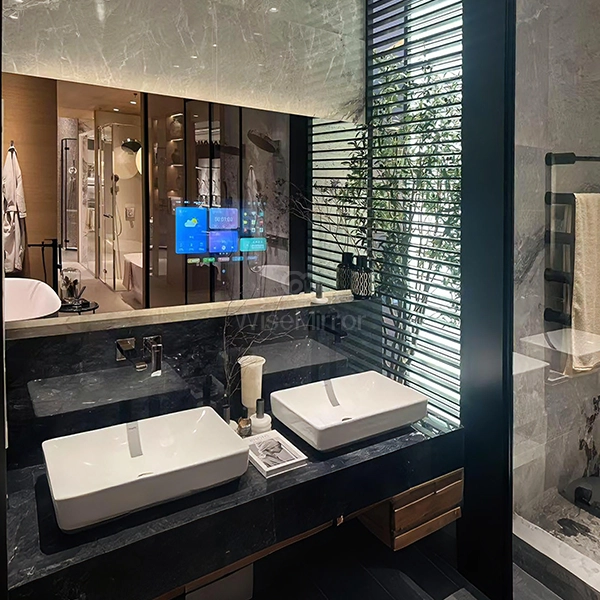
The beauty salon smart mirror is a game-changing piece of technology that is changing how high-end salons provide personalized services. Some of the smart features in these devices are AI-powered diagnosis, augmented reality styling samples, and interactive multimedia features that make waiting fun. More and more high-end hair and beauty salons are realizing that using beauty salon smart mirror technology gives them a competitive edge by making customers happier, improving brand placement, and speeding up operations during long services like perms and coloring treatments.
Understanding Beauty Salon Smart Mirrors: Features and Benefits
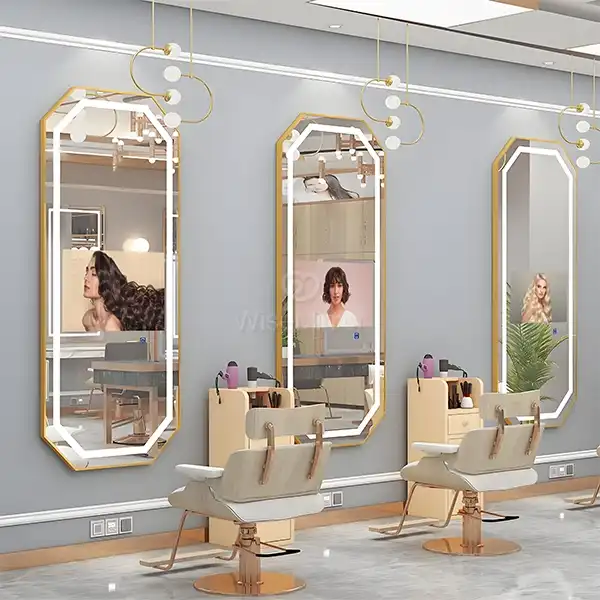
Beauty salon smart mirrors made for professional salons today have both advanced hardware and smart software designs. Commercial salon mirrors, unlike consumer-grade goods, have to stand up to heavy daily use and keep working well during long business hours.
Core Technologies Driving Salon Innovation
Professional beauty salon smart mirrors have advanced touch screens that respond in less than 1 millisecond. They use low-impedance ITO capacitive technology to make sure accuracy even in damp places. The display systems have high-transmittance glass that keeps the true colors, which is important for matching hair colors correctly during consultations and applications. Nano magnetron sputtering coating technology stops rust and corrosion, which makes mirrors last longer in salons with lots of chemicals, where regular mirrors break down quickly.
Entertainment Integration That Transforms Client Experience
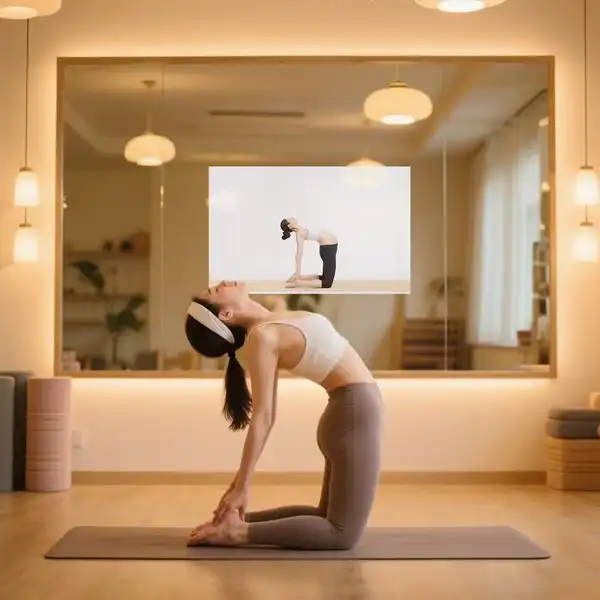
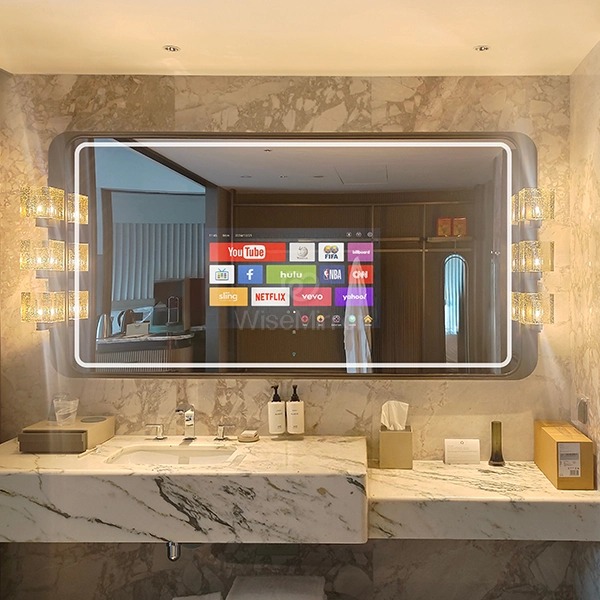
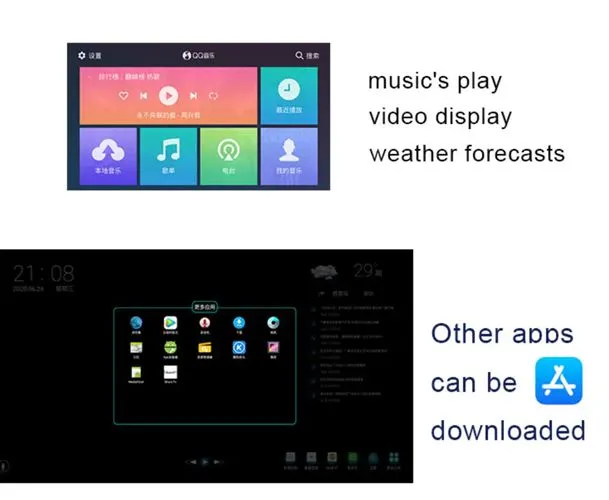
Long grooming services, like perms that take 45 minutes, color processes that need to be processed every hour, or complicated braiding work, used to leave clients with few ways to pass the time. Beauty salon smart mirrors get rid of this awkward silence by letting you view multimedia content whenever you want. Customers can receive music through Bluetooth or online platforms, choosing their own sets based on their mood. Having this entertainment feature solves a real problem in salons: how to keep clients happy and interested during time-consuming chemical processes where they can't move around?
Diagnostic Capabilities for Personalized Consultations
AI-powered skin research tools look at the state of your face to find out how much water is in it, if you have any color problems, and if your skin has any texture problems. During meetings, stylists use these objective evaluations to show skill, which helps clients trust them. AR makeup try-on features let customers see how different looks will look on them before they agree to services. This keeps everyone happy and avoids misunderstandings. Support for multiple languages makes it easier for foreign customers to use, which is especially helpful for hairdressers in high-end hotels or cities with lots of different kinds of people.
These technological advances all help with the procurement goals for hotel projects and business real estate developments that want to make their amenities stand out. By adding beauty salon smart mirrors to spas and salons in high-end apartment buildings, property owners can get marketing benefits that support charging higher prices.
Comparing Smart Mirrors and Traditional Mirrors for Salons
Traditional salon mirrors can be used for basic reflection, but they can't be used to connect with other people or meet the needs of modern clients whose expectations have been shaped by the widespread use of smartphones. Because traditional mirrors are static, businesses miss out on income possibilities and can't offer different services. Beauty salon smart mirrors provide the interactivity required to stay competitive.
Operational Limitations of Conventional Mirrors
Standard mirrors don't offer any fun during services, any diagnostic tools for talks, or a place to show off goods or show how to do something. When clients are in appointments, salons that only use standard mirrors can't show ads, training videos, or before-and-after pictures. Compared to rivals who are using new technology, this setting feels more and more out of date.
Quantifiable Advantages of Smart Mirror Technology
Interactive screens let hairdressers show off product lines right during services, which naturally leads to upselling when customers look at haircare suggestions on the screen. Different services need different lighting, such as bright, color-accurate light for precise cuts and softer tones for rest during treatments. Beauty salon smart mirrors gather data about popular services, busy appointment times, and customer tastes that helps businesses make choices.
Durability Considerations for Commercial Deployment
Commercial beauty salon smart mirrors made for salons have IP65 waterproof ratings, which protect the electronics inside from splashes and wetness that come from hair washing stations and treatment areas. Nano anti-fog coatings keep your vision clear even when hot water and shaping tools steam up your hair. Scratch-resistant surfaces can handle being hit by style tools by mistake. These features make the equipment last longer, which is very important in hotel spas and business centers with a lot of foot traffic where it gets used a lot every day.
When procurement teams look at choices for installing bathrooms in high-end hotels or homes, they put long-term dependability ahead of initial cost saves. Commercially durable beauty salon smart mirrors lower the cost of upkeep and the number of times they need to be replaced, giving you a better total cost of ownership over a longer period of time.
How to Choose the Best Smart Mirror for Your Beauty Studio (Procurement Guide)?
To choose the right beauty salon smart mirror technology, you need to carefully look at the technical specs, the vendor's skills, and how well they fit with your business needs. Property developers, hotel buying managers, and spa owners all look at this choice from different points of view, but they all worry about how reliable and flexible the options are.
Technical Specifications That Matter
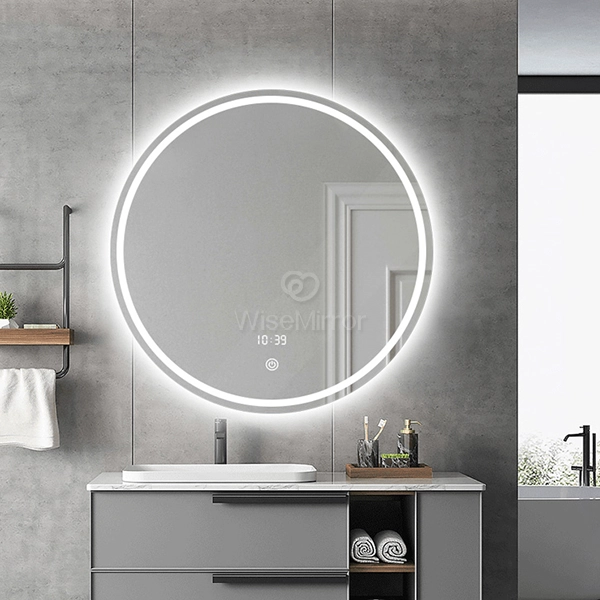
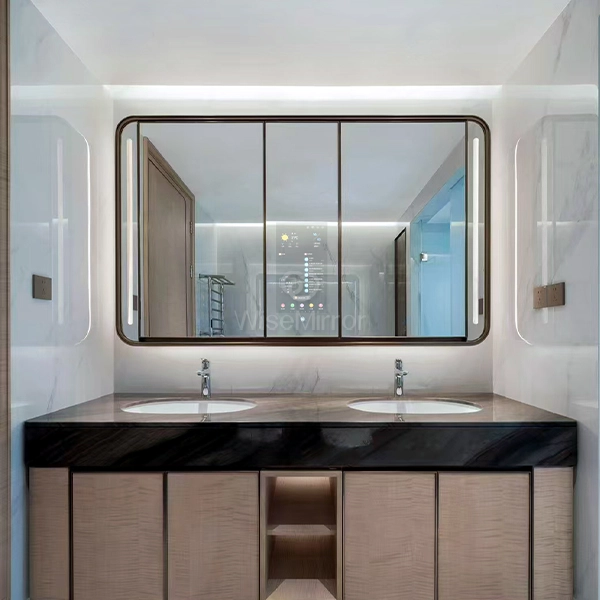
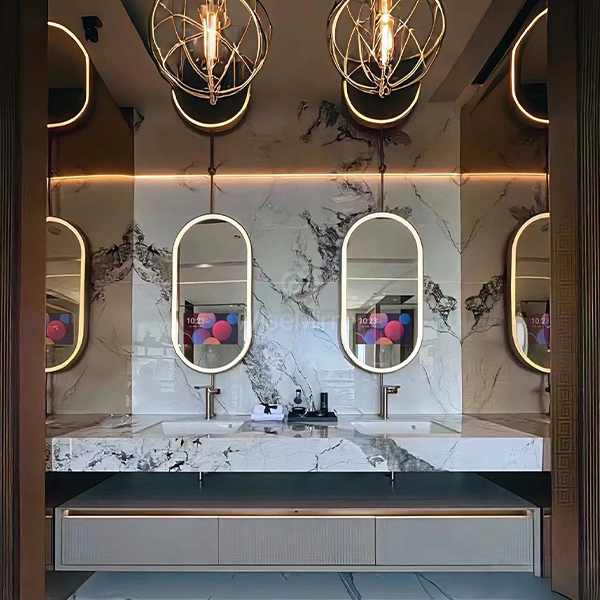
Touch response time has a direct effect on how the user feels—slow interfaces are annoying for both clients and staff. Professional-grade mirrors have reaction times that are less than one millisecond and feel like they happen right away. Display density changes both how clear a mirror is and how well information is shown. Ultra-HD screens keep true colors, which is important for hair color consults. Frame choices should go with the style of the room, and finishes like brushed gold or black chrome should be able to be changed to fit the high-end look.
System Integration and Customization Requirements
Hotels and salon groups can brand the user experience with their own logos, color schemes, and service choices using white-label customization. This helps them keep their brand identity consistent. Being able to work with current salon management systems lets you sync appointments and see client information. Operators with multiple locations need centralized content management so that marketing materials and software changes can be sent to all sites at the same time. Open system design lets you use third-party apps together, so you don't have to stick with one source.
Supplier Evaluation Criteria
For large-scale operations, the track record of the vendor for beauty salon smart mirror is very important. Suppliers who have worked on luxury hotel projects before know what certifications are needed, how to ship items, and how to coordinate installation for orders that include more than one unit. The warranty should last at least two years and cover all parts clearly. It should also include online troubleshooting help. Having access to specialized project managers makes it easier to coordinate during the planning, buying, and installation stages. Quick technical help is very important when problems happen during busy times, when broken equipment has a direct effect on income.
Pricing Structures and Volume Advantages
The price of a beauty salon smart mirror changes a lot depending on the screen size, features, and level of customizing. Cheap models start in the mid-four figures for buyers who want to stick to a budget, while high-end setups with advanced AI features and bigger screens cost more. For hotel projects with multiple units or spa chain rollouts, volume savings become important, often lowering costs per unit by double-digit percentages. Large projects are easier to handle cash flow for when payment terms are longer and output can be spread out over time.
Getting sellers involved early in the planning process is helpful for procurement teams that are in charge of renovating hotels or building new homes. This way of working together makes sure that the mirror's size, power needs, and fitting instructions fit perfectly with the building plans, so changes that are needed during construction don't have to be made, which can be expensive.
Installation, Integration, and Best Practices for Using Beauty Salon Smart Mirrors
A successful beauty salon smart mirror rollout includes more than just buying the equipment. It also includes setting up the software, teaching staff, and following regular maintenance procedures. Paying attention to these execution details will decide whether installations give the expected results.
Site Preparation and Physical Installation
The electrical system needs to be able to handle the power needs of mirrors and data connections for features that can connect to a network. Mounting locations should leave enough space for touchscreen input and place screens so that sitting clients can see them comfortably. When salons put mirrors near water sources, they need to have professionals seal the links to keep the mirrors waterproof. Installation teams that have worked in commercial salons before can set up quickly and with little impact on business.
Software Configuration and Content Management
Setting up the program for the first time includes making an account, setting up the network, and creating a content library. Before installation, salons should make unique graphics, advertising videos, and service menus so that they can be changed right away. Interface elements and educational material need to be translated in places where more than one language is spoken. Adding scheduling systems requires setting up APIs or data import methods, which are best done with the help of provider technical support.
Staff Training and Client Engagement Protocols
Stylists and salon staff need hands-on training that covers basic operation, fixing common problems, and getting clients to interact with screen features. The staff is well-trained and can easily show clients how to use the AR try-on features during meetings and help them choose from a variety of entertainment options during services. This human part turns technology into useful tools for engaging clients. Staff members stay skilled by getting regular training on new features or material changes.
Maintenance and Longevity Best Practices
Cleaning the beauty salon smart mirror regularly with the right non-abrasive methods keeps it clear and sensitive to touch. Updates for software fix security holes and add new, better features on a regular basis. Technical problems can be found before they affect customers' experiences by keeping an eye on usage data. Setting up upkeep schedules with vendors makes sure that work is done before problems happen, rather than after they happen. These actions make tools last longer and protect the initial investment.
Hotel engineering teams like it when suppliers offer full installation support and maintenance partnerships. This is especially true for properties that are in charge of multiple salons and spas on different resort sites. Centralized seller ties make buying things easier and make sure that the quality of the service is always the same.
Future Trends and Innovations in Smart Mirror Technology for Salons
The direction of beauty salon smart mirror development goes toward AI powers that are more complex, energy efficiency that is higher, and greater integration with larger salon management ecosystems. These new trends are taken into account by buying plans that look to the future.
Advanced AI and Personalization
Next-generation systems will look at what services clients want based on seasonal trends, past happiness scores, and predictions of style tastes. They will do this across visits. Better face recognition lets profiles load automatically when regular clients stand in front of mirrors, which speeds up meetings. Voice control will get smarter, going beyond simple orders and letting people use normal language. This will let people ask for music, change the lighting, or talk about Products.
Sustainability and Energy Efficiency
Demand for screens that use a lot less power than first-generation models is driven by concern for the environment. Optimizations for LED backlighting cut energy use in half compared to older technologies. This makes them appealing to hotels that want to get green building certifications and spas that want to keep their costs down. Mirrors made of eco-friendly materials are in line with larger sustainability efforts that are favored by high-end hotel chains and people who care about the environment.
Customization and OEM Opportunities
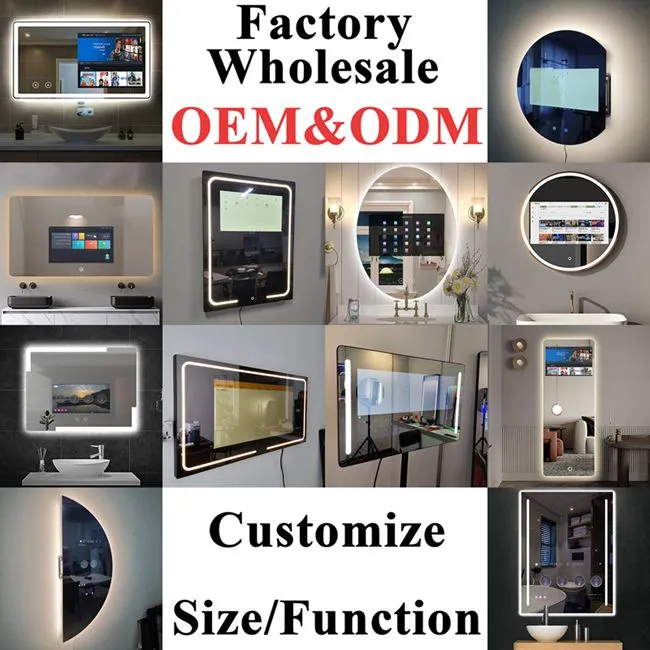
When manufacturers offer white-label and OEM partnerships, distributors and big buyers can make their own solutions that are specifically designed for certain market groups. Hotel groups can make their spa experiences stand out by requesting specific feature sets, branding elements, and integration needs. Real estate developers who market their homes as "smart home showcases" use personalized mirror technology to show off the smart building features in a real way. Because of their rarity and close connection with brand positioning strategies, these relationships give companies a competitive edge.
Strategic buyers recognize that investing in adaptable, future-ready beauty salon smart mirror platforms protects against becoming obsolete. Platforms that allow over-the-air updates and flexible hardware improvements keep the value of an investment even as technology changes.
Conclusion
As of late, beauty salon smart mirror technology has gone from being a novelty to an important part of high-end salons, hotel spas, and home projects. The beauty salon smart mirror resolves specific operating issues that come up in professional hairstyling settings, such as lengthy service times, the need to keep clients interested, and the need for accurate consultations. When buying these systems, people in charge of procurement should look at more than just the technical specs. They should also look at how durable they are, how customizable they are, and how well the vendors support their systems. Integration of fun, troubleshooting, and brand presentation features in installations improves customer happiness and operating efficiency in a measured way. Beauty salon smart mirror technology keeps getting better at AI personalization and running on renewable energy. Early users put their homes and businesses at the forefront of providing luxury services.
FAQ
How do beauty salon smart mirrors help a hairdresser make more money?
Smart screens make money in more ways than one besides their main purpose. During services, mirrors show material like product suggestions and tutorials that encourage people to buy things. Clients are more comfortable during long chemistry processes when there are entertainment features, which means fewer cancellations of appointments. Diagnostic tools improve the quality of consultations, which builds trust and makes it easier for people to use services and keep clients.
What makes commercial-grade smart screens different from consumer-grade ones?
Commercial beauty salon smart mirrors have surfaces that are immune to chemicals, are waterproof, and have touch screens that are made to work every day for years. Consumer mirrors don't have the sturdiness standards that are needed in salons that are humid and full of chemicals. Professional models support white-label customization and system interaction needs that are necessary for businesses with more than one site.
What kind of connections do smart screens have with the systems that run hotels?
Beauty salon smart mirrors can sync data with hotel management platforms through API links. This lets spa appointment dates, guest preferences, and service records show up instantly. This connection makes check-in faster and more familiar for guests, so they don't have to enter their information by hand.
What privacy safeguards are in place for client data that is gathered by smart mirrors?
Manufacturers with a good reputation send data encrypted, offer local storage choices that don't rely on the cloud, and follow data security laws like GDPR. Salon owners should check the privacy policies of their vendors and set up their systems so that they get clear permission from clients before collecting personal information.
Partner with WiseMirror Intelligent for Your Salon Technology Upgrade
WiseMirror Intelligent has all the options that high-end salon owners, hotel procurement teams, and real estate developers looking for dependable beauty salon smart mirror vendors need. Our manufacturing plant in Shenzhen makes commercial-grade smart screens that are designed to work in tough industrial settings. Our team has worked in this field for more than 15 years and offers unique solutions using our own nano magnetron sputtering coating technology and low-impedance ITO touch systems. We offer white-label customization, two-year warranties, and specialized project management for high-end home developments, business salon setups, and luxury hotel projects all over the world. For your next project, please email our procurement experts at info@wisemirror-int.com to talk about volume prices, technical specs, and installation support. See how clever mirror technology can change how you interact with your clients and help your brand stand out in competitive luxury markets.
References
Chen, L., & Martinez, R. (2023). Smart Mirror Technology in Hospitality and Wellness Environments: Applications and Market Analysis. International Journal of Hospitality Technology, 12(4), 287-305.
Thompson, S. K. (2024). Digital Transformation in Luxury Salon Operations: Client Engagement Technologies and Revenue Impact. Beauty Industry Research Quarterly, 18(1), 45-62.
Anderson, P., & Liu, W. (2023). Procurement Guidelines for Commercial Display Technologies in High-End Hospitality Projects. Architectural Technology and Design, 29(3), 112-128.
Roberts, E. M. (2024). AI-Driven Personalization in Beauty and Wellness Services: Consumer Expectations and Technology Adoption. Journal of Service Innovation, 7(2), 198-215.
Wilson, J., & Kumar, A. (2023). Sustainable Building Technologies for Luxury Hotels: Energy Efficiency and Guest Experience Integration. Hospitality Engineering Review, 31(4), 334-349.
Davis, H. T. (2024). Commercial Smart Mirror Market Trends: Manufacturing Innovations and B2B Procurement Strategies. Global Electronics and IoT Quarterly, 15(1), 78-94.