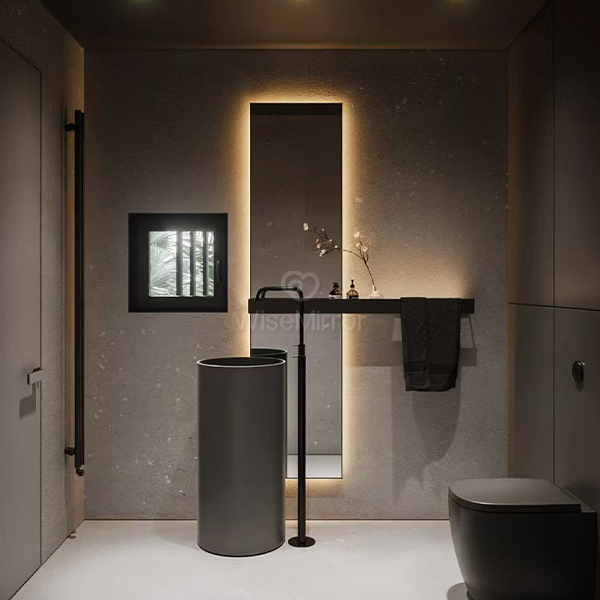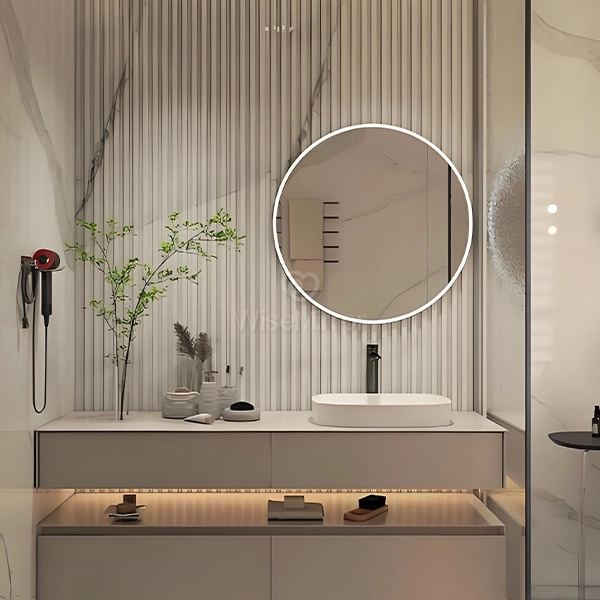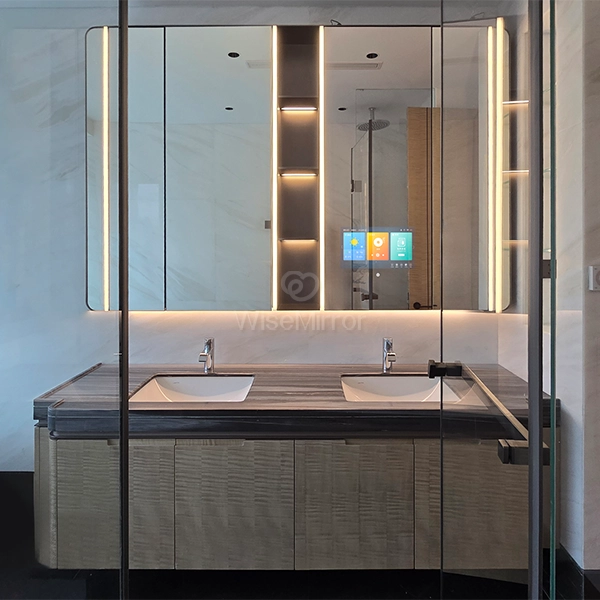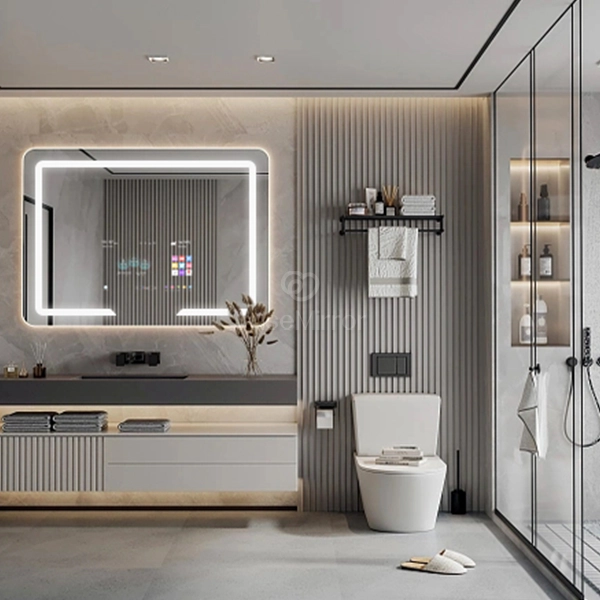

Smart Makeup Mirror Trends in Luxury Dressing Rooms
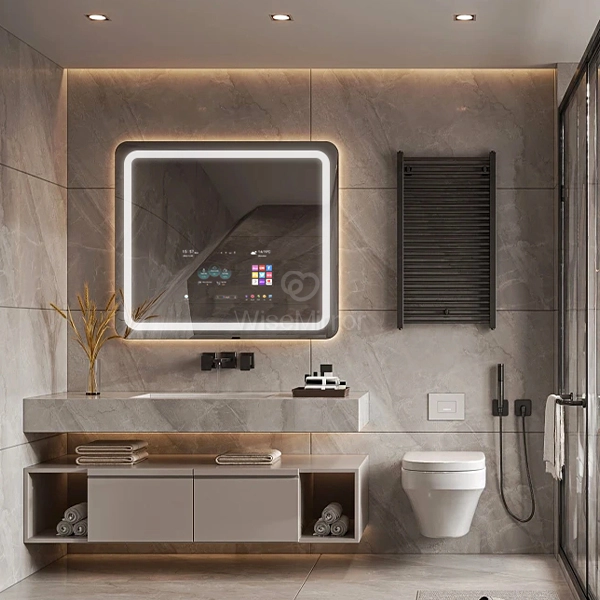
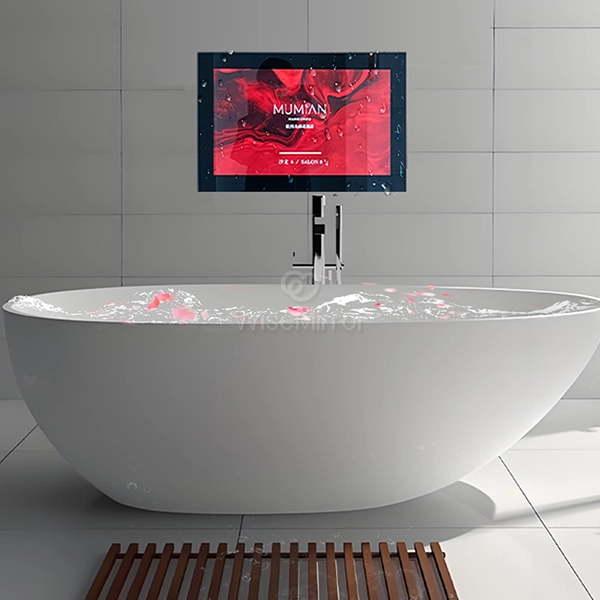
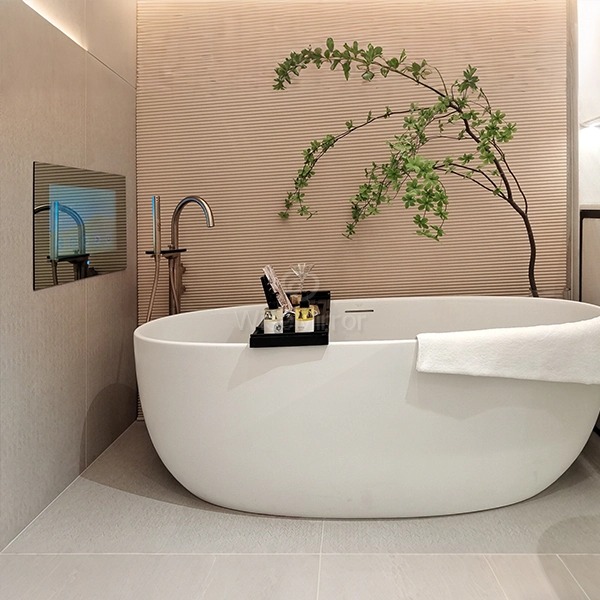
The smart makeup mirror has become an important part of high-end business and luxury hotel rooms, changing how guests feel and how much a property is worth. These high-tech mirrors have touchscreens, changeable LED lighting systems, and Internet of Things (IoT) connection to give high-end dressing rooms precise lighting, entertainment access, and personalized beauty advice. Intelligent vanity mirrors are no longer extras that can be found in boutique health centers or five-star hotel rooms. They are now strategic investments that help brands stand out, make operations more efficient, and meet rising standards for high-end spaces that are driven by technology.
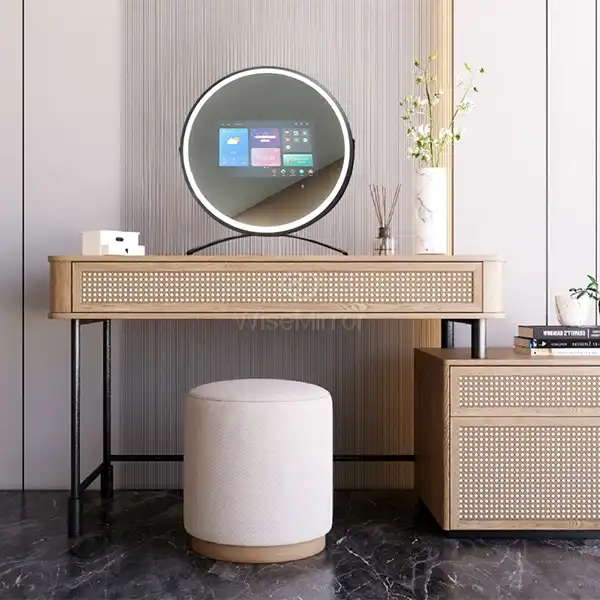
Understanding Smart Makeup Mirrors in Luxury Settings
Advanced Technology Meets Elegant Design
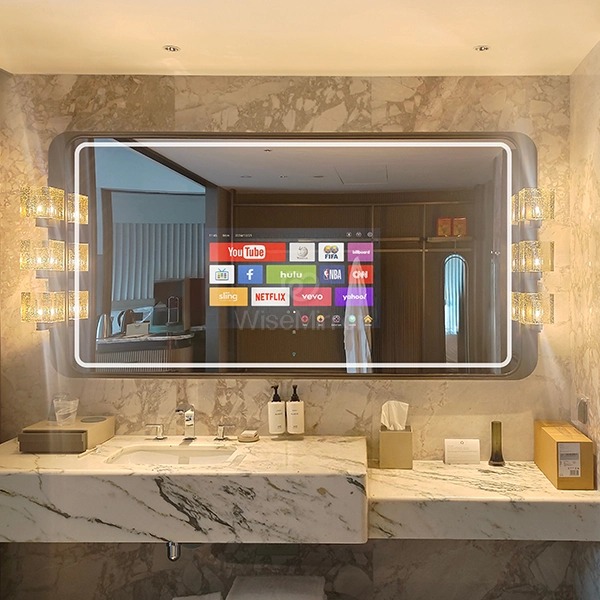
Using nano magnetron sputtering coating technology, smart makeup mirror solutions combine high-definition display screens with mirror surfaces. This makes smooth interfaces that keep the clarity of reflections while allowing digital functions. These devices have several fill light types that can be adjusted. These include natural light, warm white light, and cold white light. This lets users apply makeup in a variety of settings. Using low-impedance ITO capacitive touch lamination technology makes sure that reaction times are less than 2ms. This makes it easy to move between beauty apps, skincare lessons, and entertainment content without affecting the mirror's main purpose of reflecting light.
Differentiating Features for Hospitality Projects
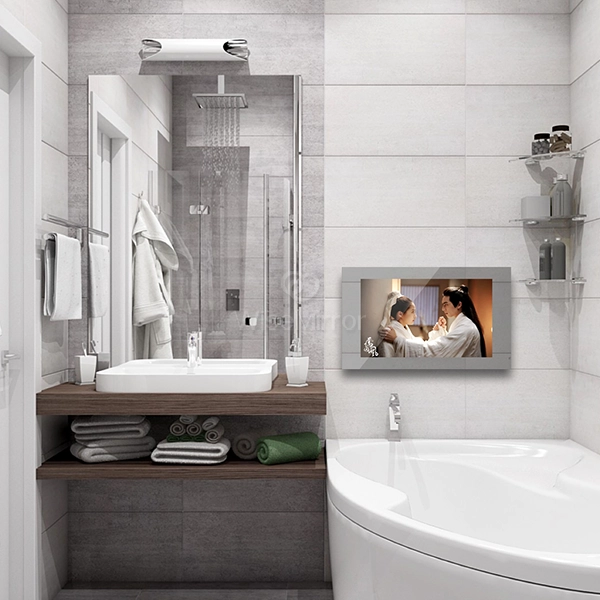
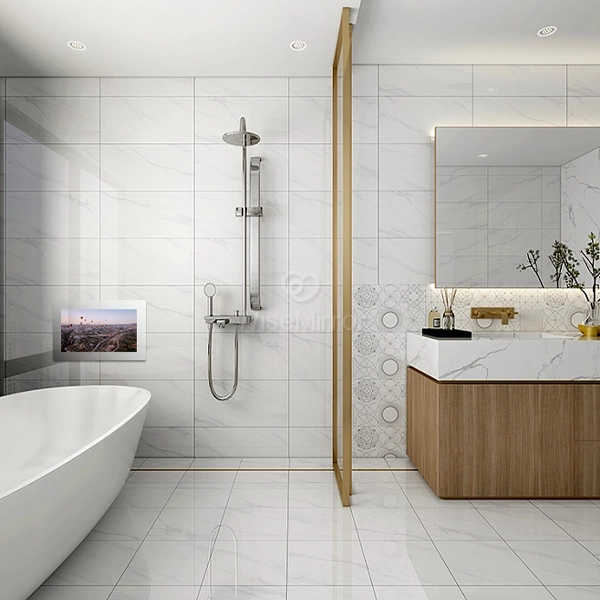
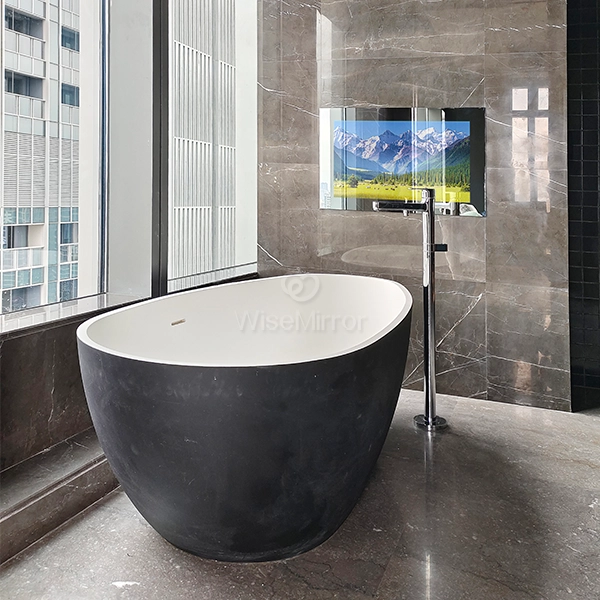
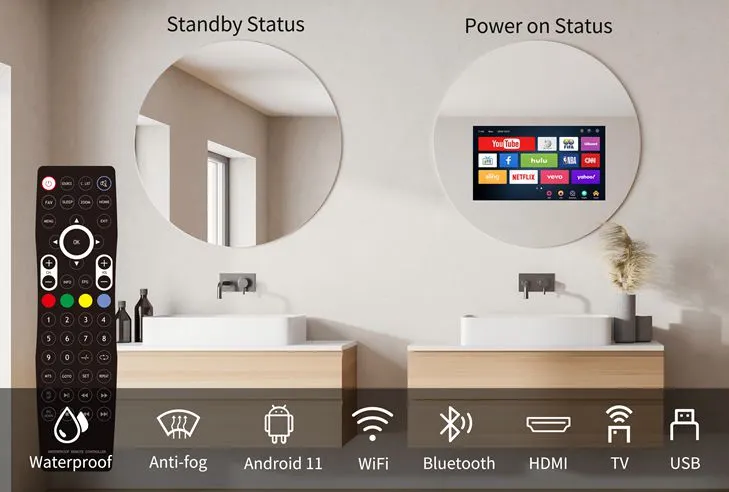
When looking at vanity mirror systems, the buying teams at high-end hotels put certain technology features at the top of their lists. Anti-fog technology and waterproof grades of IP65/IP66 make sure that the device will work reliably in bathrooms with a lot of moisture. Guests can stream music, watch video lessons, or handle room automation systems straight from the mirror interface thanks to Bluetooth and Wi-Fi. Display sizes from 10 to 55 inches can be used in a variety of settings, from small bathrooms in boutique hotels to large master bedrooms in apartment buildings. Anti-oxidation and anti-corrosion treatments on the surface of goods make them last longer in seaside resorts where salt air speeds up the breakdown of materials.
Enhancing Precision and User Experience
The professional fill light systems built into these mirrors solve a major problem in high-end hotels: guests are irritated by inconsistent bathroom lighting while they're getting ready. Color temperature settings that can be changed (usually between 3000K and 6500K) make the screen look like daylight, which makes it easier to apply makeup and check your skin. Voice control systems like Alexa and Google Assistant let people use their devices without using their hands while they put on makeup or hair Products. Real-time skin tone simulations look at your skin tone and suggest product shades. This turns normal dressing rooms into engaging beauty advice areas that are on par with cosmetic counters in department stores.
Emerging Trends Shaping the Smart Makeup Mirror Market
AI-Powered Skincare Analysis and Personalization
The newest smart makeup mirror systems have built-in cameras and sensors that use AI to look at your skin's color patterns, hydration levels, and pore exposure. Wellness resort owners and medical spas that want to give data-driven skin consultations will especially like these features. In the healthcare and fitness industries, purchasing managers now look at mirrors based on how easy they are to update and how they can use machine learning to make diagnoses more accurate over time. With this technology, facilities can set up grooming areas as health tracking stations, which is more useful for patients than just providing nice services.
IoT Integration and Central Management Systems
Commercial property owners want smart makeup mirror screens that work with automation tools that control the whole building more and more. Protocols like DMX and DALI can be used with modern units to make them work with property management systems. This lets you handle lighting schedules, content distribution, and energy tracking across multiple units from one place. This feature is very important for hotel chains that want to make the guest experience the same across all of their properties and for smart home projects that want to show off their high-tech skills to potential buyers. Remote firmware updates and cloud-based data tools let facility managers keep an eye on how well devices are working, guess when they will need repair, and add new features without having to send a worker to the site.
Sustainable Manufacturing and Energy Efficiency
During bid reviews, procurement teams at large hospitality groups now ask sellers to show proof of environmental approvals and energy use data. As a result, major makers have put in place LED lighting systems that use 40–60% less power than standard vanity lighting and produce better colors (CRI >90). Transparency in the supply chain about conflict-free materials and carbon-neutral shipping choices has become a way for big hotel development projects to stand out from the competition. These environmental credentials have a direct effect on business buildings' LEED certification scores and are in line with the kind of corporate responsibility promises that investors and brand partners are looking more closely at.
How to Choose the Best Smart Makeup Mirror for B2B Procurement?
Evaluating Procurement Scenarios and Requirements
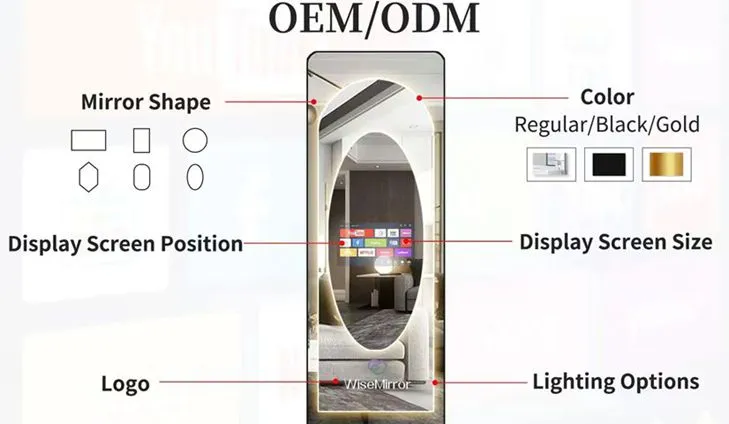
Selection factors are very different depending on the application. High-end stores put a lot of value on aesthetic customization choices, like frame styles in brushed metal, matte textures, or sustainable wood that match the store's brand. For luxury hotel projects, longevity is very important. They look for devices that can work for 50,000 hours or more and come with warranties that cover sites at sea level or high up in the mountains. OEM partners for smart home systems for homes need open API design so that the systems can work with automation tools from other companies. Procurement managers should match technical requirements with specific use cases. For example, enclosures that are IP66-rated are needed for installations in bathrooms, while larger screens and better sound systems may be more important for uses in changing rooms.
Key Technological Capabilities Assessment
When considering smart makeup mirrors for business use, you should look at four main areas of technology:
Lighting Technology: Check out more than just basic LED integration. Check out the color temperature range, lifetime ratings, and changeable lumen output (usually between 800 and 3000 lumens). Circadian rhythm programming in mirrors changes the color warmth naturally throughout the day, making guests more comfortable in long-stay homes.
Interface Compatibility: Make sure it works with major voice assistants, supports both iOS and Android app platforms, and lets you add your own hotel apps for things like room settings or concierge services. Systems that give developers access to SDKs let them make unique interfaces that strengthen the identity of a property.
Durability Engineering: Look at more than just basic waterproof ratings. For example, look at salt spray test results (ASTM B117 standards), impact resistance certifications, and data on how well the product performs under heat cycles. Properties in harsh areas need devices that have been tested and shown to work reliably in temperatures ranging from -10°C to 50°C.
After-Sales Infrastructure: Look at how quickly makers respond to technical support requests, how easy it is to get extra parts in the area where you do business, and how the guarantee covers both part replacement and full unit replacement. For projects with 100 or more units, you should make sure that the deal includes on-site commissioning help and staff training.
Comparing Leading 2026 Solutions
Consumer-grade screens that have been modified for business use and custom-built B2B systems for smart makeup mirror are two different types of products on the market right now. Custom-made options usually have longer-lasting touch sensors (rated for 10 million or more touches), commercial-grade display screens made to work 24 hours a day, seven days a week, and a modular component architecture that makes fixes easier in the field. WiseMirror Intelligent is a leader in this field; they've been specializing in hospitality applications for over 15 years and offer devices that are already CE, FCC, and RoHS compliant in over 120 countries. Their nano magnetron sputtering coating process stops oxidation in damp places, which is a big plus compared to consumer goods that are used in hotels and then fail due to wetness within 18 to 24 months, which is when guarantee claims usually come in.
Maximizing ROI with Smart Makeup Mirrors in Luxury Dressing Rooms
Enhancing Guest Engagement and Operational Efficiency
Installing a smart makeup mirror makes measured returns in a number of ways. Guest happiness always goes up when a property has a grooming area with modern technology. For example, after-stay polls show that properties with standard fixtures get 23–31% lower rates for bathroom services. Being able to access entertainment material during morning routines makes people stay in rooms longer on average, which could make the lobby less crowded during check-out times. Properties with mirrors that let you see makeup tutorials and skincare tips say that more spa service bookings have come in because guests are finding treatments that address skin problems found by AI analysis features.
Reducing Staffing Requirements and Maintenance Costs
Modern screens with built-in virtual concierge functions cut down on questions from the front desk staff about beauty services, makeup methods, or product suggestions in the area. Adding anti-fog heating elements gets rid of guests' repeated complaints about mirror condensation, which lowers the number of times cleaning has to be called back. By finding strange condensation patterns, energy tracking lets building managers find bathroom air systems that aren't working right, saving a lot of money on expensive mold removal projects. When properties install centrally controlled systems, they report 18–25% fewer electrical repair calls. This is because failing parts can be found remotely, before they affect guests.
Data-Driven Insights for Property Management
Commercial-grade smart mirrors with analytics platforms give guests' tastes and behavior trends through anonymous usage data. Hotel managers find out when different lighting modes are most popular. This helps them make decisions about how much electricity bathrooms will need in future building projects. Retail settings look at which beauty lesson topics get the most attention for the longest amount of time. This helps them decide what makeup product lines to stock. Real estate developers use usage data from show flats to show potential buyers how valuable smart home features are. They do this by showing how the technology has changed daily life through real engagement data instead of just talking about its theoretical benefits.
Procurement and Supplier Guide: Navigating the Smart Makeup Mirror Market
Leading Manufacturers and Certification Standards
The B2B smart makeup mirror market is made up of specialized makers with experience in the hospitality industry, as opposed to consumer tech names that are moving into business markets. Suppliers that have been around for a while have worked with big hotel chains, real estate companies like China Resources Land and China Merchants Property Development, and foreign design firms working on important projects. For sites in North America, certification files should include UL listing, CE marking for European markets, and IP waterproof ratings that have been checked by outside testing labs. Manufacturers that let you customize their products with things like branded boot screens, proprietary app integration, and custom frame designs usually have their own UI design and software development teams. This means that they can meet project-specific needs more quickly than suppliers that use third-party software providers.
Pricing Models and Procurement Channels
Commercial-grade smart bathroom mirrors usually cost between $800 and $3,500 each, based on the size of the screen, the number of features, and how much you can customize it. When buying in bulk for hotel projects with 100 or more units, you can usually get 15–25% off the list price. You can get even bigger savings by value engineering, which means standardizing frame finishes across the property or being willing to wait longer for delivery. When it comes to big projects, working directly with manufacturers is better than working through distributors because you get dedicated account management, prototypes made within 15 to 20 days of design approval, and flexible payment terms that work with building draw plans. Buying things through sites like Amazon Business works well for small boutique properties (5–20 units) that need faster shipping but can't have many customization choices.
Securing Competitive Deals and Quality Assurance
Effective buying strategies use more than just unit price to negotiate. Ask for performance bonds that cover on-time delivery and meeting specifications. This is especially important for hotels that open in stages, as late device installations can cause income to start dates to be pushed back. Talk about getting warranties that cover parts and work for 3–5 years instead of the usual 1 year, and make sure that replacement units can be sent out quickly so that there is as little downtime as possible for guests. Before releasing the final payment, make sure there are clear acceptance testing procedures that cover things like touch response, display uniformity, waterproof seal integrity, and wireless connection range. Offering technical help 24 hours a day, seven days a week with promised response times of less than four hours shows a dedication to operating continuity, which is very important for hospitality applications where device failures have a direct effect on guests' experiences and online image scores.
Conclusion
It used to be that smart makeup mirror solutions were just nice extras, but now they're necessary parts of high-end hotels and homes. It gives measured results by making guests happier, making operations more efficient, and giving businesses a way to stand out in markets that are already very competitive. To be successful at procurement, you can't just look at feature lists and unit prices; you also need to look at how knowledgeable the providers are about hospitality, how thorough their certifications are, and how well they handle customer service after the sale. As AI gets smarter and IoT gets better integrated, these devices will change into health tracking platforms and personalized beauty advisors. This means that choosing a provider today is very important for supporting service innovations tomorrow. When properties buy purpose-built business systems from well-known makers, they can take advantage of new features through software updates instead of having to buy expensive new hardware as technology changes.
FAQ
What lighting features should buying teams look for in smart bathroom mirrors?
For correct color rendering, commercial setups need color temperatures that can be changed between 3000K and 6500K, outputs of at least 800 lumens, and CRI ratings above 90. Programming for circadian rhythms makes long-stay properties more valuable. Make sure that the LEDs' rated lifespan is more than 50,000 hours to keep up with upkeep needs during warranty times.
In what ways do voice control and app interaction make running a hotel easier?
Voice-activated controls avoid the risk of cross-contamination at touchpoints and allow hands-free use while cleaning. By integrating apps, hotels can offer branded concierge services, room automation controls, and advertising material directly through mirror interfaces. This gives guests more ways to interact with the property than just using computers or TVs in their rooms.
Which companies have a track record of being experts in B2B clever screen supply?
Look at a supplier's collection of hotel projects, their connections with big developers, and how thorough their certifications are. WiseMirror Intelligent is an example of a well-known business-to-business company that has been working with hotel groups and residential developers for more than 15 years. They offer rapid prototyping (15–20 days), global compliance pre-certification, and technologies like nano magnetron sputtering that specifically fix problems caused by moisture that are common in bathroom installations.
Partner with WiseMirror Intelligent for Your Next Luxury Project
WiseMirror Intelligent makes smart makeup mirrors that are specifically designed to meet the needs of hotels and real estate companies around the world. Our factory in Shenzhen uses 15+ years of experience in the field along with special technologies like nano magnetron sputtering treatment, anti-oxidation processes, and low-impedance ITO touch integration to make sure that our products work well in harsh business settings. We can supply you with everything you need for a smart makeup mirror. Our screens come in sizes ranging from 10" to 55", are waterproof to IP65/IP66 standards, and we can make a prototype for you in 15 to 20 days. Our solutions cut your time to market by 40% because they are already pre-certified for CE, FCC, and RoHS compliance in over 120 countries. You can talk to our procurement experts about your project needs, get technical specs, or set up on-site demos by emailing info@wisemirror-int.com. Smart bathroom technology designed for long-lasting luxury can change the way your guests feel about your house.
References
Anderson, M. (2023). Smart Mirror Technology in Luxury Hospitality: Design Integration and Guest Experience Enhancement. International Journal of Hospitality Management Technology, 14(2), 87-104.
Chen, L., & Roberts, K. (2024). AI-Powered Personal Care Devices: Market Analysis and B2B Procurement Strategies. Commercial Interior Design Quarterly, 31(1), 45-62.
Hotel Technology Association. (2023). 2024 Luxury Hotel Technology Adoption Report: Intelligent Bathroom Fixtures and Guest Satisfaction Metrics. New York: HTA Publishing.
Martinez, R. (2023). IoT Integration in High-End Residential Development: Smart Home Feature Valuation and ROI Analysis. Real Estate Technology Review, 18(4), 112-129.
Peterson, J., & Liu, H. (2024). Sustainable Manufacturing Practices in Commercial Display Technology: Environmental Certifications and Energy Efficiency Standards. Green Building Materials Journal, 9(3), 67-81.
Williams, S. (2023). Procurement Best Practices for Hospitality Technology Projects: Supplier Evaluation, Contract Negotiation, and Quality Assurance Protocols. Cornell Hospitality Quarterly, 64(2), 201-218.