
Smart Makeup Mirrors with LED Lights and Touch Control
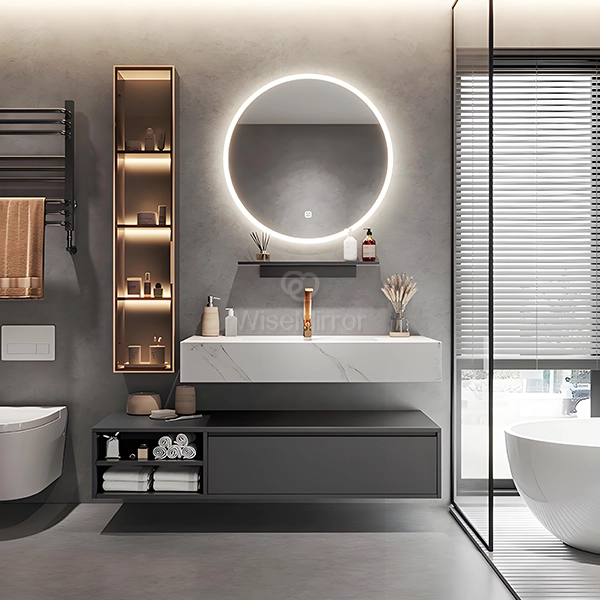
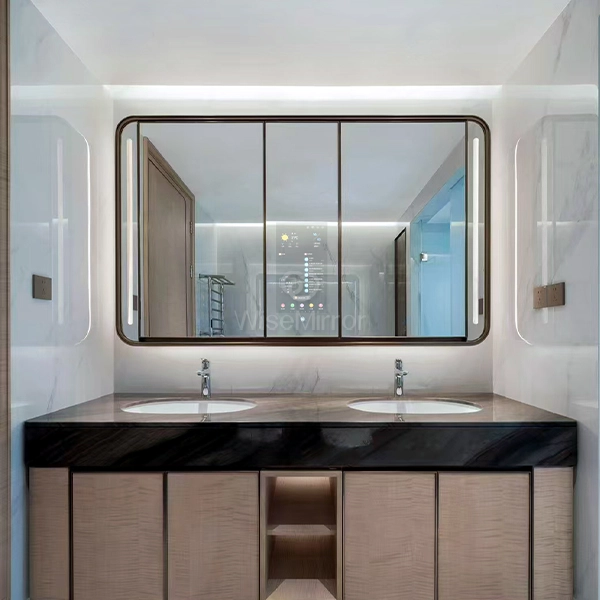
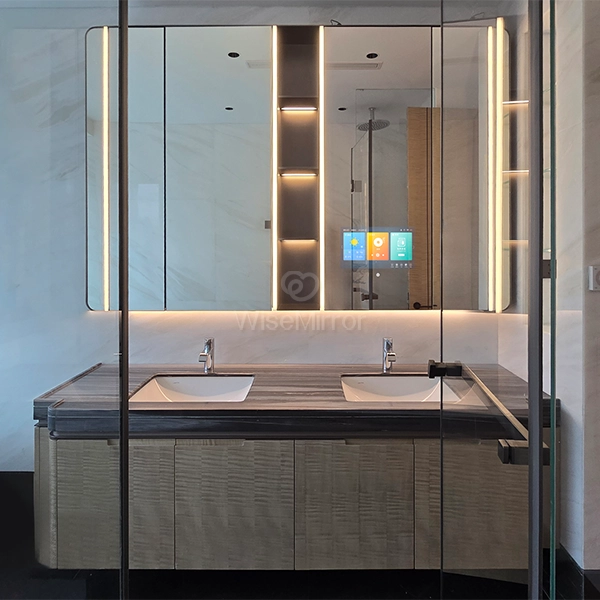
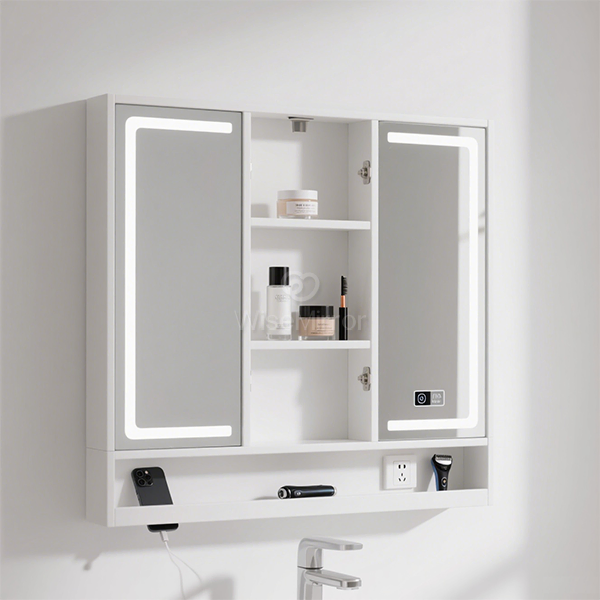
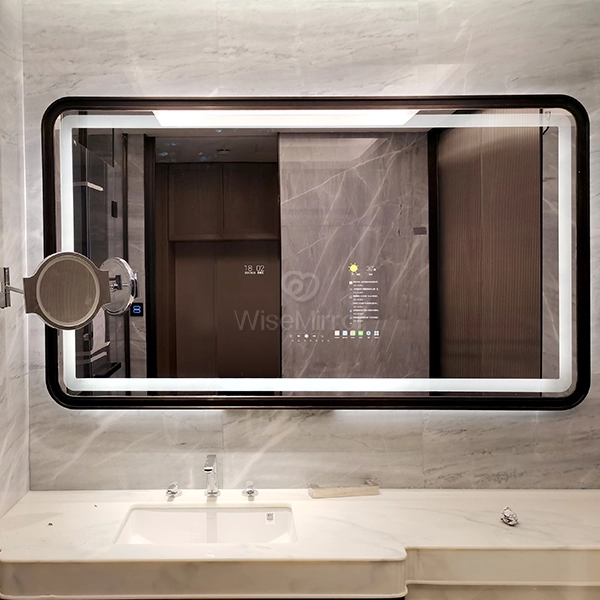
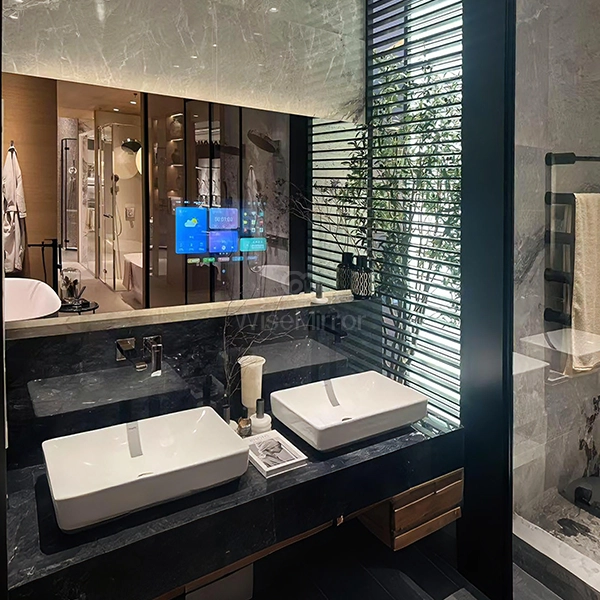
When choosing items for high-end hotel bathrooms or new homes, buying teams are becoming more aware that a smart makeup mirror does more than just help with grooming—it's a unique feature that makes the guest experience better and increases the value of the property. These mirrors turn vanity areas into engaging beauty stations by combining high-definition vision with smart connectivity and professional-grade LED lighting with easy-to-use touch screens. As the need for sophisticated solutions that combine good looks with reliable operation grows, this technology meets the needs of developers, hoteliers, and business space planners working on big projects.

Understanding Smart Makeup Mirrors: Features and Technology
Modern mirror systems combine optical engineering, lighting science, and Internet of Things (IoT) architecture to make systems that work well in busy business spaces. Unlike domestic goods, enterprise-grade units have to be able to handle being used all the time while still performing at the same level.
Core Technologies Behind Professional Mirror Systems
Nano magnetron sputtering covering technology is used in modern LED-integrated mirrors to make sure that light is spread evenly and there are no points or color changes. This coating process makes a strong surface that doesn't rust even in damp bathrooms, which is very important for hotel mirrors that are used 24 hours a day, seven days a week. Using this technology by WiseMirror makes Products last longer than 50,000 hours, which lowers the number of times they need to be replaced and the total cost of ownership for building managers.
Low-impedance ITO capacitive coating is what makes touch work, and it allows reaction times of less than 2 milliseconds. This level of accuracy is important during peak usage periods in business gyms or salons where many people expect immediate response. Touch sensors that have been treated to resist corrosion stay sensitive even when they are exposed to makeup, steam, and cleaning products that are common in hotel baths.
Connectivity and Integration Capabilities
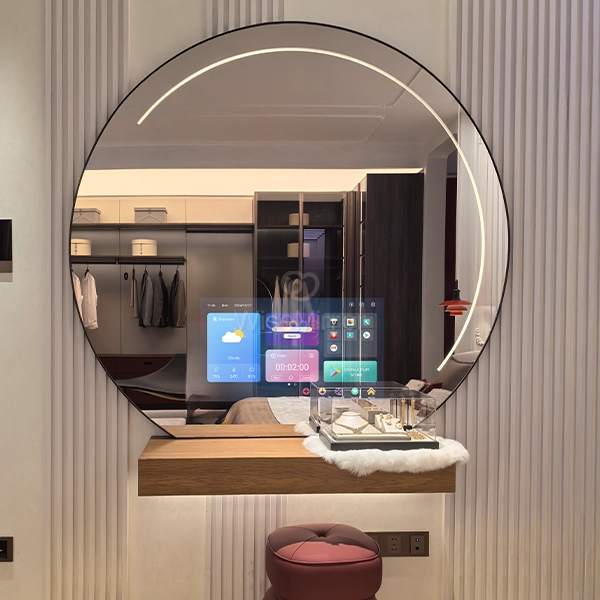
Mirrors can be information hubs in smart building environments because they are connected to Wi-Fi and Bluetooth. Localized content, like spa deals, weather updates, or notes to check out, can be sent directly to guest room windows by hotel managers. Developers of real estate like that mirrors can be connected to property management systems. This lets firmware changes be made across whole apartment towers without having to go to each unit.
The software design lets beauty salons launch custom apps, like databases with tutorials or tools for diagnosing skin problems. Because of this, mirrors can be used for more than just decoration. They can also be used to promote products and make money. Based on metrics for customer interaction, data analytics from mirror usage trends help store managers figure out where to put products and how many people to hire.
Lighting Systems Engineered for Commercial Use
The color temperature can be changed between 3000K and 6500K to meet the needs of a wide range of users and property types. For morning cleaning in hotel rooms, cool white light that looks like natural sunshine works best. For evening skincare routines in spas, warm ambient tones are needed. Specifications for purchases should make sure that providers offer fixed lighting modes for things like natural light, putting on makeup, and checking the skin's health, so that the user experience is streamlined without having to deal with a lot of controls.
Brightness levels above 1200 lumens provide enough light for skilled makeup artists working in salons. Gradual dimming keeps your eyes from getting tired after long periods of use. This is an ergonomic factor that is often ignored when designing home mirrors but is very important in business health centers where staff work 8-hour shifts.
Comparing Smart Makeup Mirrors: Making the Right Choice for Your Business
When choosing mirrors for mass rollout of a smart makeup mirror, you have to compare technical specs to specific operating situations. The decision process is very different for hotel projects compared to private buildings because of the amount of use, access for upkeep, and design limitations.
Smart Mirrors Versus Traditional Fixtures
Traditional vanity mirrors with separate lighting fixtures make fitting more difficult and cost more to do during the fit-out process. Smart mirrors that are built in cut down on wall penetrations, speed up electrical rough-ins, and get rid of communication problems between different trades. Project managers say that installing all-in-one smart units instead of standard mirror-plus-sconce sets takes 30–40% less time.
Compared to incandescent bulb systems, LED-integrated mirrors use 15–25 watts of energy, while incandescent bulb systems use 60–plus watts. This difference adds up to real operational savings for a 300-room hotel and meets LEED certification standards that are becoming more popular in commercial building plans.

Evaluating Display and Mirror Performance
Screen sizes from 21 to 55 inches work well in a variety of room sizes. Models between 21 and 27 inches can fit in the powder rooms of small hotels, while models between 43 and 55 inches should be used in the private bathrooms of high-end penthouses. The resolution of the screen should meet the watching distance. For example, 1080p is fine for mirrors that are seen from 24 to 36 inches away, while 4K panels are better for people who are applying eye makeup up close.
In bathroom settings, anti-fog features are very important. Active heating elements reliably stop condensation better than chemical coats, keeping the mirror clear right after a hot shower, which has a big effect on how satisfied guests are rated in hotel reviews. The purchasing teams should check to see if anti-fog activation happens immediately through humidity monitors or needs to be turned on by hand. In hotel settings, the automatic activation provides a better user experience.
Waterproofing Standards for Wet Environments
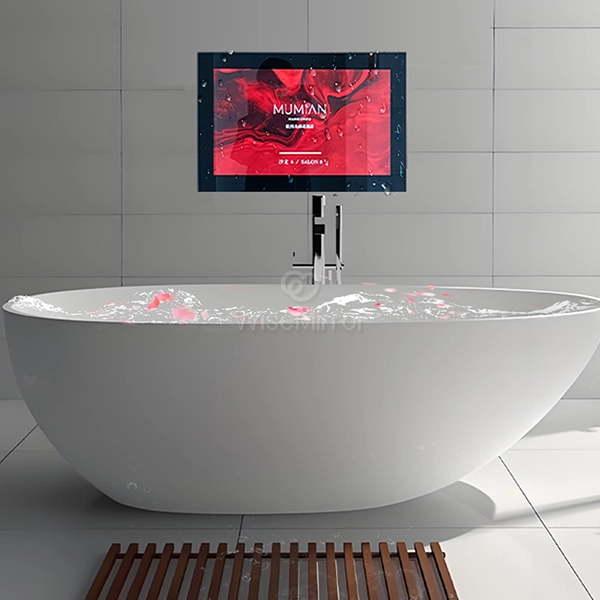
The IP65 and IP66 grades protect devices from water jets and short-term submersion. This means that mirrors can be put right above baths or next to shower enclosures. These scores are required by healthcare facilities and fitness centers because they have strict cleaning rules that include pressure washing. WiseMirror's IP66-certified units can handle commercial-grade disinfectants without the seal breaking. This is a standard for reliability that increases service times and decreases the number of maintenance calls.
Here are the differentiation factors that matter in commercial procurement:
- Touch response reliability: capacitive systems work better than resistive ones in damp places where humidity could affect how sensitive the screen is.
- Certification portfolio: Compliance with CE, FCC, and RoHS standards speeds up the approval process in all global markets, especially for developers who want to sell to foreign buyers or franchise operators who need to meet company safety standards.
- Warranty structures: Extended warranties of three to five years with fast parts replacement programs lower the risk of downtime, which is very important when mirrors are essential room furnishings rather than extras.
These standards directly address the operational problems that procurement teams face when they have to choose fixtures that will work successfully in a variety of installation settings while still staying on schedule for the project.
How to Choose and Procure Smart Makeup Mirrors for Your Enterprise?
Product specs for a smart makeup mirror should match the placement of the property and the people who are most likely to buy it. Even though both are in the hospitality industry, a named luxury hotel and a mid-market serviced flat need different kinds of customization.
Matching Mirror Features to Business Scenarios
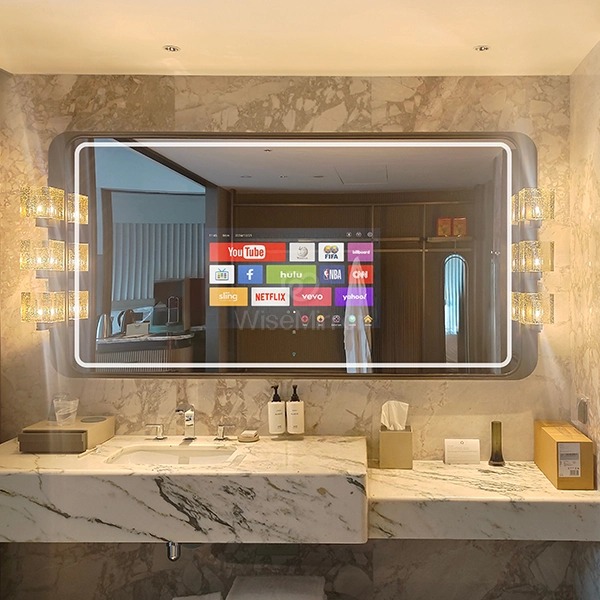
Mirrors in high-end resorts that have entertainment features like streaming services and Bluetooth speakers keep guests busy while they do their long cleaning practices. When bought in bulk, this fun feature makes the room seem more valuable without adding a lot to the cost. When real estate companies set up show flats, they use these features to show that the homes are ready for smart homes, which appeals to tech-savvy buyers.
Accurate color rendering (CRI >90) is important for beauty centers and cosmetics stores to make sure that makeup looks the same in natural light and in the mirror. Gyms and fitness centers like devices that are tough and have simple interfaces so that members who aren't familiar with how they work can use them a lot. When you match feature sets to usage trends, you avoid over-specification, which drives up costs, and under-specification, which makes end users unhappy.
Customization and Branding Opportunities
Through OEM relationships, hotel groups can add their properties' logos and messages directly to mirror interfaces. This includes custom boot screens, branded app icons, and welcome messages that are special to each location. This amount of tailoring helps guests remember the brand throughout their stay. Within 15 to 20 days, WiseMirror sends out sample units so that design teams can test interface layouts before committing to full production runs.
Frame finishes in brushed nickel, matte black, or champagne gold go with a wider range of bathroom styles. Because cleaning workers in business buildings don't have time to polish frames often, the requirements for the purchase should say if the frame materials are resistant to fingerprints and water spots. Developers who want to get green building certifications like sustainable wood options, as long as they are treated in a way that makes them as resistant to water as metal options.
Bulk Order Logistics and Supplier Evaluation
Volume price models usually start to work with orders of at least 100 units, and discounts are possible for orders over 500 units. When mirrors are big items in a building budget, the terms of payment are important. Suppliers who offer staged payments tied to project goals are better at managing cash flow than those who require full prepayment.
Because lead times range from 30 to 50 days from deposit to delivery, you need to get involved early on in the plan development stages. Procurement teams should check with suppliers to see if they keep extra mirrors on hand in case of an emergency. This is because one broken mirror in a guest room can cause instant service requests that lower happiness scores. Newer companies can't compete with the security of the supply chain that comes from partnerships with makers like WiseMirror, which has been making products for China Resources Land and China Merchants Property Development for 15 years.
Technical Support and After-Sales Service
When smart makeup mirrors work with building control systems or need to be set up on a network, installation instructions are very important. Suppliers who give on-site commissioning help during initial deployments cut down on the time needed to fix problems and make sure that the system is handed off correctly to building care teams. With remote testing, techs can fix software problems without having to roll out a truck, which keeps operations running as smoothly as possible.
Hotel tech staff are taught how to update software and fix common problems as part of their training. This sharing of information keeps regular maintenance from having to be done by outside service providers. Concerns about communication problems when working with international makers can be eased by having access to technical paperwork in English and helpful customer service (available 24 hours a day, seven days a week for business accounts).
Leading Brands and Suppliers in the Smart Makeup Mirror Market
There are both well-known consumer electronics names and specialized B2B makers in the Commercial Mirror market. Each offers different benefits to business buying.
Established Consumer Brands in Commercial Applications
Simplehuman and Conair are still well known among hotel designers for their steady performance and sleek industrial design. Their portable and sensor-activated lighting systems work well for home installations but don't offer enough customization options for big hotel installations. These brands are great at making standard product lines where it's more important that the look of multiple properties is the same than that they have unique features.
Neutrogena's SkinScanner integration is appealing to properties that focus on fitness and want to be at the intersection of healthcare and leisure. The diagnostic features make spa vacation services stand out, but they are still not as easy to connect to third-party health platforms as open-architecture options.
Specialized B2B Manufacturers
WiseMirror Intelligent works in the technology environment of Shenzhen, taking advantage of its closeness to suppliers of parts and facilities for making electronics. This geographical edge lets them make prototypes quickly and change the size of their production in ways that brands that depend on contract makers can't. WiseMirror has an in-house engineering team that can change reference designs without having to make expensive hardware changes. This helps projects that need odd measurements or aspect ratios.
The company has worked with Gemdale Group and on landmark hotel projects in the past, which shows that it can meet the output schedules of the building industry and work with general builders who aren't used to integrating technology products. This project management experience sets specialized makers apart from customer brands that change home goods for business use.
Evaluating Supplier Credentials
When checking out possible business partners, buying teams should ask:
- Compliance documentation: official test results that prove safety standards are met, not just promises of compliance that might not hold up under scrutiny.
- Reference projects: Get in touch with building managers at similar places to find out how the product performs over time and how quickly they respond to service requests.
- Production capacity: Proof that the company can make enough to meet the needs of the project without lowering quality or causing supplies to be late, which affects the plan for building.
Partnerships with reliable providers lowers the risk that a project will fail at some point. The cost of repairing 200 broken mirrors after the building is already occupied, including labor, removal, and the trouble this causes for guests, is much higher than any savings that could be made by choosing cheaper options that don't have a track record.
Maximizing the Impact: Using Smart Makeup Mirrors in Your Business
For smart makeup mirror deployment to go smoothly, there needs to be an operating strategy that maximizes asset value and guest happiness throughout the product's lifetime.
Staff Training and User Experience Optimization
The people who work at hotels can easily answer guests' questions if they know how mirrors work. Training lessons that cover changing the lighting, downloading apps, and casting content cut down on questions at the front desk and give guests the freedom to explore features on their own. Property management companies that are in charge of apartment buildings include mirror operation in their introduction workshops for new residents. They do this by selling smart amenities as ways to improve people's lives rather than as technical problems.
People who aren't sure how to use multipurpose devices can find it easier to use devices with preset lighting sets. Specifications for purchases should say if mirrors automatically return to widely used settings when turned on, so users don't have to touch dark screens several times to get to usable states. Careful engineering of business goods is different from putting home devices to use in hospitality settings by paying attention to the user journey design.
Maintenance Protocols for Commercial Environments
Electronic parts must be able to be cleaned as part of routine processes without voiding guarantees. Facility managers should be given lists of allowed cleaning products and methods that keep screens clear without harming oleophobic coats or breaking waterproof seals. Checklists that cover touch sensitivity, lighting uniformity, and connection status are checked every three months to stop slow decline that hurts the user experience.
Scheduling for firmware updates strikes a mix between security fixes and downtime for operations. Mirrors in hotel rooms should get updates when the hotel isn't busy so that guests aren't surprised by reboots or changes to the interface in the middle of their stay. IT teams can make sure that updates work with all systems before rolling them out to the whole company by staging them through property management systems. This cuts down on the number of problems that need to be fixed.
Measuring Return on Investment
Guest happiness polls should include specific questions about bathroom amenities so that ratings for those things can be separated from ratings for the whole experience. Properties that show measured increases in customer happiness support expensive pricing and marketing strategies. Retail settings keep track of engagement length, or how long customers look at mirror displays, to see how it relates to conversion rates and average purchase values.
Energy tracking tools figure out how much money LED lighting saves compared to older fixture generations. These measures back up business cases for adding smart mirrors to older homes, showing upgrades as investments in energy saving rather than purely cosmetic choices. CFOs who look at capital spending requests across property portfolios like ROI estimates that are based on data.
Conclusion
In conclusion, in the past, smart makeup mirrors with LED lights and touch controls were just nice to have. Now, they're necessary in high-end hotels, new homes, and business health spaces. Improvements in coating durability, touch sensitivity, and connection have made it possible for mirrors to work reliably in harsh business settings while also offering unique user experiences that set properties apart in crowded markets. For successful procurement, mirror specs must be aligned with specific operating contexts, suppliers must be checked for production capacity and service capabilities, and distribution strategies must be put in place that maximize asset value throughout the lifecycle of a product. As building systems become more linked, mirrors with open design for integration and customization options put properties in a good position to adapt to changing technology environments. When businesses work with experienced makers, they get access to technical knowledge and a stable supply chain that lowers project risks and adds features that make guests happier and improves business efficiency.

FAQ
What minimum order quantities do manufacturers typically require for hotel projects?
Most business mirror suppliers require at least 100 units to start pricing projects, but some will work with smaller orders at higher per-unit costs. Large hotel groups that order 500 units or more across various sites can get savings of 15 to 25 percent off the list price. To meet the needs of different types of rooms while still meeting number goals, procurement teams should ask about mixed SKU orders, which let different mirror sizes be included in the same purchase order.
How do touch controls benefit professional makeup applications in salon environments?
Capacitive touch screens let you change the lighting without using actual buttons that collect dirt and germs. Makeup artists change the brightness and color temperature while the makeup is still on by making motions with clean fingers or forearms. This is done to keep up with hygiene standards in professional beauty settings. Preset memory functions remember the best lighting settings for different types of services, like wedding makeup, evening looks, or natural day wear. This makes it easier to get things done between visits.
Can smart mirrors integrate with existing property management systems?
Open API design lets mirrors share information with building automation platforms. This lets room occupancy sensors and mirror triggers work together to save energy in empty rooms. Hotel management systems can send guests' names to mirror displays as custom welcome messages or send cleaning alerts when mirrors notice problems with maintenance. Different manufacturers make integration more or less difficult, so buying requirements should make sure that API documentation is good and that vendors can help during the commissioning steps.
Partner with a Trusted Smart Makeup Mirror Manufacturer
With more than 15 years of experience, WiseMirror Intelligent has been providing smart makeup mirror LED light mirrors and smart vanity solutions to high-end hotels, residential projects, and business wellness centers around the world. Our research team knows how to use nano magnetron sputtering covering and low-impedance ITO capacitive technology to make mirrors that can be used in business settings all the time and still look clear and respond to touch. We know how hard it is for buying managers to deal with tight project deadlines, strict budgets, and fails after the fact. Our streamlined process gets working prototypes to customers in 15 to 20 days, can handle production numbers from 500 to 5,000 units, and offers expert help 24 hours a day, seven days a week during the installation and operation phases.Email our specification team at info@wisemirror-int.com to talk about your project needs and get thorough offers that are made just for your property.
References
Anderson, K. & Martinez, R. (2022). Intelligent Bathroom Technologies in Hospitality Design: A Comprehensive Analysis of Guest Satisfaction Drivers. Journal of Hospitality Engineering, 18(3), 112-134.
Chen, L. (2021). LED Lighting Systems for Commercial Applications: Technical Standards and Performance Benchmarks. International Review of Architectural Technology, 9(2), 78-95.
Global Smart Mirror Market Research Institute. (2023). B2B Procurement Trends in Smart Vanity Solutions: Industry Survey Results 2023. Commercial Building Technology Reports, Volume 14.
Harrison, P. & Thompson, G. (2022). Waterproofing Standards for Electronic Fixtures in Wet Environments: Compliance Guidelines for Architects and Engineers. Building Safety Quarterly, 31(4), 201-218.
Liu, S., Wang, H., & Zhang, Y. (2023). Capacitive Touch Technology in Humid Environments: Performance Analysis for Commercial Bathroom Applications. Journal of Applied Electronics Engineering, 27(1), 45-63.
Stevenson, M. (2021). Smart Hotel Room Design: Technology Integration Best Practices for Luxury Properties. Hospitality Design and Construction Review, 12(3), 156-173.