
Custom Shapes & Sizes: The Freedom of Android Bathroom Smart Mirrors
When procurement managers choose high-end bathroom amenities for high-end home developments or luxury hotel projects, they want more and more options that combine advanced technology with design freedom. The Android Bathroom Smart Mirror represents this evolution—delivering Android OS capabilities, waterproof construction, and limitless customization options that align with diverse project specifications. Unlike off-the-shelf consumer goods, these intelligent display systems fit right into design plans and can be used on multiple properties. This makes them essential for hospitality groups, real estate developers, and commercial fit-out specialists who want to stand out in a crowded market.
Understanding the Advantages of Custom Android Bathroom Smart Mirrors
Why Customization Matters in Commercial Projects?
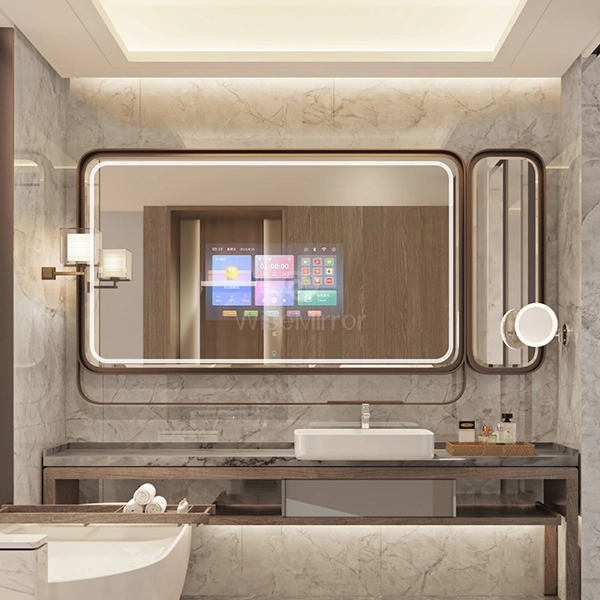
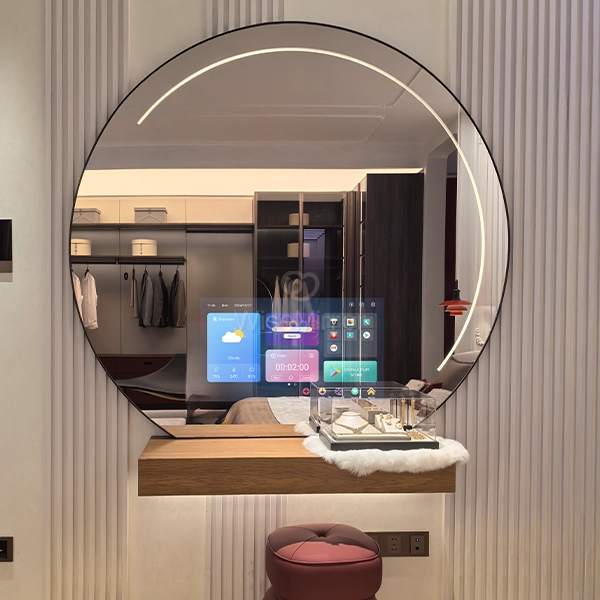
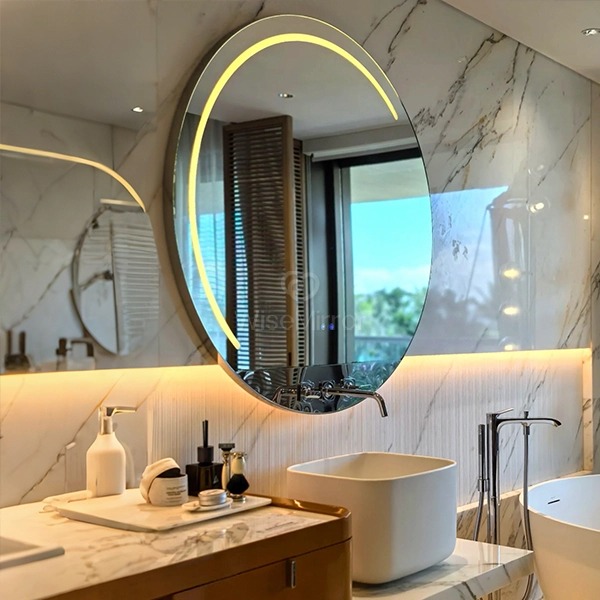
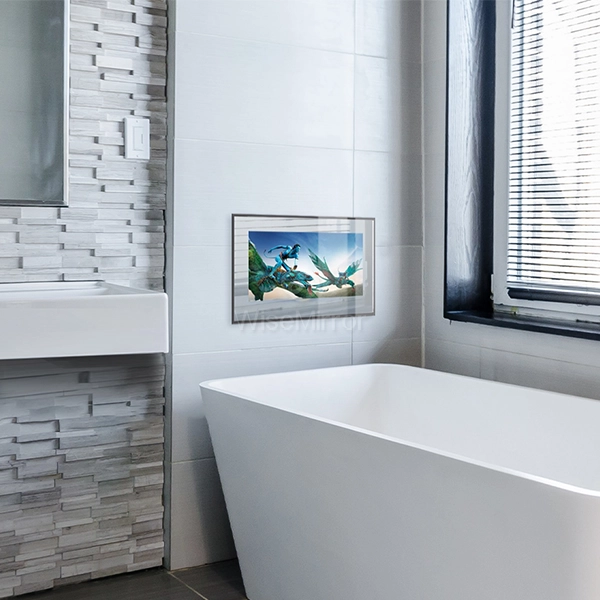
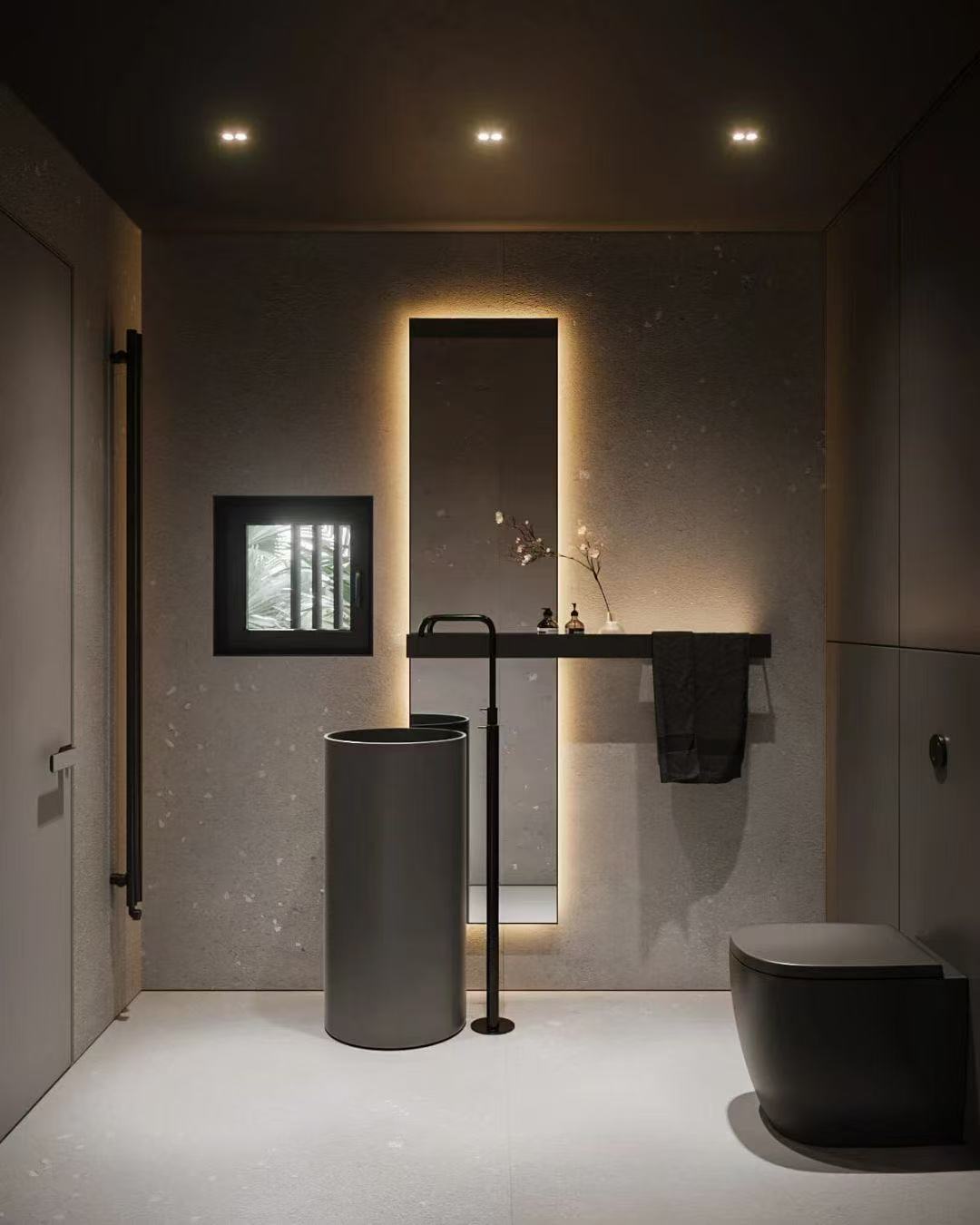
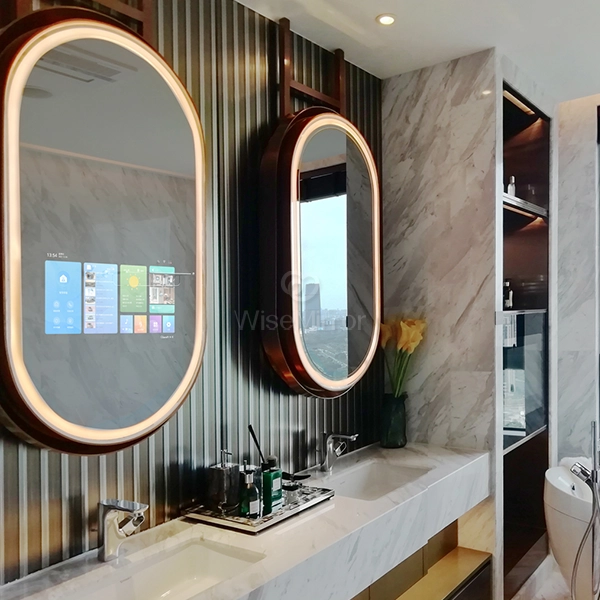
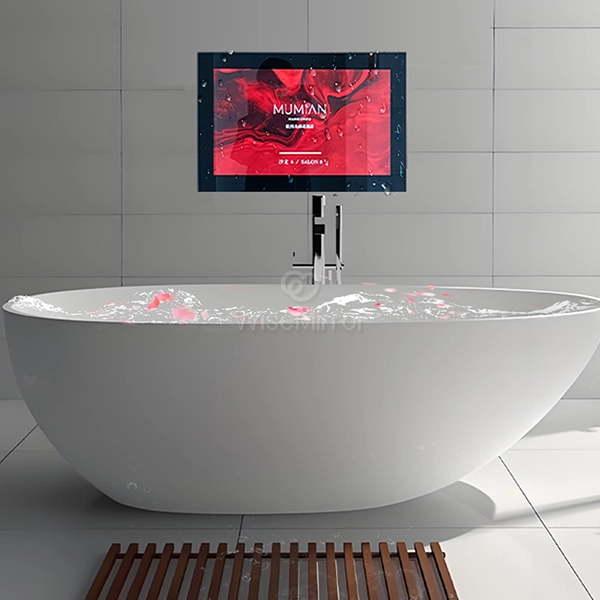
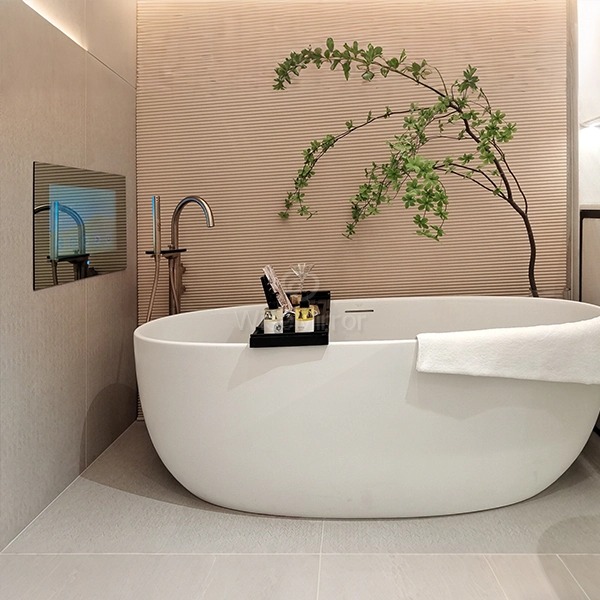
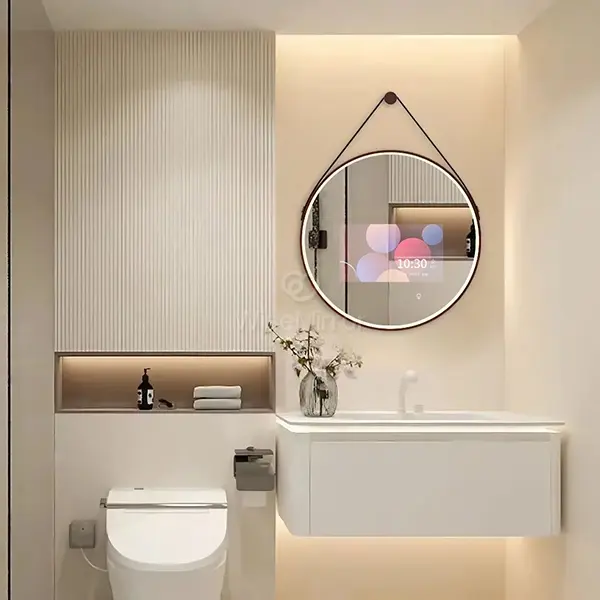
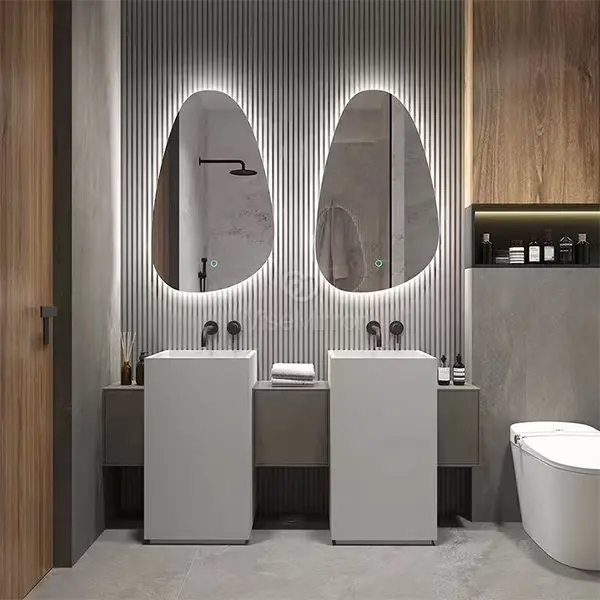
Standard-sized mirrors don't usually work in high-end bathrooms, which have specific space requirements and design goals. Custom-shaped smart mirrors can solve this problem because they can fit into rooms with oddly shaped walls, curved surfaces, or specific size needs, like those in boutique hotel suites and luxury apartments. This design freedom gets rid of the need to choose between integrating technology and following the architect's plan. This way, clever functionality improves the way spaces are put together instead of controlling it. During the fit-out phases, project managers like how customized measurements make installation easier and cut down on waste.
Android Integration Delivers Open Ecosystem Advantages
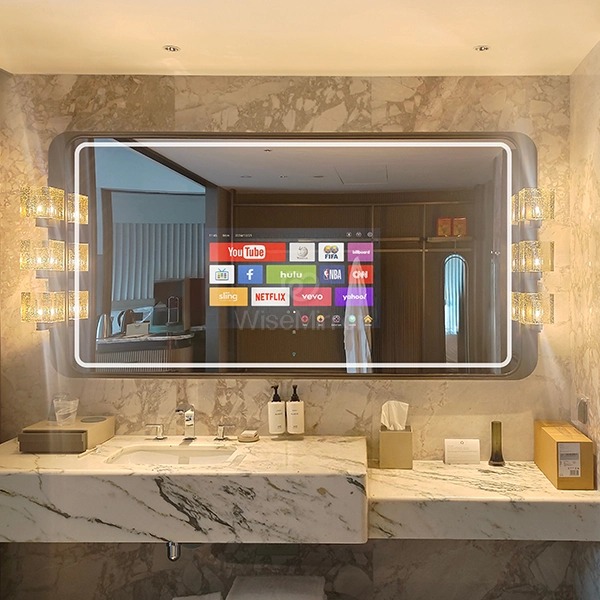
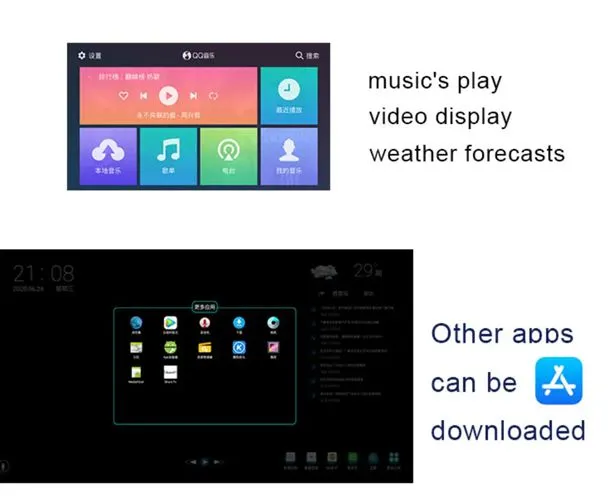
Android is a mature operating system that has strategic benefits for businesses that closed environments can't match. Property makers can add apps from the Google Play Store to their properties. These apps can adjust the guest experience by showing weather widgets, local transit information, news feeds, or apps that are only for that property that offer concierge services. This open design allows for long-term software updates and third-party integrations without locking you into one source. This is very important for projects that have multiple stages and last for years. IT managers at hotels really like how the interface is easy to use, which cuts down on the time needed to train staff and keeps the system compatible with other property management systems. The Android bathroom smart mirror provides an open architecture that ensures long-term viability for multi-phase deployments.
Touchscreen Functionality Transforms User Interaction
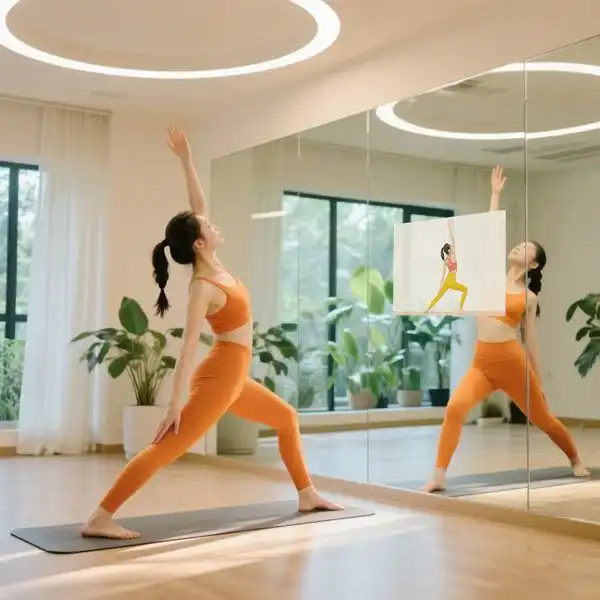
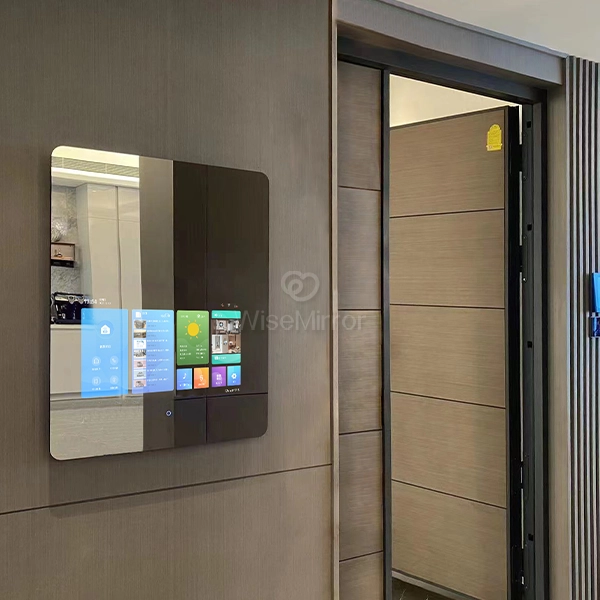
With sensitive responsive touch technology, these mirrors are more than just inactive displays. Smart home features let guests change the room's temperature and lighting, or they can watch personalized content by touching the mirror's surface. This easy-to-use interface model gets rid of the need for extra control buttons, keeping the wall's clean look while adding advanced functionality. Touch screens are used in health centers for guided meditation sessions or fitness tracking displays, and they are also used in stores to let customers interact with product displays.
Key Features and Technologies Behind Android Bathroom Smart Mirrors
Core Hardware Components Engineered for Harsh Environments
The conditions in bathrooms are special, and common gadgets can't handle them. Our Android bathroom smart mirror units use nano magnetron sputtering covering technology that keeps dampness out and keeps the optic clarity even when they are exposed to high humidity all the time. The anti-corrosion methods keep the electronics inside from breaking down too quickly. This makes sure that the equipment works well for long after the guarantee period ends, which in business settings is usually longer than five years. The building of IP65-rated tempered glass meets international safety standards and keeps water splashes that are common in high-end shower walls from damaging the glass.
Knowing the technical background helps teams that buy things judge competing bids and find real quality indicators:
Advanced Display Systems: High-resolution screens from 32" to 55" provide clear images with anti-glare coatings that keep text readable in a range of lighting situations. The low-impedance ITO capacitive touch lamination works correctly even when the surface is wet, which is a typical place where cheaper goods fail.
Connectivity Infrastructure: Two types of connectivity—Wi-Fi and Bluetooth—ensure stable performance on big sites. Bluetooth 5.0 lets you quickly connect to guest smartphones to stream music or share files, and WiFi keeps you connected to the cloud for content updates and remote repairs. USB-C and HDMI ports allow for future growth without having to change the wall.
Environmental Resilience: Active anti-fog systems get rid of mist right away, so you can see clearly even when it's hot outside. This trait is very useful in high-end spas where regular mirrors would not work for long periods of time because they are constantly exposed to steam.
These engineering decisions have a direct effect on the total cost of ownership by lowering the number of repair calls and extending the time between replacements. These are important financial factors that have a big impact on project ROI calculations during feasibility studies.
Software Capabilities That Support Hospitality Operations
In addition to hardware requirements, the Android optimization layer lets you use tools that are especially useful for business apps. Hotel owners can use unique user interfaces to help guests remember the hotel and make it easy for them to access services. The system has multilingual interfaces, which are important for properties with guests from different countries. The content changes automatically based on guest profiles or regional settings. Integration with building management systems is made easier by the API, which system developers like. This lets them handle hundreds of guest rooms from a single operations center.
Comparing Android Bathroom Smart Mirrors: Custom Solutions vs. Standard Models
Design Flexibility Versus Production Efficiency
Standard model mirrors have stable prices and faster lead times, which makes them good for projects on a budget that use standard bathroom plans. However, custom options are the best value in high-end markets where unique design supports a higher price point. Boutique hotel apartments with a custom 48" x 72" mirror with curved corners and gold-finished frames make a lasting impact, which leads to higher room rates that quickly cover the extra hardware costs. Developers of luxury homes know that these little touches can help buyers make decisions in competitive markets, especially when they are showing flats to wealthy people.
Performance Metrics That Matter to Project Stakeholders
When making a buy choice for an Android bathroom smart mirror, you should look at more than just the initial purchase price. Touch reaction latency of less than 50 milliseconds makes sure that everything runs smoothly and meets the standards of guests who use consumer Products. When the display brightness is over 400 nits, it can still be seen in well-lit baths without looking washed out. How long the system gets security changes is based on how compatible it is with different versions of Android. This has a direct effect on how long it works and how secure data is in business settings.
Custom mirrors from well-known brands like WiseMirror usually come with CE, FCC, RoHS, and ISO 9001 certifications that show they meet international quality and safety standards. These certificates make it easier for architects to write specifications and lower property owners' worries about responsibility, especially when projects involve more than one regulatory body. Standard models from less well-known providers might not come with all the paperwork they need, which could cause delays in the approval process during the licensing stages.
Procurement Considerations for Custom Android Bathroom Smart Mirrors
Structuring Bulk Orders for Multi-Property Deployments
Hotel chains and home builders often put an Android bathroom smart mirror in dozens or even hundreds of units. This makes it possible to offer bulk discounts that make the cost per unit much lower. Setting up framework deals with makers makes buying things easier for projects that have more than one part and makes sure that the specs and user experience are always the same. When looking at suppliers, you should check how much they can produce. A maker that can deliver 1000 or more units per month can keep up with tight building plans without becoming a critical path bottleneck. For large orders with lead times between 30 and 45 days, it's important to carefully coordinate with building stages to avoid costly delays.
OEM and Customization Options for Brand Differentiation
With white-label programs, hotel brands can add their own logos, custom color schemes, and unique user experiences that help people remember their brand. This customization goes all the way down to the software layers, where hotel chains can preload apps for things like reward programs, getting room service, and finding things to do in the area. Branded mirrors are used by real estate companies as unique selling points in their marketing materials. This creates a sense of value that affects people's choices to buy. To protect your investment in custom development, make sure that intellectual property rights, minimum order amounts, and exclusivity terms are clear when you set up OEM deals.
After-Sales Support Infrastructure for Long-Term Success
Your relationship with the company that makes your smart mirror goes far beyond accepting delivery. For commercial setups, quick expert help is needed for installation questions, firmware updates, and hardware problems that happen from time to time. Check to see if makers have North American support teams that can help you during the times that work for you, or if you'll have trouble getting in touch with offices in other countries. A full guarantee that lasts for three to five years guards against early failures and shows that the maker trusts the product's trustworthiness. Make it clear what parts are covered by warranties. For example, monitor panels, touch sensors, and power sources should all be specifically covered, not just with vague "limited warranty" language.
Future Trends and Innovations in Android Bathroom Smart Mirrors
Voice Control and AI Integration Reshaping Interactions
New Android bathroom smart mirror systems have improved voice recognition that works reliably in bathrooms with a lot of noise. Guests can ask for weather reports, set alarms to wake them up, or change the lighting without touching the mirror. This is a feature that is especially useful in high-end health centers that stress cleanliness. Over time, artificial intelligence programs learn what users like and change the controls for the surroundings and what is shown on the screen based on what has happened in the past. Because of these features, smart mirrors are more like hubs in larger smart room ecosystems than separate gadgets.
IoT Integration Enabling Predictive Maintenance
When mirror systems are connected, they create working data that helps preventative repair plans. Sensors keep an eye on the temperatures, usage trends, and performance measures of parts, sending out service alerts before they break. This proactive method keeps guests as calm as possible while lowering the costs of emergency repairs, which often go over the costs of regular upkeep. Property managers can see how all of their assets are performing across their entire portfolios. This helps them find ways to standardize specs or change rollout strategies based on real-world reliability data instead of just anecdotal evidence.
Sustainability Considerations Influencing Specifications
As property developers try to get LEED certification and meet business sustainability goals, environmental responsibility plays a bigger role in their buying choices. LED backlighting that uses less energy, low-power Android processors, and materials that can be recycled all help the environment and lower electricity costs across big operations. Manufacturers who show clear supply chain practices and handle products throughout their entire lifetime meet the ESG requirements of institutional investors. This could have an impact on the terms of project financing and the long-term values of assets.
Conclusion
In conclusion, custom-shaped Android bathroom smart mirror that are driven by Android are smart investments for projects that need to offer unique guest experiences and be able to change how they work. When you combine the endless dimension options, stable software ecosystems, and commercial-grade building, you can solve problems that regular consumer goods can't. When purchasing managers look at different options for future projects, they should give more weight to makers with a track record of success in the hospitality industry, strong customization tools, and a full support network. This will ensure that the projects go smoothly and bring in money for a long time.
FAQ
How do custom dimensions affect pricing and lead times?
Custom forms and sizes usually add 15 to 20 percent to the base price of an Android bathroom smart mirror because they need special tools and different ways to be made. Lead times are about two weeks longer than for normal models, but makers like WiseMirror often include this extra time in their usual 30- to 45-day delivery windows for large orders. As the number of units ordered goes up, the price bonus goes down. This means that customization is an affordable option for projects with more than 50 units, where design consistency and space optimization give real value.
What certifications should commercial buyers prioritize?
IP65 waterproof ratings make sure that products are safe to use in bathrooms, and CE and FCC standards make sure that they are safe and compatible with electromagnetic fields in Western markets. Getting ISO 9001 recognition means that you have set up quality control systems that lower the number of mistakes that happen during mass production. When U.S. building codes call for third-party safety approval, like in places with strict electricity inspection rules, hotels should check UL or ETL listings.
Can existing property management systems integrate with these mirrors?
Most business building control systems can easily connect to modern mirrors that are built on Android because they support RESTful APIs and standard protocols like MQTT. System designers can link mirrors to central control systems so that content can be managed, software can be updated, and diagnostics can be watched. During the specification phase, makers should provide technical documents outlining communication methods and security architectures so that products can be easily integrated into current IT systems.
Partner With a Trusted Android Bathroom Smart Mirror Manufacturer
WiseMirror Intelligent has more than 15 years of experience creating and making high-end waterproof displays for high-end home and hotel projects around the world. Leading developers like China Resources Land, China Merchants Property Development, and Gemdale Group have asked us to make custom Android bathroom smart mirror solutions. These solutions have been installed in high-end hotels, Grade 5A business towers, and private homes all over the world. We keep up a production capacity of more than 1000 units per month and back it up with strict quality control and full certifications. This way, we can make sure that your projects meet tight deadlines without lowering performance standards. Our engineering teams work directly with architects and purchasing managers to turn design ideas into reliable, unique solutions that are backed by quick technical support throughout the lifecycle of a product. Email our design team at info@wisemirror-int.com to talk about how our OEM services and low-volume prices can help your next project while still staying on budget and on time. You can look at our finished projects on wisemirror-int.com and see why smart buyers choose WiseMirror as their top choice for an provider.
References
Morrison, T. & Chen, L. (2023). Smart Mirror Technology in Luxury Hospitality: Implementation Strategies and ROI Analysis. International Journal of Hospitality Technology, 17(3), 245-267.
Architectural Glass and Metal Association. (2024). Technical Guidelines for Waterproof Display Integration in Commercial Bathroom Environments. AGMA Standards Publication No. 428.
Patel, R., Kumar, S., & Williams, J. (2023). Android-Based IoT Devices in Smart Building Ecosystems: Performance Benchmarks and Integration Protocols. Building Automation Quarterly, 41(2), 88-104.
Sustainable Hospitality Alliance. (2024). Environmental Impact Assessment of Smart Room Technologies: Energy Consumption and Lifecycle Analysis. SHA Research Report Series, Vol. 12.
Zhang, W. & Thompson, M. (2023). Customization Versus Standardization in Commercial Display Procurement: Cost-Benefit Analysis for Multi-Property Deployments. Journal of Construction Procurement, 29(4), 512-531.
International Code Council. (2024). Electrical Safety Requirements for Bathroom-Installed Electronic Devices: Compliance Guide for Commercial Applications. ICC Technical Bulletin TB-2024-07.