
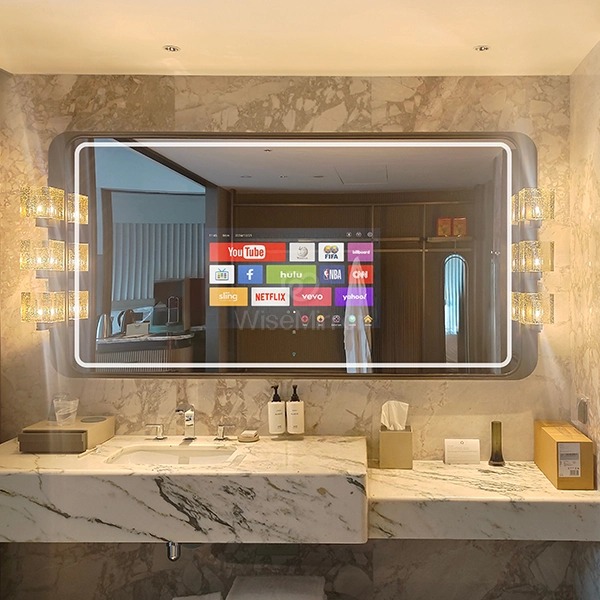
Smart Fitness Mirror Trends in Luxury Residential Projects
In the United States, wellness features in high-end apartment buildings are changing in a big way, with smart exercise technology taking the lead. The custom smart fitness wall mirror isn't just a cool piece of technology; it's also a smart investment for builders, hotel owners, and system designers who want to set high-end properties apart in crowded markets. With these high-tech gadgets, reflective looks and interactive HD screens work together perfectly to give you a personalized exercise experience while keeping the high-end design language you'd expect in a high-end setting. As project managers and buying teams look at health infrastructure, it's important for them to know the technical specs, the customizable options, and how reliable the suppliers are so that the infrastructure can be set up successfully across multiple properties.

Current Trends in Smart Fitness Mirrors for Luxury Residences
The Evolution of Interactive Wellness Technology
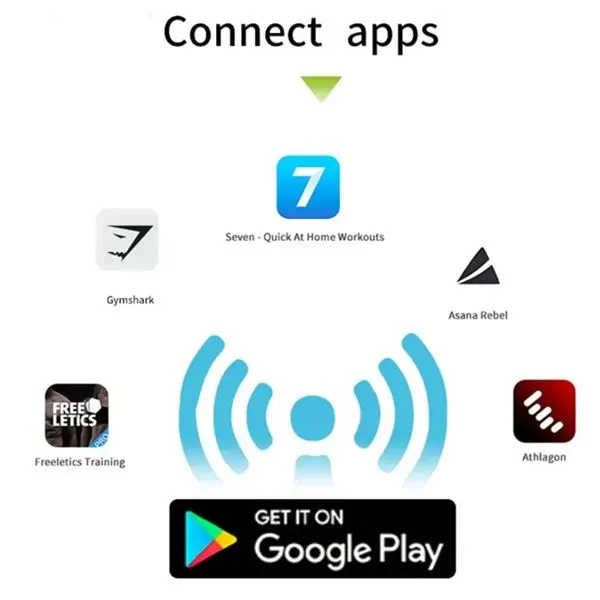
The business custom smart fitness wall mirror market has grown up a lot. It's no longer just about consumer-grade gadgets; it's now about engineering-grade solutions made for tough hotel and home uses. Modern units have Android smart systems built in that work with a variety of exercise platforms, health apps, and property management interfaces. Wi-Fi and Bluetooth connections make it possible to send data securely for live-streamed lessons, tracking of performance, and easy integration with building control systems. This technological base meets the main needs of exercise centers in high-end hotels, private villas, and serviced flats that focus on health.
AI-Driven Personalization and Ecosystem Integration
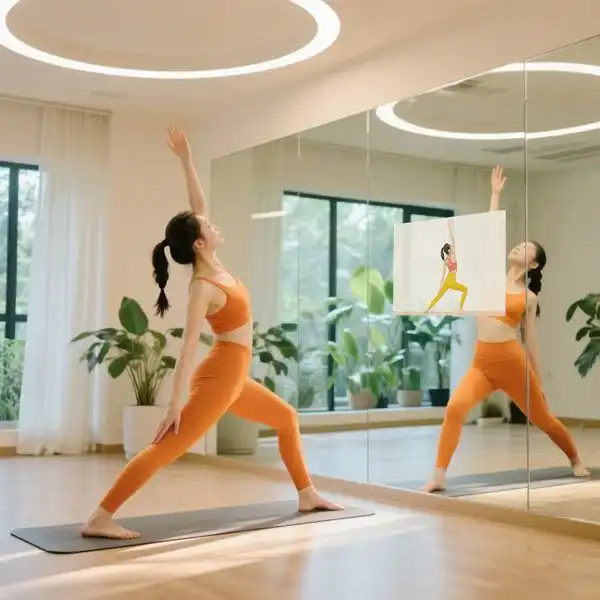
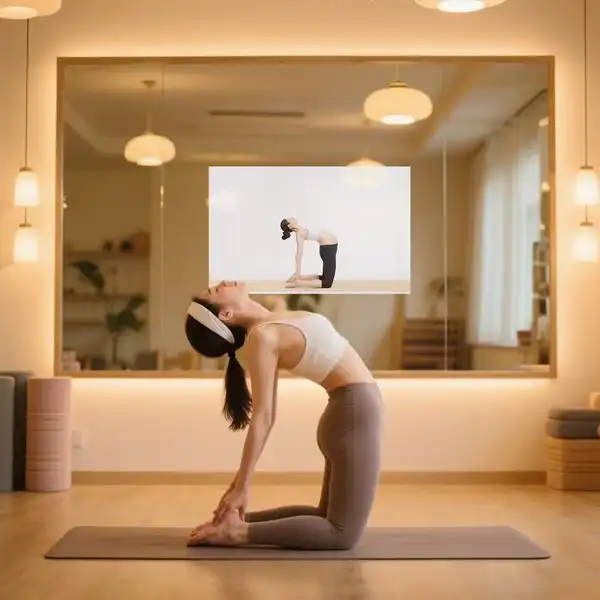
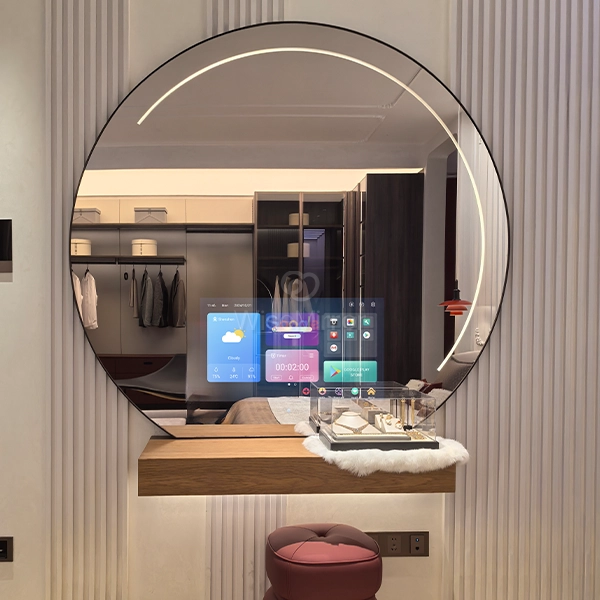
Advanced systems now have touch controls that respond to touch, so guests and residents can move through workout books, change settings, and see biometric data right on the mirror surface. When paired with extra camera modules, the motion-tracking features allow for real-time posture improvement during strength training, Pilates, and yoga. IoT connection makes it easier for room temperature controls, lighting systems, and entertainment networks to work together. This makes it possible to create wellness spaces that are fully integrated and instantly adjust to the user's needs.
Sustainability and Certification Standards
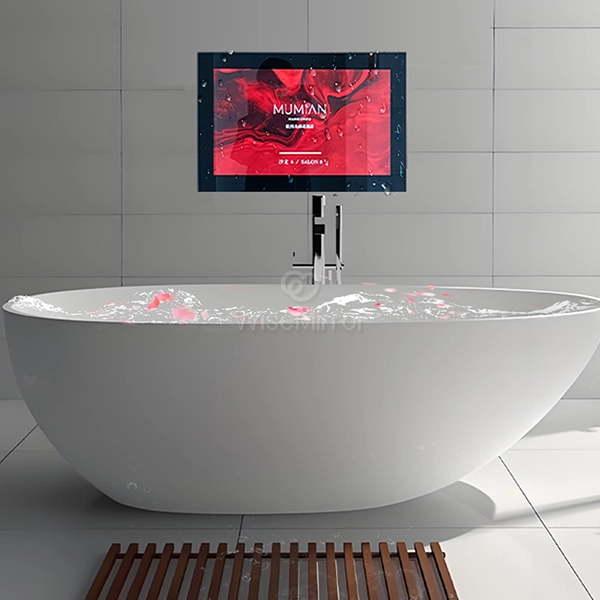
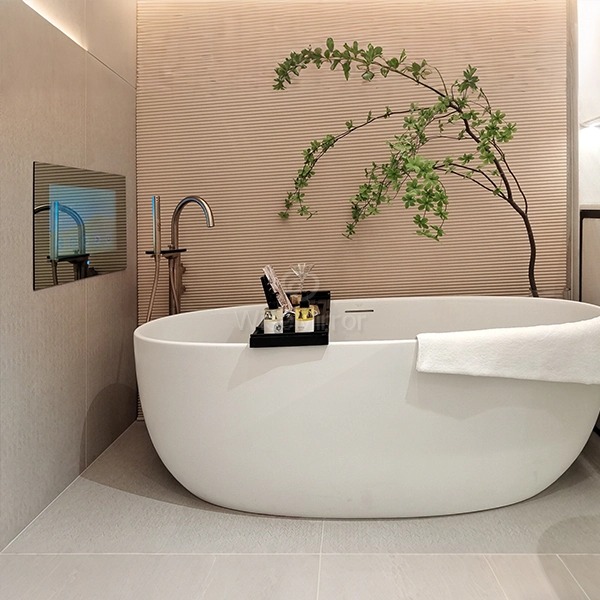
Developers who care about the environment are increasingly putting more weight on sellers who can show they use sustainable manufacturing methods and have full safety certifications. Nano magnetron sputtering coating technology and anti-oxidation methods are used to make Products that last longer and meet the strict electrical safety and waterproofing standards needed for bathroom setups. When buying tools for LEED-certified buildings or wellness-focused resorts, these technical certifications are especially helpful because they show that the company cares about the environment.
Evaluating Custom Smart Fitness Wall Mirrors: Selection Criteria for B2B Buyers
Understanding User Segmentation and Customization Requirements
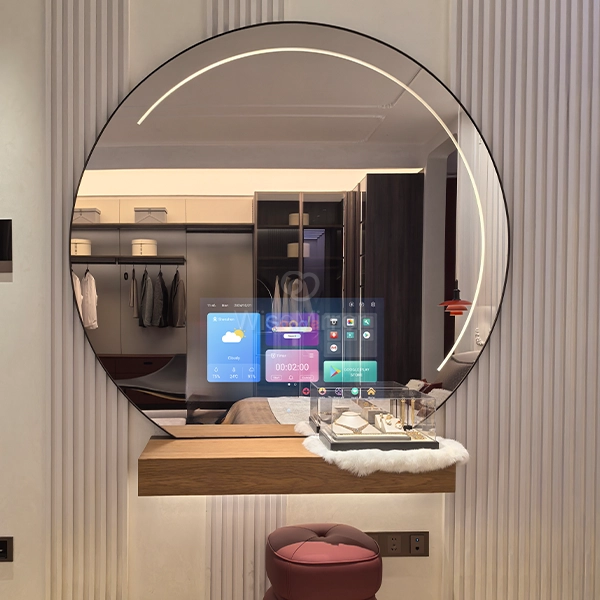
Standard home goods can't meet the needs for flexibility that come up in business situations for the custom smart fitness wall mirror. Hotel owners need branded platforms with logos for their properties and health material that fits with how they run their business. Residential planners want to match the look of the building to specific requirements, which means they want custom frame designs, mirror shapes, and screen sizes from 10.1 inches to 55 inches. Property managers put a lot of importance on centralized control systems that let them remotely update software, track usage, and schedule preventative repair for entire groups of buildings.
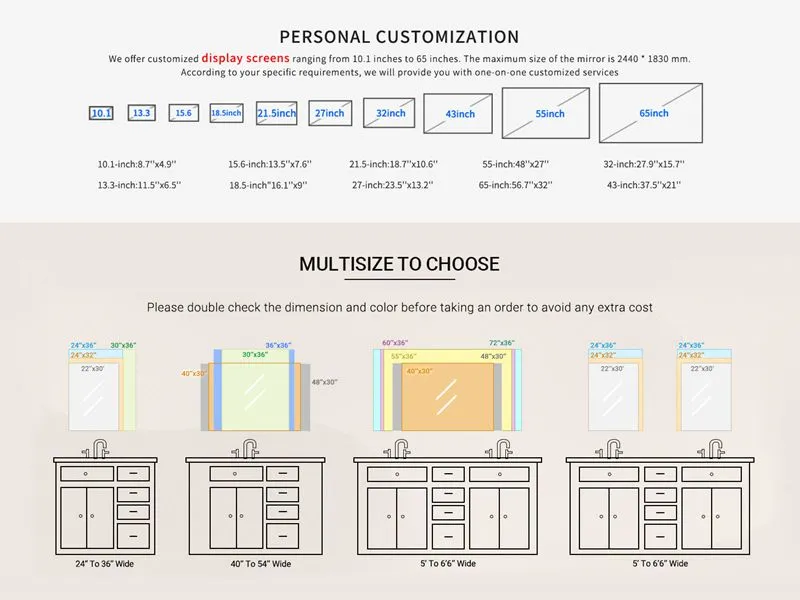
Before we talk about the main evaluation framework, it's important to remember that good procurement combines short-term project needs with long-term practical concerns. Here are the most important criteria for choosing a custom smart fitness wall mirror supplier:
- Product Durability and Build Quality: Look at the building materials, the waterproof grade (IP65 or higher for bathroom installs), and the toughened glass specs. Check to see if the anti-corrosion treatments protect the gadgets inside of spas and health centers, which tend to be damp places.
- Warranty Coverage and Service Level Agreements: Full service terms should last at least 24 to 36 months and cover both hardware and software assistance. Make sure you know how long it will take to fix technical problems, if new units are available while repairs are being done, and what kind of regional service infrastructure will support your project sites.
- Installation Complexity and Technical Support: Check to see if providers offer thorough installation instructions, structural load estimates, and wiring specs. Having factory-certified installation partners or thorough training programs for in-house teams lowers the risk of the project and makes sure that it is properly commissioned.
- Software Flexibility and Content Management: Check to see if the Android smart system lets you add your favorite exercise apps or if it needs its own software communities. When it comes to future updates and integrating new health technologies, open-platform designs give you more options.
Over the course of a multi-year project, these review factors have a direct effect on the total cost of ownership and the success of operations. Suppliers who offer both tech help and service after the installation usually offer better value than sellers who only sell products.
Custom vs. Pre-Manufactured Solutions: ROI Analysis
OEM and ODM customization services are very helpful for large-scale operations, like setting up 200-room luxury hotels or master-planned residential communities. Custom setups lower the cost of the bill of materials while making sure that the product meets all design and functionality needs. Suppliers that let developers change the hardware (speaker options, camera integration, and different touch technology versions) and software (branded user interfaces, custom app integration) make it possible for developers to add unique features that support higher prices. When thinking about scalability, you should negotiate volume pricing structures, make deals with chosen vendors for phased rollouts, and get technical roadmaps that will make sure the product stays relevant as technology changes.
Installation and Integration of Smart Fitness Wall Mirrors in Luxury Projects
Pre-Installation Planning and Infrastructure Requirements
The plan development phase, not the construction management phase, is where successful implementation of the custom smart fitness wall mirror starts. Structural engineers have to check that walls can hold custom smart fitness wall mirror units that weigh between 50 and 150 pounds, based on the size of the display and the way the frame is built. When planning an electrical system, you need to make sure it has specific circuits with the right amount of amperage, GFCI safety for installations in bathrooms, and backup power integration for homes with full emergency systems. Planning the infrastructure of a network should include the bandwidth needed to support HD video streaming across multiple units at the same time. This is especially important in hotel settings where guests expect to be able to join without any problems.
Connectivity and Smart Home Ecosystem Integration
The custom smart fitness wall mirror is connected to major smart home platforms via Wi-Fi and Bluetooth, which makes it easy to use voice control with current room automation systems and sync with fitness trackers worn around the body. Communication protocols (Zigbee, Z-Wave, KNX) that are needed for building control systems to work together should be spelled out in the project specs. For hotel apps, connecting to property management systems lets you keep track of usage, plan maintenance, and create profiles of each guest's preferences, which helps you give them more personalized service.
Addressing Privacy, Security, and Compliance Challenges
Data privacy issues need to be carefully thought through, especially when biometric tracking or video recording is possible with extra camera units. Specifications for purchases should require following privacy laws, which should include clear rules for handling data and ways for users to give their consent. Network security methods need to keep custom smart fitness wall mirror systems away from important building infrastructure while still letting IT teams run the building. Regular software changes that fix new security holes are necessary for ongoing maintenance programs, which means that suppliers need to work with customers beyond the initial delivery of the product.
Benefits and Value Proposition for Luxury Residential Projects
Enhancing Resident Experience and Property Differentiation
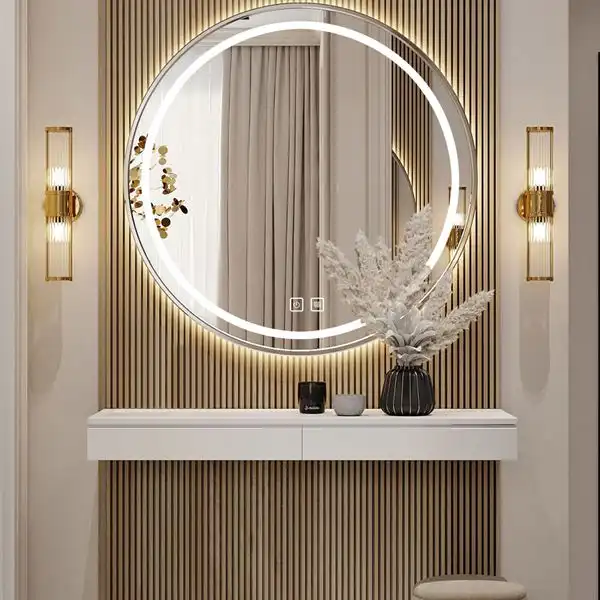
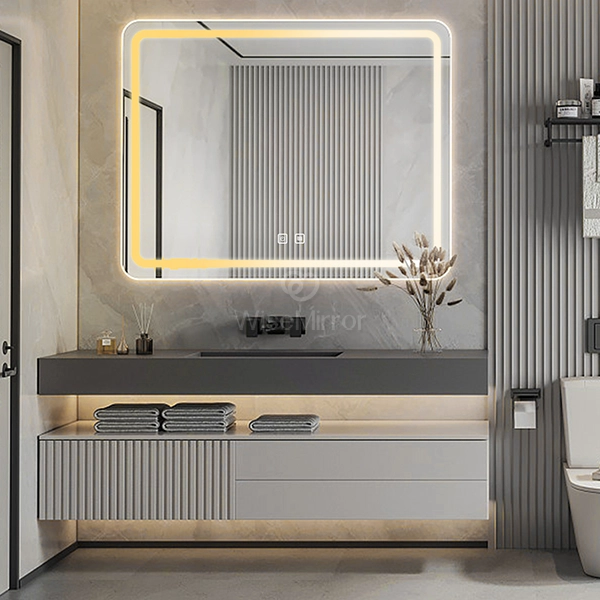
The custom smart fitness wall mirror plus HD display design turns useful exercise rooms into high-end wellness areas that fit the standards of a high-class lifestyle. When turned off, these units can be used as beautiful wall mirrors with clean lines. When activated, they give residents access to a variety of workout styles, such as high-intensity circuit training, meditation, and breathwork, so they can find something that works for them without having to keep a lot of tools on hand. This way of making better use of space is especially helpful in urban high-rise buildings where exercise areas are limited by room.
Measurable Returns for Developers and Operators
From a business point of view, custom smart fitness wall mirror smart exercise amenities create many ways to make money and add value. Residential developers say that marketing wellness-focused features to health-conscious buyers leads to measured rises in property values and sales speed. Hospitality companies use these installations to get higher room rates while lowering their reliance on big exercise centers with lots of tools that need a lot of upkeep. Partnerships for subscription-based content can bring in recurring income that can cover the costs of original funds over three to five years. Property managers can improve amenities and get residents more involved with their communities by using thorough usage information.
Supporting Wellness-Focused Lifestyle Positioning
These displays do more than just serve a purpose; they also show that the brand values creativity, health, and resident care. Marketing materials that focus on advanced exercise technology are effective with groups that value combining health and technology, especially wealthy millennials and Generation X buyers who are driving demand for high-end homes. People who care about design and don't want their living areas to look too technological like custom smart fitness wall mirror designs that incorporate technology in a way that looks good.
Top Smart Fitness Mirror Brands and Supplier Insights for B2B Procurement
Evaluating Manufacturing Partners for Commercial Projects
The Shenzhen-based company WiseMirror Intelligent is a good example of the qualities that buying teams should look for in a manufacturing partner. The company has been specializing in high-end residential and leisure projects for more than 15 years and has finished more than 500 projects for well-known clients such as China Resources Land, China Merchants Property Development, and Gemdale Group. Because they have their own UI design and software development teams, they can make any changes that are needed for a specific custom smart fitness wall mirror project, such as changing the size of the screens or adding a name to the software interfaces.
Leading providers are different from commodity producers in terms of their technical skills. Nano magnetron sputtering layer, anti-oxidation and anti-corrosion processes, and low-impedance ITO sensitive touch lamination are WiseMirror's three main technologies that make sure it works well even in tough installation conditions. When it comes to waterproofing in bathrooms and long-term reliability standards for 10+ year product lifecycles in business settings, these manufacturing skills are especially useful.
Structuring Procurement Agreements for Multi-Property Deployments
Along with unit pricing, bulk buying methods should cover a number of important business terms. Structures for volume discounts, payment plans that work with project goals, and managing supplies for installations that happen in stages need to be carefully negotiated. The warranty terms must make it clear what is covered, when replacement parts will be available, and how quickly expert help will respond. Financing choices, such as equipment lease structures or payment terms set by the seller, can help developers better handle their project cash flow, especially if they are working on multiple projects at the same time.
Case studies of successful implementation show how these buying methods can be used in real life. A high-end apartment building in California asked for 180 custom smart fitness wall mirrors to be installed in common areas and some apartments. The developer worked with WiseMirror Intelligent to make branded interfaces with health material special to the building and interaction with the smart home technology that was already there. The 30-day DDP supply plan worked with the building schedules, and the specialized project management and technical support available 24 hours a day, 7 days a week made sure that commissioning went smoothly. After moving in, polls showed that 78% of residents regularly used the exercise facilities. This helped the 94% lease renewal rates be higher than the market average.
Conclusion
Custom smart fitness wall mirrors are being used in high-end home and hospitality projects. This is a smart way to combine health trends with new technology and design ideas. When purchasing these systems, people in charge have to weigh the needs for good looks against technical requirements, the ability to customize with the need for low cost, and the needs of the current project with the needs of long-term operations. For implementations to go smoothly, partners must be established with experienced providers who can show they have full engineering skills, a history of completing projects on time, and a dedication to ongoing technical support. The custom smart fitness wall mirror is becoming an important part of modern luxury building plans as wellness services continue to set high-end properties apart in competitive markets.
FAQ
What features should procurement teams prioritize when specifying smart fitness mirrors?
Pay attention to how customizable the custom smart fitness wall mirror display size choices, frame styles, and software are in relation to the needs of your project. Check that the waterproofing is certified (at least IP65 for damp areas), that the warranty lasts at least 24 months, and that the seller can provide technical paperwork to help with the engineering review process. Integration with smart home systems and exercise app ecosystems that are already in place ensures long-term usefulness and user happiness.
How do these devices address privacy and data security regulations?
Reputable makers use encryption methods to send data, clear privacy policies to collect data on usage, and ways for users to give permission for extra features like camera-based motion tracking. Specifications for purchases should require that they follow any regional privacy laws that apply and that they get regular security updates that fix new flaws. Network design should keep custom smart fitness wall mirror systems away from important building assets while still letting managers get to them when they need to.
Can smart fitness mirrors integrate with existing building automation systems?
Modern units with Android smart systems and many ways to join (Wi-Fi, Bluetooth, and possible wired networking) can work with most smart home platforms and building control systems. Custom smart fitness wall mirror suppliers, system developers, and IT infrastructure teams need to work together early on to set up communication methods and make sure that all hardware and software parts can work together.
Partner with WiseMirror Intelligent for Your Next Luxury Project
To grow your development portfolio, you need to work with custom smart fitness wall mirror makers who have done this before and know how hard it is to set up large-scale business systems. WiseMirror Intelligent gives more than 15 years of specialized knowledge, more than 500 finished projects, and a wide range of engineering skills to high-end home and hospitality projects around the world. Our end-to-end service model helps buying teams from the time they come up with the first specifications to the time they start the installation and provide ongoing technical support.
Our team creates custom solutions that meet your specific needs, whether you're looking for features for a small hotel, a master-planned neighborhood, or a wellness-focused business development. Email us at info@wisemirror-int.com to talk about unique configurations, look at bulk prices for your project, and find out how our custom smart fitness wall mirror supplier services can help your business stand out from the competition. You can see all of our products and get in touch with our expert team at wisemirror-int.com right now.
References
Chen, M., & Roberts, K. (2023). Smart Home Integration in Luxury Residential Development: Technology Adoption Patterns and Value Creation. Journal of Real Estate Technology, 18(3), 45-67.
Harrison, P. L. (2024). Wellness Amenities and Property Valuation in High-End Hospitality: An Empirical Analysis. International Journal of Hospitality Management Research, 31(2), 112-134.
Morrison, T., & Zhang, L. (2023). IoT-Enabled Fitness Technologies: User Experience Design for Commercial Applications. Technology Innovation in Health and Wellness, 9(4), 203-225.
National Association of Home Builders Research Center. (2024). Smart Home Technology in Luxury Residential Construction: Trends and Buyer Preferences. Washington, DC: NAHB Publications.
Singh, R., & Thompson, A. (2023). Procurement Strategies for Smart Building Technologies: Risk Management and Supplier Evaluation Frameworks. Journal of Construction Engineering and Project Management, 27(1), 78-96.
Williams, J. D., Martinez, C., & Lee, S. H. (2024). Interactive Fitness Mirror Technology: Market Analysis and Commercial Application Strategies. Wellness Technology Quarterly, 12(1), 34-58.