
How OEM Smart Mirror Suppliers Support Large-Scale Projects
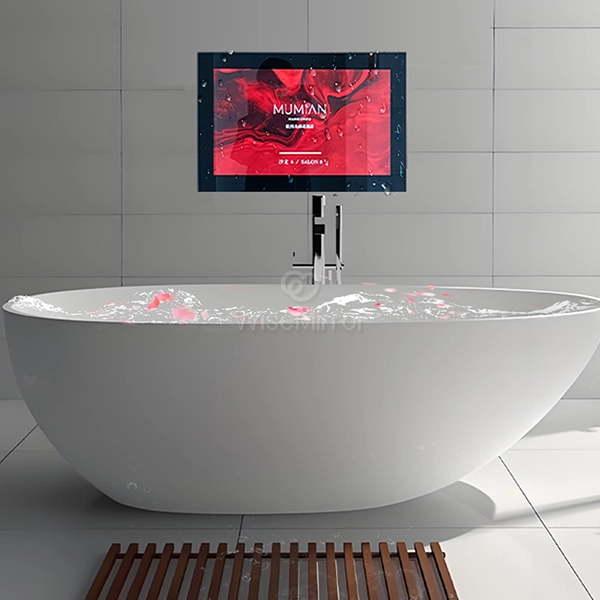
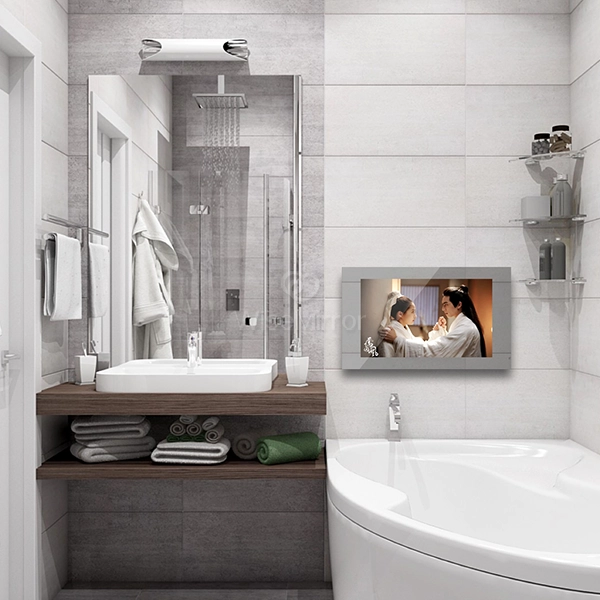
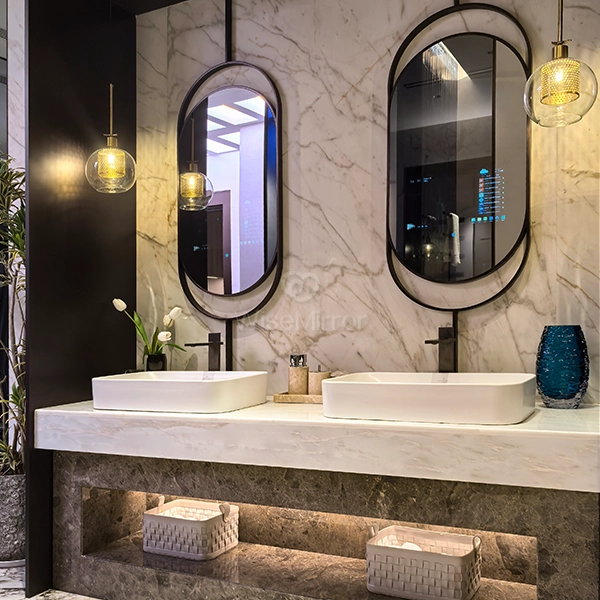
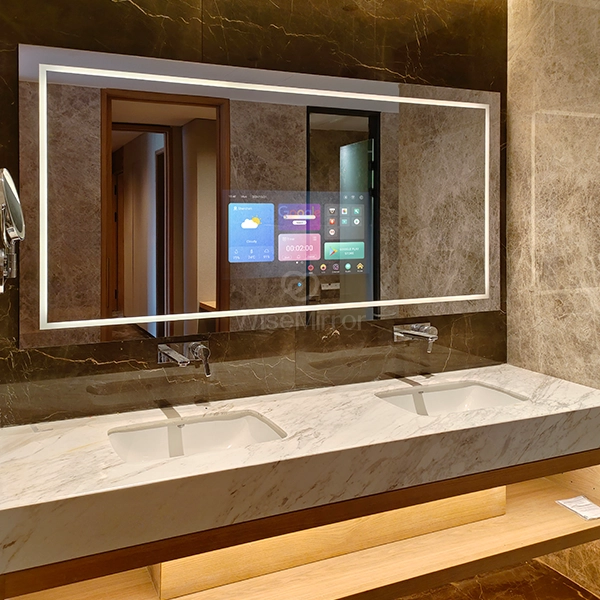
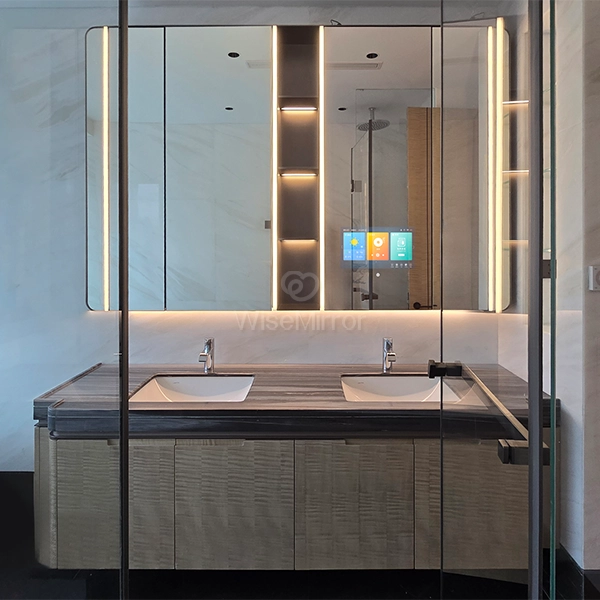
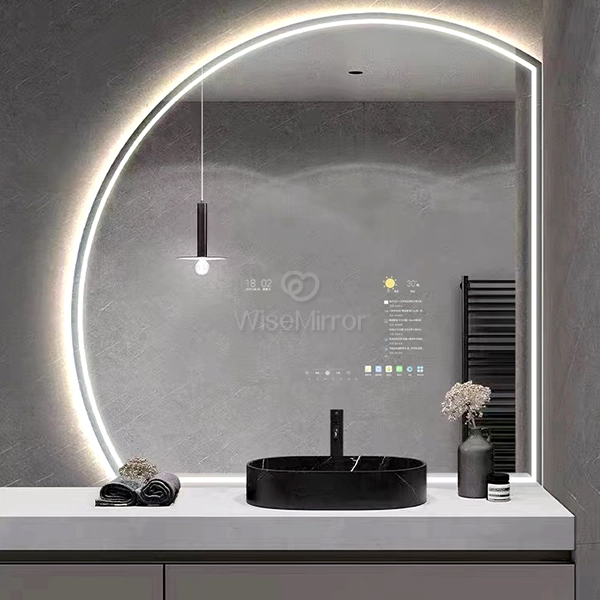
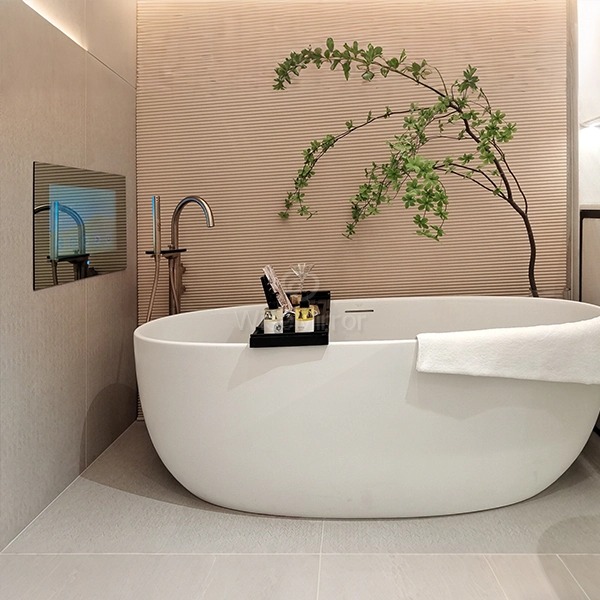
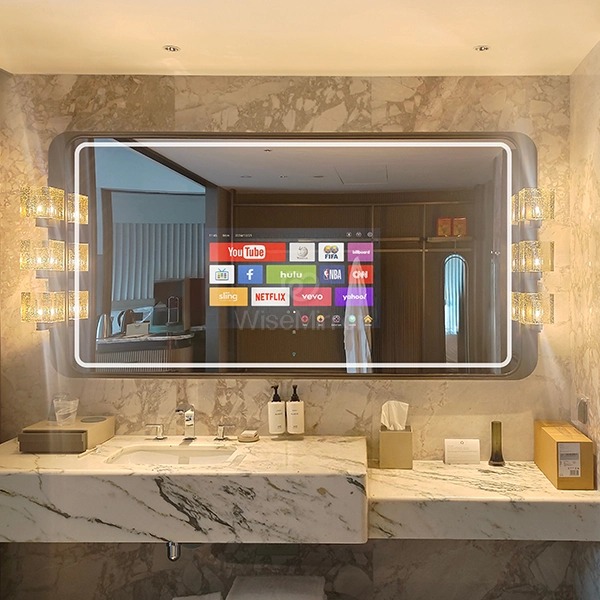
More and more, procurement managers are turning to OEM lighted smart mirror makers to find custom, scalable smart bathroom solutions for multi-property developments or high-end hotel projects. Instead of off-the-shelf Products, OEM providers offer custom mirror systems with LED lighting that can be adjusted, IoT connectivity, and waterproof construction. These systems are made for high-volume installations in hotels, apartment buildings, and business properties. These relationships shorten the time it takes to buy things, lower the cost of each unit through bulk prices, and offer engineering help that makes sure the quality of hundreds or thousands of units is the same. When you choose the right OEM partner, you can turn complicated project requirements into solutions that work with the building code and improve the guest experience and property value.

Understanding the Role of OEM Smart Mirror Suppliers in Large-Scale Projects
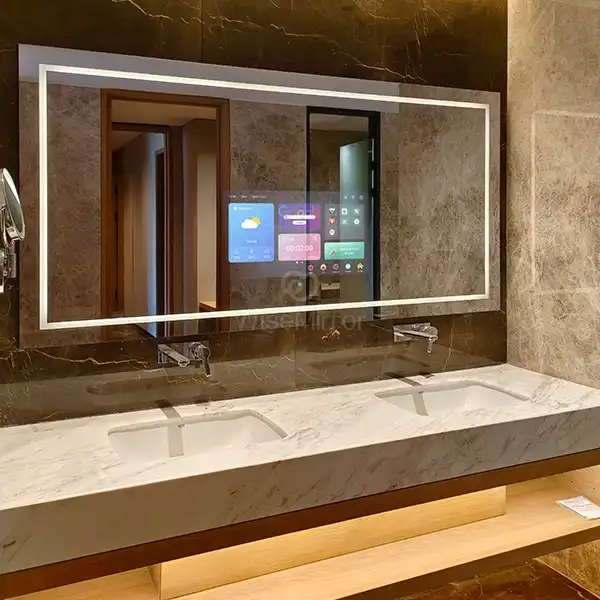
OEM smart mirror makers are more like strategic manufacturing partners than just sellers of goods. They are useful because they can change mirror technology to fit specific project needs by adding things like multi-level fill lights, touchscreen controls, and weather sensors.
Design Flexibility for Hospitality and Residential Developments
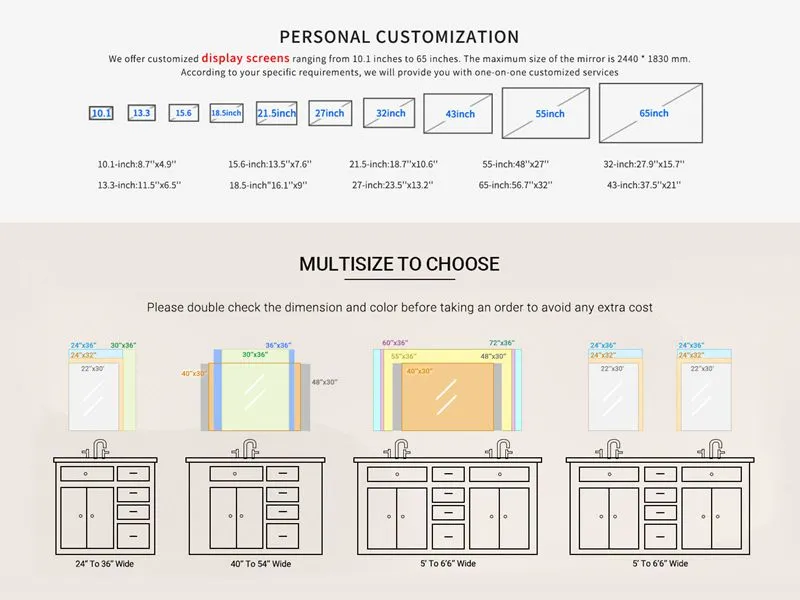
OEM makers can meet a wide range of design needs. Hotels might need mirrors in 18 standard sizes with custom branding interfaces, while home builders might ask for unframed mirrors in sizes from 24 to 72 inches. Connecting mirrors to building management systems, putting property names on startup screens, or programming mirrors to show local weather and flight information in hotel rooms are all examples of this level of freedom. This kind of customization isn't possible with regular sale models, but it's common in OEM relationships.
Cost Efficiency Through Bulk Procurement
Structures for volume prices have a big effect on project costs. When a luxury hotel company buys 500 illuminated mirrors for a new resort, they usually save 30 to 40 percent on the cost compared to buying the same number of store units. OEM providers spread the costs of tools over many orders and make shipping as efficient as possible by sending shipments to building sites at times that work with the installation phases. This teamwork cuts down on storing costs and the chance that products will get damaged during long storage periods.
Quality Assurance Across Production Runs
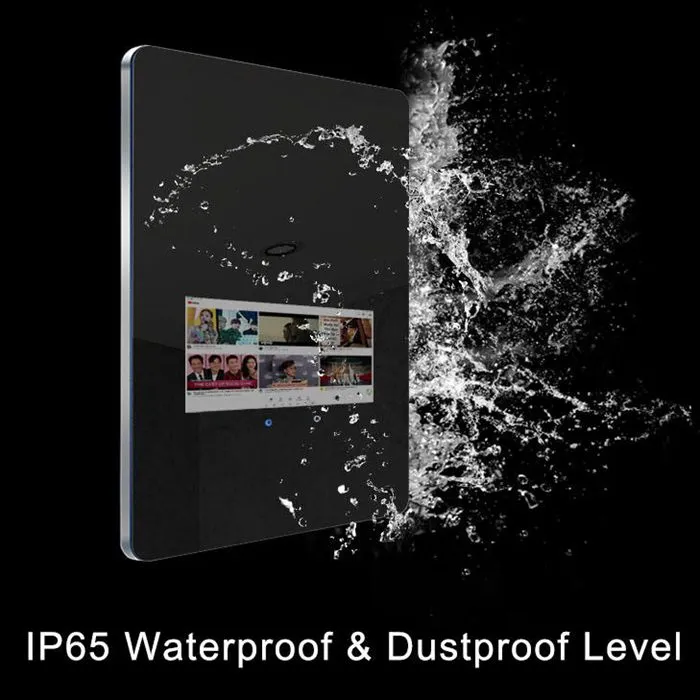
When putting mirrors in 300 guest rooms, it's important to be consistent. OEM providers have strict quality standards that include checking batches to make sure the color temperature is the same, making sure the waterproof grade is IP65 or higher, and calibrating the touchscreen response. These steps make sure that mirrors placed in rooms 101 and 501 work the same way five years after they were put in. This protects the property's image and cuts down on maintenance calls.
Core Features and Technologies of Lighted Smart Mirrors Relevant to Large-Scale Procurement
Modern lighted smart mirrors combine useful bathroom features with technology that keeps guests interested. Knowing about these features helps buying teams figure out which features make it worth investing in certain types of property.
LED Lighting Systems and Energy Performance
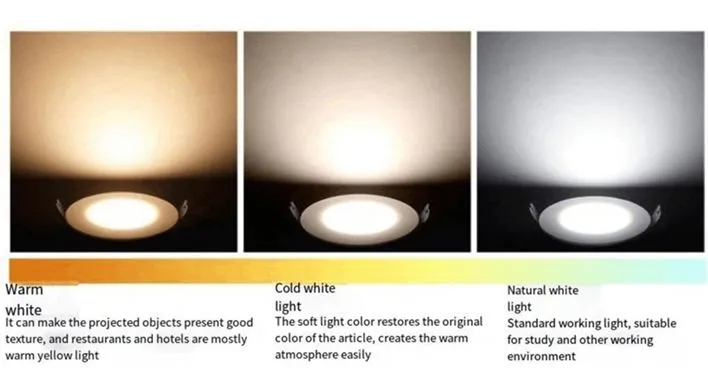
Many modern lighted smart mirror have LED arrays that are edge-lit or backlit and offer three color temperature modes: cool white (6000K for task lighting), natural daylight (4500K for precise makeup application), and warm white (3000K for relaxing in general). Depending on the size of the mirror, they usually use 12 to 25 watts of electricity, which is a lot less than the 40 to 60 watts that traditional neon bathroom lighting needs. At current U.S. business power rates, this means that over the 10-year life of a mirror in a hotel, this saves about $180 in energy costs per unit while also lowering the load on the HVAC system in bathrooms.
In addition to basic lighting, more complex models have sun detection sensors that change the brightness automatically based on the amount of light in the room. This feature is especially useful in spas and health centers, where keeping the lights comfortable for guests without having to do anything manually makes them happier.
Smart Connectivity and IoT Integration
Integration options are what set apart simple lighted mirrors from real smart bathroom solutions. These days, units link to property management systems through Bluetooth, Wi-Fi, or Zigbee. Implementations in hotels allow:
- Voice Control Compatibility: Guests can turn on lights, check the weather, or play music by integrating Alexa or Google Assistant.
- Remote Management: Facility teams check on the state of operations, install software changes, and fix problems without going into rooms that are already filled.
- Customizable User Interfaces: Show material that is special to the property, like spa menus, guides to nearby attractions, or reminders to check out.
Smart home environment integration that works smoothly is good for residential projects. Mirrors talk to thermostats, automatic shades, and security systems, making seamless automation experiences that set high-end homes apart in crowded markets.
Waterproofing and Environmental Durability
Specialized building techniques are needed in bathrooms. High-quality OEM mirrors have nano-coated mirror screens that keep water out. This keeps the corrosion and silvering that happen with regular mirrors from happening. Electronic parts are protected from humidity and direct water spray by waterproof grades (IP65 at the very least, IP67 for steam rooms). Anti-fog treatments keep things clear right after a hot shower, which solves a common problem that guests have in hotel settings.
All building elements are important. For bathroom installations, tempered glass with a standard thickness of 5 mm meets safety standards. Housings made of stainless steel or aluminum don't rust in coastal homes where salt air speeds up rusting. These requirements make products last longer in tough settings, cutting the number of times they need to be replaced from 5 to 7 years to over 10 years.
Customization Options for Project-Specific Requirements
When it comes to specific project problems, OEM freedom is key. Healthcare sites need surfaces that kill germs and cleaning access that doesn't require tools. In retail settings, fixing clamps that can be adjusted should be able to handle both portrait and landscape orientations. Impact-resistant glass and easy-to-use control panels are what gyms need. Each requirement calls for engineering changes that OEM providers make to production processes so they can provide solutions that goods in a store's catalog can't match.
How OEM Suppliers Facilitate Seamless Installation and After-Sales Service?
Complex installations on multiple sites create organizational problems that go beyond the quality of the result. OEM partners with a lot of experience offer a full support system that keeps project schedules and budgets safe.
Pre-Installation Technical Consultation
OEM engineering teams look over architectural plans, electrical specs, and wall construction details before production starts. This evaluation finds possible problems, like not enough support for big mirrors, not enough electrical power, or problems with water rough-ins. Early discovery keeps expensive changes from having to be made during the building stages. Suppliers often give general builders CAD models and installation templates that they can use to organize trades and make sure that mirrors fit perfectly into holes that have already been prepared without any changes having to be made in the field.
Professional Installation Support and Training
Installation training given by the maker for the lighted smart mirror is helpful for large-scale deployments. OEM providers hold training classes on-site to teach installation teams the right way to mount equipment, connect cables, and set up the system. This investment cuts down on the time it takes to install each unit (usually from 90 minutes to less than 45 minutes after training), protects against damage during handling, and makes sure guarantees are still good by following proper installation procedures.
Some OEM partners keep networks of certified installation contractors in big U.S. areas. These carefully selected teams know how to install certain products and have the right tools for the job. They provide complete installation services that take the strain off of general builders who have to coordinate with specialty trades.
Warranty Structure and Replacement Part Logistics
Standard domestic mirror guarantees (one to two years) are not long enough for business projects. Good OEM providers cover LED parts, touch sensors, and electronic units with longer warranties (three to five years). Warranty terms include response times (usually 48 to 72 hours for shipping replacement parts to project sites) and advance replacement policies that keep applications that guests see from going down.
Parts systems that work well keep small problems from turning into big problems. In a hotel bathroom, a broken mirror glass should be fixed in a few days, not weeks. OEM sellers keep regional hubs for inventory and give purchasing managers specialized account contacts who can handle orders without having to wait in line for general customer service.
Ongoing Technical Support and Software Updates
Smart mirrors need software changes from time to time to keep security measures up to date, add new features, or fix bugs. OEM partners with a good reputation offer remote updates and technical help lines filled by engineers who know how to handle large-scale deployments. This help is very important when connecting mirrors to property management systems or fixing connection problems in multiple units at the same time.
Comparing OEM Solutions with Standard Brands: Why OEMs Are Preferred for Large Projects?
When procurement managers look at smart mirror choices, they compare well-known consumer names to original equipment makers (OEMs). There are a number of reasons why OEM partnerships are always better for projects with more than 50 units.
Cost-Effectiveness at Scale
Unit economics change a lot when volume changes. A high-end store lighted smart mirror costs between $800 and $1,200, while similar OEM units cost between $450 and $650 per unit delivered in orders of 200 or more. You can save more than $300 per unit, which adds up quickly: a 400-room hotel project can save between $120,000 and $180,000 just on mirror rentals. There are changes that can be made elsewhere or the project's return on investment (ROI) can be raised without lowering the quality.
Customization Capacity and Brand Integration
Consumer brands usually only let you choose from three sizes and two styles when it comes to setup. OEM sellers can change things like the size, the controls for the lights, the software interfaces, and even the packing. Hotels can put up property branding when the mirrors turn on, home builders can set up smart home features ahead of time, and stores can program mirrors to show digital ads. This makes the experience of each guest unique, which is why higher room rates or property prices are justified.
Performance Reliability in Commercial Settings
Consumer lighted smart mirror goods are tested in homes where they will be used for two to three hours a day. Commercial settings need commercial-grade toughness (6–10 hours a day, higher humidity, and lots of cleaning with industrial chemicals). OEM makers do accelerated lifetime testing that mimics 10 years of hotel use to make sure that parts will last in real-world situations. Because of these strict tests, OEM mirrors always work, but consumer models often stop working after three years when used in business settings.
Project Case Evidence
A high-end hotel company in Southeast Asia just finished adding 1,200 rooms across three sites by using OEM smart mirrors. The project called for unique 36-inch and 48-inch mirrors with hotel logos, multilingual controls, and the ability to connect to the hotel's guest service app. It cost $580 per unit to buy them instead of $950 for similar customer models, which saved $444,000. Two years after installation, the failure rate is still less than 0.8%, which is much lower than the 4-6% failure rate that is common for consumer-grade mirrors in hospitality settings, according to reports from property management companies in the business.
Future Trends and Innovations in OEM Smart Mirror Manufacturing for Large-Scale Uses
The smart mirror market is still changing quickly. In the next three to five years, a number of new technologies are expected to completely change how things are used in business.
AI-Driven Personalization and Health Monitoring
The next version of mirrors will have computer vision and AI algorithms built in, which will allow for more personalized encounters. Face recognition could instantly change the lights to suit each hotel guest or home owner's tastes. Wellness-focused properties and senior living facilities are more valuable when they have health-monitoring features that look at things like skin condition, posture problems, or weight changes by using minor visual signs. For these features to be used in a way that respects privacy, responsible OEM providers are working on careful data handling procedures that are being developed at the same time as new technology.
Augmented Reality Integration for Retail and Hospitality
With AR overlays, you can virtually try on clothes in store changing rooms or hotel shops. Without actually trying them on, guests could see how different hairstyles or makeup colors would look with different clothes. With cutting-edge features, this technology sets properties apart and increases interaction and sales. When OEM providers work with AR software developers, they can offer integrated solutions instead of properties having to organize with different hardware and software vendors.
Sustainable Manufacturing and Circular Economy Practices
Environmental duty is becoming more and more important in purchasing decisions. Progressive original equipment makers (OEMs) use environmentally friendly methods, like using recycled metal frames, water-based adhesives instead of solvent-based ones, and making products that can be taken apart so that parts can be returned when the product is no longer needed. Embedded carbon footprints are smaller in factories that use green energy and are energy efficient. Properties that want to get LEED certification or similar green building standards can benefit from sustainability paperwork from suppliers that helps them meet certification point requirements.
Enhanced Supply Chain Transparency and Digital Collaboration
Advanced OEM partners give purchasing managers digital screens that show the state of shipments, quality control checkpoints, and the progress of production in real time. These platforms make it easier for everyone involved in a project to work together. For example, architects can look at digital models of pre-production products, facility managers can access installation guides and upkeep procedures, and developers can get data about assets for property management systems. This openness makes conversation easier and speeds up project timelines.
Conclusion
Original Equipment Manufacturer (OEM) lighted smart mirror providers offer clear benefits for big hotel, home, and business projects by allowing for customization, cutting costs, and providing full project support. Their technical skills allow them to take standard lighted mirrors and make custom solutions that meet the needs of each property. For example, waterproof construction is used in spas, and IoT integration is used in high-end smart homes. When procurement managers work with good OEM partnerships, they get reliable supply chains, consistent product performance across big deployments, and expert help that lasts the whole lifecycle of the product. As mirror technology moves toward AI integration and environmentally friendly production, choosing experienced OEM partners becomes more important for projects that want to set their properties apart with new bathroom solutions.
FAQ
What Minimum Order Quantities Do OEM Suppliers Typically Require?
Different OEM makers handle minimum sales in different ways. For standard setups, established providers that serve the hospitality and private markets usually accept initial orders of 50 to 100 units. However, for truly custom designs, 200 or more units may be needed to cover the cost of making the tools. WiseMirror Intelligent has a flexible MOQ that starts at just one unit for samples. Volume price starts at 50 pieces, which is an unusually low threshold that helps mid-sized hotel makeovers and small home projects.
How Long Does Custom Production Take From Order to Delivery?
Production times depend on how complicated the customization is and how much can be made at the moment. Standard setups with only minor customizations (size choice, basic marking) usually take 15 to 25 days from the time the order is confirmed until the container is loaded. It could take 35 to 45 days for complex projects that need custom software creation, special coatings, or custom attaching hardware. OEM providers with a lot of experience give thorough production schedules when they quote, and they add extra time to the project timelines in case there are delays that don't affect the construction schedules.
Can OEM Mirrors Integrate With Existing Property Management Systems?
Modern OEM smart screens can connect to major property management platforms through APIs, MQTT protocols, or the creation of custom software. Integration lets you handle mirror settings, guest preferences, and service call triggers from one place. The OEM's software team and the property's IT department need to work together during the planning phase to get things set up. For properties that already have smart building infrastructure in place, well-documented APIs and technical help make this process easier.
Partner With WiseMirror for Your Next Large-Scale Project
The experts at WiseMirror Intelligent have been helping high-end restaurants, home builders, and businesses all over the world for more than 15 years. Our lighted smart mirror solutions combine nano magnetron sputtering coating technology, low-impedance ITO capacitive touch integration, and waterproof construction that is designed to work in harsh industrial settings. We've done installations for China Resources Land, Gemdale Group, and many foreign hotel names that went off without a hitch for landmark projects.
As a trusted lighted smart mirror supplier, we can make any size mirror you need, from small 20-inch bathroom mirrors to large 100-inch installations in the lobby. We also keep production efficient so that projects stay on schedule and on budget. Our in-house UI design and software development teams make sure that your property's smart building systems work well with each other, giving guests a more consistent experience that makes them happier.
To talk about your buying needs, email our project experts at info@wisemirror-int.com. We'll give you thorough technical advice, personalized quotes, and model units to show you the quality before you agree to full production. You can look at our whole line of products at wisemirror-int.com and learn why procurement managers trust WiseMirror Intelligent for large-scale smart mirror deployments.
References
Johnson, M.R., & Chen, L. (2023). Smart Building Technologies in Hospitality Design: Integration Strategies for IoT-Enabled Amenities. Journal of Commercial Interior Systems, 18(3), 112-129.
Anderson, K.P. (2022). Procurement Best Practices for Large-Scale Hotel Development Projects. International Hospitality Construction Review, 45(2), 78-94.
Williams, S.T., & Rodriguez, E. (2024). LED Lighting Systems in Commercial Bathrooms: Energy Efficiency and Lifecycle Cost Analysis. Building Systems Engineering Quarterly, 31(1), 45-63.
Zhang, H., & Thompson, R.L. (2023). OEM Manufacturing Partnerships in Specialty Building Products: Risk Mitigation and Quality Assurance. Supply Chain Management in Construction, 12(4), 201-218.
Martinez, A.C. (2023). Smart Mirror Technology: Applications in Hospitality, Healthcare, and Residential Settings. Emerging Technologies in Built Environments, 7(2), 134-152.
Parker, D.J., & Liu, Y. (2024). Sustainable Manufacturing Practices in Electronic Consumer Durables: Case Studies from Smart Home Device Producers. Green Building Materials and Methods, 19(1), 88-105.