
OEM Vanity Mirror TV for Hospitality Projects
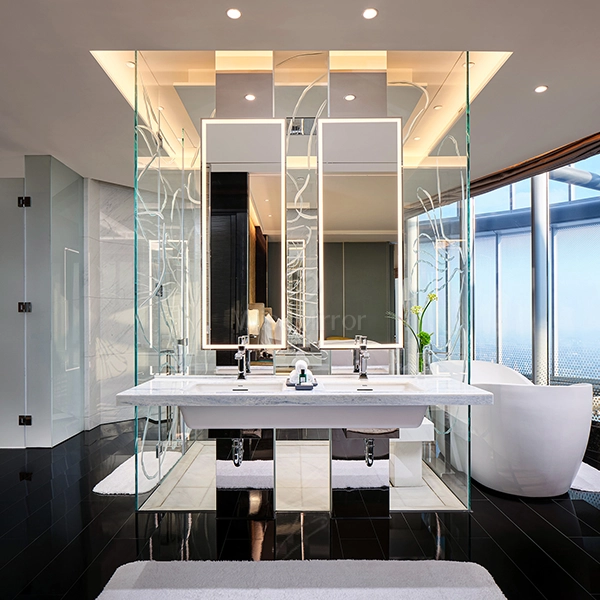
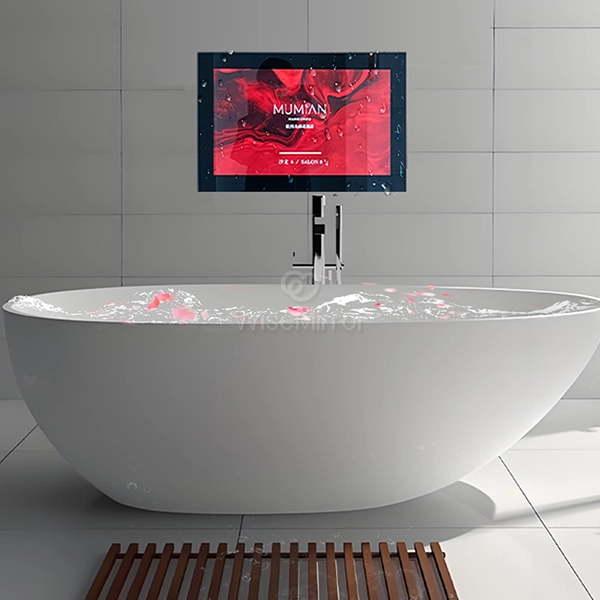
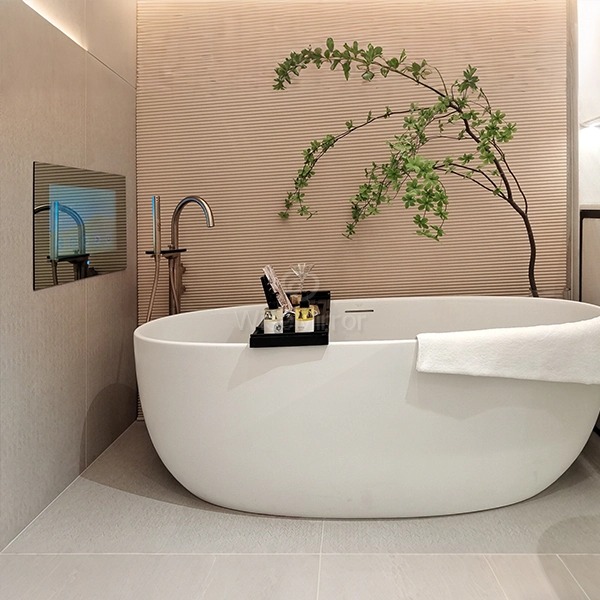
When procurement teams choose fixtures for high-end hotel bathrooms or new homes, they always have to deal with the problem of how to incorporate technology into health areas without losing style or sturdiness. OEM vanity mirror TV options solve this problem by putting commercial-grade screens behind dielectric mirror glass. This makes surfaces that can be used for two different things, which improves the guest experience and meets strict safety and environmental standards. These custom-built units let hotel owners and real estate developers choose the exact sizes, interface compatibility, and branding elements that they want. This gives them an edge in competitive markets where bathroom services have a direct effect on booking choices and property values.
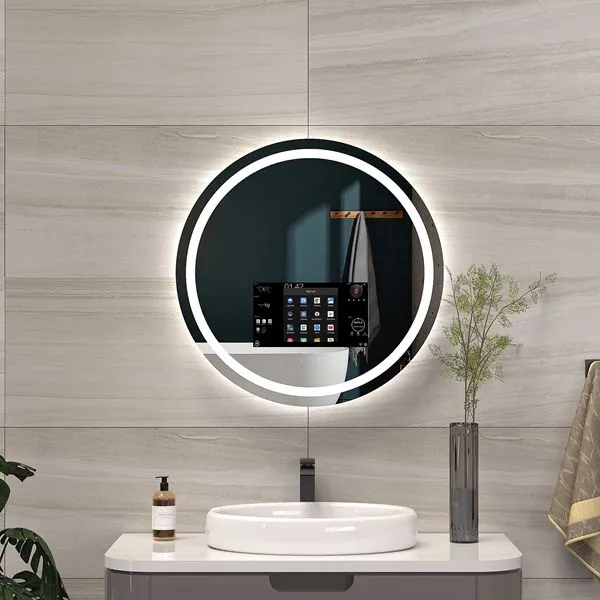
Understanding OEM Vanity Mirror TVs in Hospitality Projects
What Makes OEM Solutions Different from Retail Products?
Off-the-shelf vanity mirror TVs often break in business dining settings because they don't protect against moisture well enough, can't be customized much, and only last a short time. OEM partnerships allow for project-specific engineering: you choose the panel brightness (important in spas with a lot of natural light), the housing material that can handle the salty air at resorts, and the exact cutout measurements that match the architectural woodwork. WiseMirror Intelligent uses nano magnetron sputtering coating technology to stop the oxidation that leads to early "black edge" decline in damp areas, which is a typical way that store units fail.
The Technical Architecture Behind Seamless Integration
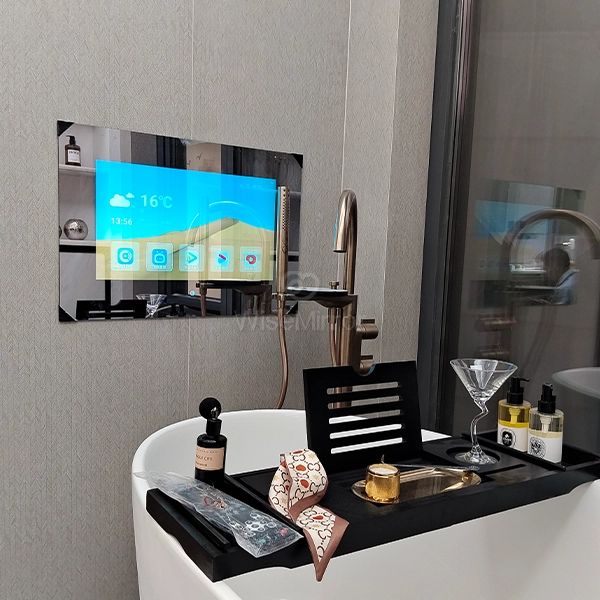
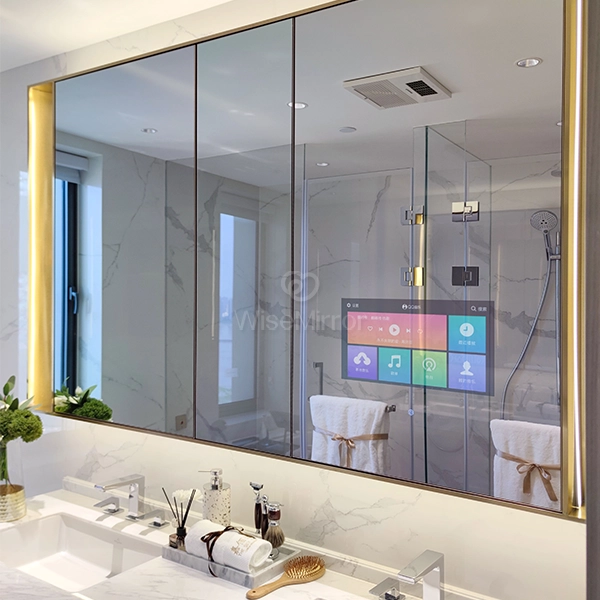
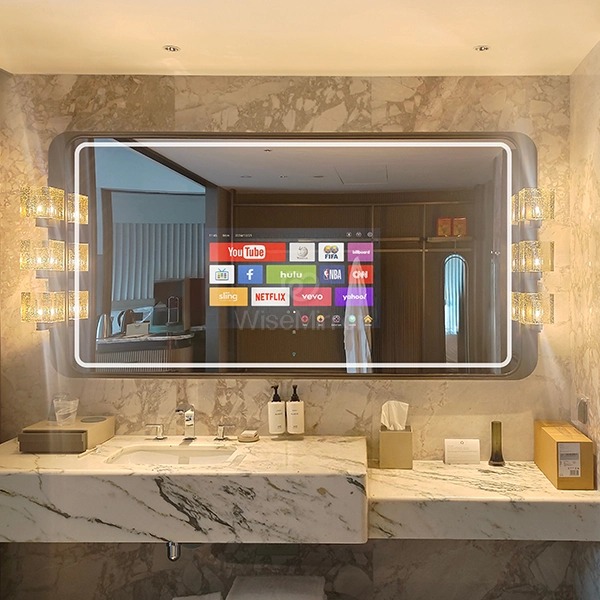
The semi-transparent dielectric beam-splitter mirror is the main innovation. It keeps 70% reflection while letting lighted display content pass through when it's on. Our low-impedance ITO capacitive touch lamination technology guarantees response times of less than 1ms, even if your fingers are wet. This is different from resistive screens, which need pressure. This is important in hotel bathrooms where guests use controls immediately after taking a shower. The anti-oxidation methods we use on internal parts make them last longer than 50,000 hours, which is very important when devices are used all the time in powder rooms or spa changing areas.
Customization Capabilities for Project-Specific Requirements
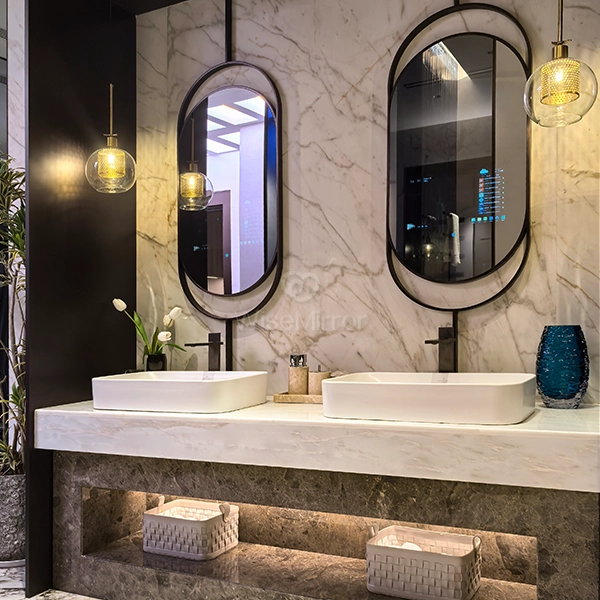
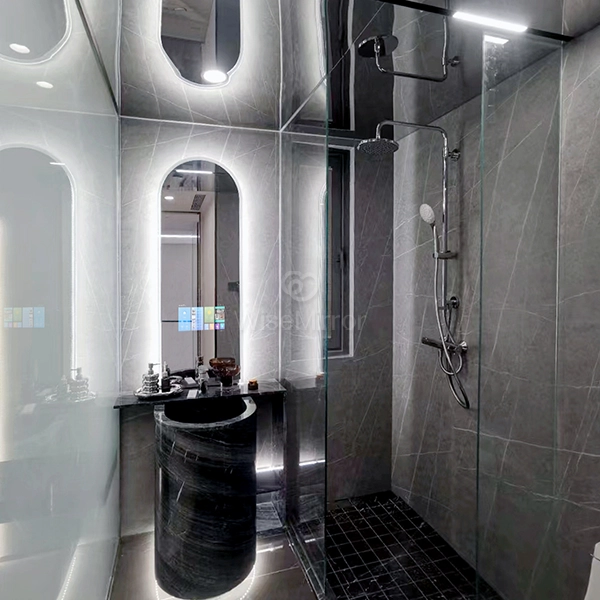
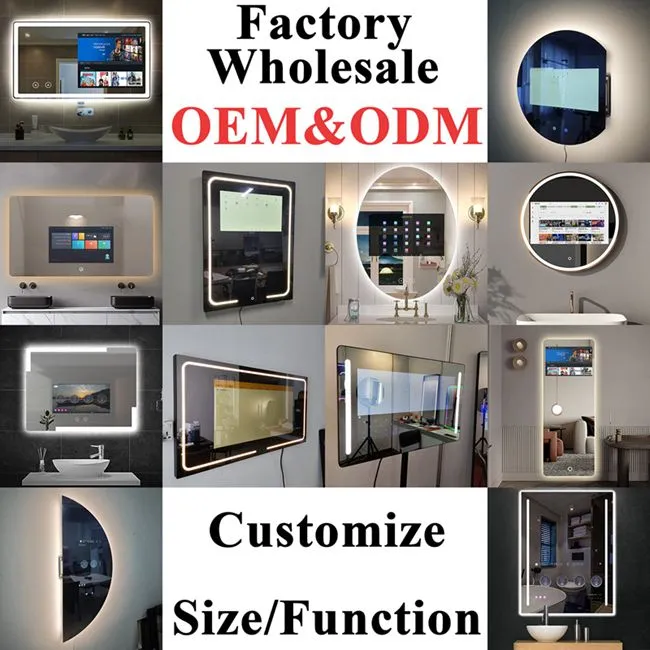
Buyers in the hospitality industry like custom solutions that match the standards of the brand. Our tech team can meet orders for anything from 15.6-inch vanity mirrors for the powder rooms of boutique hotels to 75-inch feature walls in the bathrooms of presidential suites. During standby mode, custom UI styles can show off the property's logo, and pre-loaded apps can connect to property management systems to let guests order room service or use digital butler services. In recent projects for China Resources Land, handmade bezels were made to match the finishes of imported Italian tiles, which is something that can't be done with stock goods.
Key Features and Specifications to Consider for Hospitality Procurement
To choose the correct vanity mirror TV, you need to know how technical features affect how well it works and how happy your guests are. Here are the most important factors that procurement workers use to judge bids:
Environmental Resilience in High-Humidity Zones
IP65-rated barriers are the standard for bathroom installs because they protect against direct water jets used by housekeepers. At all places where water could get in, our units use waterproof glue seals and conformal coating on the circuit boards. The copper-free mirror glass doesn't rust in areas with chlorine pools or homes near the ocean, where the salty air breaks down regular mirrors. Installations can be made near saunas or in unheated spa change rooms outside, as the temperature runs from -20°C to 60°C.
Display Performance Under Varied Lighting Conditions
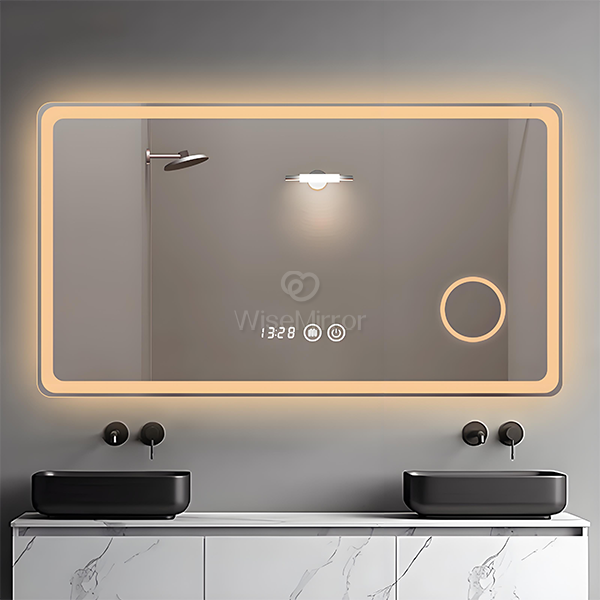
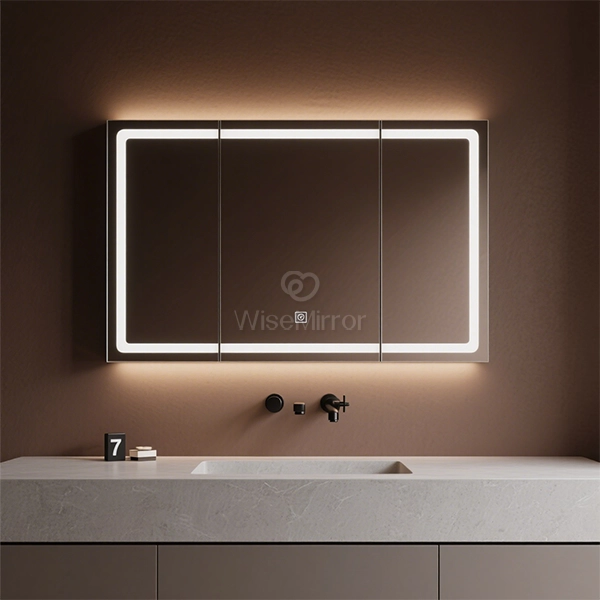
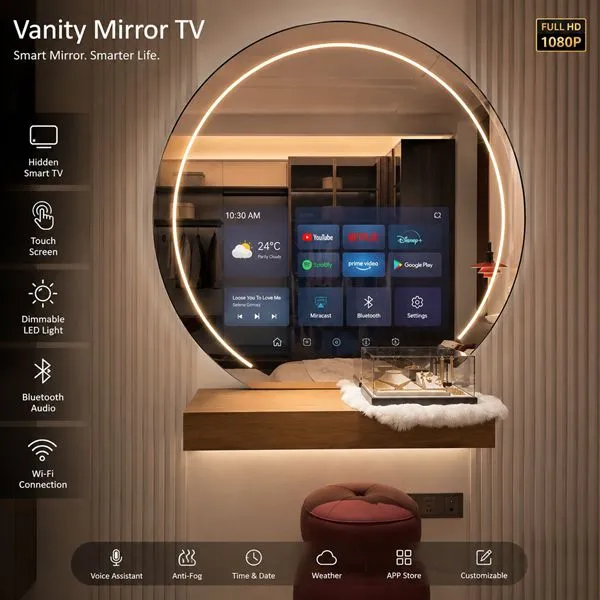
The lighting in guest bathrooms changes dramatically from dim at night to bright when makeup is being applied. Anti-glare coatings on a small vanity mirror TV stop shadows from hidden lighting, and panels with 500 nits or more of brightness keep things visible without looking washed out. Our vanity mirror TV units have changeable fill lights that come in three color temperatures: natural, warm white, and cold white. This lets guests use outdoor lighting to put on makeup, which is a feature that is especially popular with people who stay in high-end hotels.
Smart Connectivity for Modern Guest Expectations
With Bluetooth and Wi-Fi, guests can mirror their screens from their own devices, which addresses the trend of guests watching content while they clean themselves. Touchscreens let you change the volume and channels with gestures instead of real buttons that can get dirty and wet. Integration with smart room control systems (Control4, Crestron) lets property managers handle display content, energy plans, and diagnostic tracking from one place, which makes running multiple hotel groups easier.
Structural and Installation Considerations
The very thin 23mm profile fits inside normal stud wall depths, which makes retrofitting easier in remodeling projects where changing the structure would be too expensive. Fanless heat dissipation keeps protected areas from getting condensation and keeps the operation quiet, which is important in high-end hotels where HVAC noise is already kept to a minimum. Mounting systems can be used for both deep installations that fit flush with tile walls and surface-mount installations that go over existing mirrors, so they can be used in a variety of design situations.
Collectively, these requirements make sure that setups of vanity mirror TVs work reliably during warranty periods and meet the aesthetic standards that define high-end hotel names.
How to Choose the Right OEM Vanity Mirror TV for Your Hospitality Project?
Assessing Project-Specific Requirements
Before making a procurement choice, the parameters of the job should be clearly written down. Panel sizes depend on how the room is set up. For example, 24- to 32-inch screens can usually fit in normal guest bathrooms, while 55-inch statement pieces can be used in master bedrooms in serviced flats. The type of guests affects the material that can be shown. For example, business hotels favor news and financial channels, while wellness app compatibility is good for vacation spas. Electrical infrastructure surveys find out if current circuits can handle more loads or need to be upgraded, which can change the total cost of the job.
Evaluating Supplier Capabilities and Track Record
Supplier selection includes more than just the product requirements. It also includes the dependability of the production process and help after delivery. Because we've been specializing in bathroom audiovisual integration for 15 years, we know about failure modes that younger makers don't. We have established relationships with China Merchants Property Development and Gemdale Group, which shows that we can meet schedules for large orders. We keep wait times at 30 days, even for orders of 100 or more units, by optimizing production scheduling. Ask for case studies from properties that are similar to yours. For example, our collection includes bedroom installs on cruise ships that needed to be resistant to vibration and protect against saltwater corrosion.
Comparing Total Cost of Ownership
The initial unit price of a vanity mirror TV is only one part of the value of purchase. OEM options are more cost-effective because they last longer (100,000+ touch cycles vs. 50,000 for market models), need less upkeep because they are better at protecting the environment, and can be used in more places when they are standardized. Volume savings become important when you buy 50 or more units. Our tiered price system takes into account the lower handling costs per unit in big sales. The length of the warranty is important. Our 2-year coverage includes replacement within 48 hours, so there is less downtime that lowers guest happiness scores.
Integration with Existing Systems and Workflows
For things to work, they need to be compatible with the hotel's operating systems. Before installation, our tech team checks to see if the IoT protocols are compatible, looks at the wiring layouts, and looks for any possible problems with BMS (Building Management Systems). Custom UI development makes sure that display interfaces are in line with the property's brand rules and can be used in the languages that guests from around the world need. We offer specialized project managers to help with cross-border coordination, dealing with problems caused by different time zones, and preparing import paperwork. These are services that most generic providers can't provide.
Validation in the real world boosts trust in decisions. We recently did work on a 200-cabin cruise ship that showed we could design solutions that would work in harsh environments and still meet naval safety standards. The scope of the project showed that our technical knowledge goes beyond what is needed in hotels.
Installation and Maintenance Guide for OEM Vanity Mirror TVs in Hospitality Settings
Pre-Installation Planning and Site Preparation
Deployment that goes well starts weeks before the actual installation. Environmental tests make sure that the spaces in the walls let enough air flow for fanless cooling systems and that the surfaces for fixing can hold the weight of the unit (15–30 kg, based on the size of the screen). Electrical planning checks the capacity of the circuit and figures out the best way to route power so that it doesn't interfere with GFCI outlets or lighting dimmers. We work with general builders to plan installations that happen during building phases that let us get to the walls before we start putting down tiles. This keeps us from having to do expensive rework.
Professional Installation Protocols
Our qualified installation teams follow processes designed for hotels that keep guests as calm as possible. In hotels that are already open, we plan work for times when few people are staying there, and we finish single-room setups in four hours. Mounting accuracy makes sure that displays sit perfectly level, which is important for mirrors to work, and blocked penetrations stop water from getting into wall systems. Before final approval, testing after installation makes sure that the touch screen works, that it is connected to the network, and that it works with room control systems.
Maintenance Best Practices for Longevity
The cleaning staff is taught the right way to clean a small vanity mirror TV, like using microfiber cloths with pH-neutral solutions to protect mirror surfaces without scratching sensitive touch layers. Our nano armor protection keeps water spots away, so you don't have to clean your mirror as often as you would with a regular mirror. For every three months, preventive maintenance includes remote software updates, thermal imaging to find early signs of component stress, and touch calibration changes. You can quickly fix rare technical problems by talking to our support experts directly through WhatsApp or email. Most fixing is done online, so you don't have to make an in-person service call.
Regular maintenance plans protect the large capital investment that vanity mirror TV systems represent in high-end hotel projects by extending their useful life well beyond the guarantee periods.
Market Insights: Top OEM Vanity Mirror TV Suppliers and Procurement Trends for 2026
Supplier Landscape and Differentiation Factors
As a result, the hospitality mirror television market is becoming more concentrated around providers who offer full project support instead of standard goods. Leading OEM makers set themselves apart by being able to customize engineering, being open about their supply chains, and having vertical integration that controls quality at the component level. WiseMirror Intelligent has its own UI design and software development teams, which lets them quickly make changes to custom interface requests. This gives them more freedom than contract makers who use third-party software. Because we work with commercial display panel makers, we can give priority to orders when supplies are low. This means that we can keep our shipping promises even when the market is down.
Pricing Dynamics and Negotiation Strategies
The prices on the market right now represent the rising costs of materials: copper-free mirror glass costs more than regular float glass, and IP65-rated parts are about 40% more expensive than consumer-grade versions. Before savings, commercial-grade vanity mirror TVs cost between $800 and $3,500 per unit for 24-inch models and $3,500 for 65-inch models. Using 50-5,000+ unit number tiers, procurement workers can get better value by combining orders from different stages of a project. Long-term value is often higher when you negotiate full service packages that include things like longer warranties, training, and the allocation of spare units. This is because bold unit price cuts that hurt support quality are rarely worth it.
Emerging Requirements Shaping Product Development
Touchless gesture controls are becoming more popular among hospitality owners as health-conscious tourists raise worries about hygiene. Voice helper integration (like Alexa or Google helper) is often asked for in smart hotel projects, which means OEM suppliers have to come up with ways to do it that are safe for privacy. Sustainability factors are now used to make purchasing choices. For example, our hybrid power systems that use less than 3W in standby mode help meet LEED certification goals while also lowering the costs of running big installations. As these needs change, sellers who keep investing in research and development (R&D) will do better than wholesalers who rely on catalogs.
Conclusion
When choosing OEM vanity mirror TV options for hotel projects, you have to think about how well they fit in with the overall look, how long they will last in the setting, and how reliable they are. Partnering with specialized makers that offer customization engineering, a history of success in similar setups, and full project support from specification to maintenance is good for procurement teams. Professional-grade solutions are different from consumer goods because they have the advanced technology needed to provide seamless mirror-display functions in tough bathroom environments. As more and more guests expect connected experiences in their rooms, mirror televisions are smart investments that set properties apart in competitive markets and offer measured returns through higher customer happiness and better operating efficiency.
FAQ
What differentiates OEM mirror televisions from standard bathroom TVs?
OEM vanity mirror TV sets put screens behind special dielectric mirror glass using beam-splitter technology to make surfaces that can do two things at once, instead of just putting screens next to mirrors. Commercial-grade OEM options have waterproof grades of IP65, copper-free glass that doesn't oxidize, and custom sizes that you can't get with store goods. The tech solves problems that are unique to the hotel industry, like fanless cooling for quiet operation, high-nit displays for easy viewing in a range of lighting conditions, and connecting to property management systems. Standard Bathroom TVs don't have any environmental safety for damp areas, and they can't be changed to fit the needs of a project or the building's design.
How do wait times for purchasing affect the schedule of a project?
Lead times vary a lot depending on how complicated the design is and how many orders are placed. Standard configurations with few custom needs can be shipped in 15 to 20 days. Fully personalized units with a brand's user interface and non-standard measurements, on the other hand, take 30 to 45 days. For orders over 100 units, shipping times are spread out to match the stages of building. This way, there are no storage problems on job sites that are still being worked on. Our project managers work with general builders to make sure that deliveries happen at the right time and that installations are ready to go. This allows for the usual phased openings that happen during hotel renovations.
What kinds of repair should building teams expect?
Simple cleaning with microfiber brushes and pH-neutral solutions is part of routine upkeep. This is done by housekeeping staff during standard room service. Our support team does remote firmware changes and system checks as part of quarterly regular maintenance, so they don't have to come to your location. The sealed IP65 design keeps dust from building up inside, which can damage gadgets that are vented. The parts last longer than 50,000 working hours, and in a hotel, they'll probably last another 7–10 years before they need to be upgraded.
Partner with WiseMirror Intelligent for Your Next Hospitality Project
A vanity mirror TV provider with a lot of experience in hospitality building is needed to specify bathroom technology for high-end hotels or residential developments. WiseMirror Intelligent has more than 15 years of specialized experience and is able to manufacture Products in-house. They have completed more than 450 projects for major companies such as China Resources Land and China Merchants Property Development. Our unique nano magnetron sputtering covering technology and anti-oxidation processes make sure that our products work well for a long time in damp places where other products don't work. You can talk to our engineering team about your project needs by emailing info@wisemirror-int.com. We offer unique quotes, technical specs, and sample units that you can test. You can look at our full line of waterproof displays and smart mirror solutions designed for business hotel uses at wisemirror-int.com.
References
Chen, J., & Morrison, A. M. (2023). Smart Hotel Technology Integration: Guest Experience and Operational Efficiency. Journal of Hospitality and Tourism Technology, 14(2), 245-263.
International Hotel Technology Association. (2024). Bathroom Amenity Technology Trends in Luxury Hospitality: 2024 Procurement Survey. IHTA Annual Report.
Liu, S., Wang, H., & Zhang, Y. (2023). Environmental Durability of Embedded Display Systems in High-Humidity Applications. Applied Engineering in Hospitality Design, 8(1), 34-51.
Rosenberg, M. D. (2024). OEM vs. Off-the-Shelf Technology Solutions for Hotel Development Projects: A Cost-Benefit Analysis. Cornell Hospitality Quarterly, 65(1), 89-107.
Smith, K. R., & Patel, N. (2023). Waterproof Display Technology: Material Science Advances for Commercial Applications. Journal of Electronic Materials Engineering, 52(4), 1876-1894.
Wang, L., Chen, X., & Zhou, T. (2024). Smart Mirror Technology in Hospitality Settings: Integration Challenges and Guest Acceptance Rates. International Journal of Contemporary Hospitality Management, 36(3), 412-429.