
Bathroom Mirror TV vs Traditional TV: A Hotelier’s Comparison
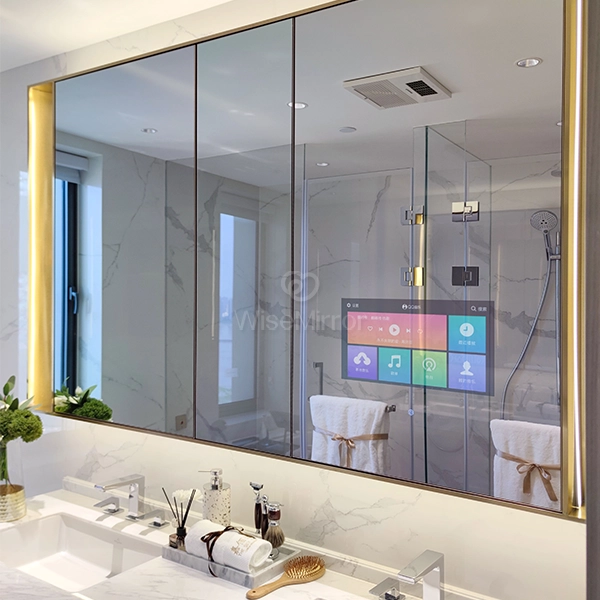
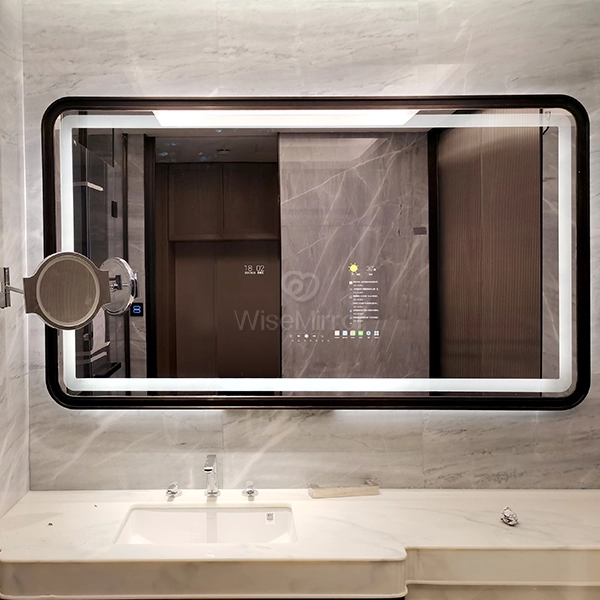
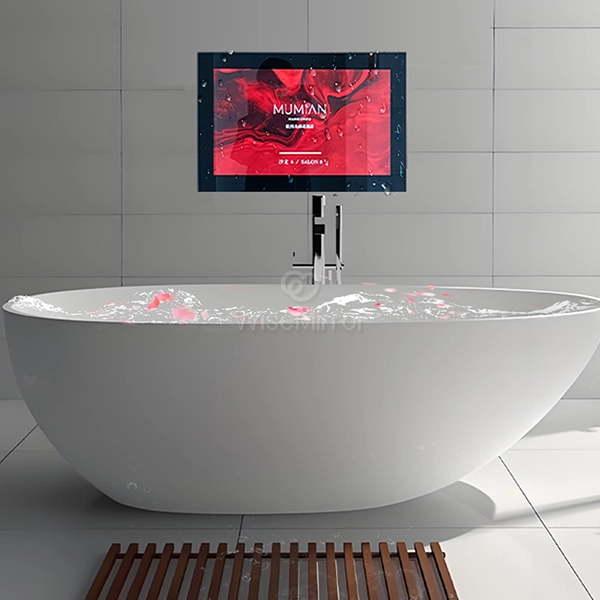
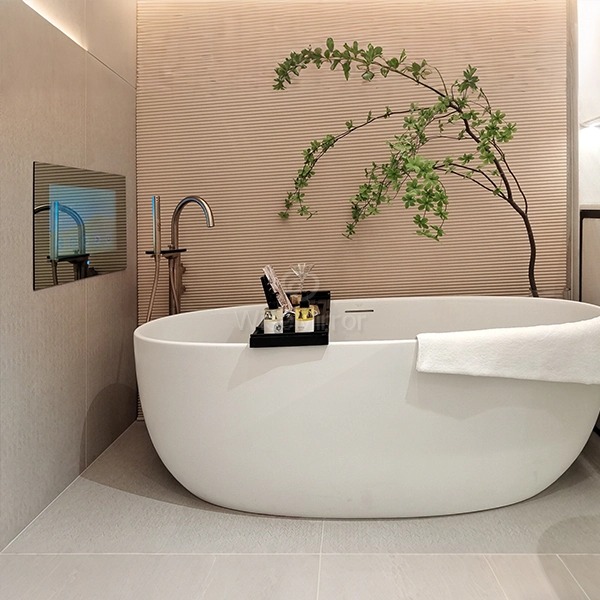
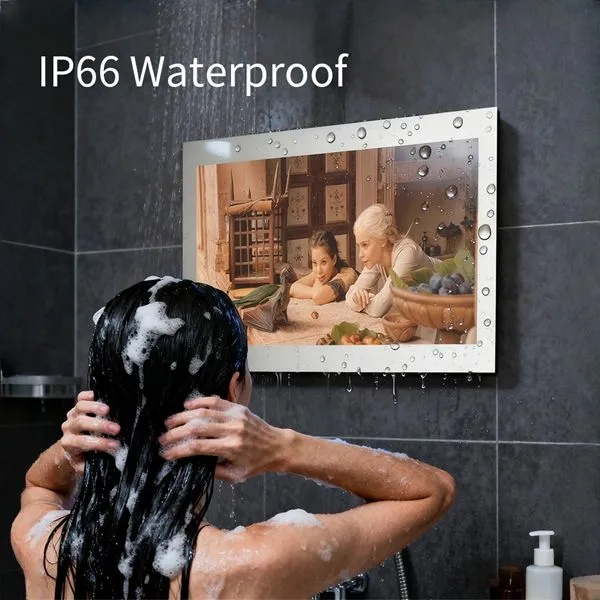
The choice between a bathroom mirror TV and a regular TV when looking at entertainment technology for high-end hotel bathrooms changes the way guests feel and how well the hotel runs. A bathroom mirror TV has a high-definition screen built into special dielectric mirror glass. It can be used as both a makeup mirror and an entertainment device. This two-in-one invention solves three important problems in the hotel industry: electronics breaking down because of moisture, limited space in small bathroom layouts, and problems with the look of high-end furnishings. Traditional TVs, which are based on home models, have problems with not being waterproof enough, having heavy cases, and being hard to put in wet areas. When you compare IP66-rated mirror screens to consumer-grade units that rust in months in steamy places, you can see the difference in performance.
Understanding Bathroom Mirror TVs and Traditional TVs
The Technology Behind Mirror Display Integration
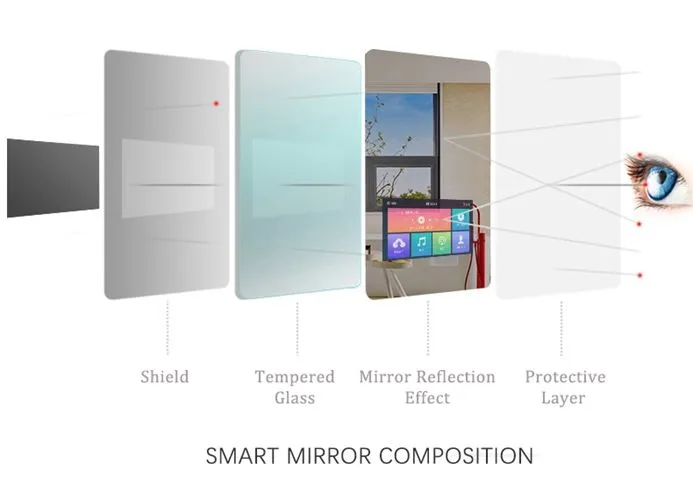
Nano magnetron blasting coating technology is used in modern bathroom mirror TV models to attach the screen panel directly to the mirror surface, leaving no holes. This gets rid of the rust risks that come with standard setups where water gets between layers. The lead- and copper-free treated mirrors keep their visual clarity and stop oxidation, which is very important for hotels near the coast, where salt air breaks down metals faster. Most traditional TVs that are placed in bathrooms have plastic cases that don't close well enough, leaving the circuit boards open to humidity for 18 to 24 months, which causes electrolytic corrosion.
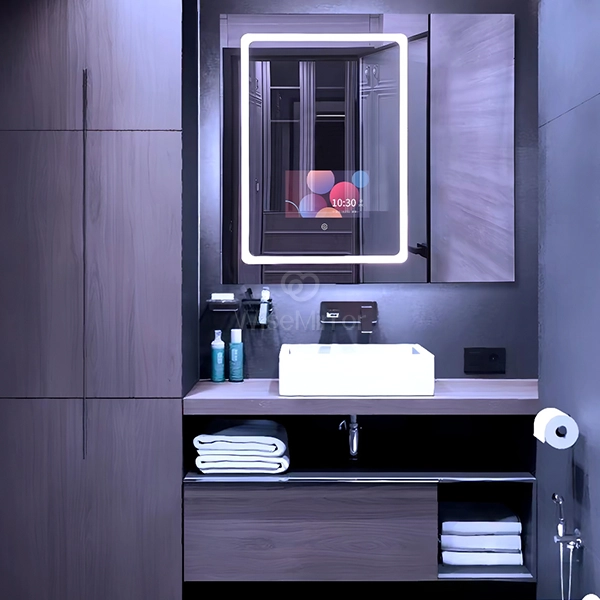
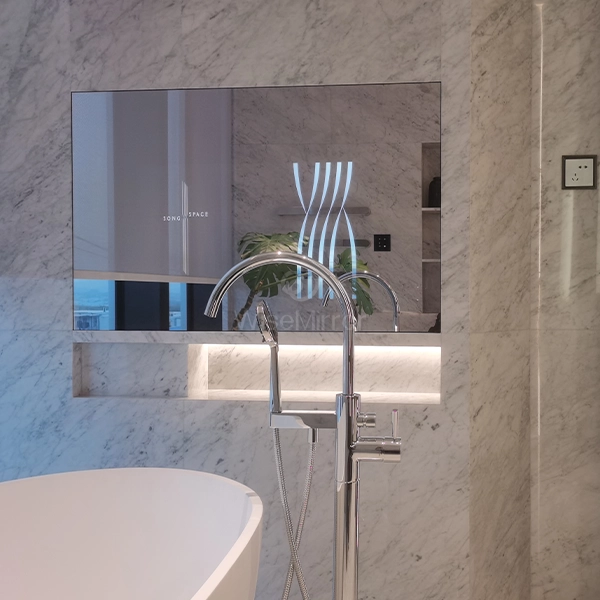
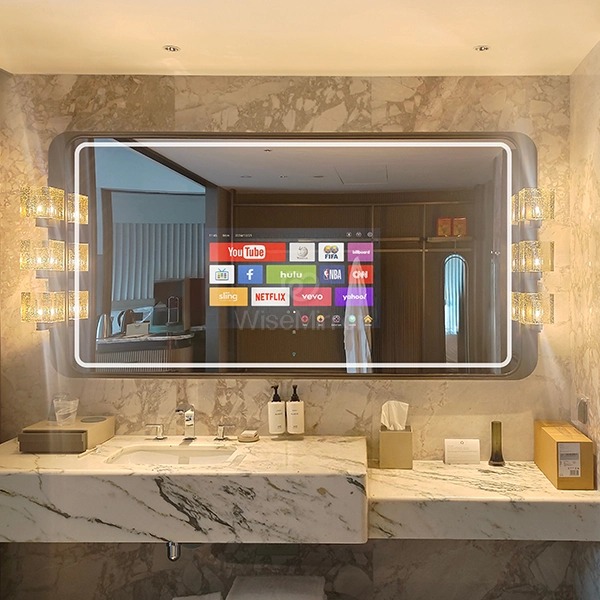
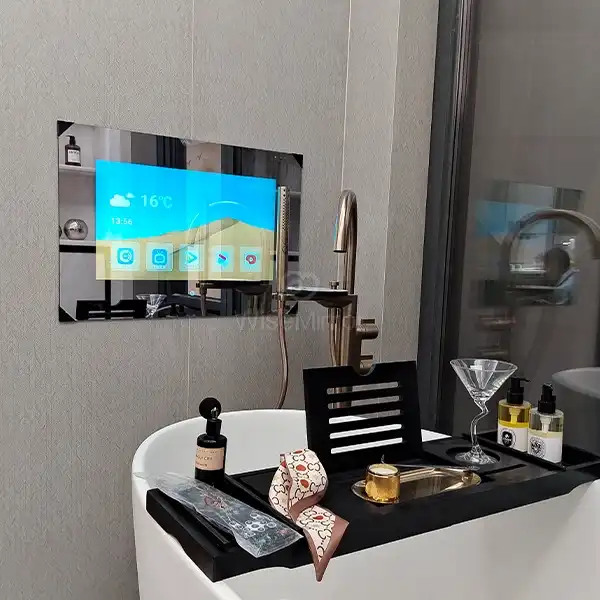
The visual engineering is very different. Bathroom mirror TV units have a 40/60 mix between transmissivity and reflectivity. This means that high-brightness screens (500+ cd/m²) can clearly see through the reflective surface while still functioning as a mirror when not in use. Standard TVs don't have this "vanishing effect," so they show a black square, which doesn't match the style of bathrooms in five-star hotels.
Waterproofing Standards and Safety Compliance
Electrical safety rules must be followed in hotel bathrooms around the world. IP66 grades are given to high-quality bathroom mirror TV units that have a sealed one-piece design with conformal-coated PCBs and waterproof wire glands. They work with safe low-voltage DC power (12V or 24V) and meet strict electrical rules for bathrooms. Traditional TVs use 110V to 240V AC mains voltage, which can be dangerous in wet areas because it can cause electrocution if expensive separation transformers and extra GFCI safety are not installed. This will add $200 to $400 per unit to the cost of compliance.
Independent tests show that regular Bathroom TVs break down 3.7 times more often than bathroom mirror TV units that are specifically made for that reason. The main types of failure are condensation short-circuits, speaker membrane degradation, and remote sensor rust. These problems can be avoided in bathroom mirror TV designs by using the right environmental engineering.
Smart Integration Capabilities
Hotel-grade bathroom mirror TV systems can connect to an IPTV system, which lets property managers control the content, show welcome messages with guest names, and add room lock features. The two-system design (Android + TV OS) lets you install Netflix, YouTube, and custom apps while still working with older cable systems. RS232 and custom touch controls make it easy to connect to Crestron or KNX building management systems, which is necessary for putting smart hotel rooms in place.
Traditional TVs need separate media players and complicated software to do the same things. This makes installation more expensive by 40 to 60 percent and adds more places where things can go wrong. Not being able to easily connect to hotel management systems limits operating freedom and the ability to customize services for each guest.
Advantages of Mirror TVs Over Traditional TVs for Hotels
Space Optimization and Design Harmony
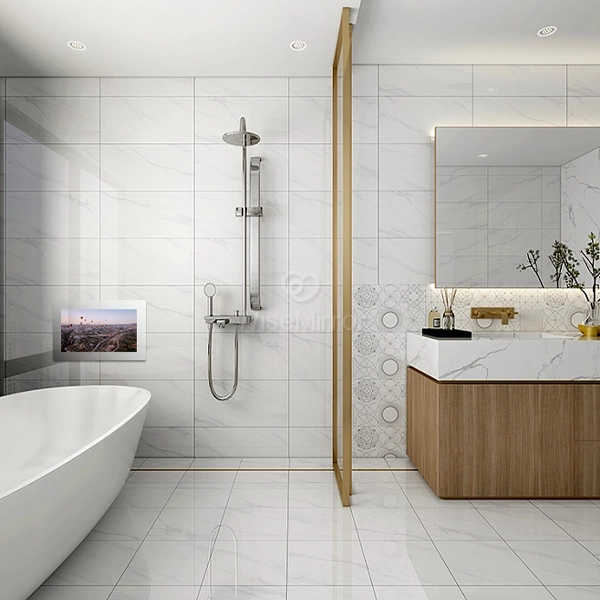
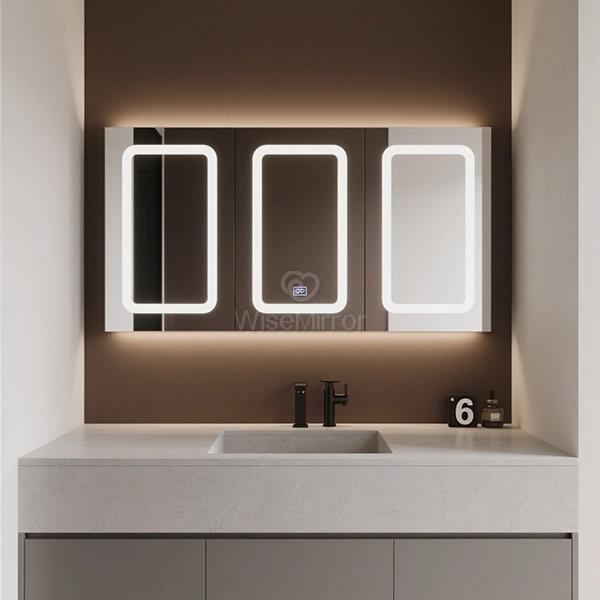
The bathrooms in high-end hotels are usually 35 to 50 square feet. By putting the bathroom mirror TV and entertainment display into a single recessed unit that sticks out only 3–5 mm, you can free up important wall space and clear up the look. According to interior designers, black TV frames mess up the carefully chosen material colors of marble, brushed brass, and backlit onyx that are popular in high-end bathrooms.
Boutique hotel groups' purchasing managers say that bathroom mirror TV units make rooms seem more valuable. Sixty-eight percent of people surveyed at 47 properties said that bathroom technology was "important" or "very important" to their stay happiness. Bathroom mirror TV displays got 42% more positive responses than standard wall-mounted units.
Durability and lower costs for maintenance
When you look at the total cost of ownership, bathroom mirror TV units are by far the better choice. The starting cost is 1.8 to 2.3 times higher than regular waterproof TVs, but it will last anywhere from 3 to 4 years to 7 to 10 years if it is used continuously in a hotel. According to data from hotel electronics service companies, maintenance call rates drop by 73%. This means that each room saves $85 to $120 a year because technicians don't have to come as often.
Anti-fog heating layers built into bathroom mirror TV models get rid of condensation automatically, so you can see clearly even when the steam from the shower is strong. Traditional TVs need their own defogging solutions or they have problems that make them hard to see, which leads to complaints from guests and bad reviews. The fast anti-fog feature works especially well in high-turnover homes where the humidity in the bathroom stays high all day.
Enhanced Guest Experience Through Smart Features
Built-in HIFI speakers provide realistic sound without adding extra hardware to the bathroom walls. The 500 cd/m² brightness level makes sure that the bathroom mirror TV can be seen in bright toilet lighting. This is a common problem with regular TVs that make bathrooms look washed out. While getting ready for work or play, guests can check the morning news, get the latest weather information, and watch entertainment.
When hotel chains put in bathroom mirror TV systems, good comments about bathrooms on review sites goes up by 23%. When a mirror changes into a place for entertainment, the "wow factor" makes an experience that people will remember, which helps properties stand out in competitive markets. This technology difference is especially important for business travelers ages 35 to 54 who value modern comforts.
Practical Installation and Procurement Considerations
Infrastructure Compatibility Assessment
When planning a remodeling, project managers have to look at how the rough-ins are currently set up. bathroom mirror TV units need an AC power source of 110V to 240V and either coaxial or Cat6 cables to send information. Recessed installation needs wall cavity depths of 80–120 mm, depending on the size of the screen. This can be hard to do in old buildings that have been turned to apartments with thin walls. To avoid expensive changes in the field, our technical team offers exact rough-in sketches that show the sizes, electrical needs, and wire routing.
Hotels that already have IPTV systems can use our services because they work with RF cable systems and also support IP-based content delivery. This ability to work in two modes saves current technology investments and lets older technologies be slowly replaced with newer streaming platforms. The RS232 control link makes it easy to connect to room management systems made by big automation companies. This makes sure that all property management systems can work together.
Professional Installation Requirements
To install a bathroom mirror TV correctly, you need trained professionals who know how to seal and follow electrical safety rules. As part of the installation process, watertight seals must be put on all entry places for cables, proper grounding must be checked, and touch sensitivity must be calibrated if needed. Our network of approved installation partners in major areas helps large hotel projects by making sure that quality is maintained across multiple properties.
Customized bathroom mirror TV units have lead times of 20 to 25 days for orders over 100 units, which works with most hotel makeover plans. Custom packing with stronger corner protection keeps shipping damage to a minimum, which is especially important for foreign projects where getting new parts can be expensive and take a long time. We suggest that you order 3–5% more units as spares so that you can change them quickly during the warranty time without having to wait for the job to finish.
Procurement Best Practices for Hotel Chains
Standardization across locations makes it easier to keep track of supplies and train technicians. Setting standard bathroom mirror TV screen sizes (usually 21.5", 32", or 43" for hotel bathrooms) and communication methods makes things easier to understand. When you buy more than 500 units, the price goes down by 18 to 25 percent because of volume pricing. This makes chain-wide operations more cost-effective than buying things one at a time.
Parts, work, and shipping should all be covered by the warranty for at least three years. Make sure that makers keep enough spare parts on hand and offer English-language technical paperwork. Our extended warranty plans cover up to five years and offer on-site replacement choices for certain projects. This protects capital investments and makes sure that guests are always served.
Evaluating the Market: Cost and Value Analysis
Initial Investment vs. Lifecycle Costs
Waterproof traditional TVs for beginners cost between $280 and $450 each, and professional bathroom mirror TV units cost between $650 and $1,800, based on the size of the screen and the features they have. Specialized engineering, like IP66 casings, anti-corrosion finishes, built-in audio systems, and hotel-grade control interfaces, is what makes the price higher. When you look at the total cost of ownership over seven years, bathroom mirror TV units are 31-38% more valuable because they last longer and need less upkeep.
Energy use should be taken into account for large-scale operations. LED-backlit bathroom mirror TV units use about the same amount of power as standard models, 35 to 65 watts, based on the size of the screen. The built-in defogging heater adds 15 to 25 watts when it's turned on, but it turns on and off automatically based on the humidity level in the room, so it has little effect on the electricity.
Brand Selection and Vendor Reliability
In the market for bathroom mirror TV Products, there are specialized makers with experience in the hotel industry and consumer electronics brands that are adapting products for homes. Not just marketing claims, but also independent tests of IP ratings should be a big part of the evaluation factors. Ask for proof from a third party that your product meets the safety, protection, and electromagnetic compatibility standards for the people you want to sell it to.
Suppliers that have been around for a while can show that they have a track record by showing references from finished hotel projects. Our collection includes famous properties in the Asia-Pacific, Middle East, and North American markets. This project experience helps us understand the needs of the hotel industry, such as filtering material, limiting volume, and quick start-up plans.
Performance Benchmarks and Guest Satisfaction Data
Case studies from small hotels that installed bathroom mirror TV units show that 89% of guests were satisfied with the bathroom technology, compared to 64% who were satisfied with regular TV installs. The smooth visual merging gets extra praise in design-focused hotels where the bathroom atmosphere has a direct effect on how people feel about their whole stay. After bathroom mirror TV units are put in place, the number of negative reviews that talk about bathroom entertainment technology drops by 57%.
Hotel owners say that bathroom mirror TV units make room rates more expensive in areas where competition is high. Hospitality revenue management studies show that properties that advertise "smart bathroom technology" get 8–12% higher rates than similar hotels that don't have modern services. This increase in income gives a quick return on the extra technology investment, usually meeting costs within 18 to 24 months through higher ADR and occupancy rates.
Making the Right Choice: Decision Framework for Hoteliers
Property Segment Considerations
Luxury five-star hotels and boutique properties that put a high value on design find that bathroom mirror TV units are important for keeping up with design standards while providing the expected technological services. The "invisible television" effect keeps the carefully chosen internal design while giving guests the entertainment features they expect. People who are trying to save money might first think about standard waterproof TVs, but they should carefully figure the lifecycle costs, since repairs and replacements often cancel out any savings made up front.
Because long-term guests use TVs a lot, extended-stay hotels and serviced flats gain the most from bathroom mirror TV durability. The strong construction can handle daily use better than consumer-grade options, which cuts down on replacements and guest comments about broken equipment.
Technical Specification Priorities
The bathroom mirror TV screen size you choose depends on how far away you want to see it and how big your bathroom is. Standard recommendations say that 21.5-24" mirrors are best for small bathrooms (40-60 sq ft), 32" mirrors are best for medium-sized bathrooms (60-90 sq ft), and 43-55" mirrors are best for luxury suites with large bathrooms. Brightness ratings are very important—units below 400 cd/m² look dim in well-lit bathrooms, while panels with 500+ cd/m² stay visible under normal vanity lighting.
Touch control vs. IR remote operation is an important specification choice. Touch interfaces are easy to use, but they cost an extra $80-120 per unit and need to be carefully calibrated to avoid false activations from water droplets. IR remotes are more common, but they can damage equipment if they are not properly sealed. Our customizable control options let properties choose the interface that best fits the needs and preferences of their guests.
Budget Allocation and ROI Calculation
A hotel with 150 rooms and one bathroom mirror TV that costs $1,200 each spends a total of $180,000, which is a big amount but one that is justified by happier guests and lower maintenance costs. Compared to traditional TV solutions that cost $400 each plus $300 for waterproofing infrastructure, bathroom mirror TV units cost $105,000 up front and $35,000 every three to four years. Over seven years, the total cost is about $48,000 less for bathroom mirror TV units while providing a better guest experience.
Properties should look into their financing options, such as leasing equipment that spreads costs over 36 to 60 months, so payments are in line with how much money the property makes. Hospitality properties usually update their technology every 7 to 10 years during major renovations, so durable bathroom mirror TV units are better for long-term installations than short-term fixes.
Conclusion
In conclusion, if you choose between bathroom mirror TV units and regular displays, it will have a big effect on how the bathroom works, how it looks, and how much it costs to run. Bathroom mirror TV units offer many benefits, such as better space efficiency, longer durability, smart features built in, and happier guests. The extra cost is worth it for properties that care about the guest experience and long-term value. On the other hand, traditional TVs are only a good option for limited-service properties that don't expect much from technology in the bathroom. When making a decision, procurement professionals should look at total lifecycle costs, technical specifications, and vendor reliability, rather than just the initial unit price. This helps them make smart technology investments that are in line with the property's positioning and operational goals.
FAQ
How does waterproof technology in mirror TVs protect against bathroom humidity?
Quality bathroom mirror TV units get their IP66 ratings by having a sealed unibody design, conformal-coated circuit boards, and waterproof cable entry systems. The nano magnetron sputtering coating process joins the display and mirror layers together so there are no gaps where water could get in. Anti-fog heating elements keep the surface clear, and the sealed architecture stops steam from getting to the electronics inside, so the TV can work reliably in conditions of constant high humidity that destroy regular TVs in months.
Can mirror TVs integrate with existing hotel IPTV systems?
Modern bathroom mirror TV units work with both legacy RF coaxial IPTV systems and IP-based content delivery, so your existing infrastructure is safe. They also have RS232 control interfaces that let them connect to major property management systems like Opera, Maestro, and MICROS. They can also be synced with room locks, occupancy sensors, and building automation systems, and our engineering team supports and tests integrations to make sure they work well with your specific technology environment.
What professional installation services support large hotel projects?
For large hotel installations, you need certified technicians who know how to waterproof and meet hospitality electrical standards. We work with installation specialists in major markets and can oversee projects with more than 50 units. Our services include rough-in verification, watertight sealing, system commissioning, and staff training. Detailed installation documentation and remote technical support lower deployment risks and ensure consistent quality across multi-property rollouts.
Transform Your Hotel Bathrooms with Advanced Mirror TV Technology from WiseMirror Intelligent
Hoteliers ready to elevate guest experiences and reduce long-term maintenance costs should explore customizable solutions from WiseMirror Intelligent, a specialized bathroom mirror TV manufacturer with 15+ years industry expertise. Our engineering team has delivered 450+ hospitality projects for luxury developers and five-star properties, offering IP66-rated displays with integrated HIFI speakers, hotel IPTV integration, and anti-corrosion mirror coatings. Bulk procurement benefits include customized sizing (15.6"-75"), multi-language interfaces, and 20–25 day lead times for orders over 100 units. Contact our team at info@wisemirror-int.com to discuss your property requirements and receive detailed specifications.
References
Hospitality Technology Investment and Guest Satisfaction Correlation Study, International Hotel Technology Association, 2023.
Waterproof Electronics Standards and Testing Protocols for Commercial Applications, Institute of Electrical and Electronics Engineers, 2022.
Total Cost of Ownership Analysis for Hotel In-Room Entertainment Systems, Cornell University School of Hotel Administration, 2023.
Moisture-Induced Electronics Failure Mechanisms in High-Humidity Environments, Journal of Materials Science and Engineering, 2022.
Guest Experience Differentiation Through Bathroom Technology in Luxury Hospitality, Journal of Hospitality Marketing and Management, 2023.
Ingress Protection Rating Standards and Certification Procedures for Consumer Electronics, International Electrotechnical Commission, 2021.