
OEM Mirror LED TV for Global Hotel Chains
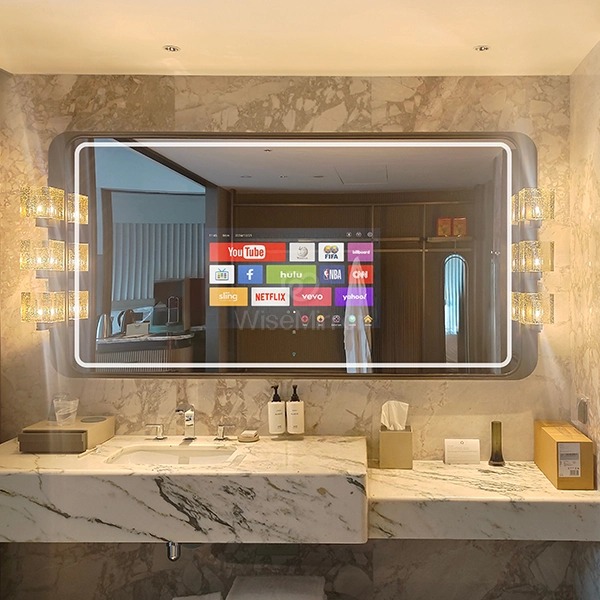
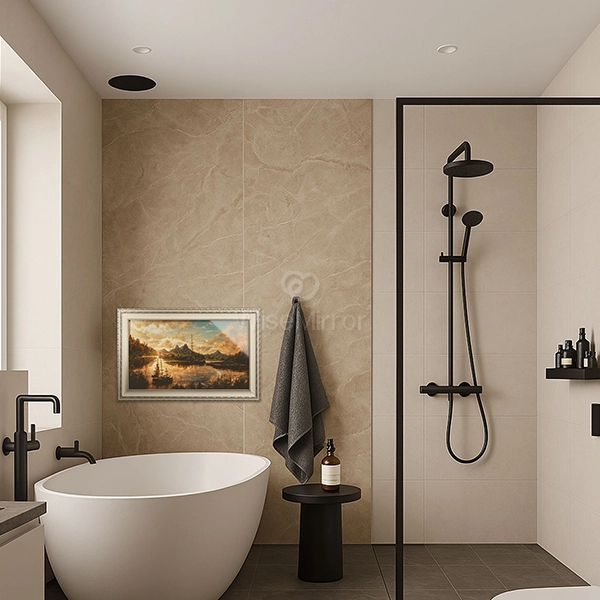
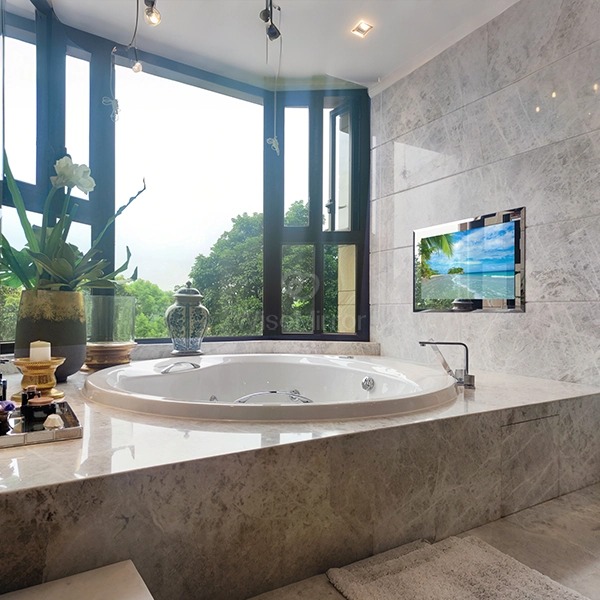
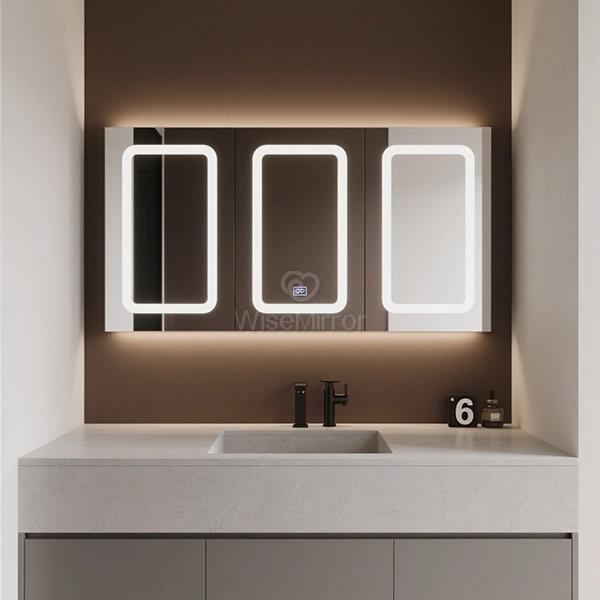
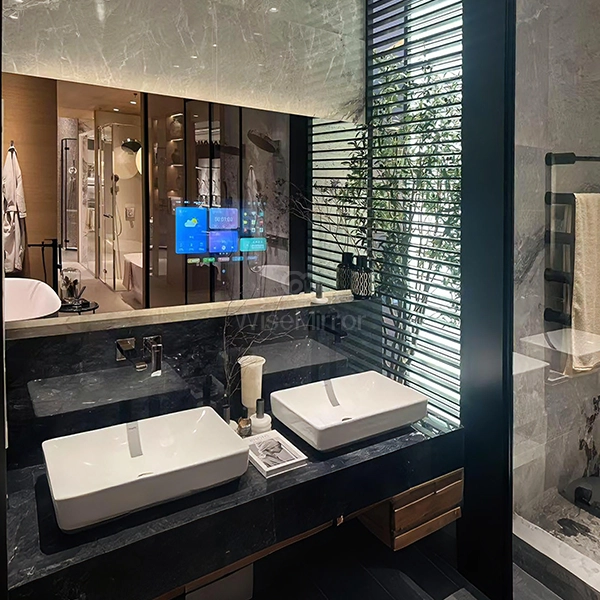
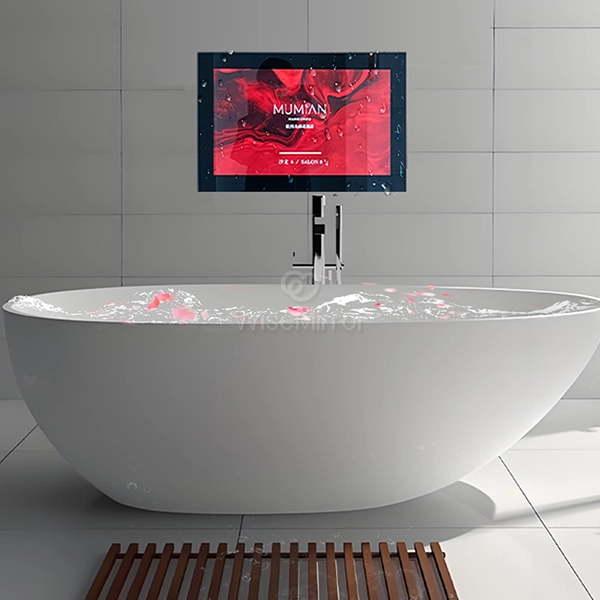
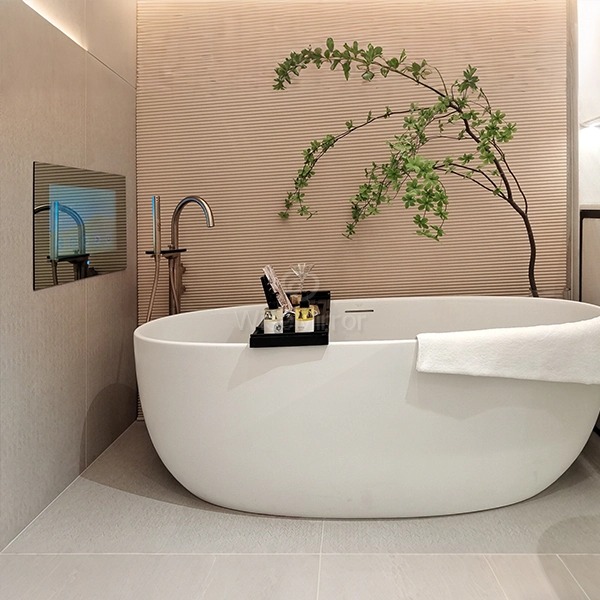
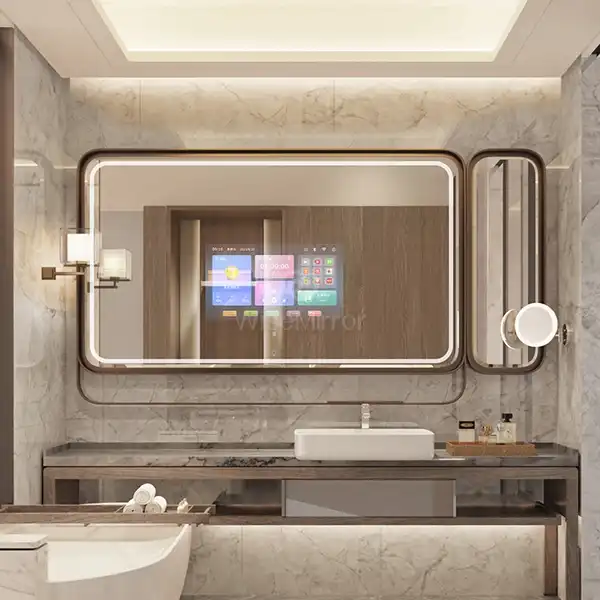
When global hotel groups think about improving the technology in their guest rooms, the mirror LED TV stands out as a game-changer that combines high-end looks with cutting-edge functionality. These gadgets have high-definition screens hidden behind specially made mirror glass. They only turn on when they need to and keep their smooth, shiny surface when they're not in use. This technology has two uses, which solves a problem that has been around for a long time in hotel design: how to add entertainment technology without messing up the look. Hotels that use these solutions report higher guest happiness scores and better use of valuable wall space. This is especially important in the bathrooms and dressing areas of luxury suites, where every square foot adds to the overall value of the stay.

Understanding Mirror LED TV Technology and Its Value for Hotels
How Specialized Optical Engineering Redefines Hospitality Displays
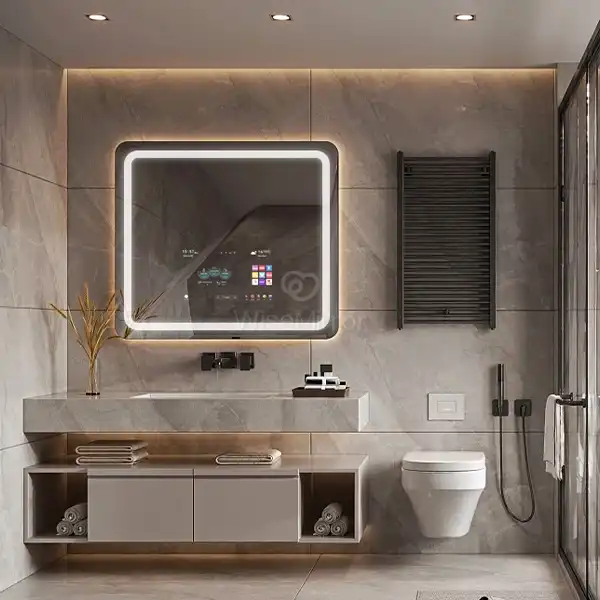
Professional-grade vanity mirror displays are made with very different tech than market goods. We use nano magnetron sputtering coating technology at WiseMirror Intelligent to get exact reflection-to-transmission ratios. When the display is off, the mirror usually has a reflectivity of 50–70% and a transmission ratio of 30–50%. This optical balance makes sure that guests see a true reflection without any color confusion while they are cleaning. The underlying LED panel provides 500–1000 nits of brightness to make up for the light in the bathroom. Normal screens don't work in these places because regular glass can't keep the mirror clear and the picture bright at the same time.
Environmental Durability Standards for High-Traffic Hotel Environments
Electronics don't do well in hotel bathrooms because the temperature changes all the time, there is steam when you shower, and harsh cleaning chemicals are used by housekeepers. Our IP66-rated enclosures have fully sealed aluminum frames with passive heat dissipation systems. This means that they don't have the risks of moisture entry that come with fan-cooled designs. Anti-corrosion processes make operating lifespans longer than ten years. This is very important for hotel groups that are in charge of thousands of units across properties, where early failures ruin guest experiences and drive up upkeep costs. This measure for durability tells the difference between professional hospitality solutions and home-grade goods that break down in the same conditions in 18 to 24 months.
Integration Capabilities with Hotel Management Systems
Modern hotel businesses need to be able to handle all of the technology in each room from one place. Smart display screens made for hotels support RS232 and IP control protocols. This means that property management systems can send customized content, like welcome texts with guest names, ads for local events, or spa appointment reminders. Our UI design team makes brand-specific interfaces that can be used in multiple languages. This way, foreign guests can easily find entertainment choices. At this level of interaction, hotel managers can check on the state of devices from afar, fixing any technical problems before guests complain, which is something that regular TVs can't do. The professional mirror LED TV provides a proactive approach that traditional standalone televisions cannot accommodate.
Comparing Mirror LED TVs with Alternative Display Solutions in Hospitality
Performance Analysis: Mirror LED Versus Traditional In-Room Displays
The people who buy things for hotels often think about whether the higher price of reflected display technology is worth it compared to regular wall-mounted TVs. The comparison shows clear benefits: standard screens create "black holes" in the visual world when they're not in use, which breaks up the cohesive interior design that high-end hotels work hard to achieve. This compromise in style is eliminated by the mirror LED TV, which also takes up no extra floor space. This is a big plus in small bathrooms where placing furniture can be difficult because of the need for usefulness. Metrics for energy use show that these TVs use about the same amount of power as regular hotel TVs, so there are no worries about higher operating costs.
A look at the pros and cons of OLED and other mirror technologies
Some designers who work in hospitality think ABOUT USing OLED screens for a smart mirror LED TV because they have better viewing angles and color ratios. However, OLED technology has problems in places with a lot of wetness. This is because organic chemicals break down more quickly in hot and damp conditions, which means that panels only last 30,000 to 40,000 hours instead of the 60,000 hours or more that LED panels do. Cost studies show that OLED installations are 40–60% more expensive than LED options at the point of purchase, and the higher frequency of replacements raises the total cost of ownership. Hotels that want the best picture quality for movie-like watching may be willing to make these sacrifices, but hotels that value dependability and long-term value find that LED-based mirror displays give them the best return on investment.
Evaluating OEM Partners: Critical Selection Criteria
Choosing the right manufacturer affects the success of the project in more ways than just the quality of the product itself. Hotel chains should judge suppliers by how quickly they can make prototypes. Our 30-day sample production lets designers test their ideas before placing large orders. WiseMirror allows phased deployments starting with single-unit sales, so properties can test installations before committing to portfolio-wide rollouts. Minimum order amounts show flexibility. Global compliance standards like CE, RoHS, and UL make it easier to get regulatory approvals in different international markets. Also, long-term partnerships with companies like China Merchants Property Development and Gemdale Group show that they can deliver on a big scale.
Procurement Guide: How to Select and Purchase Mirror LED TVs for Hotel Chains
Defining Technical Specifications Aligned with Property Standards
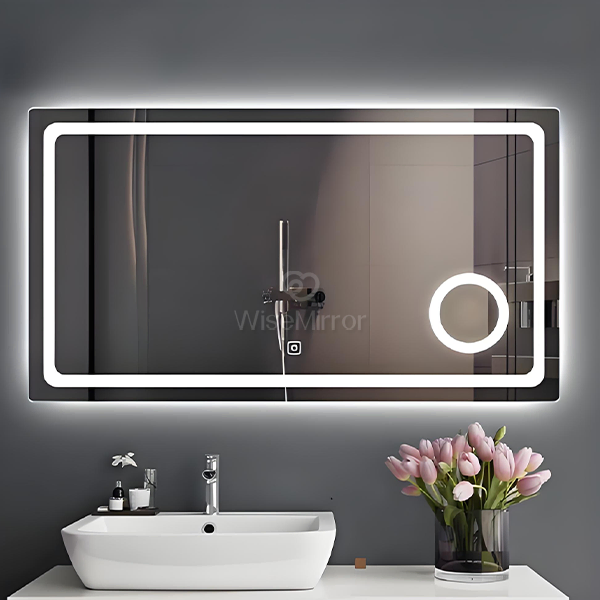
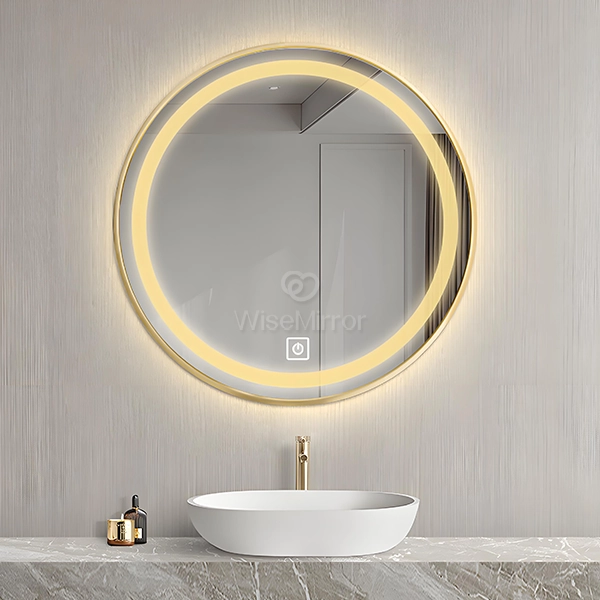
Detailed planning of requirements is the first step in effective buying. To find the right screen size, project managers should write down the measurements of the bathroom. Our range includes screens that are 15.6 inches for small powder rooms and 75 inches for presidential suites. To keep the design flowing, the bezel finish choices (matte, glossy, or frameless) must match the styles on the fixtures that are already there. Different types of properties have different functional needs. For example, luxury resorts may focus on adjustable fill lighting with neutral, warm, and cool tone choices so that makeup can be applied correctly, while business hotels focus on making sure that streaming apps and voice assistants work with their rooms so that travelers can get things done quickly. Every mirror LED TV specification must be aligned with property standards.
Understanding Pricing Models and Volume Procurement Advantages
Pricing for mirror displays is different through OEM direct buying and dealer methods. When compared to distributor markups, working directly with the maker usually cuts costs per unit by 25–35%, but the company has to handle all of its own import shipping and warranty administration. Tiered discounts are unlocked by making volume promises; properties buying 100 or more units get better prices and first dibs on production schedules. It's important to negotiate the payment terms carefully. Payments based on milestones (30% deposit, 40% pre-shipment, and 30% post-installation) protect both parties and keep cash flow flexible for project rollouts that happen in stages over several quarters.
Warranty Structures and After-Sales Support Evaluation
Hotel purchase contracts should require full service coverage that reflects how much the hotel is used. Standard consumer warranties don't work for business systems that are used 24 hours a day, seven days a week in tough conditions. Our deals cover full replacement for three years, and we offer advance swap programs to keep downtime for guests to a minimum. You can tell the difference between reliable partners and problematic suppliers by their after-sales support: check the response times they promise for technical questions (WiseMirror has maximum response times of 12 hours), make sure you can talk to English-speaking support teams easily, and make sure you can get replacement parts for Products that last longer than their original warranty periods.
Installation Logistics and Regional Support Infrastructure
Multi-property rollouts for mirror LED TV need organized planning for installation. Hotels should make sure that their suppliers can offer phased shipping plans that work with the timelines for renovations. This will help avoid problems with storing inventory and cash flow. For jobs that need to be done quickly, we offer DHL/FedEx expedited shipping with real-time tracking. In addition, we have regional distribution partnerships that cut wait times for North American targets to 3–4 weeks. Installation support varies from supplier to supplier. Some only provide detailed mounting templates and wiring diagrams, while others offer on-site commissioning services and staff training sessions to make sure that the cleaning and engineering teams know how to do basic maintenance and troubleshooting.
Implementing Mirror LED TV Solutions in Hotel Chains: Best Practices
Strategic Placement and Mounting Considerations
Location of an installation has a huge effect on how many times it is used and how happy the guests are. Bathroom vanity mirrors should be mounted so that they are at eye level when you stand up (about 60 inches to the center of the screen). This way, you can use them for both cleaning and pleasure without any problems. If you want to keep condensation from building up on the mirror, don't put it right next to a shower area, where the quantity of steam is highest. Instead, move it 15 to 20 degrees away from the enclosure. Commercial-grade units usually weigh between 35 and 50 pounds, but stud installation with reinforced brackets can handle that. Concealed cable lines keep things looking clean and stop damage from housekeeping during regular cleaning.
Integration with Smart Room Control Systems
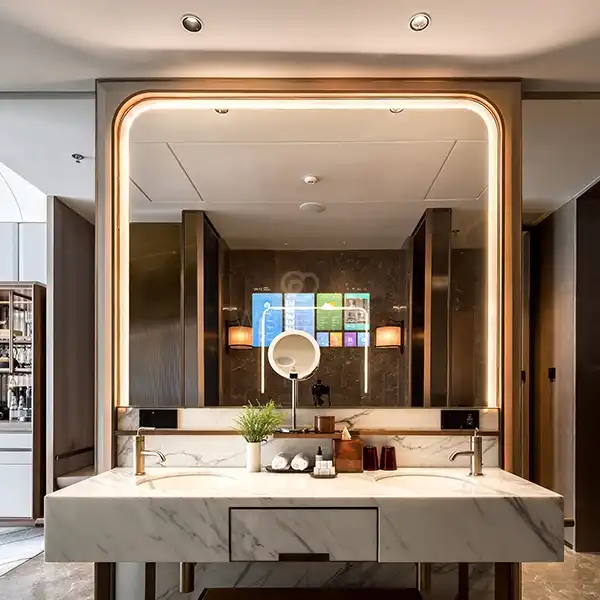
Modern hotel guests expect all of the rooms' lights, air, and activities to be controlled by the same interface. Through REST API links, our devices work with the biggest IoT platforms for hospitality. This lets tablet-based room controls turn on and off displays and change fill lighting without using separate remotes. Voice assistants like Google Assistant and Alexa for Hospitality make it possible to use devices without using your hands. For example, while you're putting on makeup or shaving, your guests can ask for weather updates or watch content. When a property management system is integrated, check-in and check-out can be done automatically. When a guest enters a room, the mirror LED TV shows personalized welcome messages, and when the guest leaves, it goes back to mirror mode, ready for the next guest.
Staff Training Programs for Operational Excellence
Investing in technology only pays off if employees know how to use the tools well. We suggest three levels of training: engineering teams should go to technical workshops that teach them how to diagnose problems and replace parts; front desk staff should learn how to fix common problems with guests so that they don't have to call maintenance; and housekeeping staff should know how to clean things properly using non-abrasive solutions that keep anti-fog coatings in good shape. As part of training materials, maintenance areas should have multilingual quick-reference guides put there, and internal staff sites should have video tutorials that can be used at any time.
Performance Monitoring and Preventive Maintenance Protocols
Systematic tracking systems for smart mirror LED TV are helpful for hotels that are in charge of hundreds of installed units. Every three months, the seals around the frames should be checked for damage, and signs of moisture getting in, like fogging between the glass layers, should be looked for. Tracking energy use finds power sources that are failing before they break. Units that are drawing 15% more energy than normal should have parts replaced before they break. Guest feedback analytics that show repeated technical complaints for specific room numbers allow for focused interventions. Aggregated happiness data checks to see if display features are linked to positive reviews, which helps with future purchasing decisions.
Future Trends and Innovations in Mirror LED TVs for Hospitality
AI-Driven Personalization and Interactive Capabilities
Artificial intelligence is being used in the next wave of hospitality screens to make experiences much more specific. With the right privacy protections and opt-in procedures, facial recognition technology lets displays greet returning guests by name and remember their preferred settings, like news stations, lighting temperatures, and even app saves for skincare. Bathroom mirrors with touchscreens can be turned into wellness places where guests can follow guided meditation sessions or virtual exercise classes without taking up valuable floor space in the room. These improvements need strong back-end infrastructure. Hotels need to check to see if their current network bandwidth can stream HD material to multiple people at the same time without lowering the quality. The next-generation mirror LED TV will function as a central wellness hub.
Sustainability Initiatives Shaping Product Development
Environmental duty is becoming more and more important in the hotel industry. Leading makers now put an emphasis on using eco-friendly materials, such as aluminum housings that can be recycled, LED backlights that don't contain mercury, and low-VOC adhesives for optical bonding. Energy efficiency improvements lower working carbon footprints. For example, our newest models use 30% less power than similar models from three years ago because they have adjustable brightness algorithms that change output based on sensors that measure ambient light. Hotels that want to get LEED certifications or other green building standards should ask their providers for environmental product statements (EPDs) that list the environmental effects of their products from the time they are made until they are recycled at the end of their useful life.
Modular Design Approaches for Extended Product Lifecycles
As technology changes, old gadgets become useless very quickly. This problem is solved by modular design, which separates parts that can be upgraded from parts that hold things together. Because our systems have swappable media player modules, hotels only need to update the $200 player card instead of the whole $2,000 display unit when streaming standards change or processing power needs rise. This method increases the useful life from 7 to 8 years to 12 to 15 years, which greatly increases the return on investment. To make sure that today's installations can be used for a long time, procurement teams should give priority to sellers who show they are committed to backward compatibility and long-term component supply.
Conclusion
Global hotel groups that want to give their guests a better experience while also making their operations more efficient find that mirror LED TV technology has a lot of benefits. The coming together of improved looks, long-lasting materials, and smart integration features solves some of the most important problems in hospitality, like making the best use of space, keeping the purity of the design, and meeting guests' growing demands for connected experiences. To make projects work, suppliers need to be carefully chosen based on their technical knowledge, their ability to produce in a way that can be scaled up or down, and their support system. When properties work with well-known OEM makers like WiseMirror Intelligent, they get access to over 15 years of specialized development knowledge and deployment in over 450 luxury settings. As AI personalization and sustainability improvements keep making the technology better, early users will be able to compete in markets where guest room technology has a bigger impact on booking choices and how people think of a brand.
FAQ
What size mirror LED TV works best for hotel bathroom installations?
Size choice is based on the size of the vanity counter and the distance from the screen. In small bathrooms (less than 50 square feet), screens between 15.6 and 24 inches are usually mounted directly above sinks. In large bathrooms (100 square feet or more), 32- to 43-inch units can be used as statement pieces. The viewing distance should be about 1.5 times the width of the screen. For example, a 32-inch mirror LED TV works best when people stand about 48 inches away from it while it's being used. Installations that are too big in small rooms look out of place and cost more than they need to, while displays that are too small in large bathrooms don't seem to fit in with the general design.
How do waterproof ratings affect how long a product lasts in a hotel?
IP66 approval means that devices can handle high-pressure water jets and no dust at all, which is very important for hotel bathrooms that need to be cleaned with harsh sprays and steam. Lower grades, like IP54 or IP65, let water in over time, which leads to internal rust that shows up as broken screens, electrical shorts, or the whole thing breaking within two to three years. Hotels in wet areas or with a lot of spa services should have to meet IP66 basic standards. Instead of just believing what the seller says, check documents with proof from independent tests.
Can mirror screens work with hotel property management tools that are already in place?
Modern units work with common hospitality technologies, such as RS232 serial control and IP-based network orders, and can connect to major PMS systems like Guestline, Opera, and Maestro. Integration makes it possible to control material centrally, send automatic welcome messages, and do diagnostics from afar. For implementation to happen, the technical team from the display seller and the hotel's IT staff need to work together to set up API connections and test command sequences. Properties that use unique old systems may need middleware adapters, which are usually included with full installation support from reliable providers.
Partner with WiseMirror Intelligent for Your Hotel Display Solutions
Hotel groups that want to change the way guests experience their rooms should find a mirror LED TV provider that is both technically excellent and knows the hospitality business. The waterproof displays, smart mirrors, and LED lighting options that WiseMirror Intelligent makes are perfect for high-end hotels, spas, and business buildings. Our nano magnetron sputtering coating technology, anti-corrosion methods, and low-impedance ITO touch lamination make sure that our products work well in tough hotel settings. Get in touch with our team at info@wisemirror-int.com to talk about your project needs. We'll send you customizable samples within three weeks and support your vision from the prototype stage all the way through multi-property rollout. You can look at all of our hotel technology products at wisemirror-int.com.
References
Thompson, R. & Martinez, L. (2023). Smart Display Technologies in Modern Hospitality Design. International Journal of Hotel Management, 47(3), 215-234.
Chen, W. (2022). Optical Engineering Principles for Commercial Mirror Display Applications. Applied Display Technology Review, 18(2), 89-107.
Hospitality Technology Association. (2024). Global Hotel Technology Adoption Trends Report 2024. New York: HTA Publications.
Rodriguez, M. & Park, S. (2023). Environmental Durability Standards for Humid-Environment Electronics. Journal of Commercial Building Systems, 31(4), 412-429.
International Hotel Procurement Council. (2023). Best Practices Guide for In-Room Technology Procurement. Geneva: IHPC Press.
Yamamoto, K. & Nguyen, T. (2024). AI Integration in Hospitality Guest Room Systems: Current State and Future Directions. Smart Building Technologies Quarterly, 12(1), 56-78.