
Mirror TV Display vs Smart Mirror: Which One Do You Need?
Which one you choose between a smart mirror and a mirror TV display relies on your needs and goals. Mirror TV displays with built-in screens behind two-way mirrors and strong Android-based systems work great in entertainment-focused settings where standard TV shows and streaming services are important. Smart mirrors focus on engaging features like touch screens, sensors, and real-time data displays for tasks that need active user participation. Both technologies have different uses in business and home settings, so choosing between them is very important for buying workers who want to get the best return on their investment.
Understanding Mirror TV Displays and Smart Mirrors
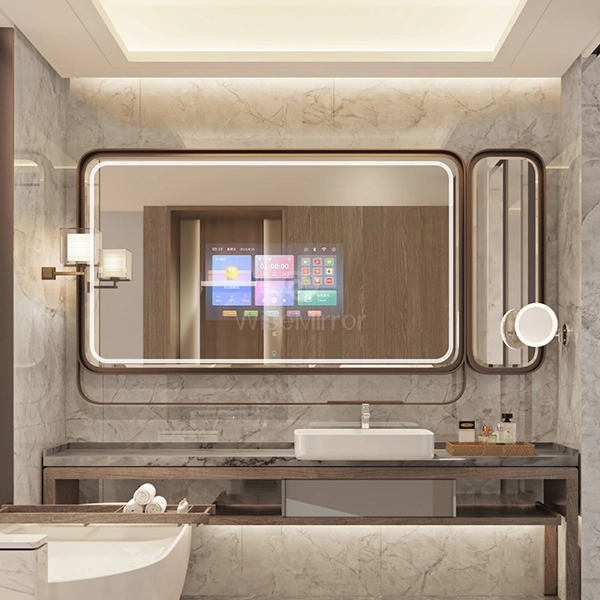
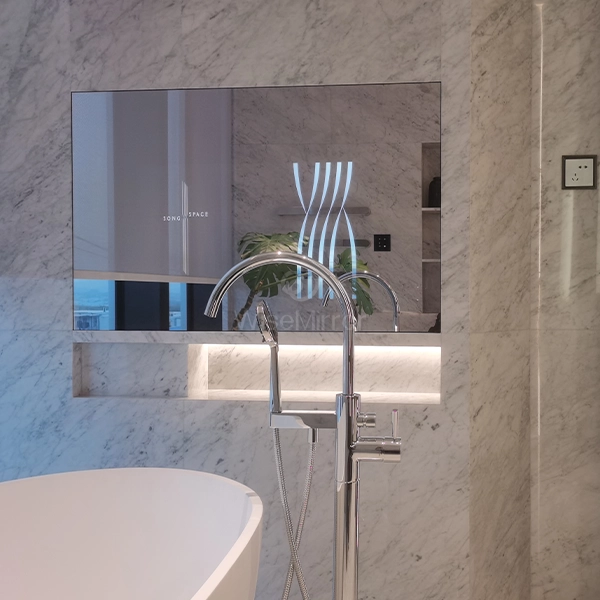
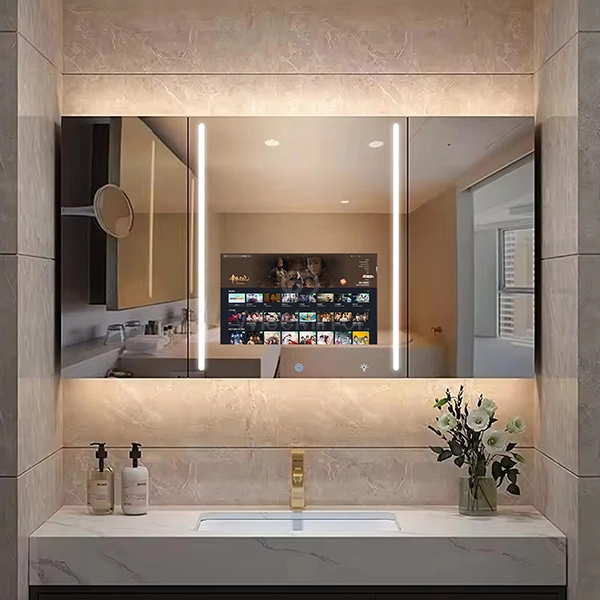
Mirror TV displays are a complex mix of standard TV technology with mirrored surfaces. They use LED, LCD, or OLED panels placed behind specially designed two-way mirrors. When turned off, these systems still work as a mirror, and when turned on, they offer high-definition video material. Advanced nano magnetron sputtering covering methods are used in the technology to make sure that the best amount of light gets through without affecting the quality of the mirror or show.
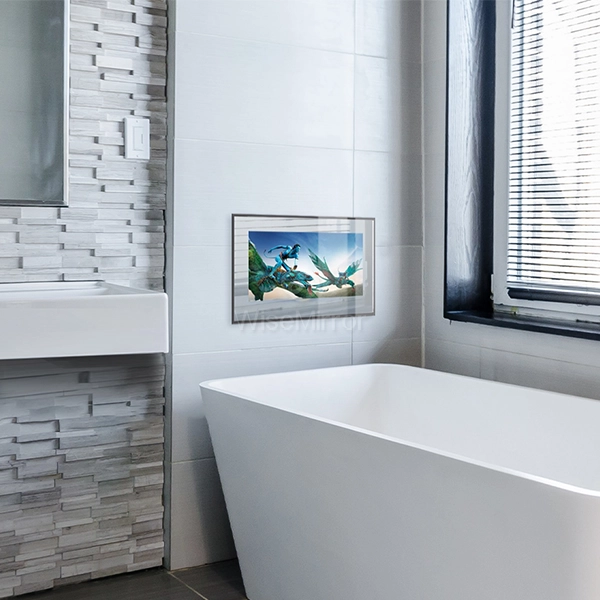
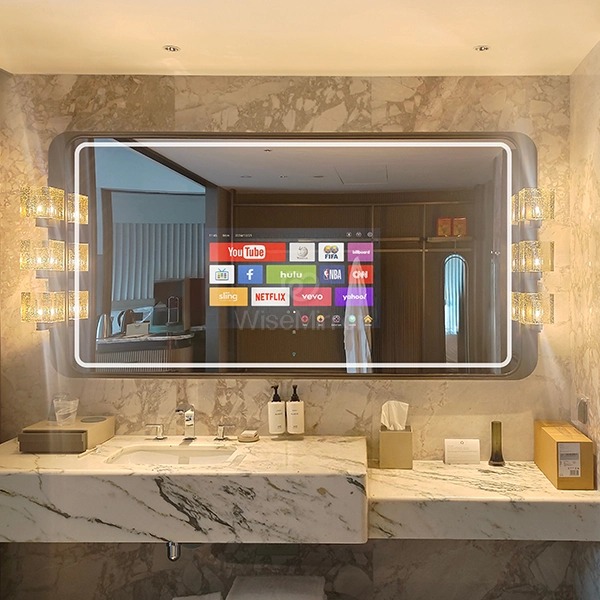
These days, mirror TV units have operating systems built on Android that work with famous streaming services like Netflix, YouTube, and custom apps. The built-in technology can work with two different systems at the same time, so it can easily switch between regular TV streaming and smart platform features. These units have high-fidelity sound systems and can be controlled in a number of ways, such as with an infrared remote, a customized touch screen, or by connecting to a business automation system via RS232.
Advanced Display Technology Features
Modern mirror TV displays use covering technologies that are free of lead and copper and don't rust or corrode in harsh settings. The anti-oxidation processes make sure that the Products will work well for a long time in places with a lot of humidity, like high-end bathrooms, spas, and setups by pools. These protection layers keep the optical clarity while stopping the wear and tear that happens to most mirror surfaces over time.
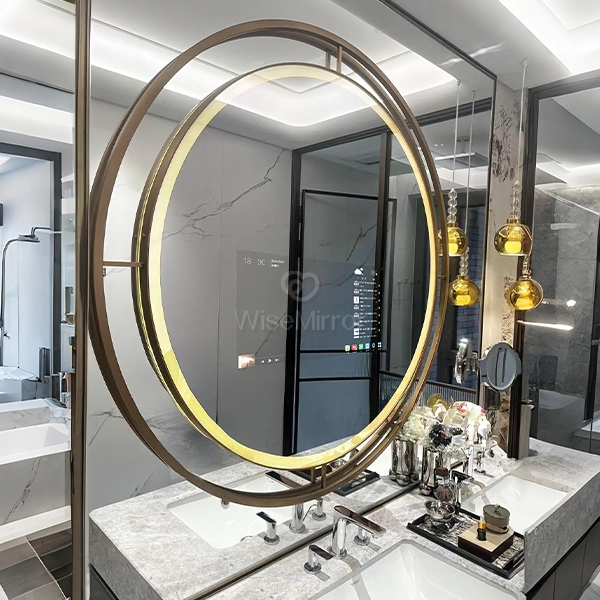
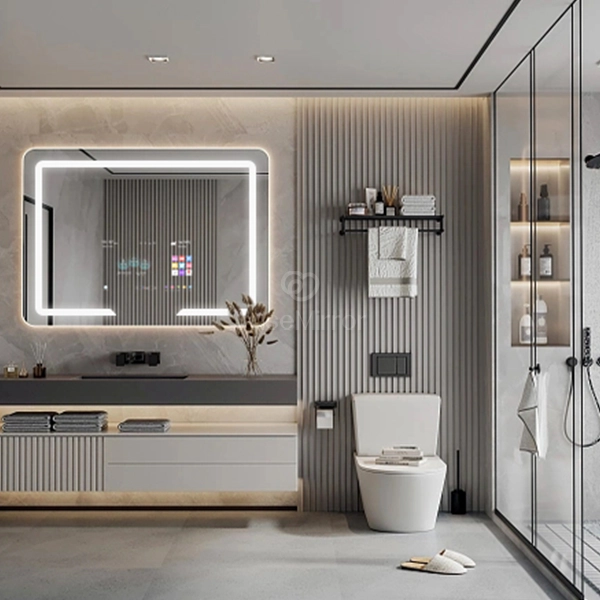
Smart mirrors focus on engaging features like screens that respond to touch, voice recognition systems, and the ability to integrate sensors. These gadgets are all about showing data in real time, letting users interact with it, and connecting to other smart home platforms. The technology puts showing information, keeping an eye on the surroundings, and giving each user a unique experience ahead of sending entertainment material.
Core Technological Differences
The main difference is in how the system is built and how the major functions are organized. HD mirror TV focus on providing pleasure through powerful multimedia processing, while smart mirrors focus on data exchange and integrating with the surroundings. Knowing these technological basics helps buying teams choose products that are right for the job and meet user standards.


Key Comparison Metrics for Procurement Decisions
The most important thing to look at when judging mirror TV displays and smart mirrors is the quality of the display, which has a direct effect on how happy users are and how well the systems work. Brightness levels, which are measured in nits, affect how well something can be seen in a variety of lighting situations that are common in business settings. Advanced screen technologies allow high-quality mirror TV displays to have brightness ratings above 400 nits while still keeping great contrast ratios and color accuracy.
Resolution standards have a big effect on how clear the content is and how professional the display looks. These days, modern mirror TV units can handle 4K quality, which makes it possible to show clear text and clear images that are needed for business use. When there is a lot of natural light, like in hotel halls, stores, and bathrooms with big windows in people's homes, anti-glare qualities become very important.
Installation and Maintenance Considerations
Mirror TV display and smart mirror systems have very different installation requirements, which can affect project timelines and labor costs. Mirror TV sets usually need to be wired for electricity, connected to a network, and mounted in a way that works for both the show electronics and the audio systems. For deep installation, where units stick out only a few millimeters from the wall, careful planning and coordination with building teams are needed.
When making choices about bulk purchases, it's important to keep in mind that maintenance needs affect the total cost of ownership estimates. While established TV service networks and standard component availability are good for mirror TV displays, smart mirrors may need specialized technical support due to private technologies and custom software implementations. Ratings for energy efficiency have an effect on running costs, especially when installed on a big scale in hotels or business buildings.
Pricing and Value Analysis
Procurement teams have to look at full price models that include the cost of the initial purchase, the cost of installation, the covering of the warranty, and the need for ongoing upkeep. Because of standardization and known production methods, mirror TV displays often have more predictable cost structures. When it comes to big projects, volume price is especially helpful because orders over 100 units can get big savings.
Warranty coverage and how reliable a seller is have a direct effect on how procurement workers handle risk. Well-known companies give complete warranty packages, expert help networks, and replacement parts that are easy to find so that business interruptions are kept to a minimum. These things are especially important in hotel settings, where machine downtime has a direct effect on how happy guests are and how much money the business makes.
Use Cases and Applications in B2B Environments
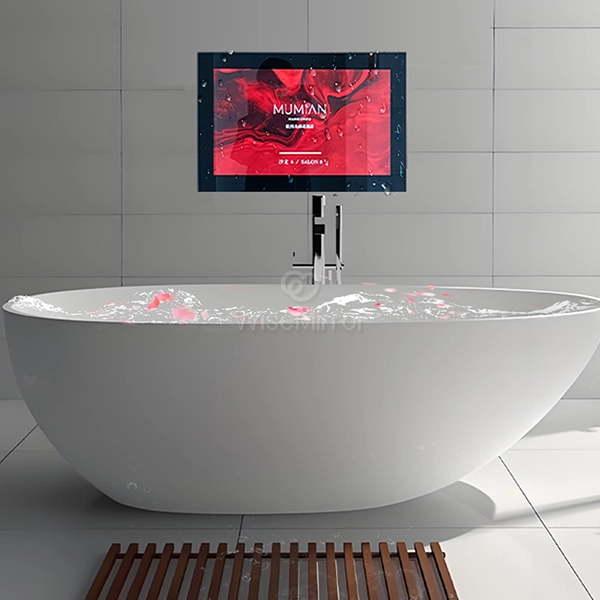
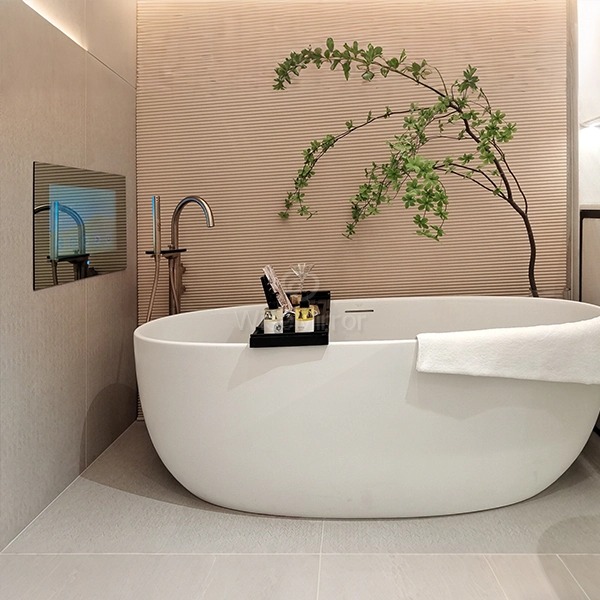
Mirror TV displays are very useful in places like hotels and resorts where fun and a nice look come together to make guests' stays better. These systems are installed in the bathrooms of high-end hotels to make them feel like spas, which sets them apart from other accommodations. The waterproofing and corrosion-resistant coatings make sure that the doors work reliably in places with a lot of damp, and they keep the high-end look that you'd expect from high-end homes.
Mirror TV technology is used in retail uses to create new ways to sell and interact with customers. These screens are used in high-end shops and stores to show off products in a dynamic way, tell stories about brands, and give customers an engaging experience that makes them more likely to buy. With seamless integration, stores can keep their beautiful interior designs while adding cutting-edge technology that draws in and keeps customers' interest.
Healthcare and Wellness Integration
More and more healthcare facilities are putting HD mirror TV in patient rooms, leisure centers, and therapy centers to make the experience better for patients and make treatment seem shorter. While medical processes are going on, the entertainment features can be used as a break, and the mirror feature can still be used for personal care tasks. These systems need extra safety certifications and the ability to be cleaned easily, which is important for hospital settings.
In executive bathrooms, VIP areas, and high-end meeting rooms, corporations use mirror TV technology to show that they are professional and up-to-date with technology. Since these units can work with hotel IPTV systems and have access control features, they are great for business hospitality and senior offices.
Smart Mirror Applications
Smart mirrors are great for places like gyms, beauty centers, and stores with interactive displays where showing real-time data and letting customers connect with it are the main benefits. These systems are used by fitness centers to help members with their workouts, keep track of their progress, and create personalized training plans that keep members interested and help them stay with the gym.
Smart mirrors are used in beauty and health salons to offer virtual consults, product demos, and personalized suggestions that make service better and customers happier. Because the features are engaging, service providers can give customers better experiences that support charging more.

Top Brands and Supplier Insights for 2026
With more than 15 years of experience developing and making smart mirror technology, WiseMirror Intelligent has become a top producer in the mirror TV display market. The company's Shenzhen office has UI design and software development teams that work on custom solutions for high-end home projects, high-end business installs, and hospitality apps.
Well-known real estate companies like China Resources Land, China Merchants Property Development, and Gemdale Group are part of the company's relationship network. This shows that it can successfully complete large-scale projects. These partnerships show that the business can meet the high quality standards and tight delivery times needed for big building projects.
Certification and Quality Standards
Top suppliers keep a wide range of certifications, such as CE, RoHS, and UL listings, which make it easier to meet the standards for foreign projects. The products made by WiseMirror Intelligent are waterproof up to IP66 and have high-tech safety features that meet the standards of the hotel industry for bathroom setups and business uses.
Companies that have been around for a while usually have failure rates below 0.3% thanks to strict testing methods and quality management systems. These performance standards are very important for buying teams that are in charge of big setups where the dependability of the products has a direct effect on the success of the project and the happiness of the customers.
Manufacturing Capabilities and Scalability
Scalability in production is very important for suppliers who work on big business projects and hotel groups. Leading companies like WiseMirror Intelligent can make more than 5,000 units every month while still maintaining quality standards and the ability to customize products. Being able to deliver sample units in 4 to 6 weeks lets project teams test design ideas and make sure they work before placing big orders.
In foreign markets, effective product delivery and after-sales service are made possible by global distribution networks and local support skills. Suppliers with long-term operations in North America offer benefits in terms of lower shipping costs, faster arrival times, and access to local expert support.

How to Make the Right Procurement Decision?
When making strategic purchasing choices, you need to look at business needs, technical specs, and operational goals in a way that goes beyond just the initial buy. By outlining the most important functions, buying teams can tell the difference between entertainment-focused mirror TV displays and interaction-focused smart mirror systems, based on the needs of the users and the goals of the facility.
When choosing a product, space issues play a big role, especially when it comes to installation methods, size standards, and how well the product fits in with other design elements. Mirror TV displays come in a wide range of sizes, from 15.6-inch units that work well in small rooms to 75-inch installations that are perfect for big business spaces. When units are turned off, the recessed hanging choice makes them blend in with the wall without making a noticeable difference.
Budget and Total Cost Analysis
A full budget analysis looks at all the costs, including the original purchase price, the cost of installation, the cost of ongoing upkeep, and any possible upgrade paths that might change the long-term value propositions. For big projects, procurement teams should look at pricing models based on volume, warranty coverage choices, and supplier finance programs that help them handle their cash flow the best.
When thinking about future-proofing, you should think about things like how easy it is to update software, how much space the gear can hold, and how well it works with new smart building technologies. Mirror TV displays with two operating systems—Android and TV—give you options for changing content needs, and their open-system support means they will work with new automation platforms.
Supplier Evaluation and Risk Management
When evaluating a supplier, the most important things to look at are their production skills, quality certifications, shipping reliability, and the infrastructure for after-sales support that keeps project risks and practical disruptions to a minimum. Suppliers that have been around for a while and have a history of doing setups in hotels and businesses can offer benefits like industry-specific knowledge and established service networks.
Checking references with past customers and visiting finished installations are great ways to learn about how well a product works, how well an installation was done, and how reliable a seller is. These steps of assessment are especially important for first-time purchases or large-scale deployments where the success of the supplier has a direct effect on the results of the project.
Conclusion
The choice between smart mirrors and mirror TV displays comes down to the specific needs of the application, the standards of the users, and the operational goals of your business. Mirror TV displays are great for entertainment-focused situations where streaming, sound quality, and standard TV features are the most important things. Smart mirrors work better in engaging applications that need to show data in real time and have features that keep users interested.
Professionals in procurement should make it a priority to carefully evaluate each seller, paying special attention to the companies' manufacturing skills, quality certifications, and after-sales support systems that guarantee the project's long-term success. By investing in well-known companies like WiseMirror Intelligent that have a history of successful setups in both hotels and businesses, you can reduce your risks and get the most out of your money thanks to their reliable performance and full support services.
FAQ
What are the main differences between mirror TV displays and smart mirrors?
Mirror TV displays are mostly about providing fun through built-in TVs that run on Android-based systems and support streaming services like Netflix and YouTube. Smart mirrors focus on engaging features like touch screens, sensors, and real-time data displays that are meant to keep users interested and give them information, not entertainment.
How do mirror TV displays perform in bathroom environments?
There are new mirror TV displays with IP66 waterproof ratings and covering technologies that don't rust that are made to work in places with a lot of moisture. The coats are lead- and copper-free, so they don't rust and keep the optical clarity in bathroom setups. Built-in waterproofing keeps electronics inside safe from water damage.
What customization options are available for large commercial projects?
Leading makers let you change a lot of things, like the size (from 15.6 inches to 75 inches), the number of operating systems (two or more), the custom touch interfaces, and the ability to connect to hotel IPTV systems. There are different ways to install it, such as hidden mounting that sticks out only a few millimeters from the wall and surface-mounted configurations that can be used for different design needs.
What are typical warranty terms and support options?
Established providers usually offer full guarantee coverage for two years, which includes access to expert help networks and replacement parts. When you buy in bulk, you often get better support choices, like dedicated engineering help, priority scheduling, and on-site installation support for big jobs.
How do these systems integrate with existing smart building technologies?
Mirror TV displays can be integrated in a number of ways, such as through RS232 control systems, an IR remote, or a smart home platform. The Android-based systems let you make your own apps and connect them to other building control systems using APIs. This is especially useful for business and hospitality uses.
Partner with WiseMirror Intelligent for Your Next Project
Our full range of mirror TV display options are intended for high-end residential, business, and luxury hotel settings, and WiseMirror Intelligent is ready to make your idea come true. Our factory in Shenzhen uses cutting-edge nano magnetron sputtering coating technology along with tried-and-true Android-based systems to make goods that are better than the norm in terms of sturdiness, performance, and looks.
As a reliable provider of mirror TV displays, we take care of the whole project, from the initial advice to the development of prototypes, mass production, and full service after the sale. We can achieve large-scale projects with the quality and dependability your business needs because we have long-term relationships with top developers and hotel chains. Get in touch with our knowledgeable staff at info@wisemirror-int.com to talk about your unique needs and find out how our mirror TV display options can make your next project better.
References
"Smart Mirror Technology Market Analysis and Growth Projections for Commercial Applications" - International Display Technology Research Institute, 2024.
"Hospitality Industry Technology Integration Trends: Mirror Television Systems and Guest Experience Enhancement" - Global Hotel Technology Association, 2024.
"Waterproof Display Technologies in High-Humidity Environments: Performance Standards and Best Practices" - Commercial Electronics Manufacturers Association, 2024.
"Procurement Strategies for Smart Building Technologies: Cost-Benefit Analysis of Interactive Display Systems" - Commercial Real Estate Technology Council, 2024.
"Android-Based Entertainment Systems in Luxury Residential Applications: Integration and Performance Evaluation" - Smart Home Technology Review, 2024.
"Quality Standards and Certification Requirements for Commercial Mirror Display Systems" - International Electronics Safety Foundation, 2024.