
Android Smart Mirror TV vs Traditional Mirror TV
The main difference between Android smart mirror TV options and regular mirror TVs is that smart mirror TVs can connect to the internet and interact with other devices. Traditional mirror TVs mostly work as embedded screens in reflective surfaces, but Android smart mirror TV systems have advanced operating systems with touch controls, WiFi connection, and app ecosystems. This difference in technology has a big effect on how well they work in business settings. For example, Android-based solutions are better at keeping guests interested, can be managed remotely, and work well with current hotel management systems and digital infrastructure.
Introduction to Smart Mirror TVs and Traditional Mirror TVs
To understand the technology landscape of mirror display solutions, you need to look at both new Android smart mirror TV advances and older mirror TV systems. These goods are made for different types of customers, but they all meet the same needs for commercial spaces: saving room and looking good.
Android Smart Mirror TV Technology Overview
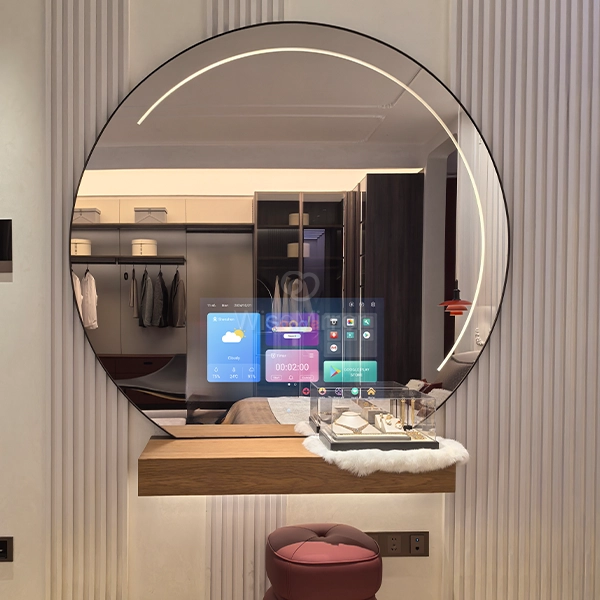
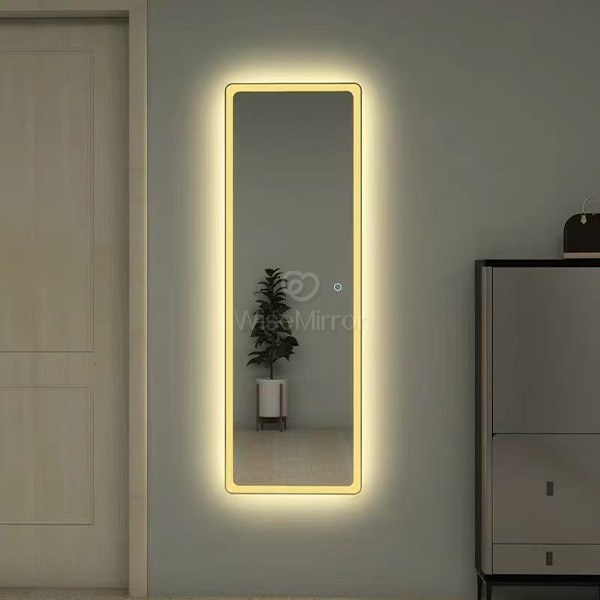
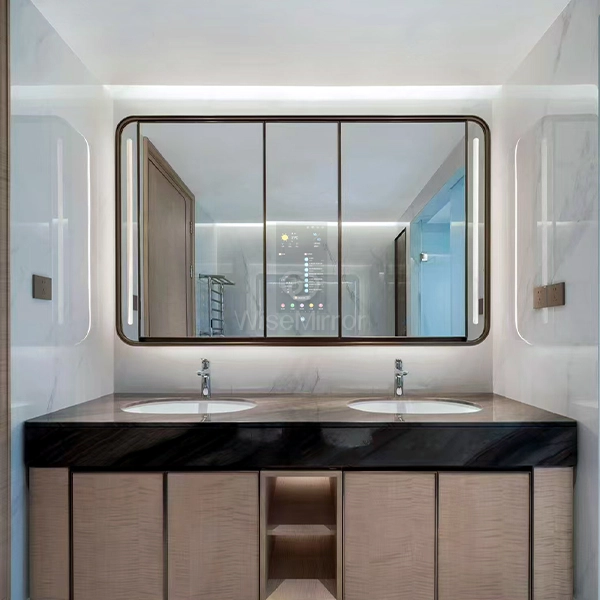
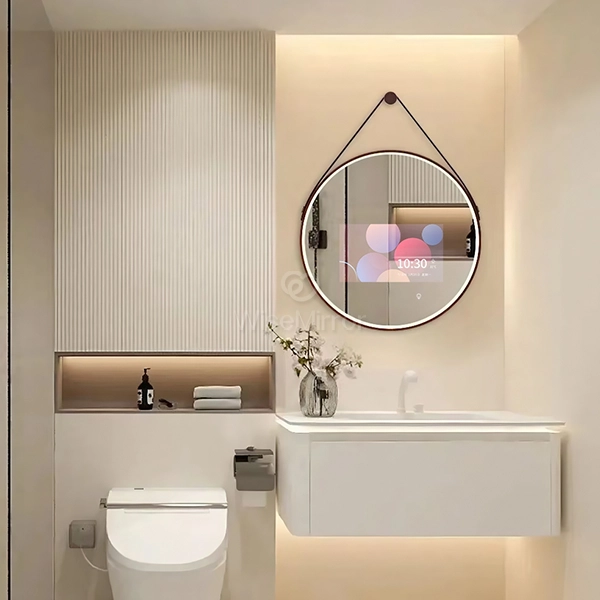
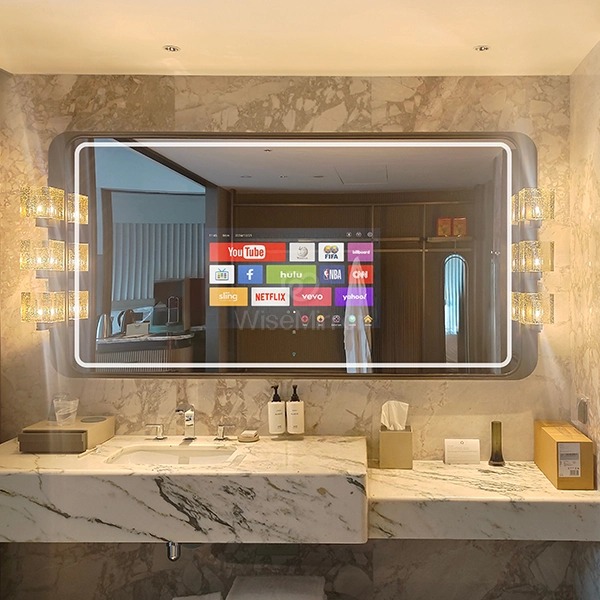
The newest development in interactive display technology is the Android smart mirror TV system. These gadgets have HD screens and run on Android, which lets you download apps, use streaming services like Netflix and YouTube, and change the way the user interface looks. The design built on Android makes it easy to connect to hotel IPTV systems, and it can work with both systems at the same time. Advanced models come with built-in HIFI speakers, an infrared remote control, and a touch screen that can be customized and controlled via RS232.
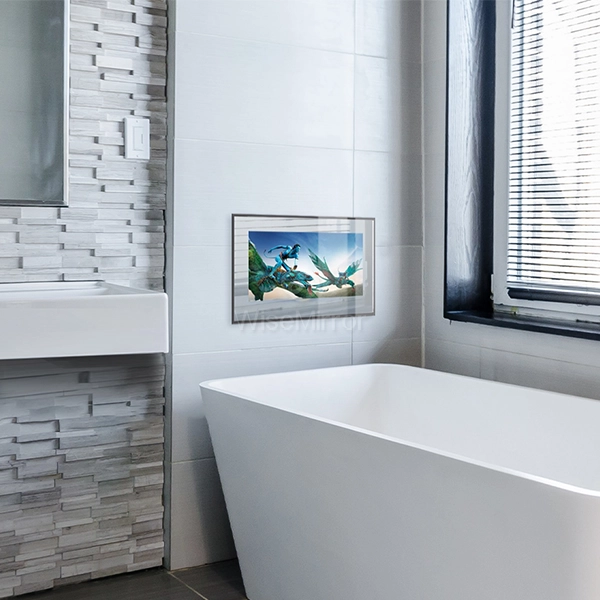
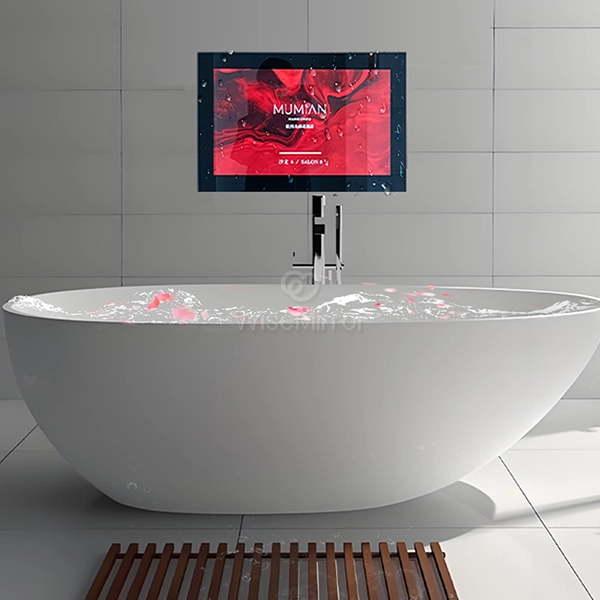
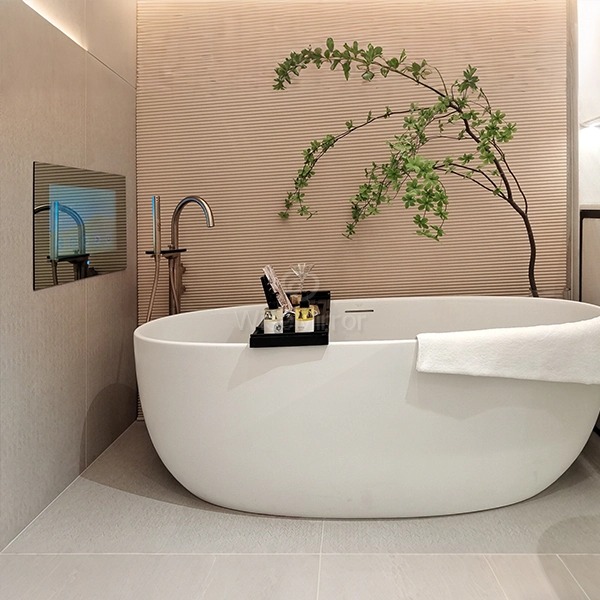
High-end Android mirror TVs use advanced covering technology that uses materials that don't contain lead or copper and don't rust or corrode. This engineering method guarantees long-lasting performance in tough business settings, especially damp bathrooms where regular electronics might break down. Because they are inset, these units only stick out a few millimeters from the wall, keeping the sleek look while still providing full smart TV functionality.

Traditional Mirror TV Core Technology
In traditional mirror TV systems, the main focus is on basic show functions within mirrored surfaces. Most of the time, these units have normal LCD or LED screens built behind carefully treated mirror glass. They only let you watch channels and don't have any advanced connectivity features. Installation requirements are still the same as for Android versions, but operating capabilities are much restricted compared to smart options.
There are basic input links and TV transmission reception that are needed for standard systems to work. These solutions can be used to add a mirror to a project without breaking the bank, but they don't have the dynamic features and software freedom that modern business settings need more and more.
Key Technological Distinctions
When you look at the features, long-term value, and user engagement potential of Android wall-mounted smart mirror TV options versus traditional choices, you can see that they are very different. Android systems have large app stores, internet connection, and the ability to control devices from afar, all of which are necessary for modern business and leisure uses. Traditional mirror TVs are easier to set up at first, but they don't offer many ways to add more features and can't be connected to modern building control systems.
Why Choose Android Smart Mirror TVs Over Traditional Mirror TVs?
To make business choices about what to buy, technology solutions need to be carefully weighed against specific practical needs and long-term business goals. The F-1 criteria screening method gives you an organized way to look at different mirror TV choices in a number of performance areas.
Technology Assessment Framework
When comparing Android smart mirror TV systems to standard options, people who work in procurement need to look at a number of important factors. Performance features include the quality of the screen, the computer power, the number of connectivity choices, and the freedom of the software. Android-based systems always do better in these areas than standard ones because they offer 4K UHD resolution, powerful processing power, and full wireless connection, including built-in WiFi and Bluetooth.
Usability factors include the design of the user interface, the accessibility of the information, and the needs for upkeep. Through well-known app-based environments, Android smart mirror TV options offer simple content management, voice control, and intuitive touchscreen user interfaces. It's harder to find your way around traditional mirror TVs, and you can't change the content as much, which could make guests less happy in hotel settings.
Integration Capabilities Analysis
In today's business world, technology needs to work well with many different tools and processes. Android smart mirror TV solutions are great in this area because they offer a lot of ways to connect, such as WiFi protocols, HDMI, USB, and Ethernet links. Support for hotel lock functions and direct IPTV system integration make it possible to connect all property management systems. This speeds up operations and improves the guest experience.
When figuring out how cost-effective something is, you have to look at both the initial costs of buying it and the long-term costs of running it. Android smart mirror TV systems usually cost more up front, but their longer list of features, lower upkeep needs, and energy-efficient (≤36W) operation make them more cost-effective in the long run. The displays' long life (50,000 hours or more) and full guarantee support make them even more valuable for business use.
Real-World Procurement Scenarios
Integration of Android smart mirror TVs is very helpful for hotel companies that are remodeling rooms. These systems let you handle all of your content from one place, make the interface look the way you want it to, and get your guests more involved with streaming services and other interactive features. Property managers can make changes to material, check on system performance, and fix problems without having to send technical staff to the spot.
Commercial fitness centers and wellness centers use Android mirror TV to offer custom workout material, apps that let you track your health, and engaging workouts. The waterproof design and anti-fog features make it safe to use in damp places, and they also give users an interesting experience that regular mirror TVs can't match.

Technical Features and Benefits of Android Smart Mirror TVs
Android smart mirror TV systems are very complex because they use a lot of different technologies that work together to make the experience better for the users. Knowing about these technical aspects helps people who work in buying understand how valuable these solutions are for business use.
Advanced Display and Hardware Architecture
High-end Android wall-mounted smart mirror TV sets are built on high-definition display technology. These units usually have 4K UHD screens that are 500 nits bright, so they are easy to see even in business settings with lots of light. The special coated mirror finish uses cutting-edge nano magnetron sputtering coating technology to make the changes between mirror and display modes smooth while keeping the visual clarity.
Touch-sensitive grids that allow multi-point contact, proximity sensors that turn on automatically, and ambient light recognition that adjusts the brightness are all examples of sensors that are built in. The Android operating system has powerful processing power that lets apps run smoothly, do multiple things at once, and have fast user interfaces. HIFI speakers that are built in provide high-quality sound without the need for external sound systems. This makes installation easier and improves the user experience.
When thinking about the environment, you should think about things like IP66 grades for resistance to moisture, anti-corrosion processes for long-term sturdiness, and energy-efficient operation to cut down on costs. Because of these features, Android smart mirror TV options are perfect for demanding business settings where dependability and stability of performance are very important.
Connectivity and Software Flexibility
There are many ways to connect an Android smart mirror TV system to other devices, so it can work with current technology. Wireless features include dual-band WiFi, Bluetooth for connecting peripherals, and cellular connection for places that are far away. HDMI inputs let you join external devices, USB ports let you play material from your own computer, and Ethernet connections make it easy to connect to a network.
The Android operating system gives you access to huge communities of apps, which lets you make changes that work with certain business needs. Integrations for property management can be put in place in hotels, workout facilities can use apps to track workouts, and stores can use engaging marketing platforms. Because the software is so adaptable, Android smart mirror TV options will still work as business needs change.
With remote management, you can handle multiple units in different places from one place. From central control platforms, administrators can keep software up to date, change settings, add new apps, and keep an eye on how the system is running. This feature cuts down on upkeep costs by a large amount and makes sure that users have the same experience in all setups.
Installation and Scalability Advantages
Because they are hidden, professional installation of Android smart mirror TV systems usually doesn't require many changes to the structure. The thin shape makes it possible to fit into existing wall structures with few protruding parts, keeping the look clean while still offering full functionality. Commercial setups are easier to get approved for when they are pre-certified to meet CE, FCC, and ROHS requirements.
Support for centralized management systems, standard installation processes, and the benefits of buying in bulk are all things that should be thought about when it comes to scalability. Large-scale operations are helped by uniform hardware specs, less training needed for maintenance staff, and full technical support from the makers. For business applications, these factors help lower the total cost of ownership and make operations more efficient.

Market Comparison: Android Smart Mirror TV Brands vs Traditional Mirror TV Suppliers
Companies that make known technologies, specialized display companies, and new smart home solution providers are all in the mirror television solutions market. Knowing where a vendor stands in the market and what services they offer helps procurement workers choose the best provider.
Leading Android Smart Mirror TV Manufacturers
Samsung is still the leader in developing high-end Android mirror TVs with cutting-edge display technologies, solid build quality, and full business support programs. Their Products work perfectly with other goods in the Samsung ecosystem, and they give businesses a lot of ways to make their ideas unique. LG offers competing options that focus on using less energy, making better displays, and being able to integrate software.
Some new companies, like WiseMirror Intelligent, have become experts in business mirror TV uses and can make solutions that work best in places like hospitals, stores, and hotels. Specialized makers often offer better features and support services for particular applications because they have been in the business for more than 15 years and have built relationships with big developers like China Resources Land and Gemdale Group.
As part of choosing a vendor, you should look at their manufacturing skills, quality certifications, and track record in similar business projects. Production sites that are ISO 9001-certified make sure that quality standards are always met, and long-term relationships with clients show that the products work well in tough business settings.
Traditional Mirror TV Supplier Landscape
Traditional mirror TV sellers usually focus on basic features and low prices instead of more advanced features or full support services. These solutions might work for projects on a tight budget, but they don't always have the technology specs and provider support that are needed for demanding business uses.
There can be big differences in quality between standard suppliers, and some makers cut corners on part quality to get lower prices. This method might lead to shorter product lifespans, more upkeep needs, and less warranty support when compared to more expensive Android smart mirror TV options.
Vendor Support and Service Comparison
Manufacturers of Android smart mirror TV systems usually offer a full range of support services, such as technical help, installation instructions, and regular repair programs. Most warranties cover more than just the gear itself. They usually cover software updates, professional support, and replacement services to make sure that there is as little downtime as possible.
Android solutions have benefits when it comes to buying, such as programs that let you buy in bulk, customization services, and dedicated account management for large-scale installs. Most of the time, these extra services are worth the extra cost because they lower project risk, make application easier, and improve long-term dependability. Premium vendors are different from traditional sources because they deliver 99% of the time and offer help around the clock, seven days a week.
Conclusion
When you compare Android smart mirror TV systems to traditional mirror TV options, you can see that Android-based platforms are much better for business buying. Android systems are better choices for leisure, retail, healthcare, and business settings because they have more advanced features, more ways to connect, and more ways to customize them. Even though the original costs may be higher, the long-term value propositions are usually better when energy economy, longer lifespan, and better user experiences are all taken into account. With the ability to work with current property management systems, allow remote control, and offer regular software updates that add new features, Android smart mirror TV systems will continue to be useful as technology changes. If procurement professionals are looking for reliable, future-proof options for tough business settings, Android smart mirror TV systems have the performance, dependability, and support services that are needed for long-term deployments to go smoothly.
FAQ
What are the main advantages of Android smart mirror TV systems for large-scale commercial installations?
Traditional mirror TVs can't compare to Android smart mirror TV systems, which can be managed from one place, monitored from afar, and have a lot of customization options. Updating software, installing new apps, and keeping an eye on system performance from multiple places cuts down on running costs and improves user experiences. Longer component lives and operation that uses less energy are two more cost-effective benefits for large-scale deploys.
How do the warranties and customer service of Android and traditional mirror TV suppliers compare?
Most of the time, premium Android smart mirror TV makers offer full warranty coverage that includes hardware replacement, software support, and expert help. The WiseMirror Intelligent comes with a 2-year guarantee and global help that is available 24/7. This makes sure that problems are fixed quickly and that operations are interrupted as little as possible. Most of the time, traditional providers only cover basic hardware under their limited guarantee terms.
What kinds of customizing choices are there for Android smart mirror TVs in businesses?
Android smart mirror TV units can be easily customized with branded user interfaces, custom app creation, and the ability to connect to current property management systems. Custom check-in apps can be made for hotels, health centers can make workout plans just for you, and stores can make interactive marketing platforms. Traditional mirror TVs don't let you change much beyond the basic station viewing.
How are the steps for installing Android vs. regular mirror TV sets different?
When it comes to mounting and connecting power, installing an Android or standard mirror TV setup is still the same. Android systems, on the other hand, need to be connected to the internet in order to work properly, while most standard systems can work without a network. The recessed installation design makes it possible for both types to blend in with walls with little visible effect.
Transform Your Commercial Spaces with WiseMirror Intelligent Android Smart Mirror TV Solutions
Find out how WiseMirror Intelligent's high-tech Android smart mirror TV systems can make your business, retail, or leisure projects more sophisticated and useful. Our skilled team uses cutting-edge nano magnetron sputtering covering technology and low-impedance ITO capacitive touch lamination, along with more than 15 years of experience in the field, to provide quality and performance that can't be beat. As one of the top companies making smart mirror TVs, we offer full solutions that include custom UI design, fast 15-day prototyping, and white-glove shipping support to make sure the installation goes smoothly. Get in touch with our knowledgeable staff at info@wisemirror-int.com to learn more about how we can help you find smart mirror TV suppliers, buy in bulk, and find creative solutions that fit your needs.
References
Digital Signage Market Analysis: Smart Mirror Technology Adoption in Commercial Environments, Industry Research Journal, 2024.
Hospitality Technology Integration: Comparative Study of Interactive Display Solutions for Guest Experience Enhancement, Hotel Management Quarterly, 2023.
Commercial Display Technology Assessment: Android-Based Systems vs Traditional Solutions in B2B Applications, Technology Procurement Review, 2024.
Energy Efficiency Standards for Commercial Electronic Displays: Comparative Analysis of Smart Mirror TV Systems, Environmental Technology Assessment, 2023.
Installation Best Practices for Commercial Mirror Television Systems in Hospitality and Retail Environments, Commercial Construction Standards, 2024.
Procurement Guidelines for Smart Display Technology in Commercial Real Estate Development Projects, Property Management Technology Review, 2023.