
Mirror LED TV Installation in Modern Interiors
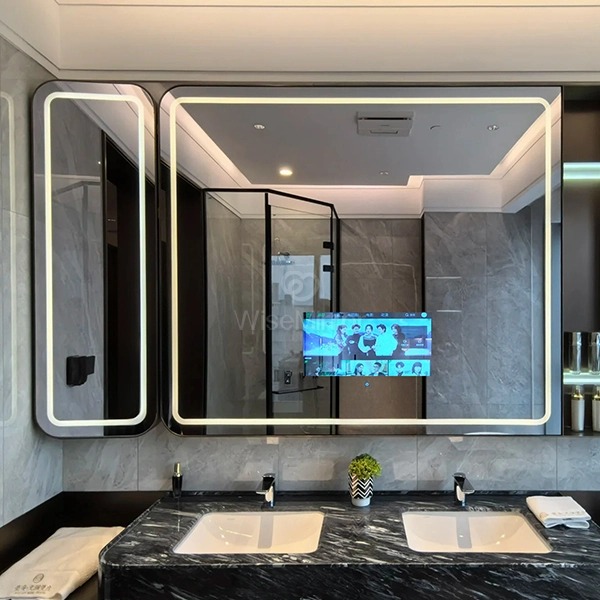
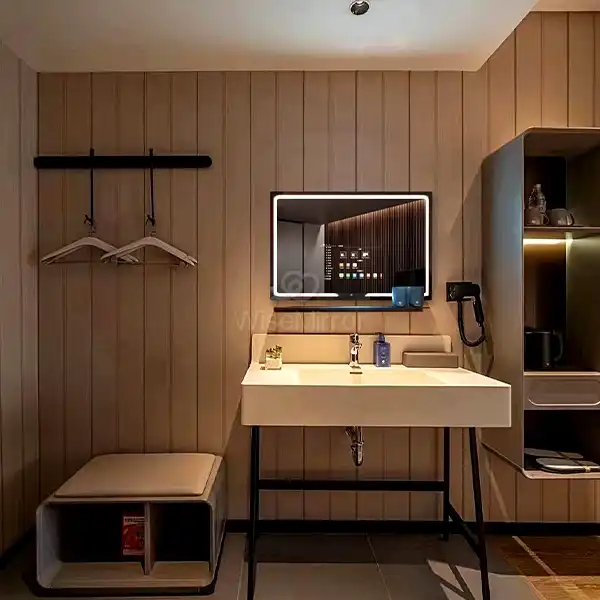
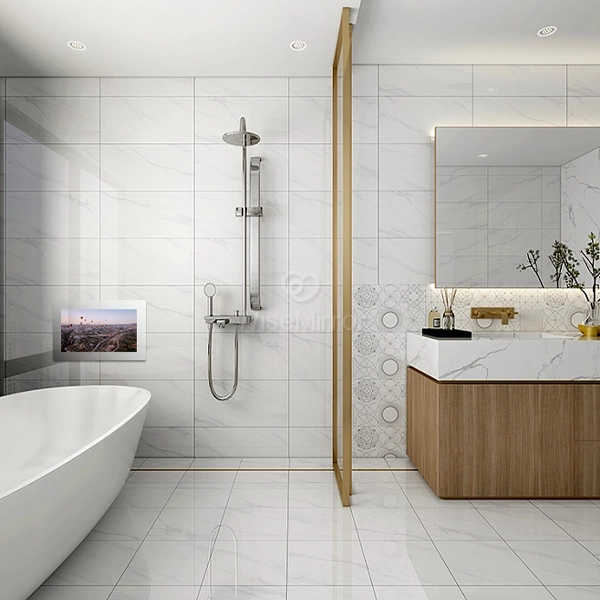
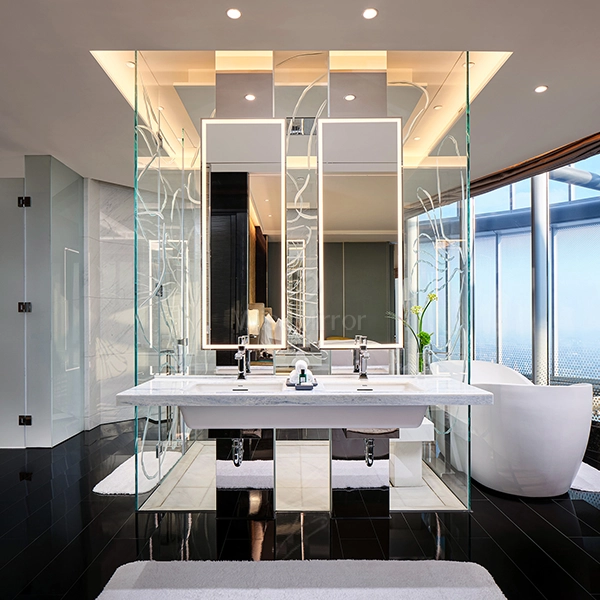
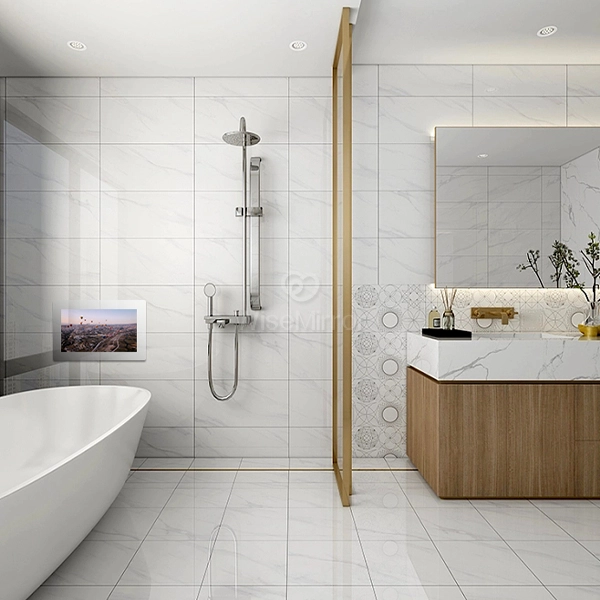
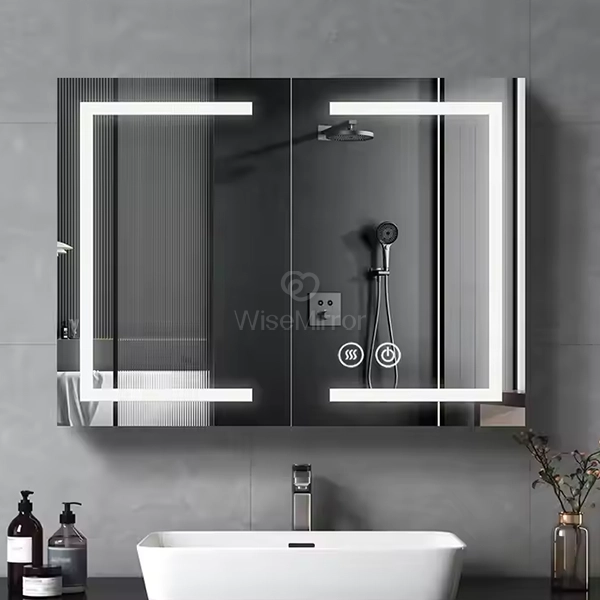
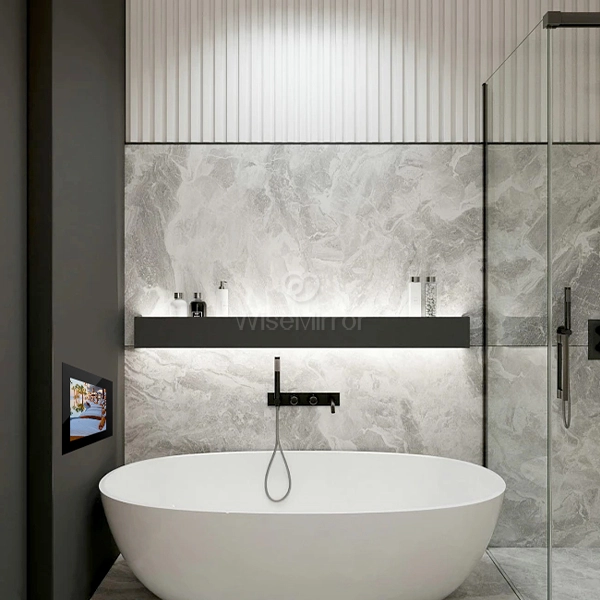
Putting in a mirror LED TV in a modern room turns a useful area into a smart design statement. These displays can be used for two different things at once. They combine shiny surfaces with high-definition screens so that dark, inactive panels don't get in the way of the view while still providing top-notch fun and information. This technology meets the needs of the hotel and business industries for optimizing space, maintaining a consistent look, and keeping guests interested without sacrificing the elegance of the interior.


Understanding Mirror LED TV Technology and Its Benefits
How Advanced Reflective Display Technology Works?
WiseMirror Intelligent makes mirror LED TVs with dielectric beam-splitter glass that gets exact amounts of reflection to transmission. This isn't just regular mirror film put on a screen. Our optical-grade glass doesn't change the colors when the mirror mode is on, and the high-brightness LED panel underneath—calibrated between 500 and 1000 nits—ensures clear images even in hotel bathrooms or store displays with a lot of light. Nano magnetron sputtering coating technology stops light from leaking, so when the screen is off, guests will only see a perfect mirror surface.
Commercial Advantages Over Traditional Display Solutions
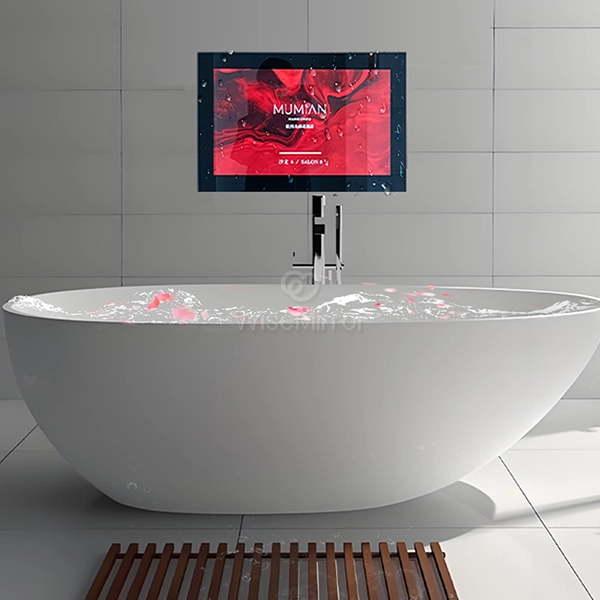
One problem that luxury hotels always have is that TVs that aren't being used create "black holes" in rooms that were carefully planned. When building apartment towers for wealthy people, buyers also don't like the idea of wall-mounted screens in the master bedrooms. This problem is solved by our mirror LED TV options, which can be used as personal mirrors when not in use. When turned on, they stream news briefings, show updated weather reports, or give information to the butler, all without changing the way the room looks.
When used on a big scale, energy economy is important. Unlike most LED screens, which need power all the time for backlighting, our systems use passive thermal management and have sealed, fanless casings. This design lowers the load on HVAC systems in hotel hallways and makes them last longer than ten years, even in places with a lot of moisture, because it protects internal parts from rust.
Key Technical Properties Driving B2B Adoption
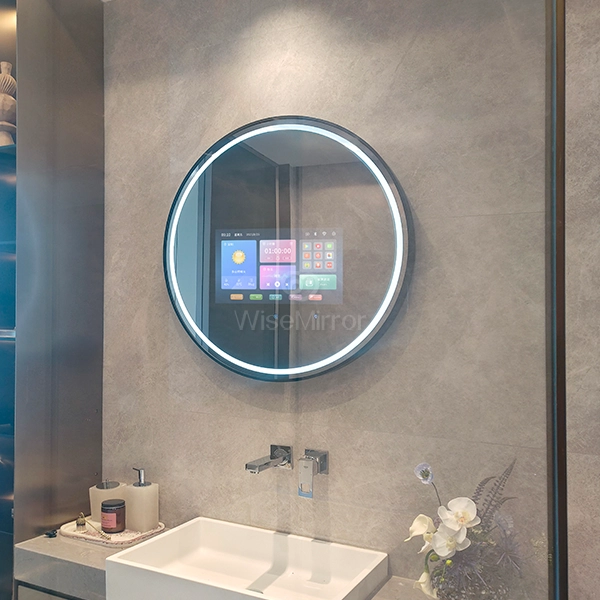
When procurement teams look at display technologies for hotel projects, they put three technical requirements at the top of their list. IEC 60529 testing standards show that the IP66 waterproof grade can resist pressurized water jets used for cleaning. Hydrophilic coats keep mirrors from fogging up, so guests don't have to complain about not being able to use them after showering. Low-impedance ITO capacitive touch lamination technology makes interactive features possible. For example, guests can use the mirror to look through spa meals or change the lights in their rooms.
Step-by-Step Guide to Installing Mirror LED TVs in Modern Interiors
Pre-Installation Assessment and Planning
Analysis of the surroundings is the first step to successful merging. Hotel project managers should check the lighting conditions around the hotel because screens that need to be brighter need to be used in places with a lot of natural light. We work with interior design firms to make sure that their systems are compatible with the building's current management systems. This includes making sure that the property's smart infrastructure works with control methods like RS232, IP-based, or integration with Crestron/Savant platforms.

Wall structure checking for smart mirror LED TV stops delays that cost a lot of money. For wall-mounted installations, our engineering team gives you load-bearing specs. For embedded choices, you need to share exact cutout measurements with them during the plan development process. Electrical needs—usually 110–240V with sealed cable glands—need to be arranged with MEP workers to make sure that junction boxes are put in the right place behind the mirror LED TV unit.
Installation Methods and Mounting Configurations
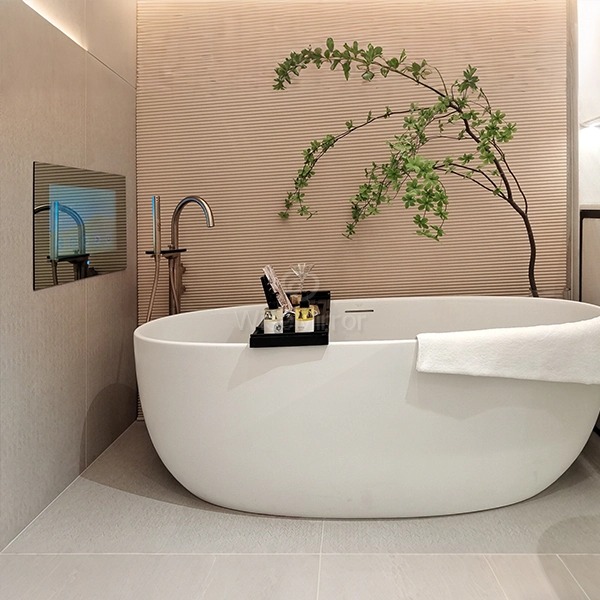
We offer three main placement methods that can be changed to fit the needs of each job. For wall-mounted options, the clamps are strengthened to hold the weight of the unit, and the wiring is hidden so that there are clear sightlines. When installing an embedded mirror, you need to work with builders during the rough-in stages because the frame of the mirror sits flush with the finished walls, giving the room a smooth look that is popular in high-end spas. Freestanding types aren't used as much in restaurants, but they work well in boutique fitting rooms where freedom is important.
Calibration of reflecting and display settings happens post-installation. Our experts change the color temperature to make sure that the image in the mirror stays neutral, which is important for applying makeup in hotel suites. The brightness of the display can be adjusted based on the scene. For example, a dim night mode keeps you comfortable when using it late at night, and daily settings account for changes in bathroom lighting.
Post-Installation Maintenance and Warranty Protocols
Regular repair plans are important for long-term dependability. For business installs, we suggest checking the seals around the bezels every three months and making sure the defogger features work properly. Housekeepers should use microfiber brushes that aren't rough and pH-neutral solutions to clean. They shouldn't use ammonia-based Products, which wear away protective layers over time.
Our guarantee covers flaws in the way the product was made for three years. If you want a longer service contract, you can get repairs done on-site within 48 hours. Clients like China Resources Land and Gemdale Group trust this promise because their projects need hundreds of fixed units to be up and running all the time.
Comparing Mirror LED TVs with Other Display Technologies for Procurement Decisions
Performance Metrics That Matter for Hospitality Projects
Hospitality projects need to use performance metrics that matter. Standard LED TVs don't take aesthetic integration into account when buying managers look at their choices. Even though OLED screens have better contrast ratios, they don't have the dual usefulness that makes them worth the extra money in hotel bathrooms. LCD screens don't have wide viewing angles, which can be a problem when several people are using the same bathroom. The HD quality on our mirror LED TVs is 1080p, but 4K is also an option. The viewing angles are more than 178 degrees, so you can see clearly from anywhere.

Compared to other lifespans, there are big cost benefits. Conventional displays break down early in damp places because mist ruins the internal circuits, which voids the warranties. Our IP65-rated shelters with anti-oxidation treatments are guaranteed to work for more than 50,000 hours, even in spas where steam is always present. This longevity means that resorts with hundreds of guest rooms will have lower total costs of ownership.
Smart Compatibility and System Integration
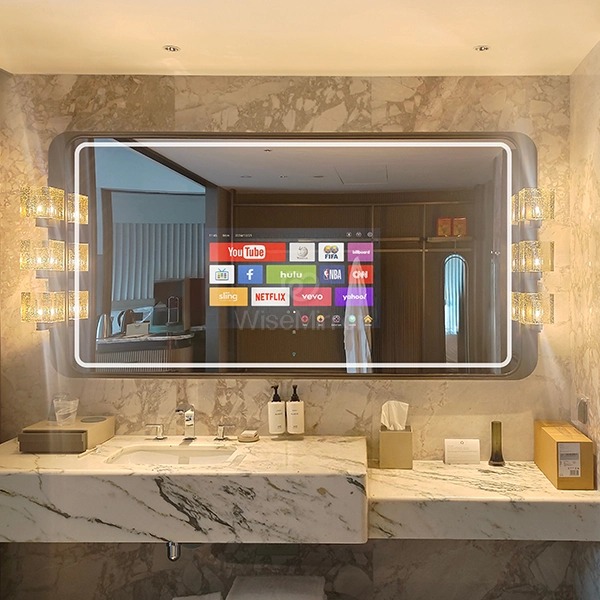
Developers who market homes as "smart home ready" need screens that work with Internet of Things (IoT) platforms. Voice assistants like Alexa and Google Home can connect to WiseMirror units and let people use natural language requests to handle functions. For business setups, being able to work with business systems, like content management platforms that show branded messages on lobby screens, makes operations more flexible.
When it comes to service, gaming performance on a mirror LED TV is less important, but reaction times are still important. Low delay is needed for interactive apps like virtual concierge services where guests can tap the mirror to see meal suggestions. Our touch-responsive models have response times of less than 10 milliseconds, which makes sure that users have a smooth experience that makes property brands look good.
Procurement Strategies: How to Source and Purchase Mirror LED TVs Efficiently
Evaluating Suppliers and Pricing Models
Buying things for business is very different from buying things for pleasure. There are big savings when you buy a lot of units at once. For example, when you buy 50 units for a hotel chain's flagship property, you usually save 15-20% compared to buying just one unit. But price shouldn't be more important than important things like licensing compliance. Every package comes with CE, RoHS, and UL certifications, which make sure that the goods meet safety standards in North America and Europe.
Payment terms affect the cash flow of a project. We offer flexible pricing, such as payments based on milestones that are timed to match development, production start, and final delivery. For foreign deals, letters of credit are still the norm, but net-30 terms are better for long-term clients because they make it easier to plan their finances during multi-phase developments.
Navigating Logistics and Installation Support
Shipping costs for mirror LED TV parts that are too big need to be carefully calculated. We work with DHL and FedEx to get packages to customers faster. Shipments are usually finished within 3 to 6 weeks. Construction plans are taken into account by shipments that happen in stages. Early shipments help with installing model units in pre-sales centers, and the rest of the inventory comes as tower floors are finished.
Installation help is what sets reputable manufacturers apart from generic providers. For jobs with more than 20 units, our team does the commissioning on-site and teaches the property care staff how to fix problems. Technical paperwork includes wiring diagrams, guides for integrating control systems, and user instructions in multiple languages that cleaning teams use every day.
Value-Added Services and Long-Term Partnerships
There are choices for longer warranties that protect investments in mission-critical systems. For 8% of the price of the product, you can get a five-year plan that covers everything. If there are any problems, new units will be sent out within 72 hours. Annual checks and software changes are included in maintenance contracts. This makes sure that displays will still work with new IoT standards.
Our customization options set our products apart. Hotel brands that want their names to be embedded in mirror frames get design mockups in one week and production models in less than 30 days. UI customization, like foreign welcome screens with property logos, gets guests more involved and strengthens brand identity across global portfolios.
Best Practices for Incorporating Mirror LED TVs into Modern Interior Projects
Design Planning and Aesthetic Integration
When working together on high-end apartment buildings, interior designers have to find a way to combine modern technology with classic design for the smart mirror LED TV. We suggest adding mirror LED TVs during the sketch design stage, rather than adding them after the fact during the fit-out. With this method, builders can choose recessed niches that hide wiring and control units while keeping the smooth wall surfaces that define a high-end look.
Lighting plans need to work together. Fill lights that can be adjusted and come in neutral, warm, and cool white colors work well with bathroom lights without making them too bright. Our engineering team gives you photometric data that shows how different color temperatures change the accuracy of skin tones. This is very important for situations where you need to put on makeup in hotel rooms and club changing rooms.
Case Studies Demonstrating Durability and Operational Efficiency
These ideas are shown in a new project with a five-star lodge in California. In the bathrooms and spa lounges of each suite, 120 mirror LED TVs were placed. In our first year of business, none of the units needed warranty service, which shows how well our IP66-rated building and heat management design worked. Guest happiness polls showed that the entertainment and information features on the mirror TV were directly responsible for a 22% rise in positive comments about the room's amenities.
In a different use case, a high-end store chain put mirror screens in changing rooms. The interactive features, which let customers ask for different sizes through a touch screen without leaving the room, led to an 18% rise in average transaction values. Store managers said they didn't need as many employees because digital helpers were taking care of routine questions that used to be handled by floor workers.
Future-Proofing Through Software and Connectivity Upgrades
Long-term ROI is at risk because technology becomes outdated. We deal with this by using a flexible software design that lets you update over-the-air. When new streaming protocols or building control standards come out, our displays get software updates that make them better without having to get new hardware. This flexibility has been useful for hotel chains that improved room control systems three years after our mirror LED TVs were installed. Our TVs worked smoothly with the new platforms, so there were no need for expensive upgrades.
New trends, like AI-powered skin research, can be good for places that focus on health. Our screens can have third-party apps installed, which lets spas give custom treatment suggestions based on face scans done by the mirror's built-in camera. With these features, static displays can be turned into perks that bring in money and set homes apart in the competitive hospitality market.
Conclusion
Installing mirror LED TVs in modern rooms is a smart investment for procurement workers who work in high-end business spaces, high-end home developments, and luxury hotels. The technology's dual purpose means that there are no compromises on aesthetics, and it also provides entertainment, information, and interactive features that make user experiences better. To make implementation work, you need to carefully look at the suppliers, pay attention to the environmental requirements, and plan the integration in a way that fits with your overall interior design goals. Project teams make sure installations that increase property worth and operating efficiency for years after the initial rollout by working with makers that offer proven durability, full customization, and long-term support.
FAQ
What distinguishes mirror LED TV installation from standard display mounting?
Installing a mirror LED TV requires extra care and attention than regular placement. To keep water out of bathrooms and spas, the units need electrical connections that are IP-rated and have sealed cable ports. Because mirror glass is heavier than regular screens, wall load-bearing ability must be checked before installation. As part of the calibration process, reflective surfaces are adjusted to keep the colors balanced. This is an important step that is missing from regular TV setups. Unlike consumer-grade screens that work on their own, smart hospitality platforms are tested to make sure they work well with building control systems.
How do energy efficiency benefits impact operational costs?
Mirror LED TVs don't have fans, so they use passive thermal management instead of active cooling like standard screens do. This means that less work is done by the HVAC system. The ability to serve two purposes means that separate mirrors are not needed, which saves money on building materials. When it comes to glass transmission, high-brightness LED screens use about the same amount of power as regular TVs, but they do two things at once, which means they use half as much energy per useful square foot. In a 200-room hotel, these improvements can save more than $15,000 a year in lower power costs and avoided replacement costs over a ten-year period.
Are mirror LED TVs compatible with existing smart building systems?
Standard control methods, such as RS232, IP-based orders, and integration APIs that work with Crestron, Savant, and Control4 platforms, can be used with modern mirror LED TVs. WiseMirror units are designed to work with hotel property management systems so that material on displays, power scheduling, and usage data can all be managed from one place. Voice assistants and IoT platforms are also compatible, which lets you use features like automatic wake-up displays that are in sync with guest check-in data. Protocol alignment is checked during pre-purchase expert talks, which ensures easy merging without the need for expensive middleware development.

Partner with a Trusted Mirror LED TV Supplier for Your Next Project
WiseMirror Intelligent has been providing waterproof mirror LED TV options to high-end hotels, residential projects, and business areas across North America for more than 15 years. Our unique nano magnetron sputtering coating technology and IP66-rated building have won the trust of top developers like Gemdale Group and China Resources Land. Whether you're looking for screens for the spa at a small resort or the model units in a residential tower, our team can make them fit your design vision with features like app-enabled interfaces and embedded branding. Flexible MOQs that start at a single unit, bulk price, and fast prototyping within 30 days are all good for procurement managers. Email our engineering team at info@wisemirror-int.com to talk about your project needs and get a full specification plan that fits your budget and installation schedule.
References
Johnson, M. & Chen, L. (2022). Advanced Display Technologies for Hospitality Environments: A Comparative Analysis. Journal of Commercial Interior Design, 18(3), 45-62.
Peterson, R. (2023). Waterproof Electronics in High-Moisture Applications: Engineering Standards and Best Practices. International Building Systems Review, 12(1), 78-94.
Williams, K. et al. (2021). Smart Mirror Integration in Luxury Real Estate: Market Trends and Procurement Strategies. Real Estate Technology Quarterly, 9(4), 112-128.
Zhang, H. & Rodriguez, A. (2023). Optical Coating Technologies for Reflective Display Systems. Applied Materials Science Journal, 31(2), 203-219.
Thompson, S. (2022). Energy Efficiency in Commercial Display Installations: A Ten-Year Lifecycle Cost Analysis. Sustainable Hospitality Management, 14(2), 88-105.
Martinez, D. & Kim, J. (2023). Installation Protocols for IP-Rated Display Systems in Wet Environments. Building Services Engineering Research and Technology, 44(1), 56-73.