
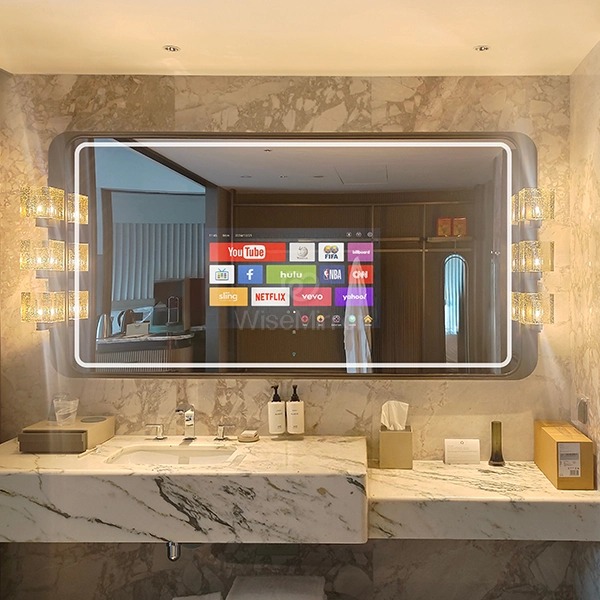
How to Select Wall-Mounted Smart Dressing Mirror TV for Large-Scale Hotel Projects?
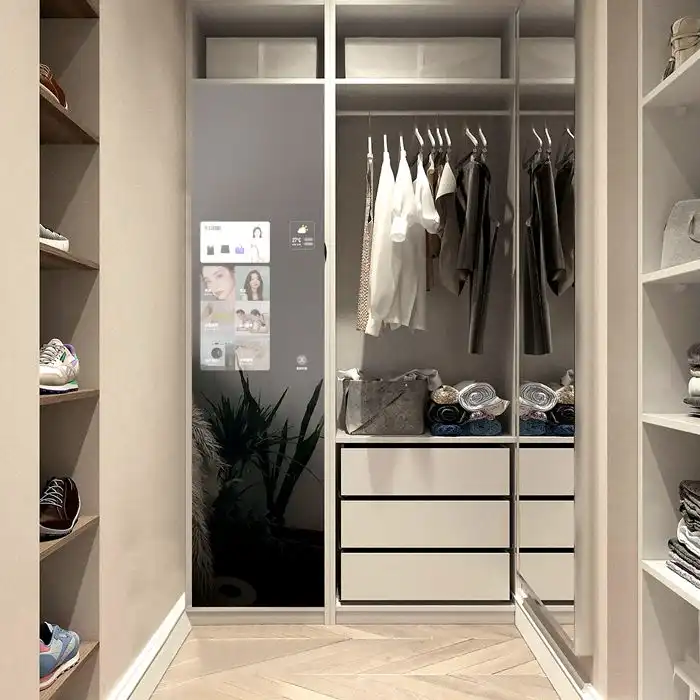
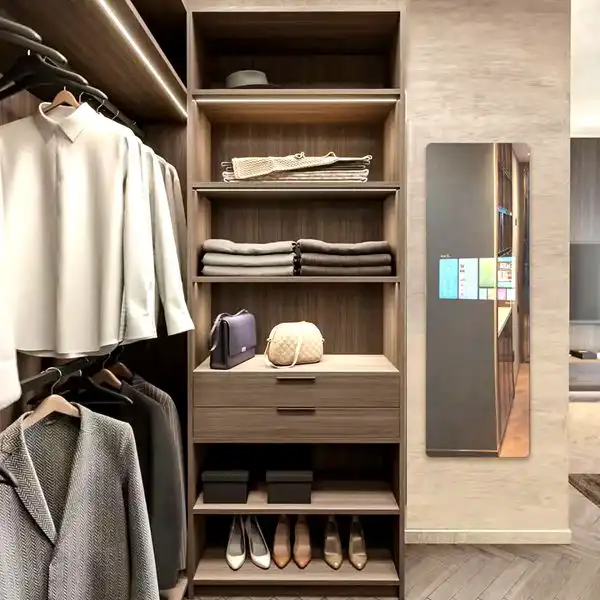
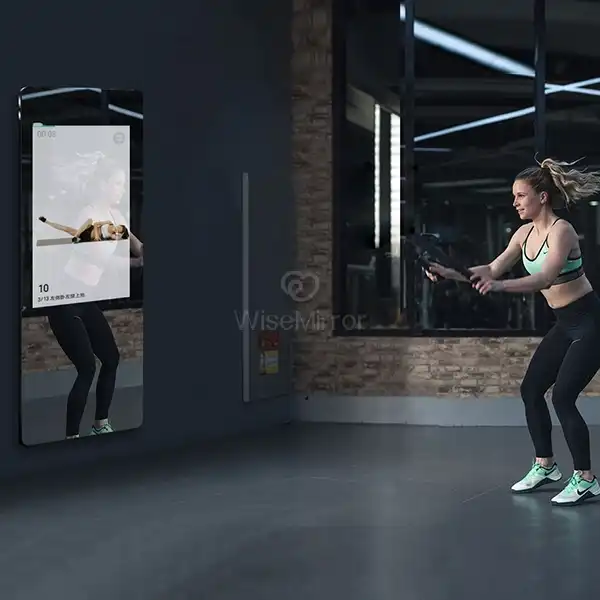
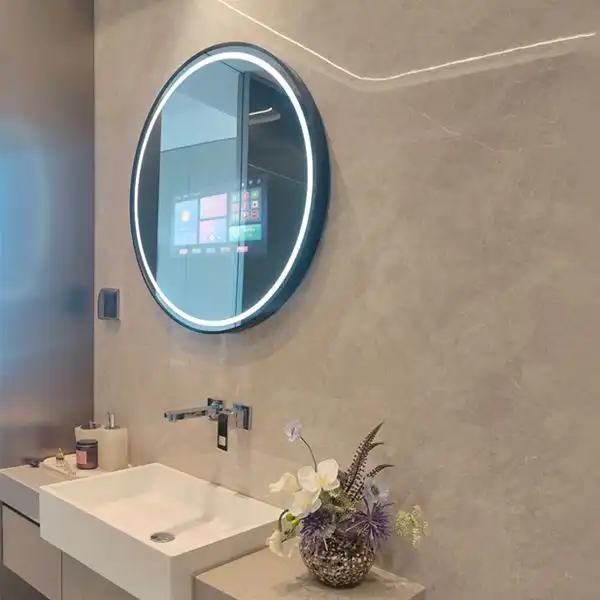
Selecting wall-mounted full-length smart dressing mirrors for large-scale hotel projects demands careful evaluation of multiple technical, operational, and design factors. These intelligent display solutions have evolved beyond simple reflective surfaces into interactive guest engagement tools that directly influence satisfaction scores and property differentiation. When specifying smart mirror systems for boutique hotels, luxury resorts, or serviced apartment chains, procurement managers face critical decisions affecting installation timelines, maintenance costs, and long-term performance reliability. This guide examines essential criteria—from commercial-grade durability standards to system integration capabilities—that separate viable hotel-grade Products from consumer-oriented alternatives. We address the strategic procurement framework necessary to achieve optimal value in bulk deployments while maintaining design consistency across multiple room categories. Understanding these technical requirements enables property developers and hotel engineering teams to confidently specify smart dressing mirror solutions that enhance operational efficiency and deliver measurable returns on technology investments.
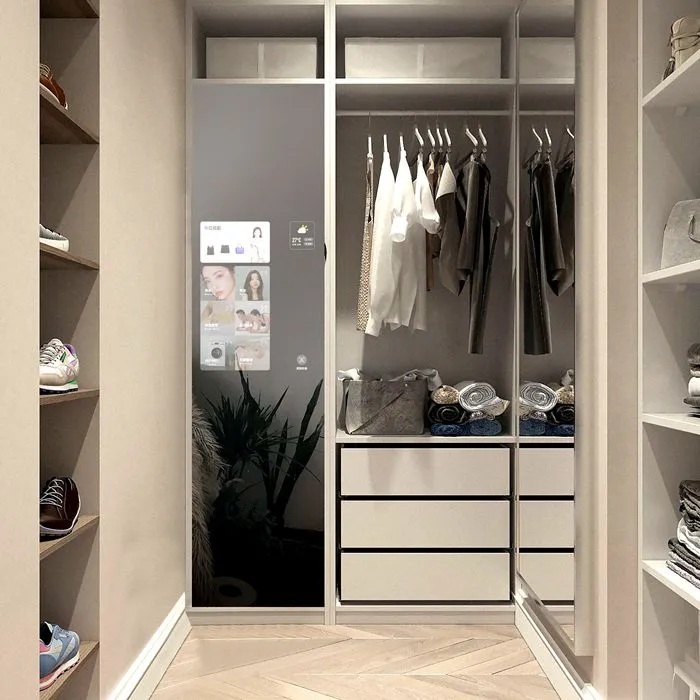
Understanding the Challenges in Selecting Smart Dressing Mirror TVs for Hotels
Durability Requirements Beyond Residential Standards
The amount of use that smart screens get in hotels is much higher than in homes. In a guest room, one mirror may be used 300–500 times a month for different guest interactions, compared to 50–100 times in a home. For this to work, the building has to be commercial-grade, with strengthened glass frames and touch sensors that are rated for use in factories. A lot of problems happen when residential-spec goods break down too soon after being used all the time, which costs a lot of money and makes guests unhappy. The mirror glass itself has to be able to handle hairsprays, perfumes, and cleaning products that contain makeup chemicals without losing its covering. This is a requirement that is often forgotten until oxidation starts to show up 12 to 18 months after installation.
Integration Complexities with Hotel Management Systems
Smart mirrors, including wall-mounted full-length smart dressing mirrors, are needed in modern hotels so that they can work with property management systems, room automation platforms, and centralised content management networks without any problems. However, getting this level of unity is very difficult from a technical point of view. Many companies that make smart mirrors use closed-system designs that don't work with the hotel's current infrastructure. This means that expensive middleware has to be developed or the mirrors can only work on their own. Before committing to large-scale deployments, procurement managers need to make sure that the API is available, that the protocol works with the major hotel PMS systems, and that it supports standard communication protocols. A high-end hotel company recently had to wait six months to install their chosen smart mirrors because they couldn't connect to their current Crestron automation system. This meant that the control integration had to be completely redone.
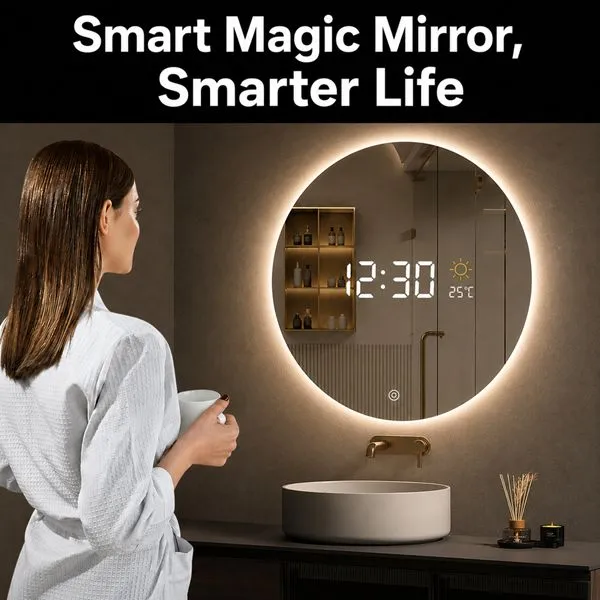
Scalability and Consistency Across Property Networks
It can be hard for chain hotels and developments with multiple properties to make sure that guests have the same experience everywhere. Smart mirror specs need to be flexible enough to work in different room layouts while still keeping the brand's identity by using standard interfaces and functions. When making purchases, companies should focus on those that offer modular configuration choices instead of fixed models. This way, they can adapt to different building limits without losing their visual unity. When you have hundreds of units spread out across multiple properties, you need centralised software management so that updates and content changes can be made at the same time without having to send technicians to each location.
Key Features and Technologies to Look for in Wall-Mounted Full-Length Smart Mirrors
Interactive Touch Display Systems
The display technology built into hotel smart mirrors decides both how well guests can connect with them and how long they will last. Low-impedance ITO capacitive touch systems have response times of less than 1 millisecond, giving guests the quick feedback they expect from consumer electronics. Screen sizes from 21.5 to 55 inches can fit a variety of room types, and brightness levels that can be changed from 350 to 700 cd/㎡ make sure that the picture can be seen in bathrooms with different lighting. The Android operating system foundation lets you use familiar gestures and integrate apps into the ecosystem. However, procurement teams should make sure that the version of Android (11, 12, or 13) they are using supports the security protocols and software integrations they need.
Commercial-Grade Environmental Protection
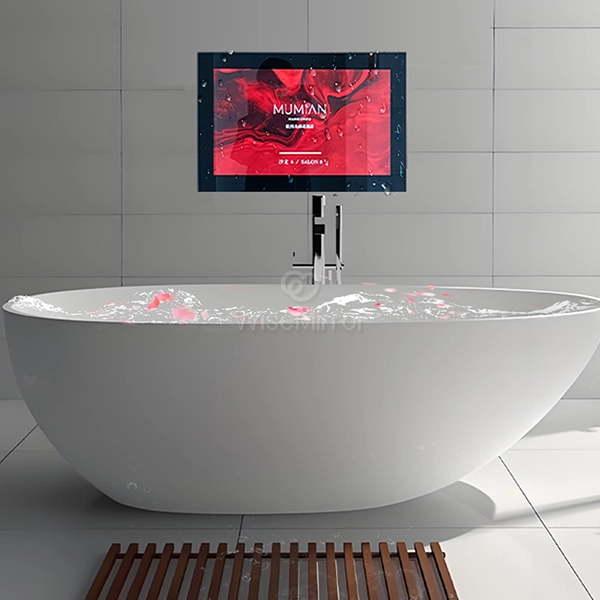
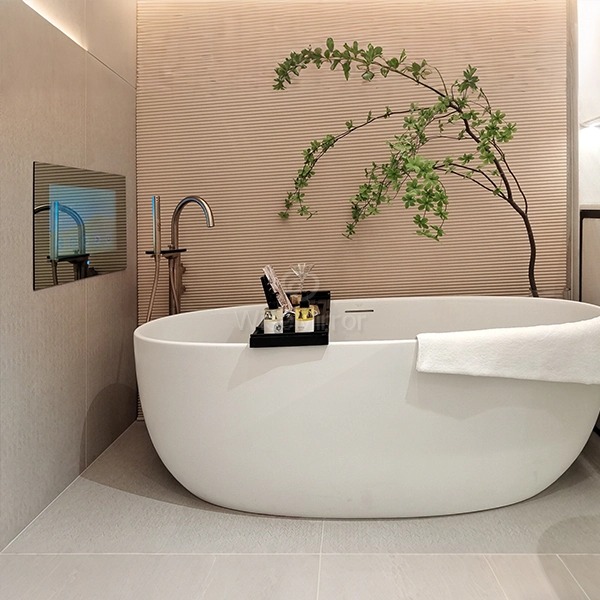
The bathrooms in hotels are tough places to work because the temperature and humidity change quickly and there are chemicals around. For these reasons, commercial smart mirrors need to have environmental protection features that take care of these problems. Anti-fog heating parts keep the mirror clear even when the shower is running, and waterproof grades (usually IP65 or higher) keep water out of the electronics inside. The nano non-conductive coating technology stops oxidation and corrosion from cosmetics, making it last a lot longer than consumer-grade options that start to lose their abilities after just two years.
Explosion-proof glass is now required for wall-mounted full-length smart dressing mirrors used in hotel applications. This design helps prevent dangerous glass fragments from flying around if impact damage occurs. Because of this safety certification requirement, cheap mirrors without properly strengthened glass frames are often ruled out. Instead of relying on manufacturer claims alone, hotel procurement specifications should clearly ask for proof of safety tests conducted by a third party.
Energy Management and Automation
Operating costs for hundreds of guest rooms make energy economy one of the most important things to think about when buying something. Modern smart mirrors have sensors that detect when someone is nearby. When guests come close, the displays automatically wake up, and when no one is nearby, they go into a power-saving standby mode. When compared to screens that are always on, this sensor-driven technology can save 60–70% of the energy used. Instead of accepting a single "average consumption" number that hides how power is actually used, procurement managers should ask for detailed data on how much power is used in different operational modes when evaluating energy specifications.
Integration with systems that check if a room is occupied lets wall-mounted full-length smart dressing mirrors go into deep sleep modes when the room is empty, which saves even more energy. Some advanced implementations change the brightness of the display based on the lighting conditions around it. This keeps the visibility at its best while reducing the amount of power that is used for no reason. To use these automation features, you need communication methods that work with them. RS-485, BACnet, or IP-based control systems are popular in hotel building management platforms.
AI-Enhanced Guest Services
Premium hotel groups are becoming more and more unique by using technology to make personalisation possible. With add-on AI units, smart mirrors can be turned from inactive displays into engaging health coaches. The skin condition analysis features are especially popular with people who stay at high-end resorts because they give them personalised skin care advice based on things like dampness and UV exposure. The virtual clothing and hairstyle modelling features are fun and encourage sharing on social media, which creates natural marketing content. These high-tech features need extra processing hardware and camera systems, which raises the price per unit by 30 to 40 percent but makes a real difference in the competitive luxury market.
Comparing Wall-Mounted Smart Dressing Mirror TVs with Traditional Mirrors
Guest Experience and Satisfaction Metrics
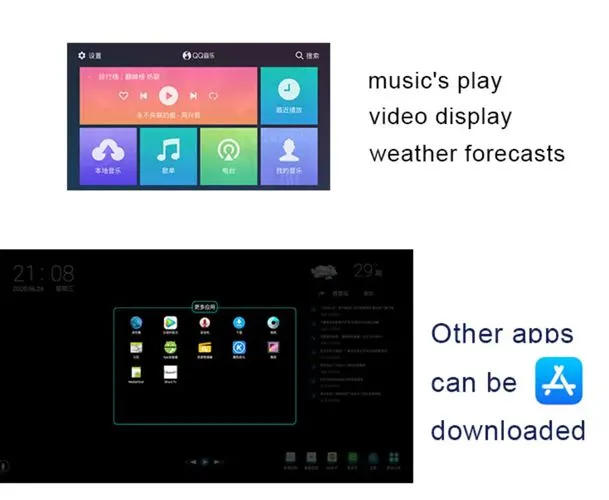
Traditional mirrors are only useful for their practical purpose. Installing smart mirrors directly raises the level of guest interaction. Properties that keep track of customer happiness measures say that room technology scores always go up by 15 to 20 percent after a smart mirror is installed. Guests especially like the built-in entertainment options that let them watch music and videos while they're getting ready. Being able to check the weather, use hotel services, and change room settings without any extra devices creates a sense of value that supports charging higher prices. These features are used by high-end hotels in their marketing to set themselves apart from rivals who offer basic mirror setups.
When you think about the augmented reality features that come with more advanced smart mirror systems, the experience gap gets a lot bigger. Virtual makeup trials and outfit coordination tools create material for social media that has measured marketing value beyond the guest room experience. Hotels say that guests share mirror interaction videos on multiple platforms, which makes promotional content that is real and can't be made through traditional marketing methods.
Total Cost Analysis for Bulk Procurement
The price of the initial purchase is only one part of the true costs over the life of the product. Traditional mirrors cost between $50 and $150 each, but industrial smart mirrors can cost anywhere from $800 to $3,500, based on the features and customisation needs. But a full cost study needs to look at things like how hard it is to install, how much upkeep it needs, and how much it helps the business. Traditional mirrors need to be installed separately from TVs, which takes up wall space and makes the room look less luxurious. Integrated smart screen options get rid of the need for multiple setups and offer better design integration.
When choosing commercial-grade goods, wall-mounted full-length smart dressing mirrors with smart screens are better because they are easier to maintain. In traditional mirror-TV combos, you have to take care of two separate systems. With integrated smart mirrors, however, all of your maintenance needs are met by one system. Commercial smart mirrors that are properly set up have failure rates below 2% per year, while 5-8% of consumer-grade electronics that are used in hotels break down. It's important to have warranty coverage. Reputable manufacturers offer thorough warranties that last for two to three years and include on-site replacement choices for big deployments. This protects against unexpected replacement costs during critical operating times.
Manufacturer Selection and Support Infrastructure
There are a lot of different makers in the smart mirror market, and their products and support systems are very different. Instead of general consumer electronics companies, hotel procurement teams should give more weight to manufacturers with experience in the hospitality industry. Some important things that are looked at when judging a company are its project management skills for planning large-scale setups, its technical help during the rollout phases, and its connections with hospitality design firms. Companies like WiseMirror Intelligent have been installing business mirrors for more than 15 years and have worked on projects for big property developers like China Resources Land and Gemdale Group, as well as for high-end hotels around the world.
Step-by-Step Guide to Procuring and Installing Wall-Mounted Smart Dressing Mirror TVs for Hotels
Defining Project Requirements and Specifications
For procurement to go well, there must be a detailed recording of all the requirements, including both technical details and practical goals. Teams working on the project should divide rooms into groups like standard, deluxe, and suite, and then decide what kind of mirrors are best for each group, taking into account both the number of features and the budget. Standard rooms might get 24-inch screens with basic smart features, while suites should get 43- to 55-inch screens with full AI features. This tiered method makes the best use of budgets while keeping the brand experience constant.
The technical specs need to include the screen's size, resolution, touch technology, operating system version, connectivity options, and grades for the surroundings. Detailed mounting requirements should list the types of walls that can be used and how much weight they can hold. Most installation problems happen because the mounting substrate wasn't chosen correctly. In order for building plans to be accurately coordinated, procurement papers should ask makers to provide CAD models that show exact cutout measurements, bracket specs, and clearance requirements.
Customization and Brand Integration
Hotel groups need all of their sites to look the same, which means they need to be able to make a lot of changes. Leading manufacturers of wall-mounted full-length smart dressing mirrors offer full OEM/ODM programs that cover a wide range of customisation options. The frame's materials and finishes need to match the bathroom fixtures' colour schemes. Typical frame materials and finishes include brushed aluminium, stainless steel, and powder-coated finishes in unique colours. With screen printing, you can put a logo on a mirror that will stay there forever, strengthening your brand's image without using sticky overlays that wear off over time.
Customising software turns out to be just as important as how hardware looks. When it comes to colour schemes, fonts, and interaction patterns, white-label user interfaces should be in line with hotel brand standards. International properties must now support multiple languages, and content management systems make it possible to update translations centrally across entire deployment networks. Custom boot routines with hotel names and welcome messages make the experience of guests more polished, which supports the premium branding. WiseMirror Intelligent offers full UI customisation services with multilingual localisation that are made to work with global hotel projects.
Installation Planning and Technical Coordination
For professional assembly, people from different trades must work together and strictly follow the instructions. The electrical rough-in has to include dedicated circuits that meet the rules in the area. In North America, these are usually 120V/15A circuits with GFCI protection. When planning network infrastructure, it's important to make sure there is enough bandwidth and hardwired Ethernet connections, rather than relying on WiFi, which has reliability issues that aren't acceptable for business use. Mounting materials need more support than just plasterboard. Usually, 3/4-inch plywood backing plates nailed to wall studs are enough to hold mirrors that weigh between 40 and 80 pounds, based on their size.
When to install things in relation to building plans has a huge effect on the success of a project. Wall-mounted full-length smart dressing mirrors should be installed after the tile work is done but before the final fixtures are put in. This will allow for proper sealing and integration. Working together with MEP workers makes sure that the power and data lines are perfectly lined up with where the mirrors will be mounted. This keeps changes from being made in the field that could affect both the look of the project and the warranty coverage. Manufacturers with a good reputation offer professional help and installation supervision during the deployment phase. This way, problems can be found and fixed before they affect project plans.
Supplier Vetting and Contract Negotiation
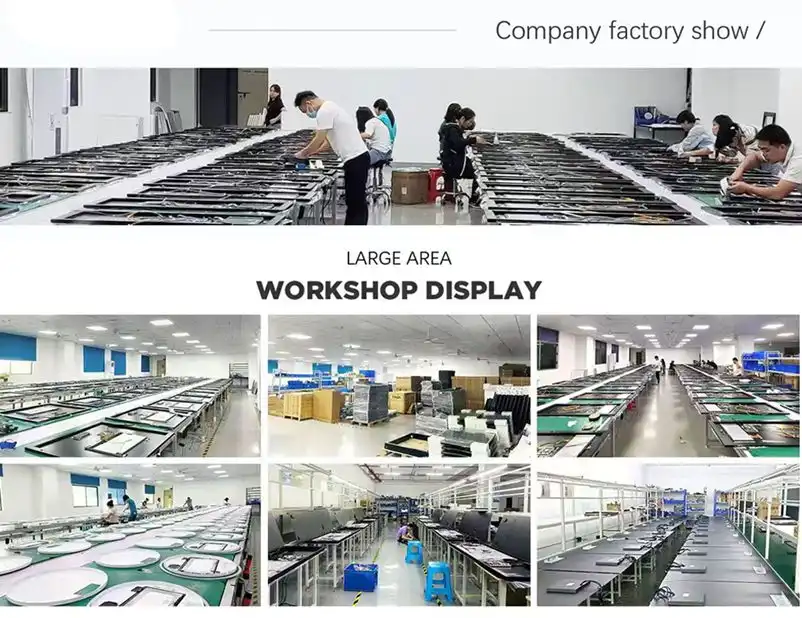
When building a big hotel, it's important to do a lot of research on potential suppliers. On-site trips to manufacturing facilities check the facilities' production and quality control methods, showing if marketing promises are true or not. Reference projects in the hospitality industry can tell you a lot about how well a supplier did in similar situations. Instead of relying on carefully chosen testimonials, procurement teams should get in touch with previous clients directly. A study into the supplier's financial stability helps protect against the supplier going bankrupt in the middle of a project, which could leave properties without guarantee coverage or access to replacement parts.
When negotiating a contract, the parties should talk about payment terms that are in line with project milestones, warranty provisions that cover both parts and labour, and specific performance guarantees about product specifications and delivery dates for wall-mounted full-length smart dressing mirrors. Service level agreements that spell out response times for technical support and on-site service are especially important for deployments that span multiple properties and need constant help in different parts of the world. Intellectual property laws should make it clear who owns custom software and interface designs. This will keep you from being locked into one provider, which limits your options for the future.
Future Trends and Strategic Considerations for Hotel Smart Dressing Mirrors
Emerging AI and Personalization Technologies
The category of "smart mirrors" is still going through a lot of rapid technological change, with AI capabilities growing beyond what is currently used. Voice-activated personal helpers in the next generation of systems will be trained to understand calls for hotel services, local suggestions, and room control instructions. Face recognition technology lets guests' language settings, content choices, and temperature controls from previous stays be automatically loaded. These personalised features need advanced privacy safeguards and guest approval systems. Finding the right balance between ease of use and data security worries is becoming more and more important to travellers.
Gesture control interfaces are another new feature integrated into wall-mounted full-length smart dressing mirrors, eliminating the need for direct touch. This is especially useful in places where hygiene concerns have increased. Modern camera systems can recognize hand movements, allowing users to operate the mirrors without physical contact while still meeting cleanliness standards. Augmented reality shopping integration enables guests to virtually try on products displayed on mirror screens and purchase them directly through hotel commerce platforms. This creates new revenue opportunities for hotels beyond room rates and minibar sales.
Sustainability and Energy Efficiency Priorities
As hotel chains work to get LEED approval and make sustainability promises, environmental duty plays a bigger role in their buying choices. In response, companies that make smart mirrors have come up with eco-friendly designs that use recycled materials, less packaging waste, and better energy efficiency. New display technologies, such as micro-LED, claim to use 40–50% less energy than LCD displays while still providing better brightness and colour. Solar-powered versions that work well in vacation settings with lots of natural light show that it's possible, but the current high costs make it hard for many people to use.
A product's lifecycle includes more than just how much energy it uses during operation. It also includes how it is thrown away and recycled at the end of its useful life. Forward-thinking procurement strategies look at the take-back programs and recycling partnerships of makers to make sure that goods are thrown away responsibly when they are replaced. These certifications of sustainability are useful for marketing, since more and more people choose hotels based on how they treat the environment. This means that investing in green technology is important for more than just cost reasons.
Procurement Strategies for Technology Evolution
Rapid changes in technology make it harder to plan ahead for time and manage obsolescence. When businesses put up wall-mounted full-length smart dressing mirrors today, they need to expect them to last between 7 and 10 years, since technology changes a lot every two to three years. Buying plans should focus on items whose parts can be upgraded, like processing modules and display panels, so that only some hardware can be updated without having to be replaced completely. Software update skills are also very important because they let you add new features and fix security holes throughout the span of a product.
Strategies for buying in bulk must find a balance between the need for flexibility and big savings. Phased rollout lowers the risk of failure by letting specifications change between installations so that they keep up with changes in technology and the lessons learned from the first implementations. Framework agreements with preferred suppliers set pricing and support commitments while keeping the ability to change specifications as projects move forward. These deals are especially helpful for hotel chains that have plans for ongoing development that span several years.
Conclusion
For big hotel projects, choosing wall-mounted full-length smart dressing mirrors means striking a balance between how well they work technically and how well they look. For procurement to go well, commercial-grade building standards, the ability to fully integrate systems, and makers with experience in the hotel industry must be given top priority. Investing in high-end smart mirror solutions pays off in a way that can be measured: happier guests, more efficient operations, and a property that stands out in a crowded market. Avoid common mistakes when working on residential-grade products, like not planning enough for customisation and not checking out suppliers enough. This will help project teams make sure that their properties have successful implementations that keep working well for a long time. When you make these investments, you can be sure that they will still be useful in the future by thinking about new technologies and environmental concerns.
FAQ
What are the primary benefits of installing smart dressing mirrors in hotel guest rooms?
Standard guest rooms can be turned into tech-savvy places with wall-mounted full-length smart dressing mirrors that make the experience of guests much better. These interactive screens make it easy to get to entertainment, information services, and room settings without having to use different tablets or devices. Properties say that guest happiness scores have gone up, especially among tech-savvy travellers who like smart features that are built in. Operational benefits include saving energy through automated power management, having less maintenance than installing separate mirror TVs, and being able to market yourself differently, which helps you charge more in competitive markets.
How complex is installation for large-scale hotel projects?
Professional installation of commercial smart mirrors needs to work with the electrical, network, and construction trades. When everything is planned out correctly, it follows standard procedures. Making sure that the wall is strong enough and that the power and data lines are perfectly lined up with the mirror fixing spots is the most difficult part. Manufacturers with a good reputation provide detailed installation instructions that include CAD drawings, technical specs, and support during the deployment phase. When projects plan for the right amount of time for installation within their construction schedules and hire experienced commercial integrators, implementations usually go smoothly and don't cause major problems or delays that affect when the property opens.
Which features should be prioritized for different hotel room categories?
Core features like entertainment access, basic information displays, and room control integration are what standard room setups need most. These features usually need 21-27-inch screens with standard smart capabilities. The deluxe and suite categories deserve bigger 32- to 43-inch screens with better features like AI health modules, virtual reality, and high-end sound systems. All bathroom installations need to be waterproof and have anti-fog heating. But bedroom dressing area mirrors don't need these extra environmental protections, which can lower the cost per unit. This tiered approach makes the best use of budgets while keeping the brand consistent across all properties.
Partner with WiseMirror Intelligent for Your Hotel Smart Mirror Projects
WiseMirror Intelligent delivers commercial-grade wall-mounted full-length smart dressing mirrors engineered specifically for large-scale hospitality deployments. Our manufacturing expertise spans luxury hotels, resort properties, and serviced apartment projects across international markets, backed by established partnerships with leading developers like China Resources Land and Gemdale Group. We provide comprehensive OEM/ODM customization addressing every project requirement—from frame finishes and display configurations to white-label software interfaces and multi-language localization. Our technical team brings over 15 years of specialized experience in hospitality applications, ensuring your specifications translate into reliable, high-performance installations that enhance guest experiences throughout extended operational lifecycles. Contact our project specialists at info@wisemirror-int.com to discuss your requirements with a trusted wall-mounted full-length smart dressing mirrors manufacturer offering complete design support, competitive bulk pricing, and dedicated installation assistance for discerning hospitality procurement teams.
References
1. Anderson, M. & Roberts, K. (2022). Smart Hotel Technology Integration: Strategic Implementation Guidelines for Hospitality Properties. Hospitality Technology Press.
2. Chen, L., Williams, D. & Thompson, R. (2023). Commercial Display Systems in Modern Hotels: Performance Requirements and Procurement Best Practices. International Journal of Hospitality Management, 98, 245-267.
3. Davidson, P. (2021). Energy Efficiency in Hotel Guest Room Technology: Comparative Analysis of Smart Mirror Systems. Building Services Engineering Research and Technology, 42(4), 412-428.
4. Foster, J. & Martinez, S. (2023). Guest Experience Enhancement Through Interactive Room Technology: A Multi-Property Analysis. Cornell Hospitality Quarterly, 64(2), 178-195.
5. Liu, H., Zhang, W. & Kumar, V. (2022). Quality Standards for Commercial Smart Mirror Manufacturing in Hospitality Applications. Journal of Manufacturing Technology Management, 33(7), 1245-1263.
6. Reynolds, T. & Chang, Y. (2023). Technology Procurement Strategies for Large-Scale Hotel Development Projects: Risk Management and Supplier Selection Criteria. International Journal of Contemporary Hospitality Management, 35(3), 892-914.