
How to Evaluate Commercial Smart Mirrors TV for Overseas Projects?
When specifying a Commercial Smart Dressing Mirror for an international hotel or residential development, procurement managers face a complex decision matrix balancing aesthetics, reliability, and integration capabilities. The evaluation process begins with understanding project scope: whether you're outfitting 200 luxury hotel suites or a high-end residential tower's show apartments. Your selection must account for long-term operational stability in humid environments, compatibility with existing building management systems, and the supplier's ability to deliver customized solutions that meet strict architectural specifications. Beyond product features, successful overseas procurement hinges on verifying supplier credentials, ensuring compliance with regional safety standards like CE and UL, and establishing clear communication channels for post-installation support across different time zones.
Understanding Commercial Smart Mirrors: Technology and Benefits
Advanced Integration for Hospitality and Property Development
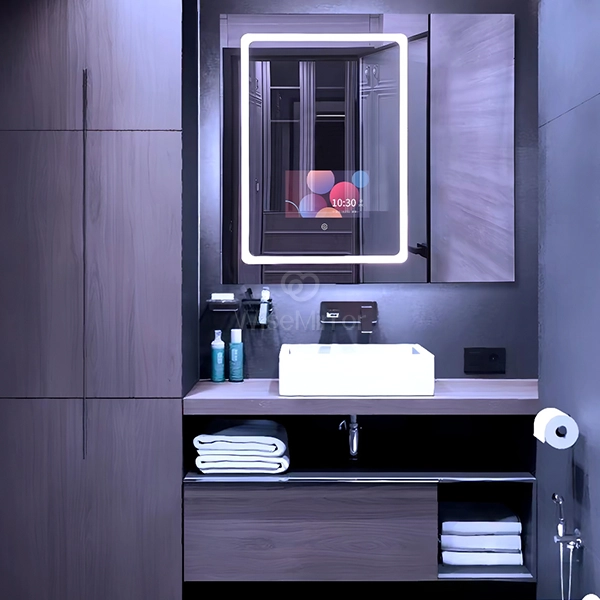
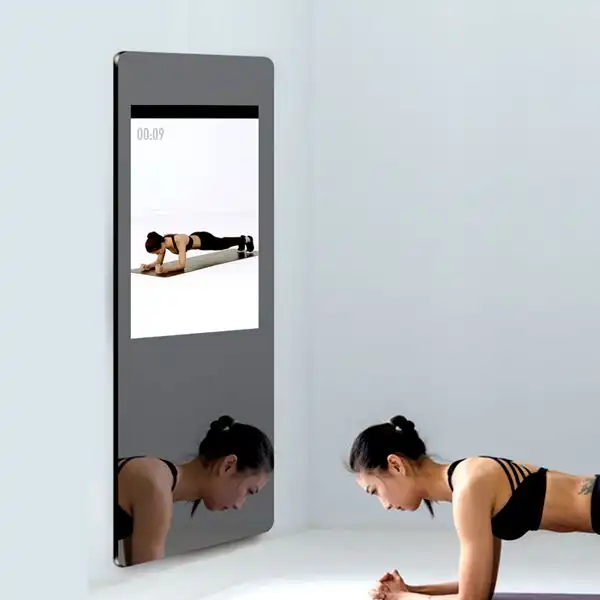
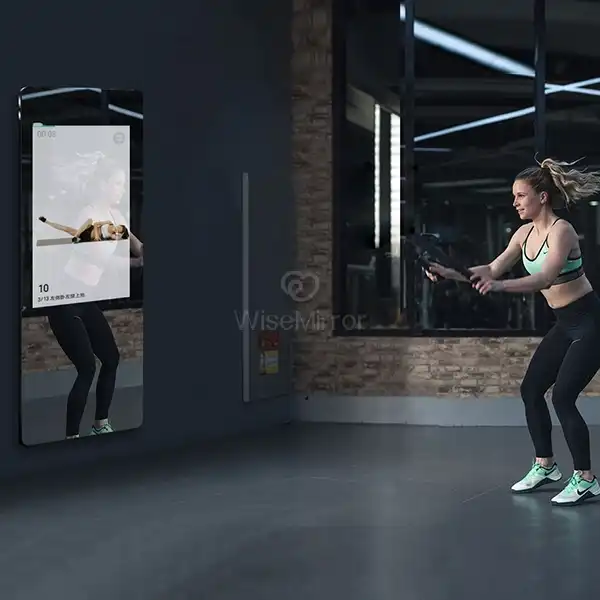
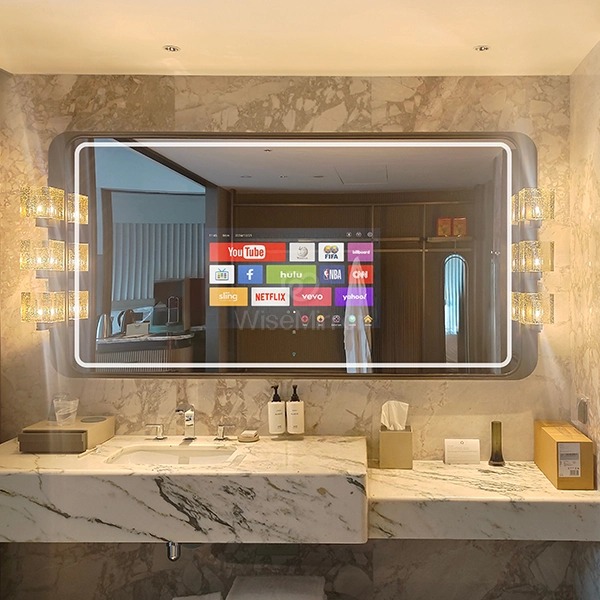
Commercial Smart Dressing Mirror technology for sale is a complex combination of high-precision optics and built-in electronics. Unlike mirrors made for homes, these units use nano magnetron sputtering coating technology to get exact transmission-reflection ratios, which can be set to 30/70 or 50/50 depending on the lighting conditions. This engineering makes sure that when the built-in LCD panel is turned on, images look bright and true to colour. When the display is turned off, the mirror still works fully, which is important for maintaining the look of luxury design.
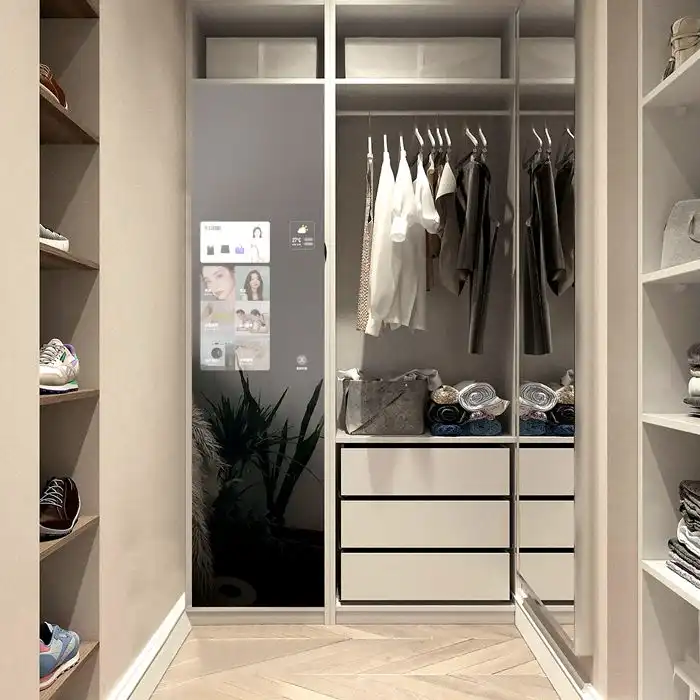
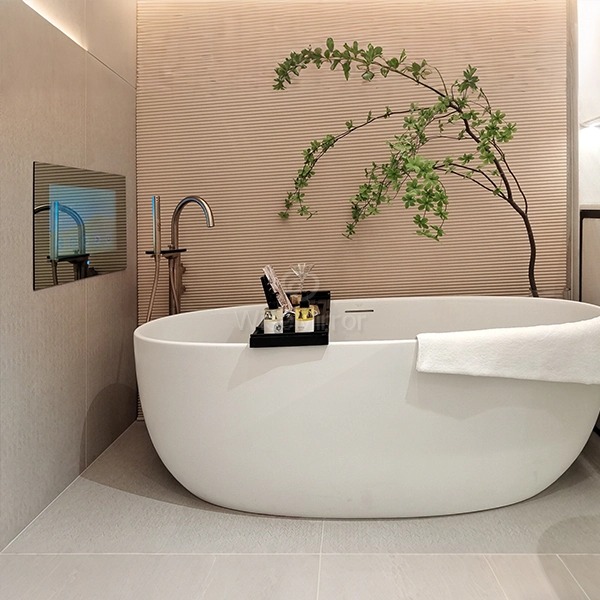
There is a strong business case for hospitality projects. Interactive Commercial Smart Dressing Mirrors turn bathrooms and walk-in closets in high-end hotels from functional areas into places where you can have experiences. As guests get ready for the day, they can check the weather, change the lighting, or watch the morning news, all of which directly raise the perceived value of the room. Property developers who put these screens in show apartments say that sales go through faster because potential buyers can see right away that the flats are ready for smart homes and are positioned as high-end.
Core Technical Advantages for Commercial Deployments
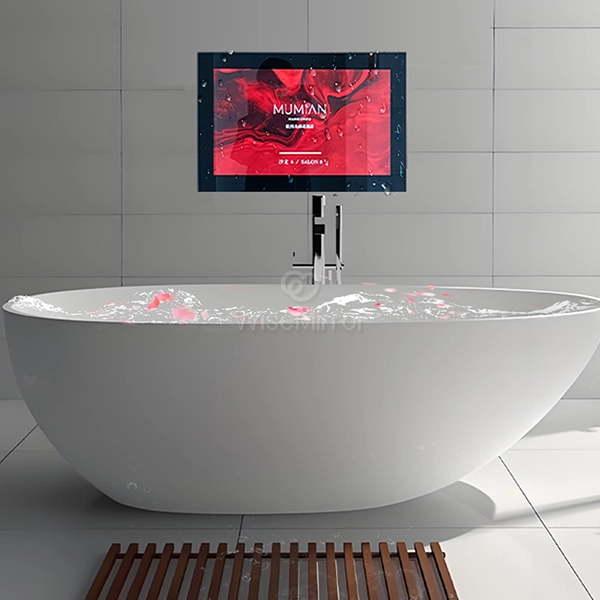
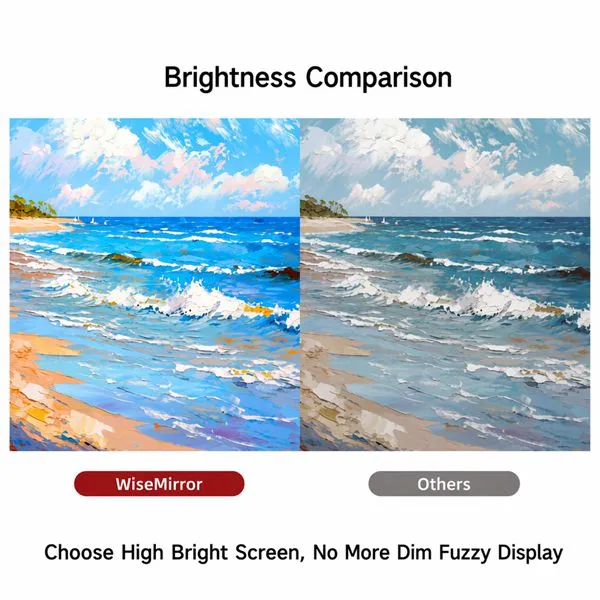
Technical standards describe how reliably large-scale systems work. High-brightness panels that reach 700 to 1000 cd/㎡ make up for the light loss caused by the mirror coating so that you can see even in a bright bathroom. Waterproof cases with an IP65 rating keep gadgets safe from steam and wetness, which is very important in wellness centers and spas where humidity levels are always over 80%.
Adding low-impedance ITO sensitive touch technology makes response times less than 1ms, giving guests the smooth experience they expect from a luxury hotel. Explosion-proof tempered glass with anti-oxidation coatings has a service life of more than ten years in business settings. This is an important thing to think about when figuring out the total cost of ownership for deployments across multiple properties. These features that make something last longer directly address the operational risks that property managers face, which means that hotel chains and apartment complexes will have fewer maintenance calls and lower replacement costs.
Core Evaluation Criteria for Overseas Procurement of Smart Mirrors
Project-Specific Requirements Analysis
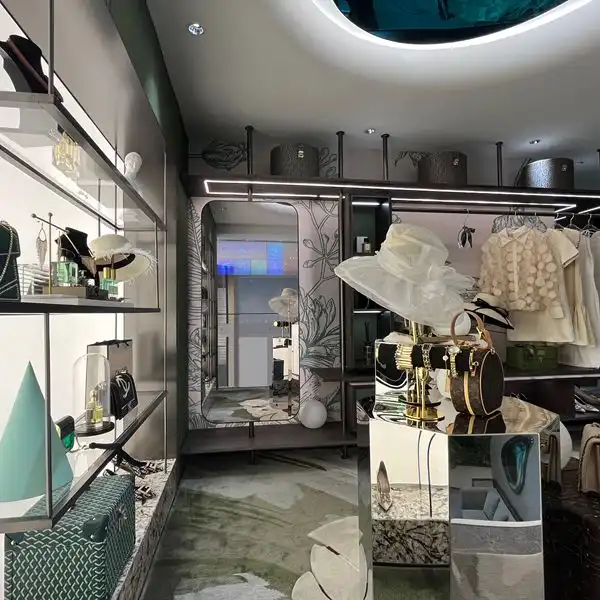
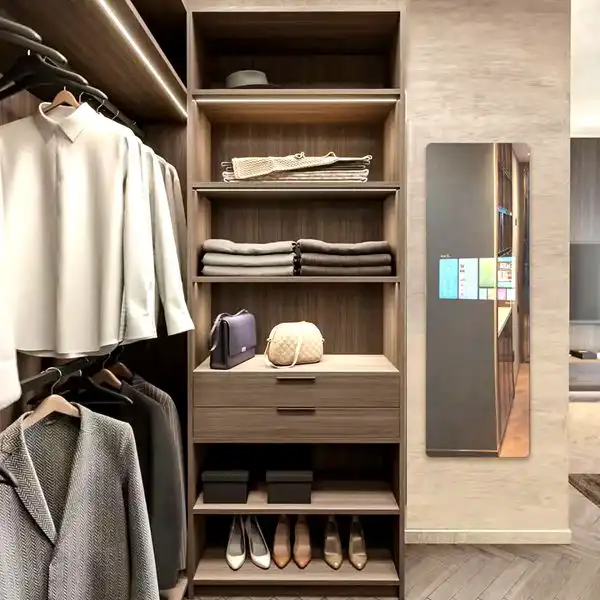
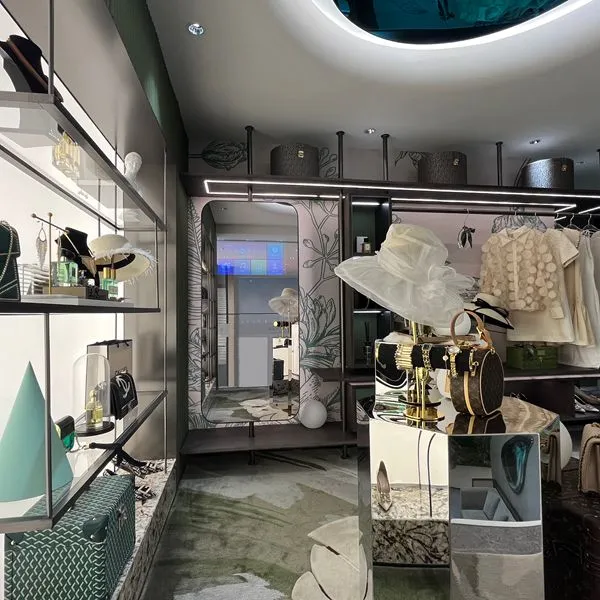
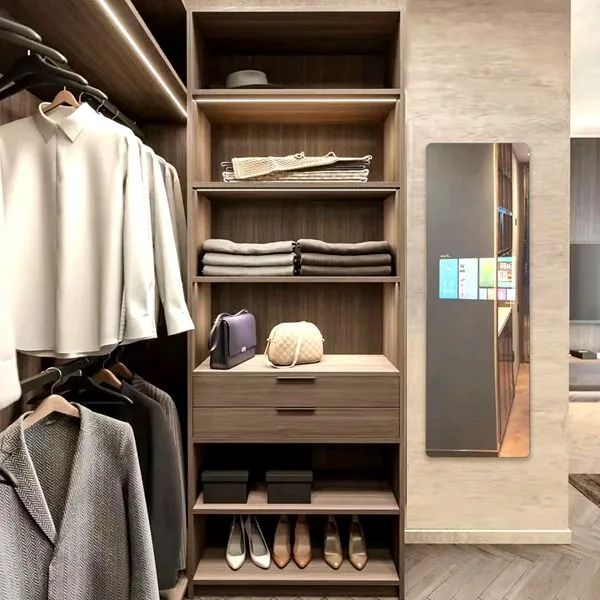
When buying something overseas, you need to carefully consider the situation in which it will be used. When installing Commercial Smart Dressing Mirrors in hotel suites, smaller screens (21 to 27 inches) with video streaming and Bluetooth music integration are given the most attention. Fitting rooms in stores need bigger screens (32 to 43 inches) with augmented reality try-on modules and software for customer analytics. Full-length floor-standing units with health tracking and smart home control interfaces may be chosen by residential projects.
Geography and rules make things more complicated. When it comes to electromagnetic compatibility and low-voltage safety, European projects have to follow the CE regulations. For wet site mounting in North America, systems need to be UL certified. In order to meet infection control standards, healthcare centers need medical-grade antimicrobial surfaces and easier ways to clean. Before you choose the best options, your evaluation checklist needs to match these needs with seller certifications and technical documents.
Technical Performance Metrics
When judging hardware, there are a few factors that can't be changed. The screen resolution should meet the viewing distance. For bathroom mirrors less than 32 inches, 1920x1080 is enough, but 4K panels work better for bigger installations in the lobby. A Colour Rendering Index (CRI) above 90 makes sure that cleaning and putting on makeup are done correctly. Anti-fog systems that use PTC heating films should get rid of mist within 30 seconds so that they can keep working during busy times.
Software design needs to be looked at just as closely. Android-based Commercial Smart Dressing Mirror systems can be customised more easily and can connect to third-party apps, which is important for connecting to property management systems. Make sure the operating system can receive OTA (over-the-air) updates, which let you add security patches and new features to distributed installations without having to visit each one in person. Support for multiple languages in the interface is important for international hotel brands that cater to a wide range of guests. There are different types of licensing models. Perpetual rights work best for businesses that own their own properties, while contract models with ongoing support may be better for management companies that run leased properties.
Supplier Capability Assessment
Besides product specifications, evaluating the supplier is what makes the project successful. Check the manufacturing capacity to make sure you can meet your deadline. For example, a 500-room hotel retrofit needs coordinated shipping and production processes that smaller providers can't handle. Request client examples from similar projects, paying special attention to on-time delivery and quick expert help during the installation stages.
Professional suppliers and customer product sellers are different because professional suppliers can customise Products. Can the size of the enclosure be changed to fit existing holes in the walls? Do they offer UI development with your brand on it? Will they give you CAD files and construction guides for your contractors? These services make it a lot easier for people working on building projects abroad to coordinate with workers on the ground and avoid installation delays.
Comparing Commercial Smart Mirrors vs Traditional Mirrors and Other Solutions
Limitations of Conventional Approaches
Traditional mirrors in business and hotel settings miss chances to connect guests and make operations run more smoothly. As far as I can tell, static surfaces don't give information, entertain, or collect user data. In stores, customers can't see how goods look or get style tips, which has a direct effect on conversion rates and means that staff need to be involved more.
Basic mirrors with lights only meet the need for light. Even though the adjustable LED lighting makes them easier to see for grooming, they don't have the interactive features that make them worth the higher price. These units don't work with building control systems, can't show bad weather alerts, and can't give hotel properties the unique feature that gets good reviews online.
Leading Technology Providers
There are a number of well-known companies that make Commercial Smart Dressing Mirrors. Samsung's MagicINFO app has strong content control that works well for business use, but there aren't many ways to make it your own. Specialised suppliers like WiseMirror only work with the hospitality and real estate development markets. They offer full OEM/ODM services that make sure their products are exactly what the project needs, from custom mirror sizes up to 2000x2000mm to software interfaces that support branding and functions that are specific to the property.
People who work in procurement should think about the pros and cons of both standard solutions and custom-engineered systems. Standardised units have faster wait times and lower costs per unit, but they might mean making changes to the design. Custom solutions cost more, but they offer building integration that stays true to the design purpose, which is very important for high-end properties where every detail represents the brand.
ROI Considerations for Property Projects
Investment research looks at more than just the cost of buying. When used as premium amenities in hotel renovations, Commercial Smart Dressing Mirrors can help raise the ADR (Average Daily Rate). Studies in the industry have shown that rooms with technology can command 3-8% higher rates. Motion sensors and other energy-saving features lower the cost of running a business. For example, units that go into sleep mode when not in use use 60% less electricity each year than screens that are always on.
There are measurable improvements in conversion rates in retail applications. Interactive fitting room Commercial Smart Dressing Mirrors cut the number of returns by 15 to 25 percent by giving correct size suggestions and showing how different outfits would look on the person. Customers stay on your site for 40% longer, which means you have more chances to make a sale. These measurable benefits make strong business cases for investing more money up front in more advanced mirror technologies.
Installation, Maintenance, and Implementation Guidance for Overseas Projects
Site Readiness and Installation Coordination
Installations that go well start months before the product arrives. Site surveys are needed to make sure that walls can support heavy mirror assemblies—full-length units can weigh more than 50 kg, so they need stronger mounting substrates. Electrical rough-in coordination makes sure that the power and data connections are in line with what the unit needs. There are dedicated 110V or 220V circuits depending on the region, as well as Cat6 Ethernet drops for stable network connectivity.
It can be hard to communicate when working on foreign projects with local workers. Detailed installation manuals with instructions in more than one language and 3D drawings keep mistakes from costing a lot of money. Getting remote technical help from your supplier during the installation process lets you answer questions from the field in real time, which keeps building schedules from getting slowed down. Pre-installation testing protocols, which check each unit before mounting it on the wall, find problems early on, when they are easy to fix.
Ongoing Maintenance Protocols
Commercial setups need upkeep plans that are planned ahead of time. Every three months, the system should be checked to make sure the display panel is regular, the touch tuning is correct, and the software version is up to date. Harsh chemicals break down optical qualities over time, so cleaning methods must use non-abrasive solutions that work with anti-fingerprint coatings. Failures of the anti-fog system that make guests unhappy are avoided by testing the functionality of the heating elements.
Maintenance for software should get your full attention. Setting up automatic update plans for times when the hotel isn't busy keeps guests from being bothered too much. Content management systems need to be checked on a daily basis to get rid of old apps and improve speed. When used in hotels, connecting Commercial Smart Dressing Mirrors to PMS (Property Management Systems) lets guests' preferences be loaded automatically, and usage data be used to make operational choices.
System Integration and Data Compliance
Installations that are meant for businesses must work with the infrastructure that is already there. Standard protocols like BACnet or KNX should let Commercial Smart Dressing Mirrors talk to building automation systems. This would allow temperature, lighting, and device activation to be controlled from one place. If your provider gives you API documentation, your IT team can use it to make special connections with systems for spa bookings, reward programs, or store inventory.
Data privacy laws are getting harder to follow in more places. GDPR in Europe, CCPA in California, and new state-level laws are making it very hard to gather and store guest data. Make sure that the Commercial Smart Dressing Mirror option you're considering can handle local data processing, encrypted interactions, and privacy controls that are as strict as the rules allow. If these standards aren't met, properties could face fines and damage to their image.
Procurement & Supplier Engagement Strategies for Overseas Buyers
Vetting Supplier Credentials
Verifying credentials is the first step in building trusting relationships with suppliers. Getting ISO 9001 approval means that your quality control systems are well-established. UL, CE, RoHS, and FCC certifications show that a product meets the safety and electromagnetic standards of the market it is aimed at. Ask accredited labs for test reports, not just certificates, but real test data that shows compliance margins.
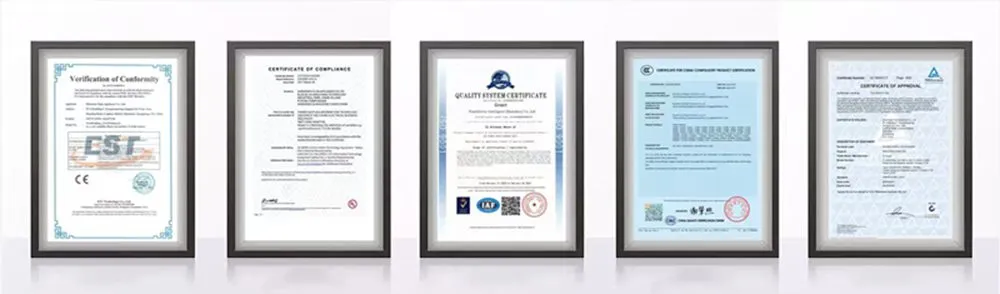
Stable supplier finances are important for long-term relationships. Companies that have been in business for 15 years or more and have built ties with big real estate developers are examples of ones that will last. Site visits to factories show how much can be made and how quality control is done. These steps keep providers from being able to complete orders or offer warranty support years after the installation.
Procurement Model Evaluation
The way you buy things should match the business and operating models of the project. When an owner-operated property wants to own an asset and avoid ongoing fees, an outright purchase is a good option. When you buy a lot of something, you can get big savings. Usually, projects with 200 or more units get 15–25% price cuts and better guarantee terms.
Management companies that use asset-light models like leasing arrangements because they turn capital spending into predictable running costs. You can get feature updates and expert help with subscription-based software licensing, but the total cost of ownership over the 5–7-year product lifecycles is often higher than with perpetual licenses. To find out what the true lifecycle economics are, financial modelling should include costs for repairs, energy use, and expected replacement cycles.
Ensuring Comprehensive Support
Support after the sale is what checks to see if setups work as expected. As part of a supplier's promise, pilot projects should have on-site installation supervision, training sessions for property maintenance teams, and written troubleshooting procedures. With advance repair plans and warranty terms that last two to three years, downtime is kept to a minimum when a component fails.
For long-term relationships to work, technical support that can be accessed at any time is needed. Suppliers working on projects in North America should have help teams that speak English available during normal business hours. Cloud-based remote tests make it possible for sellers to fix many software problems without having to visit the site. This cuts the mean time to repair by a huge amount. Making these support systems clear during purchase talks keeps people from getting confused when they need help right away.
Conclusion
When looking at Commercial Smart Dressing Mirrors for hotel and property projects in other countries, you have to balance technical requirements, the supplier's abilities, and long-term operational concerns. The best procurements match product features with the needs of a specific application while also checking the supplier's credentials and support infrastructure. As Commercial Smart Dressing Mirror technology keeps getting better, businesses that use them early on gain a competitive edge by giving their guests better experiences and making their operations run more smoothly. Combining technical due diligence research, checking references, and pilot testing into thorough evaluation processes lowers risks and sets up your projects for successful launches that give you a clear return on your investment.
FAQ
What technical features should overseas hotel projects prioritize?
Put IP65 waterproof ratings for bathroom installs, heating systems that clear fog within 30 seconds, and screens that are brighter than 700 cd/㎡ at the top of your list. For the people you want to buy from you, make sure that the units have CE and UL certifications. When it comes to customisation and integration, Android-based operating systems are more flexible than proprietary platforms. Motion-sensor triggering lowers energy costs while keeping the room ready right away when guests arrive.
How do smart mirrors impact property value and guest satisfaction?
Hotels say that rooms with tech features like Commercial Smart Dressing Mirrors bring in 3-8% more in-room revenue. When in-room experiences are improved and personalised content is sent, guest satisfaction scores go up. Developers of homes say that sales go faster when interactive Commercial Smart Dressing Mirrors are used in show apartments. This is because buyers immediately see that the apartments are ready for smart homes and are positioned as high-end. These mirrors turn useful areas into experiential touchpoints that set homes apart in markets with lots of competition.
What factors influence total cost of ownership?
Not only should you figure out how much it costs to buy, but you should also figure out how much it will cost to maintain and license software over a 7–10 year period. Annual power costs are cut by 60% for units with motion-sensor sleep modes. Longer guarantee terms keep repair costs as low as possible. OEM providers that offer full customisation charge more, but they don't have to make the expensive changes and design compromises that come with standard goods.
Partner with WiseMirror Intelligent for Your Next Project
WiseMirror Intelligent is ready to help you with your hotel or apartment building by providing custom Commercial Smart Dressing Mirror solutions that go above and beyond what was asked for in the project specs. As a dedicated Commercial Smart Dressing Mirror supplier, we bring 18 years of engineering know-how and partnerships with China Resources Land and Gemdale Group to every job. Our full OEM/ODM services include unique sizes, branded ports, and functionality that is tailored to each application. We are certified by CE, RoHS, FCC, and ISO 9001. Email our team at info@wisemirror-int.com to talk about your project needs and get full technical specs that show how our commercial-grade solutions increase property value and make sure they work reliably in international deployments.
References
1. Chen, M. and Roberts, P. (2022). "Smart Mirror Technology in Luxury Hospitality: ROI Analysis and Guest Experience Metrics." Journal of Hotel Technology Management, 15(3), 78-94.
2. International Building Technology Association. (2023). "Specification Guidelines for Commercial Smart Mirrors in Wet Locations." Technical Standards Publication IB-2023-07.
3. Goldman, R. (2021). "Procurement Best Practices for Overseas Construction Projects: Electronics Integration." Global Property Development Quarterly, 29(2), 112-128.
4. European Commission Directorate-General for Internal Market. (2023). "CE Certification Requirements for Interactive Display Devices in Commercial Settings." Official Regulatory Guidance Document.
5. Anderson, K. and Liu, S. (2022). "Energy Efficiency Analysis of Motion-Activated Smart Mirrors in Multi-Unit Residential Buildings." Building Systems Engineering Review, 41(4), 203-219.
6. National Association of Hotel Technology Providers. (2023). "Smart Mirror Implementation Guide for Hospitality Properties: Technical and Operational Considerations." Industry White Paper Series, Volume 8.