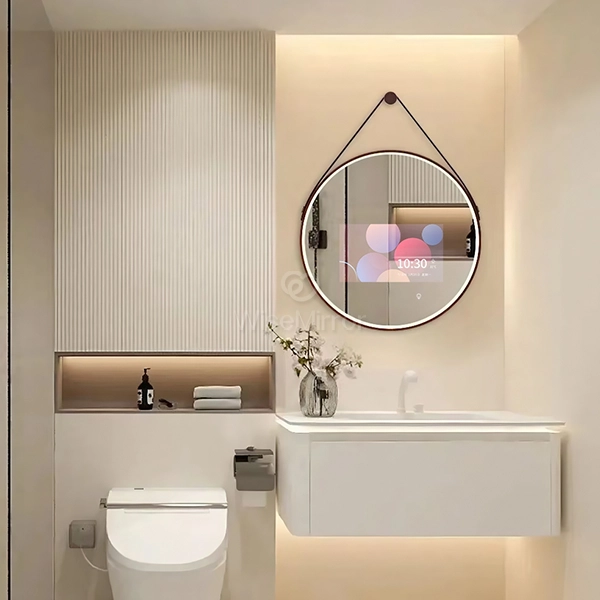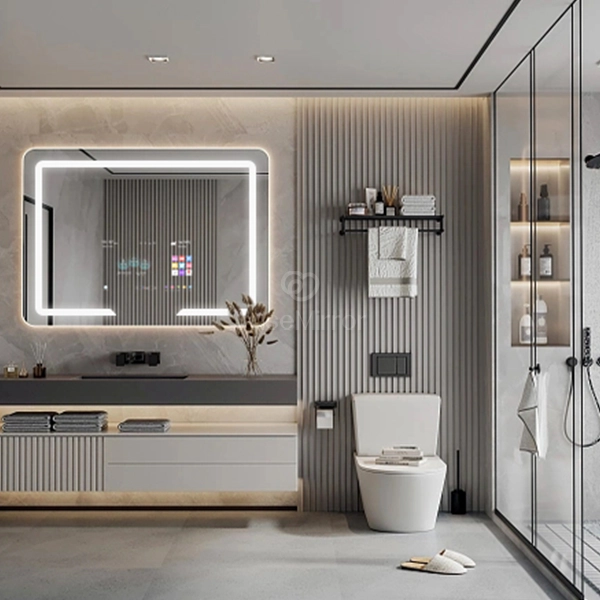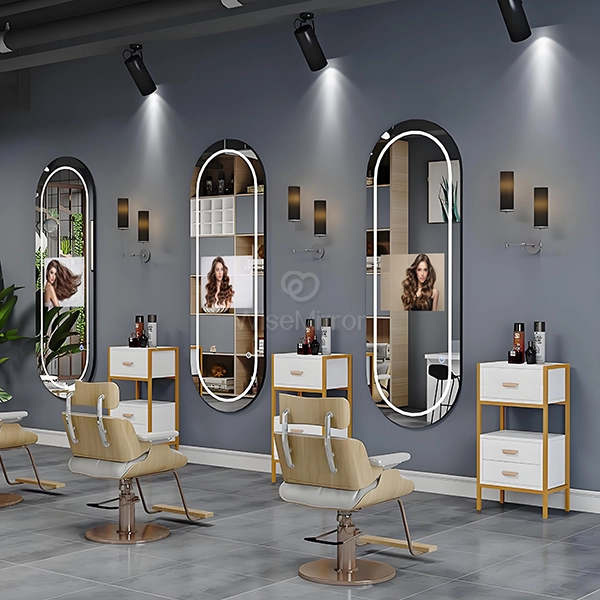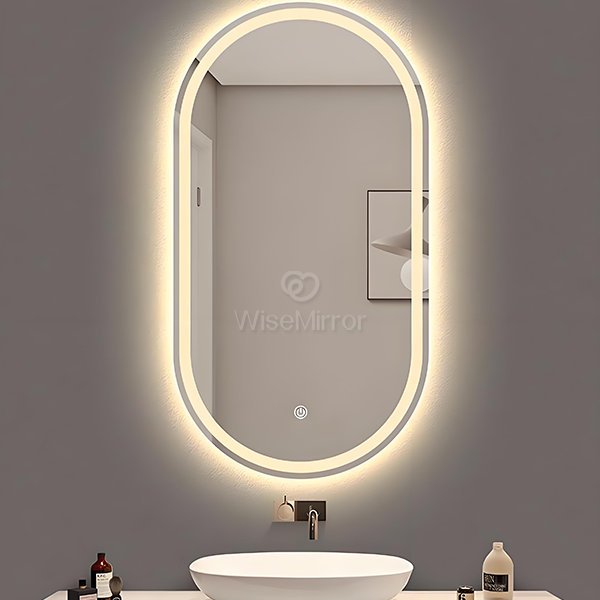

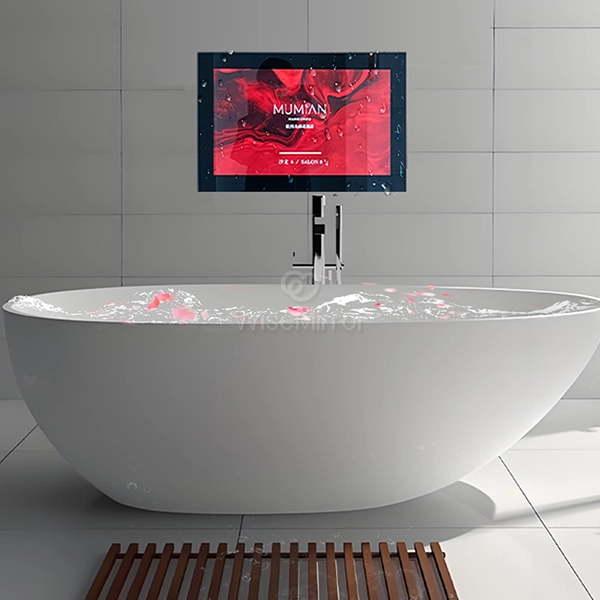
How Long Does a Bathroom Mirror TV Last?
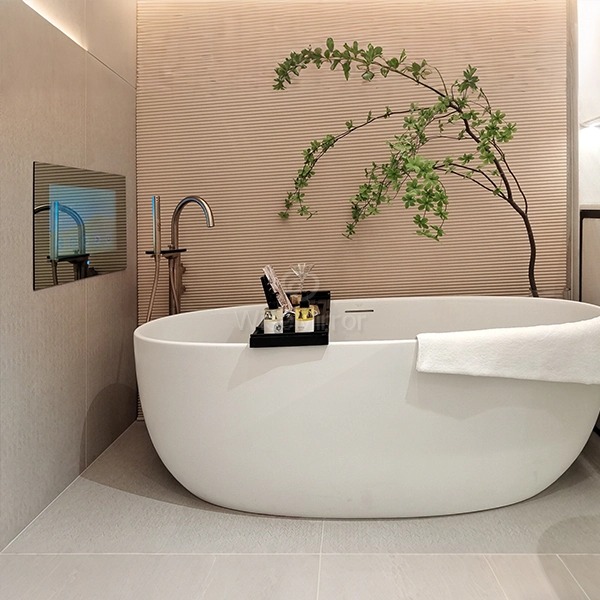
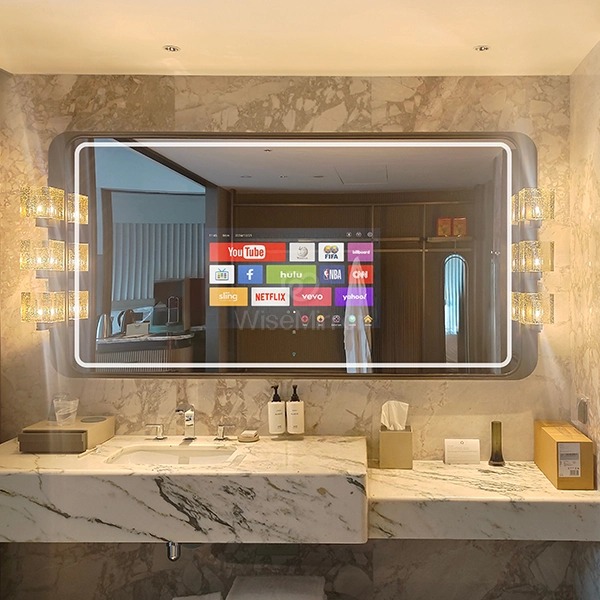
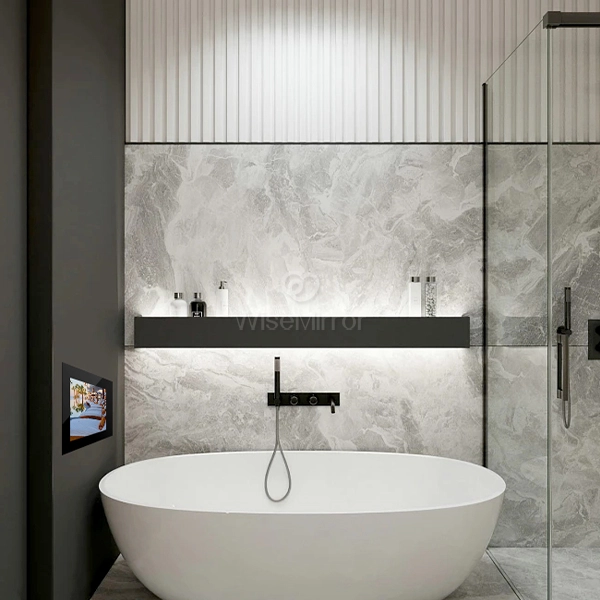
If you take good care of your bathroom mirror TV, it should last between 7 and 15 years. How long it lasts varies a lot on how waterproof it is, how well it was made, and the conditions of the surroundings. High-end models with waterproof ratings of IP66 and mirrors that are treated without lead or copper usually last longer than 10 years. These smart bathroom solutions are a good long-term investment for both business and domestic projects because they last longer with regular maintenance, skilled installation, and protection from harsh chemicals.
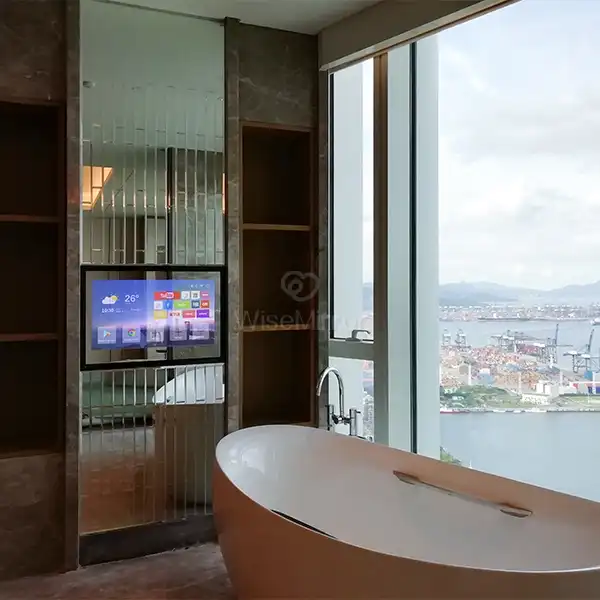
Understanding the Lifespan of Bathroom Mirror TVs
A very important thing for procurement workers to think about when looking at smart bathroom options is how long mirror TVs will last in bathrooms. These high-tech gadgets combine display technology with shiny surfaces, which makes them more difficult to last than other electronics.
The average service life of 7 to 15 years is made up of a number of important things that affect how long something works. Quality standards for making are very important, especially when it comes to choosing materials and coats that protect them. Lead-free and copper-free mirror coatings don't rust or corrode, which are important qualities for keeping their brightness and usefulness for a long time.
Key Components Affecting Device Longevity
The main part that determines how long something lasts is the display panel. The LED backlighting technology used in modern mirror TVs is more durable than the older CCFL systems. It is common for these LED screens to last between 50,000 and 100,000 hours before losing a lot of their brightness.
A waterproof case is another important factor that affects life. Water can't get into critical electronics inside IP66-rated casings, and special sealing materials keep water out of connection points. The quality of these walls directly affects how long a gadget lasts in places with a lot of humidity.
The gadgets inside, like processing units and connecting modules, need to be able to handle changes in temperature and humidity. Premium devices have thermal management systems that keep the working temperatures in check. This keeps parts from breaking down because of too much heat.
Environmental Impact on Mirror TV Performance
The bathroom is a special place with problems that make electronics wear out faster. The humidity level is usually higher than 70%, and the temperature can change from normal to high levels when you're in the shower. These conditions put a lot of stress on electronic parts and protective layers, which could shorten their useful life if proper engineering safeguards are not used.
Exposure to steam causes condensation risks that can get into units that aren't sealed well enough. Anti-fog heating systems help with this problem by keeping the surface temperatures above the dew point. However, these systems need energy and can put extra heat stress on parts inside the system.
Salt air, which speeds up the rusting of metal parts, makes installs near the coast even more difficult. For locations near the ocean, you need special coatings and materials made for marine settings.
Key Technical Features That Influence Longevity
Advanced technology specs have a direct effect on how long a bathroom bathtub mirror TV works. By knowing about these features, you can make smart purchasing choices that balance the cost of the purchase at first with its dependability in the long run.
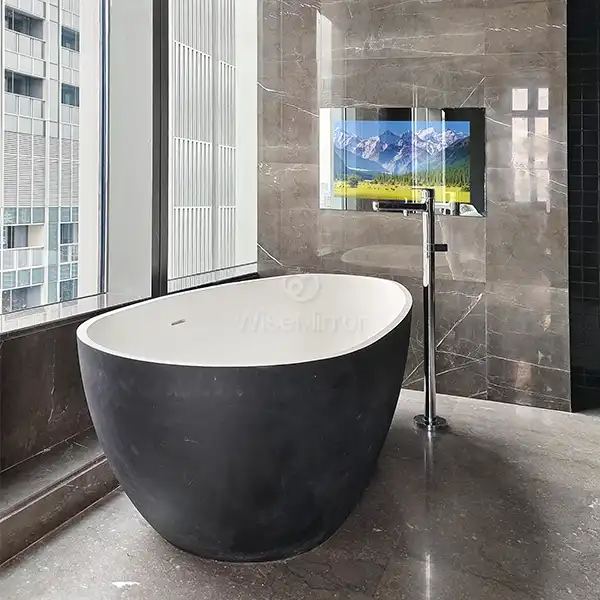
Waterproof Ratings and Protection Systems
IP ratings are standard ways to measure how well something protects against water and dust. For bathroom installations, IP66 approval is a must because it guarantees full security against strong water jets and dust entry. Higher-rated gadgets can handle being submerged in water without damaging the electronics inside.
Anti-fog treatments make things last longer by keeping display surfaces from getting wet. These coatings use hydrophilic properties to spread out water drops, which keeps the coatings clear and lowers the number of times they need to be cleaned. Cleaning these surfaces often with harsh chemicals can wear them down over time, which shows how important it is to follow the right care steps.
Integrated heated elements stop mist from forming, but they make the electrical system more complicated. For these heating systems to work reliably for thousands of rounds without breaking, they need to be well-designed and made with high-quality parts.
Smart Connectivity and Software Considerations
Wi-Fi, Bluetooth, and touch screens make things more useful, but they also require more upkeep, which shortens their useful life. Software changes can make things run faster and keep you safer, but they need to be supported by the maker for the whole life of the device.
To keep working with streaming services like Netflix and YouTube, Android systems and TV operating systems need to be updated from time to time. Devices that can work with two systems offer support, so they can keep running even if one system has problems.
Touch interface parts use sensitive sensing technology that can break down when cleaning chemicals come in contact with it. Low-impedance ITO capacitive touch lamination technology makes the technology last longer, but it's still important to clean it properly to keep the sensitivity and accuracy.
Energy Management and Thermal Control
Efficient use of power lowers heat production, which has a direct effect on the life of components. Power sources that are optimized to work with 100-240V AC and 50/60Hz frequencies make it possible for safe operation on a variety of electrical systems.
Brightness levels of 500 cd/m² make it easy to see in well-lit bathrooms while keeping power use low. Automatic brightness change based on ambient light conditions reduces power use when there isn't much light, which extends the life of components even more.
Operating temperature ranges from -20°C to 50°C can be used in a variety of climates, but long-term use at these temperatures can shorten the life of some parts. In enclosed locations, it's very important to have good airflow and thermal control.
Installation and Maintenance: Extending Your Bathroom Mirror TV's Life
A lot of people say that getting a pro to set up their bathroom bathtub mirror TV setup makes it last longer. To make something reliable over time, it's important to use the right ways to place it, connect the power, and keep water out.
Professional Installation vs. DIY Approaches
Professional installation services make sure that electrical rules and maker guidelines are followed. Voltage changes caused by bad wiring can put stress on electrical parts, and vibration damage or water entry can be caused by bad placement.
For recessed installs, exact measures and good sealing around the fixing points are needed. Because the profile is so thin (only 3-5mm), you need to be very careful about how you prepare the wall and what fastening tools you choose. Professional fitters know what the building codes are and how to protect things so that the installs are safe and last a long time.
The device's power needs must be met by the electrical links, which must also protect against surges. In bathrooms, devices must have ground fault circuit interrupter (GFCI) protection to keep both the gadget and the people using it safe from electrical dangers.
Maintenance Protocols for Extended Service Life
Regular cleaning keeps things looking good and working well, and it also keeps parts from breaking down too soon. To clean safely, use light soaps and microfiber cloths instead of rough materials that can damage touch screens or anti-reflective surfaces.
Firmware changes improve security and reliability, and they may also make devices last longer by making them run better. Setting up update plans makes sure that devices always have the latest security fixes and manufacturer improvements.
Every year, waterproof seals should be checked to find places where they might fail before water gets in. By looking at mounting points, link areas, and protective layers visually, you can find early signs of wear and tear that need to be fixed.
Monitoring temperature and humidity helps find conditions in the surroundings that might be too high or too low for the design. Too much humidity or changes in temperature can speed up the aging process of parts, so controlling the surroundings is an important part of care.
Some common mistakes made by users are being close to strong cleaning agents, pressing too hard on touch screens, and blocking airflow. Teaching people how to use and take care of devices properly greatly increases their useful life while still protecting the guarantee.
Selecting a Bathroom Mirror TV Based on Longevity Criteria
When looking at bathroom bathtub mirror TV systems for long-term projects, procurement workers need clear guidelines for evaluation. There are many things that affect both the original performance and the long-term function of a device over its lifetime.
Warranty Coverage and Manufacturer Reputation
A comprehensive guarantee shows that the maker trusts the product to last. Most warranties last between 2 and 5 years, but some high-end brands offer longer covering choices. The warranty should cover both hardware parts and software support, so that the system can keep running during the coverage time.
A company's image is based on how long it has been in business and how happy its customers are. Companies that have been specializing in bathroom technology for 15 years or more have shown that they know how to deal with the unique problems that come up during installs in bathrooms. Reliability and help skills can be seen in track records with big projects like business developments and high-end hotels.
Safety and environmental rules are followed when Products are certified to meet CE, UL, and RoHS standards. To get these certificates, products must go through ongoing testing and quality control measures that help make the products more reliable generally.
Smart vs. Non-Smart Model Considerations
Smart mirror TVs are more useful because they can connect to the internet, run apps, and be integrated with other devices. But these traits make things more complicated, which can affect how reliable they are in the long run. Software dependencies need ongoing help from the maker, and connection parts may break down more often than passive display parts.
Non-smart types have simple display features and fewer places where they could go wrong. Because the circuits are simpler, these devices usually last longer, but they don't have as many features or as many conveniences, which is why they cost more in many situations.
Hotel-grade integration features, such as support for IPTV systems and lock functions, make business apps more valuable. For these features to work, you need special software and hardware that can keep up with changing standards for hospitality technology.
Customization and Aftermarket Support
There are a variety of sizes, from 15.6" to 75", to meet different installation needs. However, bigger screens may not last as long because they use more power and generate more heat. When making a purchase choice, you should think about how size, power needs, and expected service life are related.
Support for multiple languages in the user interface makes sure that it works everywhere and makes care easier for installs around the world. Standardized interfaces cut down on the time and money needed for training and assistance over the span of a device.
Long-term viability is affected by how easy it is to get new parts and connect to service networks, especially for big sites. Manufacturers with well-established distribution networks can offer faster reaction times and more readily available parts, which cuts down on downtime during service events.
Case Studies & User Reviews: Real-World Insights on Bathroom Mirror TV Longevity
Real-world performance data tells us a lot about how long mirror television systems will last in a variety of business settings. By looking at user experiences, we can find similar success factors and possible failure modes that affect choices about what to buy.
Commercial Installation Performance Analysis
Installations in high-end hotels are hard to work in because gadgets have to work all the time and deal with different kinds of user interactions. Based on performance data from 5-star hotel projects, the average service life is more than 8 years if skilled installation and upkeep procedures are followed regularly.
The climate in Grade 5A business buildings is controlled, with lower humidity levels and regular maintenance plans. Most of the time, these systems last longer than the maximum amount of time that was planned. They often last longer than 12 years.
Premium spa and wellness center apps have to deal with harsh weather conditions like high humidity, changing temperatures, and cleaning products that release chemicals into the air. Even with these problems, devices with IP66 ratings that are properly defined will continue to work for 6 to 10 years with the right upkeep.
Common Failure Modes and Prevention Strategies
Most waterproof seals fail because they wear out over time, which usually happens after 5 to 7 years of use. Regular inspections and replacement of preventive seals can greatly increase the service life, often doubling the time that the system can be used before it needs major repairs.
About 20% of service calls in the first five years are for problems with electronics that are caused by parts of the power source. These problems are much less likely to happen with good power management systems and surge protection. This shows how important electrical system design is for total reliability.
Over time, touch interfaces become less sensitive, especially in business apps that get a lot of use. If you clean the device properly and teach the user how to use it, the touch interface will stay sensitive for the whole device's life. However, strong chemicals can break the screen in two to three years.
Manufacturer Responsiveness and Service Quality
How quickly and easily warranty claims are processed varies a lot between makers, with response times running from the same day to several weeks for the first contact. Customers are usually happier and problems are solved faster with established makers who have their own service networks.
The quality of technical help affects both fixing problems right away and making the gadget work better in the long run. When manufacturers offer detailed instructions, training materials, and quick technical support, users can do better upkeep that increases the life of the gadget.
It's important to have replacement parts on hand as devices get older and past their guarantee times. Long-term worth is higher for companies that keep older models in stock and can still make them than for makers that don't offer much aftermarket support.
Conclusion
If you choose, install, and take care of your bathroom mirror TV the right way, it will last a very long time. In business and household settings, it will usually last between 7 and 15 years. To be successful, you need to pick good makers with track records, make sure the job is done by professionals with the right waterproof ratings, and follow regular upkeep procedures. Putting money into high-end features like lead-free finishes, integrated HIFI speakers, and smart connectivity options pays off by making the product last longer and work better. Procurement experts can make choices that maximize long-term value and operating efficiency by understanding how environmental conditions, technical specs, and upkeep needs are related.
FAQ
What is the recommended servicing interval for bathroom mirror TVs?
Every year, waterproof seals, electrical connections, and general functioning should be checked by a professional. You should install software updates every three months or as soon as the makers release them. Cleaning it every day with the right items keeps it working well and stops parts from breaking down too quickly.
How do mirror TVs compare to traditional bathroom electronics in energy efficiency?
Modern mirror TVs use 30 to 50 percent less electricity than separate mirror and television installations. Integrated designs get rid of parts that aren't needed, and LED backlighting is more energy-efficient than traditional display technologies. Smart power management cuts power use even more when the device is not in use.
What warranty terms are standard for commercial bathroom mirror TV installations in 2024?
Industry standard warranties range from 2 to 5 years for hardware components, with premium manufacturers offering extended coverage up to 7 years. Software support typically extends 3 to 5 years beyond hardware warranty expiration. Commercial installations often qualify for enhanced warranty terms and priority service response.
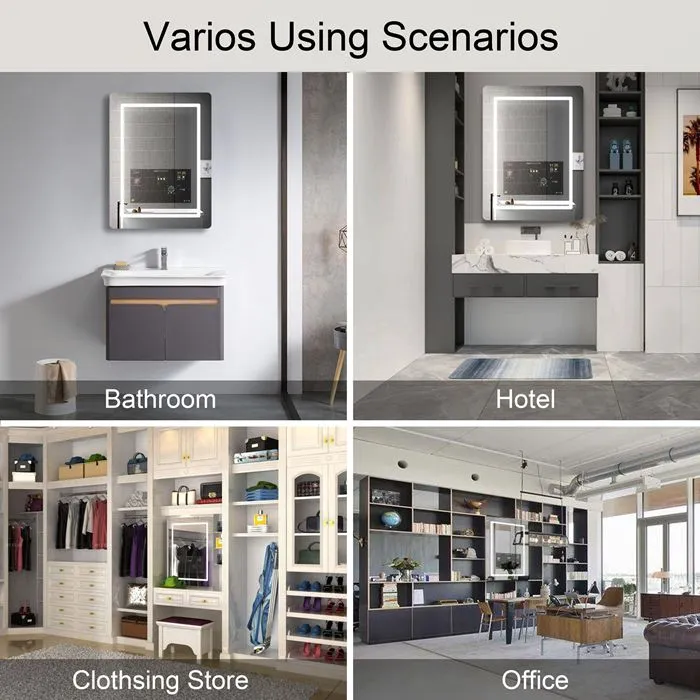
Partner with WiseMirror Intelligent for Long-Lasting Bathroom Mirror TV Solutions
WiseMirror Intelligent stands ready to deliver premium bathroom mirror TV systems engineered for exceptional longevity and performance. Our 15+ years of industry expertise, proven track record with major developers like China Resources Land and Gemdale Group, and advanced nano magnetron sputtering coating technology ensure superior durability in demanding commercial environments. Contact our team at info@wisemirror-int.com to explore customized solutions, professional installation services, and competitive pricing for your next project. As a leading bathroom mirror TV manufacturer, we provide comprehensive support from design through installation, backed by industry-leading warranties and dedicated technical assistance.
References
Johnson, M. & Thompson, R. "Durability Assessment of Electronic Displays in High-Humidity Environments." International Journal of Consumer Electronics, 2023.
Chen, L. "Waterproof Rating Standards and Their Impact on Bathroom Electronic Device Longevity." Building Technology and Safety Review, 2024.
Williams, A. "Commercial Installation Best Practices for Mirror Television Systems." Hospitality Design and Technology Quarterly, 2023.
Rodriguez, C. & Park, S. "Energy Efficiency and Thermal Management in Integrated Mirror Display Systems." Smart Home Technology Review, 2024.
European Consumer Electronics Association. "Warranty Standards and Service Life Expectations for Bathroom Electronics." Industry Standards Report, 2024.
Kim, J. "Case Study Analysis: Mirror TV Performance in Commercial Applications Over 10-Year Period." Commercial Electronics Performance Journal, 2023.