
Future Trends in Smart Mirror TV Displays
How businesses use technology in their places will change dramatically in the future thanks to smart mirror TV screens, which promise revolutionary changes. These new gadgets combine traditional shiny surfaces with cutting-edge digital features to make engaging experiences that work well in high-end hotels, real estate development, and business settings. As AI, IoT connectivity, and better display technologies come together, smart mirror TV systems are changing from simple entertainment devices to advanced business tools that improve customer engagement, operational efficiency, and aesthetic appeal across a wide range of industries.
Introduction to Smart Mirror TV Technology
Smart mirror TVs are a revolutionary combination of reflected surfaces and cutting-edge display technologies. They make devices that look great and have a lot of dynamic multimedia features. These high-tech systems combine clear screens, built-in sensors, and internet units to create solutions that can be used as both mirrors and entertainment hubs. Unlike regular mirrors or smart TVs that stand alone, these devices have designs that save space and make high-end rooms look better without sacrificing style.
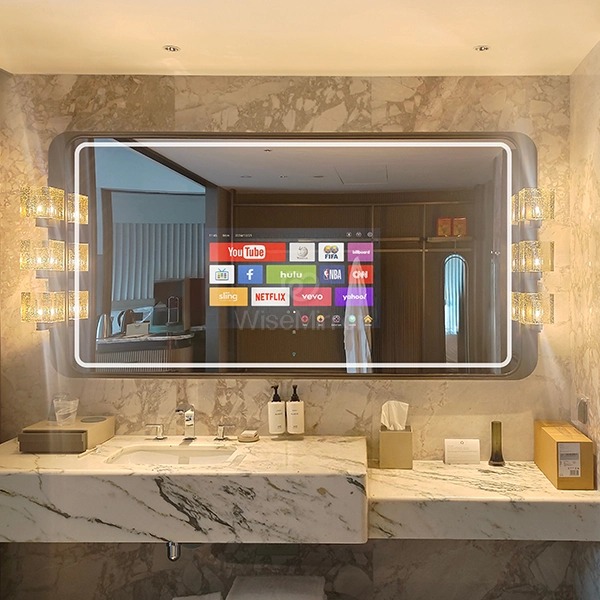
Specialized lead-free and copper-free covered mirrors that don't rust or corrode and keep their crystal-clear reflection are at the heart of smart mirror displays. When turned on, the Android-based operating system powers high-definition screens that can stream material from sites like Netflix and YouTube. Built-in HIFI speakers make the sound experience more realistic. The IP66 grade makes sure that these devices will work reliably in wet bathrooms. This makes them perfect for high-end hotels, spas, and home projects.
By understanding these basic ideas, procurement decision-makers can correctly evaluate a product's powers and find the best way for it to work in their operational settings. The flexible design of the technology lets you make it your own by adding things like IR infrared remote controls, touch interfaces, and RS232 control systems. Features made just for hotels, like IPTV integration and access control, make it more useful for hospitality uses. Because of these technical bases, smart mirror TVs are flexible options that can be used for a wide range of business and home needs.
Emerging Paradigms in Smart Mirror TV Displays
Smart mirror displays are limited by technology right now, especially when it comes to improving display brightness and integrating systems without any problems. This is leading to a lot of new ideas in the business. Typical problems include finding the right balance between mirror reflectivity and screen view, controlling power use in settings that are always on, and making sure that performance stays the same in a range of lighting conditions. But new paradigm changes driven by AI, IoT connectivity, and next-generation protocols like 5G and WiFi 6 are getting around these problems and making it possible for people to interact in new ways.
Adding artificial intelligence is a huge step forward that makes it possible to serve information more accurately, create personalized user interfaces, and make changes to the environment automatically. Machine learning algorithms can look at how things are used to make the screen brighter, offer material that is useful, and use less energy. Voice recognition lets you use the device without using your hands, and face recognition can set up different settings for each user in a hotel setting.
The coming together of IoT technologies makes it possible for smart building platforms to better integrate systems. Mirror TVs can now talk to lighting systems, climate settings, and security networks to give you full control over your surroundings. Real-time data analytics let building managers keep an eye on how well devices are working, keep track of metrics for user interaction, and plan preventative maintenance. These paradigm changes put B2B clients in a position to take advantage of new technologies that protect their investments for the future while giving them measured returns on technology investments.
Impact of Future Trends on Industry Value Chain and Business Models
As smart mirror TV technology improves, it changes the way businesses work and the value chains that run them in many areas until at least 2024. Nano magnetron sputtering covering technology and low-impedance ITO sensitive touch lamination are making manufacturing processes more efficient. This lowers production costs and raises the quality of the Products. Because of these advances in technology, companies can offer more affordable prices while still keeping high-end features that support higher prices.
To meet the unique needs of mirror TV installations, distribution methods are changing. For example, providers are offering "white-glove" shipping services that include expert support and pre-installation consultations. Because these products are so complicated, they need better maintenance programs after they are sold. This opens the door for service-based income models that go beyond the original sales of the products. Manufacturers are setting up regional service networks to make it easier for them to respond quickly to commercial setups where downtime has a direct effect on running the business.
Integrated technology environments that include mirror TVs and smart building systems are becoming more popular among B2B clients. This trend raises the need for open-platform compatibility and standard interaction methods, which changes the goals for product development across the board. More and more, real estate developers see smart mirror installs as features that make properties stand out in competitive markets. Hotel owners use these devices to improve the guest experience and make their businesses run more smoothly. Because of how the market works, there is a constant need for new features and the ability to customize them to meet the needs of particular industries.
Feature Enhancements and Application Scenarios Driving Smart Mirror TV Adoption
Voice command interfaces and touchscreen capabilities are at the forefront of the changes that are happening in smart mirror TV uses in a variety of work settings. These innovations allow for easy user interactions that require little training. This means that a wide range of people can use the technology in business settings. Cross-platform app compatibility makes sure that new apps work with current business systems without any problems, and user designs that can be changed let companies keep their brand consistent across all of their technology.
Modern wall-mounted smart mirror TV are very flexible because they can be used in a lot of different situations and businesses. Here are the main benefits that are causing broad adoption:
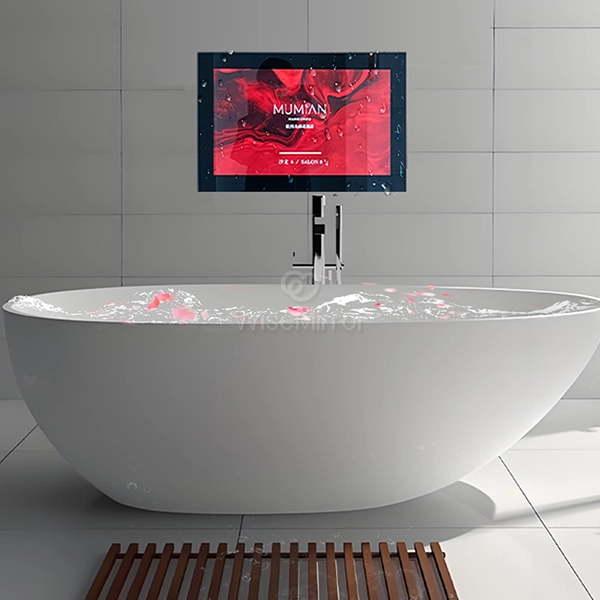
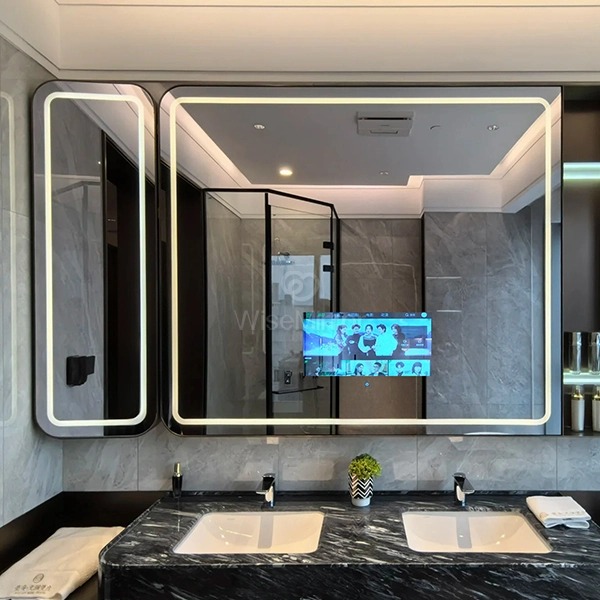
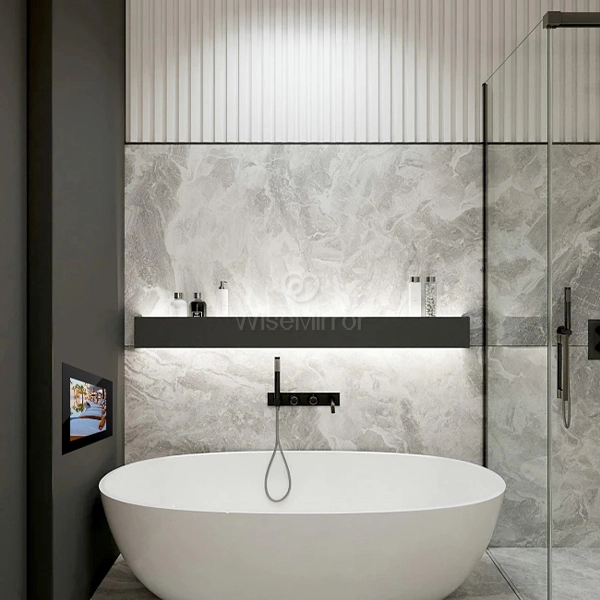
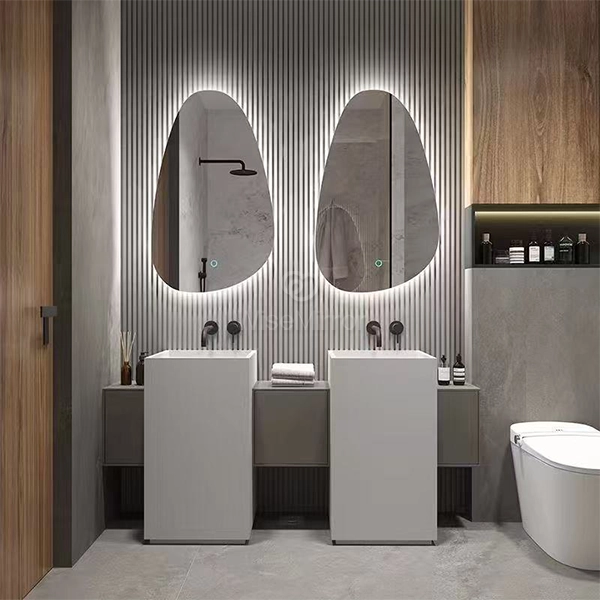
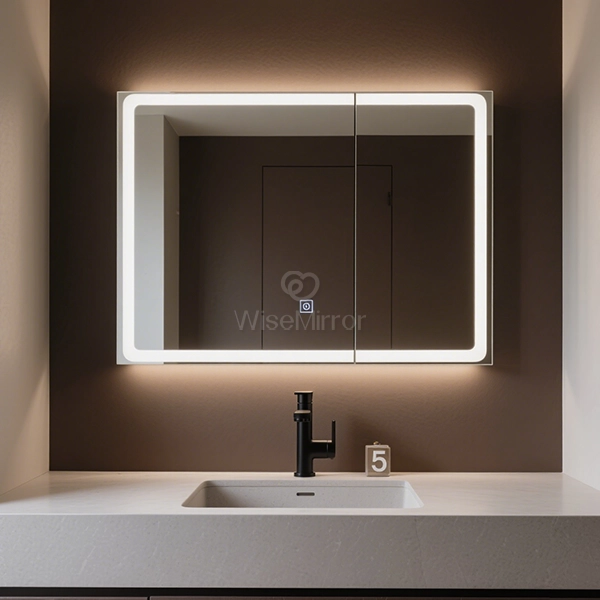
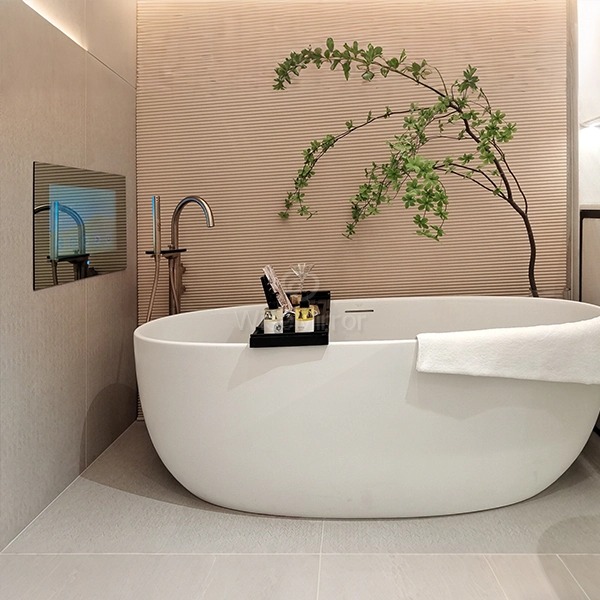
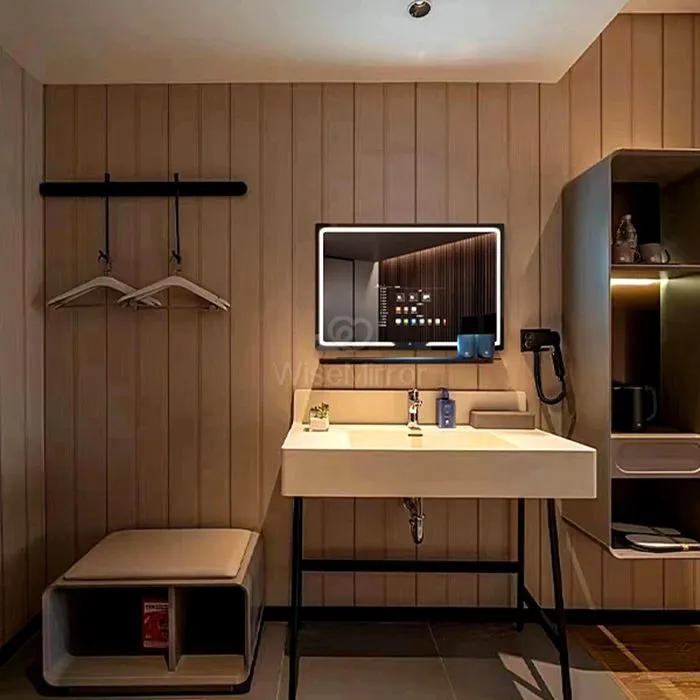
- Hospitality Excellence: In high-end hotels, TVs in the bathroom mirrors show weather updates, information about nearby sites, and personalized welcome messages to guests as they get ready for the day. The waterproof design (IP66 grade) makes sure that it works well in damp places.
- Fitness and Wellness Integration: Interactive mirror screens in gyms and spas stream workout routines, wellness content, and encouraging programs that makes the experience of members better while making the best use of space.
- Retail Innovation: High-end stores use smart mirrors for virtual try-ons, product demos, and focused marketing efforts that keep customers interested while collecting useful information about how they behave.
- Healthcare Applications: Surfaces that are easy to clean and don't fog up help medical centers keep up with hygiene standards while offering educational and entertaining material for patients.
With these application benefits, you can solve certain practical problems more effectively, making customers happier and your business more efficient. By adding WiFi connection, smart home compatibility, and remote management tools, setups stay up to date with changing technology standards. This also gives managers full control over content and system performance.
Procurement Considerations and Decision Support for Smart Mirror TVs
For procurement strategies to work, they need thorough review systems that take into account the specific needs of different B2B client groups. OEMs and wholesalers need to think about more than just the initial purchase price. They need to think about the total cost of ownership, how hard the installation will be, and how much help will be needed in the long term. Structured decision grids help procurement managers compare smart mirror TVs based on their features, performance, and the vendor's abilities.
Putting products into groups based on their features lets you compare them with confidence across a range of price points and levels of capability. Basic Android features and standard connectivity choices are usually found in entry-level systems. More advanced touch displays, built-in HIFI speakers, and special features like hotel lock integration and IPTV system support can be found in premium systems. The ability to work with two systems (a TV system, an Android system, or both a TV system and an Android system) gives you options for different working needs.
Important things to look at when buying something are the warranty terms, which should match the tough needs of industrial setups. The best makers in the business offer full coverage that includes both hardware and software support. Because mirror displays are fragile, shipping operations need to be carefully coordinated. Reliable providers offer special packing and handling methods that lower the risk of damage. After-sales support has a direct effect on operational stability. For mission-critical installations, it is important to choose a provider based on service network coverage and reaction time promises.
WiseMirror Intelligent has worked with big real estate companies like China Resources Land and China Merchants Property Development in the past. This shows that they are reliable and meet the performance standards that buyers should expect from qualified providers. The company's ISO 9001-certified production methods guarantee stable quality even for large orders, and the display's 50,000+ hour life and 2-year warranty give customers faith in its long-term performance.
Conclusion
Businesses that want to combine cutting-edge technology with high-end design will have a lot of options in the future of smart mirror TV screens. As AI, IoT connections, and advanced display technologies continue to improve, these devices are going from being nice to have to being necessary business tools that make operations run more smoothly and keep customers interested. As manufacturing methods, distribution models, and service systems change over time, the market becomes more mature. This means that people can make purchases knowing that they will get value and support in the long run.
FAQ
What are the primary advantages of deploying smart mirror TVs in commercial environments?
Smart mirror TVs have two functions that work together to save room. They get rid of the need for separate mirrors and displays, which cuts down on installation costs and visual clutter. The coating that doesn't rust and the IP66 grade for waterproofing make sure that it will work reliably in harsh business settings. The Android-based operating system lets you access streaming services and your own apps. Using less energy (≤36W) means lower power costs compared to other monitor options.
How complex is the connectivity setup for smart mirror TV systems?
Modern smart mirror TVs have HDMI, USB, and Ethernet ports that let you connect them instantly. They also have built-in WiFi and Bluetooth that let you connect them wirelessly to existing networks. The Android 11 operating system makes it easier to add apps and update the system. It also supports IR remote control, touch interfaces, and RS232 control, so it can be used with a variety of devices. Some features that are only available in hotels are smooth IPTV integration and access control support.
What pricing trends should buyers expect in the smart mirror TV market?
Prices vary a lot depending on the size of the screen (15.6" to 75"), the features it has, and how much customization you need. Pricing starts around average for entry-level units that can be used in homes, while commercial-grade systems with lots of extra features cost a lot. When hotel groups and real estate developments buy a lot of something, they usually get big discounts. However, installation services and longer warranties cost extra and should be added to the total project budget.
Partner with WiseMirror Intelligent for Advanced Smart Mirror TV Solutions
WiseMirror Intelligent is ready to change the look of your business places with cutting edge smart mirror TV technology that blends great performance with beautiful design. Our wide range of products meets the needs of a wide range of industries, from high-end hotel bathrooms to high-end store spaces. We have over 15 years of experience in the field and work with some of the biggest real estate companies. As a reliable smart mirror TV maker, we offer unique solutions that raise property values and ensure long-lasting performance.
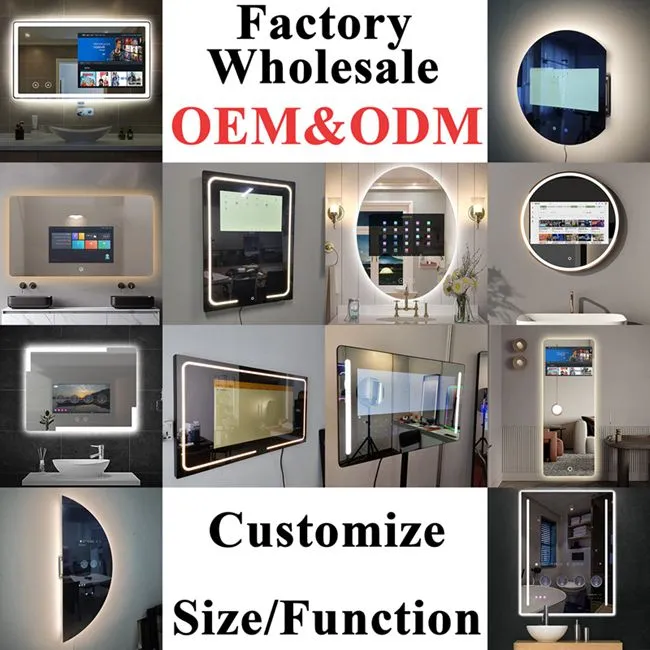
Our technical team helps you with everything, from the first meeting to installation and ongoing upkeep. They make sure that everything works well with your current systems and meets your operational needs. Get in touch with our experts at info@wisemirror-int.com to talk about your project needs and find out how our cutting-edge smart mirror TV solutions can improve your business while giving you a clear return on your technology investments.
References
Johnson, Michael, and Sarah Chen. "Interactive Display Technologies in Commercial Environments: Market Analysis and Future Projections." Journal of Commercial Technology Integration, vol. 15, no. 3, 2024, pp. 45-62.
Rodriguez, Elena, et al. "Smart Building Integration: Mirror Display Systems and IoT Connectivity Standards." International Conference on Building Automation and Smart Technologies Proceedings, 2024, pp. 128-145.
Thompson, David R. "Hospitality Technology Trends: Enhancing Guest Experiences Through Interactive Mirror Systems." Hotel Management and Technology Quarterly, vol. 28, no. 2, 2024, pp. 78-91.
Kim, Jennifer S., and Robert Anderson. "Manufacturing Innovations in Smart Mirror Technology: Coating Processes and Display Integration." Advanced Materials and Manufacturing Review, vol. 12, no. 4, 2024, pp. 203-219.
Williams, Patricia M. "Procurement Strategies for Smart Building Technologies: Risk Assessment and Vendor Selection Criteria." Facilities Management and Technology Journal, vol. 31, no. 1, 2024, pp. 34-48.
Martinez, Carlos, and Angela Foster. "Market Dynamics in Interactive Display Systems: Industry Value Chain Analysis and Business Model Evolution." Technology Market Research Quarterly, vol. 19, no. 2, 2024, pp. 112-127.