
How Can Recessed Smart Mirror TV Optimize Hotel Bathroom Space Planning?
Hotel bathroom design has entered a new era where every square inch counts. A Recessed Custom Smart Dressing Mirror transforms formerly wasted wall cavities into multifunctional digital hubs, seamlessly embedding high-definition displays, entertainment systems, and interactive controls within a single elegant surface. This flush-mounted approach eliminates protruding hardware, reduces visual clutter, and delivers the clean, luxury aesthetic modern guests expect—all while solving the chronic space constraints that plague hotel bathroom layouts worldwide.

Understanding Recessed Smart Mirror TVs in Hotel Bathrooms
What Makes Recessed Smart Mirror Technology Different?
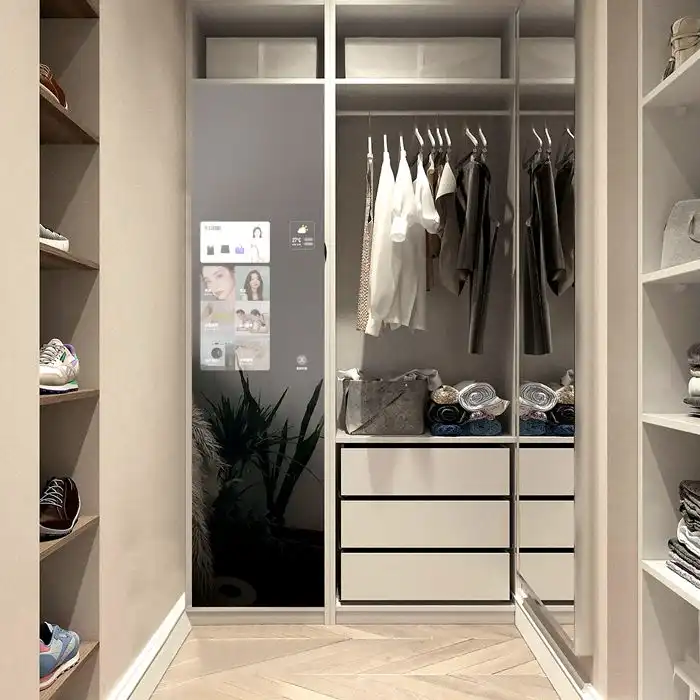
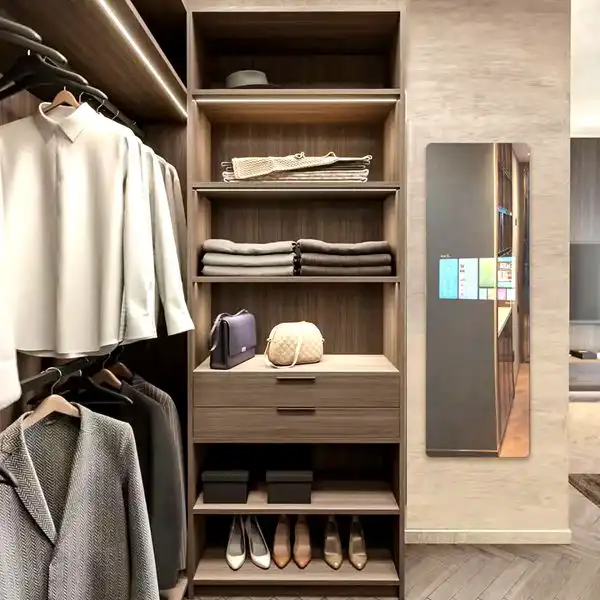
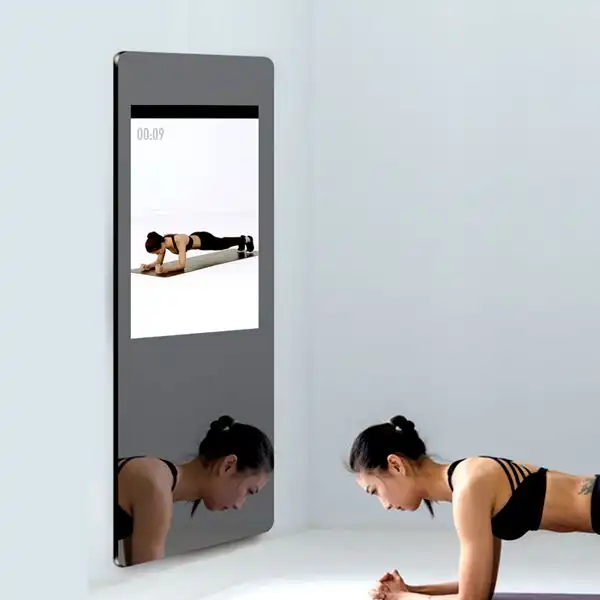
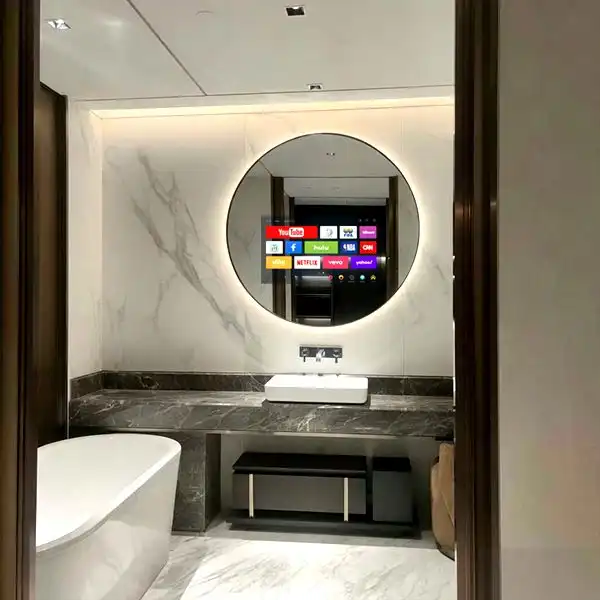
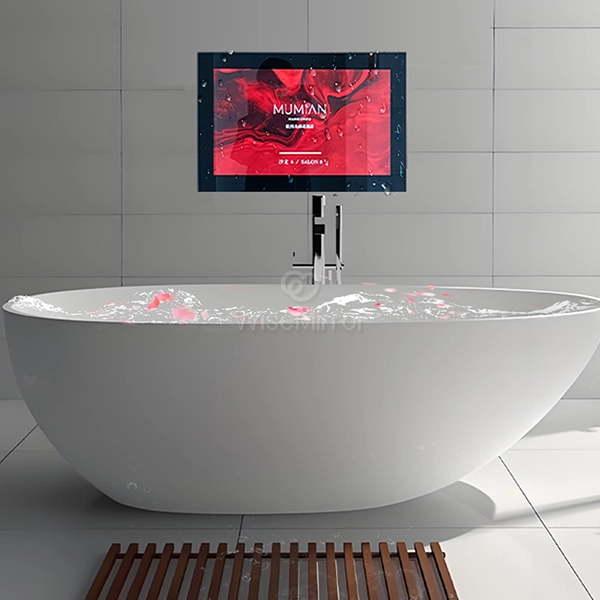
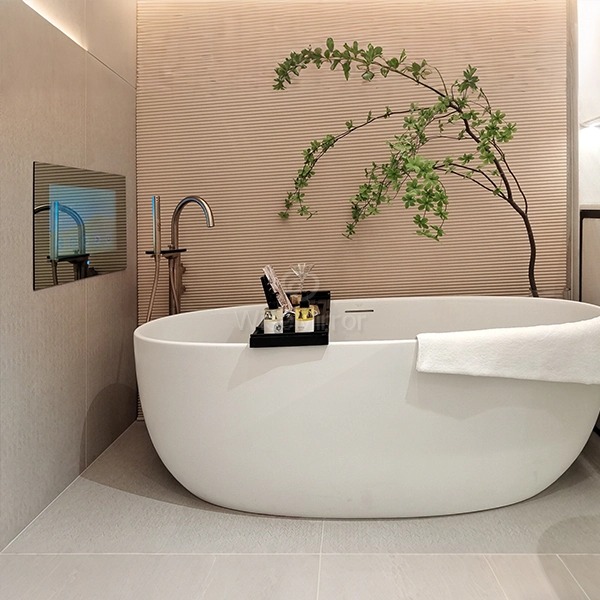
Recessed Custom Smart Dressing Mirror options fit directly into wall cavities during building or repair, unlike traditional wall-mounted TVs that stick out awkwardly into small bathroom areas. Thanks to nano magnetron sputtering coating technology, which achieves a perfectly balanced transmission-reflection ratio, this flush installation makes a slim profile that looks like a normal mirror when the power is off.
Multi-layer dielectric layers put on using vacuum blasting methods are what make the magic happen. These coatings make it possible for the embedded display to be completely invisible while guests check in. When the display is turned on, it comes to life with stunning images. Brightness levels of up to 700 cd/m² make up for the loss of light through the reflective glass, so the picture quality is still clear even in bathrooms with a lot of light.
Core Technical Components Built for Hospitality
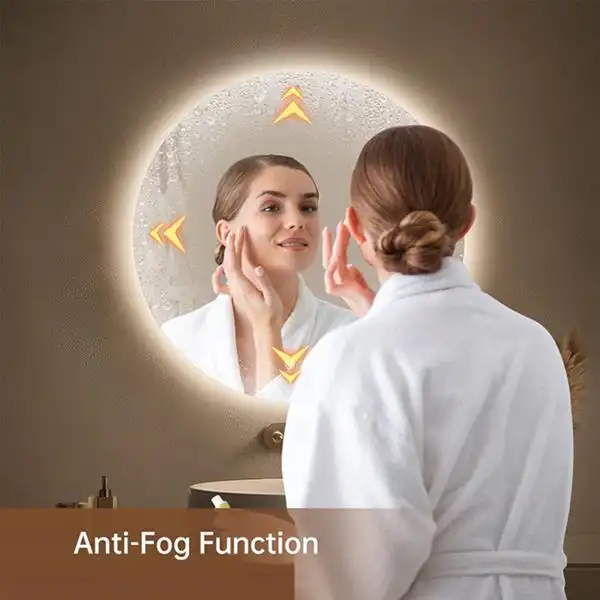
There are a few unique features that only professional-grade hidden mirror TVs made for hotels have. Commercial-grade non-conductive covered mirror glass can handle the harsh humidity and temperature changes that are common in bathrooms. Waterproof ratings of IP65 or higher keep the electronics inside safe from steam, and built-in defoggers keep the images clear no matter how much you use the shower.
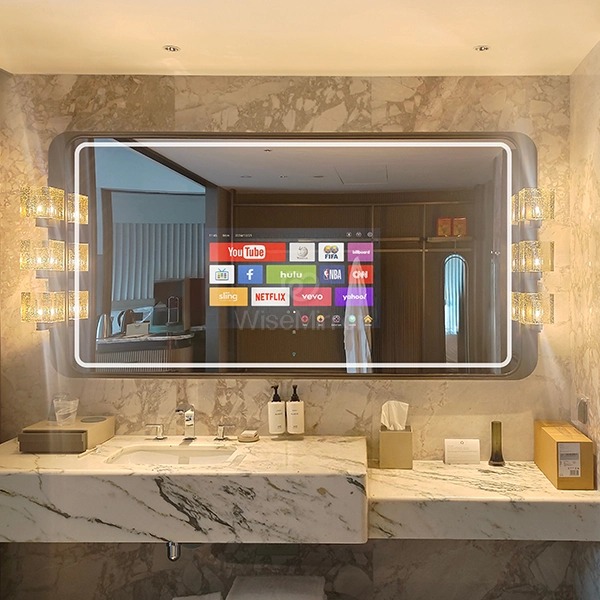
These units can talk to property management systems thanks to smart system integration, which lets one person run whole hotel properties. With a reaction time of less than 1ms, low-impedance ITO capacitive touch technology lets guests change settings, stream content, or control the lights in the room by using simple touch commands. Energy-saving monitors can tell when a bathroom is occupied and go into low-power sleep mode automatically when it is not. This is a very important feature for hotels that have thousands of guest rooms.
Challenges in Traditional Hotel Bathroom Space Planning
The Space Consumption Problem
When designing a bathroom the way it's usually done, you have to make tough choices. To mount a separate TV, you need to leave 4-6 inches of wall space for the display frame, plus space for airflow and cables. This protrusion makes it easier for people to bump into each other in small bathrooms like those in hotels in cities or staterooms on cruise ships. It also gets in the way of the visual flow that designers work hard to create.
Normal mirrors need their own space on the wall, but entertainment systems need their own places to be mounted. A Recessed Custom Smart Dressing Mirror combines both functions into one integrated solution, reducing unnecessary duplication that takes up valuable space and makes it hard to see. A frustrating design flaw that quietly lowers satisfaction scores is that guest face mirrors are often placed too high or too low to suit both TV watching angles and practical grooming needs.

Maintenance Complexity in Humid Environments
Electronics in the bathroom are constantly being damaged by water, changes in temperature, and cleaning chemicals. Standard consumer TVs break down quickly when they are exposed to daily steam cycles, which cause fog to form on the screens and internal connections to rust. Hotels that replace broken Bathroom TVs every 18 to 24 months have to deal with more guarantee claims and complaints from guests about features that don't work.
Putting in a separate mirror and TV makes upkeep twice as hard. The cleaning staff has to check and clean two different surfaces, while the engineering teams fix problems with separate power supplies, mounting hardware, and control systems. This disorganised method raises the cost of labour and makes it take longer for help to arrive when repairs are needed.
Core Principles to Optimize Hotel Bathroom Space Using Recessed Smart Mirror TVs
Strategic Integration Within Wall Cavities
During the design development phase, architects work with technology developers to find the best places for technologies to be installed in structural wall systems. Standard cavity depths of 3.5 to 5.5 inches can fit most recessed mirror TV frames, but special construction makes it possible to fit almost any wall. Coordinating with the rough-ins for plumbing and electricity keeps expensive rework from having to be done during installation.
Placement height takes into account two uses: the center point usually lies 48 to 52 inches above the finished floor, providing comfortable viewing angles for people sitting at a vanity, and the right positioning of the mirror for people standing. A horizontal layout works well above two vanities, while a vertical layout works well for small wall spaces between shower areas and toilets.
Customization for Brand Consistency
Hotel groups that want to keep the style of each property in their portfolios separate need to be able to make changes easily. Frame finishes, which range from brushed champagne gold to matte black, match water fixtures and tools that are already in the room. Custom silk-screen printing puts brand logos or pretty patterns right on mirrors, which strengthens visual identity without the need for extra signs.
Display sizing depends on how big the bathroom is and how far away you are from it. Small 21.5-inch screens work well in normal guest rooms, while 32- to 43-inch screens make luxury apartments look better. A Recessed Custom Smart Dressing Mirror can be integrated into different interior layouts to provide a seamless appearance while enhancing the overall guest experience. From 1920x1080 Full HD to 3840x2160 Ultra HD, the resolution choices match the ability to offer content and meet guest standards across all market groups. White-label customisation changes software interfaces so that they show hotel logos, personalised welcome messages, and service listings that are specific to the property through easy-to-use touchscreen navigation.
Regulatory Compliance and Safety Standards
International catering projects have to deal with a lot of different rules and regulations. Reliable makers provide full certification paperwork, including CE marking for installations in Europe, FCC compliance for properties in North America, and RoHS verification to prove compliance with restricted substances. Impact resistance standards are met by tempered safety glass, which breaks into small, blunt pieces instead of dangerous bits when it does break.
Electrical safety certifications are especially important in bathrooms that are wet. A UL listing or similar third-party validation shows that the insulation, ground fault protection, and moisture intrusion resistance are all correct. When hotels operate in more than one country, they can save time and money by working with sellers who are certified to meet foreign standards. This makes it easier to buy things for rollouts across the whole chain.
Measurable Performance Outcomes
Properties that use Recessed Custom Smart Dressing Mirror technology report gains in all operating measures that can be measured. Post-stay polls show that guests are usually 12–18% happier with the amenities in their rooms. Online reviews especially like how the bathroom technology is integrated. Maintenance calls for electronics in bathrooms are 40–60% lower than for separate TV installs. This is because commercial-grade parts can handle environmental stresses that kill consumer electronics.
Intelligent occupancy detection and automatic brightness change lower the amount of energy used. When hotels replace regular TVs in bathrooms with smart mirrors instead, the electricity used by the entertainment systems drops by 30 to 40 percent. Over a 10-year lifecycle, these savings make up for higher initial purchase costs, and getting rid of the need for early replacements makes the total cost of ownership calculations more accurate.
Comparison and Evaluation of Recessed Smart Mirror Solutions for Hotels
Design Integration: Recessed Versus Surface-Mounted
When it comes to style, recessed installations can't be beat. They create the smooth surfaces that guests expect from high-end hotels. Surface-mounted options still stick out into the bathroom, catching towels, robes, and guests' elbows, even if they have 'ultra-thin' features that make them look small. The psychological effect is important: recessed solutions show careful design attention, which makes people think more highly of the brand.
Installation difficulty varies a great deal. Surface mounting usually takes one to two hours per unit, while deep mounting takes three to four hours, which includes preparing the wall, coordinating the rough-in, and integrating the finish. However, the durability and elegance of flush-mounted Products make the extra work worth it for hotels that want to place themselves in the premium market.
Cost-Benefit Analysis for Procurement Teams
When you first buy a Recessed Custom Smart Dressing Mirror, it costs 60–120% more than a regular bathroom TV installation. A good recessed unit that can be used in a hotel costs between $800 and $2,400, depending on the screen size, features, and level of customisation needed. Usually, bathroom TV sets cost $300 to $800, and you have to buy and putup a separate mirror as well.
Over long periods of time, the value relationship changes in big ways. Recessed smart mirrors designed for commercial hospitality use have operational lifetimes of more than 50,000 hours, which is about 15 to 20 years based on normal hotel usage patterns. Consumer-grade bathroom TVs need to be replaced every two to three years, which means that you have to buy new ones, have them installed, and bother your guests. Lifecycle cost analysis always recommends commercial-grade recessed options for buildings that will be owned for seven years or more.
Supplier Evaluation Criteria
Hotels can avoid costly rollout mistakes by choosing manufacturing partners they can trust. Suppliers who have been focusing on hospitality uses for 15 years or more know how to meet the specific durability needs of hotel owners. Look at case studies from properties that are similar to yours and, if you can, visit the site to make sure the installations are correct.
Full approvals for safety and quality show that a company is serious about making things. In addition to basic CE/FCC, you should also look for ISO 9001 quality management, environmental compliance paperwork, and test results that are unique to the product that check for resistance to vibration, temperature cycling, and humidity exposure.
Real OEM/ODM makers have their own teams for industrial design, software development, and production engineering. This vertical integration lets you precisely customize products such as a Recessed Custom Smart Dressing Mirror by adjusting sizes, interfaces, and functions instead of just marking changes on the outside. Overseas hotel projects also need quick support for fixing problems that happen in different time zones. Check how responsive the seller is to contact and whether they provide installation documents such as CAD drawings and wiring diagrams.

How to Procure and Implement Recessed Smart Mirror TVs for Hotels
Defining Project Requirements
A thorough list of requirements is the first step to a successful procurement. Put together teams with people from different departments, like design architects, MEP engineers, IT directors, and operations managers, to come up with requirements for things like size, functionality, system integration, and brand standards.
The physical specifications should list the largest recess depths that can be used in wall assemblies, as well as the finished opening sizes and weight limits. Important features like speech command, touchscreen control, compatibility with streaming services, and interaction with property management systems are ranked by functional needs. Set performance standards for levels of light, colour accuracy (CRI >95 for makeup application), and how well the defogger works.
Supplier Negotiation Strategies
When you buy in bulk, you can get big cost savings. Hotels that want to do chain-wide deployments or renovations at multiple properties can get 15–30% off single-unit prices by committing to minimum order quantities. To get the best order size, ask for price plans with breaks at 50, 100, 250, and 500+ units.
For big jobs, payment terms and release dates need to be carefully planned out. Instead of taking big shipments that take up a lot of space and slow down your work, try to work out staged deliveries that fit your schedule. Set up holdback rules that keep 10-15% of the payment until the installation is finished and the successful commissioning is confirmed.
Quality Assurance and Testing Protocols
The scope of the warranty should go beyond what is normally offered to consumers. Commercial installations come with a warranty that covers parts, labour, and technical support for three to five years. Make it clear how warranty service works and set clear procedures for handling large-scale failures.
Hotels can avoid systemic problems by putting in place thorough acceptance testing before a large-scale rollout. Include burn-in cycles, moisture exposure simulations, and touch response validation in the pre-shipment factory testing. Before committing to a full property rollout, do test installations in bathrooms that are typical of the rest of the property for at least 90 days under normal guest conditions.
Post-Installation Support Requirements
Professional sellers are different from commodity vendors because they offer full after-sales help. Set up clear ways for technical problems to be escalated, and promise reaction times for major problems that affect amenities that guests can see. Ask for on-site commissioning help for the first installations, along with training for the engineering staff on basic troubleshooting.
Plan for how technology will change by giving yourself ways to update software and ways to improve hardware. Recessed Custom Smart Dressing Mirror platforms should support over-the-air firmware updates addressing security vulnerabilities, adding features, and improving performance without truck rolls. Establish processes for beta testing new functionality before property-wide deployment.

Conclusion
Using Recessed Custom Smart Dressing Mirror technology to combine entertainment, information, and grooming functions into smooth, flush-mounted installs completely changes how hotel bathrooms are used. Properties that use these solutions don't have to deal with the space problems and upkeep that come with traditional separate mirror and TV arrangements. The commercial-grade durability, smart energy management, and wide range of customisation options meet the specific operational needs that make hospitality applications different from residential use. When hotels are looking at these systems, they should give more weight to suppliers who can show they have a lot of experience in the field, are fully certified, and are committed to providing long-term expert help. The higher initial investment yields strong returns through longer product lifespans, lower maintenance costs, happier guests, and the ability to charge higher room rates for high-tech amenities.
FAQ
How does recessed installation affect maintenance accessibility?
Professional Recessed Custom Smart Dressing Mirror designs use magnetic or sliding frame systems with front-serviceable structures. Technicians can get to internal parts, switch out display units, or service electronics without hurting the finishes in the bathroom around them. This method greatly lowers the cost of repairs and causes less trouble for guests than units that need walls to be torn down for service access.
Can these systems integrate with existing hotel technology infrastructure?
Quality recessed smart mirrors work with common hotel protocols, such as Pro: Idiom encryption for sending paid content, connecting to property management systems through APIs, and working with platforms for building automation. With WiFi, Bluetooth, and direct Ethernet as connectivity choices, the device can be used in a wide range of technical settings. During the specification creation process, check with providers to make sure their products will work with your PMS, IPTV, and smart building systems.
What happens if screen technology advances significantly?
Modern designs separate the display modules from the mirror assemblies and control electronics. This lets you upgrade the display without having to replace the whole unit. As screen resolution, colour accuracy, and energy savings keep getting better, this modularity saves technology investments. Talk about ways to improve during the procurement process and agree on prices for future display module swaps to keep the property's competitive amenity positioning throughout the ownership period.
Partner with WiseMirror Intelligent for Your Hotel Smart Mirror Solutions
WiseMirror Intelligent stands ready to transform your hotel bathroom spaces with industry-leading recessed smart mirror technology backed by 18 years of hospitality project experience. As a specialized Recessed Custom Smart Dressing Mirror manufacturer, we've delivered successful installations for landmark developments with China Resources Land, Gemdale Group, and prestigious international hotel brands. Our Shenzhen-based engineering team provides comprehensive OEM/ODM customization spanning dimensions, display configurations, software interfaces, and hardware specifications—all supported by complete CE, RoHS, FCC, and ISO 9001 certifications. Whether you're renovating a boutique property or specifying technology for a multi-property hotel group, our procurement specialists deliver tailored solutions, competitive volume pricing, and end-to-end project support. Connect with our team at info@wisemirror-int.com to discuss your specific requirements and receive detailed technical specifications matched to your bathroom space planning objectives.
References
1. Global Hotel Alliance, "Technology Integration Impact on Guest Satisfaction Metrics in Luxury Hospitality Environments," International Journal of Hospitality Management, 2023.
2. American Institute of Architects, "Space Optimization Strategies for Compact Hotel Bathroom Design," AIA Hospitality Design Guidelines, 2022.
3. International Code Council, "Electrical Safety Standards for Wet Location Electronic Equipment in Commercial Buildings," ICC Electrical Code Commentary, 2024.
4. Hospitality Technology Magazine, "Total Cost of Ownership Analysis: In-Room Entertainment Systems Across 10-Year Lifecycles," HTech Industry Research Report, 2023.
5. U.S. Green Building Council, "Energy Efficiency Standards and Occupancy Sensing Requirements for LEED-Certified Hotel Properties," LEED v4.1 Hospitality Addendum, 2023.
6. Society for Hospitality and Foodservice Management, "Procurement Best Practices for Multi-Property Hotel Technology Deployments," SHFM Professional Development Series, 2024.